
Active· since May 2, 2026
- 86
- days running
- 1
- relaunches
Ad copy
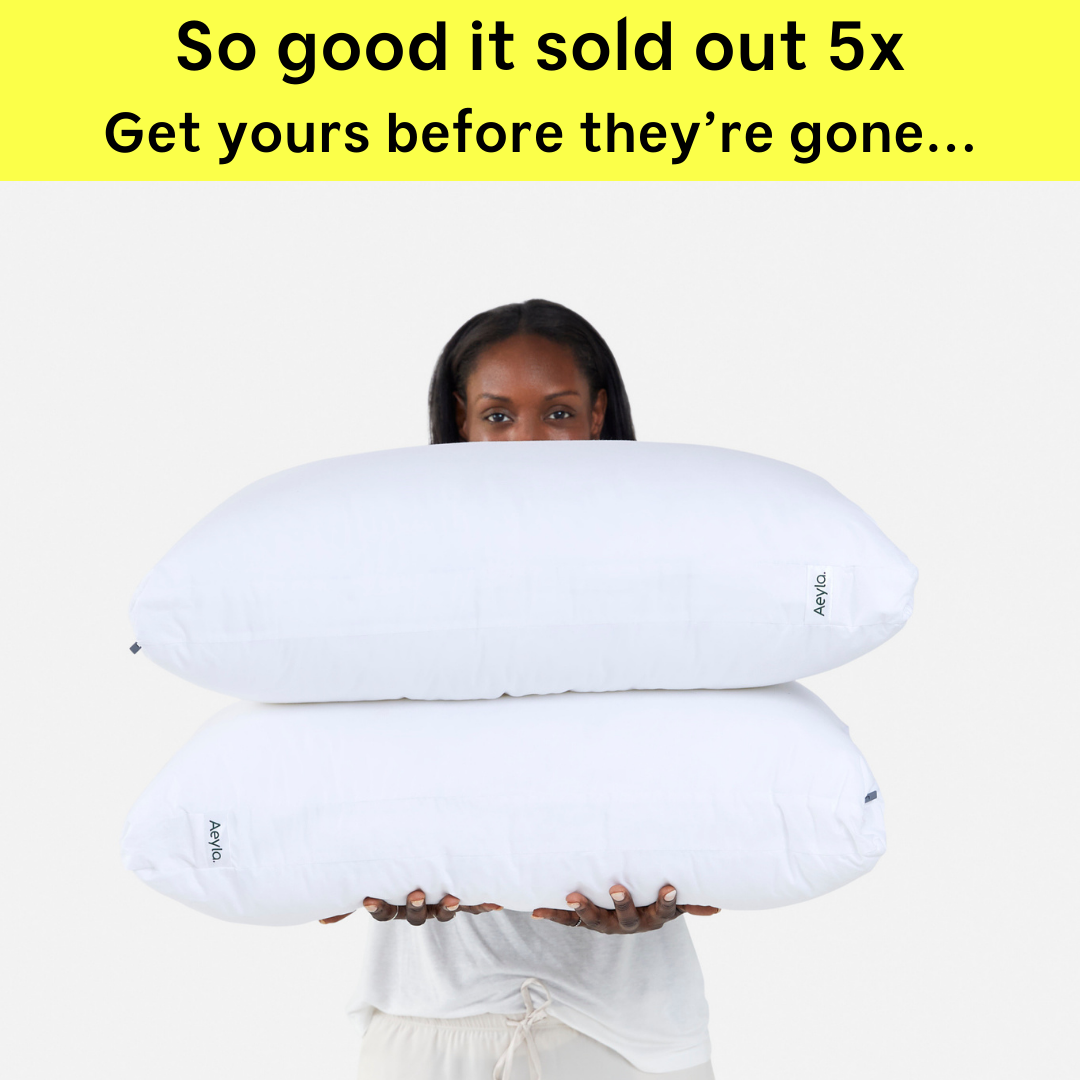
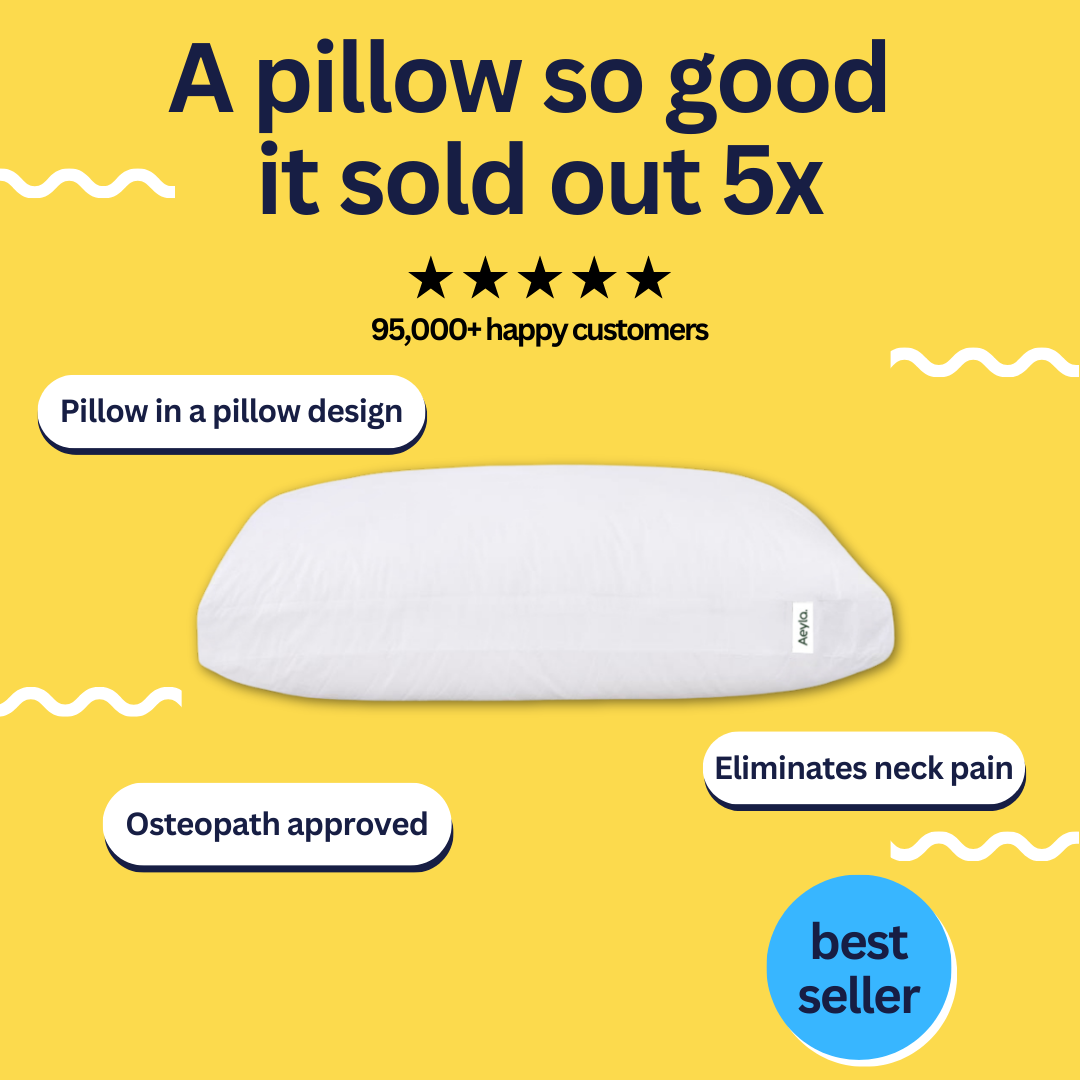
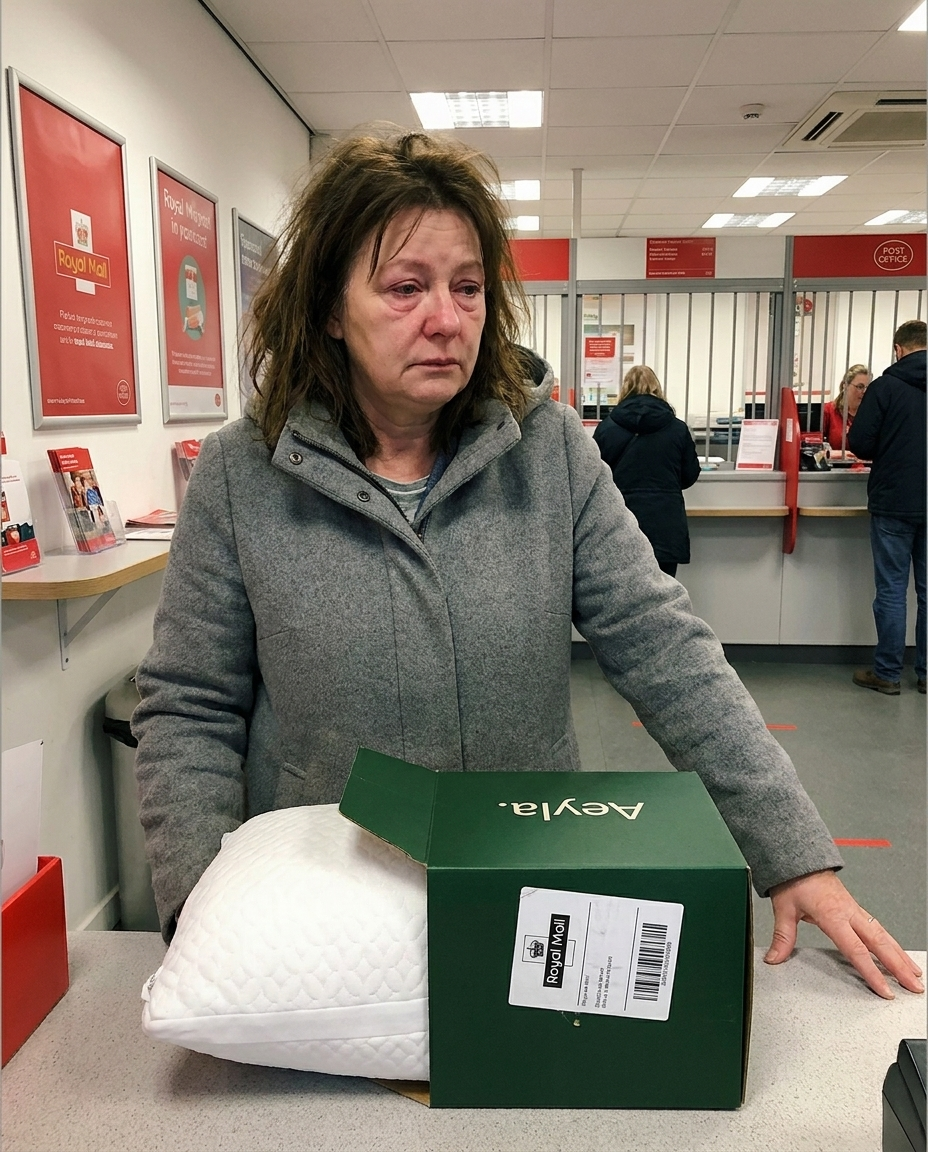
I bought the viral pillow. Best thing I did for my neck in 52 years. I slept 7 hours and woke up actually rested. I have had neck pain every morning for as long as I can remember. Not the dramatic kind. Not the kind that sends you to A&E. The persistent, daily kind that is simply there before you have opened your eyes. A tightness at the base of the skull. A shoulder that aches before the day has asked anything of it. Twenty minutes of careful movement before I felt like myself. I am 52. I had accepted this as part of being 52. My chiropractor had not accepted it. She had been telling me for two years that the source of my morning pain was almost certainly nocturnal — happening during sleep rather than because of anything I did while awake. She had asked about my pillow at three separate appointments. I had told her it was fine. It was not fine. I just did not know what fine actually felt like any more. The problem with chronic pain is that it becomes the baseline. You stop noticing it as a problem and start noticing it as weather — something that is simply there, to be managed, accommodated, worked around. I had built my entire morning routine around it. The careful rotation at the bedroom door. The ibuprofen on the bad days. The way I had stopped sleeping on my left side because the shoulder pain was worse that way. I had been working around a problem I had stopped trying to solve. My friend Jimmy changed that. Jimmy is not a medical professional. He is not a sleep expert or a physiotherapist or a chiropractor. He is a 54-year-old man from Manchester who had exactly the same morning neck pain I had and spent six months reading about it more thoroughly than most people read about anything. He is, as his wife describes him, a person who cannot leave a problem alone until he understands it completely. He sent me a message on a Tuesday evening in February. He said: "Read this before you buy another pillow." He sent a link to an article. A UK osteopath had written about why most pillows fail structurally — not because they are cheap or poorly made, but because of a fundamental architectural limitation that applies to every single-material pillow regardless of price. The article had been shared widely in sleep and chronic pain communities. It had apparently been recommended by physiotherapists, chiropractors, and osteopaths across the UK. I almost did not read it. I had read about sleep before. I had tried the things people suggest. I had bought two different pillows in the previous three years, neither of which had made a lasting difference. I read it anyway because Jimmy had never steered me wrong and because it was a Tuesday evening and I had nothing better to do. What the osteopath explained stopped me from scrolling. Your skull weighs between 5 and 6 kilograms. During sleep it needs to be held at a precise height relative to your spine to maintain the natural cervical curve. If it drops too low because your pillow has compressed, the neck muscles engage to compensate. If it sits too high because your pillow is too firm, they engage in the opposite direction. Either way, those muscles hold sustained tension for the entire sleep cycle. You do not feel it happening. You feel it before you have moved a single muscle in the morning. She also explained why buying a new pillow had not solved my problem. Every standard pillow — foam, down, polyester, latex, memory foam, shredded foam — is made of one material at one density. That one density either provides support or provides comfort. It cannot do both simultaneously. A firm pillow holds the head at the correct height but is too rigid at the pressure points and the musculature braces against it. A soft pillow cushions the pressure points but compresses under body weight and the neck drops. Every pillow I had ever owned was a single material making a single compromise, failing at both requirements partially across every night. The only architecture that resolves both requirements uses two genuinely distinct layers. A firm inner core to maintain head height and spinal alignment regardless of sleep position. A softer outer layer to cushion the contact surfaces — the ear, the temple, the jaw — without the structural support underneath giving way. She mentioned a specific pillow in the article. The Aeyla Dual Pillow. She noted it was the construction used in luxury hotels and premium Airbnbs — the reason people consistently sleep better away from home than in their own beds, and then cannot explain why when they return. The dual-layer principle was not new technology. It was simply the principle that hotels had been applying for years and that the standard consumer pillow market had never delivered at an accessible price. I read "luxury hotels" and immediately assumed I could not afford it. I texted Jimmy: "How much is this pillow." He replied: "Sixty-nine pounds. Thirty-night trial. Full refund." I sat with that for a moment. Sixty-nine pounds for something used in luxury hotels. Sixty-nine pounds with a full refund if it did not work. Sixty-nine pounds against two years of chiropractor appointments, two pillows that had not solved the problem, and a morning routine built entirely around managing pain I had stopped believing was fixable. I ordered it while I was still reading the article. When it arrived I did what Jimmy had told me to do — unzipped the outer layer before putting it on the bed. He had said the construction was the thing that made it different and that I should see it for myself rather than take anyone's word for it. The inner core was genuinely firm in a structural way — resistant and load-bearing, not rigid. The outer layer was genuinely soft without any sense that the support beneath it would compress under body weight. No chemical smell. Oeko-Tex certified. Two different materials doing two different things. I put it on the bed on a Thursday evening with the specifically moderated optimism of someone who has been disappointed by a pillow before. Night one I woke at 5:30am. I had been waking at 3am most nights for over a year. I noted the difference and went back to sleep. Night three the morning assessment — the lying-still-before-moving inventory I had been running every day for years — returned something quieter. The ache was there but background. I sat up without holding my neck. Night five I slept seven hours straight. I cannot tell you the last time I slept seven hours straight. I lay there afterwards feeling something I had genuinely forgotten was available to me at 52. Rested. Actually rested. Not the tired-but-functional state I had accepted as normal. Properly, completely rested. Week two I woke up on a Wednesday and walked straight downstairs without pausing at the bedroom door. My husband asked why I was moving differently. I told him about the pillow. He said: "The sixty-nine pound one Jimmy recommended?" I said yes. He said: "And it worked?" I said yes. He ordered one for himself that evening. Week three I sent Jimmy a message. It said: "No more neck pain. I am so happy I finally found something that worked. Thank you." He replied: "I know. I know." Week four I went to my chiropractor appointment. She asked how I had been sleeping. I told her. She asked what had changed. I told her about the article, about Jimmy, about the pillow. She said: "I have been asking you about your pillow for two years." I said: "I know. I should have listened sooner." She said: "They usually do." I am writing this because Jimmy sent me an article on a Tuesday evening and it changed the first twenty minutes of every morning for the rest of my life. I want to be that Tuesday evening article for someone else. If your chiropractor has mentioned your pillow and you have told them it is fine — it may not be fine. If you have been waking up stiff before you have moved and you have attributed it to age or stress or the way you slept — it may be neither of those things. If you have been managing morning neck pain for so long that managing it has become invisible — the problem may be considerably more addressable than you believe. The article that started everything is here: aeyla.co.uk/pages/best-hotel-pillows-uk-2026 The pillow is here: aeyla.co.uk/products/the-dual-pillow £69. 30-night trial. Free returns. I slept seven hours last night. I woke up without neck pain. I am so happy I finally found something that worked. Thanks Jimmy. Sarah Collins, Manchester. 52 years old. Two years of chiropractor appointments. One article. One Tuesday evening. Four weeks on the Aeyla Dual Pillow. No more neck pain. P.S. My chiropractor had been right for two years. My morning pain was nocturnal — created during sleep, not by anything I did while awake. The pillow was building it every night and I was managing the result every morning and calling that a routine. The article explained the mechanism clearly enough that I could not unsee it. If your pain is worst before you have moved at all, before you have done a single thing, it is worth reading. P.P.S. Aeyla do not pay me to write this. I have no commercial relationship with any sleep or wellness brand. I am a 52-year-old woman from Manchester whose friend Jimmy sent her an article on a Tuesday evening and whose chiropractor has been entirely gracious about having been right all along. Four weeks on the Aeyla Dual Pillow and the neck pain I had accepted as permanent is gone. Your neck deserves that.
no more neck pain
We tested 8 hotel-quality pillows. The winner replicates the hotel pillow menu in a single product. From 19p a night.
LEARN MORELike this ad? Make it yours.
Crush rebuilds this exact creative around your product — your brand, your colors, your offer — in about a minute.