
Inactive· since May 24, 2026
- 6
- days it ran
- 2
- relaunches
Ad copy
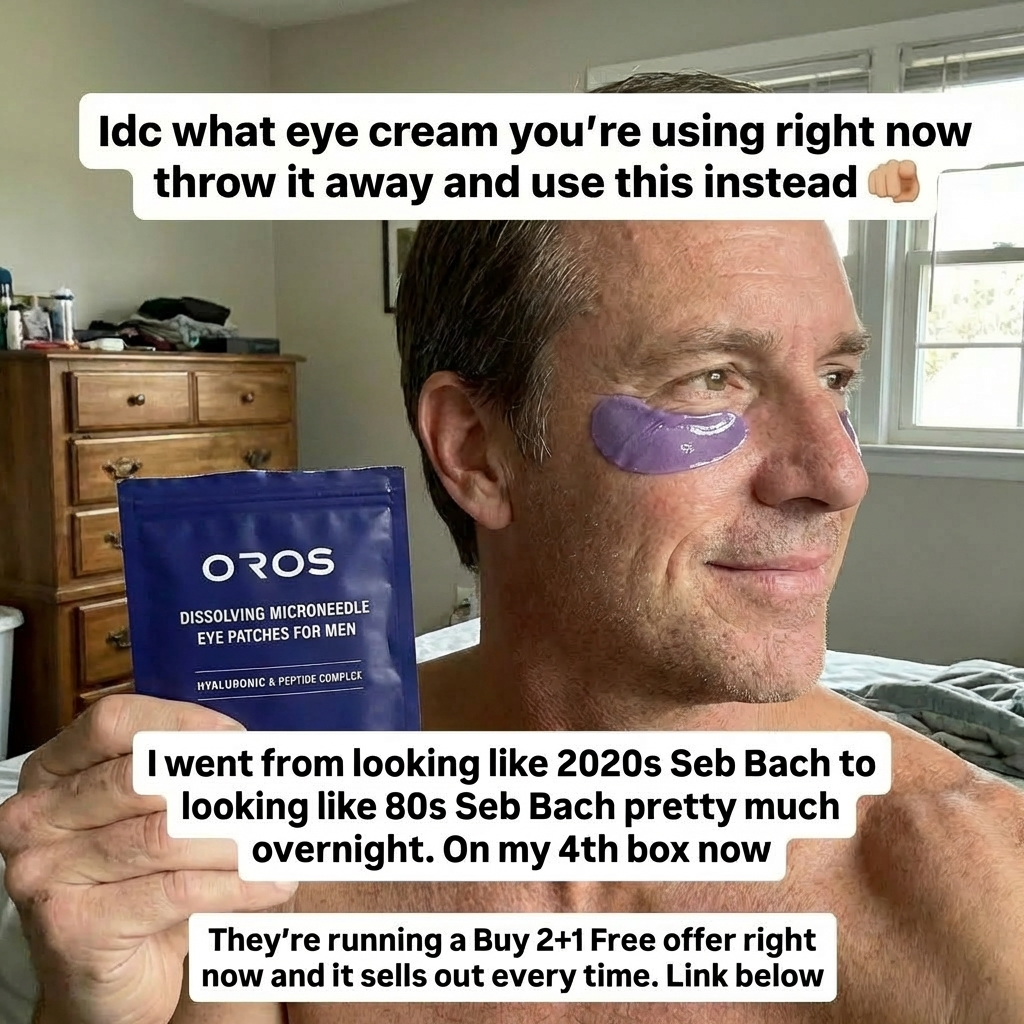
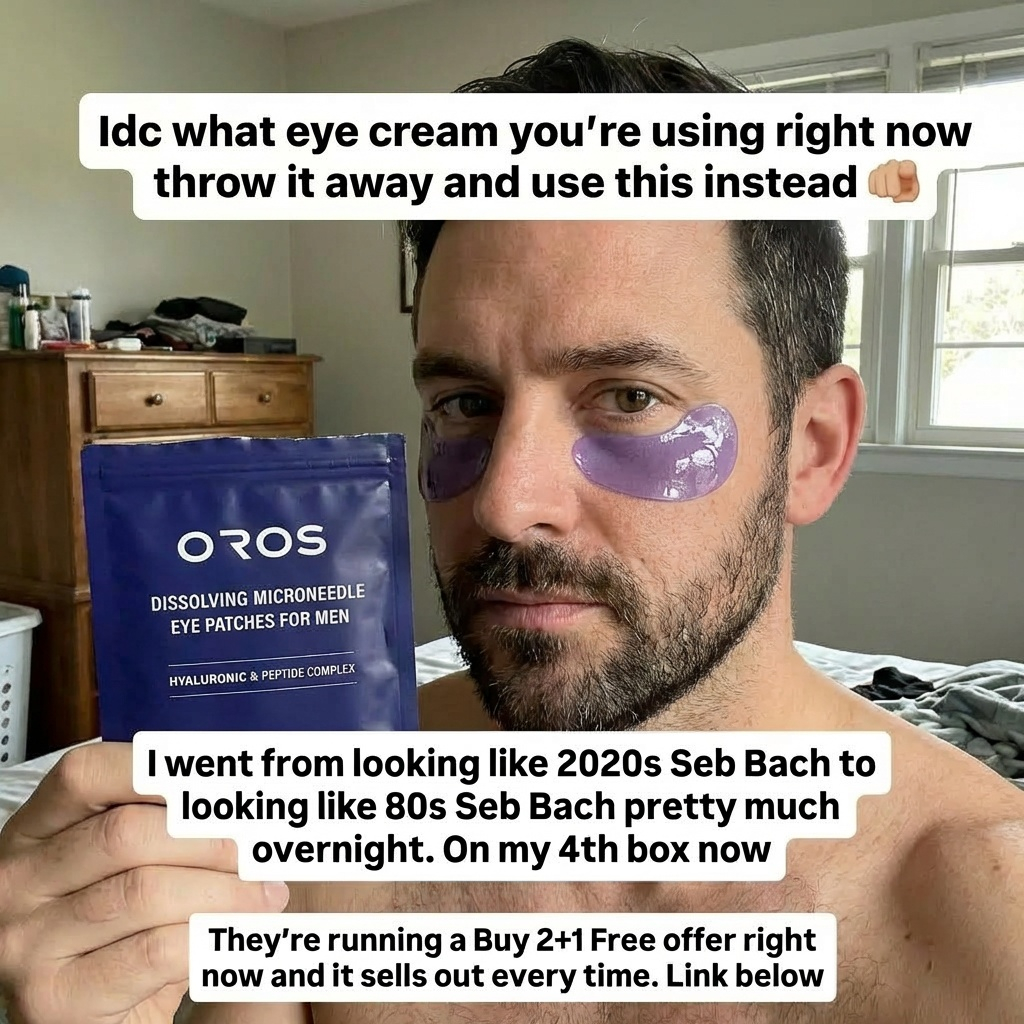
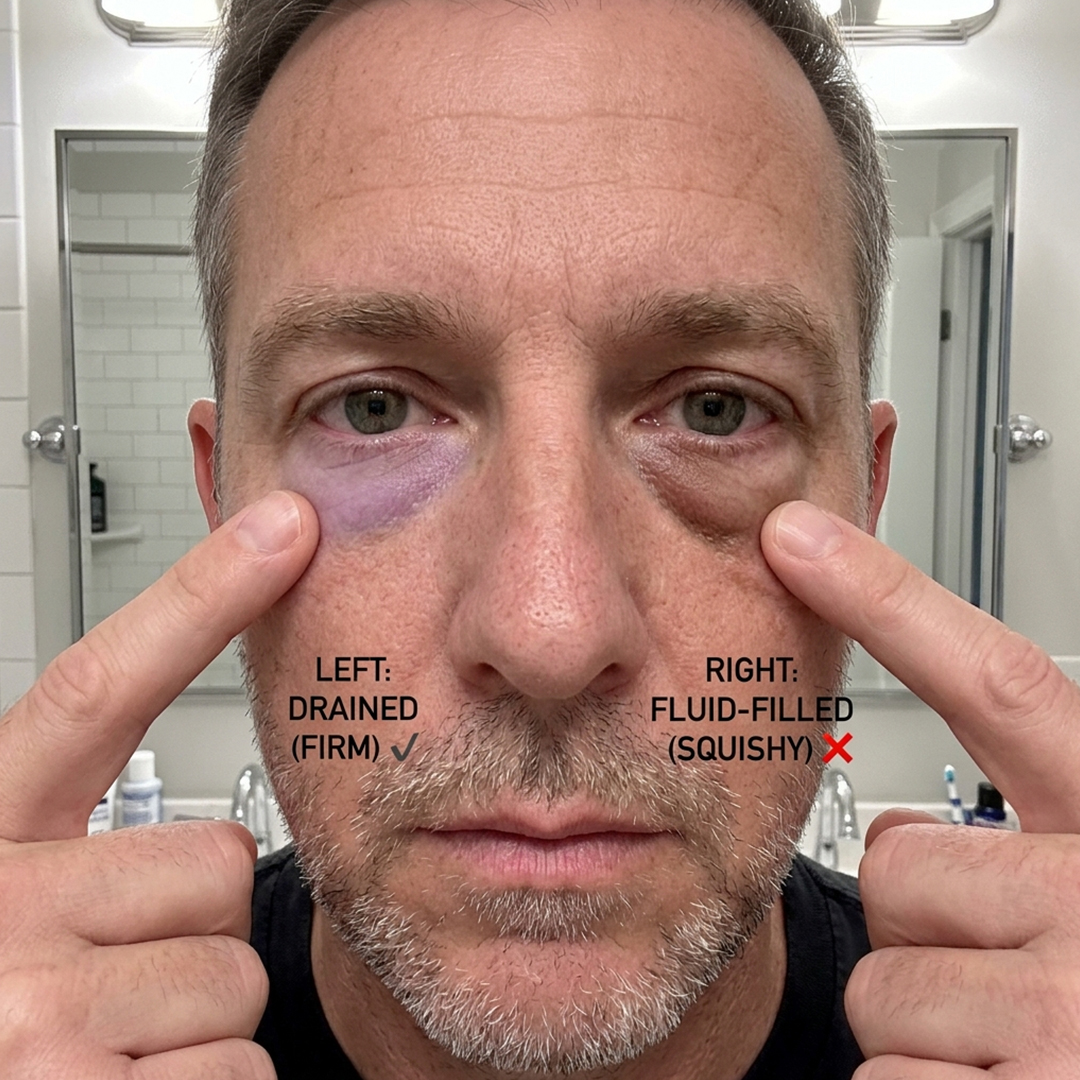
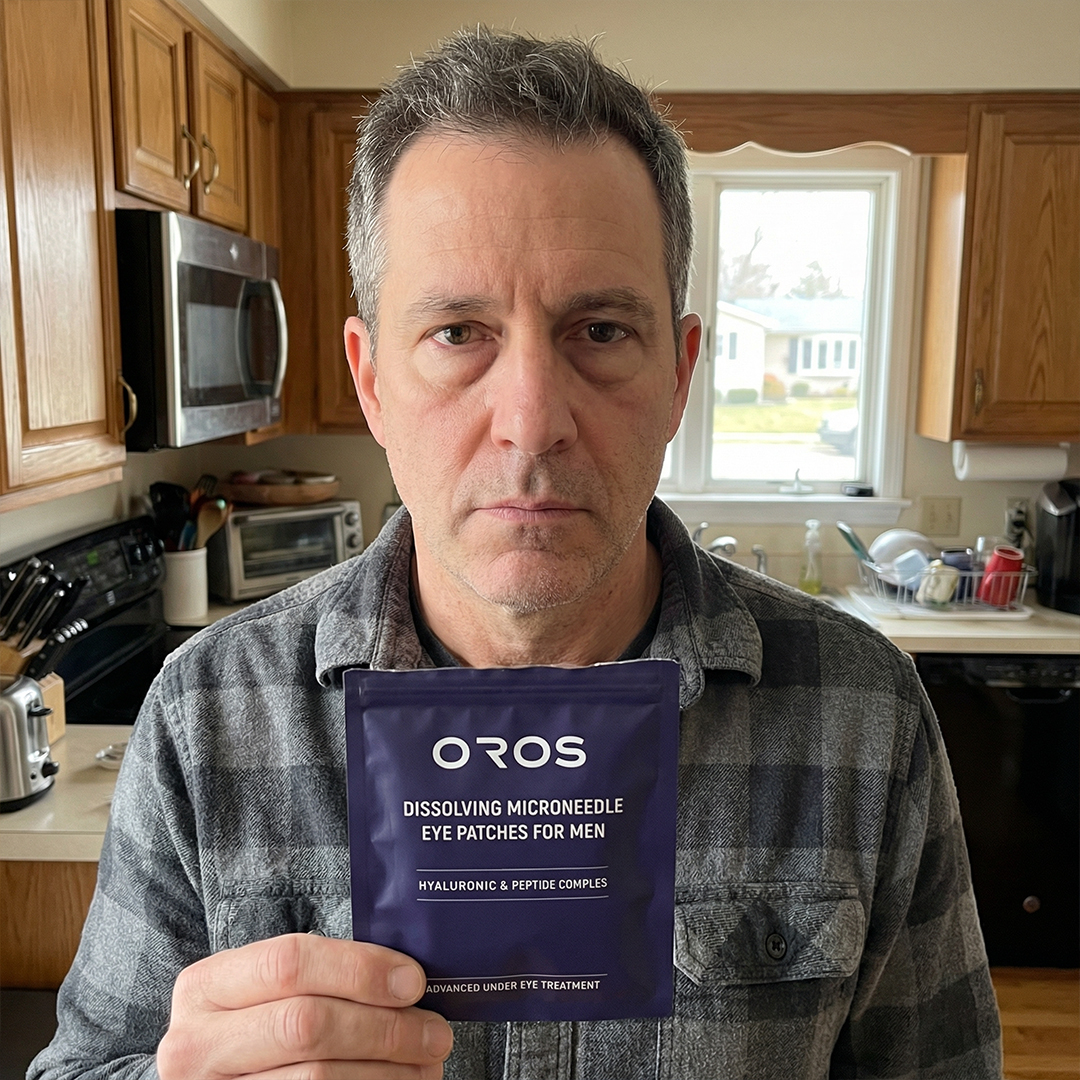
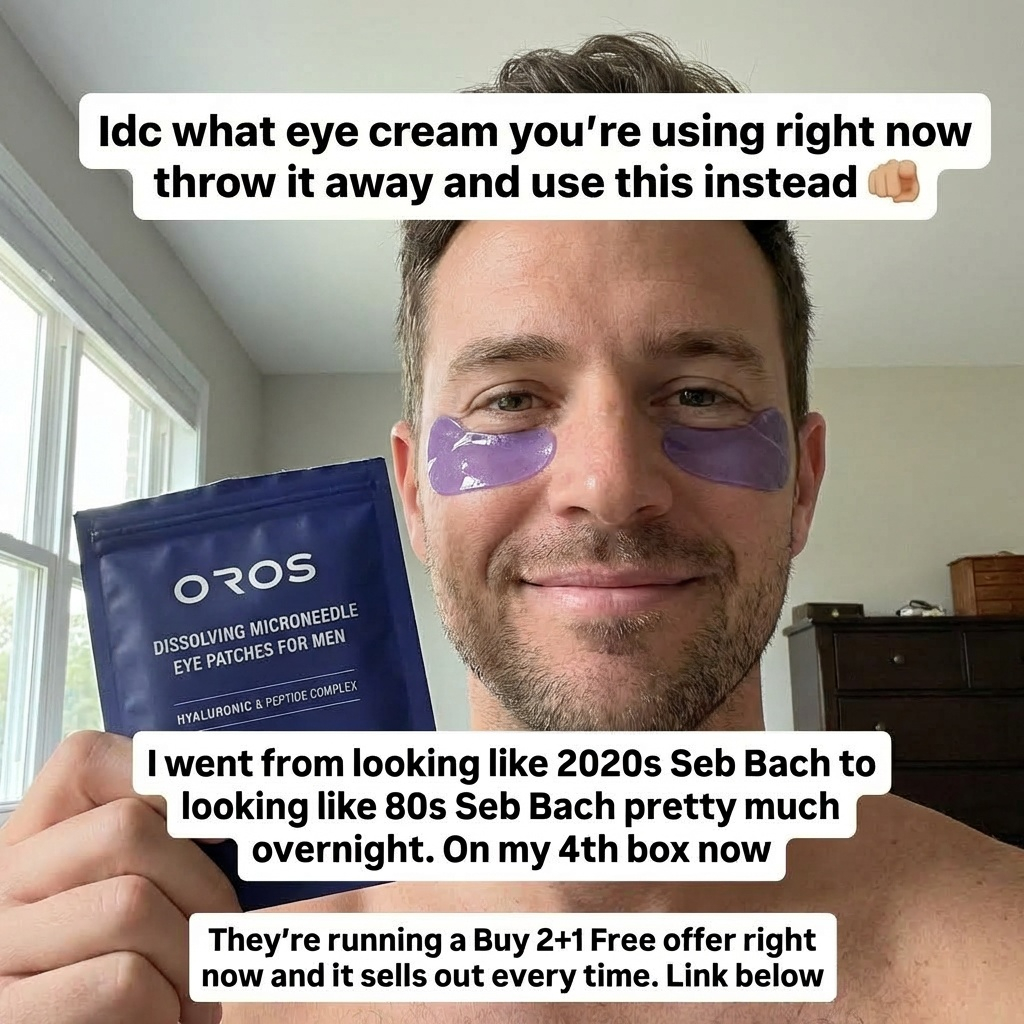
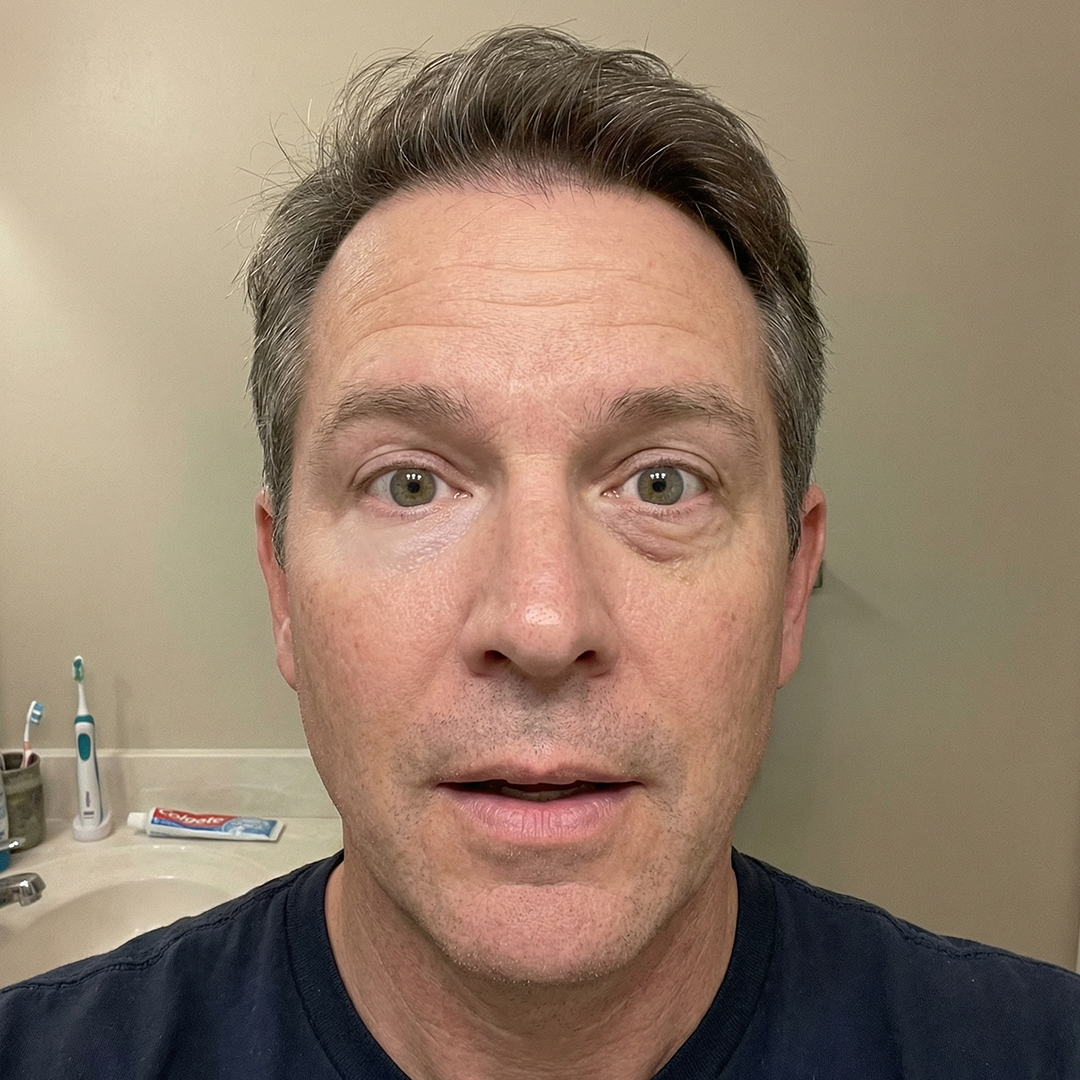
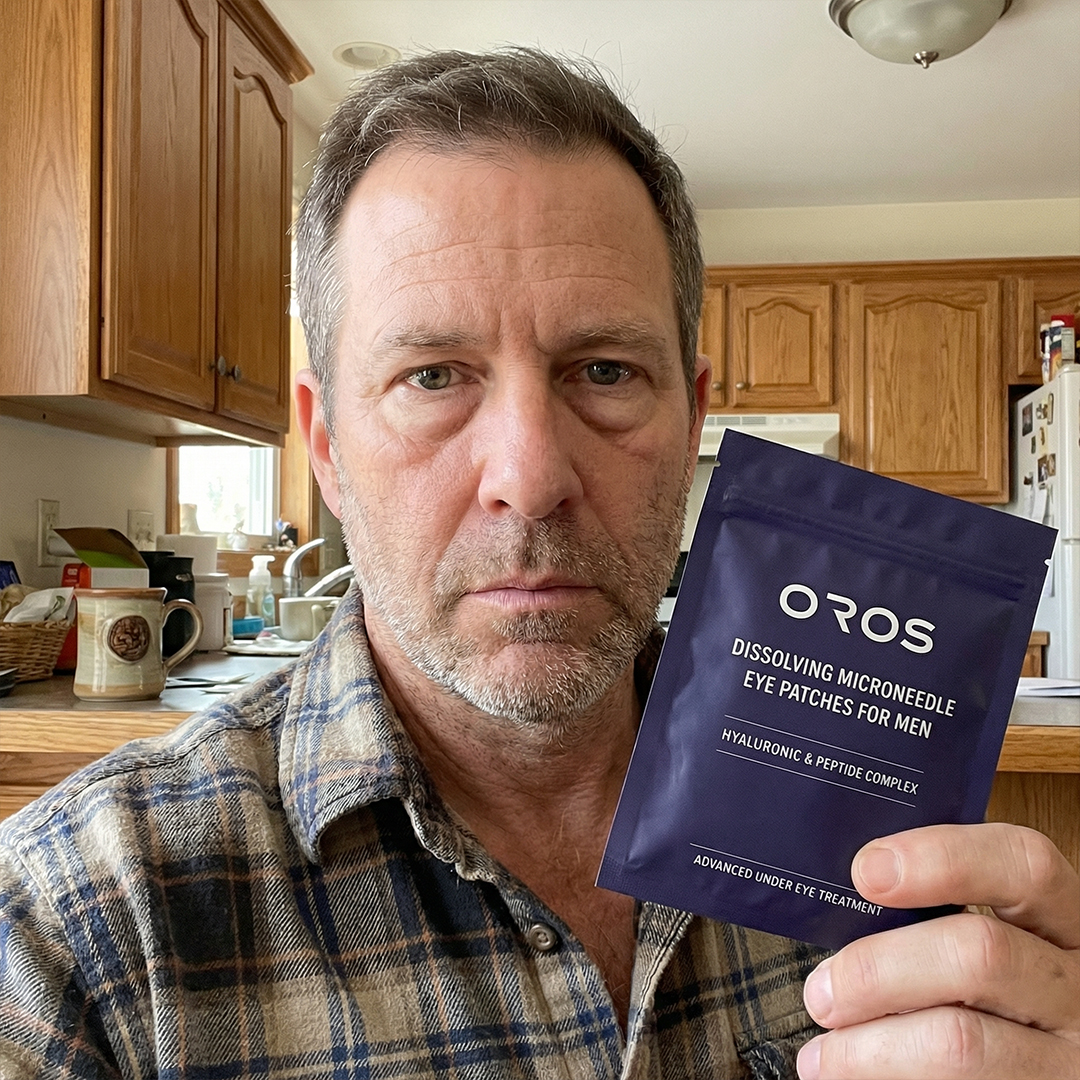
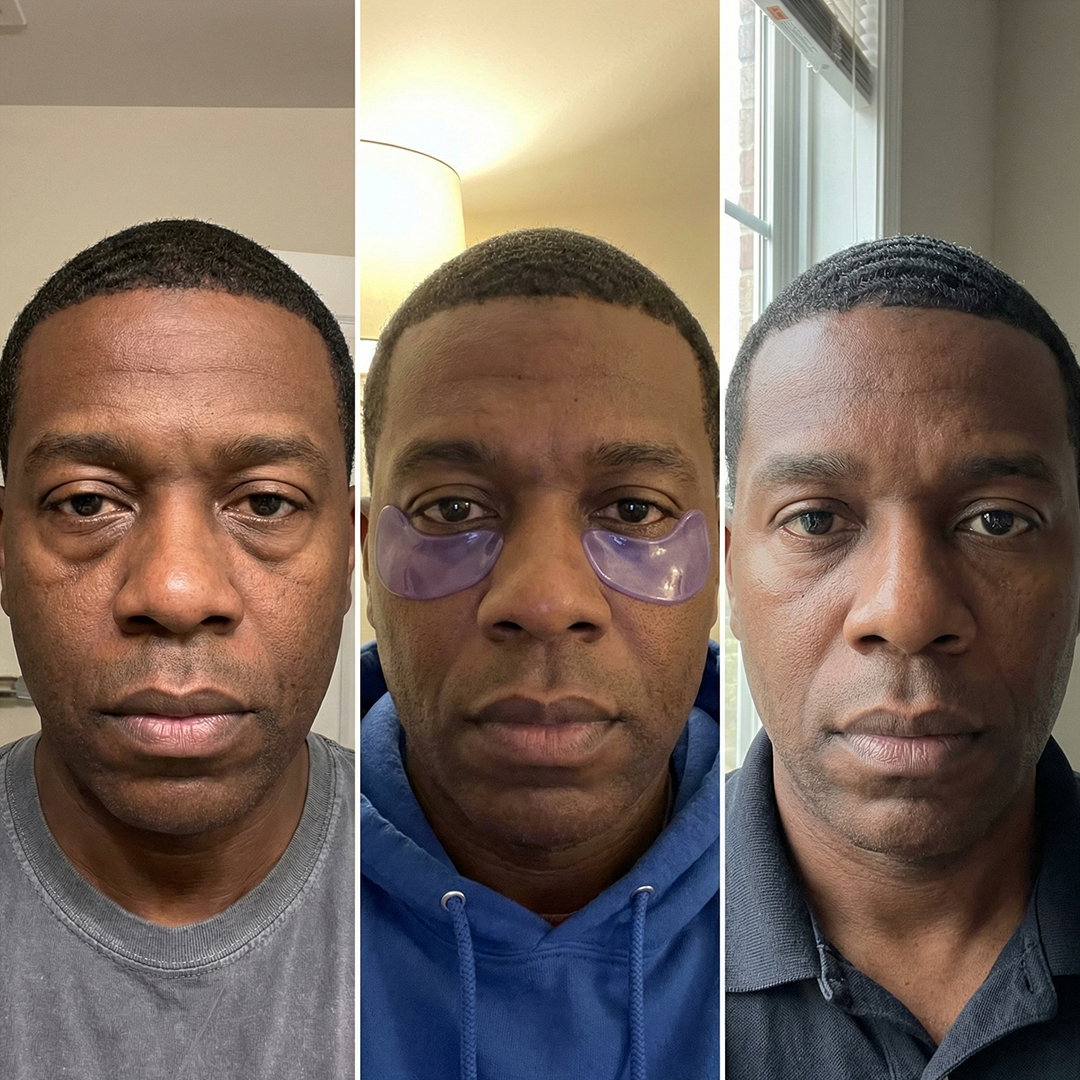
I've been a dermatologist for 24 years. And if your under-eye bags keep getting deeper, your $90 eye creams stop doing anything after two weeks, and your dermatologist keeps recommending "the next strength up"... I'm about to tell you exactly why it's getting WORSE and why the skincare and aesthetic medicine industry will NEVER tell you the truth. And by the end of this, you're gonna be pissed. My name is Dr. Helena Park. Board-certified dermatologist with a Harvard-affiliated research appointment. Twenty-four years treating chronic under-eye pathology in adult men. Published in the Journal of Investigative Dermatology. Over 11,000 male patients. And I'm breaking ranks with my own profession to tell you this. Because there are three things happening right now: One — The bags under your eyes are not "puffiness." Your lymphatic drainage system is failing — and every month you don't restore the drainage, the fluid pool deepens and the surrounding tissue collapses Two — The eye cream you've been buying was never capable of reaching where the bag actually forms, and your dermatologist knows it Three — There's a multi-billion-dollar aesthetic medicine industry that profits every time your bags spread back So let me tell you what happened with one of my patients, because his story is going to open your eyes to how messed up this really is. His name was Daniel. 52 years old. Regional sales director. For YEARS, and I mean like six straight years, he was dealing with this. His face? It started subtle. A faint shadow under each eye. He came to me early — about year two. I told him we'd handle it. No big deal. I prescribed a tretinoin eye cream. Mid-strength. "Apply nightly," I said. "Be consistent." He was consistent. He patted that cream under his eyes every single night for six months. Religiously. Never missed. And you know what happened? The shadows didn't fade. They deepened. They went from faint dusky half-moons to thick, swollen pouches sitting under both eyes. Dark blue-purple discoloration creeping out toward his cheekbones. Skin so thinned by the cream that you could see the vasculature. And then they spread. The puffiness expanded outward. The dark circles widened. Crow's feet around the outer corners deepened. The shadow under his eyes started catching every overhead light in the office and casting it back as exhaustion. By the end of year four, he had thick fluid-filled bags under both eyes, deep purple-brown discoloration that wouldn't lift no matter how much he slept, and crepey, thinning skin that had started to look 15 years older than the rest of his face. He stopped doing in-person client meetings when he could avoid them. Stopped getting in photos at family events. Started angling his Zoom camera upward in every meeting to hide the damage. He told me once: "I plan my whole work calendar around how my face is going to look that day." And the fear? It wasn't just self-consciousness anymore. He was watching his career narrow. Clients who used to write seven-figure contracts had started asking for "a younger guy on the account." His VP pulled him aside after a quarterly review and said, "Dan, you doing okay? You're looking really tired." He wasn't tired. He was sleeping eight hours. His wife had started saying "honey, you look exhausted" before she even said good morning. His daughter took a photo of him at her college graduation last spring and he asked her to delete it. And here's what makes me sick to my stomach: I was the doctor he trusted. Multiple visits. Year after year. We're talking thousands of dollars in appointments, prescriptions, eye cream rotations, light therapy... the whole nine yards. And you know what I kept telling him? "Give the cream more time." "Try switching to a heavier formulation." "It's manageable. We just need to find the right combination." "Be more consistent with application." BE MORE CONSISTENT. This man was patting cream under his eyes every single night, watching the bags deepen and the shadows darken, watching his skin get thinner and more fragile with every tube — and I was telling him he wasn't being consistent enough. But here's where it gets worse — and this is the part that haunts me now. I switched him to a different cream. Then another. Then I added caffeine eye rollers. Then peptide serums. Then a $185 jar of La Mer. Then prescription retinol. Then in-office radiofrequency sessions at $400 a visit. Then I started talking about filler injections — $1,200 every six months — and finally blepharoplasty surgery at $4,500. You know what happened? The bags kept deepening. The retinol thinned his skin so badly that the vasculature became more visible underneath. The caffeine roller did nothing measurable. The La Mer "felt expensive and accomplished nothing." The peptide serum gave him a mild allergic reaction. The radiofrequency caused temporary swelling that lasted four days and then went back to baseline. And every time he stopped any of these, the bags came back twice as visible as before. I watched this man — who did everything I told him, spent thousands of dollars, followed my protocols — get WORSE. Not better. Worse. And I didn't understand why. Until a 64-year-old transdermal delivery researcher taught me more about chronic under-eye pathology in 20 minutes than I learned in nearly two and a half decades of dermatology training. October 2024. Boston. American Academy of Dermatology Annual Meeting. I was wearing tinted glasses indoors despite it being a fluorescent-lit conference room. Because at 48, my own under-eyes had developed deep half-moon bags fourteen months earlier. And nothing I'd been prescribing to patients for 24 years worked on me either. Worse — the discoloration had darkened to nearly purple-black at the inner corners. My husband had started taking photos of me with his phone angled high to make me look less tired. That's when I saw her. Dr. Eun-Ji Kang. 64 years old. Wearing no makeup, no tinted glasses, fluorescent overhead light hitting her face directly. Her under-eyes were smooth, clear, and bright. No bags. No shadows. No concealment. I walked over. "Excuse me — I'm a dermatologist. I saw your case history in the conference registry. You had severe under-eye pathology three years ago. How is your skin so clear?" She smiled. The kind of smile that knows something you don't. Then she asked to see my face. And I — a dermatologist who couldn't fix her own under-eyes — took off the tinted glasses in shame. She examined the thick, fluid-filled bags under both my eyes and the purple discoloration that had spread toward my cheekbones. "Dr. Park, when did this start?" "About fourteen months ago. And it's already deepened so much I'm hiding it behind tinted glasses." Her face changed. And what she said next made my stomach drop. "It's not aging. It's not 'tiredness.' It's lymphatic drainage failure. The drainage vessels under your eyes have lost their pumping efficiency, and the fluid that's supposed to be carried away is pooling at the lowest, weakest point of your face. While you're rubbing eye cream on the surface, the trapped fluid underneath is actively expanding and the collagen network around it is collapsing." She looked at me seriously. "Every month you spend applying topicals that can't reach the drainage system is another month the fluid pool deepens, more collagen breaks down, and the bag becomes structurally permanent. You're not treating it. You're giving it time to expand." I felt sick. Then she said: "The problem isn't your skincare routine. It's your delivery system. You're trying to drain a clogged pipe by polishing the sink." She gestured to an empty table. "May I show you something? It will take twenty minutes. But it will change how you understand this completely." What she taught me in 20 minutes changed everything. She drew a simple diagram on a napkin. "Your treatment model treats under-eye bags as a surface problem. So you rub them with eye creams. Soak them with caffeine. Inject them with filler. That's like trying to fix a clogged drain by painting the sink. It doesn't work because the clog isn't on the surface — it's in the pipe underneath." She tapped the napkin. "This isn't a skin problem. It's a plumbing problem. Your body has a lymphatic drainage system running 0.3 millimeters underneath your skin surface. And your creams can't reach it because male skin is 20 to 25% thicker than female skin — testosterone fortifies the barrier into what's effectively a wall." Now pause for a second. You know what's insane? We learned in dermatology school about the 500-Dalton Rule. That molecules larger than 500 Daltons in molecular weight physically cannot pass through human skin. That eye creams contain peptides at 800 to 5,000 Daltons. That on male skin specifically, even the smaller actives never reach the depth where the lymphatic drainage runs. We KNOW this. It's in the textbooks. And yet we keep prescribing topical creams for fluid pools that live 0.3mm under thicker-than-average skin. And that's not an accident. Because once you understand that creams can't reach the drainage system, you realize why Daniel's bags kept deepening. Why MY bags kept deepening. Why the pouches expand while you rub and pat and dab. Here's what's actually happening underneath: Your lymphatic vessels are tiny pipes running under your skin that drain fluid waste away from your tissue. They're powered by muscular pulses in the surrounding tissue — not by your heart. As you age, those pulses weaken. Drainage slows. Fluid backs up at the lowest weakest point on your face — directly under your eyes, where the skin is the thinnest on your entire body and there's no muscle underneath to push fluid back into circulation. The trapped fluid pools. The collagen network stretches around the swollen mass. The skin overhead thins from chronic stretching. The vascular pooling causes the bluish-purple discoloration that makes you look hungover at 9 AM. That's why your face looks tired. That's why people ask if you're okay. That's why your eyes look hollow even after eight hours of sleep. When you rub a $90 cream on top? The active ingredients sit on the surface of a barrier that's biologically engineered to keep things out. They evaporate. They dissipate. They never reach 0.3mm where the drainage system actually lives. Over time, your skin becomes thinner from the retinol — making the vasculature MORE visible underneath. And the discoloration deepens. The second you stop the cream? The thinned skin reveals the bag even more starkly than before. The result? The under-eye area doesn't just stay the same. It actively WORSENS. While you're treating it. And here's the key thing I learned: Topical treatments don't work for a drainage failure that lives 0.3mm under thickened male skin. Creams are designed for surface-level cosmetic effects — when the problem is accessible from outside. A dry patch of skin? Topicals can help. A trapped lymphatic fluid pool under a 25%-thicker testosterone-fortified barrier? The cream never reaches the target. But Daniel's skin wasn't the problem. MY skin wasn't the problem. The problem was that the clog was UNDERNEATH, the cream was on TOP, and male skin biology blocked delivery. So the eye cream sat on the surface. The caffeine roller did nothing. The peptide serum couldn't penetrate. And the lymphatic backup underneath kept expanding. And the discoloration kept deepening. And the skin overhead kept thinning. Because it's not a skin problem. It's a DRAINAGE problem. Underneath. And here's the part that made my blood boil: The dermatology industry KNOWS about the 500-Dalton Rule. We know male skin is thicker. We know lymphatic drainage failure is what causes under-eye bags. Researchers publish papers about topical failure rates on male under-eye pathology. But we keep prescribing the same eye cream rotations because that's what we're trained to do. Why? Because pharmaceutical and cosmetic companies don't make transdermal drainage-restoration delivery systems. They make patentable prescription drugs and expensive surface creams. You can't patent a microneedle delivery system for an over-the-counter cosmetic category as easily as you can patent the next "revolutionary peptide complex." There's no money in telling you your lymphatic drainage has slowed and creams are physically incapable of reaching it. There IS money in selling you $90 eye creams, $400 radiofrequency sessions, $1,200 filler appointments every six months, and $4,500 blepharoplasty surgery. For the rest of your life. See how that works? Dr. Kang showed me the actual PROTOCOL for restoring drainage and reversing the bag from the inside. It involves three specific things happening simultaneously: 1. PHYSICAL BARRIER BYPASS — A delivery method that physically penetrates the 25%-thicker male skin barrier and reaches exactly 0.3mm deep, where the drainage system actually lives. Not soak. Not absorb. PENETRATE. 2. LYMPHATIC DRAINAGE RESTORATION — Delivering small-molecular-weight hyaluronic acid into the dermis at the depth where the trapped fluid is pooling — pulling the backed-up fluid back into circulation and deflating the pocket from the inside. 3. STRUCTURAL REBUILD — Delivering 300-Dalton peptides directly into the dermis to signal the collagen network to rebuild — restoring the structural foundation that years of fluid retention had stretched and collapsed, AND niacinamide at 122 Daltons to reduce the vascular pigmentation creating the dark circles. There are actual peer-reviewed studies showing that dissolving microneedle patches deliver actives at exactly 0.3mm depth on male skin and that low-molecular-weight hyaluronic acid combined with peptides restores lymphatic flow and rebuilds collagen density. The science already exists. We just stopped paying attention when filler and surgery offered better margins. But you'll never hear most dermatologists mention it. Because filler clinics don't make money recommending a $38 patch. They make money on $1,200 injections every six months. So that's what we're trained to recommend. The financial model is backwards. A patient on traditional eye-care protocols pays $200-600 monthly. Indefinitely. Filler patients pay $2,400 a year. Surgical patients pay $4,500 plus three weeks of recovery. Average lifetime revenue per patient: $15,000-$50,000. A microneedle delivery system that restores drainage from the inside? No recurring revenue. The system isn't designed to solve the problem. It's designed to manage it forever — one filler appointment at a time. Now here's the problem I ran into... Most "microneedle patches" on the market are garbage. I tried a cheap Korean import. Low needle count. Surface-level penetration. Did nothing. I tried another one that claimed to be "for under eyes." Generic hyaluronic acid filler at 50,000 Daltons. Way too big to actually work in the deep tissue. Surface marketing. No real drainage restoration. I tested seven different patch brands after Boston. Spent over $300 on patches that were either too weak, used the wrong ingredients, or didn't reach the right depth. Because here's the thing: A generic microneedle patch is NOT the same as a precision-engineered drainage restoration protocol. Most patches use low-grade backings with sparse needles that don't reliably penetrate male skin to 0.3mm. They use full-molecular-weight hyaluronic acid that can't move through the dermis. It's like buying a garden hose and wondering why it didn't reach the basement pipes. True drainage restoration requires high-density microneedles that physically pass through the male skin barrier at 0.3mm depth, combined with small-molecular-weight actives — 300-Dalton peptides, three-form hyaluronic acid stack, 122-Dalton niacinamide — that actually work in the deep tissue. Every patch I tested failed at least one of the three requirements. Until I found OROS. They had a microneedle patch. Not a generic eye cream. Not a budget Korean import. An actual precision-engineered transdermal delivery system. With ALL THREE requirements. 1,500 dissolving microneedles per patch reaching exactly 0.3mm deep — physical barrier bypass. 39% hyaluronic acid in three molecular forms for drainage restoration. 300-Dalton peptide complex and 122-Dalton niacinamide for structural rebuild and pigment reduction. When I dug into the formulation? It was based on the exact compounds studied in peer-reviewed transdermal delivery research. The same mechanisms scientists have documented for restoring lymphatic flow under male skin. The same approach Korean biotech engineers had been refining for over a decade before American cosmetic companies caught on. They weren't just selling a patch. They understood the science. They knew WHY male skin biology blocks topical delivery. They built something to actually bypass it. And here's where I had to face what I'd done to my patients: When Daniel was buying eye creams from me? $90 every two months. Plus the caffeine roller. Plus the peptide serum. Plus my office visits every 8 weeks at $200. Plus the radiofrequency sessions at $400 each. Plus he was being teed up for filler at $1,200 every six months. He was spending over $4,000 a year. Every single year. Just to manage symptoms that kept getting worse. The OROS patches? A fraction of what he'd been spending on treatments that failed. Uses the actual transdermal drainage restoration protocol. 1,500 microneedles that physically reach 0.3mm deep — the depth where the bag actually is. 300-Dalton peptides, three-form hyaluronic acid, and niacinamide that rebuild the structure his face has been missing. Two patches twice a week. Apply before bed. Five minutes. Done. I started using them myself first. Week 2: The bags I'd stopped seeing in the mirror because they'd become my normal — started looking visibly less puffy in the morning. The drainage was being restored from the inside for the first time. Week 4: I examined my face under bright fluorescent light without the tinted glasses. The under-eye bags were visibly flattened. The purple discoloration had lifted to about 70% of its original intensity. The skin under my eye felt firmer to the touch. Week 8: The thick fluid-filled half-moons under both eyes were nearly gone. The dark circles had faded from purple-black to barely visible. My husband took a photo of me without angling the camera up. I posted it on LinkedIn for my next conference speaking gig. Multiple colleagues messaged asking what I'd been doing differently. Then I called Daniel. And every other patient I'd failed. "I need to tell you something. The treatments I prescribed were wrong. I was treating the surface when I should have been treating the drainage. I was polishing the sink when I should have been clearing the pipe. I didn't know the difference. But I do now." Daniel, Week 6: "Dr. Park, the bags under my eyes are visibly smaller for the first time in six years. The dark circles are lifting. I caught my reflection in a client's office window yesterday and I didn't recognize the guy looking back. He looked rested. He looked like me, ten years ago." Before: Thick fluid-filled bags under both eyes, deep purple-brown discoloration spreading toward cheekbones, crepey thinning skin, looking 15 years older than the rest of his face. Getting worse every quarter despite continuous treatment. After 6 weeks: Bags visibly deflated. Discoloration lightened 70-80%. Skin tighter and firmer. Zero rebound when he stopped. Cost of eye creams, serums, radiofrequency sessions, and consultations that failed him: over $14,000 across six years. Cost of what worked: a fraction of that. He closed a $340,000 contract last Tuesday in a client meeting where the customer made full eye contact with him for the first time in two years. He texted me afterward: "She didn't ask if I was okay once. Not once. She just talked about the deal." He got his face back. This is the protocol they don't want you to know about. Because the second you restore the lymphatic drainage from the inside, the bags stop expanding. You don't need their thinning eye cream rotations anymore. You don't need their $1,200 filler appointments that just inject gel around the clog without draining it. You don't need their $4,500 blepharoplasty with three weeks of recovery and a scalpel near your eyes. Your body starts REBUILDING ITS OWN STRUCTURE the way it's supposed to. Now here's what I need you to understand about timing: The urgency Dr. Kang warned me about is real. The drainage failure doesn't wait. Every month the lymphatic vessels stay sluggish, more fluid pools, more collagen breaks down, more vascular pigmentation deepens. The longer you wait, the more entrenched the structural collapse becomes, and the more permanent the appearance starts to feel. A faint half-moon at month six can become a structural pouch by year three. I've seen it happen to over 80 male patients. I watched it happen to Daniel. If you're noticing the first signs right now — you have a chance to restore drainage before the collagen network collapses around the pool. Every month matters. If you're already dealing with deep bags, dark circles, and thinning skin — the structural damage is already entrenched. You can still restore the drainage. But it takes longer, and every month of waiting compounds the loss. If you're reading this and clients have started asking if you're okay, if your wife has commented on how tired you look, if you've started angling your Zoom camera up to hide the damage — act now. If you're someone who's been dealing with this — thick bags, dark circles, hollow eyes, looking exhausted when you're not — and nothing has worked? It's not because you're not sleeping enough. It's not because you're not drinking enough water or rubbing the cream in hard enough. It's because the clog is 0.3mm under skin that's 25% thicker than a woman's, and every product you've ever bought has been sitting on top of the wrong layer. Polishing the sink while the pipe stays blocked. OROS has a money-back guarantee — if it doesn't work, you're not out anything. And honestly? Even if you're skeptical, try it for 90 days. See if your face responds the way mine did. The way Daniel's did. Watch for the bags to thin. Watch for the discoloration to lift. Watch for the structure to come back. That's your proof. Because the aesthetic medicine industry isn't coming to save you. We profit too much from selling you $1,200 filler appointments every six months while the drainage stays clogged underneath. A 64-year-old transdermal delivery researcher taught me more in 20 minutes than I learned in nearly two and a half decades of dermatology training. It's about time I passed that lesson on. Go get it. [ CTA BUTTON: Check OROS Availability → ] P.S. — I still prescribe eye creams — but only for surface-level dryness or fine-line cosmetic effects. For chronic under-eye bags driven by lymphatic drainage failure under male skin, only transdermal microneedle delivery works. P.P.S. — If your under-eye bags have already deepened to visible half-moons with dark circles, every month you wait is another month the lymphatic backup compounds and the collagen damage deepens. Don't spend another six years buying creams that sit on top while the clog grows underneath. P.P.P.S. — Daniel: "Six years. Bags so deep clients stopped trusting me. Thousands of dollars on creams that sat on the surface. Two patches twice a week reached the drainage system in weeks. I closed a contract this Tuesday where the client made eye contact with me for the first time in two years. Don't wait like I did."
Like this ad? Make it yours.
Crush rebuilds this exact creative around your product — your brand, your colors, your offer — in about a minute.