
Inactive· since Dec 18, 2025
- 70
- days it ran
- 0
- relaunches
Ad copy
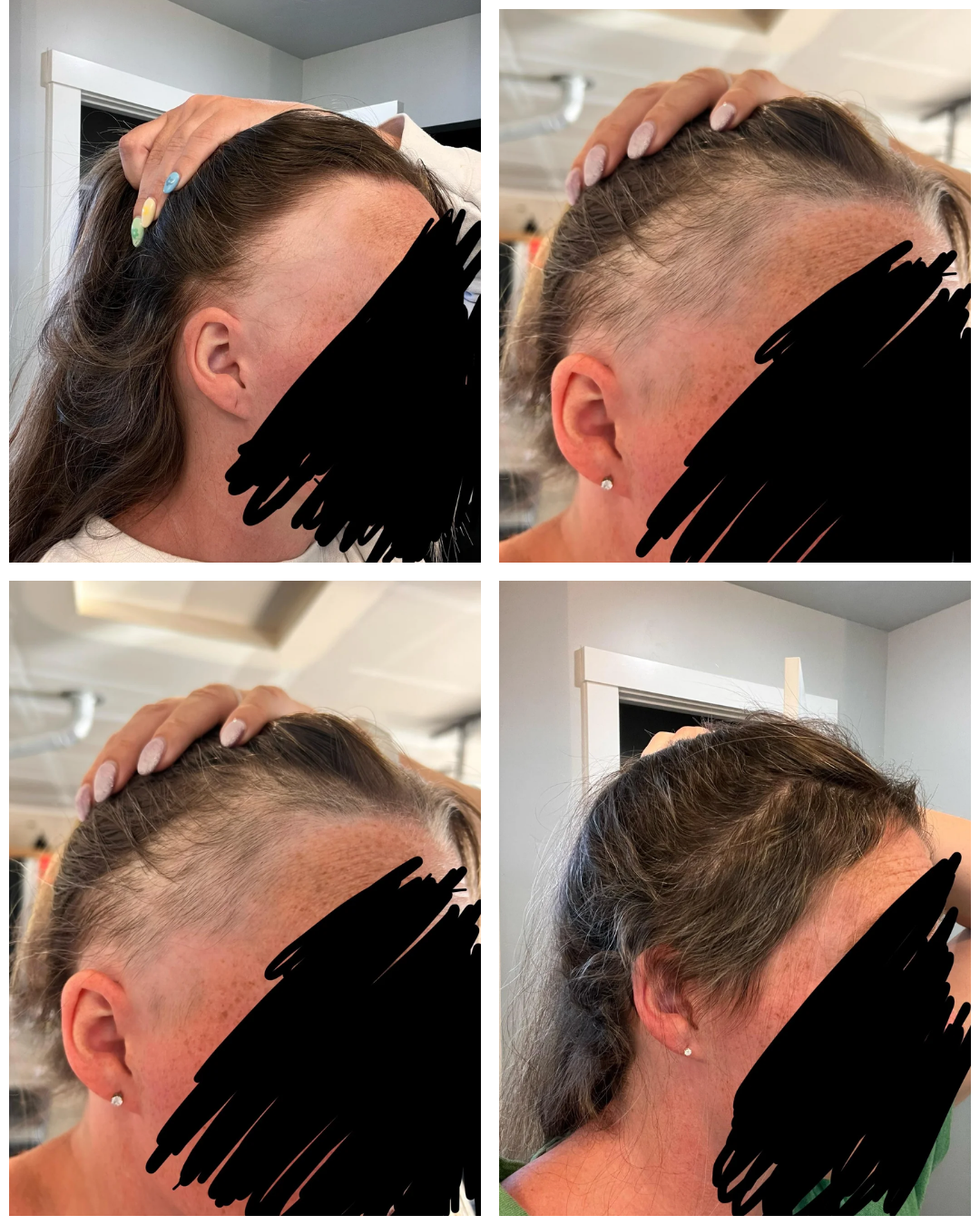
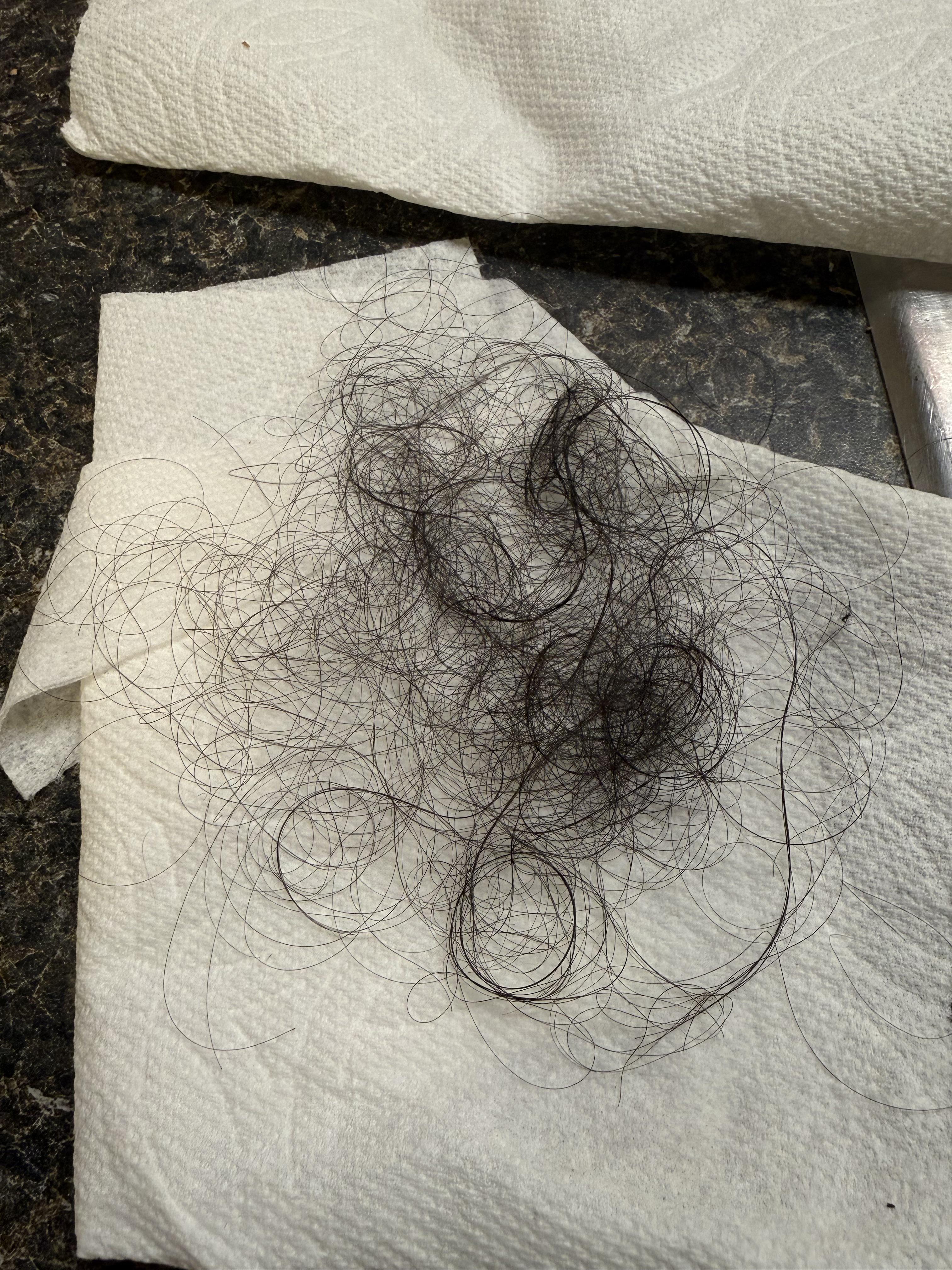
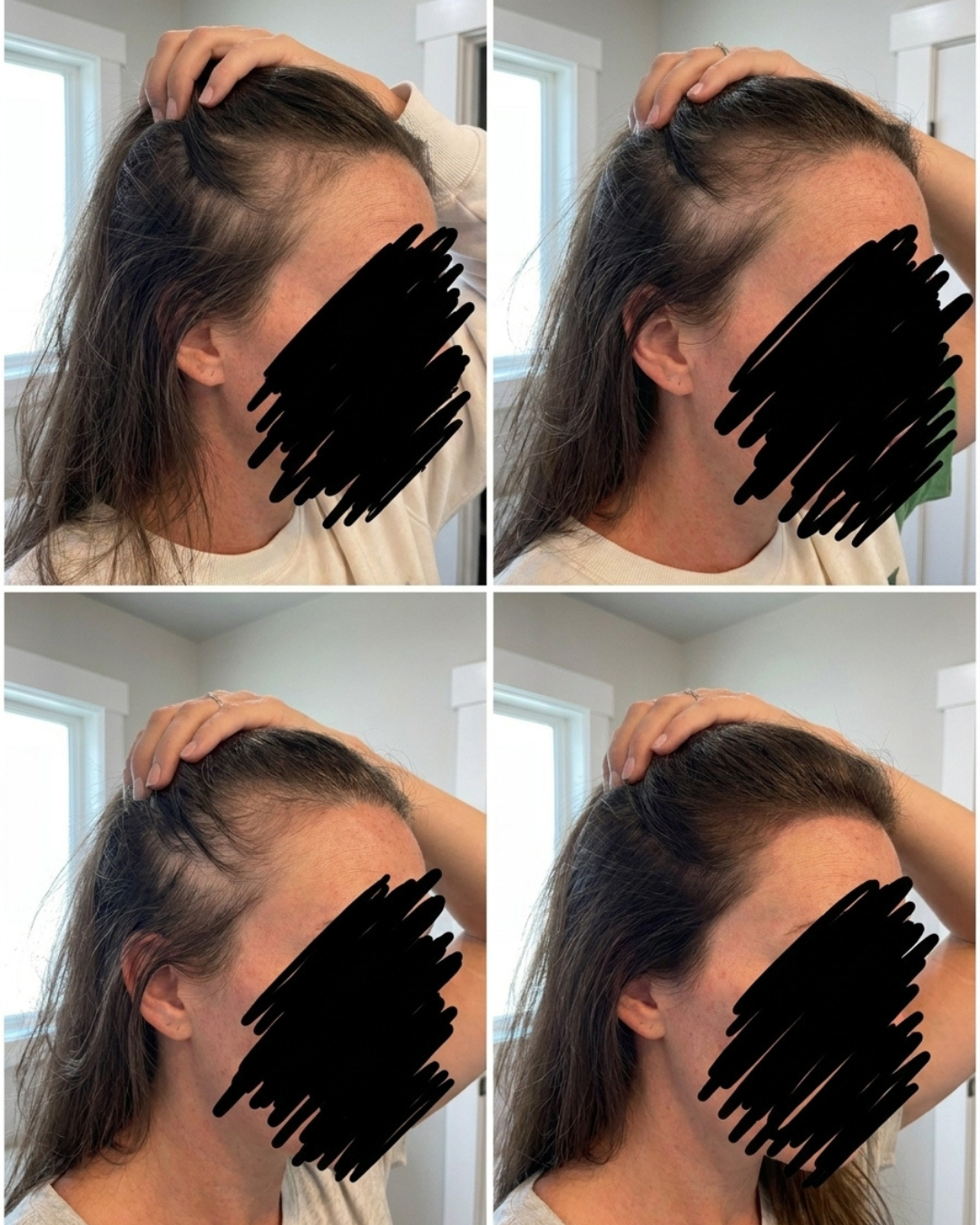
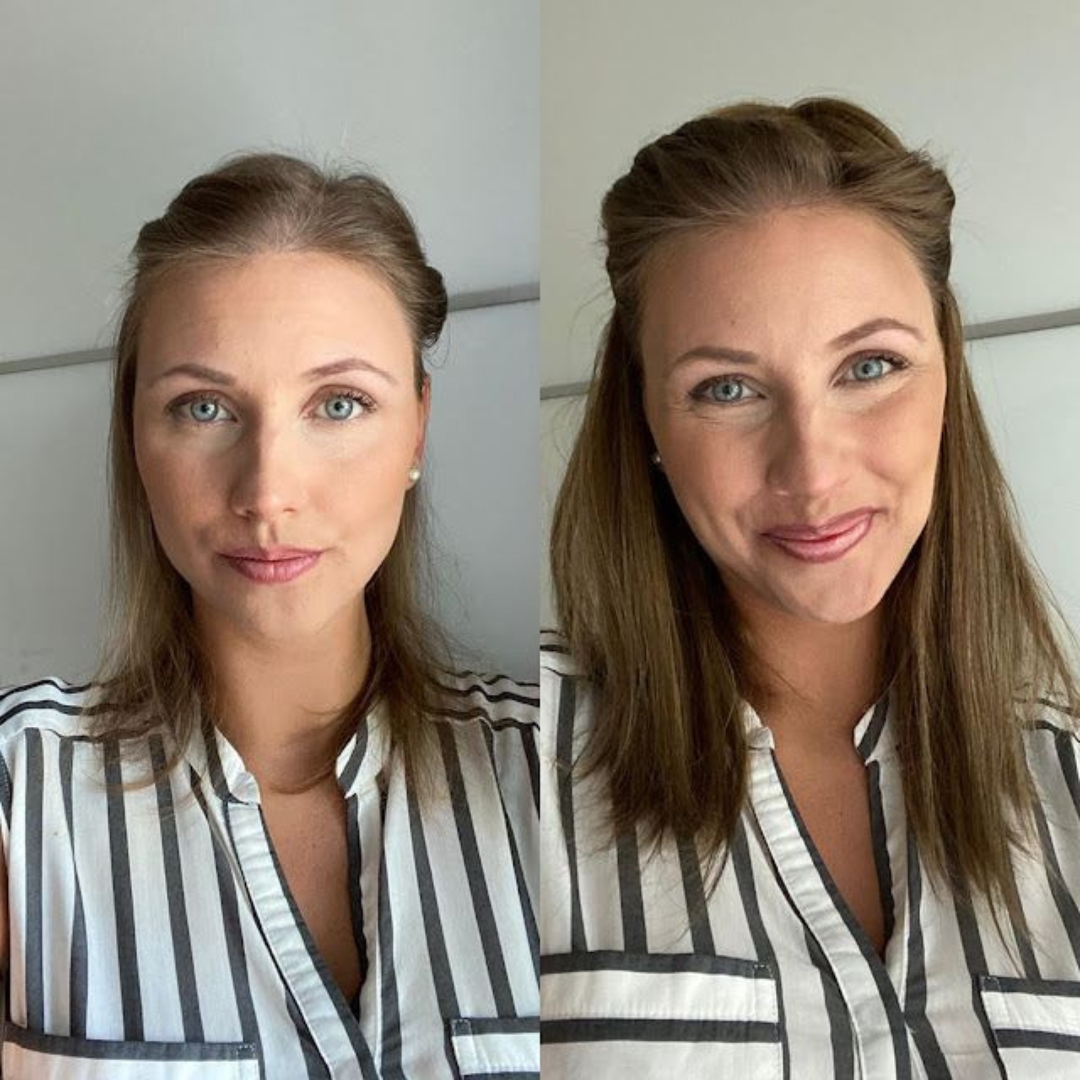
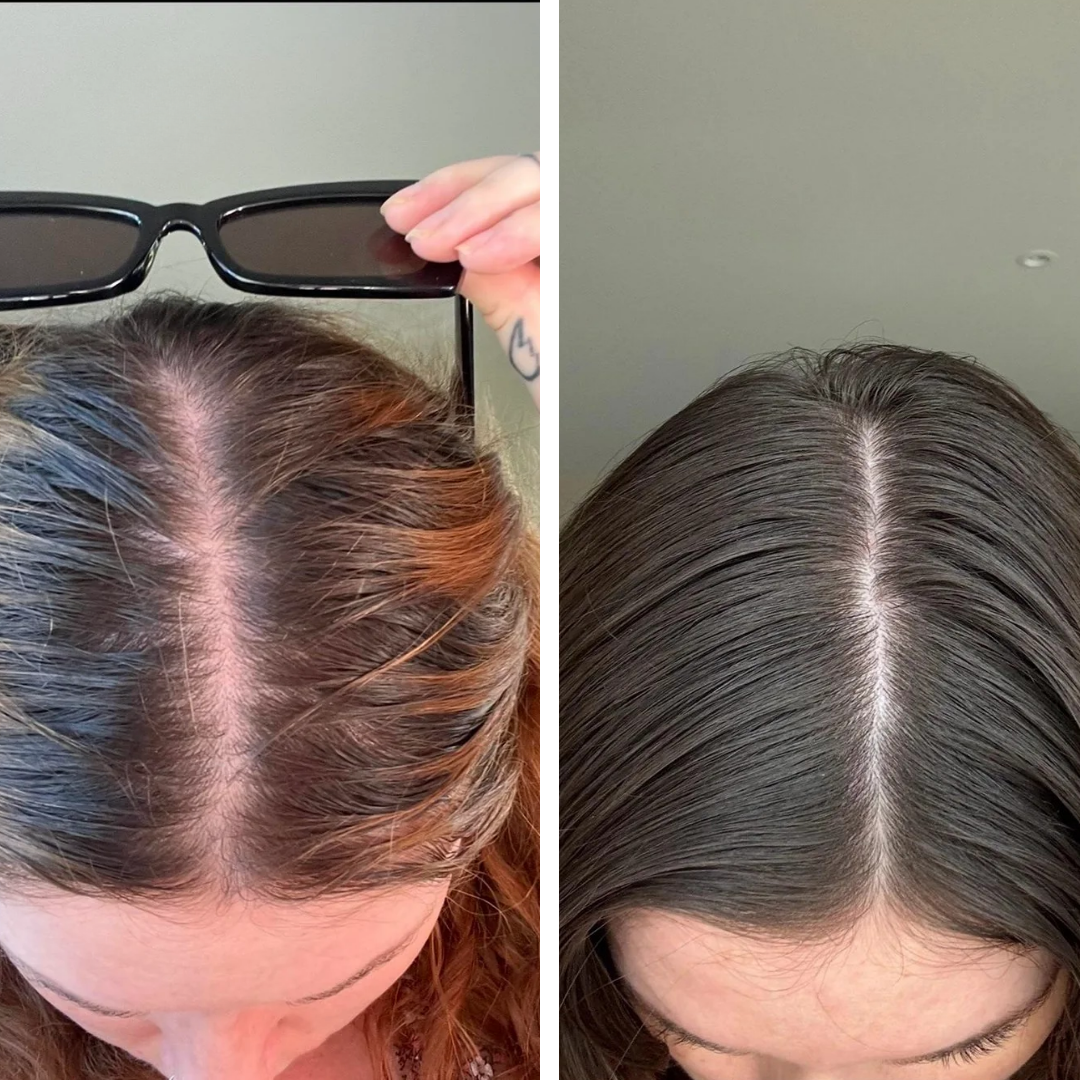
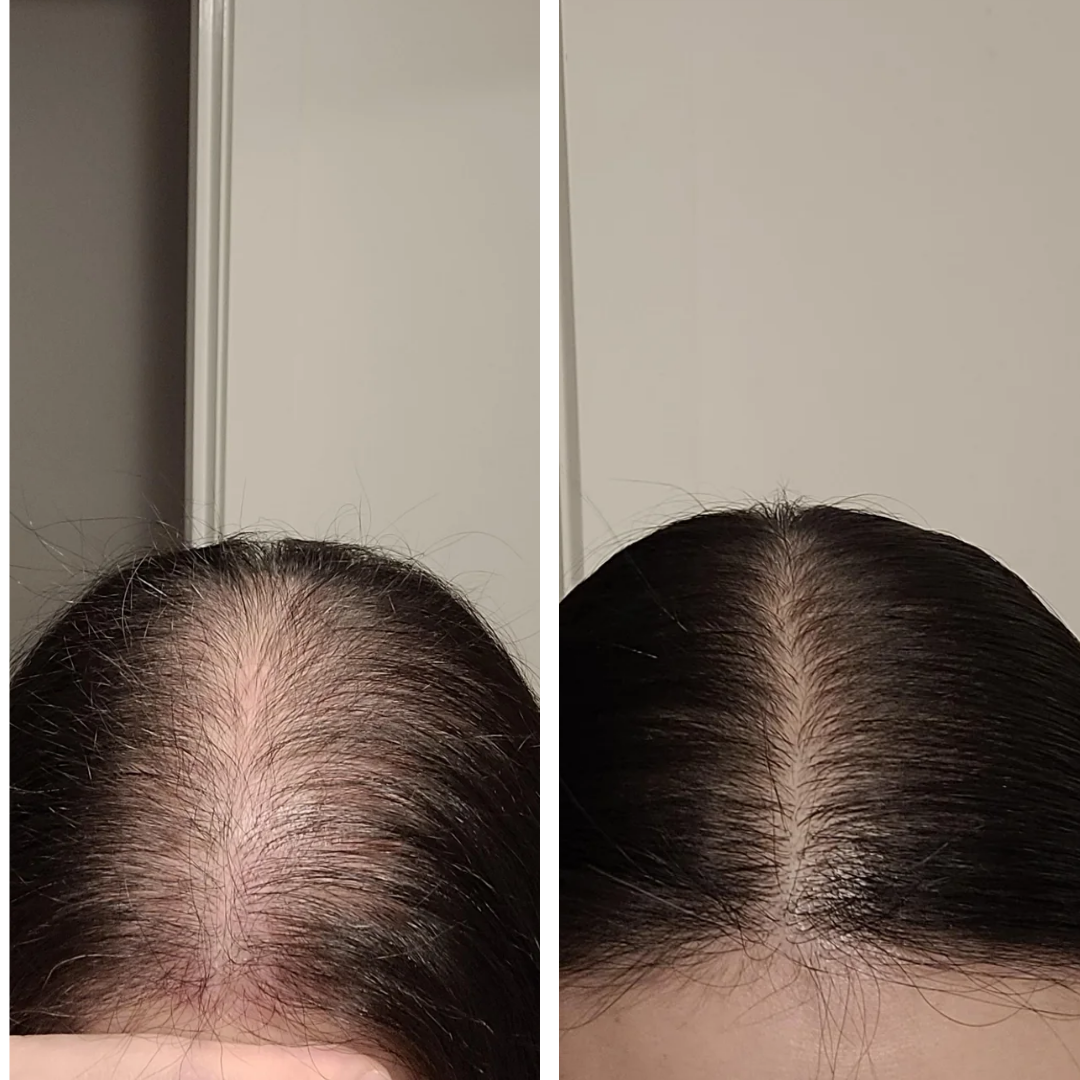
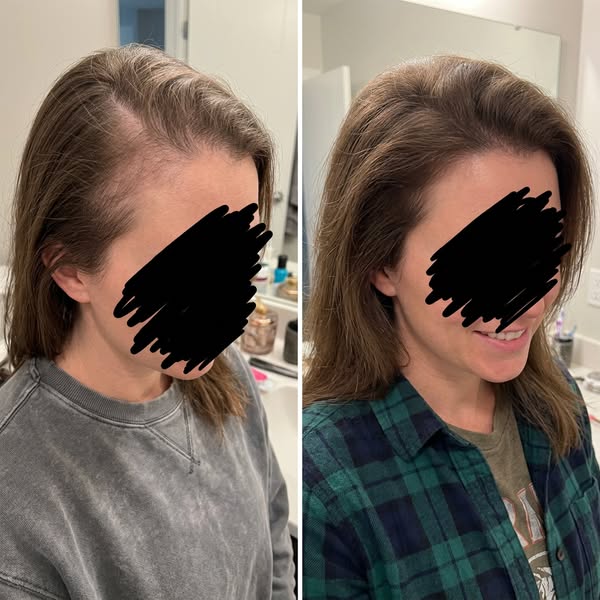
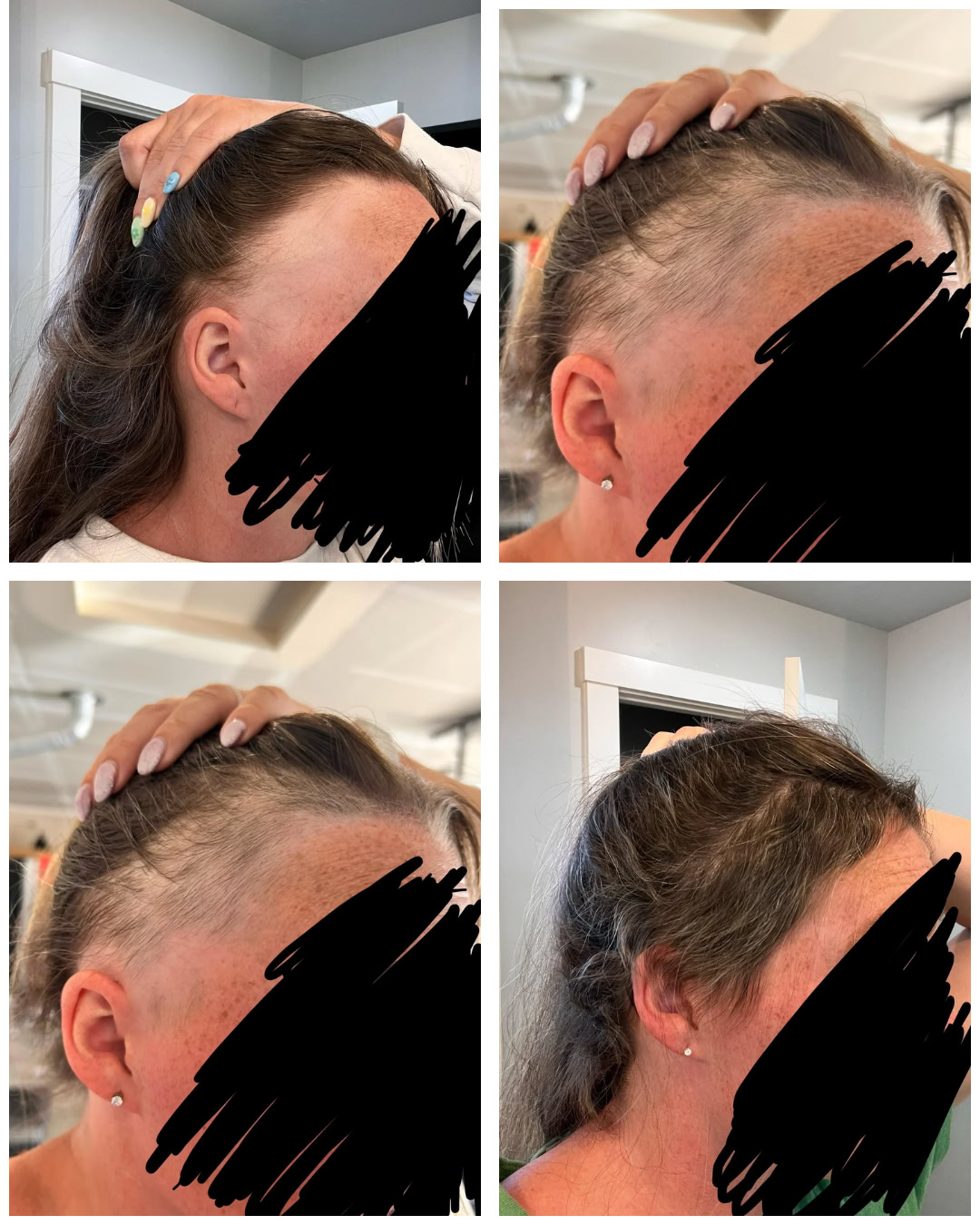
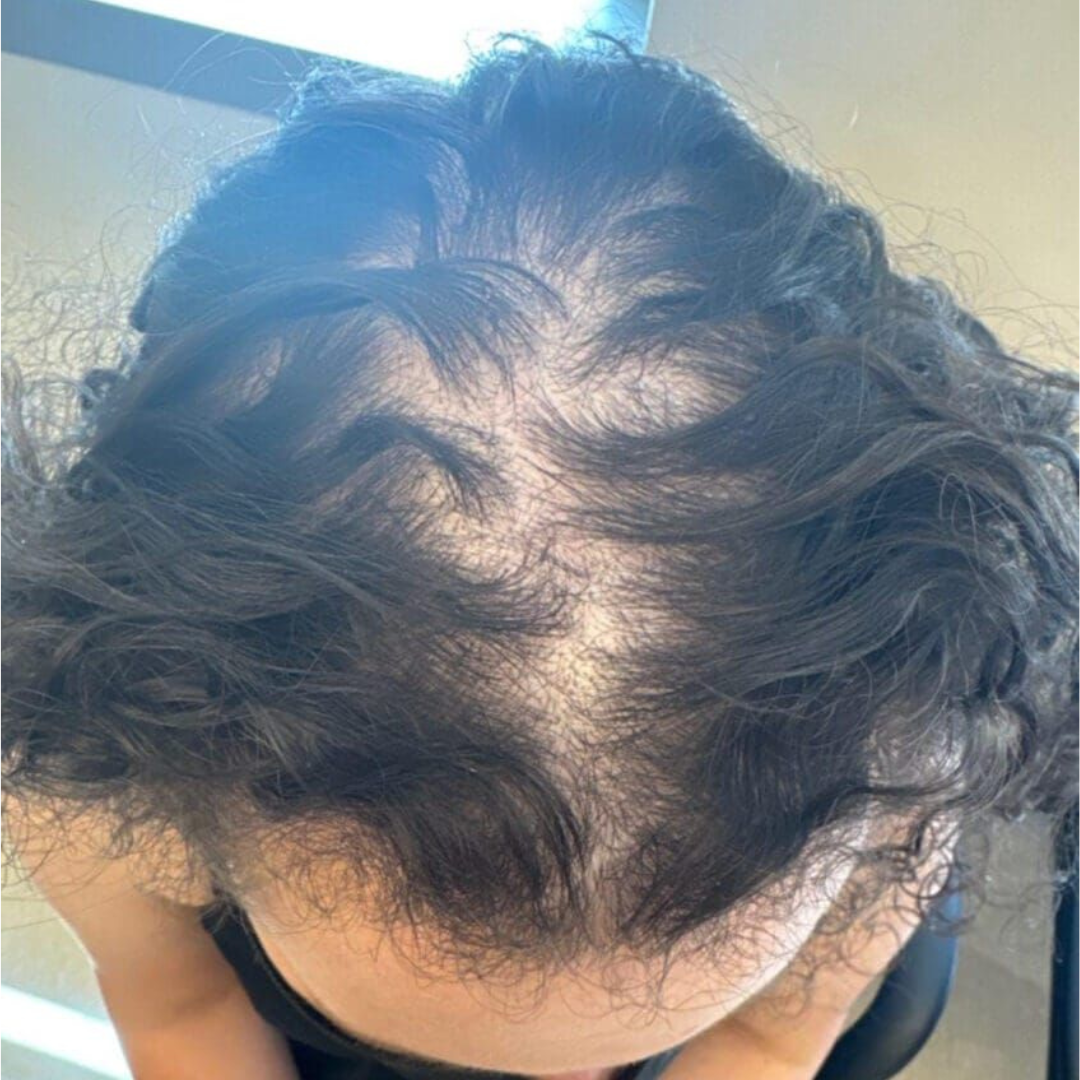
Please STOP believing that staying at your current GLP-1 dose is the only way to protect your hair. I thought the same thing—that any change would trigger worse shedding—but I was so busy worrying about the dose that I completely missed what was actually causing the hair loss. I stayed at 5mg for four months longer than I should have. My doctor kept suggesting we increase. "You've plateaued at this dose," she'd say during our monthly check-ins. "We should consider going to 7.5mg to help you reach your goals." And every time, I'd find a reason to say no. "Let's give it another month and see." "I want to make sure my body is fully adjusted first." "I'm still losing a little bit each week, so maybe it's still working." But the truth was, I was terrified. I'd seen it in the Facebook groups. Read it in the Reddit threads. Heard it from other women in my GLP-1 support group. "The shedding got so much worse when I went to 7.5mg." "I increased to 10mg and lost handfuls within two weeks." "Don't increase if you're already losing hair—it'll just make it worse." The pattern was everywhere. Women would increase their dose, and within weeks, the hair loss would spike. Sometimes it would be so bad they'd have to drop back down or stop entirely. I was already losing hair. Not as much as some women, but enough that I noticed it every single day. Enough that my ponytail was getting thinner. Enough that I was starting to see scalp in certain lighting. The thought of making it worse was unbearable. So I stayed at 5mg. Even though my weight loss had completely stalled. Even though I was only halfway to my goal. Even though I'd been at the same weight for three months straight. My doctor was patient at first. "Okay, we can wait another month." But by month four, she was more direct. "You're not going to reach your goals at this dose. Your body has adapted. We need to increase." "But my hair," I said quietly. "I'm already losing hair. What if it gets worse?" She paused. Looked at my chart. "Hair loss can be a side effect of rapid weight loss, yes. But staying at an ineffective dose isn't necessarily going to protect your hair either." That sentence haunted me for days. Because she was right. I was staying at 5mg to protect my hair. But my hair was still falling out anyway. Every morning, hair on my pillow. Every shower, clumps in the drain. Every time I brushed my hair, strands coming with it. Staying at 5mg wasn't saving my hair. It was just keeping me from reaching my weight loss goals while I lost my hair anyway. I was sacrificing my progress for protection that wasn't actually protecting me. But I still couldn't bring myself to increase. The fear was too strong. Then my insurance company made the decision for me. I got a letter in the mail. They were changing their coverage requirements. If I wanted to stay on the medication, I had to be on at least 7.5mg. No exceptions. I actually cried when I read it. I felt like I was being forced to choose between staying on the medication that was helping my diabetes and protecting what was left of my hair. I called my doctor in a panic. "Isn't there anything we can do? Can we appeal this?" "We can try," she said. "But insurance companies rarely approve exceptions for dose requirements. And honestly, you do need a higher dose to continue making progress." I had two weeks before my current prescription ran out. Two weeks to decide: increase the dose and risk losing more hair, or stop the medication entirely. I spent those two weeks spiraling. Lying awake at night. Googling obsessively. Reading every post from every woman who'd increased their dose and what happened to their hair after. The stories were all over the place. Some women said the shedding got worse. Some said it stayed the same. A few said it actually got better after a few months. But most of the posts were from women panicking about the spike right after the increase. That's when I found something different. A post from a woman who'd been exactly where I was—terrified to increase, convinced it would destroy her hair. But she'd increased anyway. And her hair didn't get worse. She explained that she'd learned the shedding spikes after dose increases weren't actually from the higher dose itself—they were from the hormonal fluctuation the dose change triggered. Specifically, something about DHT levels spiking during hormonal shifts. I'd never heard of DHT before. I had to keep reading. DHT is a hormone that already exists in your body. When your hormone levels fluctuate—like they do when you change your GLP-1 dose—DHT can spike temporarily. And when DHT spikes, it attacks hair follicles. Shrinks them. Pushes them into shedding. That's why women see hair loss spikes after dose increases. Not because the higher dose is bad for hair. Because the hormonal shift from any dose change disrupts DHT levels. But here's what made my stomach drop: DHT was probably already elevated. That's why my hair was falling out at 5mg. Staying at 5mg wasn't keeping my DHT levels stable. I was already experiencing DHT-related hair loss. I just didn't know it. And if DHT was already attacking my follicles at 5mg, avoiding the increase to 7.5mg wasn't protecting me from anything. It was just keeping me stuck at an ineffective dose while my hair fell out anyway from the DHT that was already elevated. The woman's post explained that she'd started taking something that specifically targets DHT before increasing her dose. So when she did increase, her DHT levels were already being managed. The hormonal fluctuation from the dose change didn't trigger a shedding spike because her body had support to handle it. And not only did her hair not get worse—it actually started getting better at the higher dose. Because she was finally addressing the DHT issue that had been attacking her follicles all along. I spent the next three days researching DHT and hair loss. Found studies about saw palmetto helping to block the enzyme that creates excess DHT. Research on pumpkin seed oil working as a natural DHT inhibitor. Articles about pearl powder and aloe vera extract helping regulate hormone responses. Then I found the same product the woman had mentioned: Hair Revive gummies by Balmbare. Specifically formulated for people on GLP-1 medications dealing with DHT-related hair loss. I had one week left before my prescription ran out and I'd be forced to increase or stop entirely. I ordered the gummies overnight shipping. They arrived two days later. I started taking them immediately—two every morning. The instructions said to take them consistently, especially before any dose changes, to help stabilize DHT levels during hormonal fluctuations. I took them for five days before my first 7.5mg dose. Told myself I was doing everything I could to protect my hair through this transition. The day I took my first 7.5mg shot, I was terrified. Convinced that despite the gummies, I was going to see massive shedding within a week or two. Week one at 7.5mg: I watched my hair obsessively. Counted every strand in the shower. Inspected my brush multiple times a day. The shedding... stayed the same. Not worse. Not better. The same as it had been at 5mg. I was shocked. I'd been so certain the increase would trigger a massive spike. Week two: Still no spike. If anything, I thought maybe—maybe—there was slightly less hair in the shower drain than before. But I didn't trust it. Week four: The shedding was definitely decreasing. Not dramatically, but noticeably. My morning hair cleanup routine was getting faster because there was less to clean up. Week six: My husband commented on it without me saying anything. "I don't see as much hair around the house lately." He was right. The usual spots where my hair would collect—the bathroom floor, the vacuum cleaner, the couch—had less hair in them. By week eight at 7.5mg, I could see baby hairs growing in. Tiny new growth along my hairline. The kind of growth I hadn't seen in the entire four months I'd stayed at 5mg trying to "protect" my hair. Month three at 7.5mg, my doctor was thrilled with my progress. I'd lost another 18 pounds. My A1C had improved. And when I mentioned my hair, she actually looked surprised. "You were so worried about the increase making it worse," she said. "What happened?" I told her about learning about DHT. About finding something that actually addressed the hormonal disruption instead of just accepting hair loss as an inevitable side effect. She nodded slowly. "That makes sense. I've had other patients mention hormonal factors, but I'm not as familiar with the DHT mechanism specifically." It's been six months now at 7.5mg. My hair is better than it was at 5mg. The shedding is normal—just a few strands here and there, the way it's supposed to be. The thin spots are filling in. My ponytail has actual volume again. But more than that, I reached my weight loss goals. The goals I'd been stuck on for four months because I was too afraid to increase my dose. I wasted four months staying at an ineffective dose, thinking I was protecting my hair. But my hair was falling out anyway because the dose wasn't the problem. DHT was the problem. And once I addressed the DHT, I could increase my dose without triggering that shedding spike everyone talks about. If you're reading this and you see yourself in my story—if you're stuck at a lower dose because you're terrified of what a dose increase will do to your hair, if your doctor keeps suggesting you increase but you keep finding reasons to delay, if you're not reaching your goals because you're trying to protect hair that's falling out anyway—I need you to understand something. The dose isn't what's attacking your hair. DHT is what's attacking your hair. Staying at a lower dose doesn't protect you from DHT. It just keeps you from reaching your goals while DHT continues attacking your follicles. The women who experience shedding spikes after dose increases? Their DHT was probably already elevated. The dose change just triggered a hormonal fluctuation that made the DHT spike even higher temporarily. But if you address the DHT issue first—if you give your body support to manage those hormone fluctuations—the dose increase doesn't have to trigger worse shedding. I increased my dose while taking Hair Revive gummies, and my hair got better, not worse. The gummies have saw palmetto and pumpkin seed oil to help manage DHT levels. Pearl powder for hormonal balance during transitions. Aloe vera extract to help regulate how follicles respond to hormonal changes. They're specifically formulated for people on GLP-1 medications dealing with hormonal hair loss—not just generic hair supplements that don't address the DHT issue. They're not a prescription drug. Just a supplement that supports your body through the hormonal fluctuations that GLP-1 dose changes can trigger. They have a guarantee, so if they don't work for you, you're not stuck with them. I'm sharing this because I know what it feels like to be trapped. To feel like you have to choose between reaching your health goals and protecting your hair. To dread every conversation with your doctor about increasing your dose. You don't have to stay stuck at a dose that's not working for you. The dose increase isn't what you need to be afraid of. The elevated DHT attacking your follicles is what you need to be afraid of. And that can be addressed. While you continue your medication. While you increase your dose if you need to. While you reach your actual goals. The gummies I use are called Hair Revive by Balmbare. They're designed specifically for this—supporting people through GLP-1 dose changes without triggering the hair loss spikes that come from unmanaged DHT fluctuations. Click below to learn more about what allowed me to increase my dose without destroying my hair. You don't have to stay stuck to stay safe. You just have to address what's actually attacking your hair. And for me, that changed everything.
Like this ad? Make it yours.
Crush rebuilds this exact creative around your product — your brand, your colors, your offer — in about a minute.