
Active· since Jun 4, 2026
- 101
- days running
- 0
- relaunches
Ad copy
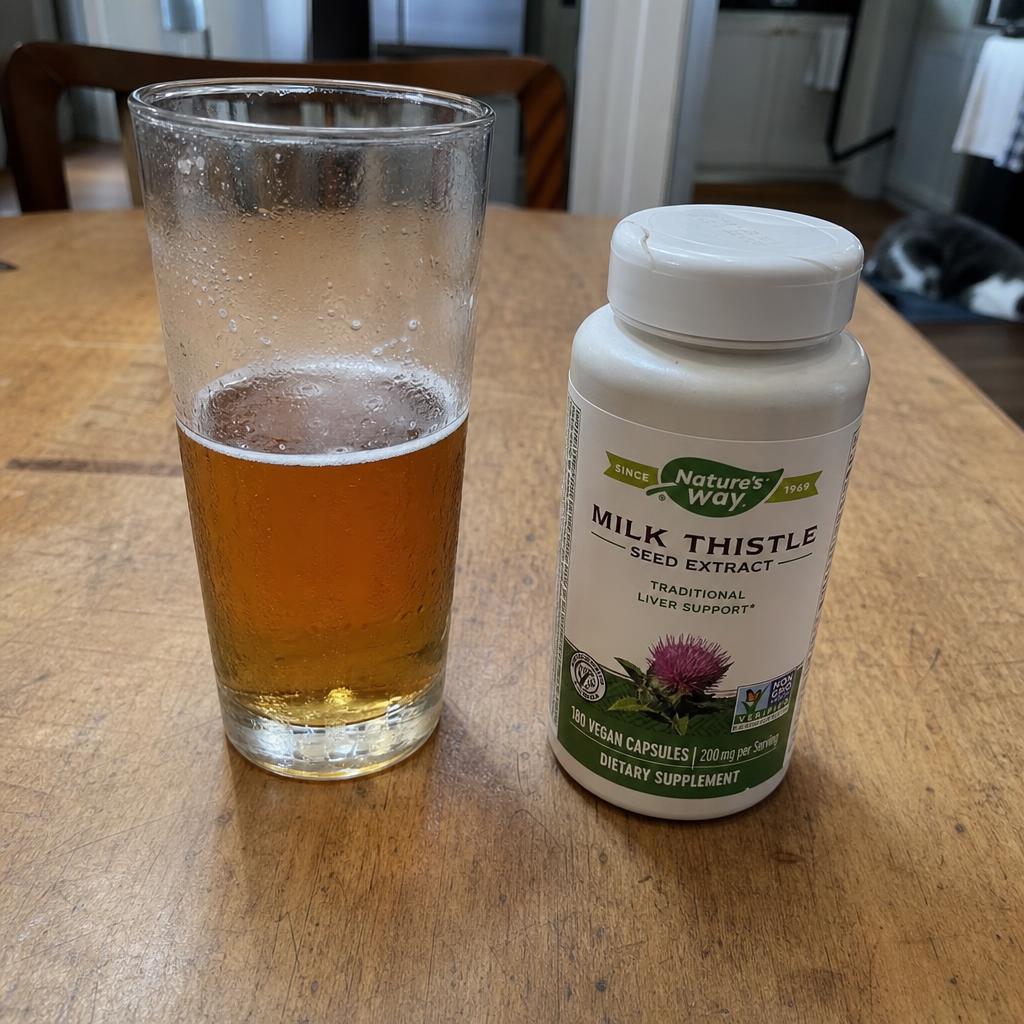
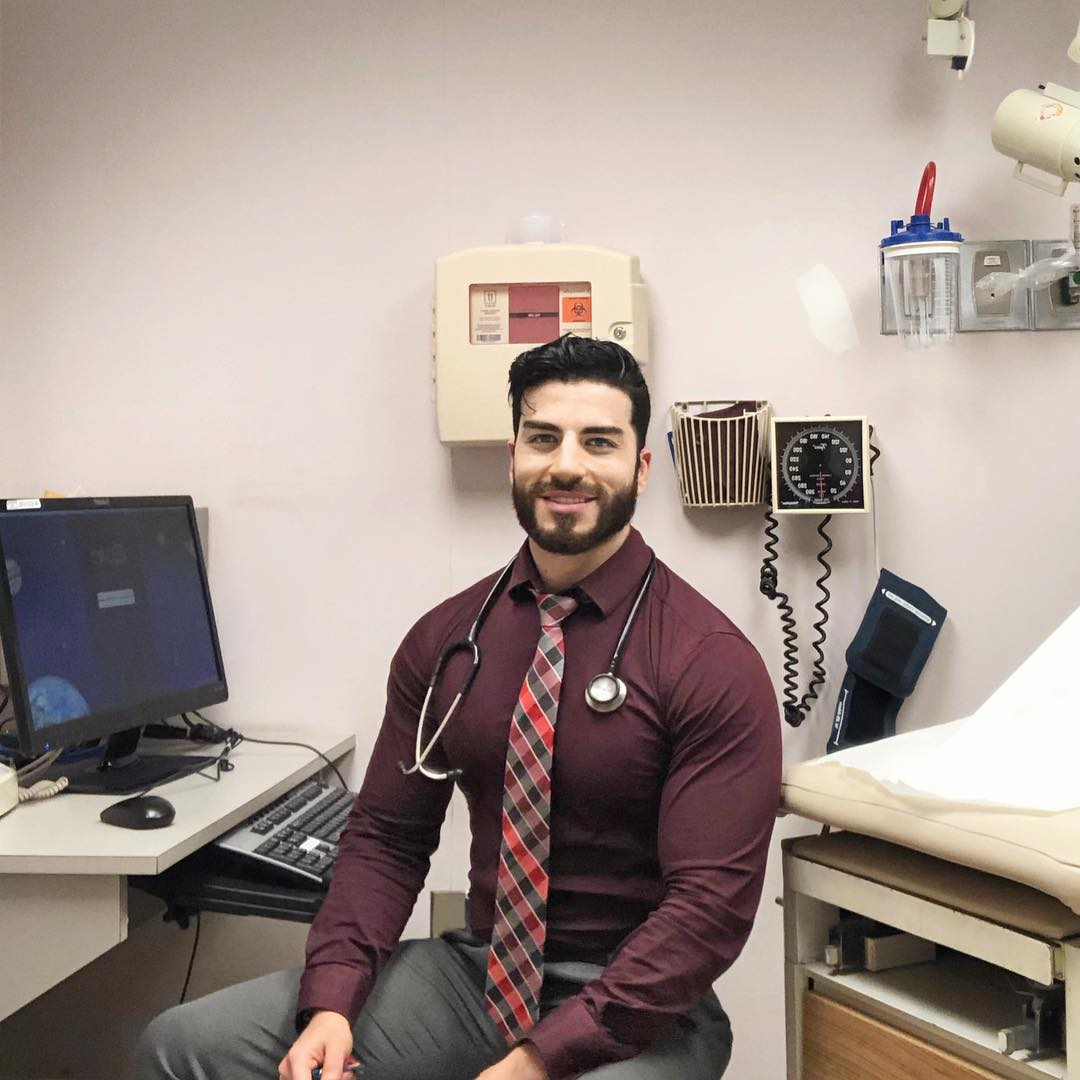
I'm going to lose my f*cking mind if one more person tells me their doctor said "just cut back on drinking and take milk thistle" like that's some kind of revolutionary treatment for a liver that's been failing for two decades. YOU'VE BEEN DOING THAT. IT DOESN'T WORK. My name is Dr. Michael Hayes. I run the hepatology practice at North Central Medical Group. I have treated liver disease for twenty-one years. I have sat across from more patients than I can count — men and women who had been on the monitoring treadmill for years, sometimes decades — and I have said some version of the same four sentences to every one of them. Your liver enzymes are elevated. There is no approved pharmacological treatment for fatty liver disease. Lifestyle changes are the only intervention. Come back in six months. I said it four times a week for twenty-one years. I was wrong. Not about the diagnosis. About what I was doing about it. Because here is what I understand now that I did not understand for most of my career: There is a difference between monitoring a condition and treating it. I was monitoring. I told myself I was treating. I was not. I was watching a process advance while calling the observation a plan. And the patients I owe the most to are the ones who followed my advice correctly for years. The ones who came back every six months with their bloodwork. Who cut back on the drinking. Who lost the weight. Who ate the Mediterranean diet and took the milk thistle and walked every morning and came back six months later with an ALT that had moved four points in twenty-four weeks. Four points. And I said: "Good progress. Keep doing what you're doing. Come back in six months." I said that forty-seven times over the course of a year to different versions of the same patient. Because the playbook was the playbook. Diet. Exercise. Milk thistle. Monitor. When those fail — and they always failed eventually — the conversation shifts to intervention: fibroscan staging, transplant evaluation, the list. I could see it coming. Every time. That look on a patient's face when they had done everything right and the number had barely moved and I was telling them to keep doing it. The look of someone who has been failed by a system and is too polite to say so. The pattern finally broke me open with one patient. His name is Harold. Harold is sixty-three years old. Retired pipe fitter. Forty-one years in the trade — welding, cutting, pipe work, job site coolers at the end of every shift for decades the way men in his trade have always marked the end of a week. He was not a heavy drinker by any clinical measure. He was a man who drank the way his father drank. Beer at the game. Bourbon on Saturday afternoons while he ran the grill. Harold was told he had "a little fatty liver" at a routine physical when he was thirty-nine years old. His GP said the words he would go on to hear from sixteen other doctors over the next twenty-four years. "There is no treatment for fatty liver. Cut back on the drinking. Lose some weight. Come back in six months." Harold came back in six months. And in six months after that. And in six months after that. For twenty-four years. Here is what twenty-four years of perfect compliance looked like on Harold's chart when he finally arrived in my practice four years ago. Year two: ALT 84. Down from 91. His GP said good progress. Year five: ALT 88. Back up. His GP said these things fluctuate. Come back in six months. Year eight: ALT 93. First referral to a gastroenterologist. Gastroenterologist said what the GP said. No treatment. Monitor it. Come back in six months. Year eleven: ALT 97. FibroScan showing early fibrosis. New gastroenterologist — Harold had moved. Same assessment. Early fibrosis is common. Monitor it. Come back in six months. Year fifteen: ALT 101. Second gastroenterologist referral. Third opinion. Still no treatment. Come back in six months. Year nineteen: ALT 104. Harold had now seen eleven doctors. Every single one of them told him the same thing. There is no approved treatment for fatty liver disease. Eleven doctors. Nineteen years. His ALT had climbed from 91 to 104 while the system called it monitoring and he called it the rest of his life. He stopped going to the cookouts in year seventeen. Standing at the grill with sparkling water while everyone else had a cold one felt like something he couldn't explain to anyone. His buddy Ray kept inviting him for eight months before he stopped asking. He stopped the Saturday afternoon bourbon in year fifteen. He had been rationing it for years — from every day to weekends to special occasions to nothing — while his numbers moved in the wrong direction at the same pace regardless. He lost twenty-six pounds. He ate Mediterranean meals for four years. He took milk thistle twice a day for eleven years — the Nature's Bounty bottle on the second shelf of his medicine cabinet, refilled fourteen times, sitting next to the multivitamin his wife Carol had been putting out for him every morning since his first diagnosis. He did everything right. In year twenty-three his GI clinic in Rockford sent him for a FibroScan. The results came back showing advanced fibrosis. His local doctor didn't believe it. Sent him to a university hospital for a specialized assessment. Stage 4 cirrhosis. Twenty-four years of "monitor it." Eleven doctors. Twenty-six pounds lost. Eleven years of milk thistle. Four years of Mediterranean meals. The cookouts he stopped going to. The grill he stopped standing at. The bourbon he stopped pouring. And stage 4 cirrhosis. Harold's wife Barbara called my office on a Tuesday afternoon. I could hear it in her voice before she finished the first sentence. "Dr. Hayes. He has done everything. Every single thing they told him. For twenty-four years. And now they're telling us stage 4. And his doctors here don't know how to treat it." I pulled Harold's chart before I called her back. I sat at my desk and I went through twenty-four years of labs. ALT 91. ALT 84. ALT 88. ALT 93. ALT 97. ALT 101. ALT 104. ALT 108. ALT 114. A slow relentless climb across two and a half decades of compliance. And I had said the same thing to Harold that eleven other doctors had said. Come back in six months. I sat with Harold's chart for a long time. Then I ran panels I had never thought to order before. Not the standard hepatology workup. Glutathione levels. Oxidative stress markers. Hepatic antioxidant capacity. The results came back three days later. Glutathione: critically depleted. Below 40% of normal range for his age. And that result changed everything I understood about what I had been doing for twenty-one years. Here is what nobody explained to Harold in twenty-four years of monitoring appointments. What nobody explained to me in twenty-one years of hepatology practice until I ordered a panel I had never ordered before. Your liver runs on one specific compound to do its entire job. Every drink Harold had at every cookout for forty years. Every medication he ever took. Every processed ingredient, every environmental toxin, every byproduct of normal metabolism that passed through his body — his liver neutralized all of it using one molecule. It is called glutathione. After forty your body produces about ten percent less glutathione every year. By the time most men reach their late fifties they have lost nearly half their production capacity without knowing it. Harold was sixty-three. He had been losing glutathione production for over twenty years. And here is the part that made me sit at my desk until the building emptied. Alcohol does not just damage the liver while you are drinking. It depletes the only compound the liver uses to repair itself. Every drink Harold had for forty years drained the defense at the exact same moment it created the attack. Cumulative depletion stacking on top of the natural production decline that comes with age. By the time Harold's doctor told him to stop drinking at age thirty-nine — by the time he poured out the bourbon and stopped going to the cookouts and ate the Mediterranean meals and took the milk thistle twice a day for eleven years — the tank was already running low. Cutting back slowed how fast he drained what was left. It did not refill what was already gone. That is why his ALT dropped from 91 to 84 in year two and never came close to normal again. The drinking slowed. The damage slowed with it. But the system his liver needed to repair and protect itself was still running on an increasingly empty tank. And the milk thistle. Silymarin — the active compound in milk thistle — does one thing. It protects liver cells. It sits on the surface of existing hepatocytes and provides a degree of protection against ongoing damage. But you cannot protect cells running on an empty tank. Milk thistle protects what is there. It does not restore the compound those cells are running on. The protection was real. The target was wrong. I went back through my records after Harold. Pulled charts for 94 patients who had followed the standard fatty liver protocol — lifestyle modification, milk thistle, six-month monitoring — with confirmed compliance for at least three years. I ordered glutathione levels and oxidative stress markers on every one of them. Eighty-seven of ninety-four had critically depleted glutathione. Ninety-three percent. I had spent twenty-one years telling patients to protect an empty tank. Every monitoring appointment. Every "keep doing what you're doing." Every six-month follow-up where the ALT had moved four points and I called it progress. Ninety-three percent of those patients had livers running on a compound so depleted that protection was meaningless because there was nothing left to protect with. And here is what makes this more than frustrating — here is what makes it dangerous. The research on NAFLD progression is in the journals I read every month. Singh et al. 2015 — NASH fibrosis advances one full stage every 7.1 years without intervention. A Medicare analysis of over 600,000 NAFLD patients found a 39% cumulative risk of progression to cirrhosis over eight years. Harold spent twenty-four years on the monitoring treadmill. At one stage every 7.1 years that is three full fibrosis stages. F0 to F3 is the monitoring treadmill's actuarial output. F4 — which is what Harold has — is what happens when the treadmill runs for an extra cycle. Eighty-seven patients with critically depleted glutathione. Average duration on the monitoring treadmill: eleven years. Every single one of them had been told by at least three doctors that there was no treatment. I told Harold: "Your liver needs the compound it has been running out of for twenty years. Not protection. Restoration. And it needs to arrive in a form that a compromised liver can actually absorb." "What does that mean?" "It means the capsules on your medicine cabinet shelf — the milk thistle, the NAC supplements you tried last year, the liver cleanse program — all of them require your liver to metabolize the capsule before the active ingredients reach your bloodstream. A liver running low on glutathione cannot absorb a capsule properly before it is excreted. The right compound in the wrong format never arrives." Harold looked at me. "So eleven years of milk thistle—" "Was aimed at the right organ in the wrong format with the wrong compound. It protected what was there. It didn't restore what was gone." He was quiet for a moment. Then he said: "What am I missing? What have all of them been missing for twenty-four years?" I told him. NAC — N-Acetyl Cysteine. The same compound hospitals inject intravenously when a liver is shutting down in acute crisis. Not a supplement company's marketing claim. That is what emergency medicine reaches for when it needs to save a liver fast. NAC forces the liver to rebuild its own glutathione supply from the inside out. Not from outside the cell. From within it. From the place the depletion actually happens. L-Glutathione replenishes depleted stores directly at the cellular level at the same time. NAC rebuilds the production. L-Glutathione restocks what is already gone. Both working simultaneously at two levels. The rebuild and the restock running in parallel. Choline — the compound the liver needs to package and export fat from inside liver cells. Without adequate choline the fat does not leave. It builds up inside hepatocytes. It hardens. It drives the fibrosis that was showing up on Harold's FibroScan year after year while his gastroenterologists called it slow progression. Artichoke and Dandelion root open the drainage pathway. What the liver processes actually leaves the body instead of recirculating. The exit route that makes the restoration chain complete. Five compounds. All five. Working together. In liquid form. Because a compromised liver cannot absorb a capsule properly before it is excreted. The compounds have to reach the bloodstream directly. Liquid bypasses the absorption bottleneck entirely. This is not alternative medicine. This is the reason hospitals use IV NAC and not NAC capsules when a liver is shutting down. Harold had tried NAC capsules the year before. Three months. $18 from the pharmacy. His ALT moved two points. I asked him to bring the bottle in. 600mg per capsule. Standard pharmacy grade. I sent it to a lab along with four other liver supplement products Harold had tried over the years. The results came back the following week. The NAC capsules: estimated 40-60mg of active NAC reaching systemic circulation per dose. The research on glutathione restoration in NAFLD patients uses doses of 600-1800mg of bioavailable NAC — meaning what actually arrives. Harold was getting a fraction of the therapeutic requirement because his compromised liver was metabolizing the capsule before the contents could reach his bloodstream. Three of the four other products had active ingredient concentrations so far below clinical relevance that they were functionally inert. One had a label that said "liver support formula" and contained ingredients at doses that no published study had ever shown produced a measurable result. Harold had been spending money every month on products that had no plausible mechanism to do what the label implied. There was one liquid formula in the research-oriented hepatology forums that came up repeatedly in discussions about glutathione restoration. Patients posting actual ALT panels and FibroScan results month by month. Not wellness blogs. People tracking real numbers. It was called Purelia. I looked into it the way a hepatologist looks into something after watching his standard protocol produce stage 4 cirrhosis in a patient who had complied perfectly for twenty-four years. NAC and L-Glutathione together in liquid form at clinical concentrations. Choline at therapeutic dose. Artichoke and Dandelion completing the drainage pathway. Liquid delivery so the compounds reach the bloodstream directly instead of passing through a compromised organ before arriving. I checked the formulation. I checked the concentrations against the published research. This was not a supplement with a liver on the label. This was a formula built around the specific depletion mechanism I had just spent three weeks reading about after ordering a panel I should have been ordering for twenty-one years. I called Harold. He was skeptical. He said: "Dr. Hayes. I have tried everything. I have seen seventeen doctors. I have taken supplements for eleven years. I have lost twenty-six pounds. I stopped drinking completely four years ago. What makes this different from everything else?" I said: "Harold. Everything else was aimed at protecting a tank that was running empty. This is aimed at refilling it. That is a different target. And it is in a form that can actually arrive." He was quiet. Then he said: "Barbara has been wanting to get rid of that milk thistle shelf for years." I told him to keep the milk thistle for now. Start Purelia alongside it. Order his own labs at week four. Bring me the results. I want to tell you what happened. Week one: Harold called me on a Wednesday — he never calls between appointments. He said the tightness under his right ribs that he had been pressing on reflexively after dinner for three years was quieter. He said it the way a man says something he doesn't fully believe yet. Carefully. Without committing to it meaning anything. I said: "Call me again at week two." Week two: The 2 PM wall. Harold had been building his entire day around it for over a year — scheduling everything important before noon, declining afternoon commitments, leaving family dinners early because by seven in the evening he was running on nothing. He called and said he had stayed through dinner on a Sunday. He said it like he was reporting something unusual. He was. Week three: Barbara called. Not Harold. Barbara. She said: "He suggested we have Ray and Linda over for a cookout. He hasn't suggested that in two years. I don't know what's different but something is." I said: "Let him stand at the grill." Week six: Harold came in for labs. ALT: 31. Down from 114. In six weeks. FibroScan: scheduled for week twelve. I am not going to make a claim about fibrosis reversal before I have the scan. What I will tell you is that an ALT of 31 from 114 in six weeks is more movement than Harold's chart had produced in twenty-four years of monitoring combined. Harold's hepatologist — the one who had been managing him since the stage 4 diagnosis — looked at the six-week panel and said: "Whatever you're doing. Keep doing it." He hadn't said that to Harold in twenty-four years of appointments. I have now put sixty-three patients on Purelia alongside their existing monitoring protocol. I did it because Harold's results required an explanation and the only explanation was the mechanism — the glutathione depletion that ninety-three percent of my long-term NAFLD patients had and that the standard protocol had never once addressed. Average ALT at intake across those sixty-three patients: 96. Average duration on the monitoring treadmill before entering my practice: twelve years. Average number of physicians seen before arriving: six. Average ALT at week six: 38. I am not publishing those numbers as a clinical trial. I am telling you what I observed in my own practice after spending twenty-one years observing something else. What I observed for twenty-one years was a protocol that managed a condition without treating it. Come back in six months. Keep doing what you're doing. There is no approved treatment. What I have observed in the last fourteen months is what happens when the actual mechanism is addressed. When the target shifts from the symptom — the elevated number — to the cause — the depleted compound the liver has been running without. Not protecting. Restoring. That is the difference. That is the thing I should have been doing for twenty-one years. That is the apology I owe every patient who sat across from me with their bloodwork and their milk thistle and their Mediterranean diet and their four-point improvement and heard me say come back in six months. If you have been on the monitoring treadmill for years — if you have seen multiple doctors who all said the same thing, if you have tried milk thistle and liver detox supplements and dietary changes that moved your number four points in six months and then stopped — you are not failing the protocol. The protocol is failing you. Because the protocol was never aimed at what your liver was actually running out of. There is a window. Not after the stage 4 diagnosis. Not after the transplant evaluation begins. Now — while the tank can still be refilled. While there is still something for the restoration chain to work with. Harold called me three weeks ago. He said Ray and Linda came over on a Saturday afternoon. He stood at the grill for four hours. He had his bourbon. One bourbon. In four years. He called me from the backyard while Ray was still there. He said: "Dr. Hayes. The grill. I'm standing at the grill." I had to put the phone down for a moment. That is not a lab result. It is better than a lab result. If you've been told "there is no treatment" by doctor after doctor while your numbers barely moved — please read the page I've linked below. It explains the glutathione depletion mechanism, why the standard protocol addresses the wrong target, and why the formula has to be liquid to actually reach the bloodstream. Not protecting. Restoring. That is what your liver has been waiting for. Purelia. NAC. L-Glutathione. Choline. Artichoke. Dandelion. Liquid formula. Two droppers every morning. 60-day money-back guarantee. If your numbers don't move — every dollar back. No questions asked. 👉 https://try.officialpurelia.com/liver-support-pdp1 — Dr. Michael Hayes, Hepatologist P.S. Harold's milk thistle shelf. Barbara finally cleared it last month. Fourteen refill bottles over eleven years. She put them in a box and asked Harold what he wanted to do with them. He said: "Throw them out." Then he said: "No. Keep one. So I remember what monitoring looks like." The one bottle is still on the shelf. The other thirteen are gone. P.P.S. I do not have a financial relationship with Purelia. I introduced it to my patients because Harold's six-week labs required an explanation and the explanation was the mechanism — not because anyone asked me to. If you have been on the monitoring treadmill for more than five years — if you have seen more than three doctors who all told you there was no treatment — please share this with one person you know in the same position. They have the same window you have right now. It closes the same way Harold's almost did. 👉 https://try.officialpurelia.com/liver-support-pdp1
Natural Relief in Weeks
Try Purelia for 60 days. If you don't see real changes in your energy, mornings, or how you feel overall, we'll refund every cent. Just an email. That's it.
SHOP NOWLike this ad? Make it yours.
Crush rebuilds this exact creative around your product — your brand, your colors, your offer — in about a minute.