
Inactive· since Feb 18, 2026
- 7
- days it ran
- 0
- relaunches
Ad copy
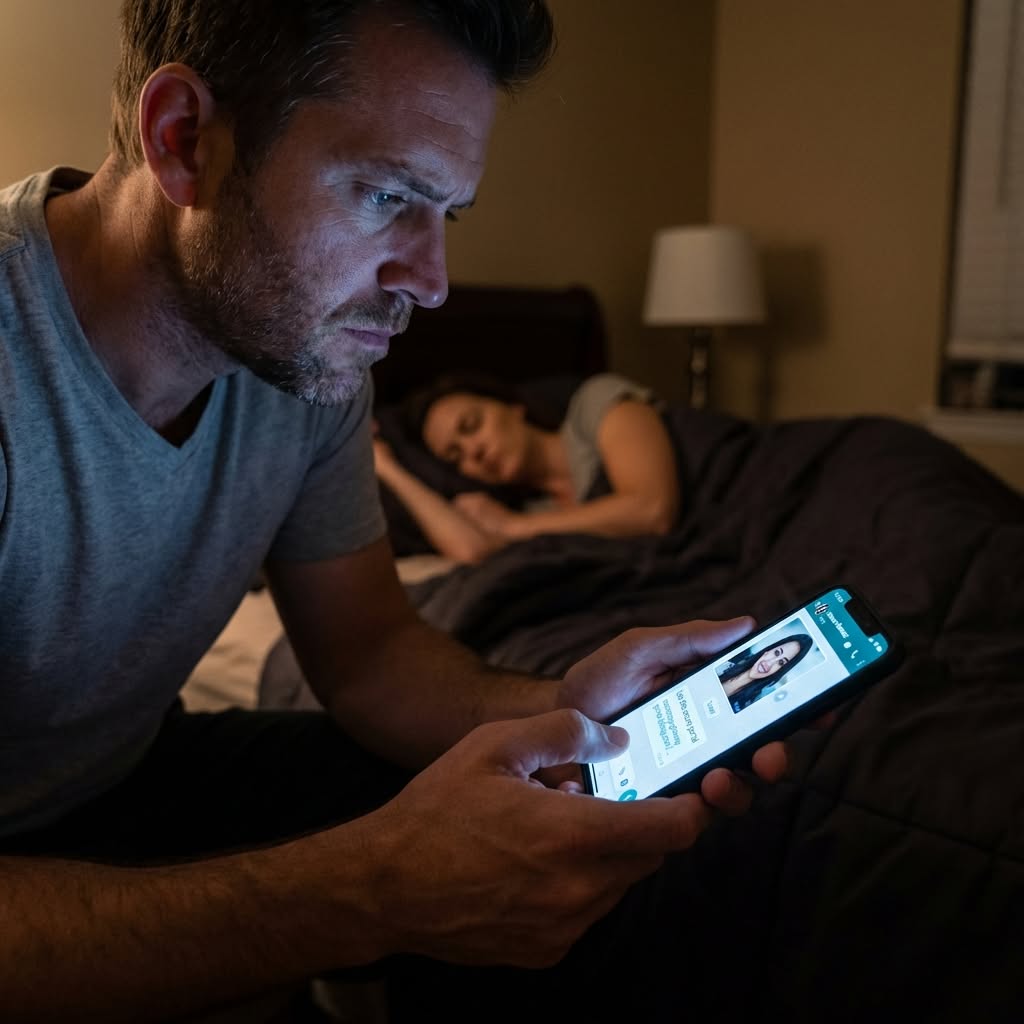
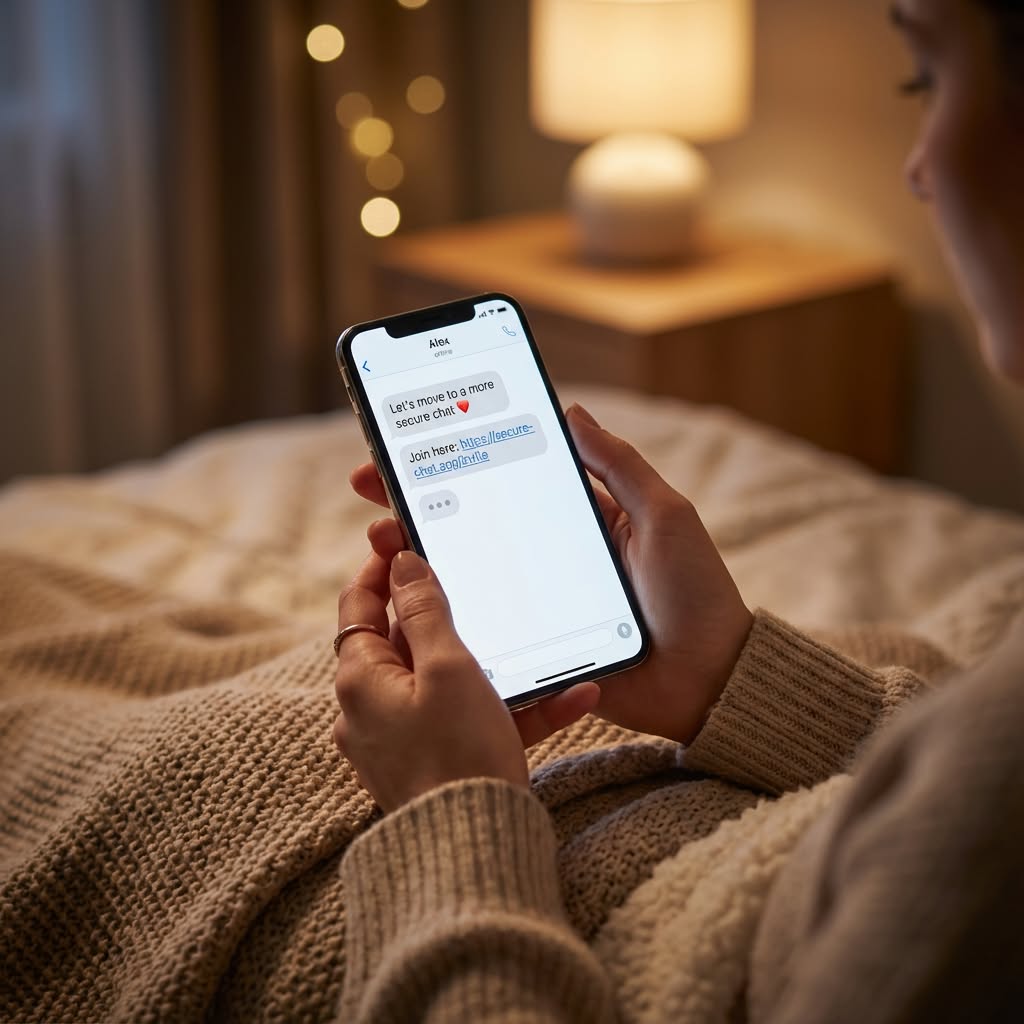
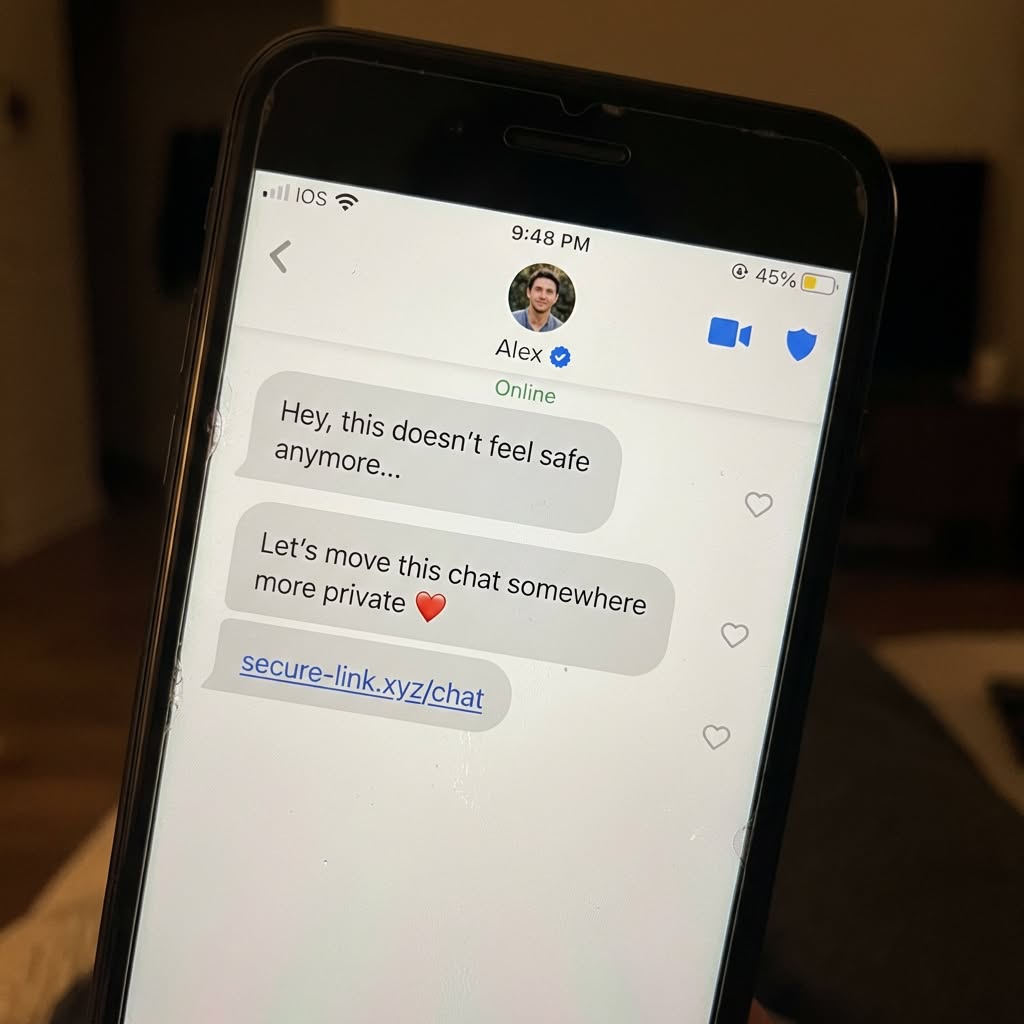
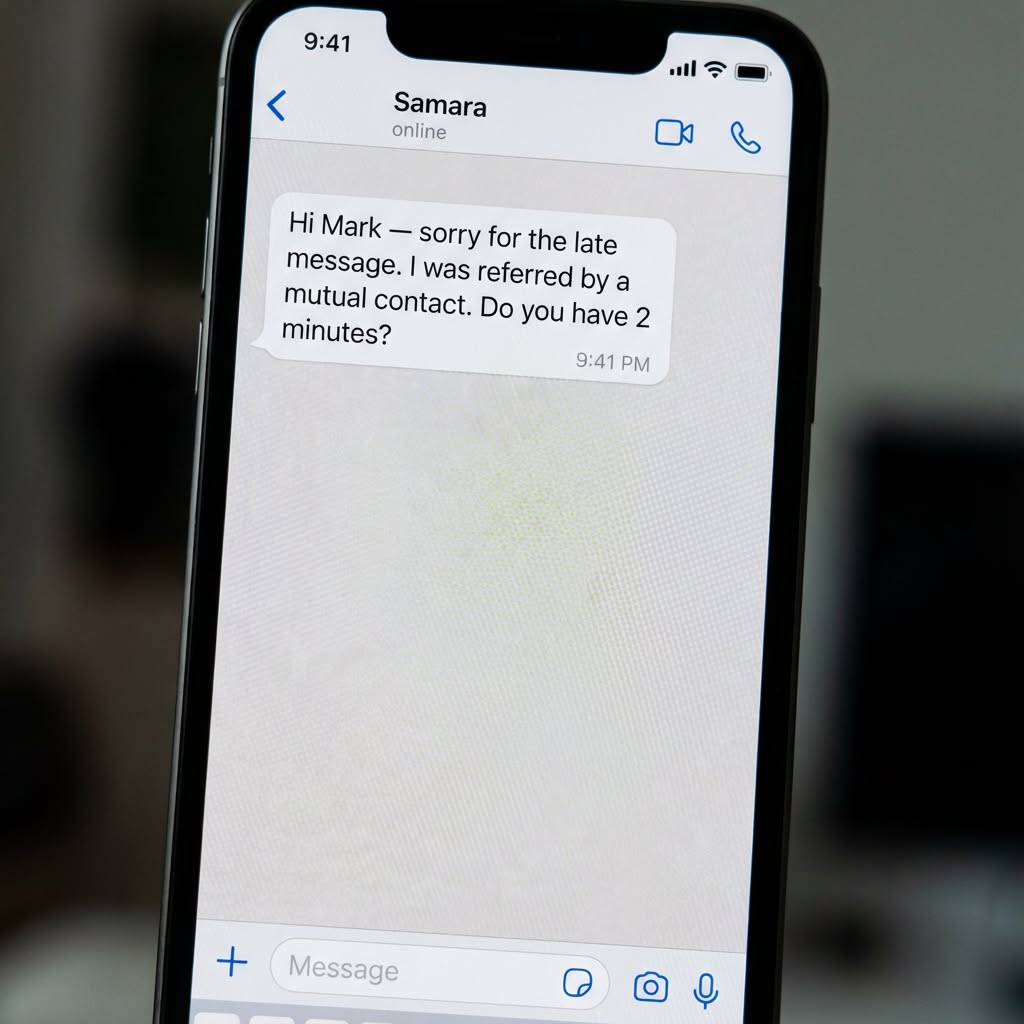
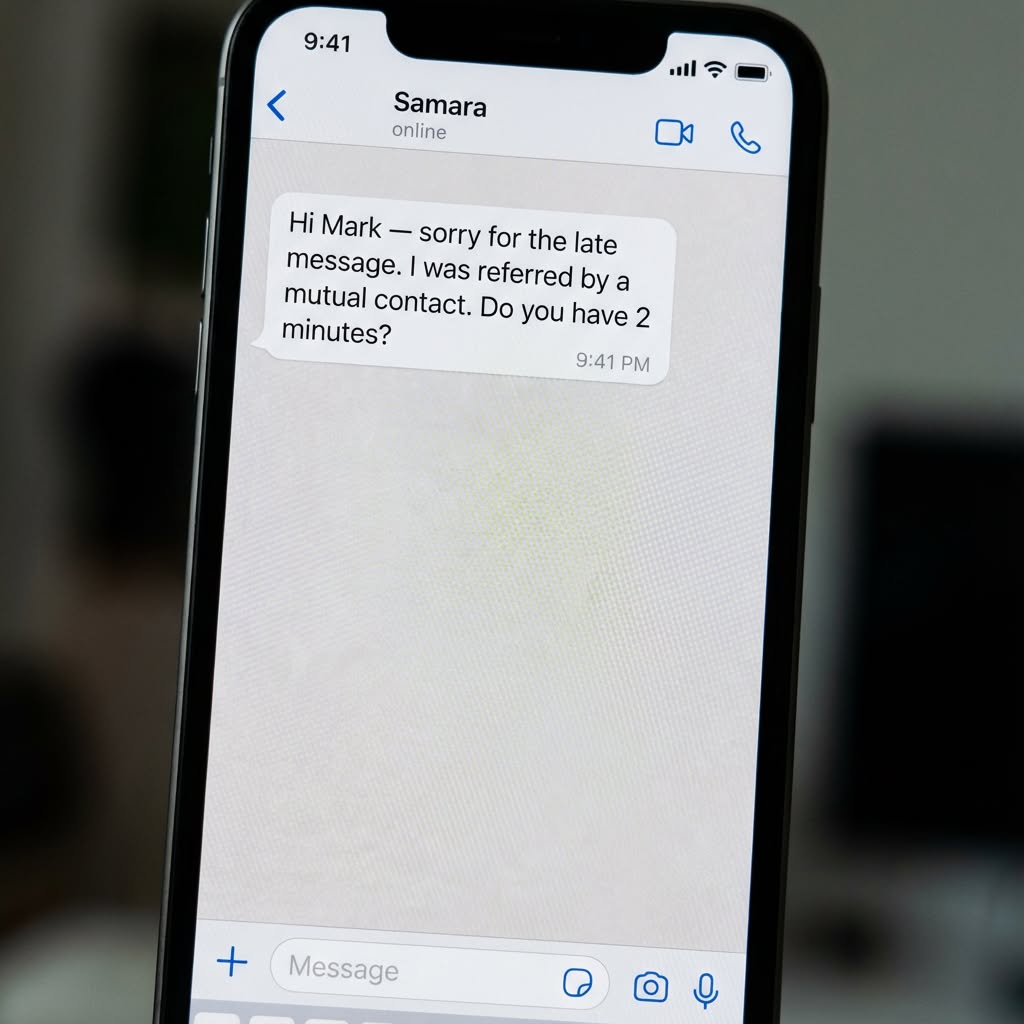
The message hit my phone at 9:41 PM, and by 10:03 I was staring at a payment screen for $9,800 I couldn't explain to anyone. I'm Mark Reynolds. I'm 35. I work as an independent business consultant in the Midwest - the kind of guy who bills for opinions and schedules his life in 30-minute blocks. Last year, I came close to wiring $9,800 to a stranger who sounded completely legitimate. I didn't lose the money. But I lost something else for a while - the easy confidence that says, I can tell what's real. The kind of night where nothing should happen That night started like a hundred other nights. Laptop open on the kitchen counter. A half-cold bowl of pasta. My phone facedown next to my keys, buzzing every so often with the boring stuff: calendar reminders, a delivery update, one of my clients sending a late email with a question that could have waited. I was tired in a specific way - not exhausted, not burnt out, just mentally used up. The kind of tired where you stop questioning the little things because all you want is to make it to bed without creating more work for tomorrow. I remember checking the time because I was debating whether it was too late to make coffee. 9:41. My phone vibrated again. I flipped it over expecting another client message. Instead, it was a WhatsApp notification. I hadn't used WhatsApp in weeks. The name on it was "Samara." No last name. Just Samara. Profile picture: a clean headshot, the kind you see on company websites. Not overly filtered. Not a bikini photo. Not the scammer stereotype everyone pictures. My first thought wasn't danger. My first thought was: Why is someone messaging me on WhatsApp at night? Then my second thought, the one that would matter later, came right behind it: I don't even remember giving out my WhatsApp number. But I opened the message anyway. "Hi Mark - sorry for the late message. I was referred by a mutual contact. Do you have 2 minutes?" Two minutes. That's how professionals write when they know you're busy. I should've known better right there, and I hate that sentence because it sounds like I'm blaming myself. I'm not. I'm telling you the truth - the hook was that it felt like business. And business is my comfort zone. I typed back, because I was curious and because my pride likes to believe I'm the kind of person people reach out to for serious things. "Hi - sure. Who's the mutual contact?" The typing indicator appeared almost instantly. "I was in a call earlier with Brian from Apex Partners. He mentioned you've helped teams like ours get unstuck without making it a whole corporate circus." That line made me laugh. Not out loud, but that little exhale through the nose. Because yes. That's literally my pitch. "No circus." I say it all the time. I scanned my memory for Brian from Apex Partners. The name was familiar in a vague, LinkedIn kind of way. In my line of work, "familiar" is normal. You meet a hundred people, remember thirty, and pretend you remember all hundred. So I did what I always do: I acted like this was normal. "Got it. What do you need?" Her reply came fast, crisp, like she was waiting. "I won't take much time. I'm working with a small group that's launching a niche consulting service for manufacturing suppliers. We have early demand but some bottlenecks around payment processing and compliance. I saw your work history and the cross-border projects. I have a couple questions." Cross-border projects. That detail wasn't random. It was in my LinkedIn profile. I told myself: She did her homework. That's a good sign. And in the moment, it was. We traded a few messages. She asked questions that made sense. Not too many. Not too generic. She used words people in operations actually use. "Vendor onboarding. Disbursements. Fraud flags." She wrote like someone who'd sat in a meeting room and had to make a messy system behave. My guard, the small part of me that usually watches for weirdness, relaxed. And because it felt professional, it slid into my life like a normal new contact. What I didn't realize yet was that I was being measured. Not by my answers. By my tempo. By how quickly I responded. By whether I asked the kind of questions that would slow her down. And that night, at 9:41 PM, I was the perfect target. The slow burn Over the next week, Samara stayed in my WhatsApp thread like a quiet presence. Not constant. Not clingy. That would have triggered me. Instead, she was consistent. A message in the morning about a detail she "forgot" to ask. A screenshot of a spreadsheet she wanted my quick opinion on. A short thank-you when I answered. She gave me something I didn't realize I liked: being treated like a specialist. In consulting, you're always selling expertise. You're always convincing people you're worth listening to. With her, I didn't have to convince. She acted like it was already decided. I should've noticed how good that felt. I should've noticed how much my ego leaned forward. And I should've noticed that she never moved off text. No call scheduled. No "Can we hop on Zoom?" No email signature with a company domain. Just WhatsApp. But she had an explanation ready for that too, before I even asked. "I'm traveling for meetings this week and my email access is a mess on my phone. If you're okay with it, WhatsApp is easiest." Easiest. That's another professional word. That's how people keep things moving. And I like moving. On day five, she dropped in a message that looked like a normal business update. "Quick heads up - we're finalizing a pilot with two suppliers. If it goes through, there's a small advisory fee we'd like to pay you for the initial guidance. Nothing huge, just proper. Do you have a preferred way to receive?" I stared at that message longer than I want to admit. Because a part of me liked the idea of being paid without pitching. Another part of me noticed the phrase "preferred way to receive" and felt something twitch. Most real clients don't ask it that way. They ask for an invoice. But I was already in motion with her. Already in a rhythm. So I replied like a professional. "Invoice is fine. I can send W-9 if needed." Her response came back. "Perfect. For compliance, our platform requires a quick identity verification for new payees. It's standard KYC. Takes 2 minutes. I'm sending the secure link." KYC. Know Your Customer. That's a real term. That's a real process. That was the moment the story quietly changed shape. Because until then, everything had been soft. Opinions. Advice. Light touches. Now there was a link. And links are where reality ends. I didn't click it immediately. I sat there with my phone in my hand, thumb hovering like I was reading a dangerous label on a bottle. The link was in a format that looked corporate - not a messy string of numbers, but a clean-looking domain with a couple slashes. Still, I did something I almost never do. I copied it and pasted it into my notes app just to look at it without activating it. The domain looked like it belonged to a payment gateway. It had "secure" in it. It had "verify" in it. It did all the things domains do when they're trying to look responsible. I remember thinking: If this is fake, it's a good fake. And then the tired part of my brain, the part that wanted the night to be simple, said: It's probably fine. I should've stopped there. I should've waited until morning. I should've asked her to send it to my email. But I didn't want to be the guy who slows down a deal over "paranoia." That's what I told myself. The emotional hook disguised as logistics Before I clicked, she added one more message. "I know links are annoying. If you'd rather not do it now, no worries. We just have to finalize payment by tomorrow morning because of a supplier schedule." That sentence did two things. First, it gave me an out - which made her feel less pushy. Second, it created a clock. And I live by clocks. Deadlines are the lever that moves my whole personality. I felt the familiar pull: if I don't do it now, I'll forget. If I forget, I look flaky. If I look flaky, I lose the opportunity. And yes, I know how that sounds. I know it sounds like greed. But it wasn't greed. It was identity. I'm a reliable professional. I'm the guy who follows through. That's the part scammers aim for, and I didn't understand that until afterward. I wrote back: "No problem. I'll do it now." She replied with a simple: "Thank you." Nothing else. No extra reassurance. No "Let me know if you have issues." Just thank you. Like the deal was already done. My stomach did that small, quiet drop that sometimes happens before you make a bad decision. Not a panic. Just a soft warning. I ignored it. Then I clicked. The click I tapped the link on my phone first. It opened in my browser and for a second it looked like nothing was happening - just that white loading screen, then a logo beginning to fade in. The logo was something generic but corporate, like it wanted to be recognized without being famous. Below it, a line of text: "Verify identity to receive payment." It looked like every onboarding flow I've ever seen. Name. Email. Phone. The form fields sat there cleanly, like they belonged. I hesitated, and in that hesitation I did something that almost saved me right there. I thought: Why am I doing this on my phone? I'm a consultant. I have a laptop right in front of me. So I forwarded the link to myself - from WhatsApp to my email - the way people do when they want to handle something on a bigger screen. I opened my laptop and clicked the email. The page started to load again. Same logo. Same "Verify identity" headline. I was about to start typing. And then another message came through from Samara, fast and casual, like she was watching a dashboard. "If it asks for a deposit amount, that's standard. It's refundable. It's to confirm your account isn't flagged." Deposit amount. I froze with my hands on the keyboard. Because that wasn't KYC anymore. That was money. And suddenly I could see how the path might go: deposit amount, bank login, confirmation, a little more, just to "clear" something. I wanted to ask her directly: How much are we talking? But instead, I did what I do when something feels off. I rationalized. Maybe she meant a small deposit. Maybe $1. Maybe it's like those platforms that do a micro-charge to verify a card. I should've known better. I'm not new to payment systems. I knew micro-charges are one thing. "Refundable deposit" is another. But I was already there. The page was open. The form fields were waiting. And the worst part is how normal it all looked. I started typing my name. Then my email. Then my phone number. And right before I hit the next step, I noticed a tiny line under the form. A support email address. It was a free email domain. Not a company domain. A free one. My heart gave a harder drop this time. I clicked back into WhatsApp. "Hey - quick question. What's the platform name? I want to make sure I'm using the right portal." Her typing indicator appeared. Then stopped. Then appeared again. A pause that felt like someone thinking too hard. Finally: "It's our compliance partner. They white-label the portal. If you prefer, I can send the invoice route instead, but it will delay payment." There it was. Delay. The lever again. And I hate that this worked on me. I hate it because I'm the guy who tells clients not to make decisions under artificial time pressure. But it wasn't artificial to my brain. It felt like a real deadline. So I told myself: I can at least see what the next step is. I don't have to pay anything. I clicked "Next." The page refreshed. And then the number appeared. $9,800. Not as a charge, not yet. It was framed as "Verification Deposit." There was a bland explanation about refund timing and compliance. Below that: a button. "Proceed." My mouth went dry. Nine thousand eight hundred dollars is not a micro-charge. That is rent for months. That is a chunk of savings. That is the kind of amount you notice. And here's the part that still feels unreal - I didn't slam the laptop shut. I didn't instantly call it a scam. Instead, my brain tried to make it make sense. Because if it was a scam, it meant I'd been fooled for a week. It meant I'd been played. And I didn't want that story to be true. So I stared at the screen, reading the explanation again, like words could change if I looked hard enough. I typed another message. "That seems high. Is that a typo?" Her reply came in seconds. "Not a typo. It's based on supplier escrow requirements. You'll get it back immediately after verification. I know it's uncomfortable. This is why most people don't get access to these pilots." That sentence hit my pride like a thumb on a bruise. Most people. Not you. You're different. You're a professional. I should've known better. That line is a classic move - make the victim feel like backing out proves they're not elite. But I didn't know it was classic then. I just knew I wanted to stay in the room. So I did something that almost ended my year. I clicked "Proceed." The block The page started to load - white screen, the logo appearing - then a warning flashed. A popup covered everything. Dark background. Bold text at the center, red and urgent: "This site is malicious." I stared at it, confused. Below the warning, more text explaining the threat. A button at the bottom: "Stay Safe." The form was gone. I couldn't access it anymore. The popup had blocked everything. For a second I just sat there, hand still on the mouse, like my body hadn't caught up to what my eyes were seeing. Then my pulse hit my throat. Because something had just stepped in between me and that button. I clicked "Stay Safe," hands shaking. The browser snapped back. The page was gone. And the silence in my kitchen felt louder than any alarm. I didn't feel relieved first. I felt exposed. Like I'd been caught with my hand in a fire I was pretending wasn't hot. I opened WhatsApp. Samara had sent one more message. "Did it go through?" My fingers hovered above the keyboard. I didn't answer. I didn't know what to say. Because in that moment I realized how close I'd been. Not just to losing $9,800. To handing over whatever else that page wanted next. My name, my address, my banking info, my identity. I looked at the clock. 10:03 PM. Twenty-two minutes. That's how long it took from the first message to the moment I almost clicked myself into a disaster. I should've known better. Not in a self-hating way. In a stunned way. Like: How did I not see this coming? Aftermath I didn't sleep much that night. I kept replaying the conversation, scrolling back through the thread like it was evidence from a crime scene. Every line that had sounded normal now sounded tuned. "Do you have 2 minutes?" "Mutual contact." "Compliance." "Delay payment." It wasn't just the ask. It was the pacing. There were no typos. No weird formatting. No broken English. It was clean. Calm. Professional. Which is exactly why it worked. At 1:12 AM I finally did the thing I should've done first. I searched the name she'd given. Nothing that matched. I searched the "compliance partner" phrase. Nothing. I searched the domain. There were warnings. People in forums. A couple posts about fake verification portals. My stomach turned again, this time with anger. Not at myself. At the fact that someone was out there building this kind of trap and aiming it at people like me. The next morning, I did damage control. I changed passwords. I checked my bank accounts. I put a fraud alert on my credit. I sat in my car in a grocery store parking lot with my phone in my hand, staring at the WhatsApp thread like it was radioactive. Then I blocked her. The block felt childish, like closing a door that had already been opened. But it was the only clean action I had. Later that week, I told a friend about it. A guy I trust. He listened, quiet, then said something that stuck. "They're not looking for idiots. They're looking for competent people who move fast." That sentence cracked the shame. Because shame thrives on the idea that you're uniquely stupid. And I wasn't. I was busy. I was tired. I was trained to respond to professional cues. I was human. I'm not telling you this to scare you. I'm telling you because I used to think a romance scam looked like someone asking for gift cards and sending dramatic declarations of love after two days. This wasn't that. This was someone building rapport, using business language, making me feel like I was stepping into an opportunity. And the ask was wrapped in logistics. That's the part people don't talk about. The second attempt and the name of what stopped it Two weeks later, I got a different message. Different name. Different profile picture. Same tone. "Hi Mark - quick question. Are you still consulting with manufacturing suppliers? I saw your comment in a group and wanted to connect." It could have been real. That's what bothered me. Because now I couldn't trust my own instincts the way I used to. I didn't reply. Instead, I did something new for me. I installed an online protection tool I'd heard about but always assumed was for people who click on every pop-up they see. A few minutes later, I clicked through its setup on both my laptop and my phone, more annoyed than hopeful, like I was buying a smoke detector right after smelling burning toast. That night, I opened my browser and pulled up the exact email I'd forwarded to myself from Samara - the one with the verification link. I told myself I was doing it for closure. To see what it would do. I clicked it. The page started to load - white screen, the logo appearing - then that same dark overlay slammed into place. This time, there was no mystery about where it came from. The logo at the top said Guardio. The warning was blunt: this site was malicious. The button at the bottom still read "Stay Safe." I sat back in my chair and let out a laugh that wasn't funny. Because the whole time I'd been replaying that first night like it was luck. Like my browser had randomly decided to save me. It wasn't luck. It was Guardio. And when I opened the dashboard after - the dark sidebar, the browsing activity page, a neat list with timestamps - I saw it like a timeline of alternate realities. Blocked site. Blocked site. Another blocked site. There were entries from days I hadn't even thought about. A link from a "shipping update" that I'd clicked without thinking. A sketchy redirect I must have hit while researching something for a client. I stared at those timestamps and felt my stomach go cold all over again. Because my story wasn't special. My story was just the one I noticed. Guardio didn't make me invincible. It didn't make me smarter. It just stopped one bad click from becoming a catastrophic night. And now, when I get a message that sounds polished and professional, I don't argue with myself about whether I'm being paranoid. I assume the world is full of people who sound legitimate right up until they take your money. I still do my work. I still move fast. I just don't let speed be the thing that costs me everything. Over 2 million people have stopped being easy targets. The next message that sounds like a professional opportunity, the next late-night link that looks routine - will you catch it before you are staring at a payment screen for $9,800? Click below to see how protected you really are before the next "quick question" lands in your inbox.
Click to Read 👉
LEARN MORELike this ad? Make it yours.
Crush rebuilds this exact creative around your product — your brand, your colors, your offer — in about a minute.