
Active· since Sep 16, 2026
- 8
- days running
- 0
- relaunches
- 37
- EU reach
Ad copy
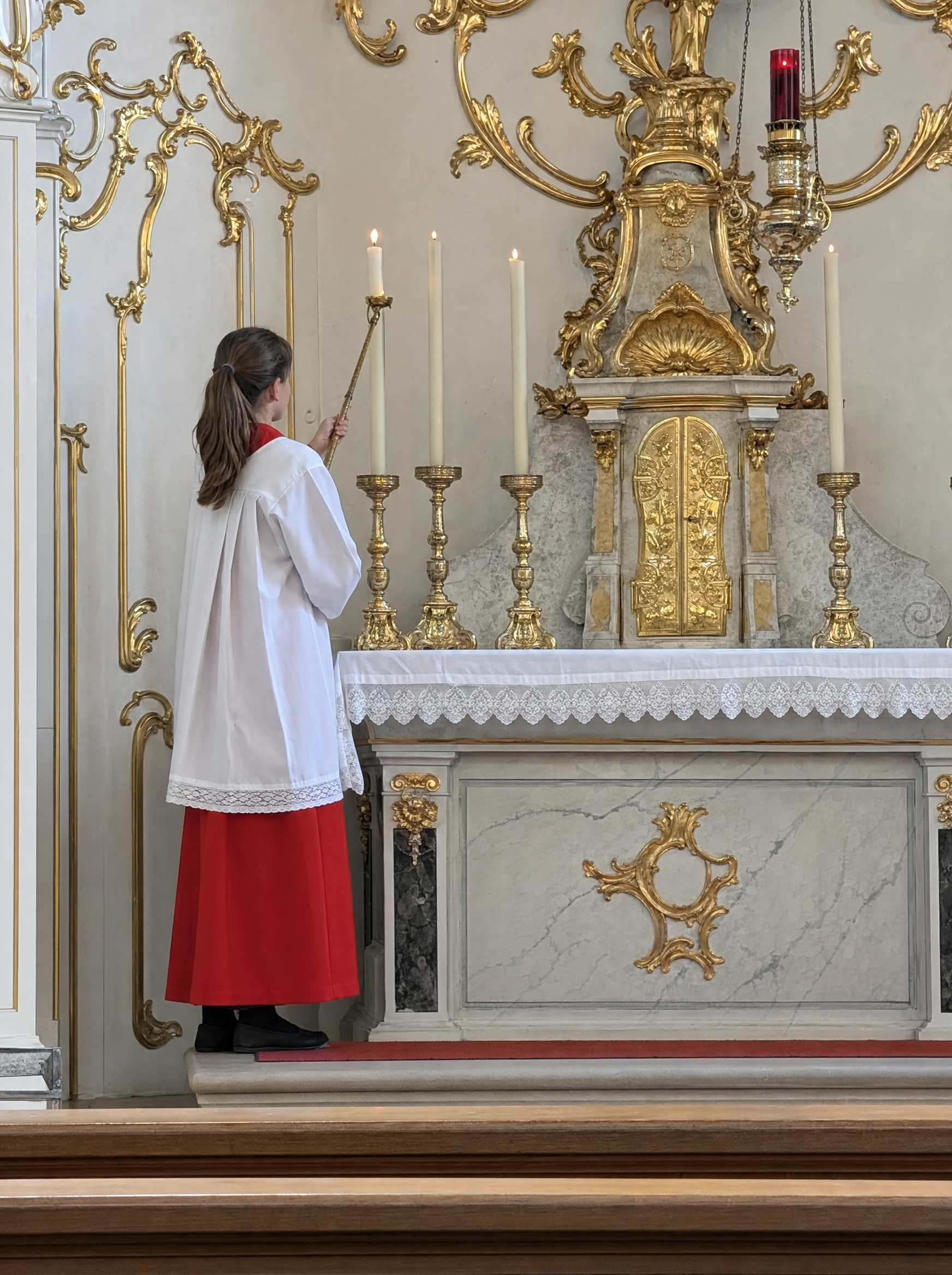
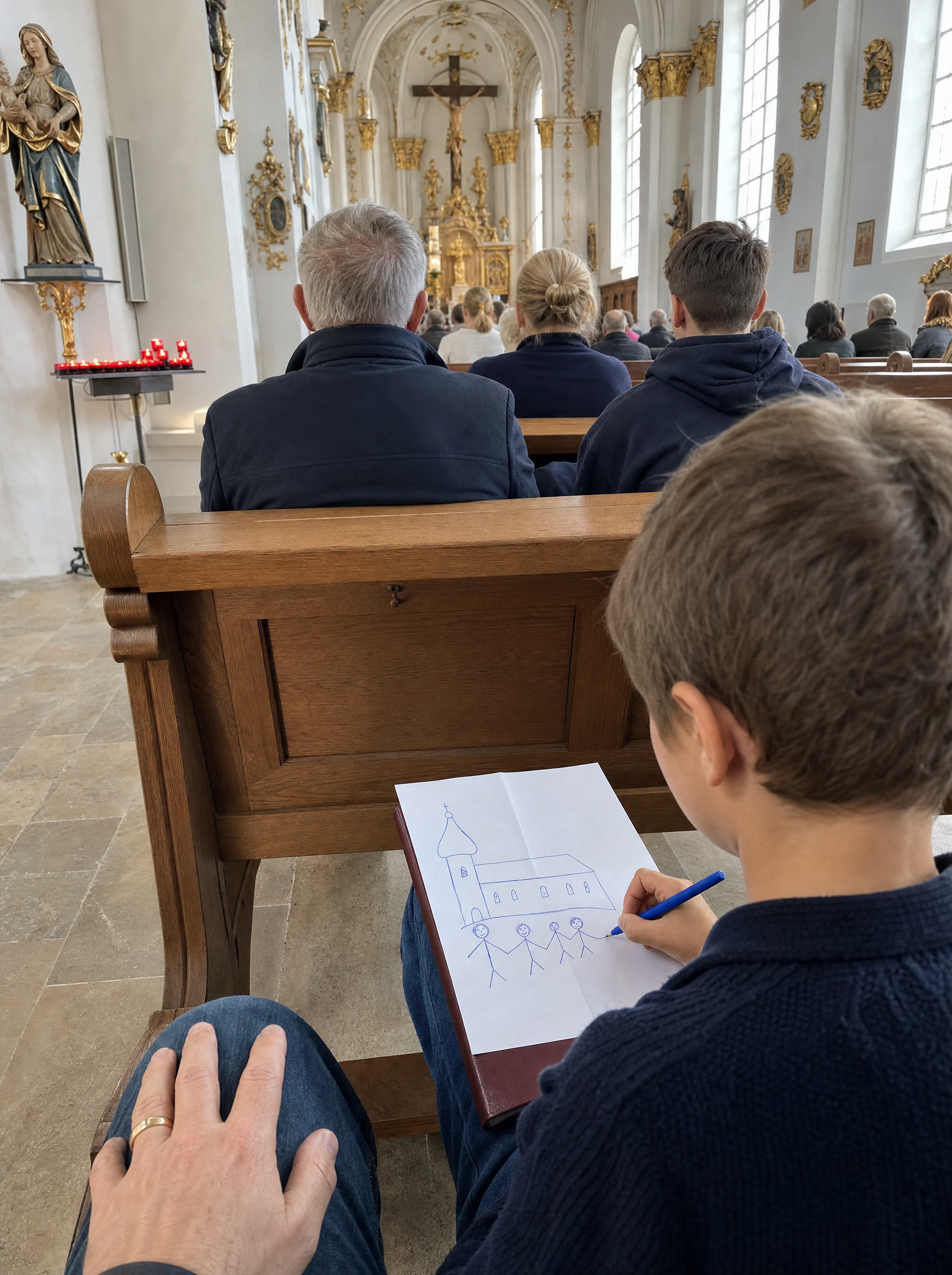
My daughter has been asking me to post this for months. I always said it was family business. Until last week she said, "Mom, it could save another family five years." So okay, here it is. Six years ago my daughter stopped believing in God. I didn't hear it from her. I read it on Instagram. A Tuesday night, 10:47 PM. One post, four words: "Finally thinking for myself." Erin was what you'd call a model parish kid. Children's Liturgy of the Word. First Communion. Altar server. Three years as head altar server. At 12 she could name all 20 mysteries of the Rosary. Forwards and backwards. We did everything right. Mass every Sunday. Grace before meals. The Sign of the Cross and night prayers before bed. If you'd asked me back then whether this girl could ever lose her faith, I would've laughed. Then came freshman year. When I called her after that Instagram post, she didn't lash out. She just told me. Calm. Almost gentle. Intro to Philosophy. Week 3. The professor wasn't a bad man, she said. He wasn't some Christian-hater. He just asked questions. "How do you know God exists?" "Because the Bible says so." "And how do you know the Bible is right?" "Because it's God's Word." "And how do you know that?" "Because... the Bible says so." "Do you realize you're going in circles?" "I just sat there, Mom," she said. "25 people staring at me. 19 years of church. Countless homilies. Every prayer by heart. And I had NOTHING." I didn't sleep that night. At 2 AM I was reading every article I could find about Gen Z and "deconstruction." It was the same pattern everywhere. Former altar servers. Freshman year. First skeptical professor. Zero answers. Not because they were rebellious. Because they'd been taught the WHAT. And nobody taught them the WHY. Sometime that night I found the number I still can't shake: 73% of kids who grow up in the Church lose their faith by 23. We'd given Erin answers for 19 years. But not one single reason. She stayed away for five years. Five years of Christmases through gritted teeth. Five years of me praying for her at Mass every Sunday while she slept in. Her First Communion candle sat on the windowsill in her old room the whole time. I couldn't bring myself to put it away. And every Sunday our surprise baby Owen sat next to me in the pew, coloring on his parish bulletin. One morning I was watching him do it and I went ice cold. I didn't see my son. I saw Erin, 15 years earlier. That afternoon I tested him. "Owen, why do you believe the Bible is true?" "Because... it's God's Word?" "And how do you know that?" "Because the Bible says so?" The same circle. The same house built on sand. I've been a First Communion catechist for 26 years. I have cabinets full of materials — craft sheets, quiz booklets, coloring pages. And it hit me: none of it would have saved Erin. Then two years ago I was standing in an abbey bookstore in front of the apologetics shelf. C.S. Lewis. Peter Kreeft. All of it way too heavy for a 9-year-old. That's when I overheard a conversation one aisle over. A dad and his son, maybe 14. "So — if somebody says Jesus is just a copy of other religions, what do you say?" The boy didn't hesitate for a second. "That the manuscript evidence shows the story of Jesus came first. And that the dying-and-rising god myths are different in six key ways. We did that in week 19." I walked over and asked what they were studying. The dad held up a workbook. Systematic Theology for Kids: 52 Week Workbook. Not more stories. No coloring pages. Real arguments. Week by week. I was skeptical. I've seen a lot of material come and go in 26 years. But I opened it to Lesson 1 right there in the store. "How do we know God exists?" Not "because the Bible says so." The cosmological argument. In words a kid can understand — with logic that holds up for a grown-up. I bought it before I walked out of the store. The next Sunday, after Mass, I sat down with Owen at the kitchen table. Lesson 1. He leaned in. "Wait — EVERYTHING that has a beginning needs a cause? Even the universe?" We spent 1 hour and 14 minutes on that one lesson. He asked nine questions. Not "what's the answer" questions. "How does this work" questions. Real thinking. After two weeks he started debating me at dinner. Not disrespectfully. Theologically. In week 5 he came to me frustrated: "Mom, I'm stuck on the problem of evil. I get the free will part — but what about natural disasters?" He wrestled with it. He didn't just accept it. In week 8, at a family dinner, my brother — agnostic, sharp guy — made a comment about the Bible being "written by men." Before I could even open my mouth, Owen said: "Uncle Kevin, do you know about the manuscript evidence? We have over 5,000 Greek copies of the New Testament. More than any other ancient text. If you don't trust the Bible, you can't trust Julius Caesar either." My brother stared at him. So did I. And then came last Christmas. For the first time in years, Erin sat at our kitchen table for longer than two hours. When we said grace, she couldn't resist making a comment: "You guys do know there's not one single piece of evidence for God, right?" Before, that would've meant awkward silence. This time Owen put down his fork. "Actually, there is. Do you want to start with the cosmological argument or the resurrection?" She laughed. He didn't. Then my college-educated daughter cross-examined her 11-year-old brother. With the exact same questions that took her apart at 19. He answered every single one. The manuscripts. The empty tomb. "Explain the empty tomb to me in a way that doesn't fall apart against the other facts. I'll wait." It got very quiet at the table. Then Erin asked quietly, "Where did you get all this?" Owen shrugged and went and got his workbook from his room. "Mom does this with me every Sunday. We're on week 31." That night the light in Erin's old room stayed on. At 3 AM I could see the glow under the door. She was sitting on the floor of her childhood bedroom, reading her little brother's workbook. The next morning she asked if she could take it with her. After that she worked through all 52 weeks herself. At 24. Alone, at her own kitchen table. Somewhere between week 7 — the evidence for the resurrection — and week 19, she prayed for the first time in five years. Last month she was back at our table. This time SHE said grace. I cried. Again. But it was a different kind of crying. Why am I telling you all this, when it's really nobody's business? Because you're probably right where I was six years ago. Your kid goes to Sunday Mass with you. Says grace before meals. Can explain beautifully WHAT they believe. Ask them one single question tonight: "Why do you believe it's true?" If the answer goes in a circle — "because the Bible says so," "because that's just what we believe" — then your kid has exactly what Erin had. A house built on sand. It looks beautiful. Until the third week of freshman year. That 73% isn't a statistic about bad families. It's families like mine. Like yours. The difference between my two kids isn't how they were raised. They were raised the same way. The difference is a workbook and one hour on Sunday. And before you go order just any Christian kids' material: more stories and coloring pages won't fix this. Erin had 19 years of that. And the big apologetics books are unreadable for kids. This is the only material I've seen in 26 years of religious ed that gives kids real REASONS — week by week, one hour on Sunday. Owen is going to walk into that lecture hall just like Erin did. The same professor will be sitting there, or one just like him. The same three questions. But Owen won't go in circles. He'll lean forward and say, "Good question. Want to start with the cosmological argument?" Your kid is going to get these questions either way. At school, in class, on TikTok. The only question is whether they'll have answers when it happens. Erin didn't have any. It cost us five years. Systematic Theology for Kids: 52 Week Workbook. Don't wait until you read it on Instagram. — Colleen Erin's mom
If you have a child, read this ☝️
This is about a fundamental mistake in how we teach kids the faith. A mistake that starts destroying their faith when they're only 8 years old.
LEARN MORELike this ad? Make it yours.
Crush rebuilds this exact creative around your product — your brand, your colors, your offer — in about a minute.