
Inactive· since May 25, 2026
- 7
- days it ran
- 0
- relaunches
Ad copy
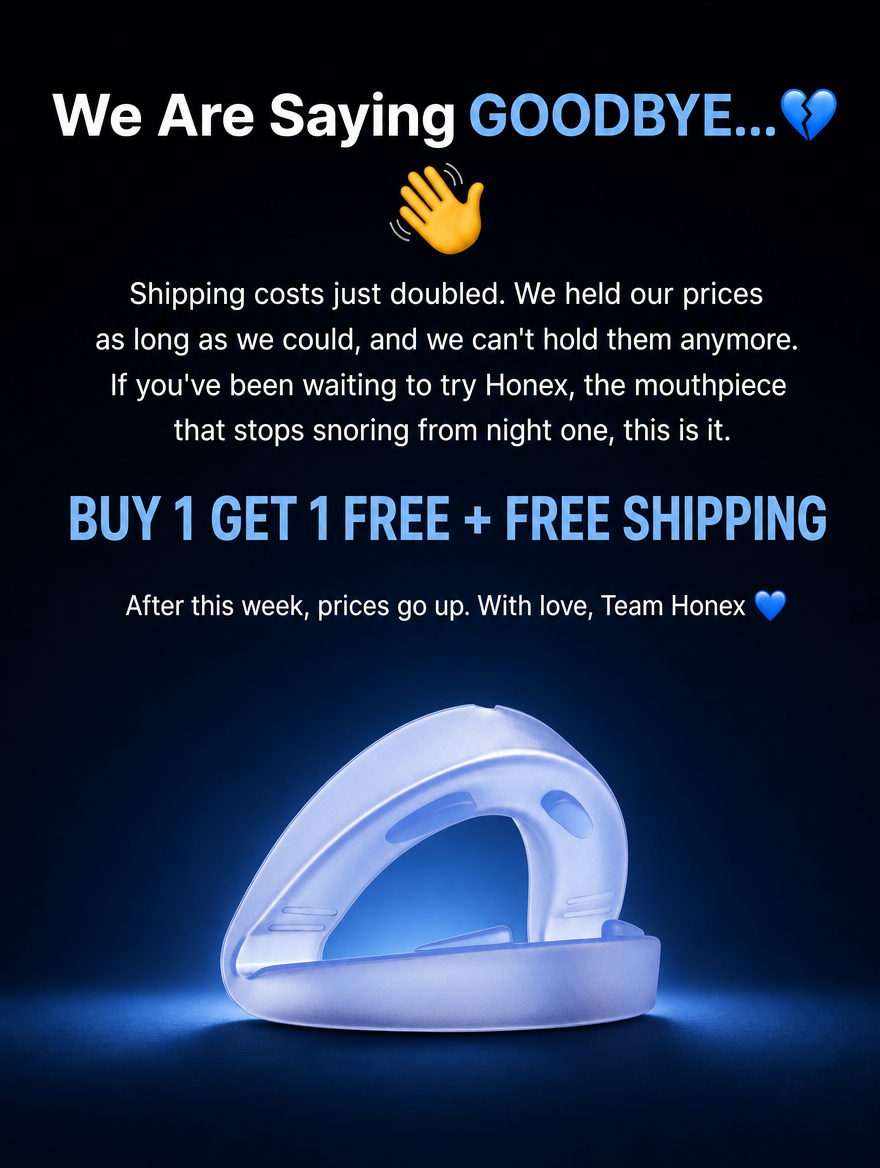
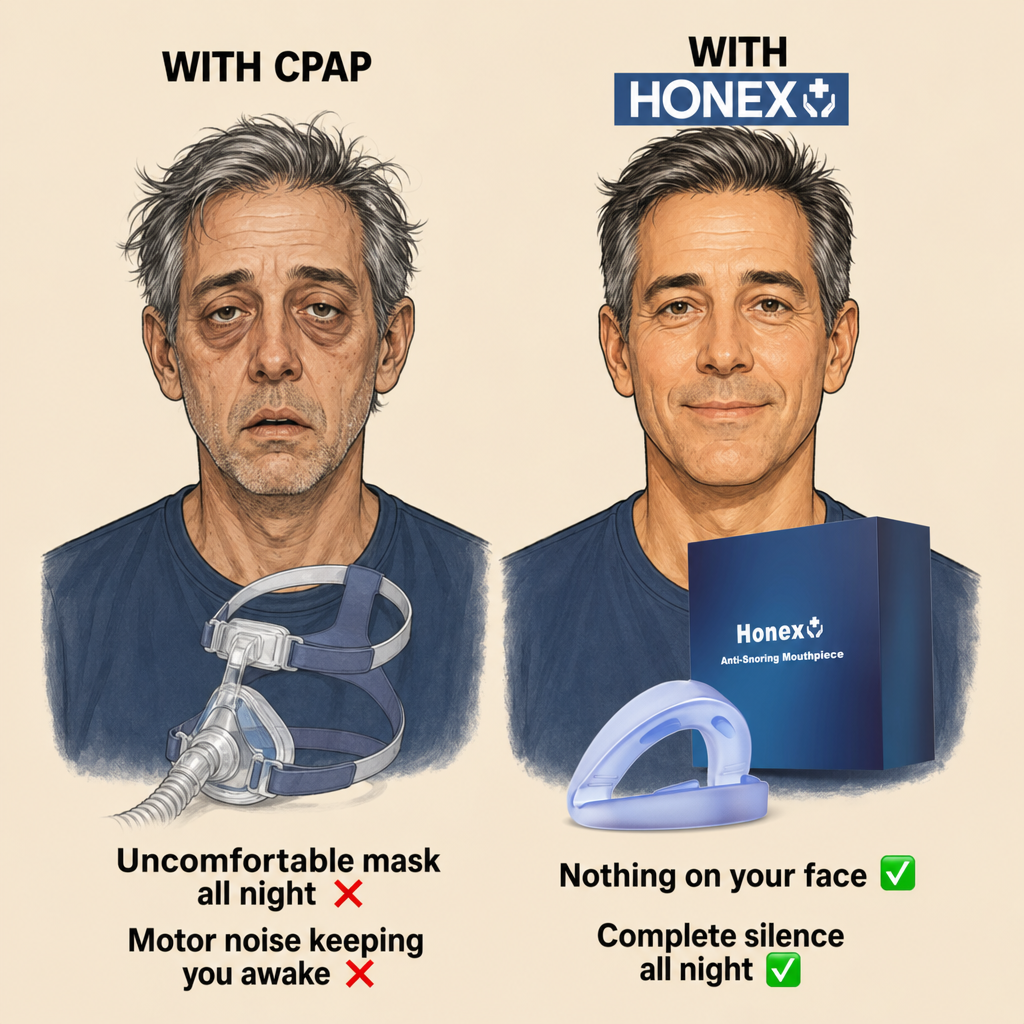
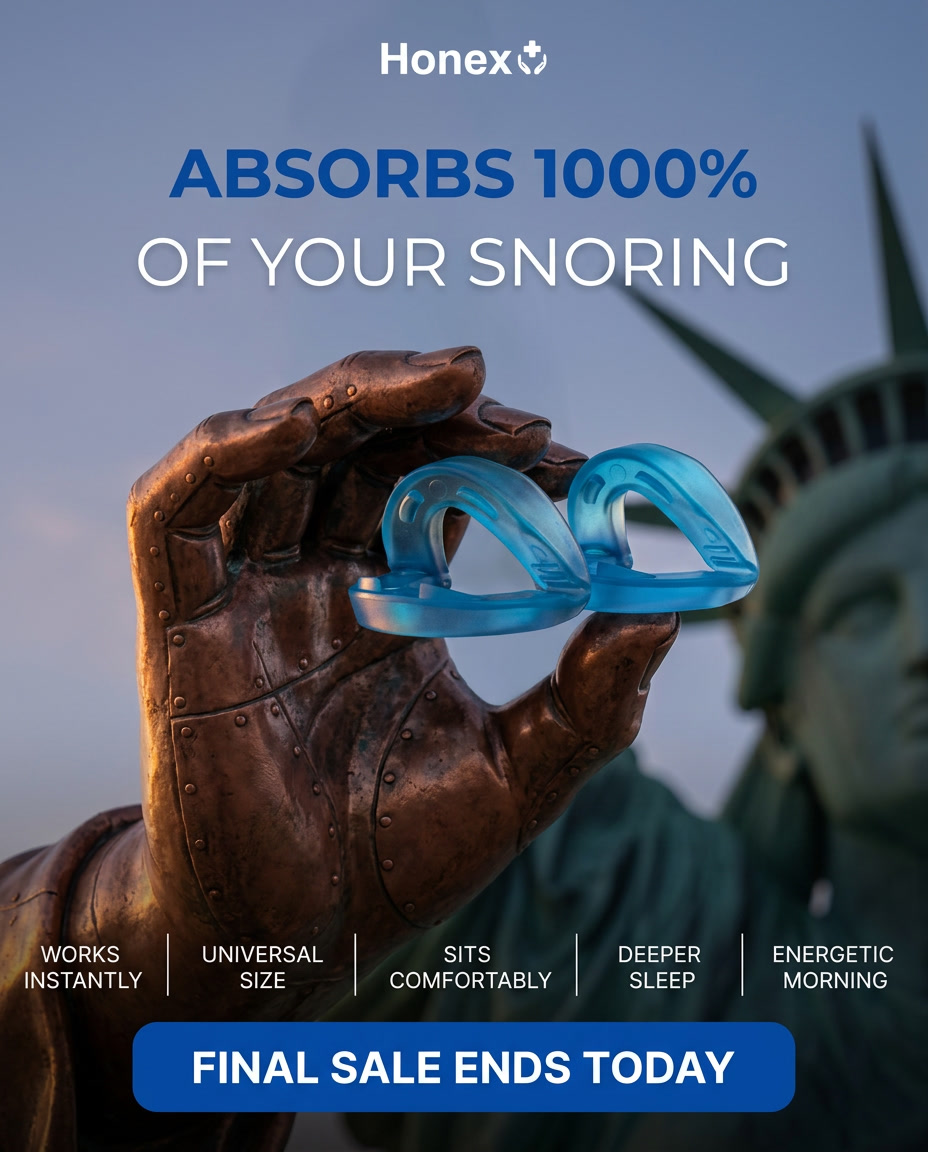
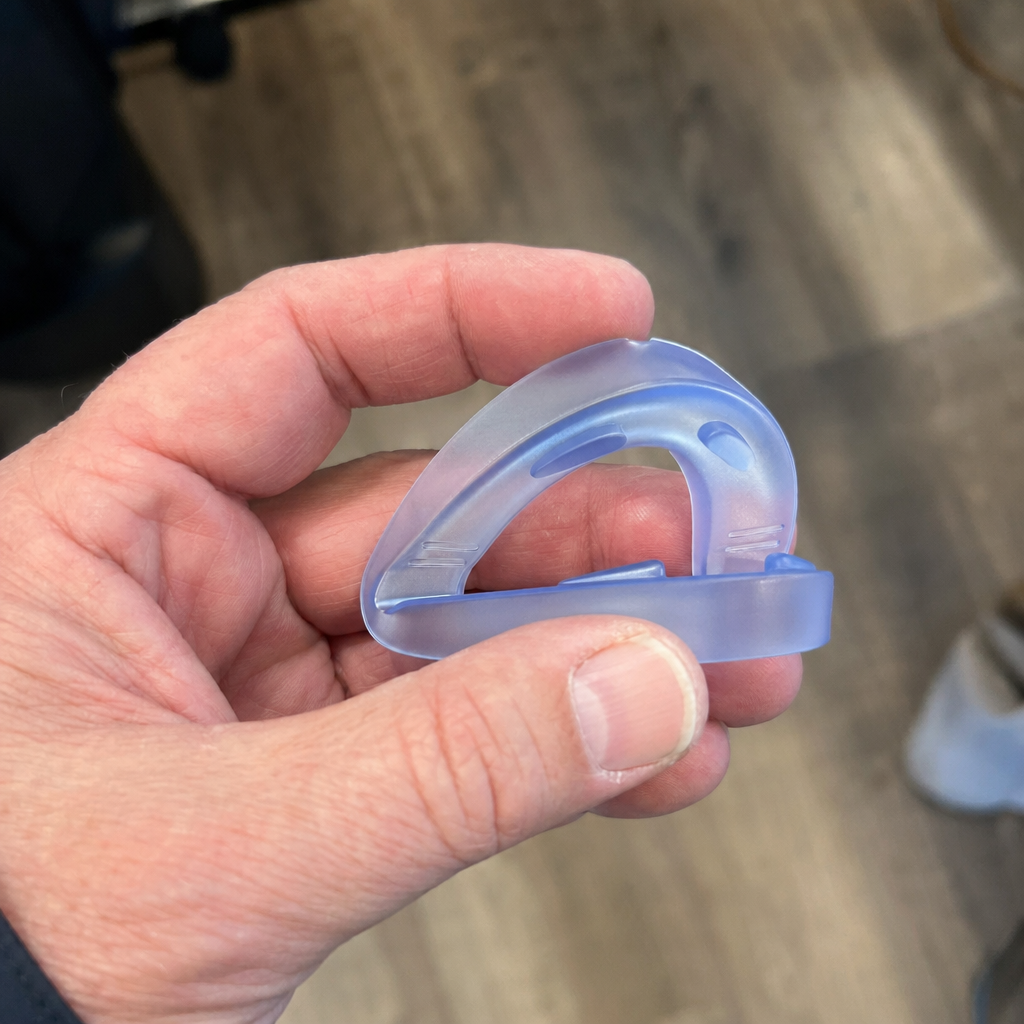
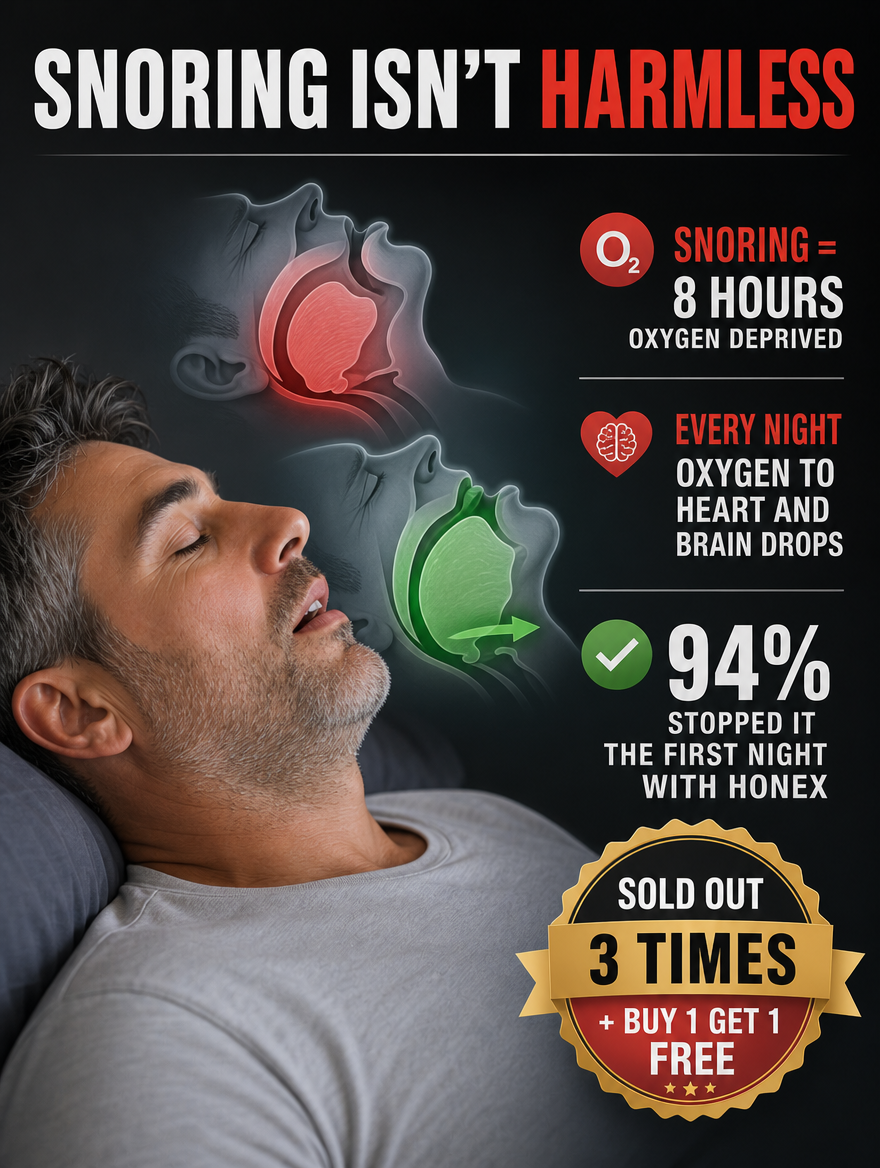
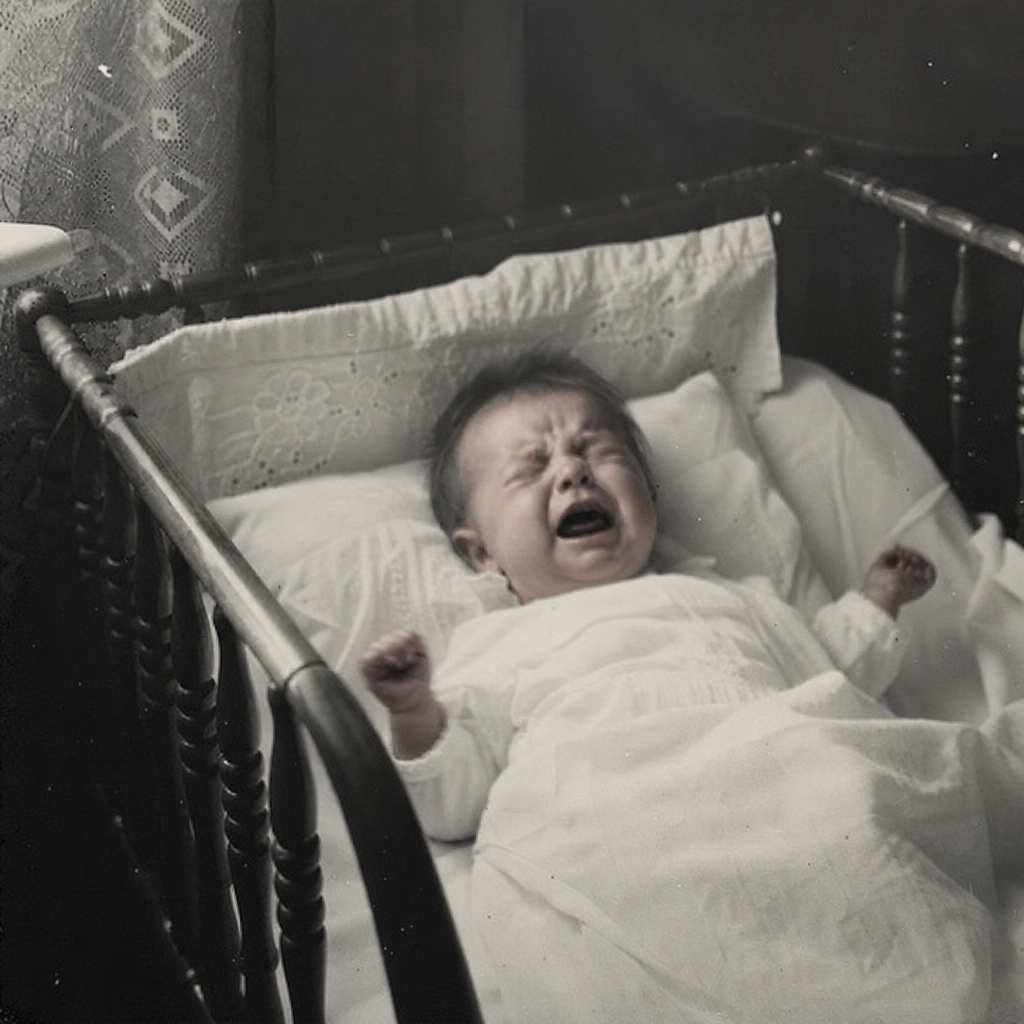
Babies were choking to death in their cribs in 1902 because their tongues blocked their airways. A French surgeon built the fix by hand. Then the sleep industry pretended he never existed. His name was Pierre Robin. You've probably never heard of him. That's not an accident. Robin was working in Paris with newborns. Specifically, babies born with underdeveloped lower jaws. Their jaws were so small that when they lay on their backs, the tongue had nowhere to go but backward. It slid into the throat. Blocked the airway. Some of these babies were suffocating in their cribs. Robin noticed something. When he gently repositioned the lower jaw forward, even slightly, the tongue moved with it. The airway opened. The baby could breathe. So he built a small device to hold the jaw in that forward position. He called it the Monobloc. It was simple. It was mechanical. And it was the first oral appliance for airway management in recorded medical history. But Robin didn't stop with infants. He spent the next several decades extending the work to adults. He observed that adults with certain jaw structures experienced the exact same mechanics during sleep. The jaw relaxes. Gravity pulls it backward. The tongue follows. The airway narrows or collapses entirely. The person gasps. Chokes. Stops breathing. Wakes up. Falls back asleep. And it happens again. Twenty, thirty, forty times a night. Robin documented the pattern. Published the mechanism. Named the syndrome. He was describing, in clinical detail, what we now call obstructive sleep apnea. In 1902. Decades before the condition even had a formal name. The American Academy of Dental Sleep Medicine credits Robin with the earliest clinical work on oral appliance therapy. His research was published. His results were demonstrated. His mechanism was sound. And then... nothing. This is where the timeline gets uncomfortable. Robin published a working solution in 1902. By 1950, when he died, the work had not been adopted into mainstream medicine. A decade passed after his death. Then another. The first scattered reports of oral appliances being used for adult snoring didn't surface in sleep medicine literature until the late 1950s. The mainstream clinical evidence base for oral appliance therapy didn't solidify until the 1990s. Almost a full century after a French surgeon held a baby's jaw forward in a Paris clinic and watched it breathe. So what happened during those 80 years? In 1981, an Australian physician named Colin Sullivan built the first CPAP machine. He used a reversed vacuum cleaner motor to force pressurized air through a mask and into the patient's airway. It pushed past the obstruction. It worked. Particularly for severe, diagnosed sleep apnea. And the medical industry saw something it liked. Not just a treatment. A system. Sleep clinics. Overnight diagnostic studies. Specialist referrals. Prescriptions. Insurance claims. Machines that cost $2,000. Mask replacements at $500 a year. Recurring follow-up appointments. Humidifier attachments. Cleaning devices for the cleaning devices. The CPAP ecosystem became a multi-billion dollar industry. Robin's approach survived. Barely. It lived inside dentist offices, in the form of custom-fitted mandibular advancement devices. $2,000 or more per device. Prescription required. Impressions taken by a specialist. Waiting lists measured in weeks, sometimes months. The economics are not complicated. A machine that requires a clinic, a doctor, a prescription, a follow-up schedule, a mask replacement cycle, and insurance involvement generates revenue at every single step. A mouthpiece you put in yourself does not. The industry followed the money. Robin's patients paid for it. Yours are still paying for it tonight. Let me explain what Robin actually figured out, because it is so simple it's almost insulting that it took this long. Your jaw is the only loose bone in your skull. Every other bone up there is fused together. Solid. Immovable. But your mandible, your lower jaw, is held in place by muscles and soft tissue. When you're awake, those muscles keep it where it belongs. When you fall asleep, they relax. And that one loose bone drops backward under its own weight. Nearly half a pound of bone settling into your throat. It drags the tongue with it. The tongue blocks the airway. Partially or completely. That's snoring. That's sleep apnea. That's the gasping your partner hears at 3am. Robin understood this in 1902. The fix was mechanical. Hold the jaw slightly forward and the tongue can't fall back far enough to block the throat. Airway stays open. Body breathes. Body sleeps. Actually sleeps. CPAP doesn't do this. CPAP forces air past the blockage. It doesn't prevent the blockage from forming. It doesn't address why the airway collapses in the first place. It treats the symptom with brute force, every single night, indefinitely. That's why 40 to 60 percent of CPAP users quit within the first year. You cannot sleep with a mask strapped to your face pumping pressurized air against your own body's resistance. Not comfortably. Not long term. Not without side effects. Dry mouth so severe you can't swallow at 4am. Skin irritation where the mask presses into your face. The noise. The claustrophobia. The hose tangling when you roll over. People don't fail CPAP because they lack discipline. They fail it because it was never designed around how humans actually sleep. Robin's approach was. One small forward movement of the jaw. Airway open. Done. So why didn't everyone just use Robin's method? Materials. For most of the 20th century, building an oral appliance that actually worked required a custom dental impression, a specialist fitting, rigid acrylic or metal frameworks, and multiple adjustment visits. It was effective but inaccessible. Locked behind cost and gatekeeping. That's what finally changed. New thermoplastic materials made it possible to bring Robin's principle to anyone. Specifically, a material called 3D-Flex. It molds to your exact jaw shape the first time you put it in. No boiling. No impressions. No dentist. It's 2.3 millimeters thin. Thinner than a credit card. Flexible enough to let you talk, drink water, sleep on your side, your stomach, whatever position you end up in at 3am. Most people forget it's there within a few minutes. This is what it took to bring a 122-year-old discovery out of the dentist's office and into the hands of the 936 million people worldwide estimated to suffer from obstructive sleep apnea. This is what Honex is. Robin's principle, applied with modern material science. You put it in. Your jaw stays forward. Your airway stays open. Your body gets the kind of sleep it's been fighting for. The deep, uninterrupted, restorative sleep that repairs your heart, your brain, your mood, your marriage, your ability to function like a person who isn't slowly deteriorating from oxygen deprivation every single night. 98% of Honex users stopped snoring the first night. Not after a week of "adjustment." The first night. Over two million people have used it. And it comes with a 60-day money back guarantee, because something that works this reliably doesn't need to trap you into keeping it. Right now there's a buy-one-get-one offer running. One for you, one for whoever sleeps next to you and has been quietly suffering alongside you. Or a spare for travel. Whatever you need. One note on availability. The 3D-Flex material is produced in limited batches. It's not a scarcity tactic. It's a manufacturing reality. When current stock is allocated, the next batch takes time. But I want to leave you with this. Pierre Robin figured out why people stop breathing in their sleep, and how to fix it, in 1902. He spent the rest of his career trying to make it available. He published the research. He demonstrated the results. He did everything a scientist is supposed to do. He died in 1950, never seeing it reach the people who needed it most. It took 122 years. But tonight, if you want it, his discovery is finally yours. For less than the cost of a single CPAP mask replacement. I think he would have found that worth the wait.
Like this ad? Make it yours.
Crush rebuilds this exact creative around your product — your brand, your colors, your offer — in about a minute.