
Inactive· since Feb 18, 2026
- 97
- days it ran
- 2
- relaunches
Ad copy
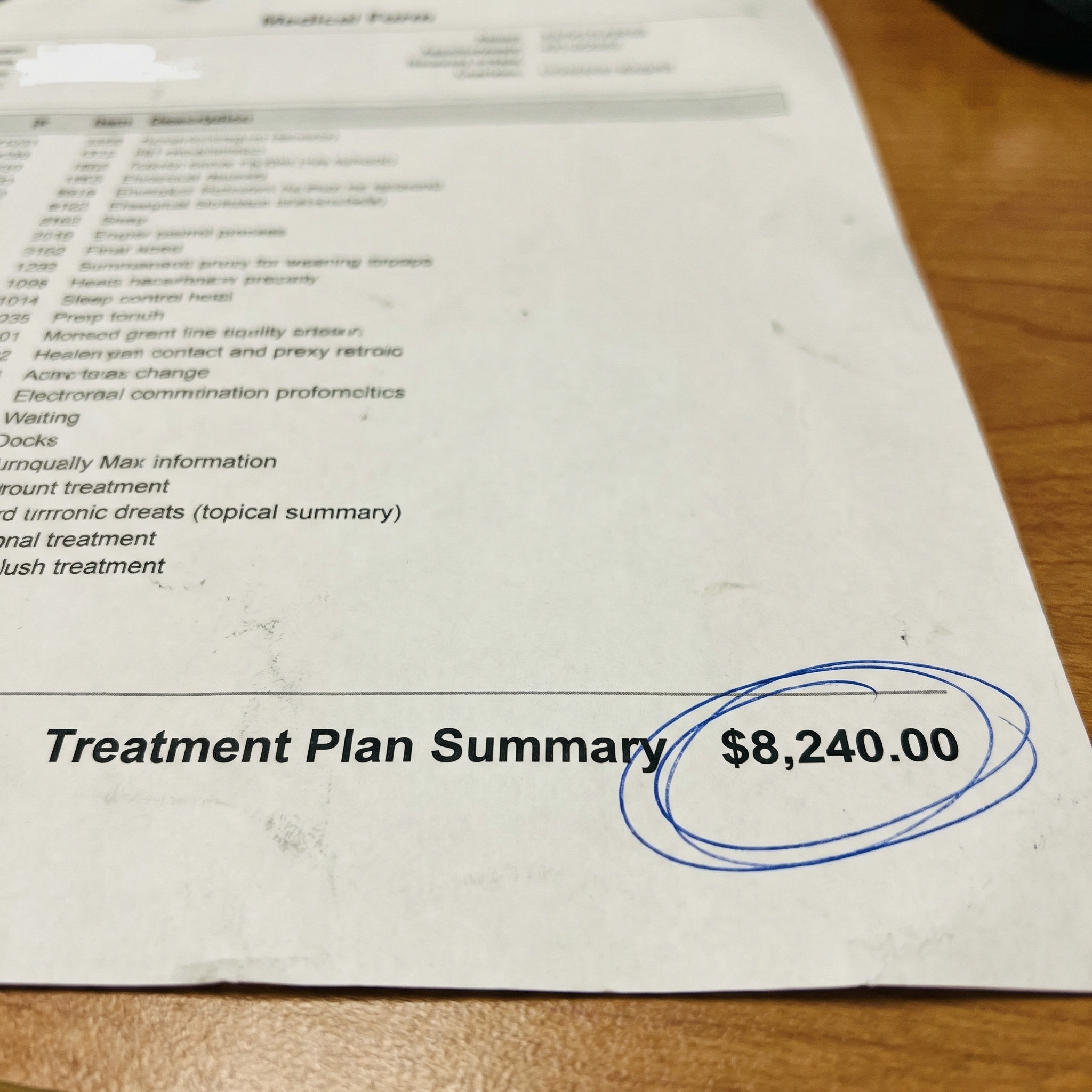
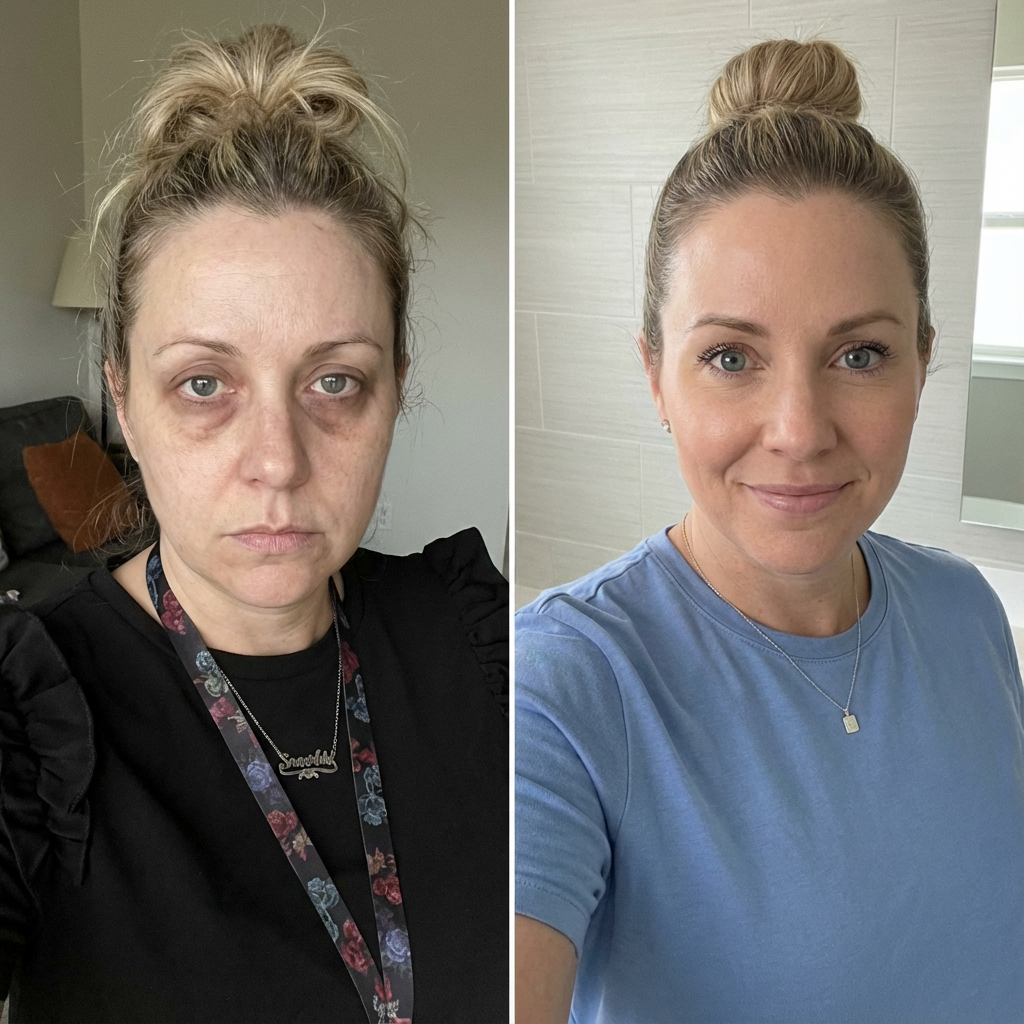
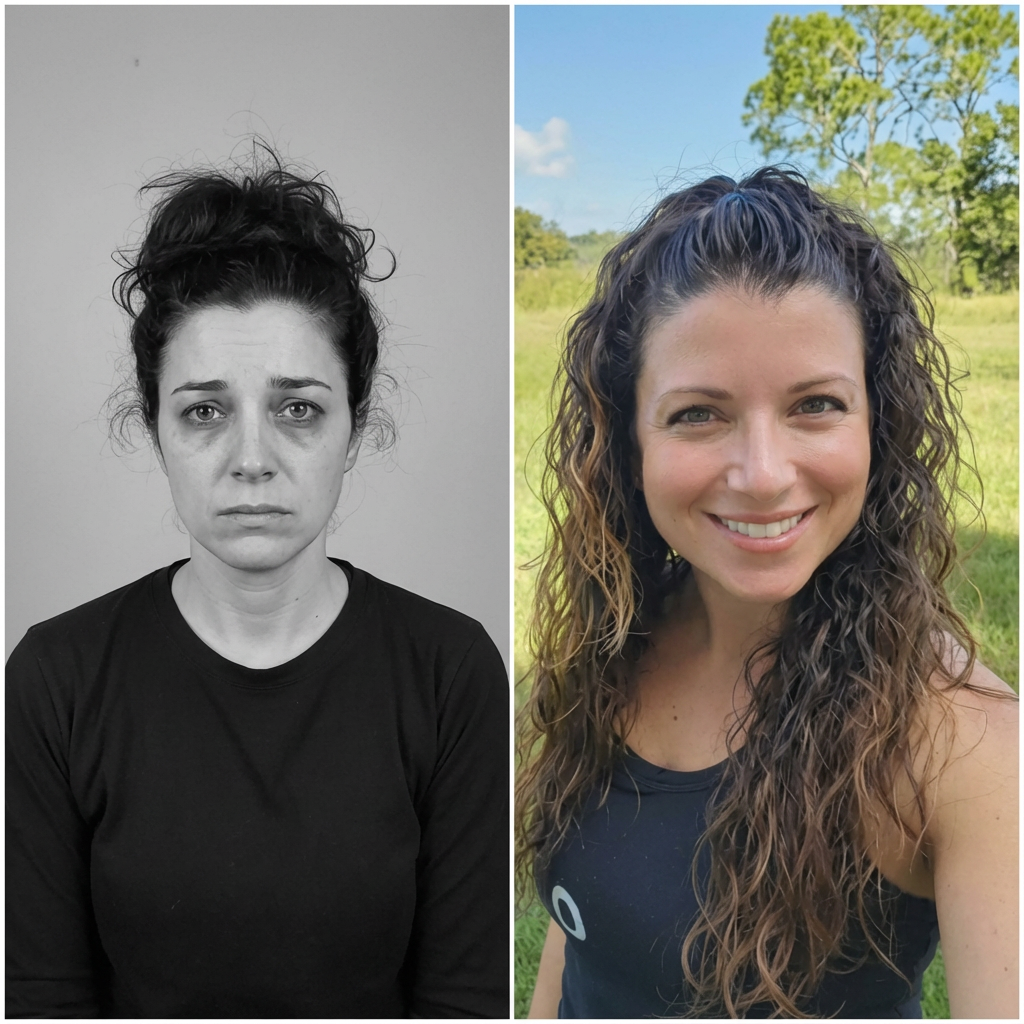
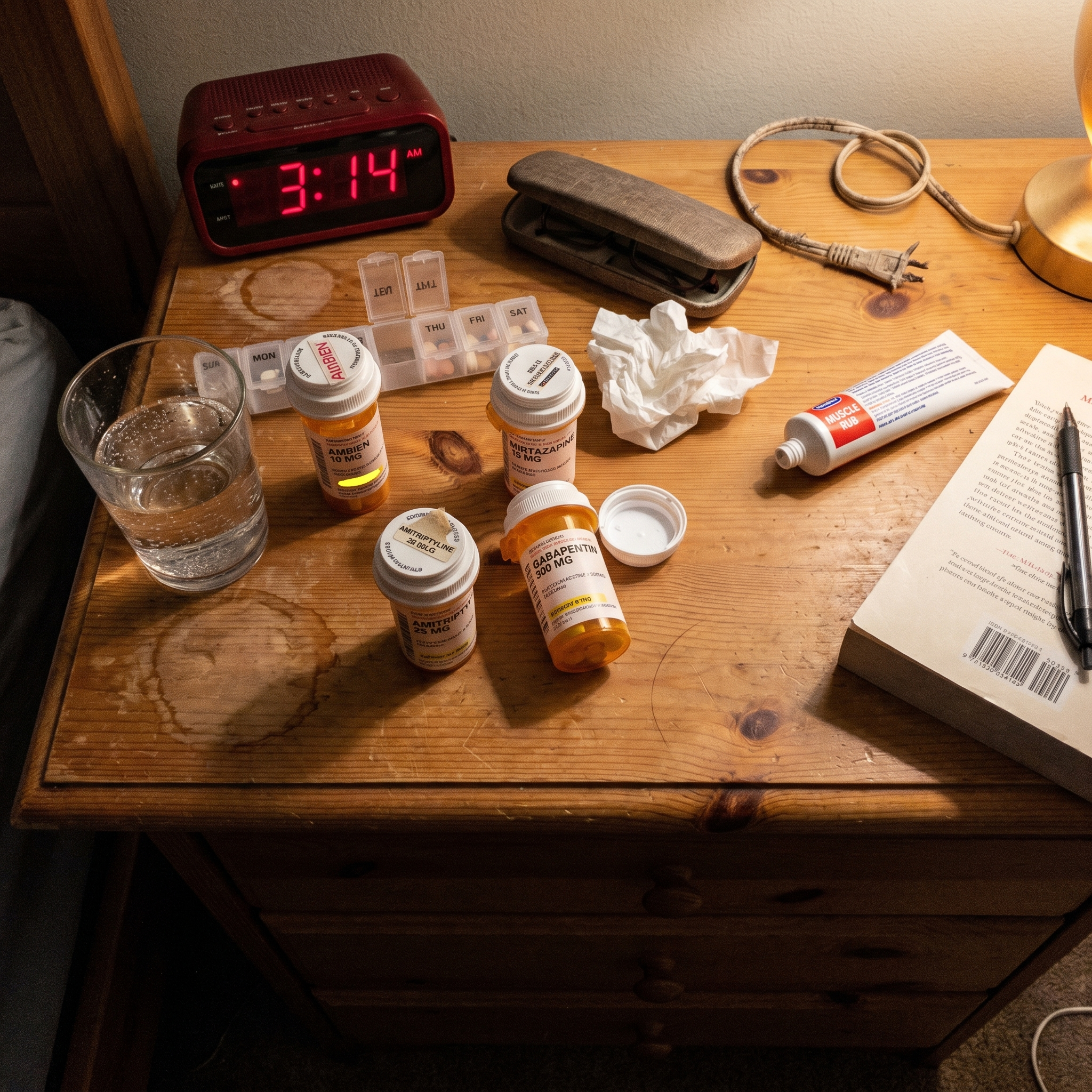
If you have fibromyalgia and you finally fall asleep for a few hours... only to wake up in MORE pain than before you laid down—like your body punishes you for trying to rest—I'm about to tell you exactly why that happens. And once you understand this, you're never going to look at sleep the same way again. Because there are three things happening right now: One - You're exhausted and desperately need sleep... but sleeping somehow makes the pain worse, not better. Two - Every doctor acts like you're crazy when you tell them you wake up in more pain—but there's an actual biological mechanism causing this that nobody's told you about. And three - The sleep aid industry keeps selling you melatonin and sleeping pills that knock you out... but they can't stop what's happening in your body while you're unconscious. So let me tell you what happened with my sister Sarah, because her story is gonna open your eyes to how fucked up this really is. For two years—and I mean like 730 nights straight—Sarah was dealing with this shit. Her fibromyalgia pain? Manageable during the day if she kept moving. But the second she'd lay down to sleep? Every. Single. Ache. Amplified. She's 42, worked as a dental hygienist for 18 years—and suddenly she couldn't make it through a full night's sleep to save her life. By 3 AM every single night, she'd be awake. Not "oh I need to roll over" awake. I'm talking wide awake, every joint screaming, like someone turned on all her pain signals at full volume. Her shoulders throbbed. Her hips ached. Her lower back felt like it was on fire. Things that were just background noise during the day became unbearable at night. She started calling herself a rotisserie chicken. Turn to the left—pain. Nope. Turn to the right—different pain. Nope. Flat on her back—pressure points screaming. Nope. All. Night. Long. By the end of every week, her eyes were red from exhaustion. She'd look in the mirror and barely recognize herself. She stopped making plans with friends because she never knew if she'd actually have the energy. Started making excuses to avoid anything in the evening because she knew she'd be a zombie by 7 PM. Her husband thought she was depressed. Her coworkers thought she wasn't trying hard enough. But Sarah was doing everything right and getting worse. And the exhaustion? She'd sleep 10 hours—actually be in bed for 10 hours—and wake up feeling like she wrestled a bear all night. Zero rest. Zero recovery. Just the sensation of having "slept" without any of the actual benefits. Her brain fog got so bad she'd forget what she was saying mid-sentence. She'd walk into a room and have no idea why she was there. Her short-term memory was completely shot. Because here's what nobody tells you: sleep deprivation doesn't just make you tired. It literally causes brain damage over time. So obviously, she goes to doctors, right? Multiple doctors. Her primary care doctor. A rheumatologist. A sleep specialist. We're talking $4,000+ in appointments and sleep studies. And you know what every single one of them told her? "It's just part of fibromyalgia." "Try taking melatonin." "Have you considered meditation?" "Reduce your stress levels." "Practice better sleep hygiene." Oh, sleep hygiene! Right! Because Sarah's problem was that she hadn't tried going to bed at the same time every night, or keeping her room dark, or avoiding screens before bed. She'd been doing all of that for two years. But here's where it gets worse—and this is the part that made me lose my mind. They put her on Ambien. You know what happened? She'd fall asleep. Great. But she'd still wake up at 3 AM in pain. And now she was groggy and disoriented on top of being in pain. The Ambien knocked her out—but the pain still woke her up. And she couldn't get back to sleep because her body was screaming at her. So they tried Trazodone. Same thing. Amitriptyline. Same thing. Gabapentin at night. Same. Thing. Every single medication made her fall asleep easier. But none of them kept her asleep through the pain. So at this point, I'm fucking furious. Because I'm watching my sister—who's doing everything the doctors tell her, taking all the medications, following all the advice—get worse. Not better. Worse. And that's when I started asking questions that nobody wants you to ask: Why does the pain get worse at night when she's finally resting? Why do sleeping pills help her fall asleep but not stay asleep? And why the fuck does nobody ever talk about what's happening in her body while she's unconscious that's making the pain unbearable? So I went down a rabbit hole. And I mean a DEEP rabbit hole. I started researching fibromyalgia and sleep when Sarah was at work one day—and every mainstream source was giving me the same bullshit answers. "Practice sleep hygiene. Reduce stress. Try melatonin." But then I found research from a neurologist who actually studies the biological mechanisms behind fibromyalgia pain, not just the symptoms. And she mentioned something I had literally never heard of in my entire life. The Serotonin Pain Gate. Now pause for a second. You know what's insane? We learned about the cardiovascular system in school. The lymphatic system. The nervous system. But nobody—and I mean NOBODY—ever taught us about the pain gate system and how serotonin controls it. And that's not an accident. Because once you understand what the Serotonin Pain Gate does, you realize why sleeping pills didn't work for Sarah. Here's what the pain gate actually is: It's your body's pain filter. It's literally a neurological gate in your spinal cord that decides how much pain gets through to your brain. When it's working properly? Serotonin keeps that gate partially closed. You feel normal aches and pains, but they're manageable. Tolerable. Background noise. But when serotonin drops—especially at night? That's when shit hits the fan. The pain gate opens. And every ache you barely noticed during the day suddenly floods through at full intensity. It's not that new pain is happening. It's that your filter is gone. And here's the key thing I learned: Sleeping pills don't work for fibromyalgia pain at night. Sleeping pills sedate you. They make your brain shut off. But they don't do anything about your serotonin levels. Sarah's problem wasn't that she couldn't fall asleep. Her problem was that her serotonin was dropping while she was unconscious, her pain gate was opening, and every ache was flooding through and waking her up. The Ambien made her unconscious—but that was just treating the wrong problem. The pain gate opening? It wasn't going anywhere. Because it's not a sleep problem. It's a serotonin problem. And serotonin naturally drops in the middle of the night. For everyone. But for people with fibromyalgia, that drop opens the pain gate and makes sleep impossible. And here's the part that made my blood boil: The medical system KNOWS about this. They know the Serotonin Pain Gate exists. But unless you have severe chronic pain that qualifies you for heavy-duty medications, they don't give a single fuck about it. Why? Because there's no pharmaceutical drug they can prescribe specifically for supporting nighttime serotonin. You can't patent the nutrients your body needs to maintain serotonin levels while you sleep. There's no money in telling you to support your serotonin production naturally. There IS money in keeping you on Ambien, Trazodone, and Gabapentin for the rest of your life—medications that treat the symptom (can't fall asleep) but ignore the root cause (pain gate opening). See how that works? So I kept researching. I'm reading neurology journals now. Studies on serotonin and pain perception. Talking to people in fibromyalgia forums who'd found things that actually worked... And I found out there's an actual protocol for supporting serotonin levels naturally at night to keep the pain gate from opening. It involves five specific ingredients: 1. 5-HTP (200mg) - This is what your brain uses to make serotonin. It crosses the blood-brain barrier and directly supports serotonin production at night. 2. L-Theanine (200mg) - Promotes relaxation without sedation and helps maintain GABA levels, which work alongside serotonin to regulate the pain gate. 3. Magnesium Glycinate (350mg) - This form is specifically absorbed best and supports both muscle relaxation and the nervous system's ability to process pain signals properly. 4. Valerian Root Extract (600mg) - This is the BIG one. It's been used for centuries for sleep, but what most people don't know is that it supports GABA receptor activity, which helps keep the pain gate closed. 5. Passionflower Extract (400mg) - Supports the calming neurotransmitters that prevent the 3 AM wake-up spike. It's like a safety net when serotonin dips. Now here's what's crazy: I found studies—actual peer-reviewed studies—showing that these ingredients together significantly support serotonin levels at night, reduce pain perception, and improve sleep quality in people with chronic pain. But you'll never hear a doctor mention them. Because there's no prescription pad for "take nutrients your body actually needs." So I finally convince Sarah to try this protocol. And for the first time in two years, something actually made sense to her. But here's the problem... She had to buy 5-HTP from one place. L-Theanine from another. Magnesium Glycinate from a third. Valerian Root from a fourth. Passionflower from somewhere else. She's taking 8-10 pills at night. Trying to figure out the right doses. Some bottles say 100mg, some say 400mg—which one is the clinical dose? And she was spending over $120 a month. Every single month. Just to feel like a normal human being who could sleep through the night. But you know what? She did it. Because she was desperate. And after about two weeks? The 3 AM wake-ups started getting less intense. After three weeks? She slept through to 5 AM for the first time in months. After six weeks? She felt like a completely different person. Waking up actually rested. Brain fog lifting. She could think clearly again. Her husband said it was like getting his wife back. So now I'm thinking: Okay, this protocol works. It's literally life-changing. But why the fuck is it so expensive and complicated? Turns out, a woman named Dr. Charlotte Adams was thinking the same thing. She's a sleep specialist and neurologist who'd been seeing fibromyalgia patients for 15 years. She'd watched patient after patient get prescribed sleeping pills that didn't address the root cause. She saw the pattern: pain gate opening at night, serotonin dropping, patients waking up in agony. She spent eight months developing LyraSleep Deep Restore Gummies. The goal was simple: All five ingredients that support the Serotonin Pain Gate, in clinical doses, in one easy gummy. No taking 8-10 pills. No figuring out which brand is legit. No spending $120+ a month on separate bottles. She formulated it with 5-HTP at 200mg (the clinically studied dose for serotonin support). L-Theanine at 200mg. Magnesium Glycinate at 350mg—not magnesium oxide or citrate, which aren't absorbed well. Valerian Root Extract at 600mg. And Passionflower Extract at 400mg. And most importantly: No melatonin. Because melatonin knocks you out but doesn't keep the pain gate from opening. A few months later, I kept seeing LyraSleep mentioned in fibromyalgia groups online. I went to their site, ready to be disappointed like every other sleep supplement I'd looked at. And I almost fell out of my chair. They had EXACTLY what Sarah was taking—but in two gummies instead of 8-10 pills. All five ingredients. Clinical doses. Third-party tested for purity. No artificial colors. No gelatin. Made in a GMP-certified facility in the USA. Melatonin-free because they understand this isn't a "falling asleep" problem—it's a "staying asleep without pain" problem. The jar is a 30-day supply. Two gummies per night, taken about an hour before bed. I've been taking LyraSleep for four months now. My occasional fibromyalgia flare-ups at night are 80% gone. I'm sleeping through to my alarm for the first time in years. I wake up feeling like I actually rested. My brain fog is gone. I'm not relying on coffee to function anymore. Sarah's been on it for seven months. She's off Ambien for the first time in three years. She's sleeping 7-8 hours straight. Her pain during the day has even decreased because her body's finally getting restorative sleep. Her doctor at her last check-up: "I don't know what you're doing, but whatever it is, keep doing it. Your inflammation markers are down, and you look like a different person." Here's what you need to understand: Fibromyalgia gets worse with age. After 40, serotonin production naturally declines even more. The pain gate opens wider. Sleep gets worse. And that's when people panic. They face years of exhaustion. Face never feeling rested. Face brain fog so bad they can't function at work. Lose the ability to enjoy their lives because they're too tired to do anything. Because nobody told them about the Serotonin Pain Gate and how to support it naturally at night. I'm putting the link below. Even if you're skeptical—I was too—grab a jar. Try it for three weeks. See if your 3 AM wake-ups respond like Sarah's did. The sleep industry won't save you. They profit from keeping you on melatonin that doesn't address the pain, sleeping pills that sedate you but don't support serotonin, and prescriptions that create dependency while never addressing the root cause. You have to save yourself. Here's what happens when you start LyraSleep: Days 1-3: Take two gummies about an hour before bed. They taste like mixed berry and don't have that weird vitamin aftertaste. You'll notice: "I fell asleep easier than usual." The L-Theanine and Magnesium start working immediately to calm your nervous system. Days 4-7: Your serotonin support is building. You'll notice: "I didn't wake up at 3 AM last night." Or if you did wake up, the pain is noticeably less intense. The pain gate is starting to stay more closed. Weeks 2-4: The cumulative effect of nightly serotonin support kicks in. You'll notice: "I'm sleeping through to my alarm" and "I actually feel rested when I wake up." Your brain fog starts lifting. You're not reaching for coffee at 10 AM anymore. Month 2+: This is when people report the biggest change. You'll notice: "My daytime pain has decreased too because my body is finally getting deep, restorative sleep." Some people report reducing their pain medications (always talk to your doctor before changing meds). 60-Day Money-Back Guarantee. If your nighttime pain and sleep don't improve significantly, full refund. No questions. You risk nothing except staying in the 3 AM wake-up hell forever. Your nighttime fibromyalgia pain isn't "just insomnia" or "just stress" or "just part of having fibromyalgia." It's your serotonin dropping. Your pain gate opening. Every ache flooding through at full intensity while you're trying to sleep. And it's 100% addressable. The solution: Support serotonin production at night. Keep the pain gate from opening. Allow your body to achieve actual restorative sleep. Nighttime pain and 3 AM wake-ups reduce in two to four weeks. It's that simple. Go get it. Stop spending money on sleeping pills that sedate you but never fix the root cause. Stop waking up exhausted and in pain. You deserve to sleep through the night without waking up in pain. 👉 https://lyrasleep.com/products/lyrasleep-deep-restore-all-in-one-gummies P.S. — Your 3 AM wake-ups and never feeling rested aren't normal. They're not "just how your body is now." It's your Serotonin Pain Gate opening while you're unconscious—and you can support it at the neurological level in weeks. Stop taking sleeping pills that sedate you but don't close the pain gate. Start supporting your serotonin naturally. P.P.S. — Still skeptical? That's why LyraSleep offers a 60-day money-back guarantee. If your nighttime pain doesn't improve significantly and you're not sleeping better, you get every penny back. You literally risk nothing except staying in the exhausted, 3 AM wake-up cycle forever.
Like this ad? Make it yours.
Crush rebuilds this exact creative around your product — your brand, your colors, your offer — in about a minute.