The Recovery Wire
The Recovery Wire Facebook ad: “Four podiatrists missed it for ten years”

Ran for 4 days, from August 5 to August 9, 2026, the last day Crush saw it.
Run by The Recovery Wire on Facebook. Crush is not the advertiser and does not verify its claims. See this ad in Meta's Ad Library(opens in a new tab)
Want an ad like this for your product?
Crush makes new ad images for your product from this ad: your logo, your product photo, your offer.
Trials from $19.95 USD, then $79.95 USD a month. Cancel anytime.
About this ad
- Meta Ad Library ID
- 3467366273435015
- Platforms
- Relaunches
- 0
Ad text
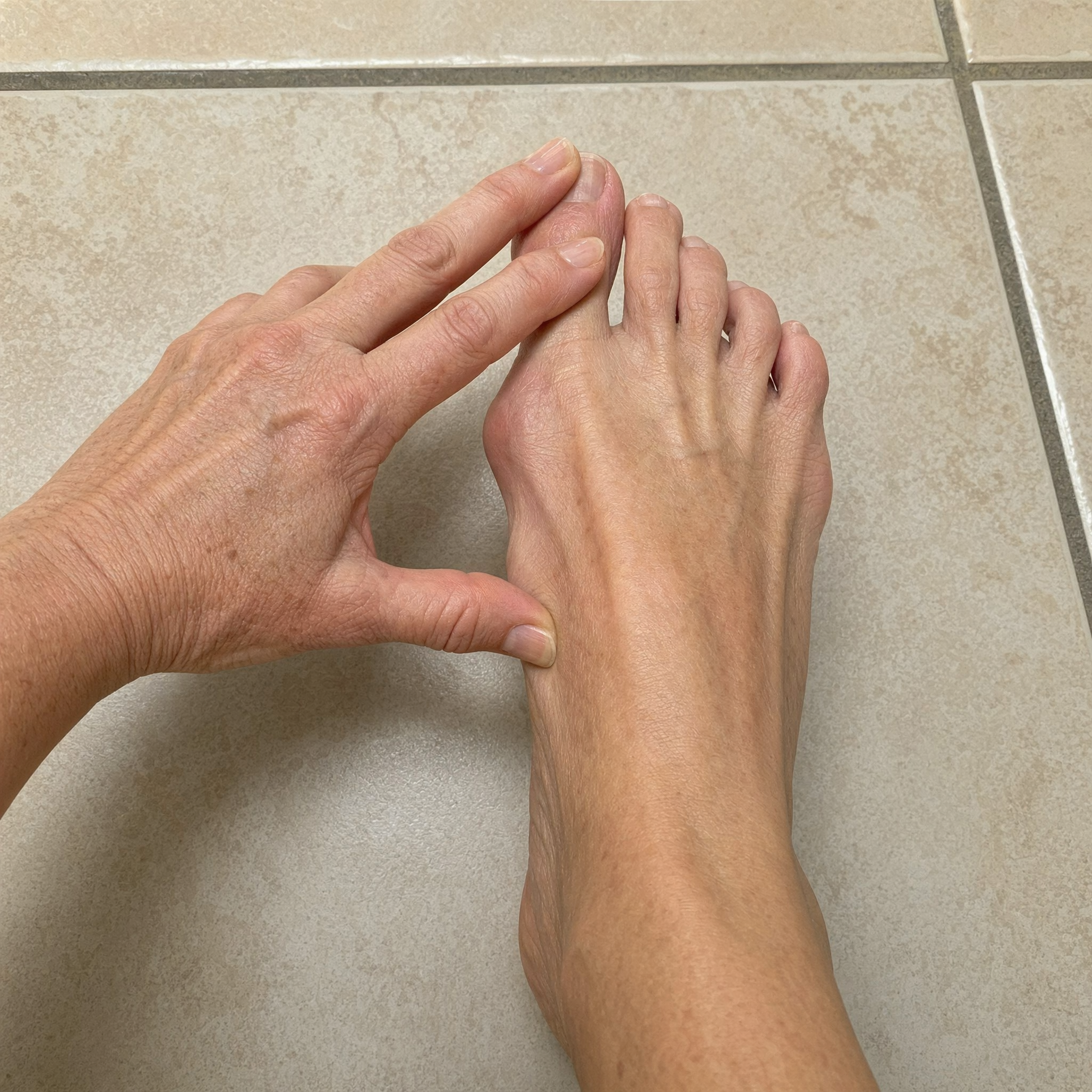
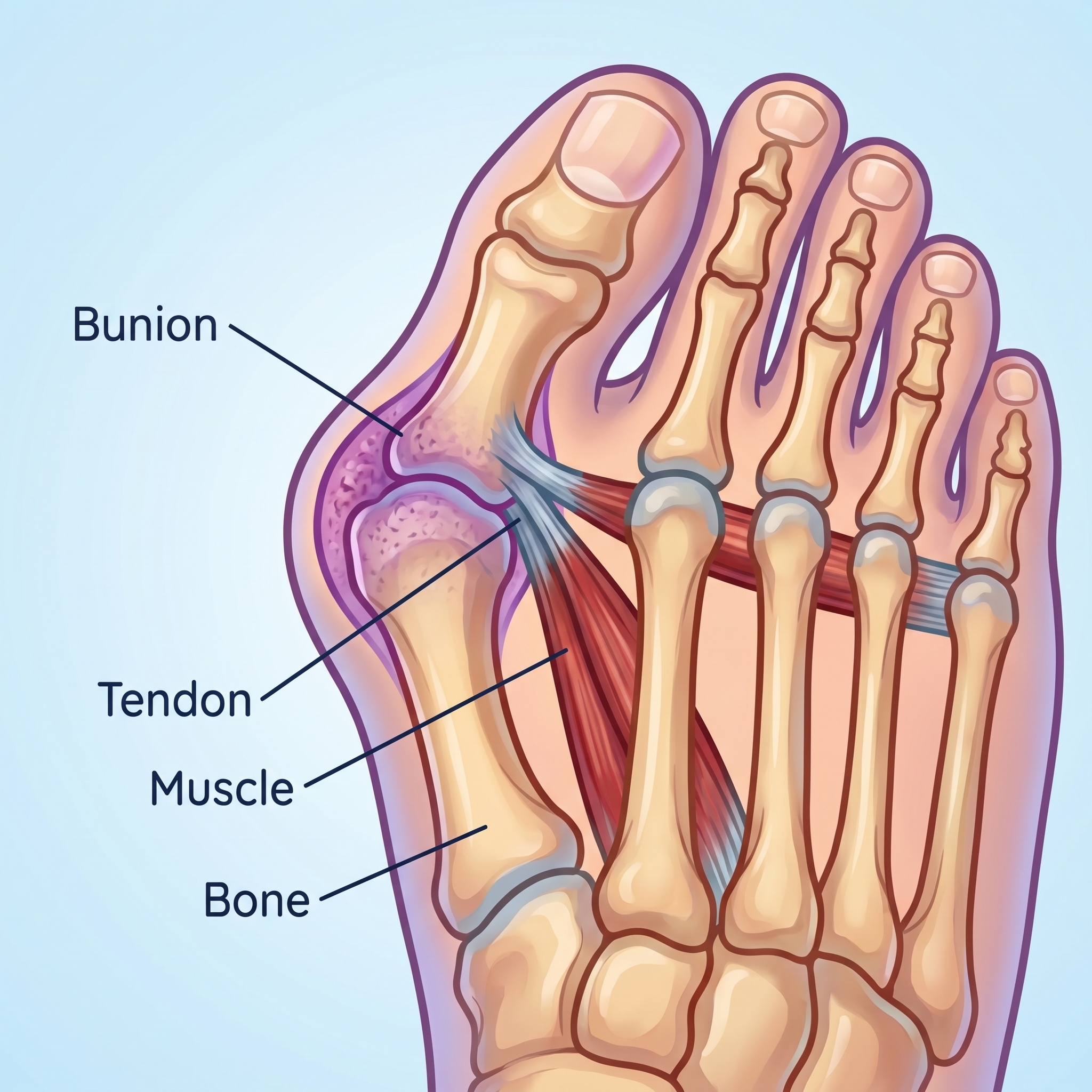
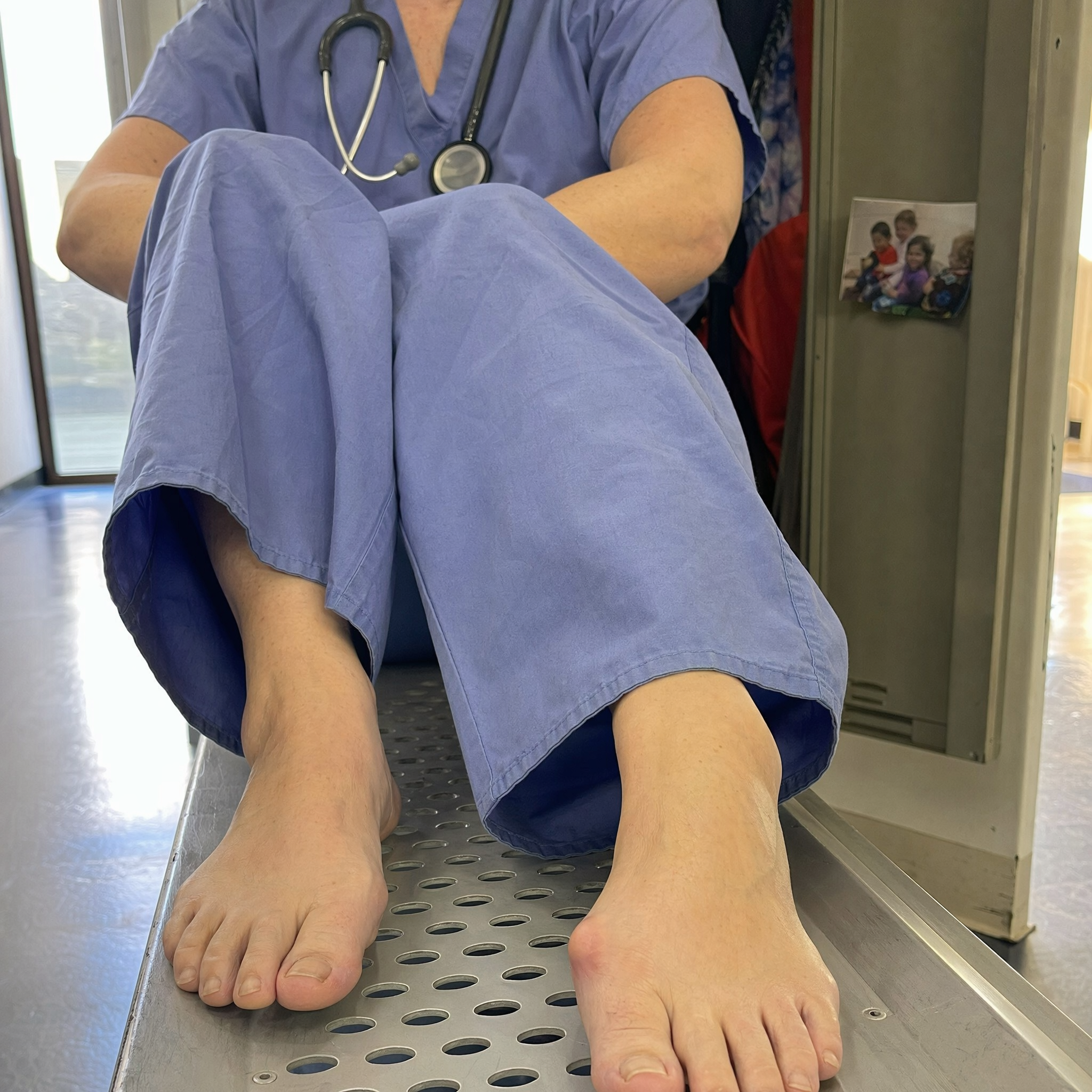
Four podiatrists told me to wait until my bunion was bad enough for surgery. None of them mentioned the soft tissue. I am sixty-two years old. I retired last year after thirty-four years as an elementary school principal in a public district outside Cleveland. My right foot has had a bunion since I was forty-three. I want to tell you about the last decade of appointments I had about it, because I am angry, and because I think you probably know exactly what I am describing. In 2015 I saw a podiatrist in Cleveland. He took X-rays, showed me the angle of my first metatarsal, told me the deviation was moderate, and said the only thing to do was monitor. Wear wider shoes. Take ibuprofen on the bad days. If it got bad enough, we could talk about surgery. Bunions are progressive. Wait and see. In 2017 I went back because the pain was making it hard to stand through morning assembly. Same podiatrist. Same X-rays. The angle was a little worse. Same conversation. Wider shoes. Monitor. Not yet surgical. In 2019 I switched doctors, because the first one had become the kind of person I did not want to keep paying for. The new podiatrist was younger, a different practice, a different suburb. Different X-rays, same conversation, almost word-for-word. Bunions are genetic, bunions are progressive, we manage pain, we consider surgery when function is meaningfully impaired. She was kind about it. She was also, as it turns out, working from the same incomplete picture. In 2022 I saw a fourth podiatrist because the second toe on my right foot had started riding on top of the big toe, and my orthopedic clogs were no longer keeping me comfortable through a school day. That was the appointment where surgery went on the table for real. He was kind about it too. He did not push. He told me to take a few weeks before scheduling. Then he gave me the numbers. Seventy to eighty percent satisfaction rate. Recovery is six to twelve weeks of non-weight-bearing. Recurrence is real but manageable. Most of his patients are glad they did it. I asked what my other options were. He said honestly, at this stage, not many. We had missed the window where anything conservative might have helped, because the bunion had been drifting for twenty years. I scheduled the surgery for April of the following year. Then I cancelled it. Here is what happened in between. My next-door neighbor is a physical therapist who works with post-surgical knee and shoulder patients in a clinic in downtown Cleveland. I have known her for fifteen years. One Saturday in January, she was in my kitchen while I was making coffee, and I had my orthopedic clogs off because my foot was aching from the grocery run, and she looked at the bunion and asked me a question I had never been asked by any of the four podiatrists I had seen in a decade. She said, “Has anyone walked you through the soft tissue side of this?” I told her no. She said, “That makes sense. Most podiatrists do not.” I am going to try to give you her explanation the way she gave it to me, because I have thought about it every day since, and I am still angry that it took a physical therapist in my kitchen and not one of the four foot specialists I paid during the previous decade. She said the big toe is anchored by a capsule of soft tissue around the joint. Tendons, ligaments, connective tissue. That capsule, when it is balanced, holds the toe in its correct alignment. When the capsule gets loaded wrong over years (from shoes, from walking patterns, from the mechanical habits of a foot that has been compensating), the tissue on one side of the joint tightens. The tissue on the other side stretches. The whole thing slowly remodels into a new, wrong equilibrium. And when the soft tissue remodels, she said, the bone follows. Because the bone is anchored by the soft tissue, not the other way around. The bump on the side of my foot, she said, was not a bony growth. It was the head of a bone I was born with, being dragged sideways by a capsule of tissue that had been pulled out of shape over the course of thirty years of the wrong inputs. I sat down at my own kitchen table. For ten years, four different podiatrists had looked at my X-rays, measured the deviation of my first metatarsal, and had the same conversation with me about monitoring and eventual surgery. Not one of them had said a single word about soft tissue. Not one of them had said the bone was in the wrong position because the capsule had remodeled. All four had treated the bunion like a bone problem, which, given the framing, left only one meaningful intervention. Cut the bone. Move it. Fix it with hardware. I asked my neighbor why none of them had said any of this. She was careful about her answer. She said surgeons think surgically, and podiatric and orthopedic training is very bone-forward, and the soft tissue side of a lot of foot problems does not get the same classroom time. She said it was also, probably, that nobody gets paid to talk for forty-five minutes about connective tissue. Surgery has a billing code. A conversation about why your soft tissue has remodeled does not. I asked her what I could have done if someone had told me in 2015. She said that if it had been caught early, there were devices that would have applied a gentle corrective force during the hours my foot was actually bearing weight. Then she said the thing about night splints that I had never heard from a doctor. A night splint, she said, fights for eight hours while you sleep. Your shoes push the toes the other direction for the other sixteen. Eight against sixteen is a losing ratio, which is why almost nobody she had treated had ever gotten meaningful change from a night splint alone. The devices that worked, she said, were the ones you wore during the hours the foot was actually being deformed. A sleeve-anchored aligner, worn for thirty minutes to an hour at a time during walking or standing, that held the toe in its correct position long enough, often enough, for the tight side of the capsule to slowly lengthen and the stretched side to re-approximate. Soft tissue remodels, she said. It is slow. It is not dramatic. But it is a real, physical process, and the same principles that rehabilitate a frozen shoulder rehabilitate a bunion, because both are soft tissue held in the wrong shape by years of the wrong inputs. I asked her if there was any point to trying one now, at sixty-two, ten years into the wait-and-see protocol. She said the angle of deviation on my X-rays (she had seen them on my fridge, because that is the kind of household I run) suggested my bunion was probably past the point where a device could reverse it fully. But moderate bunions do respond at sixty-two, she said, and she had seen patients in their seventies get measurable improvement from consistent daily use over six to twelve months. What would have happened in 2015 with six months of daily use was probably not available to me anymore. What was available to me was slowing the progression, reducing the pain, and potentially enough soft tissue remodeling to delay or avoid surgery for years. Then she said the thing that did it for me. She said, “Your surgery is in April. Try a sleeve-anchored aligner for three months first. If it helps, you will know. If it does not, you will still have the surgery.” I cancelled the April appointment. I found the Askelo Bunion Aligner online that evening. The podiatrist attached to the product explains the mechanism the same way my neighbor had. The framing I had never been given in four different podiatrists’ offices over ten years was laid out on the first page of her explainer. I started wearing the aligner in February. I am not going to tell you I have a new foot. I am sixty-two. I spent thirty years putting the wrong inputs into a joint that was clearly remodeling in the wrong direction. The bunion is still there. My second toe is still a problem. The angle on my big toe has come back a few degrees over the past ten months, which a recent X-ray has confirmed. The pain on a day of running errands is about half what it was. What I want to say before I stop is that what makes me angry is not that I still have the bunion. It is that for ten years I was told by four medical professionals, in four separate offices, that the only thing I could do was wait until it got bad enough for a scalpel. Nobody used the words “soft tissue.” Nobody told me the bone was following the tissue. Nobody recommended anything I could do at home at forty-six, or forty-nine, or fifty-three, when my bunion was moderate and, by the evidence now, almost certainly responsive. I had to find out in my own kitchen, from a physical therapist who was not even there to look at my foot, that the whole framing had been wrong. If you are in your forties or fifties, and you have been told to wait until it gets bad enough for surgery, I am telling you to not wait. The bunion on your foot is soft tissue, mostly. Soft tissue does not wait passively for ten years while you monitor. It remodels, slowly, in whichever direction the inputs are pushing it. The longer you go without any corrective input, the further it goes. The mechanism, the stages of bunion that actually respond to non-invasive treatment, and what the research says about how long it takes, are laid out at the link below. Read it before your next appointment. The conversation you are about to have with your podiatrist is different after you have read it. 👉 https://getaskelo.com/pages/adv-1
Where the ad sends people
getaskelo.com
Four podiatrists missed it for ten years
Askelo
See details: getaskelo.com(opens in a new tab)