Endocrinologist - Dr. Patrick Garner
Endocrinologist - Dr. Patrick Garner Facebook ad: “Reactivate your body.”

Ran for 6 days, from May 7 to May 13, 2026, the last day Crush saw it.
Run by Endocrinologist - Dr. Patrick Garner on Facebook. Crush is not the advertiser and does not verify its claims. See this ad in Meta's Ad Library(opens in a new tab)
Want an ad like this for your product?
Crush makes new ad images for your product from this ad: your logo, your product photo, your offer.
Trials from $19.95 USD, then $79.95 USD a month. Cancel anytime.
About this ad
- Meta Ad Library ID
- 3525495577599196
- Platforms
- Facebook, Instagram and Messenger
- Relaunches
- 0
Ad text
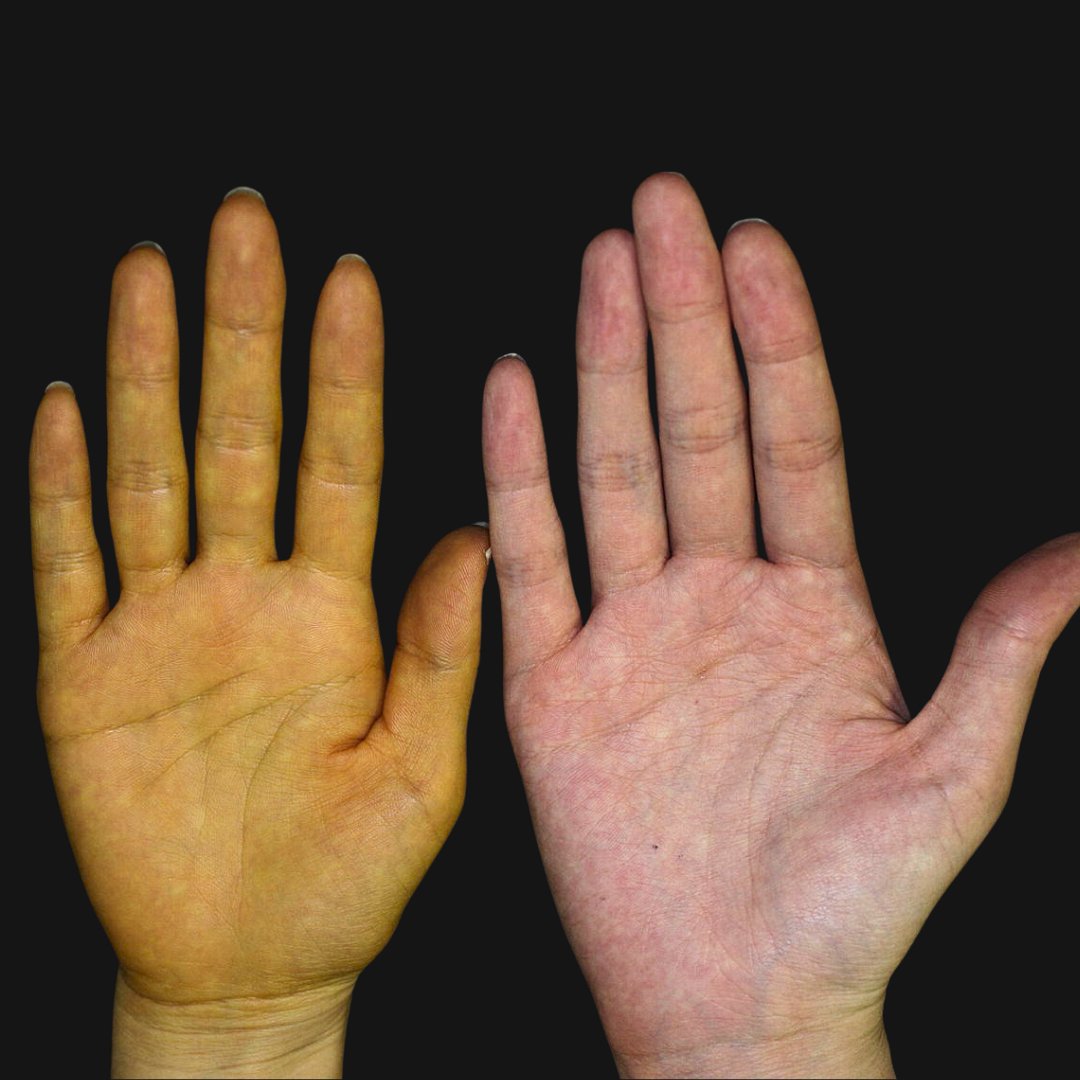
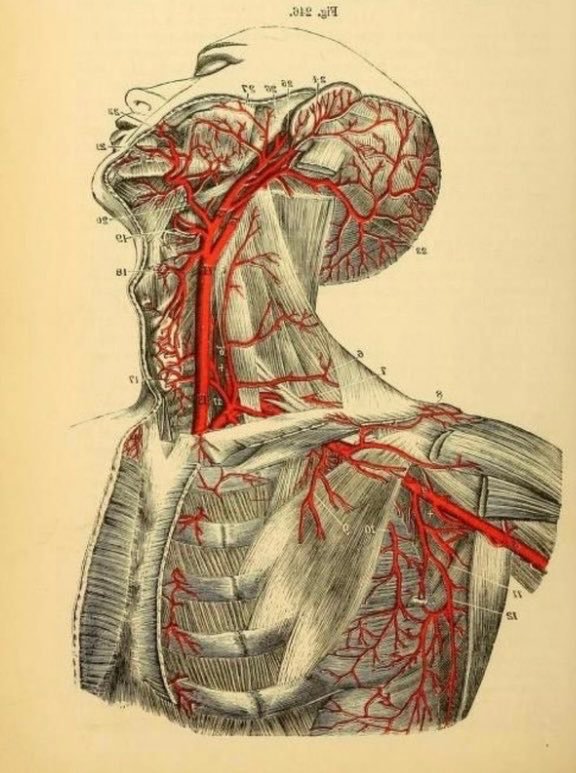
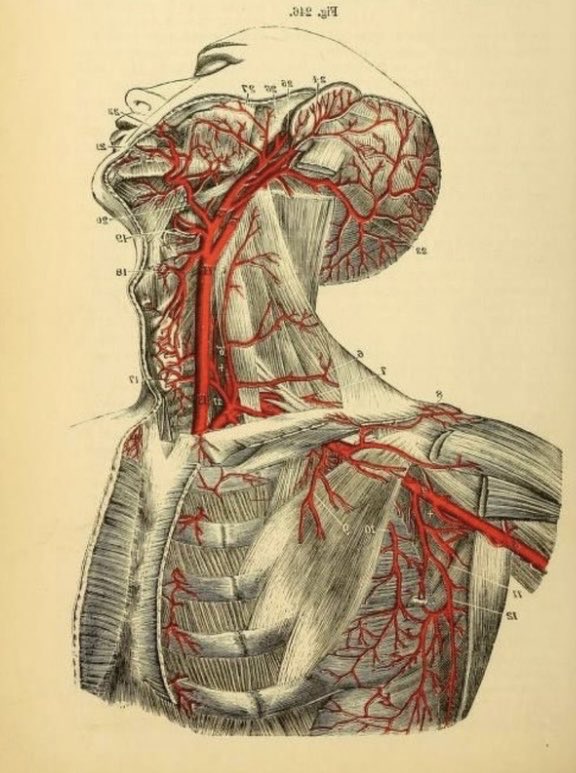
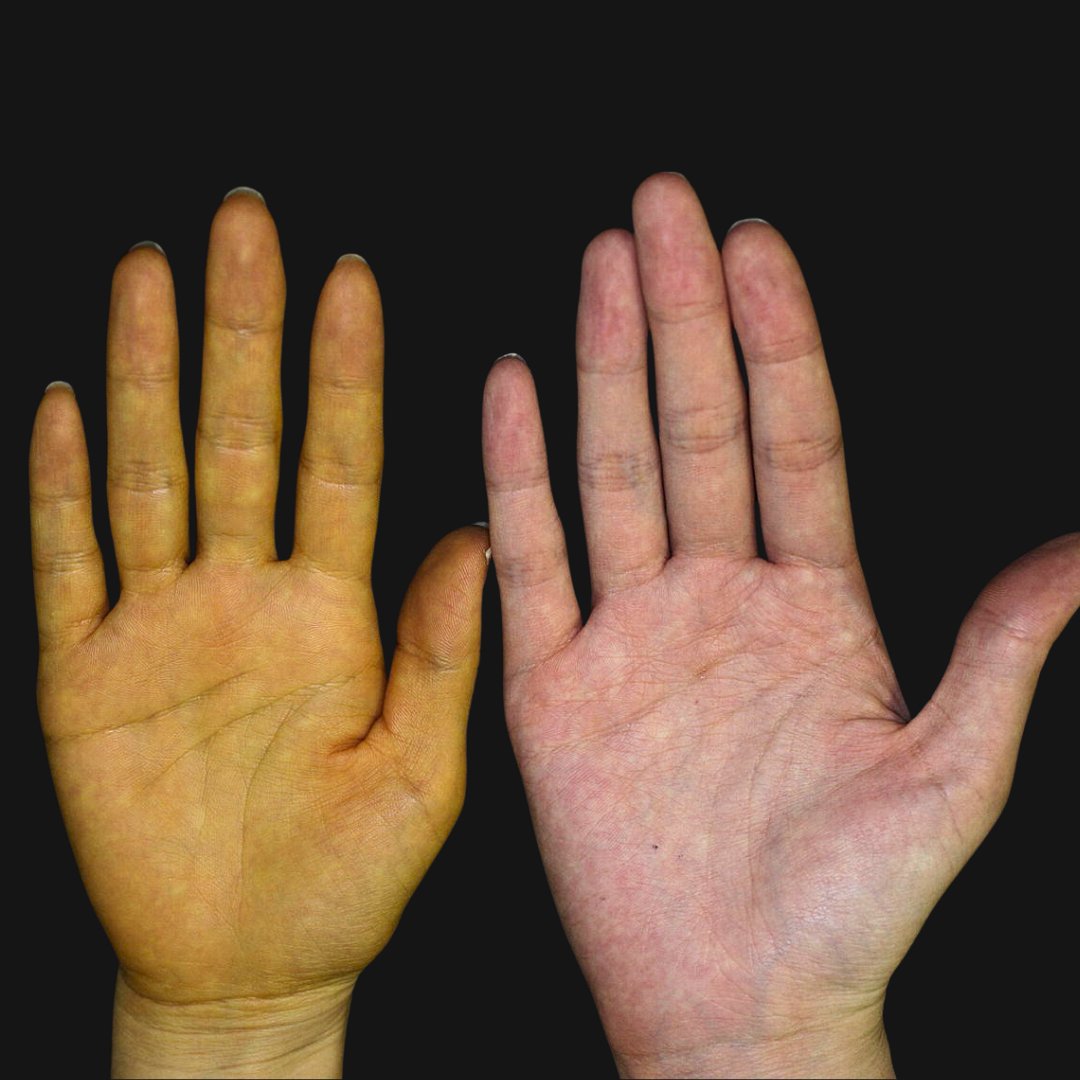
A 58-Year-Old Woman Died in My Clinic Last Month. She'd Been on Levothyroxine for 16 Years. Her TSH Was "Perfect." She did everything right. I know — because I was the one who prescribed it. I've been an endocrinologist for 23 years. Board-certified. Published. I've taught residents, mentored fellows, and built my career on the principle that thyroid hormone replacement saves lives. And for 23 of those years, I have written levothyroxine prescriptions with the confidence of a physician who believed the science was settled. Synthroid. Levoxyl. Armour. Tirosint. I've prescribed every one of them. Thousands of times. I've looked patients in the eye and said: "This will get your levels where they need to be." I believed it. Completely. But when MY thyroid started failing and my internist handed me a prescription for the same drug I'd been writing for two decades — something broke open that I'd been sealing shut for years. I didn't fill it. Ten months later my Free T3 was in the upper third of the range. Antibodies dropped. Weight came down 29 pounds. Without levothyroxine. Without Armour. Without a single thyroid pharmaceutical. And what I used to do it is something that, as a physician, I am ashamed I didn't know about sooner. Because it explains every "I still feel terrible" conversation I've had with medicated patients across 23 years of endocrinology. If your doctor is pushing levothyroxine or Armour and you're looking for a reason to question whether that's enough — keep reading. If you're already on thyroid medication and the fatigue, the brain fog, the hair loss, and the weight gain are stealing your quality of life despite "normal" labs — keep reading. If you've tried selenium, ashwagandha, zinc, B12, gluten-free, AIP, and nothing holds for more than a few weeks — keep reading. Because after 23 years and thousands of patients, I finally understand why the drug I built my practice on fails the women who trust it most. And what I found instead has more clinical research behind it than most supplements in your medicine cabinet. I need to tell you about her. The woman from last month. Because until you understand what happened to her, nothing else I say will make sense. In endocrinology, you see the same story on repeat. But the cases that follow you home are the ones that shouldn't have happened. Linda. 58. Retired school administrator. Came into my clinic for what should have been a routine follow-up. She'd been my patient for sixteen years. I personally diagnosed her with Hashimoto's thyroiditis. My handwriting was on the original lab order. My signature on the first levothyroxine prescription. She'd come in with a TSH of 14.2 and textbook symptoms — fatigue, weight gain, hair thinning, cold intolerance. I'd sat across from her — she was still working then, running the district's curriculum office — and said the words I'd said a thousand times before: "We'll get your levels stabilized. You're going to feel like yourself again." She'd smiled and said, "You're the doctor." Her most recent labs — eight weeks before the appointment — were textbook. TSH: 1.8. Right in the sweet spot. Numbers any endocrinologist in America would look at and say exactly what I would have said: "Perfect. Stay the course." But Linda didn't look perfect. Linda looked like she was dying. She'd gained 64 pounds since I first prescribed the medication. Sixty-four. Her face was so swollen she barely resembled the woman in her chart photo. Her hair — which had been thick and dark when I first met her — was thin, brittle, and visibly sparse under the exam room lights. She told me she'd stopped going to her book club because the brain fog was so bad she couldn't follow the discussion. Couldn't remember character names. Couldn't hold a thought through a paragraph. She told me she'd been to see a cardiologist three months earlier because her cholesterol kept climbing despite dietary changes. Her cardiovascular markers were deteriorating. The cardiologist put her on a statin and told her to follow up. She sat across from me — the same chair she'd sat in sixteen years ago — and said: "You told me I'd feel like myself again. I don't even remember what myself feels like." I adjusted her dose. Again. Ordered expanded labs — Free T3, Reverse T3, antibodies. Told her we'd regroup in six weeks. She had a stroke four weeks later. Her daughter called the office. Linda was in the ICU. Massive cerebrovascular event. The neurologist noted severe atherosclerotic disease — arterial walls that had been degrading for years. Cholesterol that had been climbing because her liver cells weren't getting the thyroid hormone they needed to metabolize it. A cardiovascular system that had been silently deteriorating for over a decade while her TSH sat perfectly in range. She didn't make it. Gone within 72 hours. I sat in my office after the call. Door closed. Her chart on my screen. My handwriting on the first page, from sixteen years ago. The notes from our last visit, where I'd adjusted her dose one more time and told her to come back in six weeks. And between those two entries, sixteen years of refills, dose adjustments, and notes that said "TSH within range — continue current regimen." All of it mine. I didn't think "the protocol failed." I thought: I failed her. That wasn't the first time I'd had that feeling. But it was the first time I let myself think it clearly. Over the past several years, I'd been keeping a private count. Not officially — just in my head. Every follow-up where the patient was medicated, TSH was normal, and they were sitting across from me visibly suffering. Gaining weight. Losing hair. Foggy. Puffy. Exhausted. Cold. Depressed. I stopped counting after two years. There were too many. And every time, I'd look at the labs and say some version of the same sentence: "Your levels are right where we want them. Give the medication time." After the thousandth time I said that sentence — to women who were doing everything I told them to do and getting worse — I realized something I did not want to be true: If the levels are "right where we want them" and the patient is still deteriorating — then maybe we're measuring the wrong thing. I kept that thought locked away. Not because I lacked the authority to raise it — I'm board-certified. Published. I could have brought it up at any department meeting, any case review, any grand rounds. I kept it locked away because if it was true, then I was the problem. Every prescription I'd written. Every patient I'd reassured. Every resident I'd trained to check TSH and adjust the dose. Twenty-three years of confident, evidence-based decisions — all of it suddenly in question. That's not a thought you let yourself think on a Monday morning before a full clinic. So I didn't. Then last spring, at my annual physical, my bloodwork came back. TSH: 5.8. Elevated TPO antibodies. Early Hashimoto's. My internist — a good doctor, a woman I've known for twelve years — looked at me and said: "You know the protocol. Levothyroxine. 50 mcg. We'll recheck in eight weeks." She wrote the prescription. I took it. Drove home. That night I mentioned it to my husband. He's not in medicine — he's an engineer. But he'd watched me come home quiet after certain clinic days. He'd watched me sit in the car in the driveway before coming inside. He knew something had been building for years. "So take it," he said. "You prescribe it every day." I looked at the prescription on the counter. My internist's handwriting. The same drug class I'd prescribed to Linda sixteen years ago. The same drug I'd written for thousands of women. And now my husband — not even looking up from his laptop — telling me to take it like I tell my patients to take it. I put it in my jacket pocket. And I never filled it. Because I'd spent sixteen years watching Linda take it. Watching her gain 64 pounds. Watching her hair thin. Watching her brain fog thicken. Watching her cardiovascular system deteriorate. Watching her die of a stroke with a perfect TSH. I wasn't going to be Linda. Instead, I did something I should have done years ago. I stopped trusting the protocol I'd built my career on — and started reading the research underneath it. What I found in three weeks made 23 years of clinical practice suddenly make sense. And it didn't make me angry. It made me sick. Because I wasn't reading about someone else's mistake. I was reading about my own. Here's what medical school taught me: The thyroid gland doesn't produce enough hormone. TSH rises. Prescribe replacement. TSH normalizes. Patient is treated. The logic is clean. The guidelines are clear. The prescription writes itself. I know — I've written it thousands of times. Here's what medical school didn't teach me: The thyroid gland sits inside one of the densest lymphatic networks of any organ in the human body. Cervical lymph nodes at Levels III and IV surround it from every angle. A 2025 imaging study — the first to map thyroid lymphatic drainage in real-time in living patients — showed that lymphatic flow from the thyroid passes through these nodes in over 76% of patients. These lymphatic vessels and nodes have one critical job: drain inflammatory waste, immune debris, and metabolic byproducts away from the thyroid gland and the surrounding tissue so that thyroid hormones can move freely — from the gland into the bloodstream, and from the bloodstream through the interstitial tissue into the cells that need them. When that drainage is healthy, everything works. The medication reaches the blood, passes through the tissue, enters the cells. The patient feels better. The labs AND the body agree. When that drainage is congested — and in Hashimoto's, it is almost always congested — everything falls apart. Here's why. In Hashimoto's thyroiditis, the autoimmune attack generates massive amounts of inflammatory debris. Damaged thyroid cells. Fibrin deposits. Immune complex waste. Lymphocytes that have infiltrated the gland and formed tertiary lymphoid structures — essentially mini lymph nodes inside the gland itself. All of this debris is supposed to be cleared through the cervical lymphatic network. But the volume overwhelms the system. The drainage vessels congest. Substances called mucopolysaccharides — generated by the autoimmune inflammation — swell to a thousand times their original size and physically compress the lymphatic vessels and capillaries surrounding the gland. The tissue around the thyroid swells. The interstitial space floods with waste, fluid, and inflammatory debris. The gland is trapped in a swamp. And here's the part I have to live with: Levothyroxine does not clear drainage. Every prescription I have ever written does the same thing: delivers synthetic T4 into the bloodstream. The pituitary gland sees the T4, stops producing excess TSH, and the lab number normalizes. I look at the number and say "your levels are right where we want them." But the T4 in the bloodstream still has to physically pass through the interstitial tissue surrounding the thyroid and throughout the body to reach the cells that need it. When that tissue is swollen with years of accumulated waste and compressed lymphatic vessels — the hormone enters the blood and CANNOT efficiently reach the cells on the other side. The labs improve. The delivery fails. The patient deteriorates. THAT'S why Linda died with perfect numbers and a failing body. The levothyroxine I prescribed sixteen years ago did exactly what it was designed to do. It normalized the number. And the number was never the real problem. The real problem was the swollen, congested tissue that blocked every milligram of hormone from reaching the cells that depended on it. And it gets worse. Because the drug I've been prescribing for 23 years isn't just failing to address the root cause — it's masking a deterioration I've been documenting in my patients without understanding. When T4 cannot efficiently pass through congested tissue and reach cells, the body's conversion enzymes — operating in oxygen-deprived, waste-saturated environments — begin shunting T4 into reverse T3. An inactive molecule that's structurally identical to active T3 but does the exact opposite. It binds to T3 receptors. Blocks them. Occupies them without activating them. So the congested tissue isn't just blocking T3 delivery — it's causing the body to produce a molecule that actively prevents whatever T3 IS available from doing its job. More medication. More T4 in the blood. More reverse T3 production. More receptor blockage. More weight gain. More fatigue. More hair loss. More cognitive decline. The TSH looks beautiful. The patient is falling apart. I have looked at "normal" TSH results and said "your medication is working" to women who were gaining weight, losing hair, losing cognitive function, and developing cardiovascular disease — for twenty-three years. I was the one deciding the medication was working. I was the one telling them to stay the course. I was the one charting "TSH within range — continue current regimen" while the delivery system that determines whether any of it reaches their cells was completely blocked. Not once in 23 years did I assess cervical lymphatic drainage. Not once did I consider the tissue environment between the bloodstream and the cells. Not once did I ask: "Is this medication actually reaching the tissue that needs it?" Not once. And I'm the one who prescribed it. The weight gain. I've heard it from hundreds of patients. "I eat 1,200 calories a day and gain weight." "I exercise five days a week and the scale won't move." "My trainer dropped me because she thinks I'm lying about my diet." I documented those complaints. I wrote "continue current dose — weight management counseling recommended" more times than I want to admit. I was the one recommending diet counseling to women whose cells were starving for thyroid hormone because the delivery pathway was physically blocked. The hair loss. Women crying in my exam room holding clumps of hair. I'd check their TSH, see a normal number, and say "it might be stress." I charted "telogen effluvium — likely multifactorial." I never once wrote: "Consider that the medication is reaching the blood but not the follicular cells." The brain fog. Patients who were sharp becoming confused. Forgetting words. Losing their train of thought mid-sentence. Patients who'd been high-functioning professionals suddenly unable to hold a four-digit number in their head. I referred them to neurology. I charted "cognitive changes — evaluate for early dementia." I never once — not once in 23 years — wrote: "Consider that thyroid hormone cannot pass through congested tissue to reach brain cells." Not once. And I was the one they trusted. And here's what made me sickest of all. The doctor who first identified this disease knew the answer in 1912. Hakaru Hashimoto. Japanese physician. He examined the thyroid glands of four women and published his findings. His original term for the disease was not "thyroiditis." It was struma lymphomatosa — a lymphatic disease. What he saw under the microscope was a thyroid gland drowning in lymphocytes that had flooded in through the lymphatic system and couldn't drain out. The drainage had failed. The gland was suffocating in its own immune response. For decades, the condition was known by its lymphatic names: lymphocytic thyroiditis. Lymphadenoid goiter. Then the medical community renamed it "Hashimoto's thyroiditis" — and the lymphatic connection was buried. For over a hundred years. I learned about Hashimoto's in medical school. I have treated it for 23 years. Nobody — not one professor, not one textbook, not one continuing education course — ever mentioned that the man who discovered the disease identified it as a lymphatic condition. And that the lymphatic mechanism he described has never been addressed by the standard treatment protocol. We renamed the disease and forgot the diagnosis. Every prescription I've written for 23 years treats the thyroid gland. Nobody treats the drainage system wrapped around it — the system that Hashimoto himself identified as the problem in 1912. The answer came from a colleague I hadn't spoken to in four years. Rachel and I trained together during fellowship. Brilliant endocrinologist — the kind of physician who made the rest of us feel like we were reading different textbooks. She left clinical practice about five years ago. Most of us assumed she'd burned out. I found out later she'd left because she'd seen the same pattern I'd been seeing — and decided to go chase the answer instead of charting the same failing protocol. I ran into her at an endocrinology conference in Boston last fall. Not planned. I was leaving a panel on thyroid dosing optimization — the kind of panel where everyone agrees the current approach is working — and I saw her in the lobby, alone, reading a journal article with a coffee going cold beside her. We hadn't talked since her farewell dinner. But I sat down, and within ten minutes I was telling her about Linda. About the count I'd been keeping in my head. About the prescription I'd never filled. She set the journal down. Looked at me. And said something I will never forget: "You're not wrong. The replacement model is incomplete. And the thing that's missing — the thing that explains your symptomatic patients — is cervical lymphatic congestion. You've been filling the river and ignoring the dam." We sat there for two hours. She walked me through the research. The 2025 imaging study mapping thyroid lymphatics in real-time. The literature on mucopolysaccharide compression of lymphatic vessels in autoimmune thyroiditis. The studies on interstitial hormone transport failure. Published in journals I've referenced for CME credits throughout my career. And the mechanism — when she laid it out — explained everything I'd seen in 23 years of patients who were medicated, "normal," and suffering. The drainage system around the thyroid was physically blocked. The medication entered the blood. It could not pass through the swollen tissue to reach the cells. The labs measured the blood. The labs said fine. The cells said starving. Every unexplainable "I still feel terrible" conversation. Every patient I'd told "your levels are right where we want them." Every dose adjustment that normalized a number and changed nothing in the body. All of it — explained by a single mechanism that nobody in my training ever mentioned. At some point that evening I asked her: "If you're not prescribing levothyroxine, what are you doing?" She pulled up her own lab results on her phone. Slid it across the table. Her Free T3 was in the upper third of the range. Antibodies were lower than they'd been in five years. Reverse T3 was negligible. Then she told me about eight botanical compounds that specifically target cervical lymphatic drainage. Not thyroid support supplements. Not selenium. Not ashwagandha. Not another attempt to increase supply into a blocked system. Drainage compounds. Compounds that clear the congested tissue so the body's own hormones — and any medication, if needed — can actually reach the cells. "The thyroid isn't the bottleneck," she said. "The tissue around the thyroid is the bottleneck. Clear the tissue and the hormones reach the cells. It's that simple. And nobody is doing it." She told me about a company called Sculptique. Eight botanicals. Clinical doses of each. Every ingredient and every dose listed on the label — no proprietary blends. Echinacea — stimulates the cervical lymph nodes at Levels III and IV. The exact nodes surrounding the thyroid that are responsible for draining inflammatory debris from thyroid tissue. When these nodes are activated, waste clearance from the thyroid region increases. Cleavers — the most documented lymphatic drainage herb in Western herbalism. Moves stagnant waste through backed-up cervical lymphatic channels. Targets the same cervical region where Hashimoto's congestion accumulates. Dandelion root — flushes trapped interstitial fluid. Reduces the tissue swelling that blocks hormone delivery from blood to cells. Also supports liver bile flow and the hepatic T4-to-T3 conversion pathway. Bromelain — over 1,600 published studies. Physically breaks down the fibrin deposits and protein debris blocking drainage pathways. A double-blind clinical trial showed it matched prescription diclofenac for reducing inflammatory obstruction. A lymphedema study showed measurable tissue thickness reduction over six months. Burdock root — purifies recirculating inflammatory toxins. Contains arctigenin, an anti-inflammatory lignan. The inulin content feeds gut bacteria responsible for 20% of T4-to-T3 conversion. Rutin — strengthens and seals capillary walls. When capillaries leak excessively, fluid floods the interstitial space faster than the lymphatics can drain it. That's why your face is puffy. That's why your rings don't fit in the morning. Rutin addresses the source of the flood while the other compounds clear the drainage. Lemon peel — contains d-limonene, which activates Phase I and Phase II liver detoxification pathways. These pathways are directly involved in T4-to-T3 conversion. Supports the 60% of conversion that happens in the liver. Kelp extract — standardized to 10% fucoxanthin. Fucoxanthin inhibits NF-κB, the master inflammatory pathway driving both the autoimmune attack and the lymphatic damage around the thyroid. The trace iodine content — less than a glass of milk — provides minimal thyroid support without the iodine overload risk that Hashimoto's patients rightfully fear. Eight compounds. Two capsules. One mechanism: clear the drainage so hormones can reach cells. I ordered it the night I got home from Boston. I didn't tell my husband. Didn't tell my colleagues. Just added two capsules to my morning routine before leaving for the clinic. The first thing I noticed — within the first week — was the puffiness. My face had been subtly swollen for over a year. I'd blamed it on aging, on salt, on poor sleep. By day five, my jawline had definition I hadn't seen in months. My rings slid on without the morning struggle. By week two my brain came back. Not gradually — like someone turned the lights on. I was reviewing a patient's lab panel and cross-referenced three values in my head without reaching for the calculator. I hadn't been able to do that in over a year. I sat at my desk and registered the moment because I knew what it meant. The hormone was reaching my brain cells. By week three the fatigue shifted. Not stimulant energy. Not caffeine. The kind of energy where you realize you've been operating at 60% for so long that 60% felt normal. It wasn't normal. I was just used to it. I stepped on the scale at week four. Seven pounds down. Same food. Same activity. My body was responding to exercise and diet for the first time in over a year — because my cells were finally getting the thyroid hormone they needed to drive metabolism. The hair. Week five is when I noticed. The drain wasn't collecting clumps. I could run my fingers through without that sick feeling of strands pulling away. By week eight, my hairdresser commented on new growth at my temples. I ran my own bloodwork at ten months. Ordered it through the hospital system. Physicians do this routinely. The results: Free T3: Upper third of the range. Higher than it had been in my chart history. Reverse T3: Dropped to negligible levels. TPO Antibodies: Down significantly from initial diagnosis. TSH: Settled to 2.1 — from 5.8 — without a single milligram of levothyroxine. I sat with those results for a long time. Because they confirmed what Rachel had told me in Boston. The thyroid wasn't the bottleneck. The swollen tissue around the thyroid was the bottleneck. Once the drainage cleared and the tissue swelling went down, my own thyroid — which had been labeled as "failing" — was producing and delivering enough hormone on its own. I told two colleagues at the clinic. Quietly. Just showed them my labs and walked them through the mechanism. Within three months, three physicians in my practice were taking Sculptique. One of them — a 52-year-old internist who'd been on levothyroxine for seven years — added it alongside her medication. Within six weeks, her Free T3 was higher than it had been since she started treatment. She came into my office with her labs and said: "I forgot what it felt like to think clearly. I've been prescribing thyroid medication for twenty years and I never once considered the tissue environment." Another — a 38-year-old OB-GYN. Diagnosed with Hashimoto's during her second pregnancy. On Synthroid for four years. Still losing hair. Still exhausted. Still puffy. She added Sculptique. Eight weeks later she texted me a photo of her shower drain. "Look," she wrote. "Nothing in it. First time in four years." I'm not telling them to stop their medications. That's not my recommendation and that's not what I did. I'm telling you what I saw. What I experienced. What the research supports. Then I had to tell my husband. This is the part I've been avoiding writing. Because it wasn't a medical conversation. It was a marriage conversation. I printed the labs. Waited until Sunday morning. He was at the kitchen table with his coffee and his crossword — he does the Sunday crossword in pen, every week, never misses. I sat down across from him and put the printout between his puzzle and his mug. He read it. He's an engineer — he reads data quickly, even medical data. Ten seconds. He looked up. "You never filled it." Not a question. A statement. "No." He set down his pen. And he didn't say anything for what felt like a very long time. I told him everything. The lymphatic drainage research. The 2025 imaging study. The tissue congestion mechanism. Rachel and what she'd shown me at the conference. I talked for twenty minutes. He didn't interrupt once. When I finished, he picked up his coffee. Took a sip. It was cold. He drank it anyway. Then he said: "You're the doctor. But next time, tell me." That was it. Because he's an engineer. Data is data. The numbers moved. The mechanism made sense. He didn't need to be convinced. He needed to be informed. Two weeks later he brought up something I hadn't expected. "My mother," he said. "She's been on Synthroid for eleven years. She's miserable. Can we send her a bottle?" We did. She called six weeks later. Crying. "My face looks like my face again," she said. "I forgot what my face looked like." I think about Linda sometimes. Levothyroxine for sixteen years. Perfect TSH. My handwriting on her chart. Dead from a stroke while the medication I prescribed sat in her blood and never reached the cells that needed it. I think about all the patients I prescribed thyroid medication to and sent home with confidence. All the TSH results I looked at and smiled at. All the times I said "Your levels look great — stay the course." I think about the residents I trained. The ones who stood beside me while I checked TSH and adjusted doses with confidence and learned to do the same thing. I didn't just prescribe — I taught others to prescribe. If I was wrong, the damage didn't stop with my patients. I used to say "I don't understand why you still feel this way." I understand now. And understanding is worse. Because understanding means I know what I didn't do. What I could have done. What I should have been looking for all along. Their TSH was fine. The tissue surrounding their thyroid was swollen shut. And the hormones I prescribed were trapped in the bloodstream, never reaching the cells, while I smiled at a lab number that measured the wrong thing. If you're on thyroid medication right now and wondering whether it's actually reaching your cells — I hear you. I've spent 23 years watching the answer to that question play out in my clinic. If your doctor is pushing levothyroxine or Armour and you're wondering why it stopped working after a few weeks — I hear you. I was standing in my own kitchen with the same prescription in my pocket. If you've tried everything — selenium, ashwagandha, zinc, B12, gluten-free, AIP — and nothing holds — I hear you. Because nothing you tried was clearing the tissue that's blocking delivery. Sculptique. Eight botanical compounds. Two capsules. Addresses the cervical lymphatic congestion your medication ignores and the tissue swelling nobody is assessing. I've spent my career trusting peer-reviewed evidence over anecdote. I'm not writing this because I sell Sculptique — I don't. I'm writing this because the mechanism changed my understanding of the disease I've treated for 23 years. And if it can change the mind of an endocrinologist who prescribed levothyroxine for two decades, it deserves to be seen by the women taking it. Third-party tested. Made in the USA. Clinical doses of all eight compounds. Every dose listed on the label. No proprietary blends. Buy 2 get 1 free. 90-day money-back guarantee. 👉 trysculptique.com/products/lymph-cc-select P.S. — Three physicians in my practice are now taking Sculptique. I didn't recruit them. I didn't sell it. I showed them my labs and walked them through the mechanism. Endocrinologists understand lymphatic anatomy — we studied cervical lymph node levels in training and then somehow never applied it to the gland sitting in the middle of them. When you show a physician the drainage mechanism, they don't need convincing. They need the imaging data. These are doctors who've been prescribing thyroid medication for decades and watching patients suffer despite "perfect" numbers — and every one of them noticed the difference within the first two weeks. P.P.S. — In 23 years of endocrinology, I've prescribed medications that take six to eight weeks to show any measurable effect and patients just have to trust the process. Sculptique is the first thing I've ever taken where I felt the mechanism working within the first week. The puffiness reduction by day five. The cognitive clarity by week two. That's drainage clearing and hormones reaching cells they haven't reached in years. If you've taken thyroid supplements before and felt nothing, that's because they were adding more supply into a blocked delivery system. This clears the blockage. You'll know the difference. P.P.P.S. — Sculptique has a 90-day money-back guarantee. If you don't feel the difference, full refund. No questions asked. I have never once in my career seen a pharmaceutical company offer to return your money if their drug didn't perform. Not once. Consider what that tells you about who stands behind their product and who doesn't. P.P.P.P.S. — Sculptique is a smaller company. They source therapeutic-grade herbs and produce in small batches. They sell out. If you've got bloodwork coming up in the next 30 to 60 days and you want to give your body a real chance at better numbers before that draw, check availability now. Don't wait. Every day the drainage stays congested is another day of hormone trapped in your bloodstream while your cells starve — and another day closer to the dose adjustment your doctor is already planning. P.P.P.P.P.S. — Do not forget about the 90-day money-back guarantee. 👉 trysculptique.com/products/lymph-cc-select
Where the ad sends people
trysculptique.com
Reactivate your body.
Clinically formulated 7 active ingredient formula developed to make you feel good about your cellulite. First ever solution for thighs that works from within. 🍑 Strengthens skin and connective tissue, smoothing out the appearance of cellulite.❤️ Enhances blood flow to help tighten and firm yo...
See details: trysculptique.com(opens in a new tab)