Dr. Yolanda Holmes
Dr. Yolanda Holmes Facebook ad: “Doc said it’s just menopause. She was WRONG.”
Ran for 5 days, from August 14 to August 19, 2026, the last day Crush saw it.
Run by Dr. Yolanda Holmes on Facebook. Crush is not the advertiser and does not verify its claims. See this ad in Meta's Ad Library(opens in a new tab)
Want an ad like this for your product?
Crush makes new ad images for your product from this ad: your logo, your product photo, your offer.
Trials from $19.95 USD, then $79.95 USD a month. Cancel anytime.
About this ad
- Meta Ad Library ID
- 3558205137681747
- Platforms
- Facebook, Instagram, Audience Network, Messenger and Threads
- Relaunches
- 4
- Niche
- Hair Care
Ad text
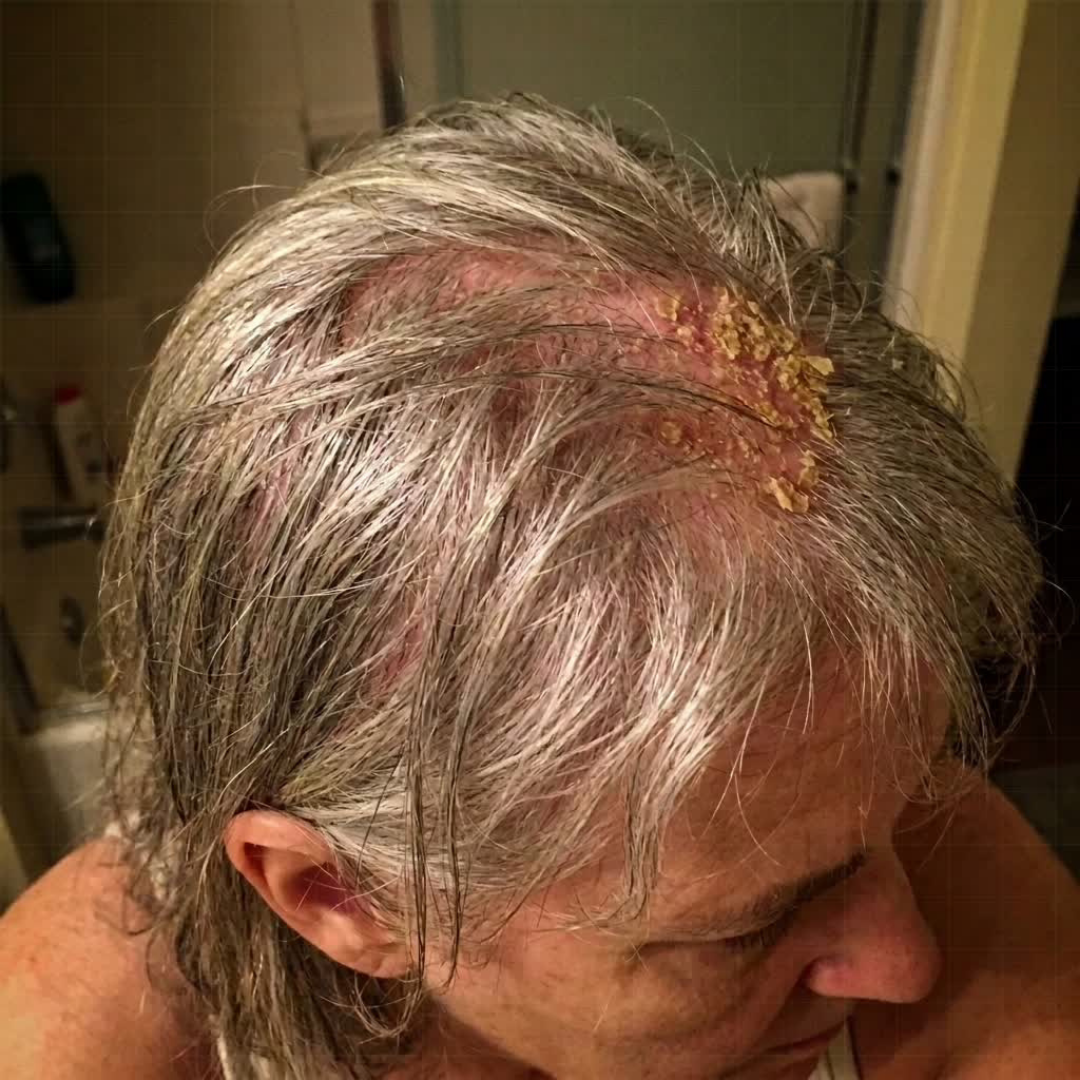
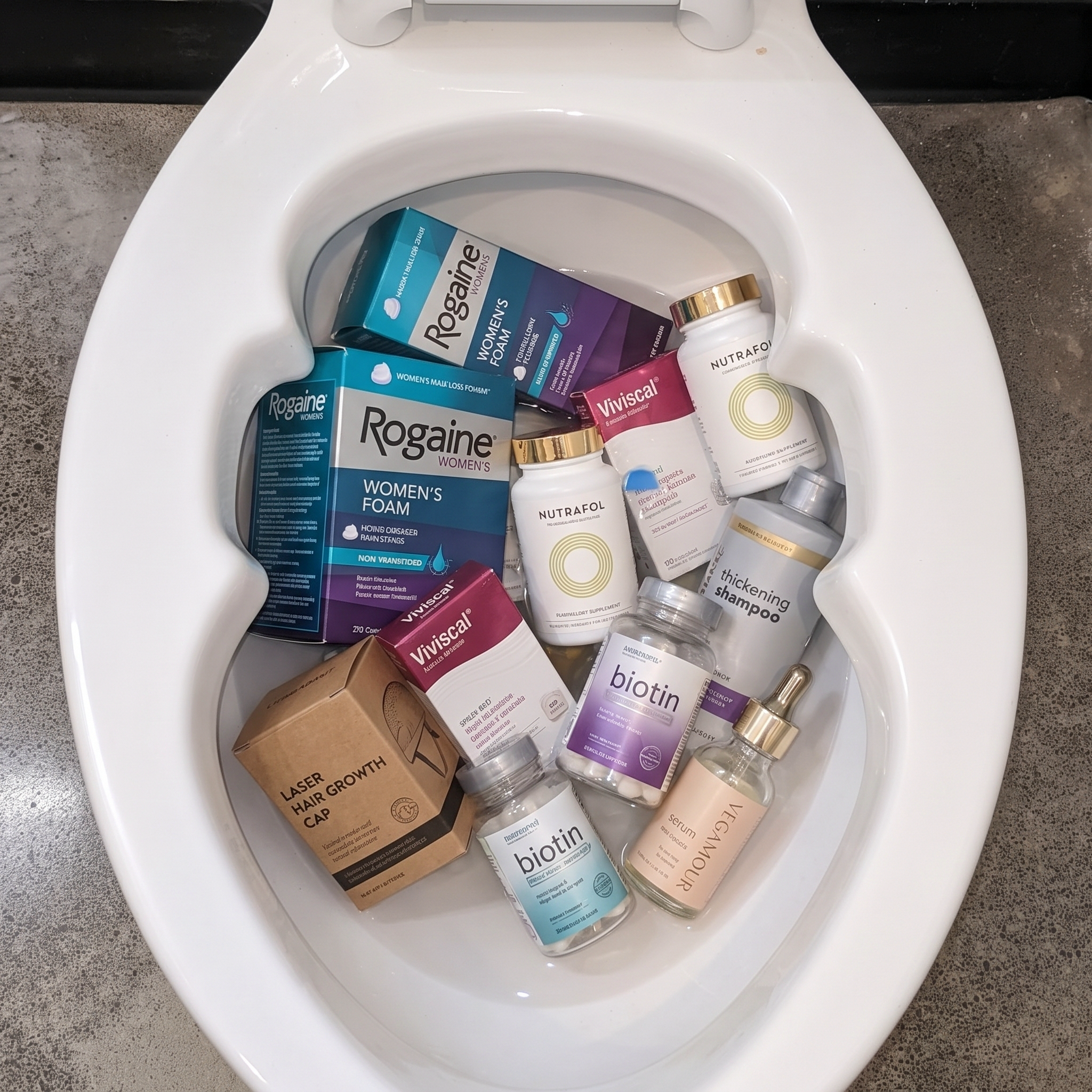
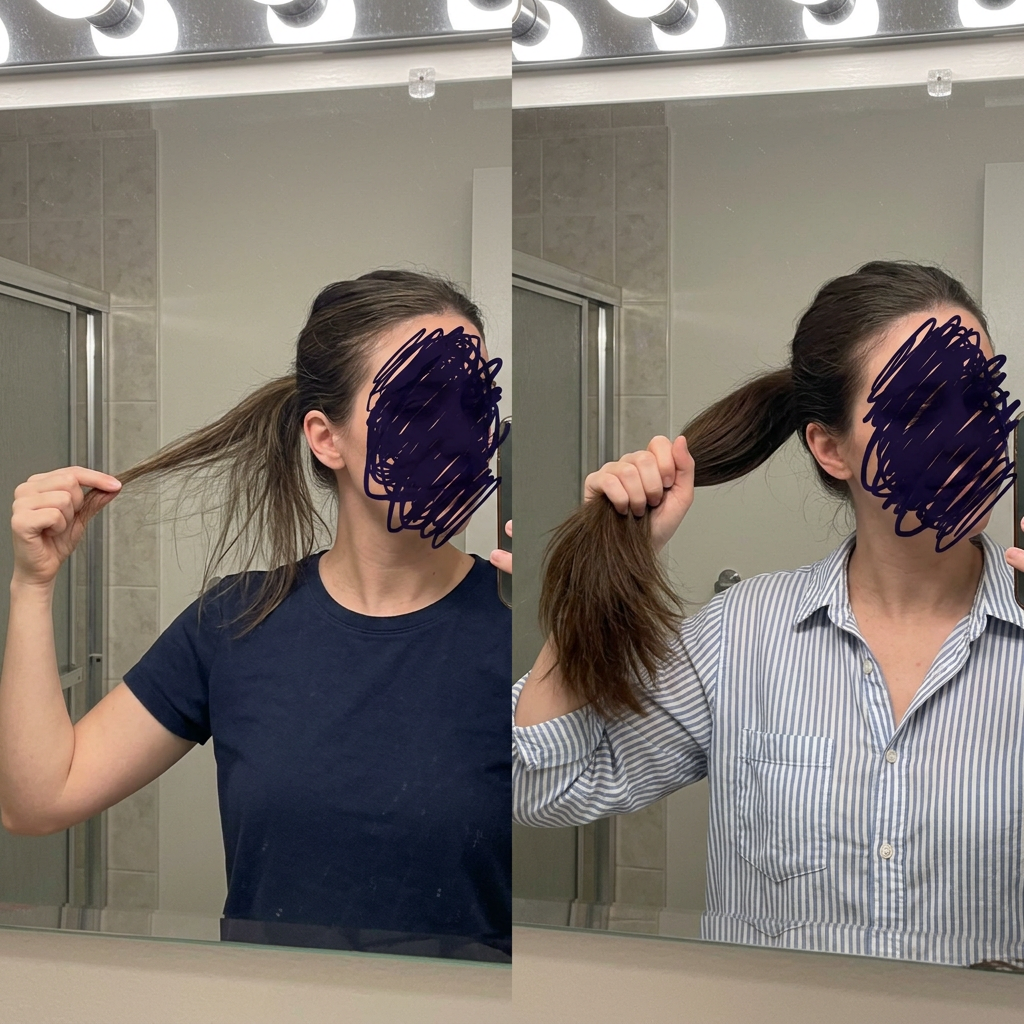
Put down the shame over hair you couldn’t save. I’m 62, the version of you three years beyond this, and discovered it wasn’t neglect or waiting too long; the beauty industry sold camouflage instead of addressing the cause, while one 10-second natural routine helped me reclaim fuller-looking hair and feel like myself again. I’m 63, and I spent nearly three years watching my hair get thinner while pretending I wasn’t scared. It began with a little more hair on my brush and a ponytail that suddenly needed another loop from the elastic. Then my part started looking wider under the bathroom light. I changed where I parted it, used root powder, and stopped standing directly under bright lights whenever I could. I told myself it was temporary. I blamed stress, a bad haircut, the weather, and every shampoo I had used that month. But every morning gave me another piece of evidence I couldn’t explain away. I’d count the strands after brushing and then feel ridiculous for counting them. Washing my hair became the worst part of my week because I knew what I’d see in my hands. I started putting off salon appointments because I didn’t want my stylist to confirm what I already knew. When she finally asked if I had noticed some thinning around my crown, I smiled and acted like it didn’t bother me. Then I cried in the car before driving home. That’s the part people who haven’t experienced this don’t understand. They say it’s only hair, as if that makes the fear disappear. They don’t know what it’s like to study every photo before anyone else sees it. They don’t know why you avoid the sunny seat at a restaurant or keep adjusting your hair during a conversation. They don’t see you wondering whether the person across from you is looking at your face or the scalp showing through your part. My husband kept telling me I looked fine, and I knew he meant it kindly. But fine wasn’t how I felt. I felt like a familiar part of me was quietly disappearing while everyone expected me to accept it as normal aging. I had spent decades taking care of my family, showing up for work, and holding things together when life got messy. Yet something as simple as getting ready in the morning could make me feel completely powerless. I bought biotin because it was cheap and everyone seemed to recommend it. Then I bought expensive supplements because their ads made them sound more serious. I tried thickening shampoos, scalp oils, collagen powder, and a laser cap that ended up sitting untouched in a closet. Every new purchase came with a little burst of hope. Every month without a visible difference made that hope harder to find again. Eventually, I tried minoxidil because it was the answer I kept hearing from doctors and hair-loss websites. I followed the directions carefully because I wanted to give it a fair chance. Then the extra shedding began, and every hair I saw in the drain made me wonder whether I had made a terrible mistake. The idea of needing it indefinitely scared me almost as much as the thinning itself. I didn’t want another daily obligation hanging over me with the fear that stopping could undo whatever progress I made. That was when the standard treatment path began to feel less like a solution and more like a lifetime-management cycle: keep applying the product to preserve the result, and worry about what might happen if you stop. So I became the woman who researched everything but trusted almost nothing. Whenever an ad promised regrowth, I rolled my eyes and kept scrolling. Whenever I saw the words natural or clinically inspired, I assumed the formula was either too weak to matter or dressed up in marketing language. I wasn’t looking for another hopeful story. I wanted someone to explain why so many things had failed me and why the standard answer felt like a lifetime management plan instead of an answer built for women like me. That question followed me into the scalp consultation that finally changed how I understood my thinning. The scan showed miniaturized hairs around my part and crown, but it also showed that the follicles were not simply gone because I had turned 60. The revelation was that menopause itself wasn’t a complete explanation. Hormonal changes had made susceptible follicles more vulnerable to miniaturization, while inflammation and oxidative stress could make the surrounding scalp environment less supportive of healthy growth. Most of what I had tried addressed only one piece, or never reached the scalp in a meaningful way at all. For the first time, my failed products stopped feeling like proof that I was untreatable. They looked like proof that I had been using the wrong tools. Before I explain what I chose, I want to be fair about minoxidil. Minoxidil can help some people, and it's a legitimate place in hair-loss treatment. But topical minoxidil needs to be converted into its active form by an enzyme in the scalp called SULT1A1. Not every scalp has the same level of that enzyme, which helps explain why one woman may respond while another follows the routine faithfully and sees very little change. It also does not directly address every factor associated with menopausal thinning. The specialist explained that when estrogen drops, hair follicles can become more vulnerable to DHT, a hormone that gradually miniaturizes susceptible follicles. Inflammation and oxidative stress can make the scalp environment even less supportive of healthy growth. Think of your scalp like soil. You can keep buying expensive seeds, but they’ll struggle if the soil around them remains hostile. That was the missing piece I had been searching for. I had spent years swallowing pills and trying to force growth without paying enough attention to the environment where my hair actually grows. And I need to admit something: I had blamed myself for every failed attempt and every strand I lost. Once I understood the mechanism, I finally stopped treating my hair loss like a personal failure. That led me to Trybello Hair Helper Spray, the clinical-grade botanical alternative that finally made sense in light of what my scalp scan had shown. It isn’t a pill or a prescription drug. It’s a lightweight topical spray designed to place a botanical complex directly on the crown, part line, and temples where menopausal thinning often becomes visible. It doesn’t rely on the minoxidil activation pathway, and applying it takes about ten seconds once a day. Let me walk you through what’s inside, because after wasting so much money, I needed to understand every part of the formula. Topical caffeine helps support the hair’s growth phase and has been studied for its ability to counter some of DHT’s effects at the follicle. Sophora flavescens extract is a botanical studied for its effect on 5-alpha reductase, the enzyme involved in producing DHT, while also supporting growth-related signals around the follicle. Oryza sativa, or rice extract, adds antioxidant support and has been studied for activity involving that same DHT-producing pathway. Angelica polymorpha sinensis root extract helps support circulation and a calmer scalp environment, addressing the inflammation and oxidative stress that can work against fragile follicles. Biotin is delivered topically to support the keratin structure that gives each strand its strength. The formula also includes ginger extract, ferment filtrate, and rosa rugosa flower oil to support the scalp environment without leaving it greasy or weighed down. You spray four to six pumps directly onto the areas that concern you, leave it in, and continue with your evening. There’s no rinsing, no complicated schedule, and no prescription appointment. What made Hair Helper feel fundamentally different to me was that it wasn’t relying on a single forced-growth mechanism. It was designed to support hormone-stressed follicles directly while also helping create a healthier scalp environment, the same two-part problem my scan had finally helped me understand. There’s no minoxidil-style activation requirement, and the brand states that it does not create the same dependency or dread-shed cycle women fear from minoxidil. That distinction mattered to me because it answered the other promise I had become so skeptical of: finding support without feeling trapped in the same lifetime-treatment cycle I had been trying to escape. Now let’s deal with the question I asked before anything else. What happens if I stop? Will everything suddenly fall out again? Hair Helper is not designed to artificially maintain hair through minoxidil’s drug pathway, so it’s not positioned as something that punishes you with a rebound shed if you choose to stop. Of course, hormonal thinning can continue as your biology changes, and no honest person should promise that one bottle permanently controls every cause of hair loss. But that’s very different from feeling trapped by a treatment you’re afraid to miss. I also want to be honest about timing because real hair growth is slow. Some customers report noticing less shedding during the first month, while visible baby hairs and fuller-looking density can take several months of consistent use. In customer data, 73% of users reported less shedding within 30 days, and Hair Helper carries a 4.85-star rating across more than 60,000 reviews. One verified customer said she noticed less hair in her shower drain by week three and later saw baby hairs where her scalp had been showing. Another said that after trying Vegamour, Nutrafol, Act + Acre, and prescription minoxidil, she saw major regrowth around her temples and midline part after using Hair Helper consistently. Those stories mattered to me because they came from women who had already lived through the same expensive cycle I had. If you have tried biotin, minoxidil foam, Nutrafol, Vegamour, thickening shampoos, scalp massagers, or laser caps, you were not foolish for hoping they would help. You were trying to protect a part of yourself that matters, and you were working with the options you had been given. Hair Helper simply gives you a different option built around direct scalp delivery and the biological pressures associated with hair thinning after 40. Trybello backs it with a 120-day empty-bottle money-back guarantee, so you have enough time to use it consistently and judge your own experience. That guarantee was important to me because hair does not work on a seven-day marketing schedule. Right now, Hair Helper is available for 66% off, bringing the cost to about $1 per day with no subscription required. For me, the real change began when that scalp scan showed me I wasn’t simply losing my hair because I was menopausal or getting old. It showed me a process I could finally understand, exposed why the usual answer could become an indefinite management cycle, and pointed me toward a botanical alternative that helped me feel recognizable again. P.S. Every day the pressure on vulnerable follicles continues is another day they may become harder to support, so waiting rarely makes the decision easier. Click below to try Trybello Hair Helper Spray and give your follicles the support they need to help you see less shedding, feel more confident under bright lights, and recognize yourself in the mirror again. https://start.trybello.com/tb-a249-adv
Where the ad sends people
start.trybello.com
Doc said “it’s just menopause.” She was WRONG.
Reduce Shedding With All Natural Ingredients!
Learn more: start.trybello.com(opens in a new tab)