American Health Support Community
 Facebook ad: “Natural Relief in Weeks”
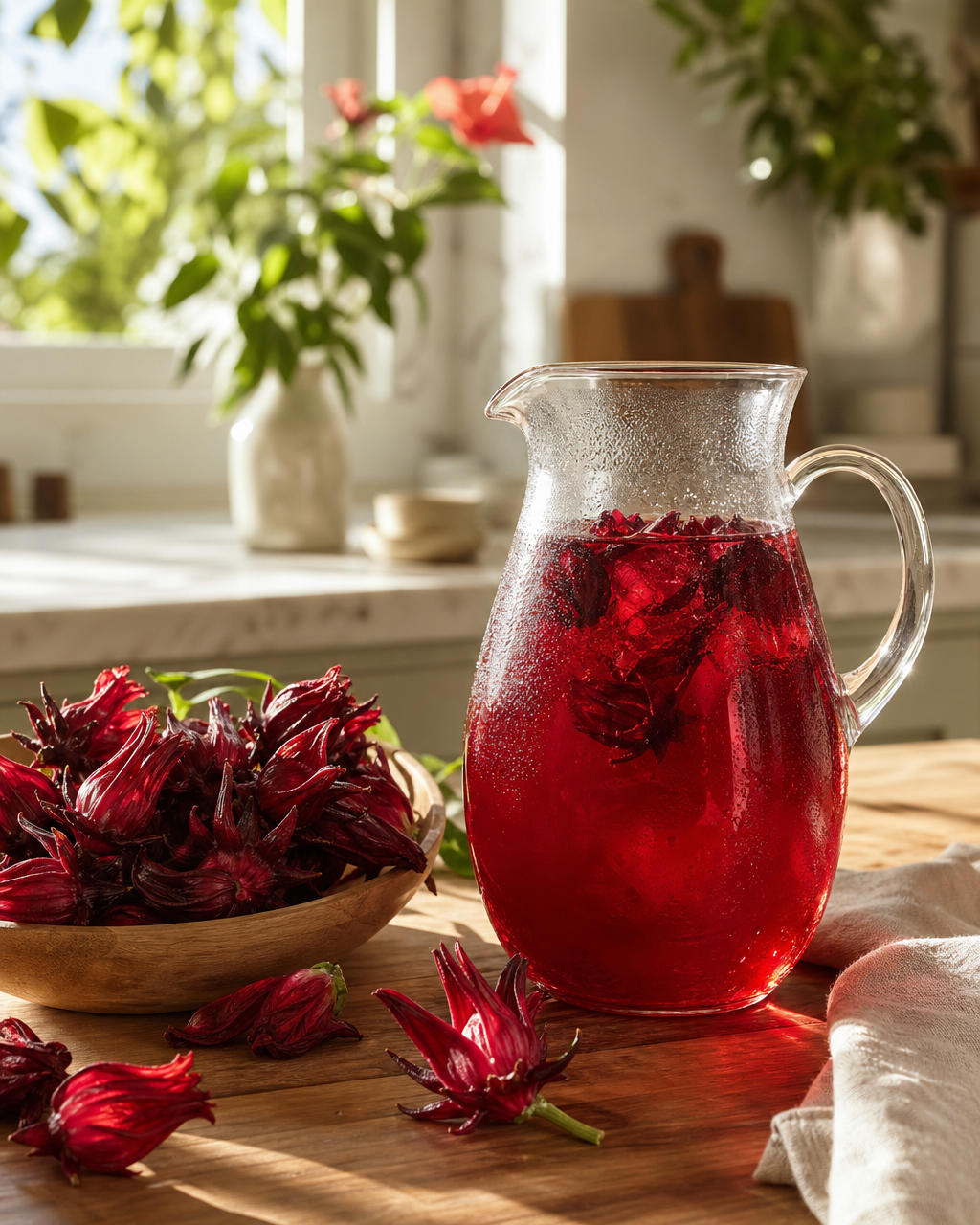
Ran for 5 days, from October 29 to November 3, 2026, the last day Crush saw it.
Run by American Health Support Community on Facebook. Crush is not the advertiser and does not verify its claims. See this ad in Meta's Ad Library(opens in a new tab)
Make your own version of this ad
Crush makes it, launches it in your own Meta ad account, scales the winners and pauses the losers.
About this ad
- Meta Ad Library ID
- 3591033697737516
- Platforms
- Facebook, Instagram, Audience Network, WhatsApp and Threads
- Relaunches
- 0
- EU reach
- 247
- Niche
- Food & Beverage
Ad text
My jawline acne kept me out of photographs for eight years. I always volunteered to take the picture before anyone could ask me to stand in it. At birthday dinners, work lunches, and afternoons with friends, I reached for the phone first. Being the photographer made me useful. It also kept my red, raised breakouts safely behind the camera. At first, I still let people take photographs of me. I turned the inflamed side of my face away and tucked my chin down. The moment the picture was taken, I asked to see it. If the bumps caught the light, I asked for another one. Then I inspected the replacement just as closely. If I was still staring at my chin instead of the people beside me, I asked them to delete both versions or quietly deleted them from my own phone. That was how the photographs that survived kept ending up without me. Eventually, volunteering became easier than inspecting my face in every image. I am 38 years old. I work as a project coordinator for a property-management company. I spend most of my day sitting across from vendors, joining video calls, and updating people who are waiting for an answer. Whenever someone suggested a photograph after a project lunch, I was already holding out my hand for the phone. Nobody mocked me or told me I should hide. I moved myself out of the frame because I could not stop looking at the breakout myself. The acne did not ruin my career or make my coworkers cruel. It did something quieter. It let me attend my own life while quietly removing myself from the record of it. I am writing this because one question from my dermatologist finally made me look beyond the breakouts I was trying to keep out of every photograph. It was a question nobody had asked me in eight years of treating adult acne. “What was happening in your gut during the weeks your skin was at its worst?” Let me start at the beginning. My acne came back when I was 30. I say “came back” because I had a few pimples as a teenager, but this was different. These were deep red bumps under the skin. Most appeared along my chin and jawline. Some hurt when I washed my face. Some stayed raised for ten days or longer. One would finally flatten, and two more would begin aching underneath the skin beside it. At first, I assumed I had bought the wrong cleanser. I replaced it with one for oily skin. That left my cheeks tight and flaky while my chin kept breaking out. Then I bought benzoyl peroxide. It dried out individual spots and bleached two pillowcases, but it did not stop the next tender bump from forming. I added salicylic acid because I read that clogged pores needed exfoliation. It helped with a few small bumps, but I began using it so often that the skin around my mouth stung when I applied moisturizer. I tried a retinoid next. I knew it could take time, so I stayed with it. My skin peeled, adjusted, and improved for a while. Then another painful cluster appeared along the same lower part of my face. I bought hydrocolloid patches in three sizes. They stopped me from picking and helped protect spots that had come to a head. They could not do anything about the hard bump I could already feel forming underneath tomorrow’s skin. I moved on to expensive routines. One had six steps for the morning and seven for the evening. I bought the cleanser, toner, serum, treatment, moisturizer, mask, and sunscreen because I was terrified that skipping one bottle would be the reason I failed. I spent $286 on that routine in one afternoon. Six weeks later, my bathroom shelf looked impressive, but the acne along my jawline was still red, raised, and painful. My doctor prescribed oral antibiotics. For almost three months, the angry bumps became smaller and less frequent. I thought I had finally solved it. Within weeks of finishing the course, they began returning. That was when I turned food into another treatment plan. I removed dairy first. Then sugar. Then gluten. Then coffee. Every time my skin improved for several days, I credited the latest restriction. Every time it flared again, I blamed myself for eating the wrong thing. I stopped enjoying lunch with coworkers because I was mentally checking every ingredient. I never found one food that consistently explained the pattern. By 37, I had a drawer full of products I could not bear to throw away and did not trust enough to use. I had learned how to flatten one spot, dry another, and cover all of them. I had not learned how to stop the next cluster from beginning. The problem became part of every photograph before the phone even came out. At first, I only turned my left cheek away when that side of my jaw was inflamed. Then I started asking to inspect every picture and requesting another one if the light caught the raised texture. Soon, I was volunteering to take the photograph automatically. At my mother’s birthday dinner, I took pictures of her with the cake, my sister, and every person around the table. I appeared in none of them. At our office holiday lunch, I took the team photograph and handed the phone back before anyone suggested taking one with me in it. One Sunday, I scrolled through photographs from the previous year. I could see my friends at spring lunches, summer cookouts, and December dinners I clearly remembered attending. But season after season, I was the person behind the phone. The photographs contained everyone except me. The next morning, four new painful bumps were raised along my jaw. I had followed my skincare routine perfectly the week before. I had not slept in makeup. I had changed my pillowcase twice. I had not eaten dairy, gluten, or dessert. I looked from my inflamed chin to that folder of photographs and felt completely out of explanations. That afternoon, I stopped searching for another product and started searching for a dermatologist who worked specifically with persistent adult acne. I wanted someone who would study why my breakouts kept returning instead of simply handing me another tube. That was how I found Dr. Lena Patel. She was different from anyone I had seen before. She did not tell me that skincare was useless. She did not tell me my acne was imaginary, dirty, or entirely caused by my diet. She asked me to bring a record of what had actually been happening. For six weeks, I wrote down every new inflamed lesion, where it appeared, whether it hurt, and how many days it stayed raised. I recorded my skincare products and where I was in my cycle. When I returned, I handed her a spreadsheet with more detail than some of my work reports. She read it quietly. Then she asked about the antibiotic course. She asked whether work had been stressful during the months my skin worsened. She asked whether I often felt bloated. Then she asked the question that changed the direction of the appointment. “What was happening in your gut during the weeks your skin was at its worst?” She told me she followed the emerging research on the connection between the gut and inflammatory skin conditions. That was why she looked for patterns beyond the products I had put on my face. I told her I had never tracked that. I went to the bathroom often enough that I had never called myself constipated. But there were weeks when a day or two passed without a bowel movement. There were mornings when I went but still felt heavy and unfinished afterward. There were afternoons when my waistband felt tight from bloating even though my weight had not changed. She asked me to add those details to the same diary for another month. I marked every bowel movement, every bloated afternoon, every stressful workday, and every new painful spot. At the end of four weeks, we put the dates beside each other. My two worst stretches of slower bowel movements and bloating were followed several days later by my two largest clusters of tender jawline bumps. She began by drawing a pore on the paper covering the exam table. She explained that oil and sticky dead skin cells can collect inside a vulnerable follicle and form a plug. Skin bacteria can thrive in that trapped environment. Then my immune system responds. That response turns a tiny clog into a red, swollen, painful bump. That was the part my cleansers, acids, retinoids, and antibiotics had all been trying to address in different ways. “But the reason those clogs keep turning red and painful is not on your face,” she said. She circled the days I had marked as slow, bloated, and unfinished. “When your bowel moves too slowly, waste sits in the gut longer than it should.” “That throws the gut bacteria out of balance and keeps the gut lining irritated.” “The irritated gut releases inflammatory signals into the bloodstream.” “When those signals reach acne-prone skin, they turn a small clogged pore into another red, swollen, painful bump.” I pointed to my chin. “So the constipation is driving the acne?” “Yes,” she said. “The constipation keeps your gut irritated, and the irritated gut keeps your acne-prone skin breaking out.” That was why one breakout could still be healing while the next one began. I thought about the tender line of bumps that had moved from one side of my jaw to the other for years. For the first time, they did not look like a series of unrelated failures. She explained that my antibiotics, stress, and hormonal changes had all disturbed the gut or slowed the bowel down. Once the constipation began, waste remained in the gut, the bacterial imbalance deepened, and the inflammation kept cycling back to my skin. I had spent years treating every pimple as a separate problem. I had treated the red bump I could see without asking what kept making my skin so ready to become inflamed. The problem was not that I needed something stronger to put on my face. The problem was the constipation keeping my gut and skin trapped in the same inflammatory cycle. Then I asked the obvious question. “Why not take MiraLAX, magnesium, fiber, probiotics, or Dulcolax and be done with it?” She went through them one by one. MiraLAX pulls water into the bowel and softens what is already there. That produces one temporary bowel movement. But it does not feed the helpful bacteria, repair the irritated gut lining, or teach the bowel to move normally on its own. The constipation returns because the environment causing it never changed. Magnesium works from the same basic idea. It draws in water and creates a flush. More water empties the bowel for a day, but it does not rebuild the gut bacteria or shut down the inflammation driving the acne. Dulcolax and stimulant laxatives use force instead of water. They irritate the nerves in the bowel wall until the muscles contract. They push waste past the problem without correcting the problem. The gut remains unbalanced, the lining remains irritated, and the same inflammatory signals keep reaching the skin. Fiber adds bulk. But adding more bulk behind a bowel that is already moving too slowly creates more pressure, gas, and bloating. It does not restore the missing bacteria or calm the irritated gut lining. Probiotics add bacteria, but a capsule alone does not give those bacteria the food they need to stay, multiply, and change the gut environment. “It is like sending workers into an empty kitchen with nothing to cook,” she said. “They arrive, find no fuel, and pass through while the constipation and acne cycle continues.” She reduced every familiar solution to four words. Water. Force. Bulk. Unfed bacteria. Each one handled a symptom downstream. None corrected the gut environment creating both the constipation and the inflammation. “For this cycle to stop,” she said, “a solution has to do three jobs.” “Not one.” “First, it has to feed the helpful bacteria until they rebuild a healthier balance inside the gut.” “Second, those bacteria have to calm and strengthen the irritated gut lining so it stops flooding the body with inflammatory signals.” “Third, it has to restore regular bowel movement so waste stops sitting there and starting the entire cycle again.” Feed the helpful bacteria. Calm and strengthen the gut lining. Restore natural bowel movement. Anything that does only one leaves the root cause in place. Then she walked me through the solution. Deeply colored plants contain natural compounds that travel into the lower gut and feed helpful bacteria. As those bacteria multiply, they produce compounds that nourish the gut lining and help it recover. The stronger lining stops releasing the same flood of inflammatory signals. The healthier bacterial balance helps the bowel return to a regular rhythm. Waste stops sitting in the gut. The inflammatory pressure reaching the skin comes down. And the cycle of painful jawline acne finally stops. Then she explained why my previous acne solutions had produced such uneven results. Cleansers removed oil, makeup, and debris from the surface. They could not stop the inflammation coming from inside my body. Benzoyl peroxide could reduce acne-related bacteria and inflammation in a treated area. It could not stop that internal inflammation from helping another painful bump form nearby. Salicylic acid and retinoids addressed plugging and skin-cell turnover. When I stacked them aggressively, the irritation left my skin barrier sore and made covering the redness even harder. Hydrocolloid patches protected individual spots and stopped my fingers from making them worse. They did nothing for the lesion that would start forming three days later. The antibiotics temporarily reduced susceptible bacteria and inflammation. My acne returned after the course because the constipation and gut imbalance driving that inflammation were still there. My elimination diets failed because I removed one food after another without finding a consistent trigger. The restrictions made eating stressful while giving me no clear explanation for why the clusters continued. And concealer changed what other people could see. It never changed what kept forming beneath it. She told me to keep my skincare unchanged so it could not take credit for what happened next. But correcting the constipation was what would finally break the cycle my face-only strategy had missed. I asked what I could realistically eat or drink every day to get a concentrated source of those compounds. “High-quality whole hibiscus flowers,” she said. She explained that their deep ruby plant compounds feed the helpful bacteria needed for all three jobs. “But the whole-flower part matters,” she said. “Do not assume pale powder in a tea bag is the same thing as dark, intact flowers that brew a concentrated ruby cup.” She did not prescribe a product or give me a brand name. After the appointment, I spent several nights researching what separated high-quality whole hibiscus from an ordinary red tea bag. High-quality hibiscus is rich in the natural plant compounds that feed helpful gut bacteria. Those compounds also give the flower its deep ruby color. That made the darkness of the flower and the finished cup a visible part of what I was looking for. But I learned that “hibiscus” on a label was not enough. Dark, intact whole flowers protect more of the pigment-rich material than pale crushed dust sitting inside a weak blend. Growing conditions matter because plants produce different concentrations of protective compounds under different conditions. High-altitude growing can encourage the plant to develop richer protective pigments. Hand-picking matters because intact flowers are less damaged before drying. Careful drying matters because heat, air, light, and rough processing can weaken delicate pigments before the tea ever reaches the cup. I wrote down the criteria before I bought anything. Organic whole hibiscus flowers. High-altitude grown. Hand-picked. Carefully dried. Dark, intact flowers that brewed a deep-ruby concentrated cup. My dermatologist had directed me toward high-quality whole hibiscus flowers. My own research had completed the quality checklist. I wish I could say I followed that list perfectly. I did not. The grocery store was on my drive home. The tea aisle had a bright red box with a hibiscus flower printed across the front. It cost $3.79. I told myself hibiscus was hibiscus and put it in my basket. I drank two cups every day for 21 days. One cup with breakfast. One cup after dinner. The tea bags contained pale crushed material. The cup looked pink and watery even when I let it sit. I kept drinking it because I wanted the inexpensive answer to be the right one. I kept the same acne diary the entire time. During those 21 days, 15 new inflamed bumps appeared along my chin and jawline. Ten were painful when I washed my face. The deeper ones stayed raised for an average of nine days. At a friend’s birthday dinner during the third week, I took the photographs and stayed out of every one. Across those three weeks, I averaged only three comfortable bowel movements and four bloated afternoons each week. Nothing in the diary showed a meaningful change. On the twenty-first night, I opened the last tea bag and poured the pale dust into my palm. Then I looked at the list I had written after my appointment. Whole flowers. Dark pigment. Grown high. Picked carefully. Dried carefully. The natural compounds that fed helpful gut bacteria were the point. I had tested a word printed on a box. I had not tested the high-quality whole-flower hibiscus my dermatologist had directed me toward. That night, I searched for a hibiscus product that matched every criterion. I ruled out tea bags filled with powder. I ruled out blends that mixed hibiscus with several other herbs. I ruled out loose petals that looked pale, crushed, or impossible to trace back to how they were grown and handled. Then I found PiPi Tea. PiPi Tea used organic whole hibiscus flowers. The flowers were grown at high altitude. They were hand-picked and carefully dried. The photographs showed dark, intact flowers instead of pale powder. The brew was deep ruby because the pigment was still present in the flower. It was the first product I found that matched the list I had made before seeing its name. I ordered it online that night. PiPi Tea arrived three days later. When I opened the bag, the difference was obvious. The flowers were whole, dark, and recognizable. They looked nothing like the pale dust in the $3.79 tea bags. I brewed my first cup the next morning. The water turned deep ruby in three minutes. I drank one cup with breakfast and another after dinner. I kept my skincare routine stable so I would not confuse the diary with five changes at once. Here is exactly what I recorded over the next 12 weeks. PiPi Week 1 was mostly a digestive week. I had five comfortable bowel movements instead of my usual three that week. I had two bloated afternoons instead of four. My skin did not suddenly clear. Five new inflamed jawline bumps still appeared. Four were tender. When my team gathered for a photograph after lunch that week, I reached for the phone just as quickly as I always had. I was disappointed, but I also knew skin does not turn over in three mornings. PiPi Week 2 was when my skin diary made its first small move in the same direction as my digestion. I had six comfortable bowel movements and only one noticeably bloated afternoon. Four new inflamed bumps appeared instead of five. Three were painful to touch. That was a small change. I wrote it down without turning it into a miracle. By PiPi Week 4, the pattern was harder to dismiss. Only three new inflamed jawline lesions appeared that week. Two were tender. Those three lesions stayed raised for an average of six days instead of the nine-day average I had recorded during the cheap-tea trial. At Sunday lunch that week, my sister lifted her phone before I could volunteer. I joined the photograph, but I still turned the less inflamed side of my face toward the camera and asked to see it immediately. By PiPi Week 8, I compared the previous four weeks with the four weeks before I began. Before PiPi, I had recorded 20 new inflamed lower-face lesions in four weeks. During Weeks 5 through 8, I recorded six. Only two of those six were painful to touch. Most flattened within four or five days. At our next office dinner, I joined the team photograph without offering to take it. I still checked the picture afterward, but for the first time in years, I did not ask for another one. At PiPi Week 12, I brought the full diary back to my dermatologist. During Weeks 9 through 12, I had three small lower-face lesions in total. None became deep or painful. All three settled within four days. My digestion had been comfortable on 25 of the previous 28 days, and I had marked only two bloated afternoons. She looked over the dates twice. “These results are real,” she said. “You have fewer active lesions, less visible inflammation, and no deep painful cluster forming beneath the skin.” She tapped the first four weeks of the diary. “And your digestion improved before your skin did.” My digestive comfort had changed first. The number of new inflamed lesions had fallen over several skin cycles. The lesions that did appear were less tender and settled faster. The change had happened in the exact order she predicted. My bowel movements became regular first. The inflammation came down next. Then the painful acne stopped cycling across my jaw. I did not wake up with permanently poreless skin. I had not changed my cleanser, sunscreen, or anything else in my skincare routine. I stopped waking up to a new painful cluster every time the previous one began to fade. That changed where I stood when someone lifted a phone. Last Saturday, I met three friends for lunch on a patio. Before we left, one of them held up her phone and asked everyone to squeeze together. I stepped into the photograph without offering to take it. I did not turn one side of my face away. I did not ask for another picture. I did not ask to inspect or delete the first one. The next morning, my friend sent the photograph to our group chat. I noticed her arm around my shoulder and the four of us laughing before I remembered to look at my chin. That was the result I wanted all along. Not a filtered face. Not a promise that I would never see another pimple. I wanted calmer skin that no longer decided whether I belonged in the photograph. If you have persistent adult acne, you probably know the behavior I am describing. You know how a tender bump can announce itself before anyone else can see it. You know how it hurts when cleanser passes over it. You know how redness can be covered while the raised texture still catches the camera flash. You know how quickly you learn which cheek to turn away. You know what it is to ask for another picture, inspect it immediately, or hope nobody posts it. You know how easy it becomes to volunteer for the safe place behind the phone. You know what it is to buy another acid, patch, prescription, or complete routine because this one might finally stop the next cluster. And you know the particular frustration of watching one spot fade while another begins beside it. Your skincare is not the whole problem. If you keep breaking out while your digestion is slow, the two problems are connected. Constipation keeps waste sitting in the gut longer. That throws the gut bacteria out of balance and irritates the gut lining. The irritated gut releases inflammatory signals into the bloodstream. When those signals reach acne-prone skin, they turn a small clogged pore into another red, painful bump. That is why another cleanser, patch, or spot treatment never stops the cycle. Those products treat the bump after the inflammation has already reached the skin. MiraLAX and magnesium add water. Dulcolax adds force. Fiber adds bulk. Probiotics add bacteria without feeding them. None performs all three jobs needed to break the cycle. Feed the helpful bacteria. Calm and strengthen the gut lining. Restore natural bowel movement. High-quality whole hibiscus flowers provide the plant compounds that complete all three jobs. As the gut rebalances and the bowels move normally, it stops releasing the same flood of inflammatory signals. The inflammation reaching the skin drops, and the painful acne finally calms. Before sharing this story, I contacted the people at PiPi Tea and showed them the diary. I told them about the photographs I kept removing myself from, the cheap-box failure, and the gradual changes over 12 weeks. Right now, they are offering significant savings on multi-bag bundles so it is easier to stay consistent long enough to judge your own pattern. Every order is backed by a 90-day money-back guarantee. If after 90 days you do not see your skin settling into a calmer pattern, you can send it back. You can return the bag even after you have tried it. There is no restocking fee. You get your money back. So do not judge your skin only by the pimple you can see today. Track what happens before it appears. Track how often new inflamed lesions form. Track how long they remain tender and raised. Notice whether painful breakouts are still deciding where you stand when someone lifts a phone. Then give the internal environment the same attention you have given the surface of your face. Tap the link below to see whether PiPi Tea is currently available. https://shop.pipitea.com/hbt/kd/c/sp-nm There is one last thing I want you to know before you order. PiPi Tea uses organic whole hibiscus flowers. The flowers are high-altitude grown. They are hand-picked and carefully dried. They brew deep ruby because the flower’s natural pigment is still present. That is the difference I missed when I spent 21 days drinking the pale $3.79 tea. Whole, carefully handled flowers cannot be replaced as quickly as cheap crushed tea dust. When one batch sells out, the next batch can take time to grow, pick, dry, and prepare properly. So if PiPi Tea is available, do not put this off until another painful cluster sends you behind the camera again. Three months ago, I was present at every gathering but missing from every photograph that remained. Today, I can step into the frame without turning my face away, requesting another picture, or asking anyone to delete it. If you want to give your gut environment the same attention you have given the surface of your face, you can see PiPi Tea below. https://shop.pipitea.com/hbt/kd/c/sp-nm
Where the ad sends people
shop.pipitea.com
Natural Relief in Weeks
Learn more: shop.pipitea.com(opens in a new tab)