Olivia Smith
Olivia Smith Facebook ad: “If You Are a Parent or Grandparent Read This”
Ran for 4 days, from September 25 to September 29, 2026, the last day Crush saw it.
Run by Olivia Smith on Facebook. Crush is not the advertiser and does not verify its claims. See this ad in Meta's Ad Library(opens in a new tab)
Want an ad like this for your product?
Crush makes new ad images for your product from this ad: your logo, your product photo, your offer.
Trials from $19.95 USD, then $79.95 USD a month. Cancel anytime.
About this ad
- Meta Ad Library ID
- 38628066853506056
- Platforms
- Facebook, Instagram, Audience Network, WhatsApp and Threads
- Relaunches
- 0
- Niche
- Food & Beverage
Ad text
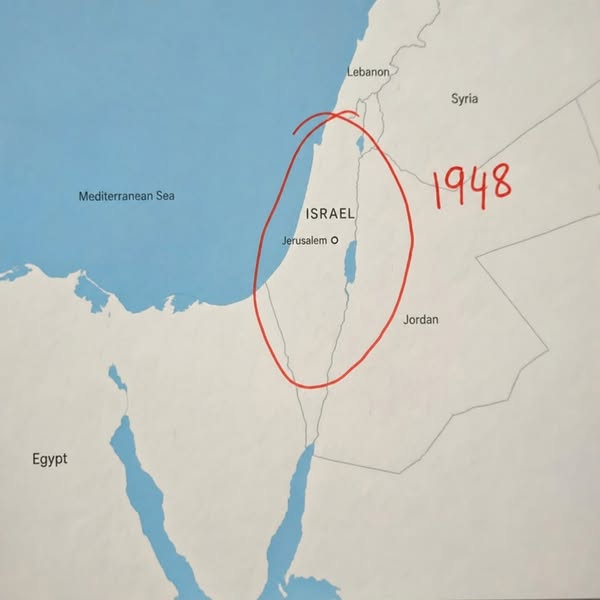
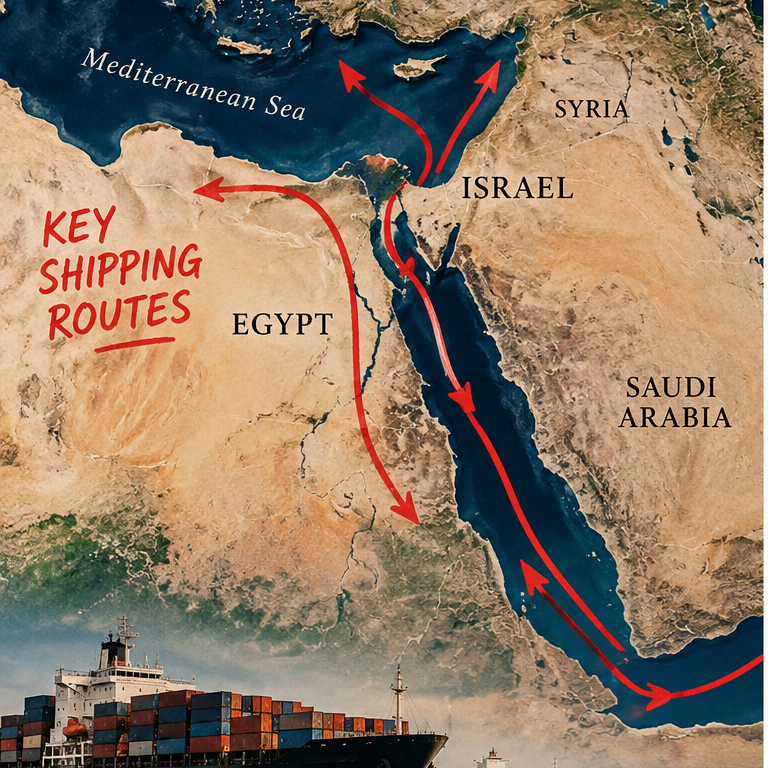
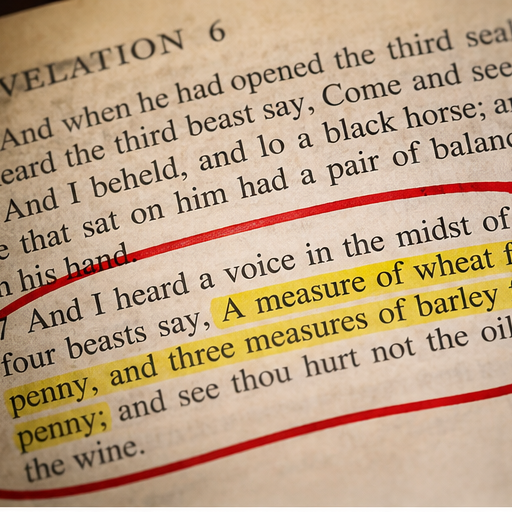
The same Bible that told you Israel would one day become a nation again also tells you that a day's wages will not even buy much food. I did not know that verse was in there until a box showed up on my doorstep last Tuesday with no letter inside it. Just seeds, and one sheet of paper with four verses written on it in handwriting I have known for thirty years. The man who mailed it used to be my pastor. Nobody at our church has heard from him properly in two years. I am writing this down because of what he said when he finally answered the phone, and because some of what he described sounded uncomfortably close to things I was seeing in the news. Let me say one thing before I go further. I am not one of those end times people. I have never once stood in a supermarket and thought about the book of Revelation. I am a grandmother who has read her Bible her whole life and who mostly reads the Psalms. So you can take this or leave it. I only want to tell you what happened. Pastor Wendell came to our church in 1994. He married my daughter Rachel. He buried my mother. He baptised both of my grandchildren, one of them in a pond because the baptistry was being repaired that spring. I need you to understand what kind of man he is, because it matters to everything that comes after. In thirty years in that pulpit I never heard him preach one sermon about the end of the world. Not one. He thought it made people strange. He used to say that the Lord gave us Tuesday to be faithful in and we should start there. He went on a mission trip in the spring of 2024. He came back different. Quiet in a way he had not been. Short with people. He preached three Sundays in a row on the same passage in Genesis, which he had never done before in his life. By that autumn he had stepped down, sold his house, and moved to the Scottish Highlands. He did not send a proper farewell letter. He did not do a farewell dinner. He answered his phone for about a month and then he stopped answering it at all. Our church decided he had burned out. A few people said breakdown. One man said he thought Wendell had lost his faith overseas and was too proud to say so. I want to be honest with you. I was relieved to have an explanation. I told Rachel he had probably seen too much poverty and it had broken something in him. She said: "Mum, he has gone off the deep end." And I let that be the answer for two years. Then last Tuesday there was a box on my doorstep. Inside it was a sealed collection of seeds, heavier than I expected. Under the lid was a piece of notebook paper folded in half. No letter. No explanation. Four verses in his handwriting. Revelation 6:5 and 6. Matthew 20:2. Genesis 1:11. Matthew 24. I sat on my front step and read that paper probably ten times. Then I called the only number I have for him. He did not answer Tuesday. He did not answer Wednesday. He answered Thursday afternoon. The first thing he said was: "I wondered if you would call." I asked him what the box was. He said: "Did you read the paper?" I said I had read it and I did not understand it. And he said: "Then let me tell you where I have been, and you can decide what you think of me after." I want to give you what he said the way he said it, because I wrote it down that night while I still had it. The trip was supposed to be two weeks. It turned into most of a summer, across three places, and he said he did not understand what he was looking at until he had seen the third one. The first was Sri Lanka. He told me about the government's decision in 2021 to abruptly ban chemical fertiliser imports as it tried to move agriculture towards organic production. The following harvests suffered. Rice production fell. Food prices climbed. The policy was eventually reversed, but farmers were still talking about the damage years later. He said: "That is the thing that frightened me." "It did not begin with the sky refusing to rain." "It began with a decision." The second place he talked about was Venezuela. He said the shortage there did not look like the photographs most people imagine when they hear the word famine. It looked like paperwork. Queues. Purchase limits. Identity cards. At different points during Venezuela's shortages, some shoppers could only purchase certain controlled goods on assigned days connected to identification numbers. He said the part he could not get out of his head was how ordinary it looked. Mothers standing in line. Checking their phones. Waiting their turn. Trying to buy the things their families needed. The third was Nigeria. He said that one showed him how quickly imported food and agricultural inputs can become expensive when shipping, currency, fuel and trade are disrupted. A city does not suddenly grow what normally arrives from somewhere else. A country does not instantly replace imported food because prices have changed. And the families with something productive behind the house have one thing the others do not. Options. Then he said the thing that made me sit down. "Three countries." "Different causes." "Different governments." "Different economies." "But the same lesson." "A modern food system can look permanent right up until something changes." I asked him what any of that had to do with him quitting. He said: "Because on the plane home I read Matthew 24 and noticed the order for the first time in my life." He asked me to get my Bible and read it aloud to him. So I did. Standing in my kitchen. "And ye shall hear of wars and rumours of wars." "For nation shall rise against nation, and kingdom against kingdom: and there shall be famines." He said: "Wars." "Then famine." "I preached that chapter for thirty years as something that happens later, to somebody else, in a time none of us would live to see." "And suddenly I was reading it differently." I told him the news had been full of negotiations, ceasefires, wars, shipping routes and peace talks. And he said: "Read First Thessalonians five, three." I looked it up. "For when they shall say, Peace and safety; then sudden destruction cometh upon them." He said: "Count how often you hear people talking about peace and safety." I told him I was not comfortable turning a Bible verse into a timetable. He said: "Neither am I." "That is why I am not asking you to believe my timetable." "I am asking you to prepare for something useful whether I am right or wrong." Then he told me to turn to Revelation 6, which was the first verse on the paper. "And I beheld, and lo a black horse; and he that sat on him had a pair of balances in his hand." He asked me what balances are. I said scales. He said: "Right." "And what do people use scales for?" I said weighing things. Then I read the next line. "A measure of wheat for a penny, and three measures of barley for a penny; and see thou hurt not the oil and the wine." He said: "Now read Matthew twenty, two." It is the parable of the workers hired for the vineyard. The owner agrees with them for a penny a day. A penny in that translation refers to the day's wage. And in Revelation, a measure of wheat costs that same amount. He did not have to explain the point he was making. I sat there with my finger on the page. A day's work. For a measure of wheat. I said: "That is groceries." He said: "That is groceries." Then he said: "There is another part people skip." "Hurt not the oil and the wine." "The basic food is painfully expensive while other things remain." "Shortages do not always mean every shelf is empty." "Sometimes it means the ordinary thing suddenly costs far more than an ordinary family can comfortably pay." That line bothered me more than I expected it to. Because I have stood in a supermarket over the last few years and put something back after looking at the price. Not because it was unavailable. Because I decided we could do without it. He said I had already seen a tiny version of supply disruption in 2020. And that once the shelves refilled, I let myself believe the lesson no longer mattered. I did not have an answer for that. Because he was right. I did. He asked if I wanted him to stop. I said no. So he told me to read Ezekiel 4:16. "They shall eat bread by weight, and with care." Bread by weight. To Wendell, that sounded like rationing. Like a limit on what one household can obtain. Like the signs we saw in 2020 telling us how many of something we were allowed to buy. I told him that was his interpretation. He said: "Yes." "And you should treat it as my interpretation." "But you cannot tell me people have never lived through something that looked like it." Then he said: "Now let me tell you what I think about the water everybody keeps seeing on the news." He was talking about the shipping routes through the Middle East. He said those routes are not only about petrol and oil. Important fertiliser products and raw materials move through those waters too. If shipping is interrupted, agriculture can feel it long before an ordinary shopper understands why the price of food has moved. He told me to read Revelation 18. The chapter lists merchandise. Wheat is there. Then this: "Every shipmaster, and all the company in ships, and sailors, and as many as trade by sea, stood afar off." And: "For in one hour so great riches is come to nought." He said: "Whatever you think that chapter means prophetically, people understood two thousand years ago that trade, ships and food belong in the same conversation." "Modern Britain did not invent dependence on shipping." "It simply became extraordinarily good at forgetting about it." Then he said: "Now go to the last verse on the paper." "This is the one I actually mailed you a box about." Genesis 1:11. "And God said, Let the earth bring forth grass, the herb yielding seed, and the fruit tree yielding fruit after his kind, whose seed is in itself." Whose seed is in itself. He said: "Eleven verses into the Bible, you have the pattern." "A seed makes a plant." "The plant produces the next generation." "Life continues." Then he asked me if I had a grape in the house. I said I did. He said: "Cut one open." "I will wait." I put the phone on speaker. I cut one of my grapes in half with a small kitchen knife. No seed. I cut another. Nothing. I went to the refrigerator and looked at the watermelon I had cut for my grandson. Seedless. The easy peelers were seedless too. I stood in my kitchen and realised how rarely my grandchildren actually see seeds inside fruit. Wendell said: "I spat watermelon seeds off my grandmother's back step every summer of my childhood." "So did you." I said my grandchildren had probably never done it. Then he told me something I had to check for myself afterward. He said there were patents for technology designed to make the next generation of seed sterile. That part is true. Technologies usually called genetic use restriction technologies were developed and patented. But this is where I want to be careful, because I checked it. Those technologies are not why my supermarket grapes are seedless. Seedless grapes and watermelons are produced through other plant breeding methods. And the so called terminator seed technologies became intensely controversial and were not broadly commercialised. So my fruit bowl was not proof of some secret sterile seed programme. But the conversation made me notice something else. Most people, including me, had completely stopped thinking about the seed inside the food. We eat the harvest. We buy another packet. We start again. And with many modern F1 hybrid varieties, the seed saved from the harvest will not reliably reproduce the same plant in the next generation. Not because it is sterile. Because the genetics segregate. That distinction matters. Wendell said: "Then forget the dramatic theory." "The ordinary truth is enough." "If you want to maintain your own seed line, you need seed suited to being saved." "Open pollinated seed." "Heirloom seed." "Something you can grow, select from, save properly and sow again." Then he asked me another question. "Have you ever actually read Agenda 2030?" I said I had heard people mention it and had never read it myself. He said: "Good." "Do not read what somebody on Facebook says it says." "Read the document." So I did. Agenda 2030 is real. Its full name is Transforming Our World: the 2030 Agenda for Sustainable Development. United Nations member states adopted it in 2015. The year 2030 is right there in the title. Food and agriculture are part of it. But this is another place where I want to tell you what I actually found instead of repeating what somebody told me. It does not say that ordinary families should be prevented from growing food. It does not say that governments should confiscate people's seeds. In fact, one of its stated goals is to maintain the genetic diversity of seeds and cultivated plants through seed and plant banks. It also calls for food security, sustainable agriculture and more resilient food production. That did not prove Wendell's theory. But it made one part of his argument harder for me to ignore. The institutions thinking decades ahead take seed diversity seriously. And I had no seed at all. Not one useful collection. Not one year's experience saving it. Nothing. He said: "Then do the arithmetic that actually matters." "How many full growing seasons are there before 2030?" I counted. From where we are now, there are only a few. He said: "That is not very long to learn something you have never done." I told him again that I was not prepared to build my life around his interpretation of Revelation. He said: "Good." "Do not." "Build one tiny garden." "If I am wrong, you have tomatoes." "That is not exactly a catastrophe." That was the first thing he had said all evening that made me laugh. Then he said something I still think about. "Look around your kitchen." "Almost everything in it came through somebody else's system." "A farmer." "A processor." "A warehouse." "A lorry." "A supermarket." "A payment system." "Your whole life works because thousands of people you will never meet keep doing their jobs." "And most of the time, that system is magnificent." "But a seed is different." "Put it in the right soil, give it water and light, and some of that process happens behind your own house." Then he mentioned Revelation 13 and the verse about buying and selling. Again, I told him I was not going to turn it into a prediction about modern payment systems. He said: "I am not asking you to." "I am asking you to understand why I want something in my house that does not begin with buying again." I asked him what he wanted me to do. And he said: "What Joseph did." He said Joseph believed a warning and filled the storehouses during the years when there was still plenty. Then he said: "Read Genesis forty one, thirty." "And all the plenty shall be forgotten." He said: "That is the part people miss." "Plenty feels permanent while you are living in it." Then he said it plainer than he had said anything else. "I am going to tell you exactly what I am doing." "Grow some of your own food." "Start this season." "Not because you know something terrible is coming." "Because you do not want to learn after something has already happened." I told him I did not know how to answer that. I am sixty nine years old. The only thing I have successfully kept alive for years is a peace lily in the hall. He said: "I know." "That is why I mailed you the box instead of a letter." He walked me through it like he was reading me a recipe. He said: "Open it." "Do not plant all of it." "That is the first thing people get wrong." The vault is designed so the seed can be stored somewhere cool and dry for years when properly kept. That is part of the reason for owning it. It is not groceries. It is the beginning of groceries. Then he said: "But plant a little of it this season anyway." I asked why, if part of the point was long term storage. He said: "Because you do not want the first time you ever grow food to be the year you desperately need to know how." "Pick three easy things." "Lettuce." "Beans." "Tomatoes." "Plant them while the supermarkets are full and absolutely nothing depends on whether you get it right." "Kill some." "Learn." "Find out how much sun your garden actually gets." "Learn what watering too much looks like." "Learn what watering too little looks like." "Then next year you are not starting from zero." I said: "Wendell, I do not have a proper garden." "My back garden is tiny." He said: "Then use containers." "A twenty litre bucket with drainage holes will grow more than people think." "Tomatoes." "Beans." "Lettuce." "Herbs." "You do not need a farm." He said potting compost. Water. Sunlight. Start there. He said the first time I saw something I had planted actually push through the soil, I would understand why Genesis 1:11 had suddenly become his favourite verse. I told him about my back. I cannot kneel comfortably anymore. I have not been able to for years. He said: "Put the containers on a sturdy table." "Waist height." "And let your grandchildren do the planting." "They will remember it longer than you think." I asked what happened if I killed all of them. He said: "Then you will have killed a few pounds worth of seed in a year when your dinner does not depend on it." "That is an extraordinarily cheap lesson." Then I asked him the question I really wanted answered. "What if none of this ever happens?" He said: "Then you have a box of seed in a cupboard that takes up hardly any room." "You learn how to grow a few vegetables." "You eat some tomatoes." "And I look like a man who moved to the Highlands and worried too much." "I have made peace with that." Then he stopped being gentle. It was the only time during the whole conversation that he did. He said: "But if some serious disruption ever does happen, I do not want the first thing you do to be stand in a queue wishing you had learnt this when it was easy." "I watched people do that." "I am not willing to picture you in it." Then he said: "Seed is not a hobby when you understand what it can become." "It is the beginning of food." I did not say anything for a moment. Then he said: "One more thing." "This is the part where people buy the wrong thing." He said the seed needed to be open pollinated. Preferably traditional heirloom varieties. He said many commercial packets are F1 hybrids. There is nothing wrong with that. They can produce excellent first generation crops. But if you save seed from an F1 hybrid and grow the next generation, you cannot assume you will get the same plant back. The traits can separate. Different vigour. Different fruit. Different growth. Different yields. Open pollinated varieties work differently. When properly maintained, selected and isolated where necessary, you can save suitable seed and grow the variety again. He said: "That is what matters to me." "I am not looking for one successful summer." "I want the harvest to contain the beginning of the next one." Then I asked him why nobody at church was talking about any of this. He said: "Matthew twenty four, thirty eight." "They were eating and drinking and marrying." "Life looked ordinary." Then he said: "And that is why I am not angry at any of you for what you decided about me." I told him what Rachel had said. That he had gone off the deep end. He laughed for the first time in the entire call. "She is right to be careful." "Tell her Proverbs twenty two, three." "A prudent man foreseeth the evil, and hideth himself: but the simple pass on, and are punished." Then I asked why he had mailed the box now. He told me he had bought his own seed collection after coming home. Long before he called me. He said: "Because seed gets very popular very quickly whenever people become nervous." "We watched that happen in 2020." "Do not wait for everybody else to have the same idea." Then he said something a preacher trying to raise money would never say. "Do not take my word for any of this." "Especially not the prophecy." "Check what can actually be checked." He told me to do four things. One. Read Revelation 6:5 and 6. Then Matthew 20:2. Understand what the day's wage comparison means. Two. Read Genesis 1:11. Then learn the actual difference between open pollinated seed and an F1 hybrid. Three. Read Agenda 2030 yourself instead of reading somebody else's interpretation. Read what it actually says about food security, sustainable agriculture and preserving seed diversity. Four. Read Matthew 24. Then decide for yourself what you believe. He said: "If you do all of that and still think owning seed is pointless, do not buy seed because I told you to." "If you finish it and think learning to grow something might be sensible, then start while you can afford to be bad at it." He asked me not to tell anyone he had called. I have not. Until this. Here is what I did over the next three days. I read those verses at my kitchen table. I looked up the day's wage comparison. I read the United Nations document for myself. Not somebody's screenshot of it. The actual document. Some of what Wendell believed was interpretation. Some of it went further than the document itself does. But the section about protecting the genetic diversity of seeds is there. And for some reason that was the part that stayed with me. Governments maintain seed banks. Scientists maintain seed banks. Plant breeders preserve genetic lines. Yet I did not have enough seed in my own house to grow one proper vegetable bed. Friday night I sat in front of the television with my husband. The news was full of wars, shipping, trade, energy, fertiliser and peace negotiations. My husband told me I was being dramatic. Then on Saturday morning he read the paper that had arrived in the box. Not even the verses at first. The handwriting. He knows that handwriting too. Wendell married us. He did not say anything for a long time. Then he asked: "Where are we going to keep the seeds?" "That cupboard gets warm in summer." That is what agreement looks like in this house. No emotional conversation. He simply started solving the storage problem. I ordered one vault for our house. One for Rachel. One for my son Kevin. And one for my sister Jo Ann. That is when I understood why Wendell had started sending seed to people he loved instead of quietly keeping his own in a cupboard in the Highlands. First Timothy 5:8. "If any provide not for his own, and specially for those of his own house, he hath denied the faith." In his mind, he was not being generous. He believed he was doing his job. Then I did the thing I feel worst about. I waited before telling anybody outside my family. Because I did not want to become the woman at church who sends everybody alarming links. Eventually I sent the page to the women in my Sunday school class. Not with a warning. Not with a prophecy. I said: "This is what Wendell sent me." "Read it if you want." The seed vault he sent me is made by a British company called The Home Harvest. It is their Heritage Seed Vault. More than 16,000 seeds. 35 packets. 35 heirloom varieties. Every one open pollinated. Non hybrid. Non GMO. Tomatoes. Beans. Sweetcorn. Carrots. Peppers. Lettuce. Kale. Cucumber. Radish. Spinach. Courgette. Aubergine. Squash. Herbs. Greens. And more. Every packet individually labelled. The seed is viability tested before packing. The collection currently averages 94 percent germination across its varieties. It is sealed into airtight, moisture resistant pouches for storage. When stored correctly, The Home Harvest backs it with a ten year freshness guarantee. It also includes the thing Wendell kept telling me mattered more than owning a box. Instructions. There is growing information on every packet. A growing manual. And a Garden Planner showing sowing and harvest timing for different parts of the UK, plus seed saving guidance. Because Wendell's point was never: Buy a box and you are safe. His point was: Buy the right kind of seed. Then learn how to use it while you still have time to make mistakes. The current batch is £49. Orders over £70 ship free. And they give you ninety days to test it. Open the vault. Plant a few varieties. Watch the germination. If it does not satisfy you, or the kit is not what was described, contact them within ninety days for a refund. You keep the guides. More than 40,000 families have already bought one. Wendell told me plainly that it is seed and a job to do. Not a miracle. Most of mine will stay properly stored. A little of it is going into containers so I can learn what I am doing before I ever have to know what I am doing. That is all he asked of me. And it is all I am asking you to consider. https://thehomeharvest.uk/ If you have read your Bible your whole life, read the verses yourself tonight before you decide anything about me or about him. And if the prophecy part is not for you, leave it. The practical question remains exactly the same. If you wanted to grow food next spring, would you already have suitable seed? And would you know what to do with it? A prudent man foreseeth the evil. The simple pass on. P.S. On availability. Seed is not manufactured in a factory when demand suddenly increases. It has to be grown. Harvested. Cleaned. Tested. Packed. The Home Harvest says its heirloom seed is packed in batches and the next batch cannot simply appear until another crop has been grown and tested. That is one reason I would rather own it while vegetable seed is boring than start looking for it on the week everybody decides it is important. Being early costs the price of a seed vault. Being late can cost a growing season. Nobody can sell you a season back. https://thehomeharvest.uk/ P.P.S. Rachel called me after hers arrived. She had her daughter in the kitchen with her. She did not apologise for saying Wendell had gone off the deep end. And I did not ask her to. She said: "I still think he went off the deep end." Then she added: "But learning how to grow tomatoes is hardly the dangerous part." Which might be the most sensible thing anybody in this story has said. P.P.P.S. What is actually inside it. More than 16,000 heirloom seeds. 35 packets. 35 varieties. Open pollinated. Non hybrid. Non GMO. Sealed for long storage when kept cool and dry. A ten year freshness guarantee when stored correctly. Growing information. A manual. A Garden Planner. And seed you can learn to save from suitable plants so the harvest can contribute to the next garden. That last part is the reason any of this matters. https://thehomeharvest.uk/ P.P.P.P.S. On not having anywhere to put a garden. That was my first thought too. It was wrong. You do not need half an acre. A twenty litre container with drainage holes, decent compost and enough sunlight can grow an extraordinary amount. Tomatoes. Beans. Lettuce. Herbs. Radishes. Put the containers on a sturdy table if you cannot comfortably kneel. Start with three. Nobody is asking you to become a farmer. You are being asked to learn what happens when you put a seed into soil and keep it alive. P.P.P.P.P.S. If you are thinking you will simply keep tins instead, I thought the same thing. Wendell's answer was one sentence. "Stored food is a number that only goes down." "Seed can become more seed." Obviously a garden does not replace a full pantry. And a packet of seed is not food until somebody successfully grows it. But I finally understood what he meant. A cupboard of tins stores consumption. A box of viable seed plus the knowledge to use it stores possibility. There is a difference. P.P.P.P.P.P.S. The verse I still think about most is Genesis 1:11. Not because I believe a seed vault makes anybody immune to famine. It does not. Not because I think buying seed is a substitute for faith. It is not. Because I spent sixty nine years reading those words without thinking about the simplest part. Whose seed is in itself. One season containing the beginning of another. My grandmother understood that. Wendell understands it. I am only beginning to. Maybe that is reason enough to start. https://thehomeharvest.uk/
Where the ad sends people
thehomeharvest.uk
If You Are a Parent or Grandparent Read This 👆🏻
The Home Harvest
Learn more: thehomeharvest.uk(opens in a new tab)