
Active· since Jun 14, 2026
- 91
- days running
- 0
- relaunches
Ad copy
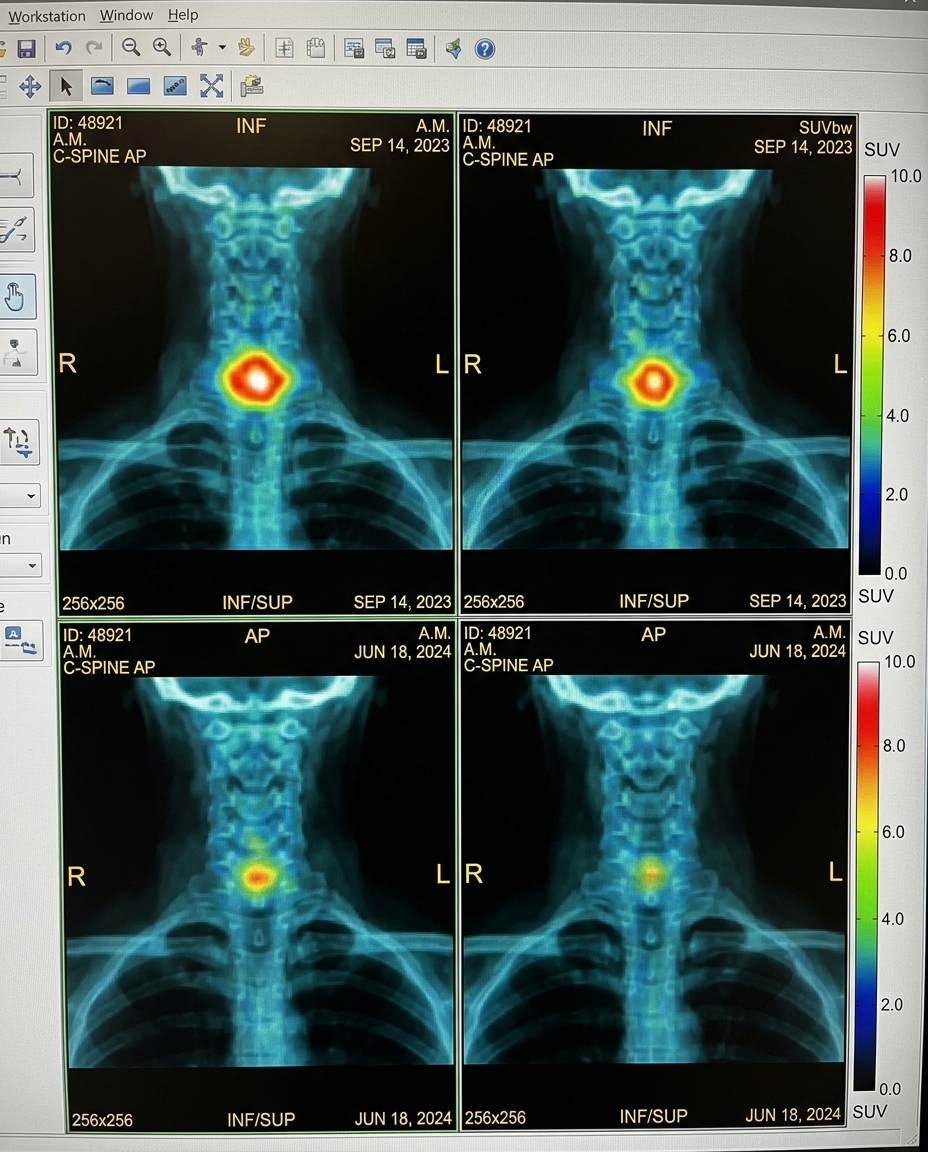
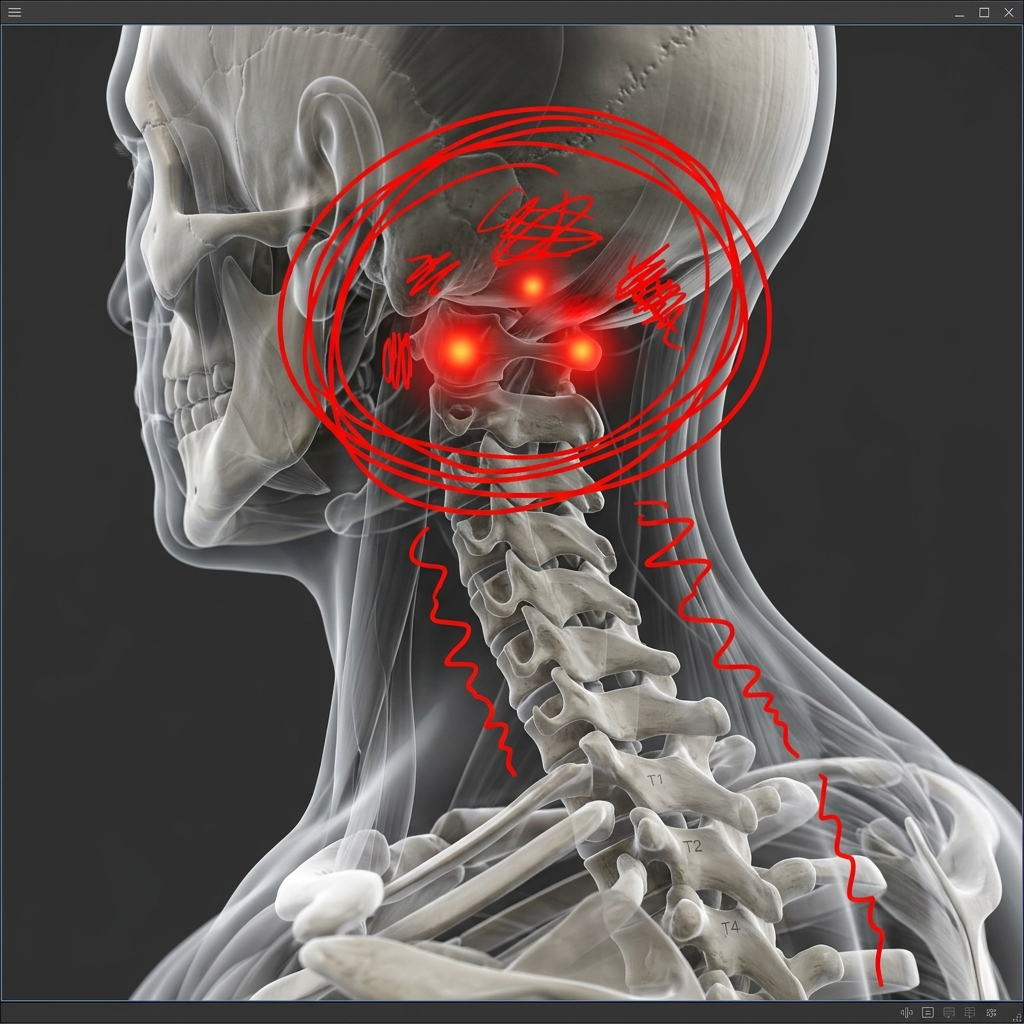
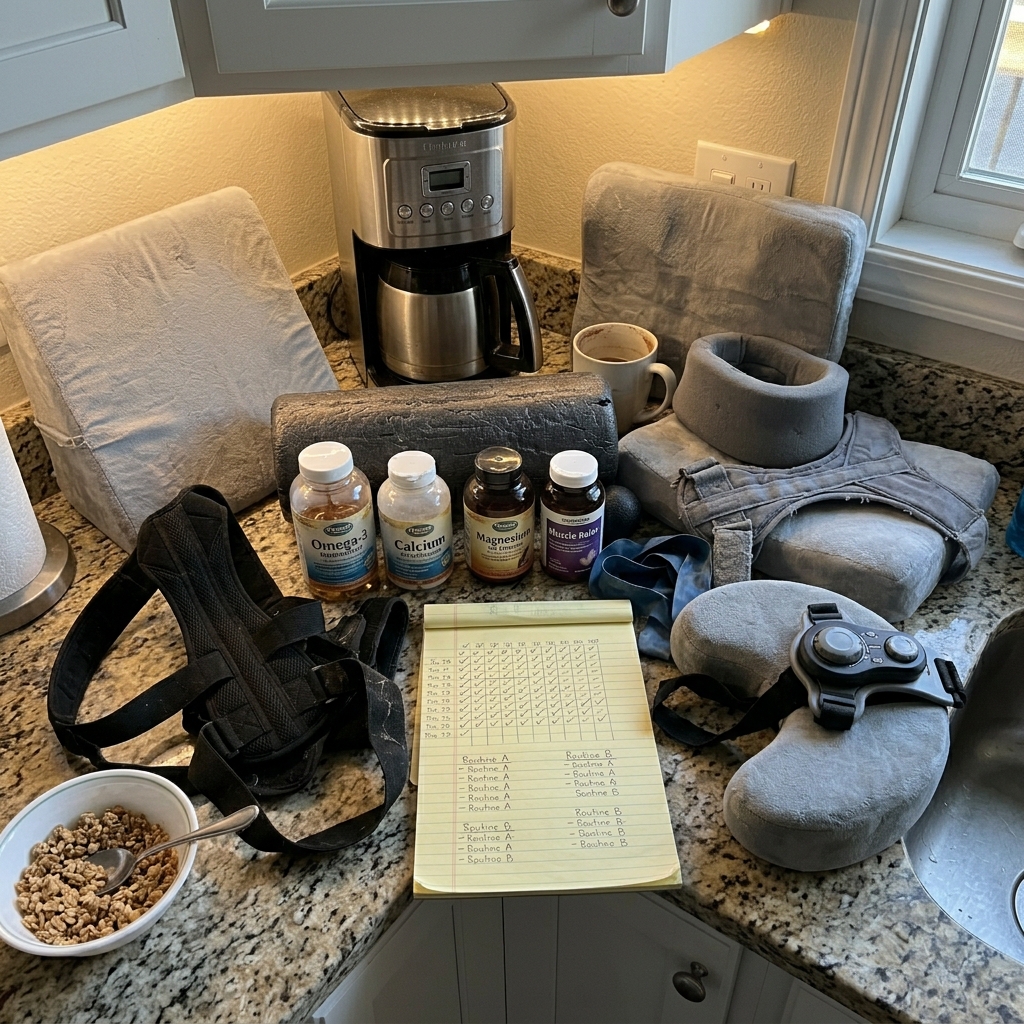
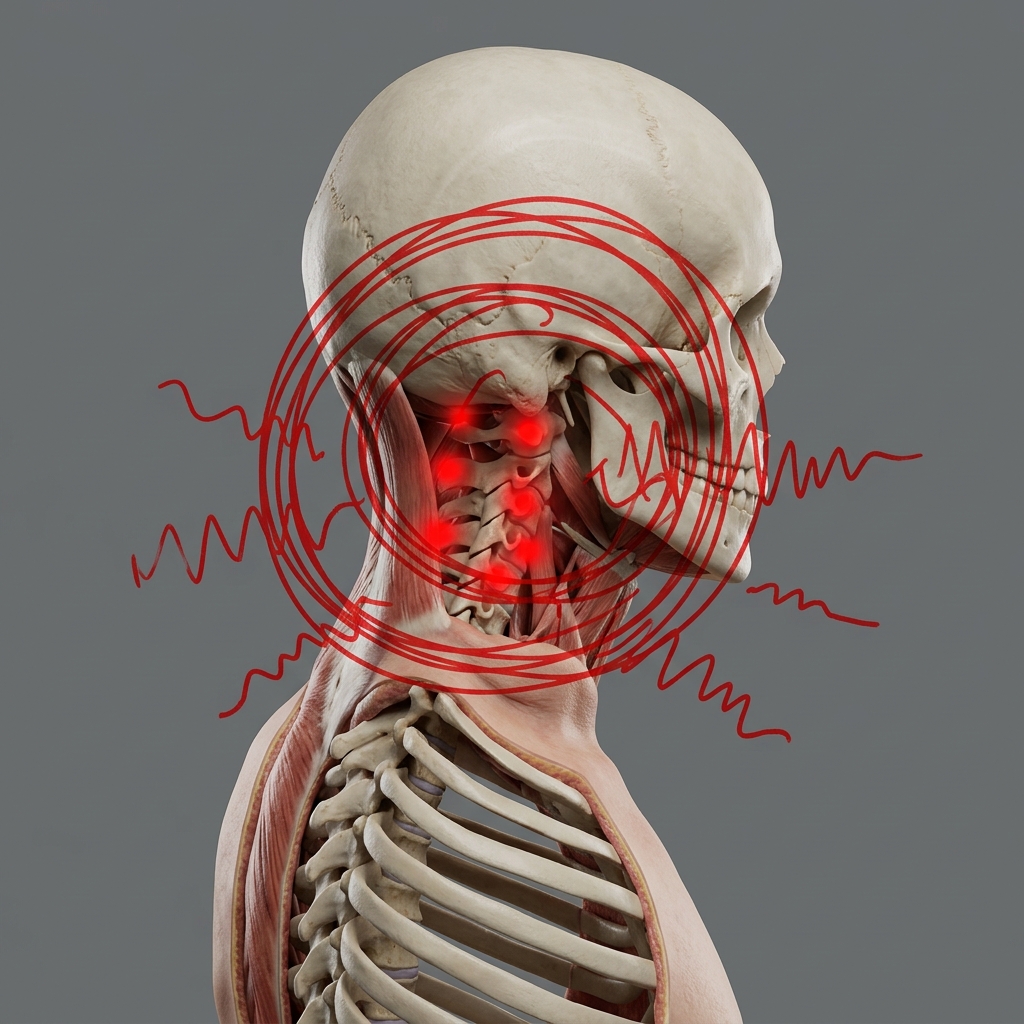
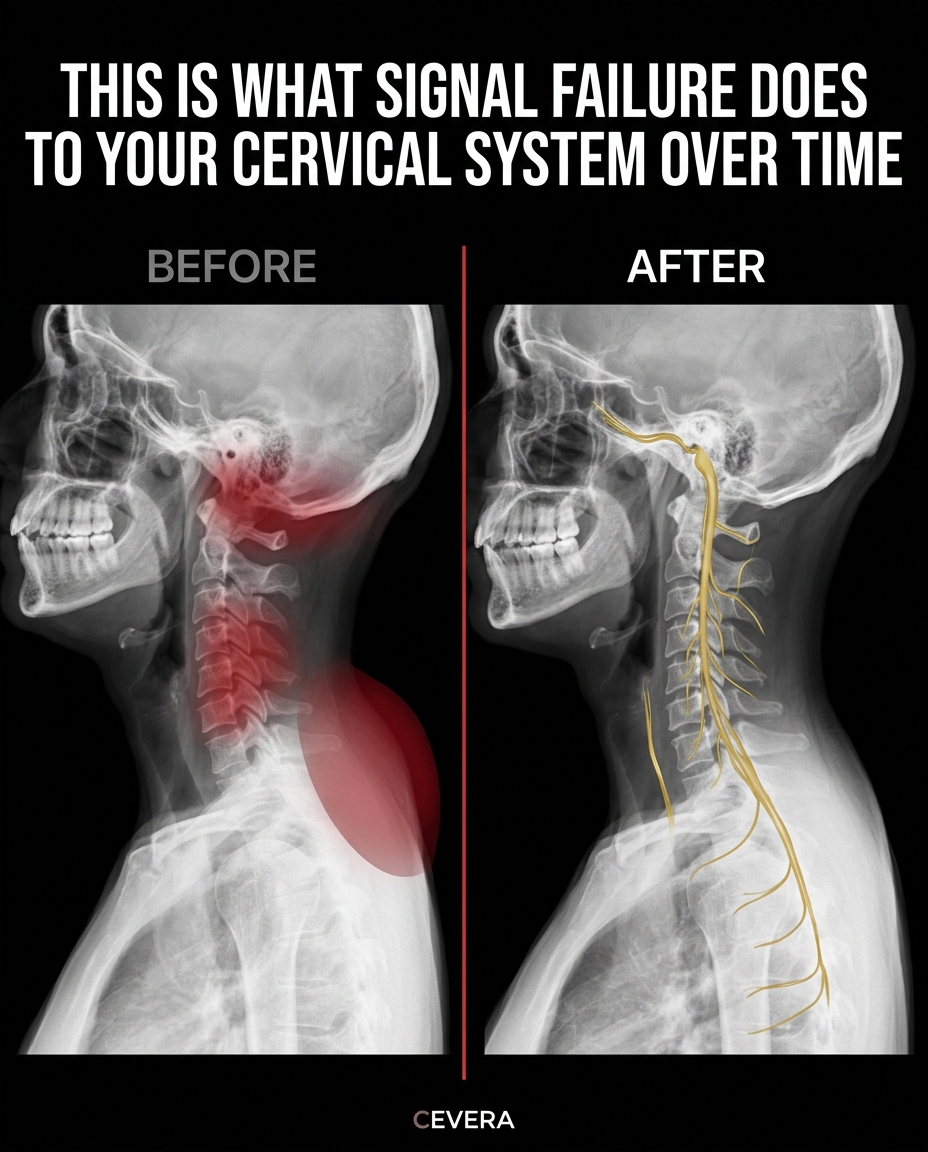
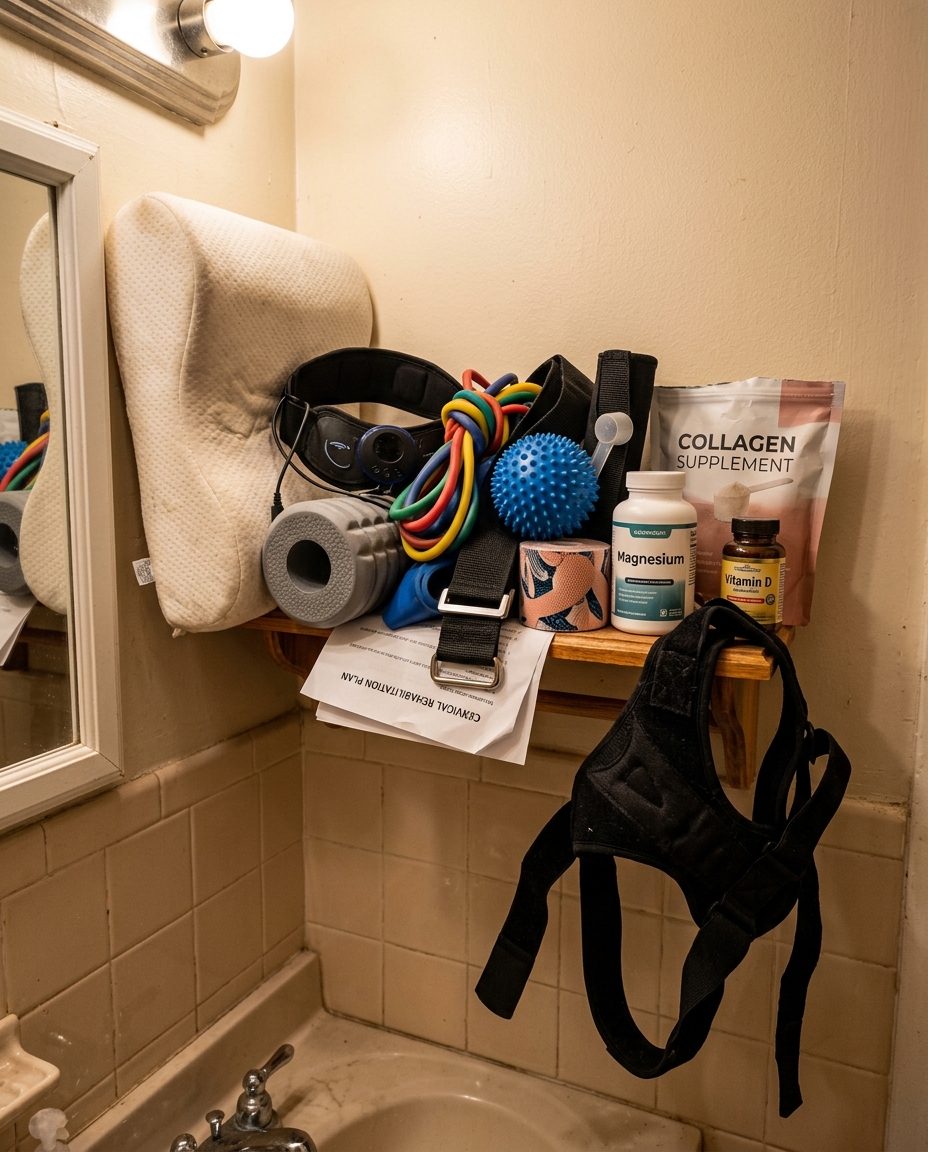
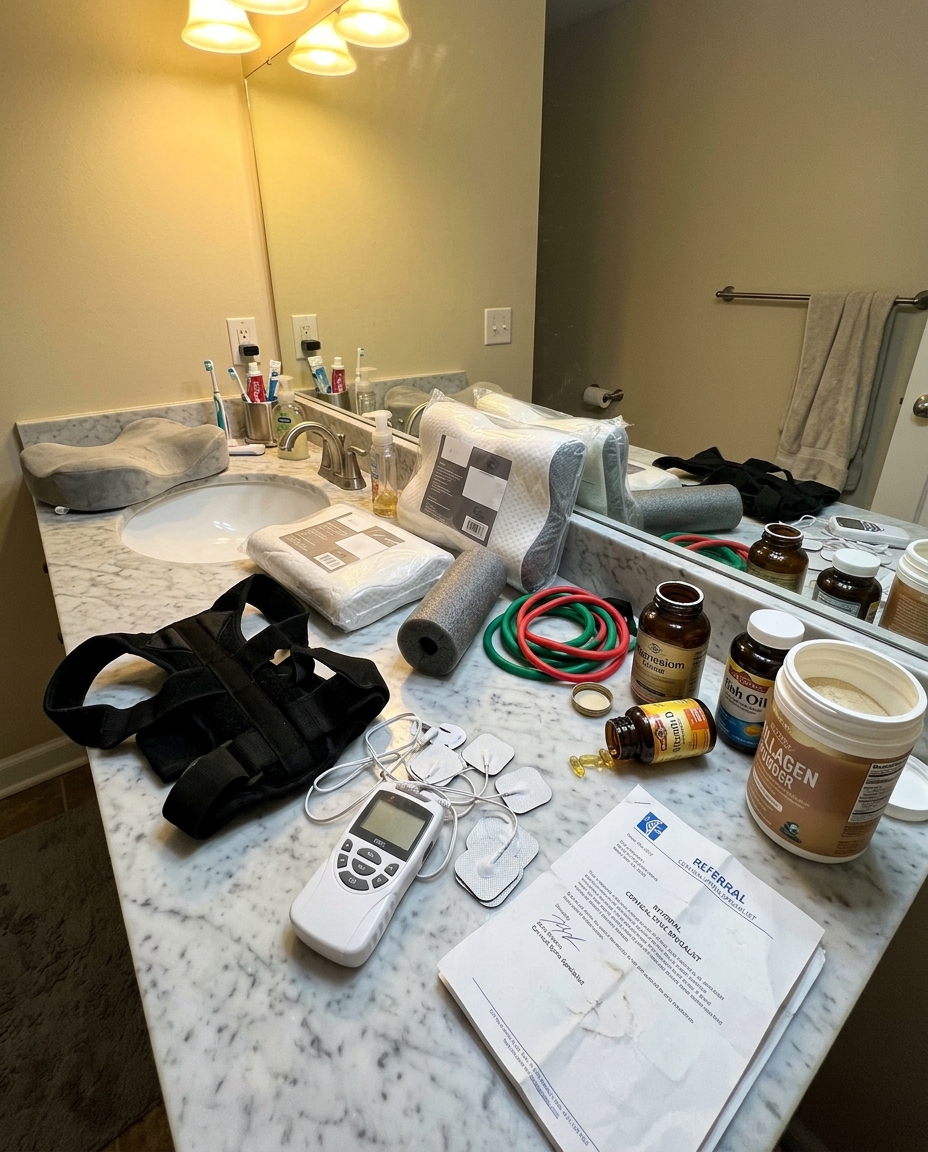
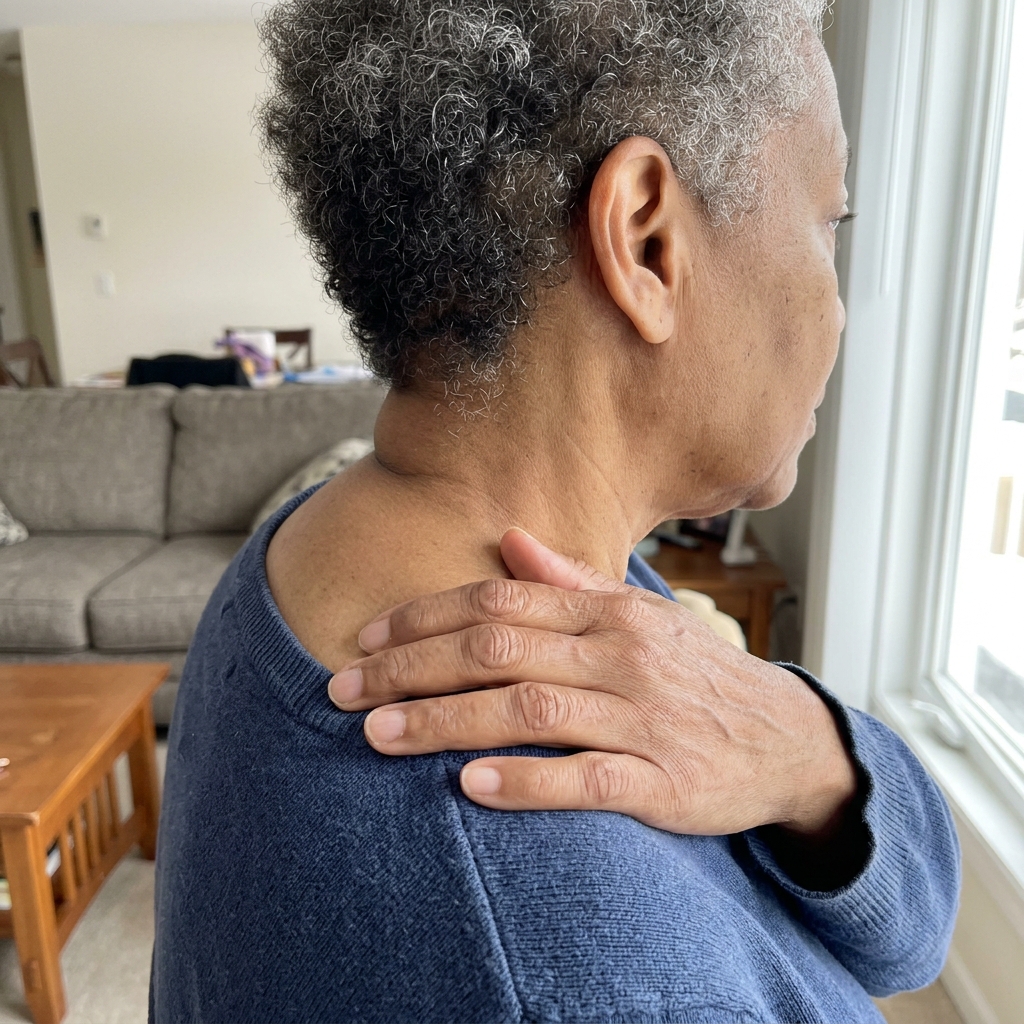
If your neck hump keeps building while you do everything right — your release mechanism is sending a final warning before the tissue becomes permanent. And once it's fixed structurally, no amount of management or therapy reverses it. I learned this the hard way. My name is Barbara. I'm 58, I worked as a manual therapist for 31 years, and about two years ago my neck hump started building noticeably. At first I thought I was just carrying tension. I'd wake up in the morning and the cervical line looked more prominent than the night before. I'd stand at the mirror adjusting my position trying to find the right angle. Then the morning calculation started happening during the day too. Then when I was getting dressed. Then when I was choosing which outfit to wear to client sessions — which, when you do what I do for a living, is a particular kind of irony. I went to my specialist. She said it was accumulated forward load and gave me a cervical management protocol. The protocol did nothing lasting. Three months later I went back. This time she added an intensive home routine. That helped for about six weeks, then the tissue came back more prominent than before. Six months after that, she told me I needed escalated indefinite management. Hundreds of dollars a month. No clear end point. And here's the part that scared me — she told me there was no guarantee it would actually reverse the tissue. The best outcome was stabilisation. About 1 in 3 people on escalated protocols still see continued progression. I went home and cried. I'm telling you all of this because I want you to understand something I didn't understand back then. None of those treatments fix what's actually allowing the tissue to keep building. Let me explain what's really happening at the base of your skull, because once I figured this out, everything changed. Inside your cervical structure there's a release system. Running through that system are the muscles at C1-C2 — right where the skull meets the spine — that control the release signal telling your head to return to center after every forward movement. When you do repetitive forward-loading things — looking at screens, reading, driving, desk work, holding a phone — the muscles inside that suboccipital zone need to continuously fire the release signal. And when they stop firing, they lock. They lock into a continuous contraction pulling your head forward. That locking cuts off the release signal to your cervical muscles. And without the release signal, your cervical muscles can't let go and return to center. In the body, the tissue that builds at your cervical base is the body's compensation for that continuous forward pull. It's the structural response to years of a release signal that never arrives. No release signal means continuous forward pull. Continuous forward pull means continuous tissue accumulation. And continuous tissue accumulation means the tissue builds further — one morning calculation at a time. That's why your cervical line keeps changing. That's why the tissue keeps building despite management. That's why the morning calculation gets longer even when you're doing everything right. Those aren't random changes. They're the structural response of a body whose release signal has stopped arriving. Your release mechanism is being starved of the three inputs it needs to fire. And every day it goes without those inputs, the tissue builds a little further. And here's the part that made me furious when I learned it: a cervical pillow doesn't restore the release signal. A management session doesn't restore the release signal. Even escalated indefinite management doesn't restore the release signal. Management just mobilises the joint above the locked muscles to ease the measurement temporarily. But the lock is already there. The signal is already absent. The tissue is already building. That's why so many people do everything right and still see continued progression. About a year into my management nightmare, my niece sent me an article about a researcher who was doing something different. This researcher had spent years watching patients fail every standard management approach. Protocols. Intensive programs. Specialist referrals. She saw thousands of people every year whose tissue kept building, and nothing she could prescribe was actually addressing the mechanism driving it. So she started looking at the research on what actually fires the release mechanism directly. The findings were specific. Three simultaneous inputs — all three at once, or the release doesn't fire. Exact placement at the C1-C2 suboccipital address — not above it, not approximated, the exact muscles that hold the lock. Gravity-assisted sustained delivery through the head's own weight — consistent, uninterrupted, not a practitioner's hand that varies and fatigues. And a minimum hold of ten minutes — long enough for the release signal to complete rather than just begin. She worked with a precision engineering team and a tool was developed that does exactly that. It positions at the exact C1-C2 address and uses your own head weight to deliver the three inputs simultaneously. Here's how it actually works: Step one: The two precision foam nodes position at the exact C1-C2 suboccipital address — not the thoracic spine, not the mid-cervical region, the exact locked muscles where the release mechanism lives. Exact placement means the input reaches the mechanism rather than the tissue above it. Step two: Gravity-assisted delivery through your own head weight provides consistent, uninterrupted, unvarying force — the kind no practitioner's hand can maintain for ten full minutes. Consistent delivery means the release signal accumulates rather than resetting. And finally, the ten-minute minimum hold accumulates enough sustained input for the release signal to fire completely. Not just begin — complete. The lock releases. The signal travels. The tissue compensation starts to reverse. That's the part no other treatment does. Management sessions, intensive protocols, and specialist referrals all try to ease the measurement above the mechanism. None of them actually deliver the three simultaneous inputs the mechanism needs to fire. I'll be honest, I was skeptical. I'd already spent thousands on approaches that didn't hold and I was not in the mood to spend another penny on something that sounded too simple. But it came with a 90-day money-back guarantee. So I figured, worst case, I send it back. The first night I used it for ten minutes before bed. I didn't feel anything dramatic. I went to sleep and forgot about it. I woke up and got dressed. For the first time in over a year, I didn't stand at the mirror for twenty minutes running the calculation first. I used it again the next evening. And the evening after. By the end of the second week, the morning calculation during the day was almost completely gone. By week four, my full professional practice was back. I could take client sessions without spending the first ten minutes repositioning myself relative to where they were sitting. I never started the escalated protocol. It's been about eight months now and I still use it three or four evenings a week, mostly out of habit. My cervical line looks normal. Like it's supposed to look. I'm not a researcher. I'm not in marketing. I'm just a woman who almost committed to indefinite escalated management because nobody told me there was another option. If you're reading this and your neck hump keeps building despite management — if the morning calculation keeps getting longer, if the wardrobe keeps getting smaller, if you keep stepping back from photographs — please don't wait. Every week your release mechanism goes without the three simultaneous inputs, more of the tissue builds and the lock deepens. And once it becomes fixed structural change, nothing reverses it. The tool I used is Cevera. They're the only one I trust because they actually worked with the researcher who developed the three-input protocol. There are products on the market that claim to address the suboccipital zone but don't deliver all three inputs simultaneously at the right address. I learned that the hard way too. Right now Cevera is running a current promotion. They also offer the 90-day money-back guarantee I mentioned, so if it doesn't work for you, you get every penny back. I'm linking it below. You don't have to order it. But please, at least look into it before you commit to indefinite management. I wish someone had told me two years ago. — Barbara 👉 https://trycevera.com/pages/adv-womens-wellness-report
Like this ad? Make it yours.
Crush rebuilds this exact creative around your product — your brand, your colors, your offer — in about a minute.