Dr. Amelia Whitmore
Dr. Amelia Whitmore Facebook ad: “A Retired Eye Surgeon Finally Speaks Up”
Ran for 87 days, from July 1 to September 26, 2026, the last day Crush saw it.
Run by Dr. Amelia Whitmore on Facebook. Crush is not the advertiser and does not verify its claims. See this ad in Meta's Ad Library(opens in a new tab)
Want an ad like this for your product?
Crush makes new ad images for your product from this ad: your logo, your product photo, your offer.
Trials from $19.95 USD, then $79.95 USD a month. Cancel anytime.
About this ad
- Meta Ad Library ID
- 3910353369261167
- Platforms
- Facebook, Instagram, Audience Network, Messenger and Threads
- Relaunches
- 1
Ad text
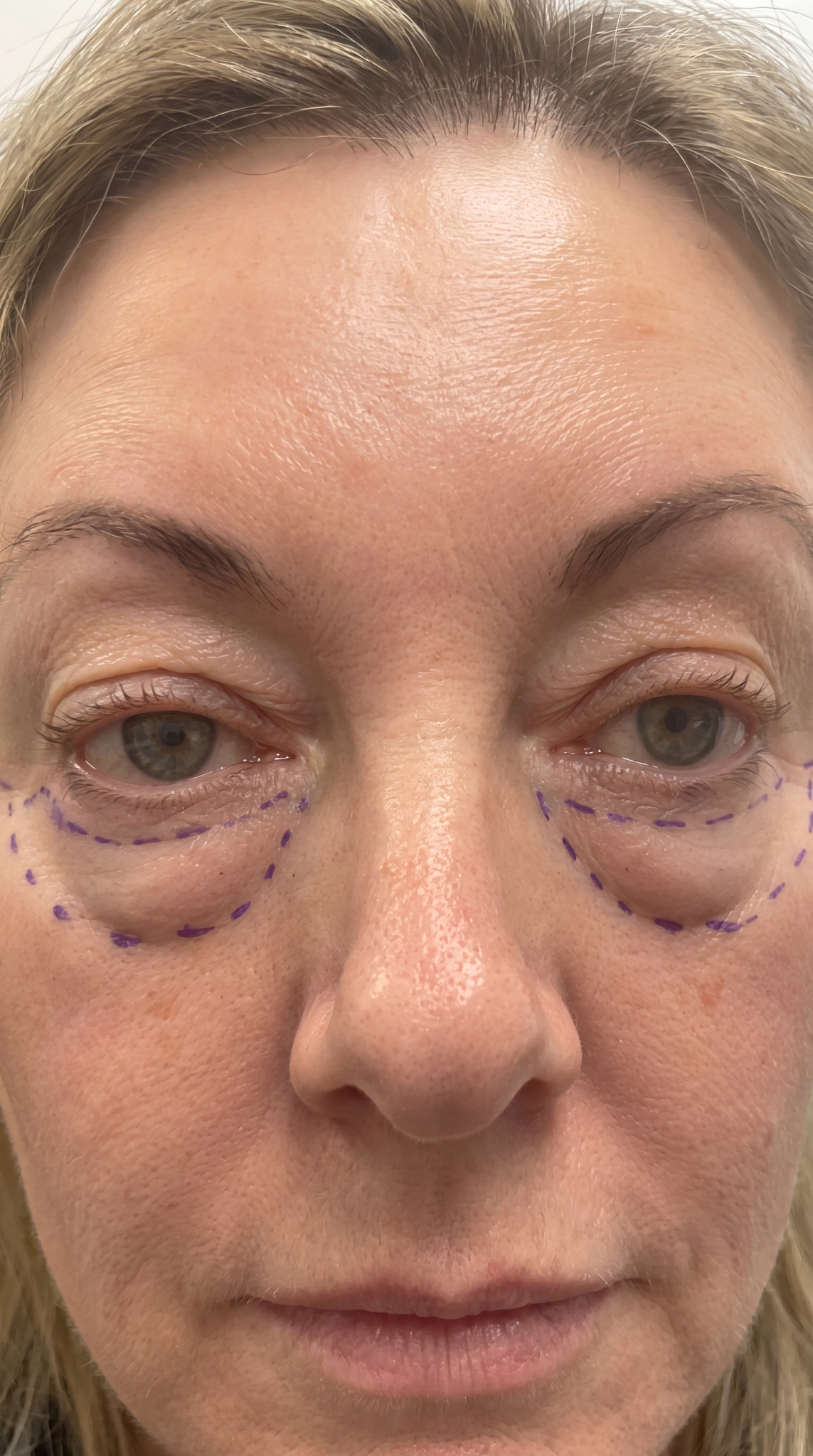
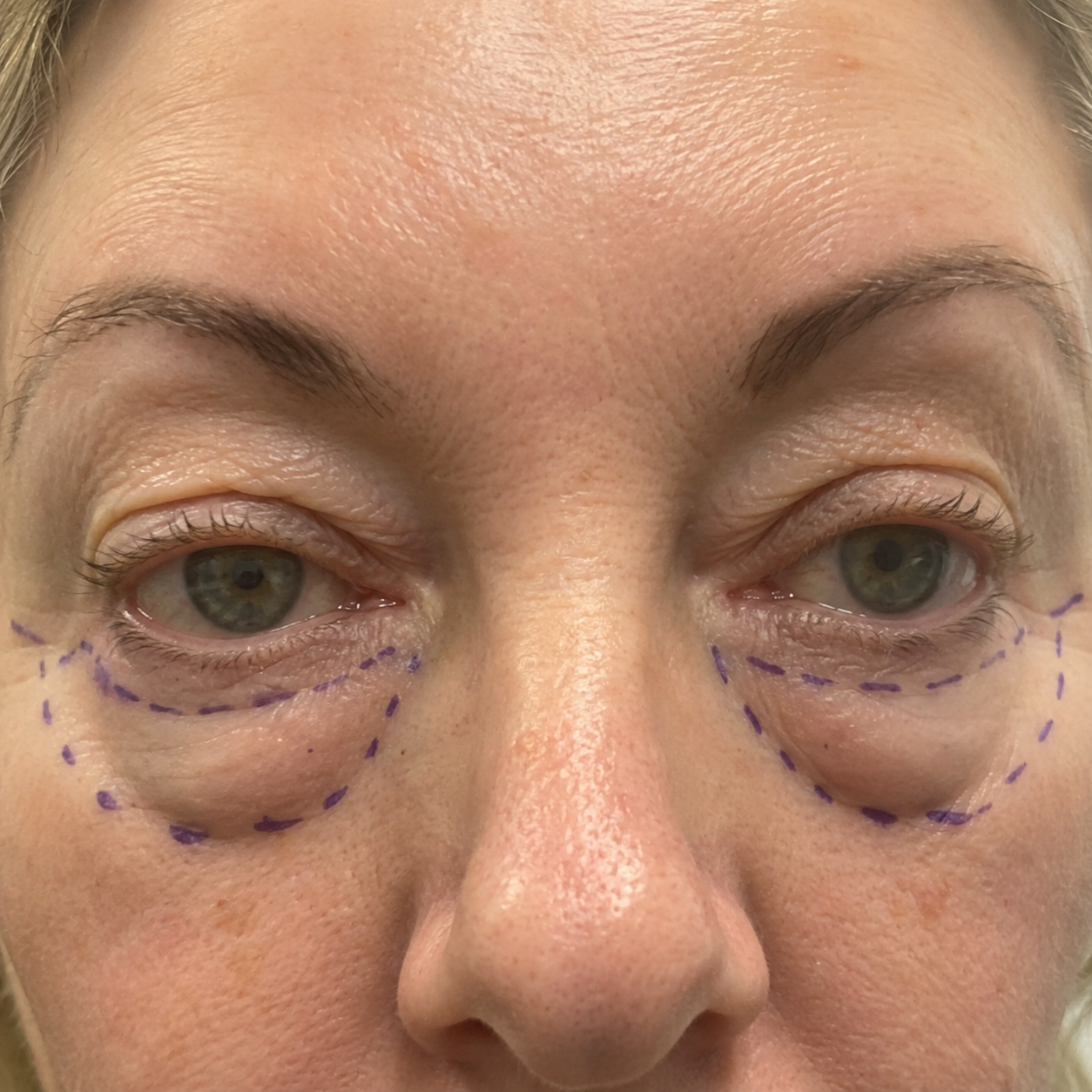
I spent 31 years as an eye surgeon. I removed under-eye "bags" from more than 3,000 faces with my own two hands. And I'm about to tell you something I should have said 20 years ago. My family told me to let it go. I'm retired now — no hospital, no board, no reputation left to protect, not mine, not the clinics', not the surgeons' who still send me Christmas cards. But I'm 66, and I sent too many women home believing we'd fixed something we never actually fixed. So here it is. When you operate under the eye, you don't just see it. You open it. You lift out what's underneath. And you learn very fast the difference between a body storing fat — and a body holding fluid. For years I called it all the same thing. "Fat pads." It's what we were taught. It's what fit on the consent form. It's what the woman across the desk had already been told by three other people, so it's what she expected to hear. But in face after face, what I lifted out wasn't fat. It was water. I found it in women who "ate clean their whole lives." In marathon runners. In churchgoers and grandmothers who'd never had a thing done. That puffy, shadowed, sunken look they hated — and underneath, not fat. Fluid that had pooled and had nowhere to go. I want to tell you about the first time I almost said something. And why I didn't. It was 1998. A woman named Margaret. 56. She'd saved two years for the surgery. Before we started she told me, almost embarrassed, "I just want to look rested again. There's no spark left in them." I did the operation. Clean, careful work. She came back a year later and sat in my office and asked me, quietly, why it had happened to her at all — why a healthy woman's eyes would change so fast. And I almost told her what I'd started to suspect. That it wasn't really fat. That I'd been cutting out fluid and leaving the reason it pooled there untouched. But I didn't have an explanation that fit on a form, and it wasn't my place to offer one. I was 41. I had a mortgage and a practice in a town where the clinics fed me my referrals. It was understood — never in writing, just understood — that a surgeon's job is to operate, not to question what the field already agreed on. So I told Margaret I was glad she was happy, and I moved on to my next case with a question I couldn't shake. I went home that night and started a log. Not for anyone. Not for a journal. Just for me, because I couldn't carry it in my head anymore. Every operation. The age. And every single time what I removed was fluid instead of fat. By the time I retired, that log had more than 2,000 entries. Two thousand women who thanked me for my care and never once heard what I was really thinking. Now — you've probably already been down this road yourself. The creams that worked in your forties and then just… stopped. The rollers. The cold spoons. Maybe you've seen those little red-light eye devices online and wondered if they're the real thing or just another gadget. I understand the skepticism completely. I had more of it than you do. Here's where it stopped being something I carried and became something I couldn't live with. My wife. Joan. Sharpest, steadiest woman I've ever known. Then, about two years ago, almost overnight, her eyes changed. Puffy and darker than ever. That half-moon shadow. She stood at the mirror one morning and said, "I hardly recognize myself." A week later a neighbor asked her if she was feeling alright, if she'd been sleeping. It stung her more than she let on. She went to her dermatologist. He told her it was "just a little water retention, part of getting older," and sent her home with a cream. Of course he did. I'd operated on hundreds of women told exactly that. Here's what no one explains: a cream sits on the surface. It never reaches water trapped beneath the muscle. And the surgery they'll eventually offer her? It cuts out the puddle and leaves the broken drain — which is why, a year or two later, the bags come back. I'd watched it come back my whole career and called it "recurrence," as if it were her fault. Joan tried the creams anyway. The rollers. Three weeks. Nothing. Then I called the one man who'd understand. A dermatologist I'd known for twenty years — the only one who'd ever talk honestly about what the two of us actually saw. I told him about Joan. Told him what she'd tried. He was quiet a moment. Then he said, "You've been thinking about this wrong your whole career." "What do you mean?" "You kept cutting the fluid out. You never once restarted the thing that's supposed to move it." "What thing?" "There's a tiny muscle under the eye that pumps fluid away every time you blink. After menopause, when estrogen drops, that pump goes slack. The drains slow down. The fluid has nowhere to go, so it pools and darkens. You can't cut your way out of that. You have to wake the pump back up." "So how do you wake it up?" "A gentle microcurrent — it re-tones the muscle and restarts the pump. And red light to clear the shadows the pooling leaves behind and rebuild the thinned collagen. Ten minutes a day, at home. No scalpel. No recovery." "How long have you been telling patients this?" "Years. Quietly. You'd have looked at me like I was mad — a surgeon, being told to put down the knife and hand a woman a light." He was right. Five years ago I'd have laughed him off the phone. I wasn't laughing. My wife was at the mirror every morning with the first line of every chart I'd ever written. So I did the thing I'd have mocked. I bought Joan a cheap under-eye gadget online first — one of the twenty-dollar ones. It didn't fit her face, the light was weak, and after two weeks it did nothing. Classic. I called him back annoyed and he laughed before I finished. "Everyone buys the toy first. There's a company that makes a proper one — the microcurrent is actually strong enough, the fit stays put, the red light's the right wavelength. My patients use theirs for months." He told me the name. ReLumen. I ordered it that day. When it came I understood why the cheap one failed — this was a real device, not a novelty. Joan put it on for ten minutes before bed. Week one: the morning puffiness was down before her coffee. Week two: the bags were visibly going down, day by day. She stood at the mirror and said, "My eyes are open again." Week three: the dark half-moons started lifting — the shadow that no concealer had ever covered. Week four: her sister came by, stopped in the doorway, and said, "What on earth have you done? You look ten years younger." Joan just smiled at me. The spark she'd said was gone — it was back. I wear one now too. The tired, heavy look I'd blamed on 31 years of long surgical days — better than it's been in a decade. I'm 66 and my eyes look rested for the first time since I can remember. So if your eyes changed almost overnight after menopause. If they're puffy and darker than ever. If the creams just stopped working. If someone's caught you off guard — "you look tired," or worse — and it landed harder than you let on. If you've been quietly told surgery is your only option… It isn't. And it was very likely never fat to begin with. Your dermatologist will say age, hormones, water retention, try a cream. I spent three decades around women handed exactly that. A cream can't reach it. A scalpel removes the fluid and leaves the drain. That's why every fix you've tried worked for a while, or not at all, and never held. The one thing that actually reaches it is restarting the pump — microcurrent to wake the muscle, red light to clear the shadow. Ten minutes a day. That's what ReLumen is built to do. One device. Reusable for months. No needles, no surgeon, no subscription, no endless tubes of cream that never worked anyway. There's a 90-day money-back guarantee. If your eyes don't visibly change, you send it back and pay nothing. That's more than I could ever offer a woman across my desk. They're a small company and they sell out constantly. If they're out when you click, get on the restock list. It's worth the wait. Every morning you wake to those eyes is another morning the fluid had nowhere to go. Another morning treating the water and ignoring the drain. I spent 31 years cutting out the symptom and never once fixing the cause. I wrote 2,000 of them down in a log nobody was ever meant to read. I'm not keeping it to myself anymore. The bags won't go on their own. The shadows won't lift. Not until you wake the pump back up. You were never trying to look 25. You just want to look like you again. Almost forgot. My colleague laid out the whole thing — the science, and the proof it works — far better than I can. Here it is: https://radiellelabs.com/pages/menpause
Where the ad sends people
radiellelabs.com
A Retired Eye Surgeon Finally Speaks Up
ReLumen
Learn more: radiellelabs.com(opens in a new tab)