
Inactive· since May 15, 2026
- 80
- days it ran
- 0
- relaunches
Ad copy
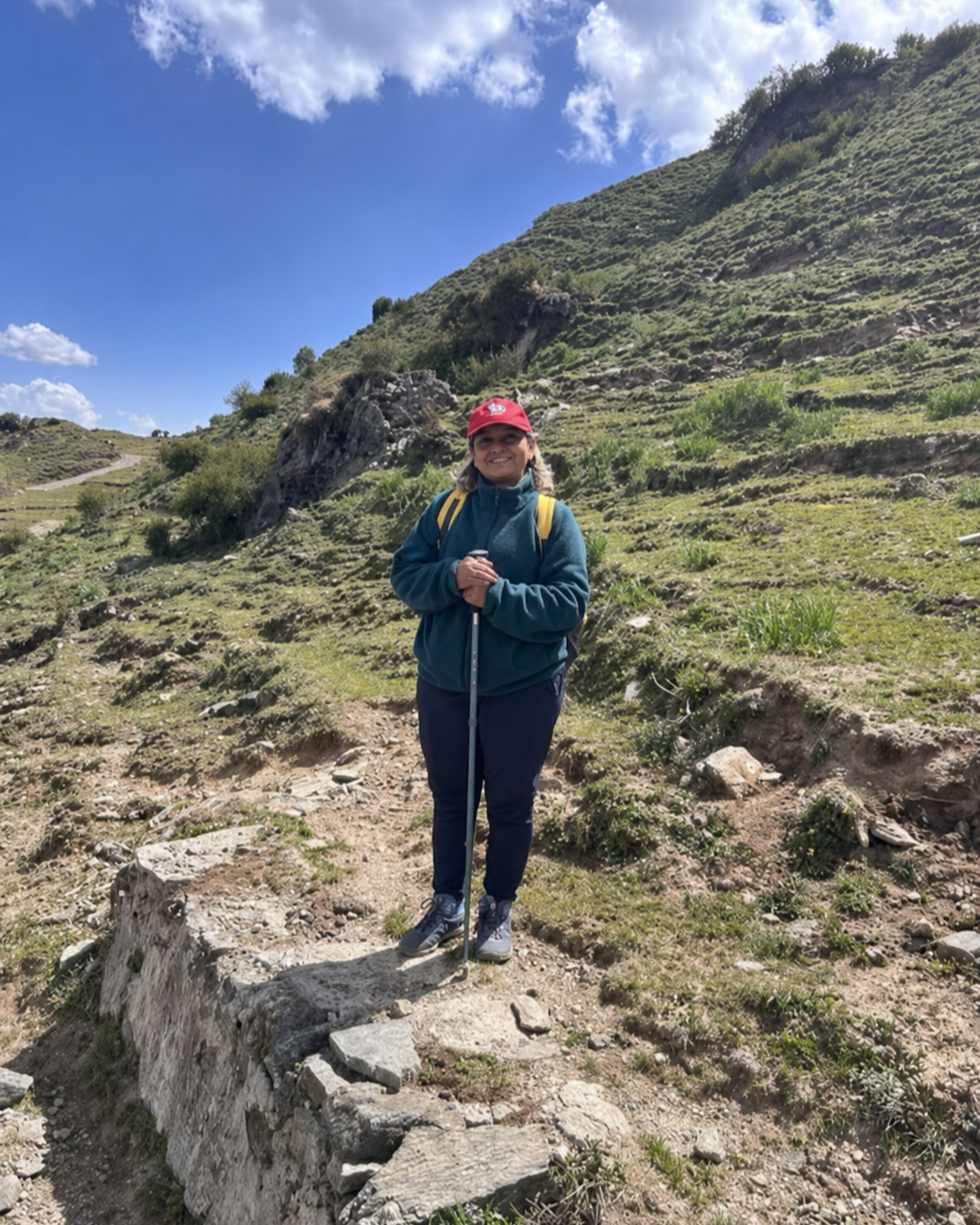
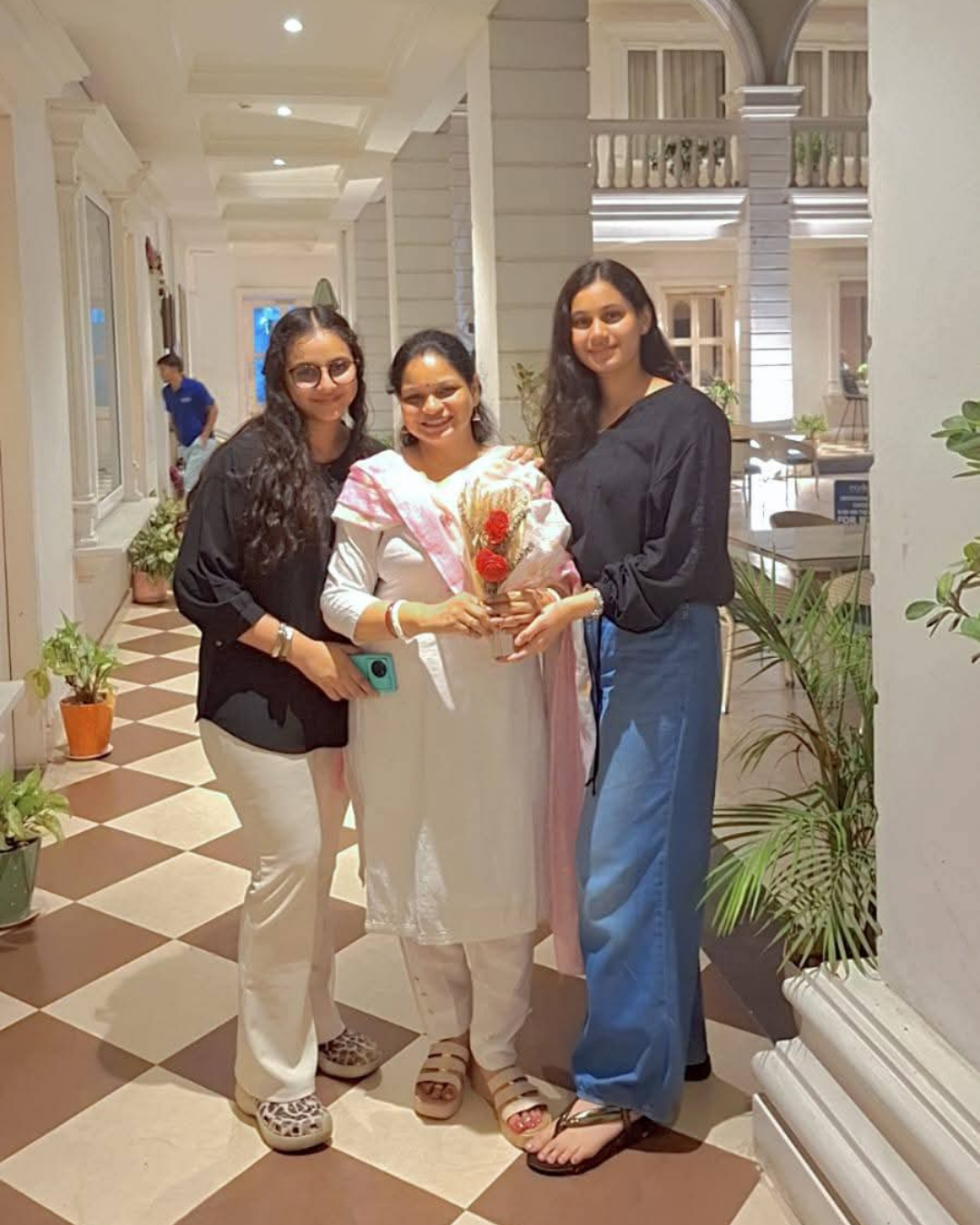
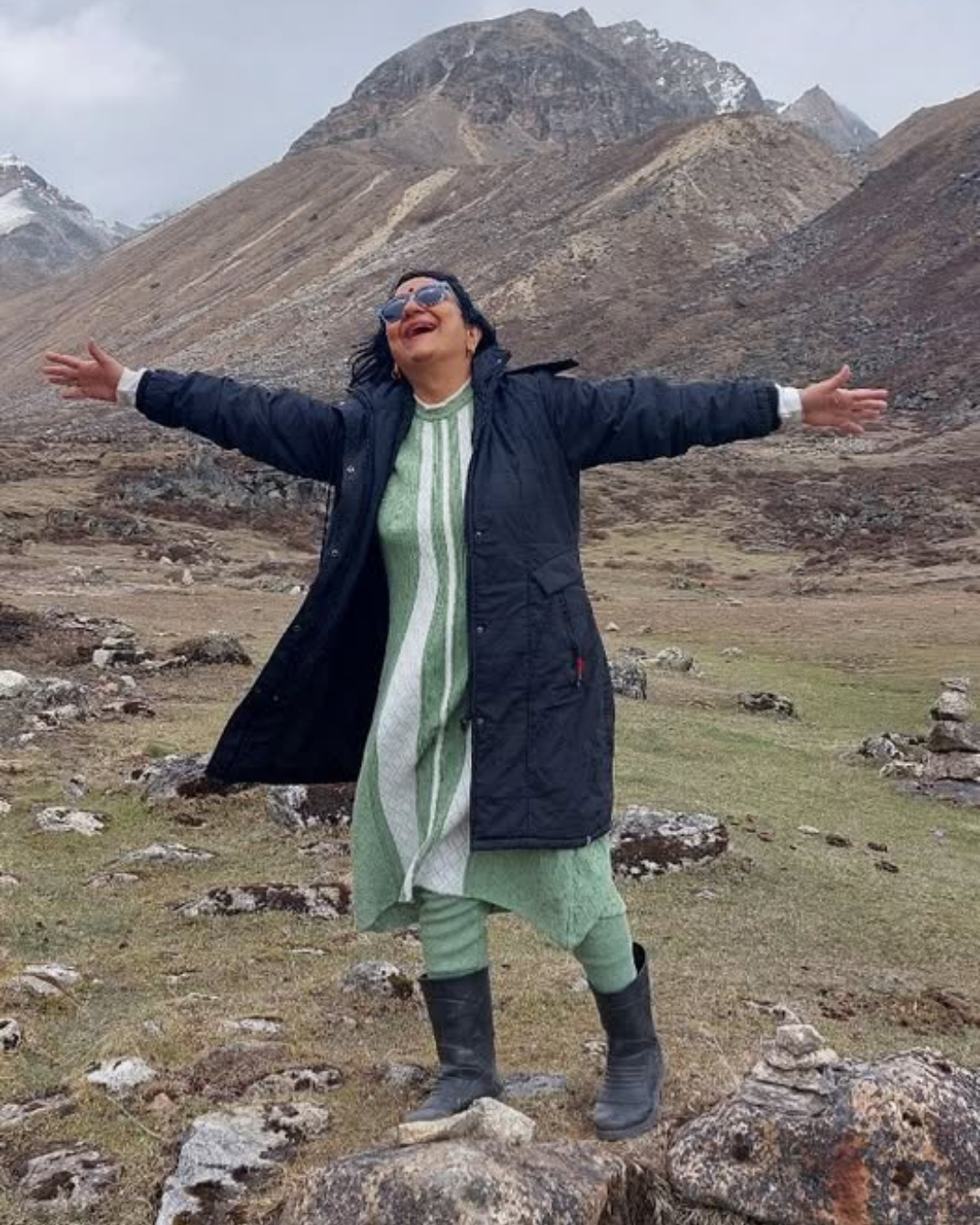
My mother was supposed to be in a hospital bed last Sunday. Instead, she stood at 12,200 feet in Lachen, North Sikkim — arms wide, wearing my gumboots because hers were too tight. She is 62. Three Indian bone doctors had told her the same thing: "Your cartilage is gone. Surgery is your only option." The last one wrote the date on his slip. "By December." We did not go to the hospital. AIIMS just proved them all wrong. This is the story they buried. If you knew what AIIMS doctors tested last year — and what Charaka wrote 3,000 years ago — you would never let your bone doctor cut open your knee. You would ask the only question that matters: "Why are my knees hurting so much?" The answer has nothing to do with age or wear and tear. It has everything to do with what menopause did to the collagen in your body. Inside your knee is a soft, smooth pad. Doctors call it cartilage. You can call it your knee cushion. It is the thing that keeps your bones from grinding on each other every time you walk, sit, or climb a step. That cushion is built from one thing. Collagen. Collagen is the glue. The building material. The fibre your body uses to make skin, hair, nails — and your knee cushion. When you were 30, your body made collagen every day. Without thinking. Without effort. Then something quiet happened. As you grew older, your body's estrogen production began to drop. And estrogen was the signal that told your body to keep making collagen. When the signal went quiet, the factory closed. Your body did not stop using collagen. It just stopped making fresh collagen. So every day, your knee cushion gets a little thinner. A little drier. A little weaker. For 10 years you do not feel it. Then one morning you wake up and the stairs hurt. That is when your bone doctor says, "It is just age." It is not age. It is empty. He was not some village baba selling 3000-year-old oils. The lead doctor in the study works at AIIMS Jodhpur. The same AIIMS your daughter prayed to get into. The same AIIMS that ranks #1 in all of India. The same AIIMS the rest of the world rates among the top 115 hospitals on Earth. 18 of these top Indian hospitals ran the study together. 291 Indian women. Knee pain. Just like yours. For 90 days, they gave each woman one 40mg capsule of the exact collagen your knee cushion is built from. Type 2 collagen. The same fibre your body stopped making the day estrogen dropped. But — and this is the part the supplement shops do not want you to know — not any type 2 collagen. The intact kind. The whole molecule. The exact shape your knee cushion is built from. Not the cheap powder you find on Amazon. Not the smashed kind your body just digests like food and uses for hair or nails. The intact kind. The kind your knee cushion can actually use to rebuild. When this real form reaches your gut, it gets carried to your knees. It fills in the gap your body stopped filling 10, 15, 20 years ago. Slowly, the cushion thickens. The grinding eases. The stairs stop hurting. The Timeline Of What Was Hidden From You Every date below is real. Every fact is easy to check. 1000 BCE. The Charaka Samhita — the founding book of Ayurveda — writes about knee pain in older women. Charaka does not call it "wear and tear." He calls it an imbalance. A body that has lost the ability to keep itself together. This is not village wisdom. This is the first textbook of Indian medicine. And it names the real problem 3,000 years before any modern hospital catches up. This page has been removed from every MBBS book in India. Your bone doctor swore an oath to Hippocrates. He never read Charaka. Then he writes you a Combiflam or Ibuprofen slip. Let that sit for a moment. 1851. The British East India Company brings Western medicine to India. They teach Indian doctors that knee pain is just "old joint disease." Wear. Tear. Age. Done. The new name is wrong. But it is profitable. Painkillers can be sold. Surgeries can be booked. A healed knee earns no one. Indian doctors trained in this system go on to train every Indian doctor after them. The lie grows for 170 years. 2022. AIIMS Jodhpur joins 17 more Indian hospitals. Together they test 40mg of the real form on 291 Indian women with knee pain. The result is so clean it is almost rude. 81.6% pain drop in the real group. 19.2% in the placebo group. Side effects: a small upset stomach in 4 out of 100 women. No serious harm. No one had to stop. The study is published in a real medical journal. Doctors in the West read it. Doctors in Japan read it. Your bone doctor in Mumbai or Bangalore? Probably not. Because in India, the people who pay for ortho training programs are the same people who sell the painkillers, the cement, the knee plates, the surgery tools. The capsule has no salesman in a tie. So no one walks into your bone doctor's clinic and trains him to talk about it. 2025. A 21-year study of 1,470 women finishes. The longest of its kind. It proves once and for all that menopause drives a slow, steady breakdown of collagen across the body. Not just your knees. Your back. Your shoulders. Your heels in the morning. Your fingers when you grip a steel glass. All of it. The same problem. The collagen factory has been closed for years. The grinding ache you have been told is "age"? It is 10, 15, 20 years of an empty collagen factory. Ever since estrogen dropped. Your bone doctor does not know this. Or he knows. And does not say. Because what he is trained to do — what every bone doctor in India is trained to do — is wait. Wait till the cushion is gone. Then cut the knee open and put metal inside. So Now You Know. But Here Is The Catch. Knowing is not enough. Every Indian woman who reads this far thinks the same thing. "OK. Type 2 collagen. 40mg. Once a day. I will go and find it." Then she does what every woman before her has done. She opens Amazon India. She types "collagen for knee pain." She sees 2,000 brands. ₹400 to ₹4,000. Labels in big English words. Pictures of knees with arrows. She picks one. Takes it for a month. Nothing happens. She tells her sister: "Collagen does not work. Just like the turmeric. Just like the glucosamine. Just like every other waste of money." But here is what really happened. She bought the wrong form. Almost every "collagen" sold in India is hydrolyzed. That is a fancy word for "smashed into tiny pieces." Pieces so small your gut treats them like food. They get used to make hair and nails. They never reach your knee cushion in the right shape to rebuild it. The AIIMS study did not use smashed collagen. They used intact collagen. The whole molecule. The exact shape your knee cushion is built from. Smashed collagen is cheap to make. The intact kind needs careful processing. So the supplement industry sells you the cheap one. When it does not work, you blame collagen. Not them. Same game your bone doctor plays. Different setting. Same trick. Manage the pain. Schedule the surgery. Margin over result. And the dose matters too. The AIIMS doctors used 40mg. Not 1,000mg. Not 10,000mg. Forty. Why so small? Because the body only needs a small daily dose of the right shape to start rebuilding. Too much and the body wastes it. Too little and the message never lands. 40mg. The intact kind. Once a day. Empty stomach. That is what AIIMS tested. So Here Is What Finally Happened. 18 months ago, my mother could not stand at the kitchen counter for 10 minutes without sitting down. Sitting cross-legged at pooja — gone. The stairs to her own bedroom — she had to stop twice. She had tried everything. Volini and Move oil every night. Combiflam every morning with chai. Two years of glucosamine tablets. One ₹18,000 knee injection that helped for six weeks. Physio three times a week. Even turmeric milk before bed — my chachi swore by it. Nothing worked. Because nothing put the missing collagen back. My sister is a GP in Bangalore. She found the AIIMS study while reading for her exam credits. She read it. Then she read the 2025 menopause study. Then the Spanish study from 2014. She called me at 11pm. "I think Mum does not need surgery. I think she has been told the wrong story for 30 years." She found a brand made in India that uses the intact form. 40mg. The same dose AIIMS tested. Lab-tested. Real molecule. Right dose. Right shape. I will not name it here. Facebook and Instagram hide health posts and this one is going to get flagged fast enough. My sister wrote a long article about everything she learned. The science. The form. The dose. The brand she chose for our mother. The link is at the bottom. But I want to be honest with you. This is not instant. Your knee cushion did not get thin in a day. The collagen did not run out in a week. The factory did not close in a month. It has been slowly emptying for 10 to 20 years. Filling it back up also takes time. Here is what AIIMS and thousands of Indian women report: Weeks 1 to 2. The first intact collagen reaches your gut. Nothing visible yet. But the rebuild has started. Weeks 3 to 4. The morning lock-up softens. 5 minutes instead of 25. Weeks 5 to 8. Others notice first. Your husband says you stopped wincing on the stairs. Your daughter sees you walked to the temple instead of taking the auto. Weeks 8 to 12. Real change. You sit cross-legged at pooja again. You stand at the kitchen counter for one hour. You stop reaching for the Combiflam strip. Weeks 12 to 16. Full benefit. This is where the AIIMS study showed the biggest result. The cushion has rebuilt. The grinding is gone. 90 days minimum. That is what AIIMS proved. That is what the Spanish researchers also found. That is what the Indian women in the trial showed. If you have been told "it is just age"... If you have tried the Volini, the Move oil, the glucosamine — and still wake up stiff... If you are 5, 10, 15 years past menopause, or even peri-menopause and no one ever told you that your knee cushion is empty because your body stopped making collagen... This is different. Not because it is new. Because Charaka wrote about it 3,000 years ago. AIIMS doctors proved it last year. And your bone doctor still has not been told. Before you book that surgery — please read what my sister wrote: 👉 jointura.in/pages/advertorial-v5-1 P.S. — I want to be honest. This article will probably be flagged. Health posts that say "you do not need surgery" get hidden by Meta. Sometimes within days. If you are reading this now, it is still up. If you send the link to a friend next week and it does not open, you will know why. Screenshot it. Save it. Share it while you can. AIIMS proved this. It should not stay buried just because it cannot make a hospital chain ₹4 lakh. P.P.S. — I almost did not put the link. The moment you add a link, the article stops being news and starts looking like an ad. But then I realised — if I tell you about the AIIMS study and do not tell you where my sister got the right brand, I am doing the same thing your bone doctor did. Name the problem. Hide the answer. So yes. There is a link. My sister wrote up everything. The form, the dose, the brand she gave our mother. She is a GP. She would not put her name on something she was not sure of. If you find another brand in India that uses the intact form at 40mg with real lab testing — take that one. I do not care which brand you pick. I care that you start before another year of your knee cushion runs empty. But if you want the simplest path — the one my sister gave our mother — they give you 30 days to try it. Full refund if you feel nothing. That is the only reason we tried. Read what she wrote first: 👉 jointura.in/pages/advertorial-v5-1
My mom was days from knee surgery. AIIMS Jodhpur saved her. READ THIS 👆
Before you book that surgery.
LEARN MORELike this ad? Make it yours.
Crush rebuilds this exact creative around your product — your brand, your colors, your offer — in about a minute.