Dr. Blane Schilling, MD
Dr. Blane Schilling, MD Facebook ad: “Why your shoulder pain keeps coming back after the pills…”

Ran for 8 days, from February 26 to March 6, 2026, the last day Crush saw it.
Run by Dr. Blane Schilling, MD on Facebook. Crush is not the advertiser and does not verify its claims. See this ad in Meta's Ad Library(opens in a new tab)
Want an ad like this for your product?
Crush makes new ad images for your product from this ad: your logo, your product photo, your offer.
Trials from $19.95 USD, then $79.95 USD a month. Cancel anytime.
About this ad
- Meta Ad Library ID
- 4174041946181809
- Platforms
- Facebook, Instagram and Threads
- Relaunches
- 6
Ad text
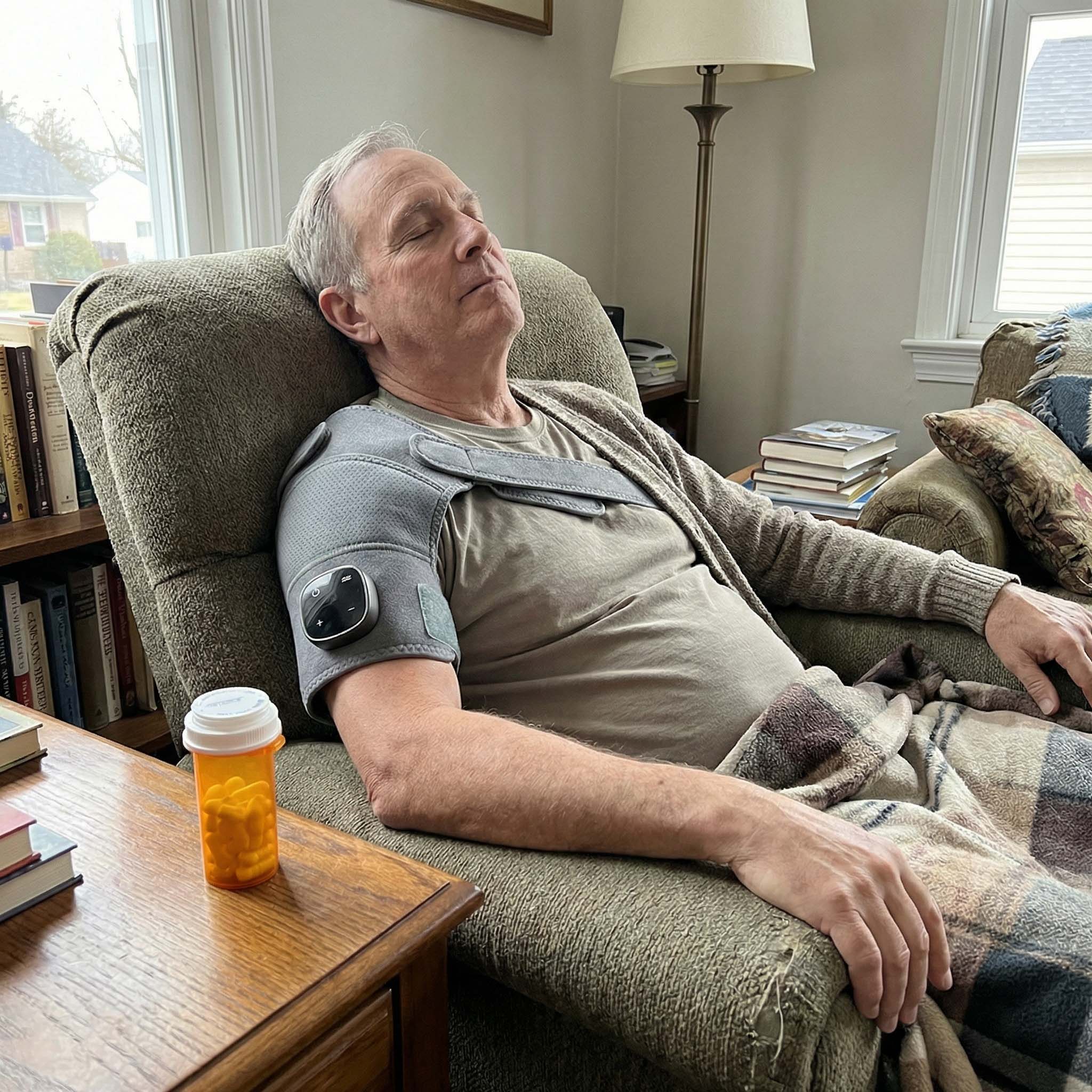
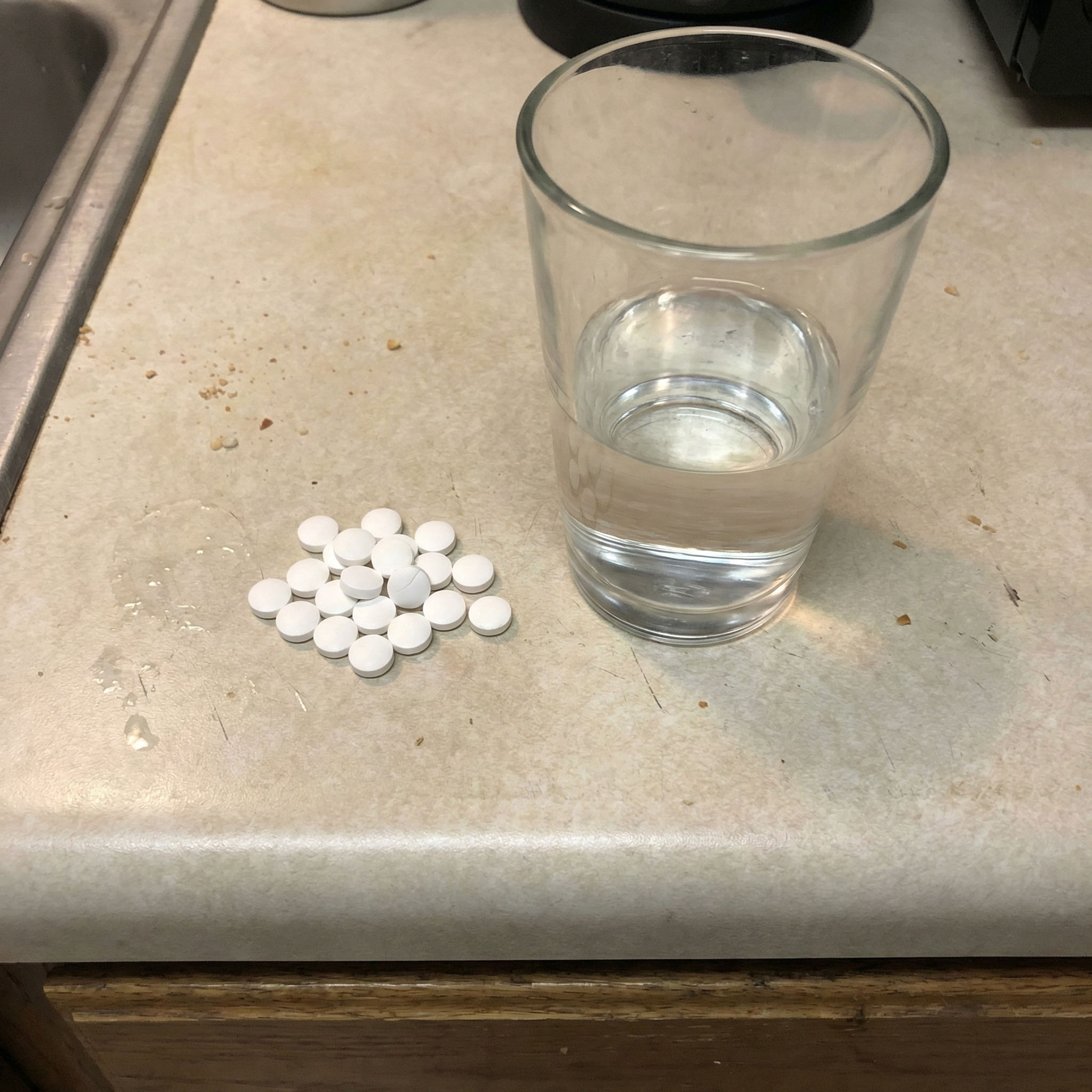
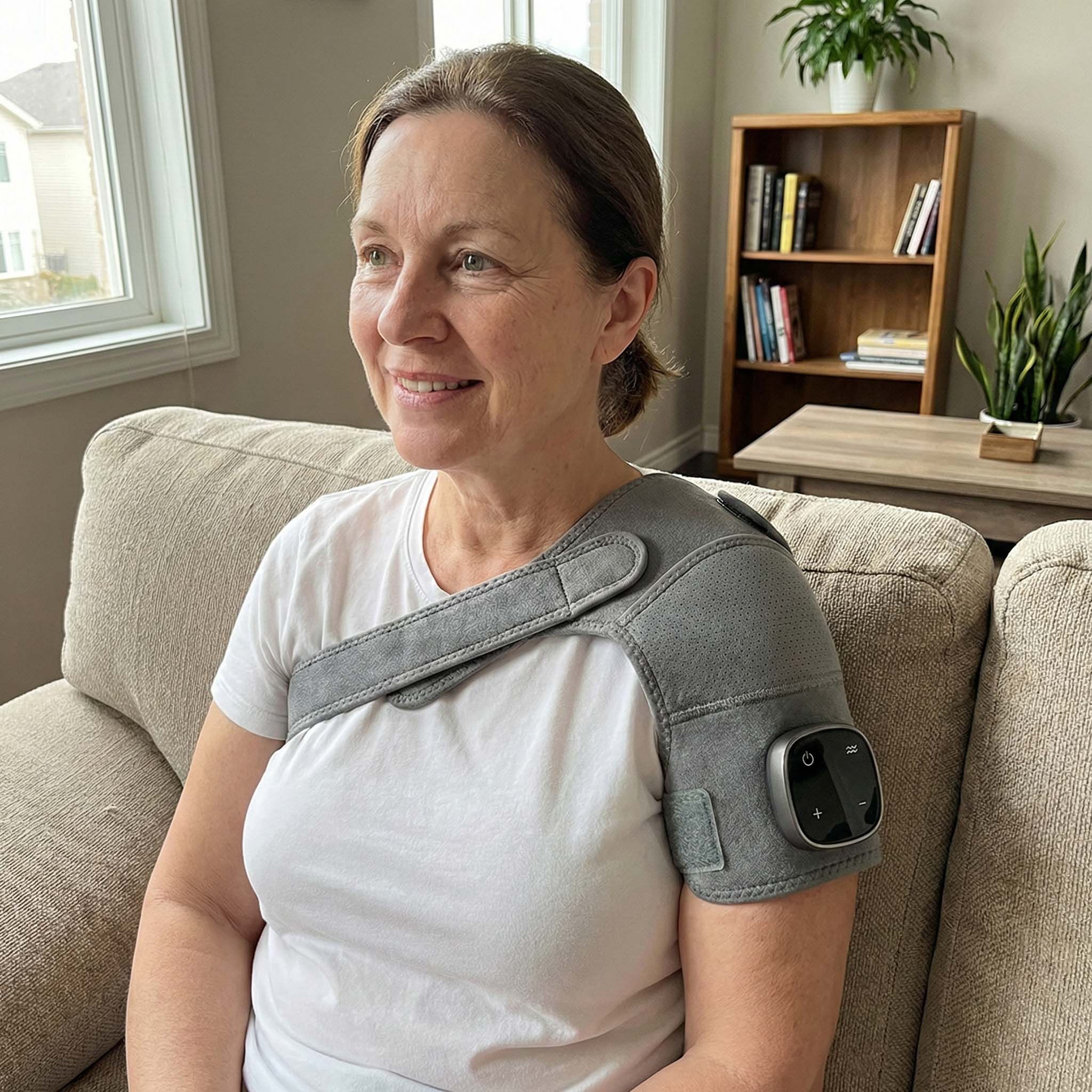
I've prescribed painkillers for shoulder pain for over 15 years. Thousands of prescriptions… Thousands of patients. And for years, I believed I was helping people manage their pain until they could get surgery. That's what pain management is, right? You manage the pain. But after enough years in practice, something started to bother me. Patients would come back month after month for refills. Same pain. Same dose. Sometimes higher doses. And they'd say things like: "The pills help, but the pain never really goes away." "I hate taking these, but I can't get through the day without them." "Am I going to be on these for the rest of my life?" And I didn't have a good answer for them. Because the truth is, painkillers don't fix anything. They just cover up the problem while it gets worse underneath. I remember one patient clearly. A 59-year-old woman named Janet. She worked as a school secretary. Typed all day, carried boxes of supplies, reached overhead to stock shelves in the copy room. She came to me with chronic shoulder pain. Her orthopedic surgeon told her she had rotator cuff degeneration and that she'd probably need surgery eventually. But she wasn't ready for that. So he sent her to me for pain management. I started her on a low-dose anti-inflammatory. Just enough to take the edge off so she could keep working. She came back every month for two years. At first, the pills worked. She could get through the day without wincing... She could reach overhead again... She told me she felt almost normal… But slowly, things started creeping up. The anti-inflammatory wasn't enough anymore. So we added a muscle relaxer for the stiffness. Then the muscle relaxer wasn't enough… So I increased the anti-inflammatory dose. Then her stomach started bothering her from all the medication. So we added something for that. By the end of year two, she was on three medications. And she looked exhausted. She sat in my office and said, "Doctor, I feel foggy all the time. My stomach hurts. I'm tired by noon. But if I stop taking the pills, the pain is so bad I can't even get dressed in the morning." I looked at her chart. Two years… Three medications… Monthly refills. And her shoulder was worse now than when she first walked into my office. I wasn't helping her. I was just making the ride down more comfortable. That's the day I started questioning everything I was doing. Because here's what nobody tells you about painkillers and shoulder pain. Pain is a signal. It's your body telling you something is wrong. And what's wrong is that the tissue around your rotator cuff is starving for blood. The blood vessels in that area shrink as you age. Less oxygen gets through. Less nutrients reach the tissue. And the tissue breaks down. Painkillers silence that signal. But they don't fix what's causing it. Think of it this way. Your car's check engine light comes on. You have two choices. You can pop the hood and figure out what's wrong. Or you can put a piece of tape over the light so you don't have to look at it anymore. The light stops blinking. But the engine is still broken. And every mile you drive, it's getting worse. That's what painkillers do to your shoulder. They cover the light. But the tissue is still starving. The blood flow is still dropping. The degeneration is still progressing. And by the time you finally stop taking the pills, the shoulder is worse than it was when you started. Then your doctor tells you surgery is the only option left. And here's the part that really made me rethink everything. There's a 5-year clinical study that tracked patients with full-thickness rotator cuff tears. Half of them got the surgery. Half didn't. Researchers measured pain, function, and patient satisfaction over five years. The results were nearly identical. The people who went through a $35,000 surgery, with all the risks and the recovery and the time off their feet, ended up in the same place as the people who didn't get the surgery at all. So the painkillers don't fix you. The cortisone wears off after a few weeks and you can only get two or three shots in your lifetime. And the surgery that they're funneling you toward doesn't outperform doing nothing. That's the pipeline. Pills to shots to surgery. And none of them address the actual cause. Once I understood that, I started asking a different question. If the real problem is blood flow, how do we fix that without drugs and without cutting someone open? The clinical research pointed to three specific therapies working together. Heat at a precise temperature to open blood vessels and increase circulation. Compression to pump fresh, oxygenated blood into the starved tissue. And vibration to trigger cellular repair and release the deep muscle tension that locks up around a damaged shoulder. The key is that all three have to work together. Heat alone opens the vessels but doesn't push the blood through. Compression alone pushes blood but the vessels are still constricted. You need the combination. The clinical data backed it up. Better oxygenation... Faster tissue recovery... Real pain relief, not masking. Actual healing. But the clinical machines that deliver all three cost thousands of dollars and only work in a medical setting. My patients couldn't afford that. And they couldn't come to a clinic every day. So I did something about it. I partnered with a team of biomedical engineers and we built a device that combines heat therapy, compression, and vibration to boost blood and nutrient flow directly to the shoulder... At home… For a fraction of the cost. We called it the RejuvaCare Triple Method Shoulder Massager. I tried it on my own shoulders first. Twenty-three years of bending over operating tables had given me my own problems. The heat went deep into the joint. Nothing like a heating pad. Then the compression started, this rhythmic pumping that I could feel moving blood through the area. Then the vibration worked through tension I didn't even know I was carrying. Twelve minutes later, I moved my arm and felt the difference right away. I used it every night for two weeks. The stiffness I'd been waking up with went away. My range of motion came back. The low-grade ache I'd been living with just faded. So I started recommending it to my pain management patients. The ones who were stuck in the prescription cycle. The ones who hated being on pills but didn't see another option. A 61-year-old postal worker came back after four weeks and told me he'd stopped taking his medication entirely. He said he hadn't taken a pill in 12 days and his shoulder felt better than it had in years. A retired nurse told me she'd cut her medication in half within two weeks and was sleeping through the night for the first time since her pain started. A 58-year-old mechanic who had been on three different medications told me he didn't need any of them anymore. He said, "Doc, I feel like I got my brain back. The fog is gone." That's when it really sank in. Most of my patients didn't need pain management. They needed blood flow restoration. The pills were never going to fix them. The pills were keeping them comfortable while the real problem got worse. And I'd been writing those prescriptions for 15 years. I still prescribe medication when it's necessary. Short-term, for acute pain, there's a place for it. But for chronic shoulder pain in people over 50, I don't reach for the prescription pad first anymore. I reach for this. Because fixing the blood flow fixes the problem. And when you fix the problem, you don't need the pills. Here's the link if you want to learn more. [https://secure.rejuvacare.com/adv-rc-sm-ig-us-v6-geo?affId=F8380DA4](https://secure.rejuvacare.com/adv-rc-sm-ig-us-v6-geo?affId=F8380DA4) No pressure. Just information I wish every pain management patient had before they started taking pills. Sometimes the best pain relief doesn't come from a prescription bottle. Sometimes it comes from giving your shoulder the blood flow it's been missing.
Where the ad sends people
secure.rejuvacare.com
Why your shoulder pain keeps coming back after the pills wear off.
Learn more: secure.rejuvacare.com(opens in a new tab)