Dr. Daniel Miller
Dr. Daniel Miller Facebook ad: “Everyone with gout flare-ups needs to see this”
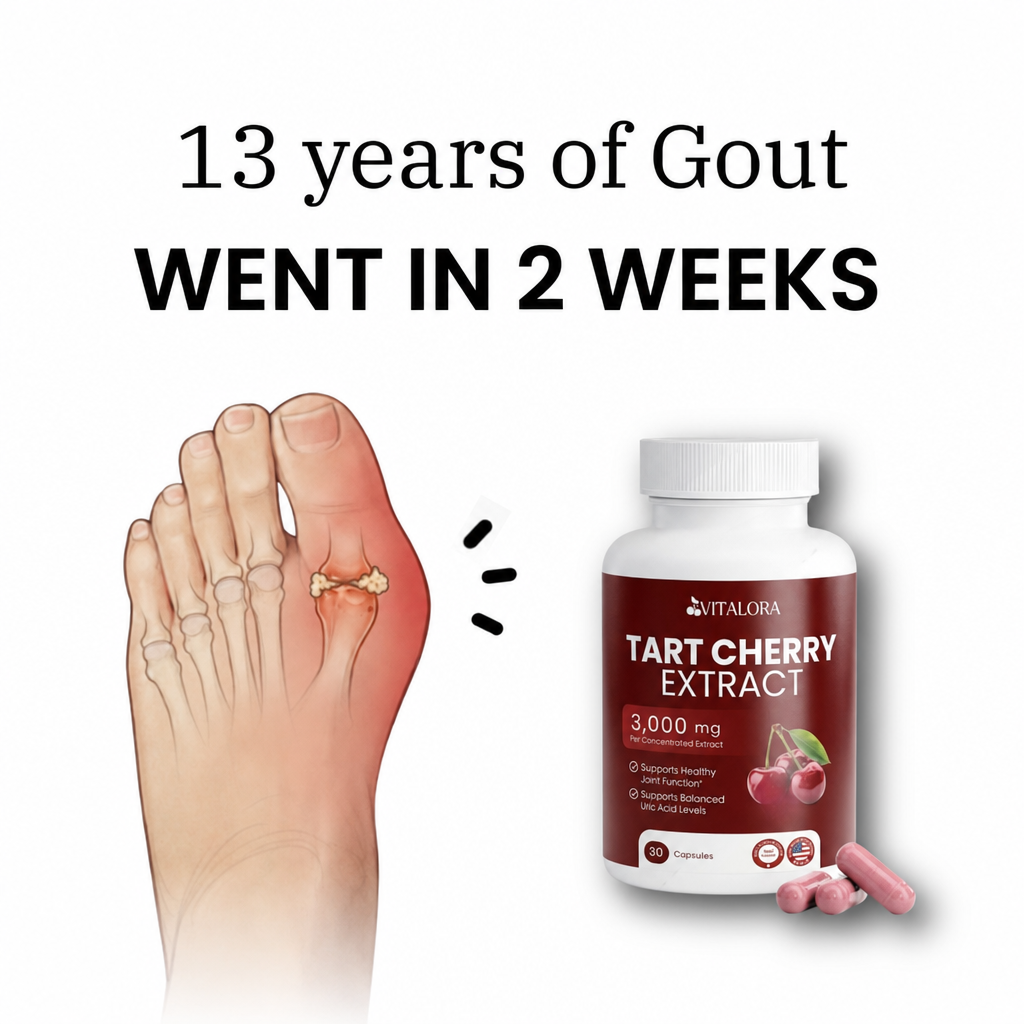
Ran for 54 days, from May 5 to June 27, 2026, the last day Crush saw it.
Run by Dr. Daniel Miller on Facebook. Crush is not the advertiser and does not verify its claims. See this ad in Meta's Ad Library(opens in a new tab)
Want an ad like this for your product?
Crush makes new ad images for your product from this ad: your logo, your product photo, your offer.
Trials from $19.95 USD, then $79.95 USD a month. Cancel anytime.
About this ad
- Meta Ad Library ID
- 4208713059381893
- Platforms
- Facebook, Instagram, Audience Network, Messenger and Threads
- Relaunches
- 1
Ad text
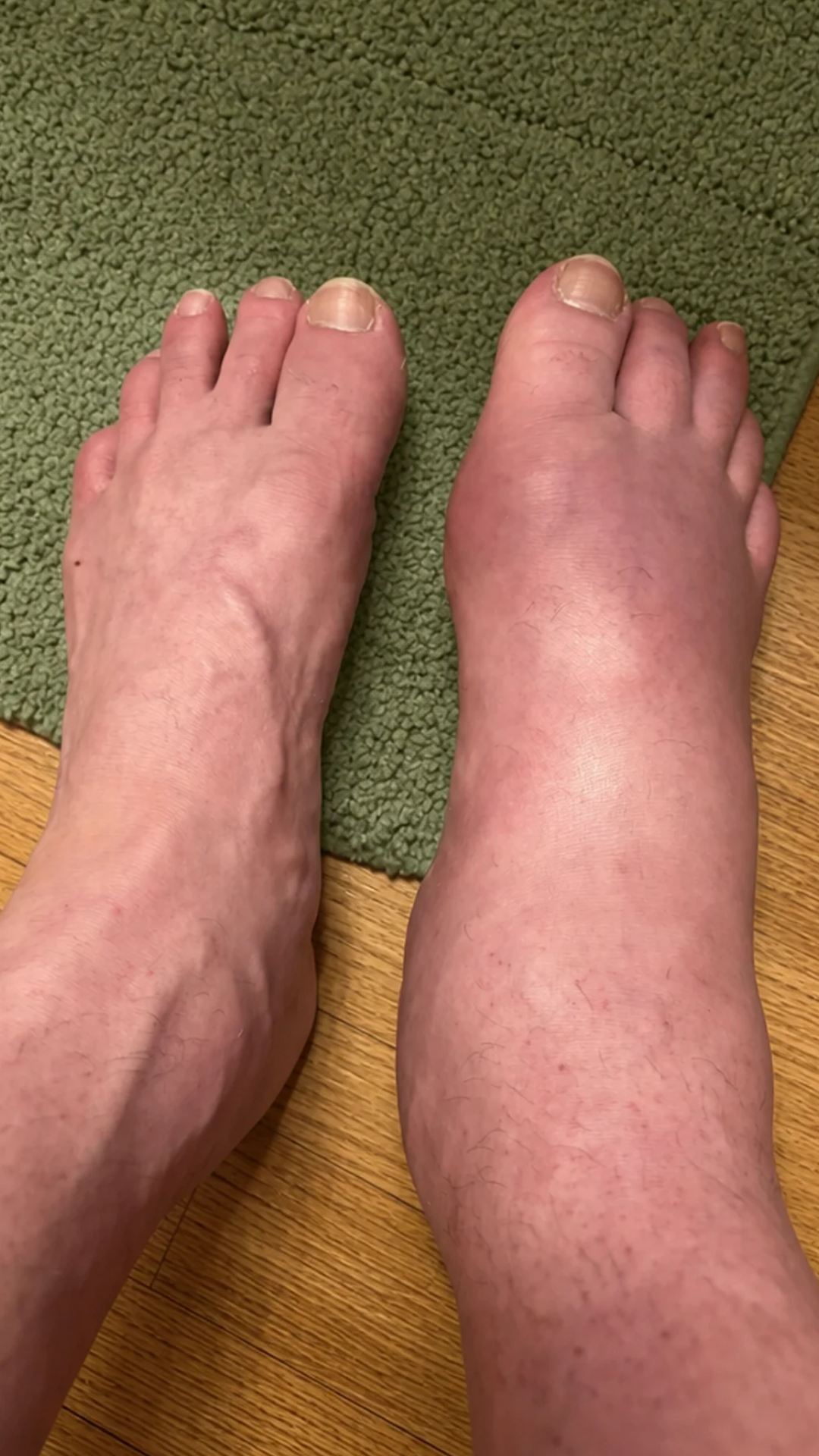
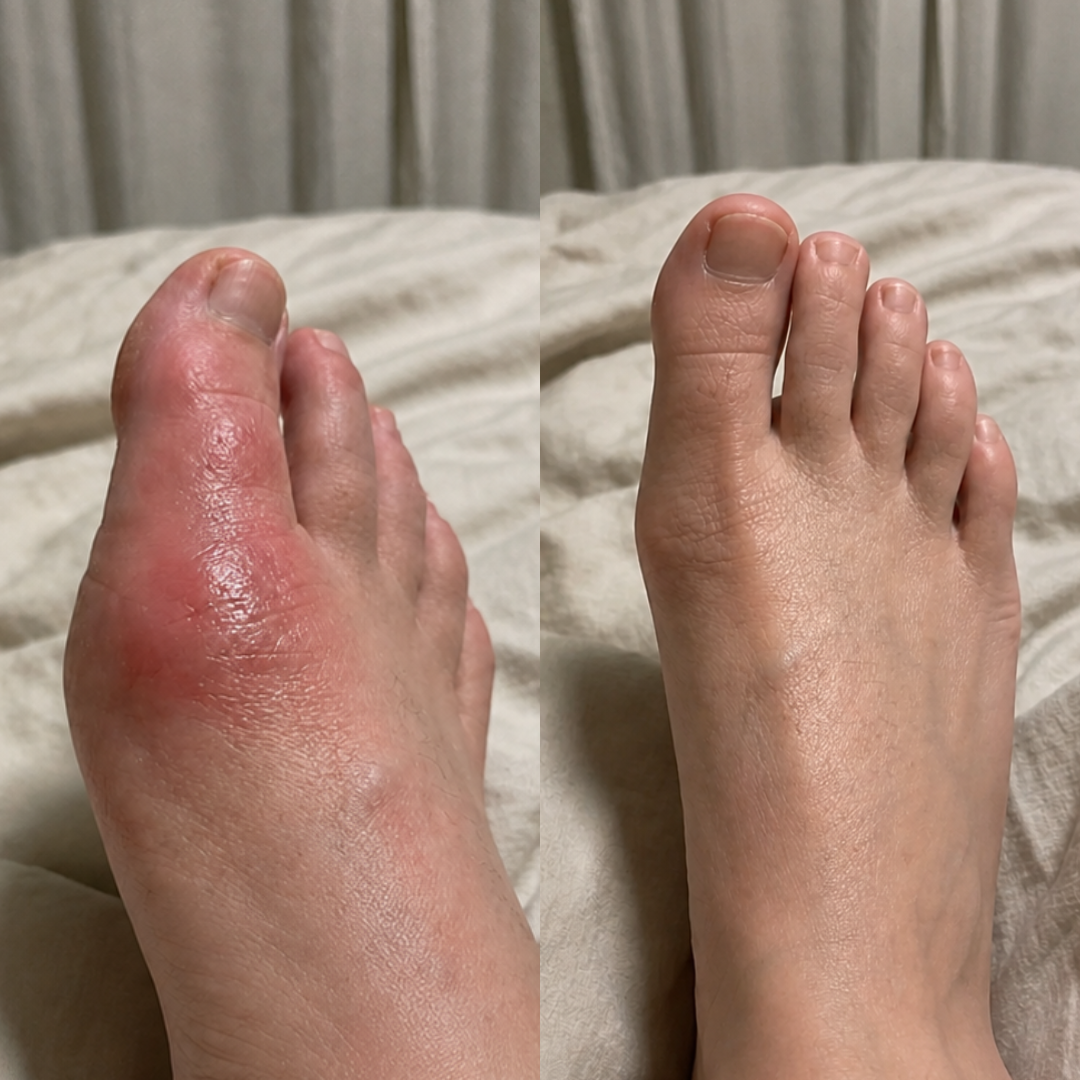
If you've cut out the beer, the shellfish, the red meat — and you're still waking up at 2 a.m. with your big toe on fire — there's a reason. And it's not your diet. Because what I'm about to tell you is going to make you furious. My name is Dr. Daniel Miller. I've been practicing internal medicine for 22 years. And I'm writing this because I'm tired of watching the same thing happen to my patients over and over again. Here's what's happening right now: One — The sacrifices you're making are real. But they're only addressing half the problem. And nobody in my profession is telling you there's another half. Two — When you tell your doctor the flares keep coming despite everything you've given up, they're going to hand you a prescription for Allopurinol. A daily pill. Indefinitely. On top of everything you've already sacrificed. Three — There's a reason you're still hobbling to the bathroom at 3 a.m., afraid to let the bedsheet touch your foot. And a reason nobody is explaining how to actually stop it. I know this because I watched it happen to my own father for a decade — and then I watched myself do the same thing to my patients. My father got his first gout attack at 52. Woke up in the middle of the night convinced something was broken. His big toe was swollen, bright red, hot to the touch. He couldn't put on a shoe for four days. His doctor gave him the list. No beer. No shellfish. No organ meats. Limit red meat. Cut the sugary drinks. He followed every word of it. And the flares kept coming. I watched him sit at family barbecues for years picking at plain chicken while everyone else ate what they wanted. Watched him wave off a beer at his own retirement party. Watched him limp into the house at 6 a.m. after another night of walking on glass. "I'm managing it," he'd say. But the flares kept getting worse — because at least before, he could blame a trigger food. Now he was doing everything right and they hit him out of nowhere. Eventually his doctor said what we'd all been dreading: "Diet alone isn't enough. We need to put you on Allo." Daily medication. For life. His uric acid numbers came down. His doctor was satisfied. But the flares kept coming anyway. What none of us understood at the time — and I say this with the shame of someone who should have known better — was what was actually happening inside his joints while everyone stayed focused on his diet and his lab numbers. Here's what I now explain to every gout patient who walks into my practice. And it's the part almost no doctor takes the time to tell you. Years of microscopic needle-shaped uric acid crystals had been building up in the tissue around his big toe, his knee, his ankle. Tiny invisible shards physically lodged in the joint. And every time his immune system found one, it launched a full inflammatory attack — swelling, heat, the kind of pain where even a bedsheet feels unbearable. That's what a gout flare actually is. Not a reaction to last night's dinner. It's your immune system attacking crystals that have been sitting there for months. Years. Your diet can't reach them. They're already in the joint. Your medication is designed to lower a number on your lab panel — serum uric acid. Not to clear what's already crystallized in the tissue. Nobody explains the difference. I didn't explain it to my own father for ten years. He spent that entire decade managing. Never fixed. When I started seeing gout patients in my own practice, I followed the exact same playbook I'd watched fail my father. Diet modification. Allopurinol when diet alone failed. Monitor levels. Adjust dosage. Repeat. Standard of care. Exactly what the guidelines told me to do. And I watched the same pattern repeat. Patient after patient doing everything I told them. Giving up foods they loved. Taking their medication every morning. And still showing up in my office every few months with another flare, another missed family event, another week of not being able to walk. One patient — I'll call him David — sat in my exam room after his third flare in eight months. He looked at me and asked the question that still keeps me up at night: "Doc, is there something that actually gets at why the flares keep happening even though I've done everything you told me? Something that deals with the actual problem instead of just a number on a test?" I gave him the standard answer. "The medication will manage it." Manage it. Not fix it. I heard myself say it and I thought of my father. Same words. Different doctor. Same result. That was the moment I stopped accepting the protocol and started questioning it. I went back to the research. Not the treatment guidelines — I knew those by heart. I went looking for what the guidelines weren't covering. What happens inside the joint between flares. What drives the inflammatory response once crystals are already deposited. And whether anything could actually interrupt that cycle. Here's what I found — and what I wish someone had told you a long time ago. Dietary changes reduce how much new uric acid your body produces. That part is real. That's worth doing. I still tell every patient to do it. Allopurinol reduces uric acid production through a different pathway. It does what it's designed to do. But here's the gap in your treatment that nobody is talking about. If you've had gout for any length of time — six months, a year, five years — you already have microscopic uric acid crystals physically lodged in the tissue surrounding your joints. Tiny needle-shaped structures. Sitting there right now. Cutting out beer and shellfish does not touch them. They're already embedded. Lowering the number on your lab panel does not dissolve them on any meaningful timeline. The number comes down. The crystals stay in the joint. And here's why that matters to you. When your immune system detects those crystals, it goes to war. White blood cells flood the joint. Inflammation cascades. The joint swells, turns red, goes hot. The pain is — and I don't say this lightly as a physician — among the worst in medicine. My patients describe it the same way every time: a sledgehammer, a hot nail, electricity through the joint. That immune response — not the steak you had for dinner — is what your gout flare actually is. The diet reduces what's coming in. Good. Important. But it does zero about what's already sitting in the joint. And it does nothing to calm the immune response those crystals keep triggering every few weeks. That's the half of the problem your doctor isn't addressing. The half that no food list can fix. The half I failed to address in my own father for a decade. So I kept digging. What actually calms that inflammatory response? What helps the body deal with deposited crystals and break the flare cycle? I kept coming back to a specific group of compounds in the published literature: anthocyanins. Found in certain deep-red fruits. The research is specific — they block the exact inflammatory pathways that fire when your immune system detects uric acid crystals in the joints. Study after study. Fewer attacks. The flare cycle slowing down. Inflammatory markers coming down. And the richest natural source of anthocyanins? Tart cherry. Specifically Montmorency tart cherry. Now — before you go buy the first bottle you find on Amazon, hear me out. Because this is where most people get burned, and it's where I almost gave up. I recommended the best-reviewed tart cherry supplement on Amazon to David and three other patients. Over eight thousand reviews. 480mg per capsule. Seven weeks. Not a single patient reported meaningful improvement. I tried a second brand. "Clinical strength" on the label. Eight weeks with a different group of patients. Still nothing. One patient tried cherry juice on his own. Tasted terrible. And it had 23 grams of sugar per serving — which is a problem, because fructose actually raises uric acid. He was essentially working against himself. I went back to the studies. Read them again. Slowly. The way you read something when you know you missed something important. And there it was. The studies that got real results didn't use generic "tart cherry extract." They used extract with confirmed high anthocyanin levels. Made with a low-temperature process that kept those compounds intact. And the doses were substantially higher than what these supplements contained — not 480mg. Closer to 3,000mg. I picked up the Amazon bottle and read the label. Tart Cherry Extract. 480mg. No anthocyanin content listed. No mention of how it was processed. Second brand. Same. Third brand. Same. So I looked into how most of these supplements are actually manufactured. The standard process uses high heat. It's cheap and fast. And it destroys up to 80% of the anthocyanins before the capsule is ever sealed. The label still says "tart cherry extract." Technically true. But the active compound — the one that showed up in every positive study? Mostly gone before the bottle reaches the shelf. I'd been recommending a depleted ingredient to my patients. For months. And they'd been trusting me. I contacted four supplement manufacturers directly and asked for their anthocyanin testing data and extraction process. Two didn't respond. One sent a marketing brochure with no actual numbers. One told me the information was proprietary. Proprietary. They wouldn't tell me what was in a product I was putting my professional reputation behind. I was ready to drop the entire approach and go back to the prescription pad. Then a colleague forwarded me a thread from a patient community where someone had been through the exact same dead ends. Same failed Amazon brands. Same pile of bottles that didn't do anything. But he'd found one company that did things differently. Cold-extracted — so the anthocyanins that actually show up in the research survive into the final product. Full 3,000mg dose per serving — consistent with the doses in the published studies. Montmorency variety — the specific cultivar used in the clinical research. And they published their full Certificate of Analysis from an independent third-party lab. Not a label claim. The actual tested results. Anthocyanin levels. Heavy metal screening. Microbial testing. Everything visible. Nothing hidden behind "proprietary." The company was called Vitalora. I ordered it that night. Recommended it to David the following week. I told him what I'll tell you: "I can't promise this will work. But the formulation matches the research in ways the previous ones didn't. Give it 90 days. Track your flares. Track your mornings." He didn't expect much. Neither did I. We'd both been burned. Day three — David got out of bed and walked to the kitchen and halfway there realized he hadn't done the check. You know the one. That thing where you test the joint before you trust it with your full weight. That careful first step you take every single morning because you don't know if today is the day it hits again. He told me it was the first morning in over a year he hadn't done it. Week two — the background twinges he'd been having every few days went quiet. Morning stiffness that usually took him forty-five minutes to work through was clearing in ten. He was just moving around normally. Without thinking about it. Week three — he called my office. Not because something was wrong. Because — and these were his words — "I forgot I had gout this week, doc. I just moved." If you've had gout long enough to lose the ability to just move without calculating every step — you know exactly what getting that back means. Week six — he came in for bloodwork. I looked at his chart. Looked at him. "How are the flares?" "None in six weeks." His uric acid levels had dropped. Without increasing his medication. I sat back. "Let's hold here and recheck in eight weeks." I drove home that night thinking about my father. Years of turning down food at every family dinner. Years of skipping the beer at every cookout. Then the daily pill on top of all the sacrifice. And still — a decade of hobbling to the bathroom at night, canceling plans, sleeping with one foot hanging off the mattress because the sheet touching his toe was too much. Because the diet did its job. The medication did its job. And nobody — including me — ever addressed what neither of them could reach. That was fourteen months ago. David had a beer with his son last Friday after his son's game. First one in almost two years. His son raised his glass. "Welcome back, Dad." David told me about it at his last appointment, grinning in a way I hadn't seen in the two years I'd been treating him. Here's what I need you to hear. And I'm saying this as a physician who spent years giving patients the same incomplete protocol before I understood what was missing. If you've cleaned up your diet and the flares keep coming — you're not doing it wrong. You didn't miss a trigger food. You're not being punished for slipping up. You're experiencing exactly what happens when half the problem gets addressed and the other half gets ignored. The crystals sitting in your joints right now are not going to dissolve because you skipped the shrimp. They need something that actually calms the inflammation they trigger and helps your body clear them out. And every month those crystals sit there, the cycle gets harder to break. Every flare is your body telling you that the food list only goes so far. I've now recommended Vitalora to over 80 patients in my practice. Not as a replacement for their medication — as the missing piece that neither their diet nor their prescription was designed to address. I put the link below. Try it for 90 days. Track your flares. Track your mornings — how long it takes to move normally. Track whether you still do that careful check before you trust the joint with your weight. If you don't feel a difference — full refund. 90 days. No questions asked. You risk nothing. You don't have to keep giving things up and hoping it's finally enough. The standard protocol has a gap. This addresses it. I wish I'd known that in time for my father. Go get it. 👉 https://tryvitalorashop.com/products/vitalora%C2%AE-tart-cherry-extract
Where the ad sends people
tryvitalorashop.com
Everyone with gout flare-ups needs to see this ☝️
Vitalora™
Shop now: tryvitalorashop.com(opens in a new tab)