
Inactive· since Jun 1, 2026
- 108
- days it ran
- 0
- relaunches
- 9,298
- EU reach
Ad copy
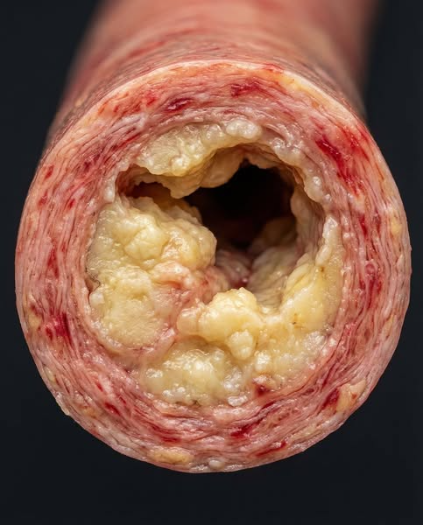
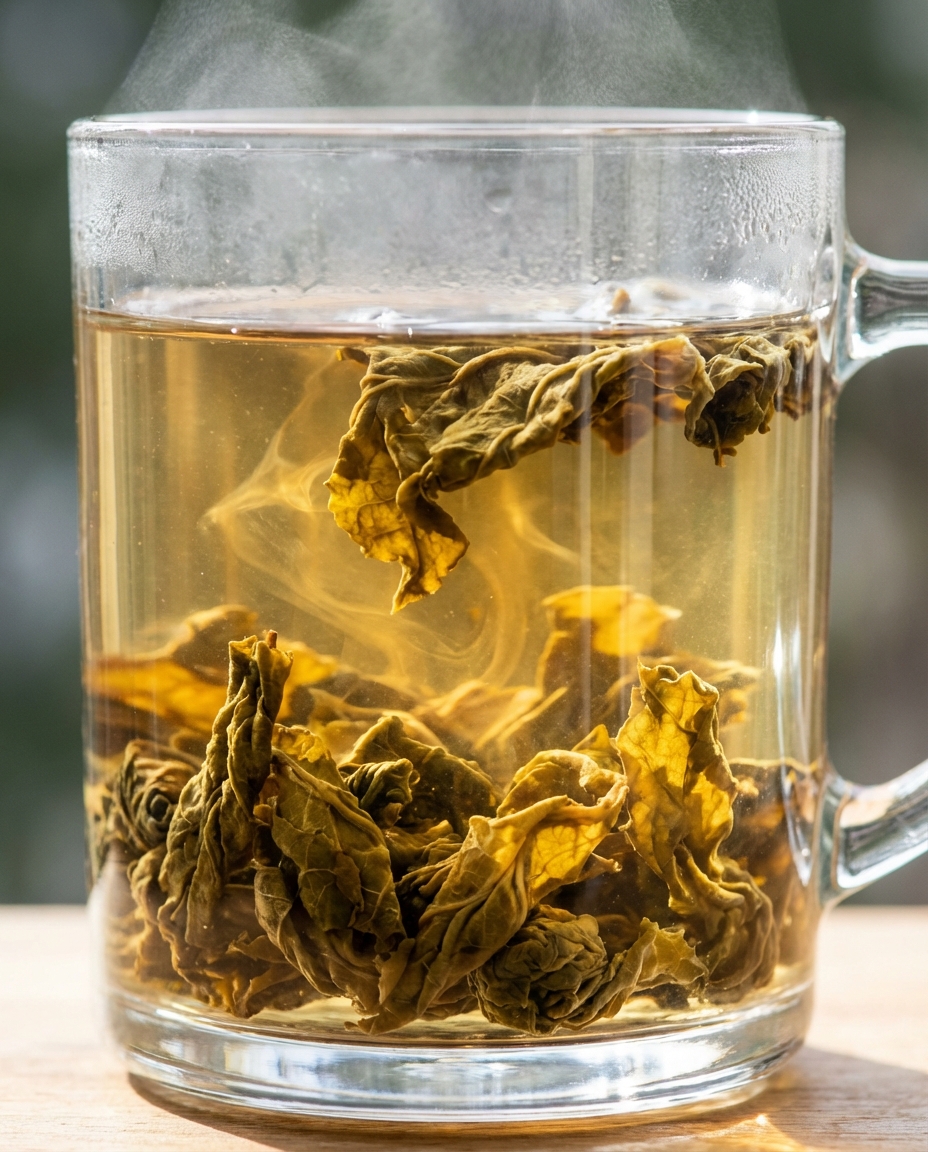
I watched a man in a Carhartt jacket put back a gallon of milk at the gas station because the total at the pump had already eaten what he came in with. He didn't argue. He just nodded at the clerk like they'd already had the conversation a hundred times. I was standing two people behind him, holding a bag of dog food and a quart of motor oil for our Buick, and I watched him slide that milk back into the cooler with the kind of care a man uses when he's pretending nothing is wrong. He set it in the same spot. He turned the label so it faced out, the way you'd put a book back on a library shelf. Then he walked out into the lot. He sat in his truck for a long minute before he started the engine. The truck was clean. Older, but clean. A man who took care of his things. I knew that man. I didn't know his name. But I knew him. I'd been married to a version of him for forty-one years. My name is Maggie. I'm sixty-four. I drove a school bus in our county for twenty-six years and I retired last spring because my back finally said enough. My husband is Frank. He's sixty-seven. He spent his whole working life as a union electrician, climbing into the rafters of grain elevators in February and pulling new wire through finished homes in July. He has hands the size of dinner plates and a laugh that used to fill the kitchen. I'm not a doctor. I'm not anything fancy. I'm just a wife who has sat across from the same man at the same kitchen table every morning for four decades and I notice things. I notice when his eggs get cold because he's too tired to lift the fork. I notice when his thumb shakes for half a second before it stops. I notice when he holds the coffee mug differently than he used to. I noticed the day his hands stopped wrapping all the way around the mug. It was a Tuesday in March, three years ago. He didn't say anything. I didn't say anything. But I saw it. The mug was the same mug. His hands were not the same hands. You don't get to be married to a man for forty-one years and miss something like that. I'm going to tell you a story. I'm going to tell you about Frank and what I watched happen to him, and what I finally figured out after I stopped trusting people in white coats more than my own eyes. I'm telling you because the man in the Carhartt jacket at the gas station could have been Frank. It could have been your husband. It could have been you. And I don't want you to wait as long as we did. Frank and I met at a wedding in 1983. Mutual cousins. He had a mustache then. I had a perm. We danced one slow song and he stepped on my foot and apologized seven times and I knew before the song was over. We were married eight months later in a Lutheran church in our hometown and he was wearing the same suit his father wore in 1958. He went straight from high school into the apprentice program at the local union hall. By the time he was thirty he was the man they sent up on the worst calls. Frozen substations. Lightning damage at three in the morning. The bad jobs. He could read a wiring diagram the way some people read the newspaper. He came home from work every night smelling like burned dust and coffee, and he'd kiss me on the cheek before he washed his hands, and he'd ask what I'd put in the slow cooker. That was our life. We raised two kids in a house he wired himself. Our son David is a county sheriff's deputy two towns over. Our daughter Karen teaches third grade and has two boys of her own. The youngest, our grandson Toby, just turned two. Toby is the whole reason I'm writing this. I have to start before the trouble started, because if I don't, you won't understand what I mean when I say my husband used to be a different man. When Frank turned fifty-five, he could still throw a fifty pound bag of feed onto the back of the truck without making a sound. He could shovel the driveway after a foot of snow and come in pink-cheeked and ready for breakfast. He worked through the day, came home, ate, watched a few innings of the Cardinals game, and walked the dog before bed. He never sat still. He fixed our neighbor's broken porch light for free. He drove our nephew to baseball practice when our brother-in-law was working nights. He kept a list of widows in town and once a week he'd swing by one of their houses and ask if they needed anything moved, lifted, or fixed. That's who he was. I am telling you all this not because I want you to be impressed by my husband. I want you to picture him clearly. Because the man I just described is not the man who set our grandson back down on the floor at Easter. The slide started slow. It always does. That's part of why I missed it for so long. If a man falls off a cliff, you see it. If a man walks down a long, slow hill for nine years, you don't notice he's at the bottom until you turn around and look up. I'm going to walk you through those nine years. I'm going to tell you what I saw every year. Some of it is small. Some of it is the kind of thing a person might dismiss. But put together, it's a map. And I want you to have the map, in case you're standing on one of the steps right now and don't know it. Year one was 2016. Frank was fifty-eight. He had his yearly physical in February. Our family doctor at the time was a man named Dr. Henley. Older, kind, talked slow. He told Frank his numbers were "the best in the county." Said it twice. Said Frank could be a poster on the wall. Frank's only complaint that year was that his left calf cramped at night. Not bad. Just enough to wake him up some nights. Dr. Henley said to drink more water. Eat a banana before bed. The pills can do that sometimes, he said. Nothing to worry about. Frank had been on Lipitor for two years at that point. He started taking it after a routine check turned up a borderline reading. His own father had died of a heart attack at sixty-six. So Frank took the pill. He was disciplined about it. He took it with breakfast. Every morning. Forty milligrams. That was year one. Just a little cramp. Just a banana before bed. Year two was 2017. Frank started skipping his second cup of coffee. For thirty-five years, Frank drank three cups of coffee in the morning. Black. No sugar. He poured the second one before he'd finished the first. It was a rhythm, like a metronome. In the summer of 2017, he started leaving the second cup half-finished. I asked him about it. He said his stomach felt off. He said maybe he'd been pushing himself too hard. He had not been pushing himself too hard. He had been pulling fewer overtime shifts that year because he said he was tired by Wednesday. He'd never been tired by Wednesday in his life. Dr. Henley's appointment that year went the same as the year before. "Your numbers are wonderful, Frank. Whatever you're doing, keep doing it." I sat in the corner of the exam room. I always went with Frank. He said he liked the company. The truth was, I'd started going because I wanted to hear what the doctor said with my own ears. I asked Dr. Henley about the cramps and the tiredness. He said, "Some of that's just being fifty-nine. Some of that is muscles. We can switch to a different statin if it gets bad, but the numbers are too good to fuss with right now." The numbers were too good to fuss with right now. I wrote that down in a little notebook I started keeping. I have the notebook in front of me as I write this. Year three was 2018. Frank turned sixty. We threw him a party in the backyard. Our daughter Karen brought a sheet cake from the grocery store. Our son David grilled brats. Frank stood in the corner of the yard with our brother-in-law Dale and talked about nothing for an hour. After everyone left, Frank sat down in his recliner. He didn't get up for two hours. He fell asleep with his shoes on. That was new. Frank had never been a man who napped. He used to make fun of his own father for napping. That fall, he stopped going up on the roof to clean the gutters. He hired a kid from down the street to do it. Twenty dollars. Frank said it was time to start letting younger men do that kind of work. I think now that he stopped going up on the roof because he didn't trust his legs. He never told me that. He wouldn't have. Year four was 2019. Frank started forgetting things. Little things at first. Where he set his keys. The name of an actor in an old western. Whether he'd already taken his pill that morning. He started leaving notes for himself on the counter. "Took Lipitor 6:40 AM." "Trash out Tuesday." "Karen called." He'd never needed notes before. I bought him a pill organizer. The kind with seven little compartments. He used it without comment. In June of 2019 he forgot our anniversary. We'd been married thirty-six years. I came down the stairs that morning and the kitchen was empty. No card on the table. No flowers. No nothing. Frank was on the porch reading the paper. I didn't say anything. I made coffee. Around lunchtime he looked up from the paper and his face went pale. "Maggie. Oh, Maggie. I'm so sorry." He drove to the grocery store and came back with flowers and a card and the look on his face was not the look of a man who forgot an anniversary. It was the look of a man who didn't know how he could have forgotten an anniversary. It was scared. I told him it was fine. I told him I was tired anyway and it didn't matter. That night I sat in the bathroom and cried for ten minutes with the fan on so he wouldn't hear. Not because he forgot. Because I had started to suspect, in some small back room of my mind, that something was wrong with my husband that nobody was naming. The appointment with Dr. Henley that year was different. Dr. Henley was retiring at the end of the summer. His replacement was a younger doctor named Dr. Maren. She was maybe forty. Sharp glasses. Soft voice. Smart. She read Frank's chart in front of us. She looked at the lipid panel. "Mr. Hofstetter, these are some of the best numbers I've seen this month. Whatever you're doing, you should bottle it." I leaned forward in my chair. "He's tired all the time. He forgot our anniversary. He can't remember the names of people he's known for thirty years." Dr. Maren looked at me with a kind of soft patience that I now understand was the most dangerous look in medicine. "That's pretty normal at sixty, Mrs. Hofstetter. Especially in men. We all slow down. Have you thought about whether there might be some depression here? Some grief about retirement coming? Frank, are you sleeping well?" Frank said he was. Dr. Maren said if the brain fog kept up, Frank might want to see a therapist. That was the first time someone suggested a therapist. I will tell you it was not the last. Year five was 2020. Everyone remembers 2020 for the same reason. I remember it for that reason too. But I also remember it because that was the year Frank stopped carrying our grandson. Our grandson Toby wasn't born yet that year. I'm talking about our older grandson Ethan, who was four. Ethan would run at Frank with his arms in the air. Grandpa, up. Up, up. Frank used to scoop Ethan up like he weighed nothing. One Sunday at our daughter's house, Ethan ran at Frank, and Frank knelt down instead of lifting him. Hugged him at eye level. Made it look like a choice. I watched. Karen watched. Karen didn't say anything to me until we were doing dishes after dinner. She said, quiet, "Mom, is Dad okay?" I told her he was fine. I lied to my own daughter. That spring his hands started to ache. Not pain like a hammer hit them. Pain like the inside of the muscle had a low-grade fever. He'd flex his fingers all day long, opening and closing them like he was trying to wake them up. He stopped fixing things around the house. That was a big one. For forty years, when something broke, Frank fixed it. The garbage disposal. The screen door. The starter on the lawnmower. He didn't call repairmen. He was the repairman. In May of 2020 the garbage disposal stopped working. Frank looked at it for about three minutes, said his hands weren't up to it that day, and went and got the phone book. I stood in the kitchen and watched him pay a man a hundred and ten dollars to fix a thing my husband used to fix in his sleep. I didn't say a word. You don't say a word at moments like that. You file them away. You add them to the notebook. Year six was 2021. Frank lost weight. Not a lot. About fifteen pounds across the year. Enough that his belts had to go in a notch. Enough that I noticed his cheekbones in the bathroom mirror in a way I hadn't before. He wasn't trying to lose weight. He just didn't seem to want food the way he used to. He'd push half his dinner around the plate. He'd say it was good. He'd put the leftovers in the fridge and they'd still be there four days later. His skin got thinner. The veins on the backs of his hands stood up like ropes. In August of 2021 he had his annual physical with Dr. Maren. She measured him. Weighed him. Drew his blood. Listened to his heart. She came in with the results and her face was warm and reassuring. "Frank, your numbers are excellent. Your LDL is at one twelve. Total cholesterol is one ninety-one. Triglycerides are great. The Lipitor is doing exactly what it's supposed to do. We won't change a thing." I asked her, "Why is he losing weight?" She said, "Some men just shrink a little in their sixties. As long as he's eating and the blood work is clean, I wouldn't be alarmed. We can talk about a dietitian if you want." I asked her, "Why are his hands hurting?" She said, "There can be some muscle ache with statins, but at his dose, and looking at his numbers, the risk isn't worth changing course. Maybe a heating pad. Maybe some gentle stretching." I asked her, "Why is he forgetting things?" She said, "Mrs. Hofstetter, has he considered therapy? Or even just journaling? A lot of men have a hard time with this phase of life. He may need someone to talk to." I sat in the chair. I felt my face get hot. I said, "He has me to talk to." She smiled at me the way doctors smile at people who don't know better. "Sometimes a professional can help with what a spouse can't." I'm going to be honest with you. I almost said something I would have regretted. Frank put his hand on my knee. He has always known how to settle me down with a single touch. We walked out of that office and he didn't say anything in the car. We drove the twenty-three minutes home in silence and when we pulled into the driveway he just sat there in the passenger seat looking at his hands. He said, "Maggie. I don't feel like myself." I said, "I know." He said, "But the numbers." I said, "I know." We sat in the driveway for a long time. Year seven was 2022. This is the year I started losing him a little. His personality changed. Not all at once. In drips. He was always a funny man. Dry. Iowa dry. He could deliver a punchline so flat you wouldn't know it was a joke until five seconds after. He'd been like that since I met him. The jokes stopped. He'd sit in the recliner and watch the news and not say anything. He'd answer questions when I asked them. But he wouldn't start conversations. He used to call me from his truck on his way home from work, just to say he was thinking of me. Just to ask what I was making. Those calls stopped years before, when he retired. But the impulse stayed. He used to text me from the grocery store. Pictures of weird products. A bag of Halloween candy in July. A bird that had landed on a shopping cart. He stopped texting that year. He just shopped and came home. In October of 2022 our grandson Toby was born. Frank cried when he held him. Real crying. Shoulders shaking. He hadn't cried like that since his mother died. When he handed Toby back, his arms were trembling. He had to set the baby down on the couch instead of handing him to Karen. He laughed about it. Said his arms were rusty. Karen laughed too. I didn't laugh. I went home that night and I added one more line to the notebook. Year eight was 2023. Frank slept fourteen hours a day for most of February. He'd go to bed at nine. He'd sleep until eight. He'd come downstairs, eat a half a slice of toast, and fall asleep in the recliner by ten thirty. He'd wake up around three in the afternoon, eat soup, and be ready to go back to bed by seven. I asked him if he was depressed. He said he didn't think so. He said he just felt like his body was running on a battery that wouldn't hold a charge. That's how he put it. A battery that wouldn't hold a charge. I made another appointment with Dr. Maren. She listened. She nodded. She took notes. She drew his blood. She came back with the results. "Frank, I have to tell you, your numbers look great. Your cholesterol management is honestly textbook. I wish all my patients were as compliant as you are." I said, "Dr. Maren. I am not asking about his cholesterol. I am asking about the fact that my husband is sleeping fourteen hours a day." She said, "I hear you. I do. But I can only treat what the labs tell me to treat. The labs tell me Frank is doing well. If there were something serious going on, we'd see it in the bloodwork." I said, "Maybe you're looking at the wrong bloodwork." She got quiet. Then she said, very gently, "Mrs. Hofstetter, I think both of you might benefit from talking to someone. We have a referral list for behavioral health services. There's no shame in it." That was the third time I'd been told to send my husband to a therapist. The third time someone in a white coat had looked at him fading in front of their eyes and suggested I'd been imagining it. I took the referral list. I folded it. I put it in my purse. I never looked at it again. We left. I drove home with my hands tight on the wheel. Frank dozed in the passenger seat. I remember thinking, very clearly: nobody is going to help him. Nobody who is paid to look at his chart is going to look at him. I didn't know yet what I was going to do about that. But something in me had changed. Year nine was last year. 2024. Easter weekend. Karen and her husband Mark and their two boys came up for the holiday. We dyed eggs at the kitchen table. Ethan, now eight, was the master of the wax crayon. Toby, just under two, mostly ate the wax crayons. We had ham. We had scalloped potatoes. Karen brought a cherry pie. After lunch the whole family went out into the yard for pictures. Karen wanted a picture of Frank and Toby. Just the two of them. Grandfather and grandson. Frank crouched down and held his arms out. Toby toddled over and grinned that big two-year-old grin. Frank reached down to pick him up. I want you to picture this carefully, because I will see it for the rest of my life. Frank got his hands under Toby's arms. He bent his knees. He started to lift. He got Toby maybe a foot off the ground. And then his arms gave out. I don't mean he set Toby down. I don't mean he hesitated. I mean his arms shook and his shoulders dropped and he had to set Toby back down on the grass before he dropped him. Toby's face crumpled. He thought he'd done something wrong. He thought Grandpa didn't want to pick him up. He cried. Hard. The way only a two-year-old can. He toddled away to find his mother. Frank stayed crouched in the grass. He didn't get up. He stayed there for what must have been a full minute, staring at his own hands like they belonged to a stranger. Then he stood up slowly and said he needed the bathroom. I watched him walk across the yard. His shoulders were rounded forward. His feet didn't lift the way they used to. He looked twenty years older than he was. He went inside. He went into the downstairs bathroom and shut the door. I sat in the kitchen at the table where I sat every morning of our marriage and I started a stopwatch on my phone. I don't know why I did that. I just felt I needed to count something. He was in there twenty-two minutes. When he came out his eyes were red. He didn't look at anyone. He went into the living room and sat in his recliner and pretended to watch a basketball game even though it was Easter and there was no basketball on. I went over and sat on the arm of his chair and put my hand on his shoulder. He didn't speak. He covered my hand with his. His hand was so light. I wanted to tell you that we sat there for a while and then I figured everything out and saved him. That is not how it happened. What happened is that I went to bed that night and I lay in the dark and I made a decision. I decided that no matter how many doctors told me his numbers were good, I was going to find out what was wrong with my husband. I didn't know where to start. I'm not a doctor. I drove a school bus. I read paperback mysteries and the newspaper and that was about it. But I knew people. I'd lived in this county for sixty years. And I knew that somewhere in this world, there had to be someone who would look at Frank instead of at his chart. So that's what I did. I'm going to tell you what I found. Some of it I learned in a library. Some of it I learned on a borrowed laptop with my reading glasses pushed up on my forehead at one in the morning. Some of it I learned from a woman at our church who used to work in a hospital pharmacy in Chicago. I'm going to tell it to you in plain words. Because I am not a doctor. And I want you to understand it the same way I understood it. Not from a textbook. From a kitchen table. The first thing I learned is that your body does not just make cholesterol because it's lazy. Your body makes cholesterol because cholesterol is one of the most important things in your body. Every cell wall uses it. Every hormone needs it. Your brain is loaded with it. When your body makes cholesterol, it's doing a job. The body uses a path to make cholesterol. Think of it like a kitchen with a long counter. The body puts a few ingredients on one end of the counter and slides them down. As it slides, the ingredients change. By the time the dough gets to the other end, it has turned into cholesterol. That counter has a name. The science books call it the mevalonate pathway. Most people will never hear that word in their life. I hadn't. Here's the part that stopped my heart. The body uses that same counter to make something else. It makes CoQ10. CoQ10 is not a vitamin in a pill bottle. It is a real thing your body makes on its own. It is the spark plug for every cell in your body. Especially your muscles. Especially your heart muscle. Especially your brain. Your cells have little engines inside them called mitochondria. They are the power plants. They are what turn food into energy. They are what let you stand up, walk, think, lift a grandson. The mitochondria run on CoQ10. No CoQ10, no energy. No energy, no strength. No strength, no lifting a two-year-old at Easter. Now here's what statins do. Statins shut down that counter. They were designed to. That's the whole point. They block the mevalonate pathway so the body makes less cholesterol. But they don't shut down just the cholesterol end of the counter. They shut down the whole counter. When the counter is shut down, the body can't make CoQ10 either. That's not a side effect that the statin labels make a big deal about. It is also not new information. There are studies on it going back over thirty years. There are mainstream cardiology papers that talk about it. You can find it in the regular medical literature if you go looking. I went looking. I read until my eyes burned. I went to the library and printed papers and read them at the kitchen table with a highlighter. The story was the same in every paper. When CoQ10 gets low, muscles ache. Not always sharp pain. Sometimes a deep tired ache that doesn't go away. When CoQ10 gets low, energy drops. Not regular tired. The kind of tired where you sleep fourteen hours and still feel empty. When CoQ10 gets low, the brain fogs over. The right word stops coming. The names of people you've known forever go missing. When CoQ10 gets low, grip strength drops. Hands stop wrapping around the coffee mug the way they used to. When CoQ10 gets low, weight comes off because the muscle is being slowly starved. Every single symptom I had been writing in that little notebook for nine years. Every single one. And not one of them would ever show up on a lipid panel. The doctor was reading the wrong test. She wasn't lying to me. She wasn't being cruel. She was reading the test she was trained to read. The test does not measure what was happening to my husband. It was like trying to find out if a house has termites by checking the temperature of the kitchen. I sat at the kitchen table the night I figured it out and I cried so hard the dog came over and put his head on my foot. I cried because for nine years I had been right. I cried because for nine years I had been told I was wrong. I cried because we had wasted nine years. I want to be clear about something here. Frank's doctors were not bad people. They were trained the way they were trained. The system rewards them for getting the lipid panel to look a certain way. The system does not reward them for asking why their patient can no longer lift a two-year-old. The lipid panel is the report card. The patient is the kid. The system has been grading the report card and ignoring the kid. I had spent nine years assuming that if something serious were wrong, the report card would show it. The report card never showed it. The report card was never going to show it. The report card was not built to. The patient was telling me. With his hands. With his sleep. With his weight. With his silence at the dinner table. I had been reading the wrong page. Then I got up. I wiped my face. I poured a glass of water. And I started looking for what to do about it. I want to be careful here. I am not telling you to stop your medicine. I am not a doctor. Frank's eventual decisions about his medication were made between him and a new doctor we eventually found three counties over, a man near retirement who actually listens. What I am telling you is what I learned about supporting the body when the body has been running on empty for years. The first thing I learned is that your body needs help putting CoQ10 back. Some people use a CoQ10 supplement. Frank tried that. It helped a little. But the help that surprised me most came from a different place. It came from tea. Specifically, from a kind of tea I had only ever heard of in passing. Oolong. Now, listen. I am from Iowa. I drink coffee. I have never been a tea person. The closest thing to tea in my house growing up was the bag of Lipton my mother kept for when somebody had a fever. But I kept reading. And what I learned about oolong tea is not what you'd expect. The leaves of the oolong plant are loaded with things called polyphenols. Think of polyphenols as quiet little workers that go through your body and put out the small fires that the bigger systems can't see. There are things in your body called free radicals. They are the trash that gets produced when your cells burn fuel. A few free radicals are normal. Too many free radicals damage the inside of your blood vessels. They damage your muscles. They damage your mitochondria. Polyphenols are like cleanup crews for free radicals. But not all polyphenols are the same. The polyphenols in oolong tea, and especially in the whole-leaf kind, are what the research calls selective. That means they go after the bad free radicals without messing up the good signaling molecules the body needs. They don't carpet-bomb. They aim. That mattered to me. Because Frank's body had been carpet-bombed for nine years. The oolong leaf also has two specific compounds in it that kept showing up in the papers I read. They are called EGCG and theaflavins. The studies on them are not folk wisdom. They are real studies in real journals on cardiovascular and metabolic health. There are over two thousand peer-reviewed papers on these compounds across green and oolong teas. I am not going to ask you to take my word. You can look. I did. The third thing I learned was about a hormone called adiponectin. Adiponectin is what your fat cells send out into the bloodstream to keep the rest of your body humming. Healthy adiponectin levels are linked to healthy cholesterol behavior, healthy blood sugar behavior, and healthy inflammation levels. The oolong tea polyphenols help support healthy adiponectin levels naturally. It was starting to add up. I was looking for something that could help Frank's body do what the medication had been keeping it from doing. Something that worked with the body, not against it. Something that could deliver the polyphenols and the EGCG and the theaflavins consistently. Here's what I found out next. Most tea you buy at the grocery store is junk. I don't mean that to be rude. I mean it factually. The tea bags at most stores are made from broken leaves and tea dust, what the industry calls fannings. Those fannings get crushed and exposed to air for so long that most of the polyphenols are gone before the box even hits the shelf. The active compounds in tea are alive when they're whole. When you grind them up and stuff them in a paper bag, they lose their punch. To get the real medicine of the leaf, you need whole-leaf tea. Carefully processed. Carefully dried. Carefully packed. That kind of tea is hard to find. And I'll tell you, when I first started looking, I almost gave up. Most of what's marketed as oolong is the same fannings just labeled fancier. I also learned something interesting along the way that I want to share with you. In countries where oolong tea is the daily drink — parts of southern China, parts of Taiwan, parts of Japan — heart disease rates are noticeably lower than they are here. The researchers who study this argue about why. Some say it's diet. Some say it's lifestyle. Some say it's the tea itself. I don't have to win that argument to notice that the same populations drinking real, whole-leaf oolong every day are also the populations not filling the cardiology waiting rooms. That was not nothing. That was actually a piece of common sense I had been missing. Then I found PiPi Tea. A friend from church sent me a link. Her brother in California had been drinking it for two years for blood pressure and he swore by it. He said it was the only oolong he'd ever had that smelled like a real plant instead of a paper bag. I went to their website. It's right here: https://shop.pipitea.com/ppch/sp I read every word on that page. I'm a slow reader. I take my time. I had been burned by too many promises in my life to just click and buy. What I read was that PiPi Tea is whole-leaf oolong. Not fannings. Not dust. Whole leaves, hand-rolled, slow-processed, packed in a way that keeps the polyphenols active. They explained it the way I needed it explained. The polyphenols are selective antioxidants. They neutralize the free radicals that hurt the body without interfering with the ones the body uses for normal signaling. They are loaded with EGCG and theaflavins. They support healthy adiponectin levels. In other words, they go after the actual problem. Not the number on the chart. The thing under the number. They had a guarantee on the page that I read three times to make sure I wasn't misreading it. 90-day money-back guarantee. Ninety days. I want you to think about that. Lipitor has never come with a money-back guarantee. No medication my husband has ever taken has come with a money-back guarantee. Yet here was a tea company saying if it doesn't work for you in ninety days, you get your money back. That's a company that's confident in what they're selling. I'm a careful person about money. I will tell you we live on a fixed income. I drove a school bus. Frank was a union electrician. We did fine. But we are not in a position to throw money at promises. The guarantee made me say yes. I ordered. The tea came in a sealed pouch. The leaves were dark and curled up like little snail shells. They smelled like rain and dried grass and something warm. Nothing like Lipton. I made the first cup that Tuesday morning at the kitchen table where I'd watched Frank's hands stop wrapping around the mug. Frank drank it. He said it tasted like the woods. He drank another cup that afternoon. That was week one. I'm going to tell you what happened over the next two months. I'm not going to embellish. I am going to tell you what I saw with my own eyes. Week two was small. Frank slept normally on Sunday night. Eight hours instead of fourteen. He came down to the kitchen on Monday morning and made his own coffee. Two cups. He drank both of them. I sat across from him and watched him drink the second cup the way he used to. I did not say anything to him about it. I did not want to put a spotlight on something so small. But I held my breath and waited. By Wednesday of that week, the deep ache in his hands had eased. He told me without me asking. He said, "Mag, my fingers feel like fingers again." He flexed them open and closed in front of me at the breakfast table like a man trying out a new pair of gloves. I had to look down at my plate so I wouldn't cry into my eggs. Week three he started taking the trash out without being asked. He had stopped doing that two years ago. I'd take it out on Tuesday mornings before the truck came. That week, I came down on Tuesday and the cans were already at the curb. Frank was at the kitchen table with the paper and a cup of tea. He didn't make a big deal of it. He just said, "I got it this morning." I sat down across from him. He poured me a cup from the kettle. We drank it together without speaking. There was nothing to say. There was something to feel. Week four. He went out to the garage on a Saturday morning and came back inside an hour later with the lawn mower fixed. He had not fixed the lawn mower in three years. He stood in the kitchen and held up the wrench like it was a trophy. He said, "I think I remember how to do this." I had to leave the kitchen because I did not want him to see me cry. Week five he started reading books again. He has a stack of paperback Westerns from a thrift store in town and they had been sitting on his nightstand untouched for two years. I came up the stairs that Wednesday night and he was sitting up in bed with his reading lamp on and a Louis L'Amour open on his chest. I leaned in the doorway. I said, "What chapter?" He said, "Three. The horse just got loose." I went and brushed my teeth and when I came back he was still reading. He read for forty more minutes before he turned out the light. He had not been able to focus that long in three years. The fog used to swallow the words on the page within five minutes. Week six. He picked up our grandson. Toby ran at him in the front yard with his arms up. Up. Up. Frank scooped him under his arms and lifted him over his head and Toby squealed. Frank held him there for maybe ten seconds. Then he set him back down and crouched and kissed his forehead. I was sitting on the front steps with a glass of iced tea in my hand and I think I cried so hard the neighbors thought somebody had died. I'd been waiting for that moment for nine years and I almost didn't believe it when it happened. By week seven the brain fog had lifted enough that Frank started doing the crossword again. He used to do the Sunday paper crossword every week of our marriage. He'd stopped doing it in 2021 because the words wouldn't come. I came down to the kitchen one Sunday morning and he was sitting at the table with his reading glasses on and a pencil in his hand. He looked up at me and he said, "What's a six letter word for stubborn?" I said, "Maggie." He laughed. A real laugh. The kind that comes from the belly. The kind I hadn't heard in three years. Then he wrote "Maggie" in the squares as a joke and erased it and went back to working. I stood there at the counter making my own coffee and I felt my whole chest unclench for the first time in maybe a decade. That was the moment I knew. Not at the doctor's office. Not at the lab. At the kitchen table with my husband doing a crossword. Week eight. We went back to the doctor. Not Dr. Maren. The new doctor we'd found three counties over. The one who listens. Frank had his blood drawn at the start of the visit. We waited in the exam room for forty minutes for the results. The doctor came in with a single sheet of paper. He sat down on the rolling stool and he looked at Frank. He said, "I have to tell you, Mr. Hofstetter. Your numbers look very good. Your LDL is down. Your triglycerides are down. Your inflammation markers are down. This is a better picture than I'd expect from any of my patients in your situation." I sat in the corner chair. I asked, very politely, "What about his weight? His sleep? His memory?" The doctor looked at Frank. "How are you doing in those areas?" Frank said, "I feel like myself." The doctor smiled. Not a salesman smile. A doctor who has been doing this for forty years and has seen something that surprises him, smile. He said, "Whatever you're doing, keep doing it." I almost laughed out loud. I had heard that line every year for nine years. This time, for the first time, it was true. We left the office and I called Karen from the car. I said, "Your father is back." She was quiet for a long time. Then she said, "I knew something was wrong, Mom. I knew it for years." We had a long cry on the phone, both of us, the kind of cry that finally lets out something you've been carrying for a long time. I want to tell you that the rest of our story has been easy. It hasn't been. Frank still has bad days. He still has days where his hand shakes a little before it stops. But the slow walk down the hill has stopped, and on most days, he is climbing. He carries Toby on his shoulders now. He fixed the fence on the south side of the property last weekend. He laughs at the news again. Dry. Iowa dry. The way he used to. I drink PiPi Tea every morning with him at the kitchen table. He's drinking the third cup of his life by 8 AM most days. If any of this sounds familiar, I want to ask you to do one thing. I want you to go look at the page where I bought what I bought. It's here: https://shop.pipitea.com/ppch/sp I am not asking you to commit to anything. I am asking you to read the page the way I read it. Take your time. Read it twice if you have to. If you don't feel right about it, walk away. The guarantee is ninety days. Ninety-day money-back guarantee. If it doesn't do anything for the person you love, you get your money back. That is more than the pill bottle on your kitchen counter has ever offered. The cost of that order was less than what we spent at the gas station the day I saw the man in the Carhartt jacket put back the milk. That is the truth. It is the truth that nobody talks about. Things keep getting more expensive and what we can do for the people we love keeps getting smaller, and the doctors keep telling us our numbers are great, and the people we love keep fading. This was one thing that gave my husband back to me. I am not promising it will give your husband back to you. I am promising you that, with the guarantee, you cannot lose money trying. If you want to read more, the page is https://shop.pipitea.com/ppch/sp I'll put it again at the bottom in case you scroll past. P.S. 1 I want you to know this because I wish someone had told us sooner. I wasted nine years of my husband's life being polite in doctor's offices. Nine years of nodding when I should have been asking. Nine years of writing in a notebook when I should have been pounding the table. I am not pounding the table now. I am sitting at my kitchen table writing this to you on a Tuesday afternoon while my husband mows the back lot. I can hear the mower from the open window. Three years ago I could not have heard that sound. He could not have started the engine. I want you to know that the person you love is still in there. The numbers might be hiding them from you. The doctor might be hiding them from you. Your own polite training to defer to white coats might be hiding them from you. But they are still there. And there is a real, ordinary, observable thing you can try. P.S. 2 Here's a small thing I want you to try in the first week. Watch the morning. Pick the person you love. Watch them get up tomorrow. Watch them sit at the table. Watch their hands as they hold the cup. Watch their eyes when they look at the paper. Watch how long it takes them to start a sentence. Then do it again in a week, after they've had this tea every day for seven days. Don't write it down. Don't make a chart. Just notice. You will know if anything is different. You know that person better than any doctor will ever know them. You have been watching them for years. You are the expert on them. Trust your own eyes the way I should have trusted mine sooner. P.S. 3 The reason I finally agreed to try it was the 90-day money-back guarantee. PiPi Tea offers it. The statin never did. I have spent thousands of dollars in my life on medicine, on doctor visits, on co-pays, on prescription bottles that ran out before the month did. Not a single one of them came with a money-back guarantee. Not one. The pharmacy will not give you your money back if your husband stops being able to lift your grandson. Ninety days. 90-day money-back guarantee. If you try this and it does nothing for the person you love, you get your money back. That is the deal. The page is https://shop.pipitea.com/ppch/sp P.S. 4 They go out of stock. I've seen it happen. I tried to order a second tin in February and had to wait two weeks because they were sold out. They told me the whole-leaf processing takes time and they don't cut corners just because demand goes up. They are available right now. If you wait, you may end up where I was in February, watching the shelf and counting days. The page is https://shop.pipitea.com/ppch/sp P.S. 5 I want you to have what I almost lost. I want you to lift the grandchild. I want you to drink the second cup of coffee. I want your husband to laugh at his own jokes again. Please don't wait the nine years I waited. https://shop.pipitea.com/ppch/sp Maggie
Natural Relief in Weeks
"My LDL went from 189 to 142 in three months. My doctor asked what medication I started. I told him it was tea - he didn't believe me. I feel better than I have in five years."
LEARN MORELike this ad? Make it yours.
Crush rebuilds this exact creative around your product — your brand, your colors, your offer — in about a minute.