Harold Dawson
Harold Dawson Facebook ad: “7 Shampoos Later I found how to stop the Root Cause”
Ran for 1 day, from June 19 to June 20, 2026, the last day Crush saw it.
Run by Harold Dawson on Facebook. Crush is not the advertiser and does not verify its claims. See this ad in Meta's Ad Library(opens in a new tab)
Want an ad like this for your product?
Crush makes new ad images for your product from this ad: your logo, your product photo, your offer.
Trials from $19.95 USD, then $79.95 USD a month. Cancel anytime.
About this ad
- Meta Ad Library ID
- 4262614533956188
- Platforms
- Facebook, Instagram, Audience Network, Messenger and Threads
- Relaunches
- 1
Ad text
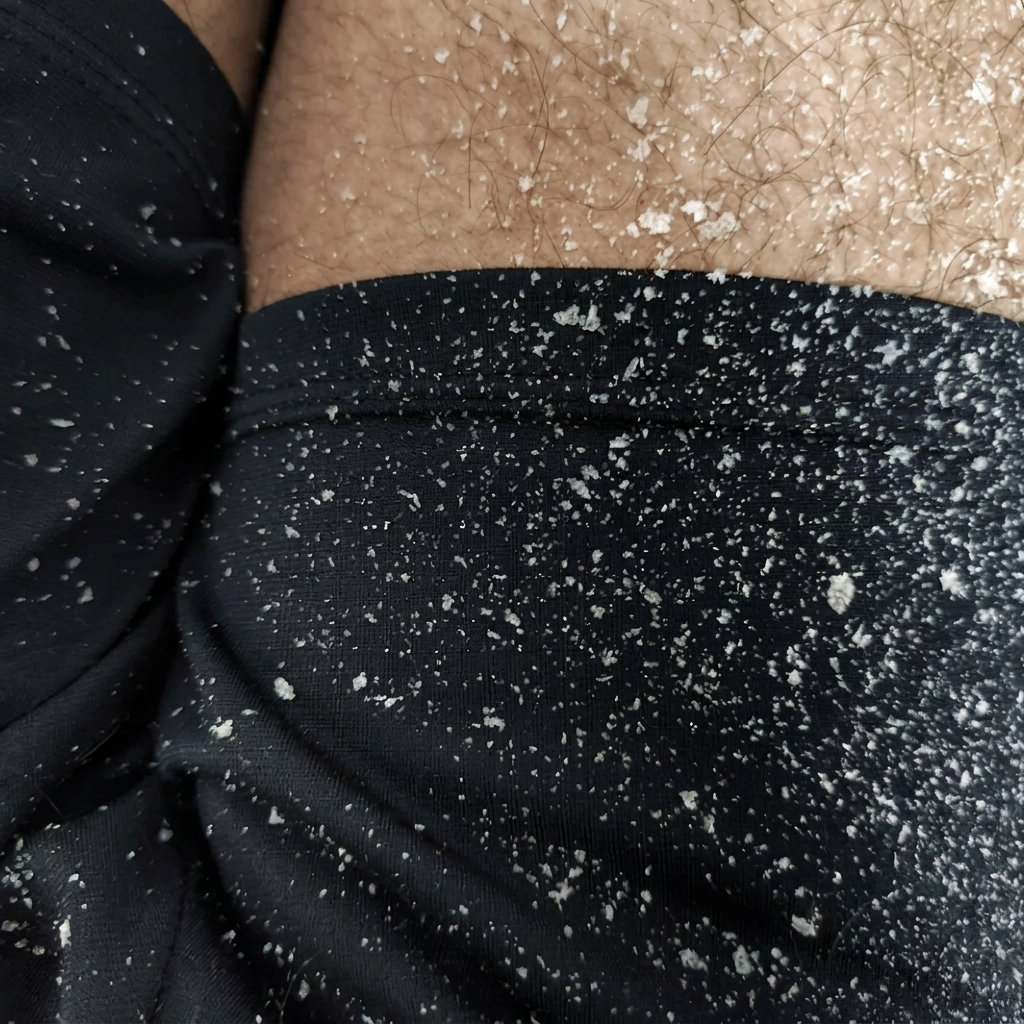
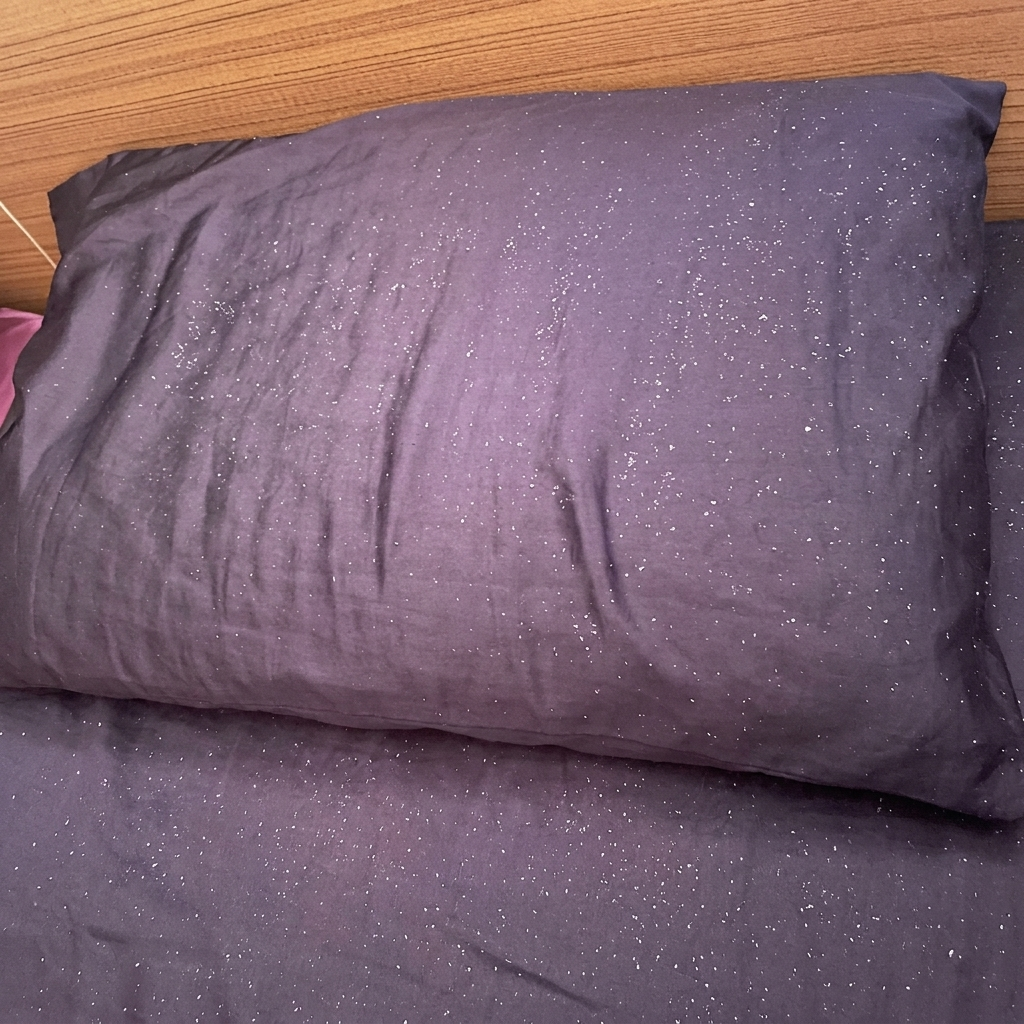
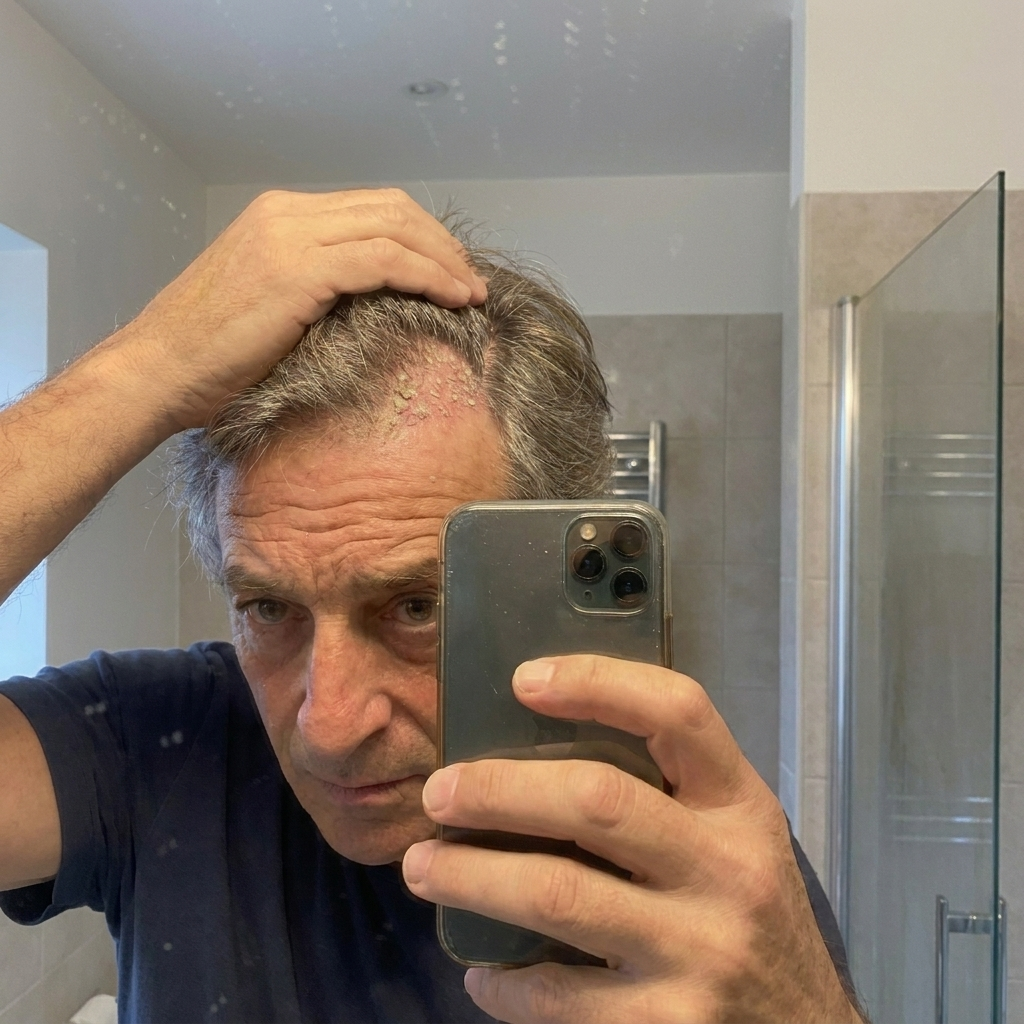
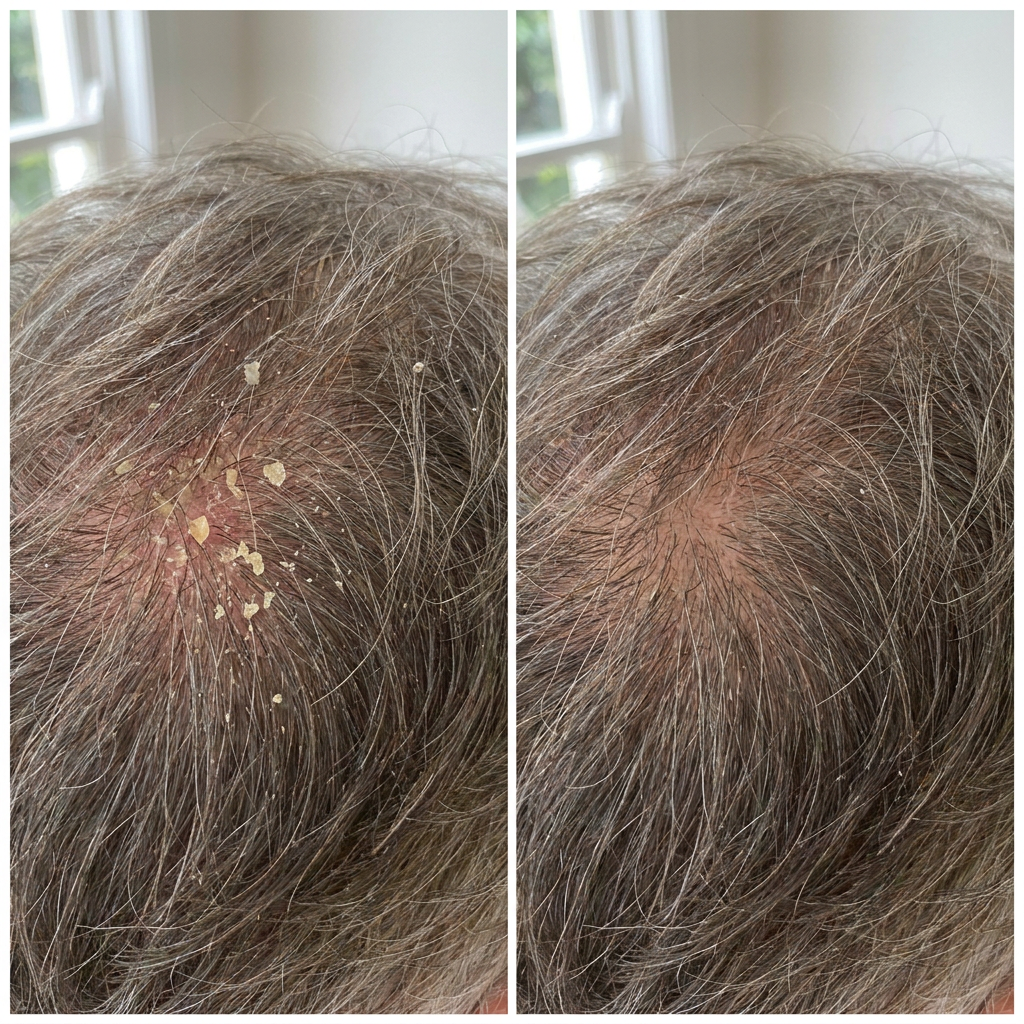
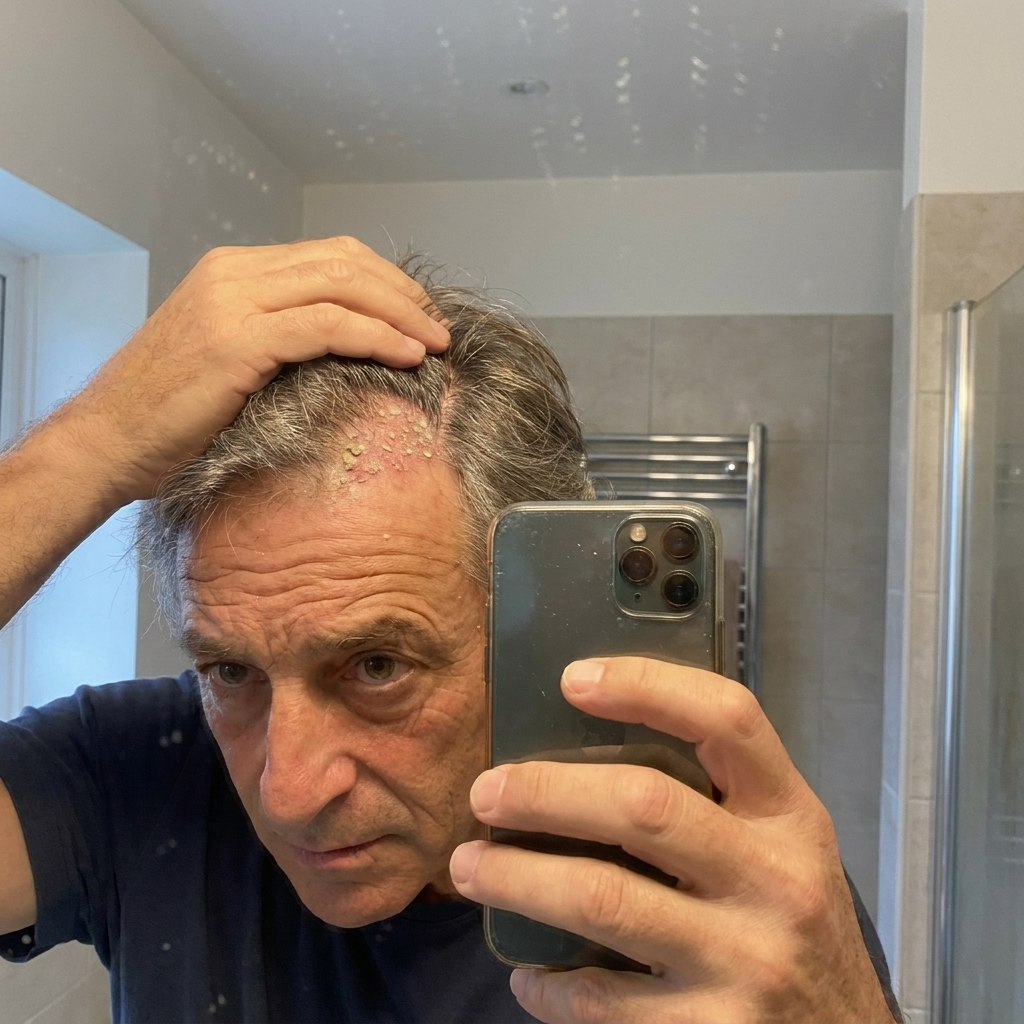
Been a dandruff picker for 15 years and never once figured out what the red, sore yellow patches on my scalp actually were. I'd stopped trying to, honestly. Somewhere around year ten I just accepted it. This is my skin. This is how it is. Some people get bad knees. I get a scalp that flakes, a couple of angry red creases beside my nose, and a hairline that itches when I'm tired. I'm writing this because last month, after fifteen years, it's the best my skin has looked — and I found out the thing I'd needed to know the entire time was embarrassingly simple. I just want to put it where the version of me from a decade ago would've seen it. Let me tell you what I'd already done, so you know I'm not somebody who gave up after two shampoos. I did the drugstore stuff for years. Then I went to a dermatologist. Eight-minute appointment, prescription ketoconazole shampoo and a cream. It helped — for a while. The scaling backed off, then crept right back, and the red patches by my nose never fully went anywhere. Back to the dermatologist. Azelaic acid this time, a high percentage. It worked, technically, but it burned enough that I couldn't make myself use it daily, so I didn't, so it didn't. Then coal tar. The 2% stuff. Smelled like a hospital, did okay on my scalp, did basically nothing near my nose, and was slow as molasses. I rotated all of it. Switched shampoos, switched again. Washed more, washed less. Bought the biotin, the big bottle, because some forum swore by it. And under all of it, my scalp kept burning and my skin kept flaking. Not dramatically. Just constantly. A low hum in the background of my life for fifteen years. So when I read about people putting coconut oil on their scalp for this, I rolled my eyes. I'd done coal tar and prescription antifungals. The idea that an oil — the greasy thing — would do what those didn't was, frankly, insulting to my fifteen years of suffering. I fully expected it to do nothing. I only tried it because I'd stopped caring enough to be skeptical. There was nothing left to protect. I figured I'd prove it didn't work and move on. The first night, the itch went quiet. That alone annoyed me, because it meant I had to keep going. By a few weeks in, the flaking had dropped off and — this is the part that got me — the red creases by my nose, the ones fifteen years of prescriptions never touched, had faded. I sat there genuinely baffled. So I did what I should've done a decade earlier: I looked up why. And it finally explained everything. You've got a yeast living on your skin right now. Everyone does. It's called Malassezia, it's normal, and on calm skin it just sits there. But it eats oil — the oil your scalp and the sides of your nose produce, which is exactly where mine always flared. When it overgrows, it irritates the skin, and that irritation is the flaking, the itch, the red patches. Not dryness. Not a product I hadn't found yet. An overgrowth, feeding. Which is when fifteen years of failure suddenly made sense. Every single thing I'd tried was built to knock the yeast down — and none of it changed what was feeding it. The medicated shampoos sit on your skin for a minute and rinse off. They beat the yeast back for a week or two, which is why they "work" and then quit — but they also strip your skin raw, and stripped skin pumps out more oil to recover. More oil, more food. It always came back. I'd been managing it for fifteen years. I'd never once starved it. ❌ Prescription antifungal shampoo — knocks it back, strips the skin, it rebounds. ❌ Coal tar — surface treatment, couldn't reach the worst spots. ❌ Azelaic acid and the harsh stuff — worked when I could stand to use it, which wasn't daily. ❌ Coconut oil and most "natural" oils — they're literally food for the yeast. ❌ Washing more, washing less, biotin — none of it touches the actual feeding. None of it was a scam. It was all just aimed at the wrong target. I kept attacking the yeast. Nobody ever told me to stop feeding it. Because that's the whole trick, and it's almost stupidly simple: stop stripping your skin, and stop feeding the yeast. Give it one clean oil it can't eat. That's the part that sounds backwards — oil, on the oily flaky thing. But not every oil is the same to that yeast. There's a specific kind: MCT oil, the purified fraction of coconut oil, made of two medium-chain fatty acids — caprylic acid (C8) and capric acid (C10). Those two are the ones Malassezia basically cannot feed on. So instead of stripping your skin or laying out a buffet like regular coconut oil does, you do the one thing none of my prescriptions ever did — you take away the food. The skin calms, the oil settles, and the flaking loses what it's been running on. But here's the trap, and after fifteen years I'd have fallen right into it, so pay attention. Half the bottles labeled "MCT oil" or "coconut oil for scalp" still contain lauric acid — C12 — the cheap fraction the yeast feeds on. Companies leave it in because it's cheaper to produce. The label says MCT; the contents are partly the exact thing you're trying to starve. Buy the wrong one, get nothing, and you'll write the whole idea off the way I almost did on principle. What actually worked for me — and what I've stayed on — is Eden Naturals Organic MCT Oil for Hair & Scalp. The reason is boring and it's exactly why it works: 70% C8, 30% C10, no C12 "filler" — just the two fractions the yeast can't touch, nothing else. One ingredient. No fragrance, no sulfates, no coal tar. Third-party tested. A few drops onto the scalp and worked into the spots by my nose. Massage it in. It absorbs — it's genuinely not greasy, which after the coal-tar years I did not believe until I saw it. Nothing to rinse. Thirty seconds before bed. I'll be straight about the timeline, because I've been burned by miracle promises before. ✅ First night. The itch went quiet. Almost immediately, before anything looked different. ✅ Days 1–7. The tightness and soreness eased and the flaking started to settle. ✅ Weeks 2–4. The flakes dropped off and the red patches by my nose — fifteen years of them — faded. This is where I stopped being skeptical and started being annoyed I hadn't found it sooner. ✅ Weeks 4–8. Calm just became normal. Not a thing I was holding back by force. The best my skin has looked in fifteen years. Not every scalp moves at the same pace, but the order held: relief, then the flakes, then it stopped being something I thought about every day. That's the part I keep coming back to. Not the mirror — the forgetting. I went weeks without thinking about my scalp for the first time since my thirties. I stopped scratching at my hairline without realizing. The red by my nose, the thing fifteen years of dermatology never fixed, just isn't there in a way I notice anymore. And I'm a little angry about it, if I'm honest. Not at anyone — the prescriptions weren't lies, they were just aimed at the wrong thing. I'm angry at the math. Fifteen years. Fifteen years of an embarrassment I didn't have to live with, because the answer was "stop feeding it," and nobody in an eight-minute appointment ever said those words. I wished I knew about this earlier, but at least now I don’t have to worry about my wife telling me to wash my head again. The only thing is I had to wait a week to order mine because they regularly sell out of their product. Something about them only using plant-based ingredients makes production a bit slower but it's worth it. They have a 30-day money-back guarantee, which is the only reason I bothered — figured I'd return it and prove my point. I didn't return it. If you've been at this for years and you're as done as I was, start there. One clean ingredient. A few drops. The one thing, it turns out, I should've done first. 👉 Try Eden Naturals Organic MCT Oil — risk-free for 30 days →
Where the ad sends people
tryedennaturals.com
7 Shampoos Later I found how to stop the Root Cause
Eden Naturals
Learn more: tryedennaturals.com(opens in a new tab)