
Active· since May 23, 2026
- 123
- days running
- 0
- relaunches
Ad copy
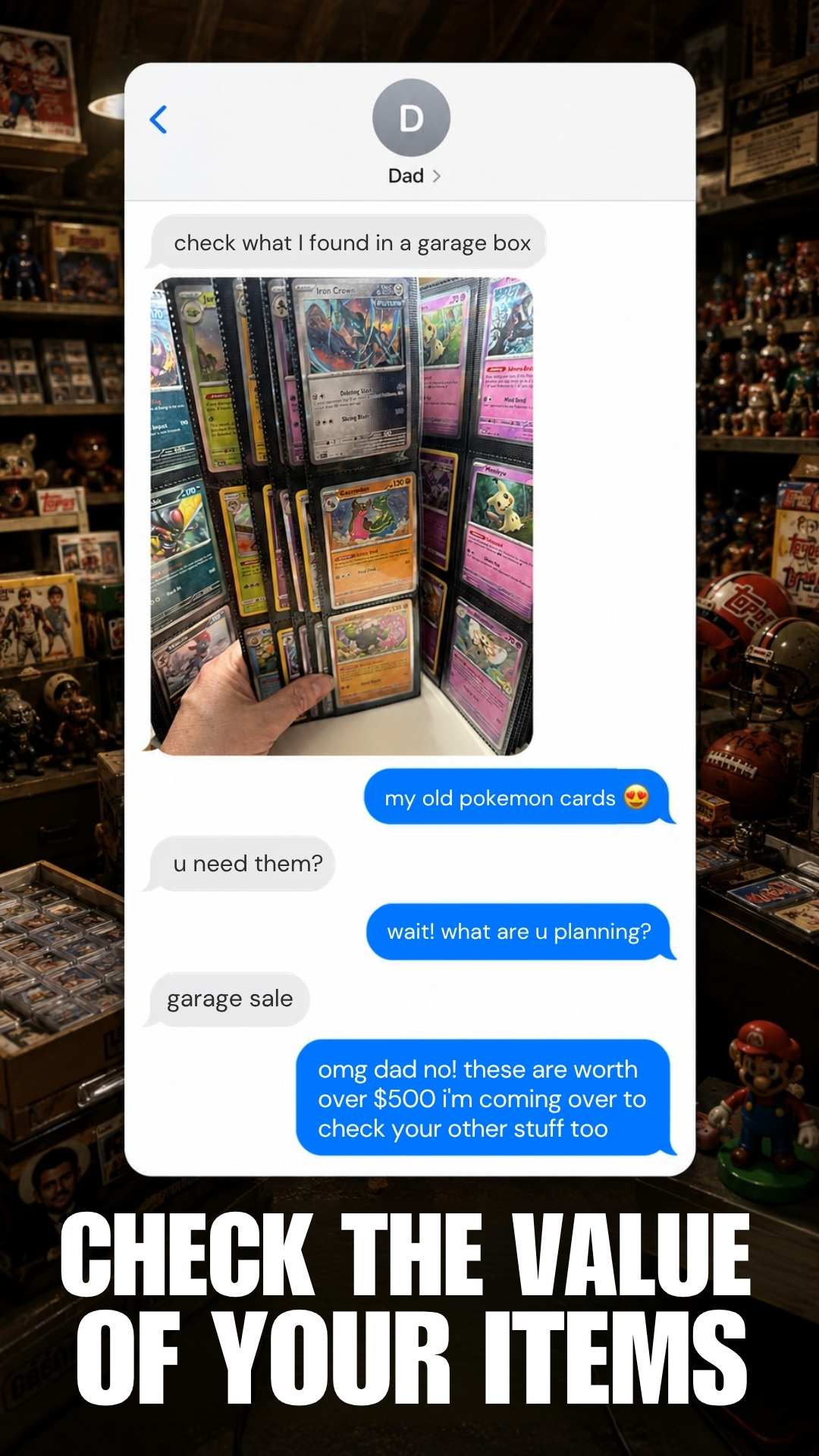
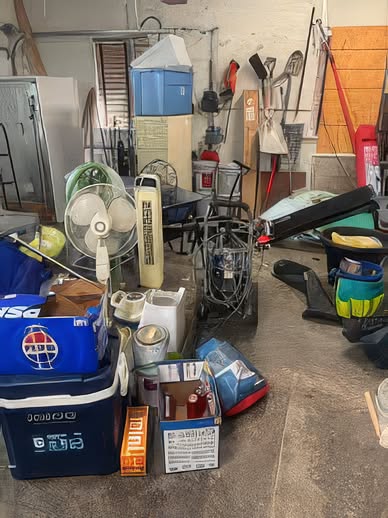
The Secret of Selling Everything in Your House — Without It Becoming a Second Job There's a method called the "Sold-Data Shortcut." You've never heard of it. Almost nobody outside of professional reselling circles has. But the small group of people who've discovered it are selling their household stuff in a fraction of the time — without researching prices, without writing descriptions, without spending their weekends photographing old shoes and answering messages from people who never show up. I'll explain what the Sold-Data Shortcut is in a moment. But first, you need to understand why it's been kept from you. Because it has been kept from you. Deliberately. Let me ask you something. Have you ever tried to sell your stuff online and thought: "This is a part-time job I hate — and it pays randomly and poorly?" Have you ever sat down on a Saturday morning to list a few things on Facebook Marketplace or eBay... and looked up three hours later wondering where your weekend went? The photos. The descriptions. The research. Checking sold listings to figure out what the thing is even worth. Responding to ten messages, nine from people who ghost you. Packing boxes. Driving to the post office. Waiting. And at the end of it all, you made $43. You did the math. You were making less than minimum wage selling your own stuff. So you did what most people do. You shoved it all in a bag and dropped it at Goodwill. Or you piled it in the garage and told yourself you'd deal with it "when you have more time." That time never came. And the stuff is still there. Here's what nobody tells you about selling online: The process was never designed for you. eBay, Mercari, Poshmark, Facebook Marketplace — every single platform was built for people who sell as a business. Professional resellers. Flippers. People who list 50 items a week and treat it like a job because it IS their job. The listing workflow — photograph, research, title, description, price, category, shipping — was designed for someone willing to do that 300 times a month. You have 40 things in your closet you haven't touched in three years. You want them gone. You don't want a job. But here's the part that should make you angry. Those professional resellers? The ones who treat selling as a full-time gig? They aren't doing it the way you're doing it. They haven't been doing it that way for years. There's a layer of data that professional resellers have access to — and that you don't. It's called sold-price data. Not listing prices. Not "asking" prices. Not what some hopeful seller thinks their old lamp is worth. Actual completed transactions. What real buyers actually paid. Across every major marketplace. Millions and millions of records. When a professional reseller walks into your garage sale, they're not guessing. They're not "experienced." They have an app on their phone that tells them, in seconds, exactly what your stuff sold for last week on eBay. Last month on Mercari. Last quarter on Poshmark. They know your vintage Patagonia jacket is worth $78 before you've finished taping the $15 sticker on it. That's not luck. That's data. And you've never had access to it. Tools like WorthPoint charge $30 to $40 a month for this information. Terapeak — which eBay quietly acquired — was built specifically so power sellers could mine this data. Professional auction houses have used proprietary pricing databases for decades. This sold-price intelligence has always existed. It just wasn't for you. The Sold-Data Shortcut changes that. And it doesn't just give you the data. It eliminates the entire process you've been dreading. See, the reason selling feels like a second job isn't because selling is inherently slow. It's because every single step in the process — identify the item, research the price, write a title, write a description, pick a category, set a price, take the right photos — is a manual knowledge task. Each one requires you to know something you don't know. And each one takes time. Not because the task is hard. Because the RESEARCH is hard. The Sold-Data Shortcut compresses all of that research into a single action. I can't reveal the complete system here — the specific data layers involved, the recognition models, the matching algorithms — because frankly, if this became common knowledge overnight, it would disrupt a very profitable arrangement that platforms and professional resellers have enjoyed for years. But I can tell you this: What used to take you 30 minutes per item now takes about 30 seconds. One action. That's it. Think about what that means for a second. That pile of clothes in your bedroom you've been meaning to deal with for six months? The one that grew from a "I'll list these this weekend" pile into a second piece of furniture? Thirty seconds each. That garage full of old electronics and sports equipment and kitchen stuff your kids outgrew three years ago? Thirty seconds each. That box of your mom's old things you couldn't bring yourself to just donate because "some of it might be worth something?" Thirty seconds each. And you'll know — actually know — what's worth selling and what's not. No more agonizing. No more weekend-long research sessions. No more telling yourself "the money is already wasted, I should just donate it all" while a quiet voice in the back of your head says "but what if that's worth something?" Here's what happens when people discover the Sold-Data Shortcut: A woman in Ohio had 67 items she'd been meaning to sell for over a year. Clothes, kitchen gadgets, kids' toys, a few electronics. She'd tried listing some on Facebook Marketplace. Dealt with flakes and no-shows. Got frustrated. Stopped. With the Sold-Data Shortcut, she sorted all 67 items in one evening. Not one weekend. One evening, after the kids were in bed. She knew instantly which items were worth listing, what price to ask, and where to sell each one. Twenty-three items went in the donate bag — confirmed under $5, not worth the effort. Eleven items turned out to be worth $30 or more that she would have donated anyway. She didn't spend a single Saturday photographing things and writing descriptions. She didn't argue with a single low-baller. She didn't calculate shipping. A man in Texas had what he called "the pile of shame" — a corner of his home office that had been accumulating unsold stuff for two years. He'd given himself deadlines: "If it doesn't sell in two weeks, I donate it." But he never got around to listing it in the first place. So the deadline was meaningless. The Sold-Data Shortcut told him in under four minutes that three items in that pile were worth over $150 combined. The rest? Under $10 each. He listed the three valuable ones, donated the rest, and the pile of shame disappeared the same afternoon. Different people. Different stuff. Same result: the stuff left the house, the ones worth money got sold at fair prices, and nobody's weekend was sacrificed. And here's the part most people don't expect. It's not just faster. You actually make MORE money. Why? Because when the process takes 30 minutes per item, you do the math and decide most things aren't worth your time. You donate a jacket that's worth $65 because spending an hour listing it feels like getting paid $65 an hour — except it's not an hour. It's an hour to list, plus three days of messages, plus a trip to the post office. So you donate it. And the professional reseller who buys it from Goodwill for $4.99 sells it for $65. Using the same data you didn't have access to. When listing takes 30 seconds? The math changes completely. A $25 item is suddenly worth listing. A $40 item is a no-brainer. A $65 jacket takes less time to list than it takes to drive it to the donation center. You stop leaving money on the table — not because you got greedier, but because the time cost dropped to almost nothing. Now, I know what you're thinking. "If this is so effective, why isn't everyone using it?" Three reasons. First, the technology behind the Sold-Data Shortcut only became viable in the last 18 months. The AI models required to identify household items from a photo — not just "that's a jacket," but "that's a North Face Nuptse 1996 Retro in good condition, size M, and here's what 47 of them sold for this quarter" — that level of recognition simply didn't exist before 2024. Second, every existing pricing tool was built for professional resellers. WorthPoint, Terapeak, sold-data APIs — they're priced, marketed, and designed for people who sell hundreds of items a month. Nobody built this for the person with a garage full of old stuff. Because there was no money in serving someone who sells 30 things and stops. Third — and this is the one that matters — selling platforms PROFIT from your inefficiency. Every hour you spend on eBay researching prices, tweaking listings, refreshing your feed, responding to messages? That's platform engagement. That's ad revenue. That's time you're spending inside their ecosystem. eBay actually rolled out AI-generated listings in their own backend. They have the capability to auto-write titles and descriptions from a photo. They built it. They just didn't give it to you in a way that actually saves you time. Because a seller who lists in 30 seconds doesn't spend three hours on the platform. So here's how you get access. The Sold-Data Shortcut is built into an app called ValueScout. But before you download anything, there's a free 30-second quiz that does something most selling tools never bother with: it diagnoses exactly why YOUR stuff hasn't been leaving your house. Not generic advice. Not a blog post about "10 tips for selling online." A specific diagnosis based on your situation — what kind of stuff you have, what's been stopping you, how much time you actually have — that tells you what type of casual seller you are and what's been blocking you. The quiz is at https://valuescout.ai/main/a It takes 30 seconds. It costs nothing. And when you're done, you'll understand — probably for the first time — why the old way of selling never worked for you. It wasn't that you were lazy. It wasn't that your stuff wasn't worth it. It wasn't that you needed "a free weekend." You needed the data the pros have been using. And a system designed for someone who is NOT a professional reseller. That's what ValueScout gives you: Instant item recognition — point your camera, get an identification. Not "blue jacket." The brand. The model. The condition. The era. Real sold-price data — not what sellers hope for. What buyers actually paid. Across eBay, Mercari, Poshmark, and more. Millions of actual completed transactions. Auto-generated listings — titles, descriptions, photos, pricing, and platform recommendation. From a single scan. And a clear verdict for every item: SELL (here's where, and for how much), DONATE (it's under $5, let it go guilt-free), or SKIP (not worth anyone's time). Everything the professional reseller has — without the expensive subscription, without the learning curve, without turning your life into a side hustle you never wanted. Try it for 30 days. If you don't save hours. If the stuff doesn't move. If the prices aren't accurate. You get your money back. Every cent. No questions, no hassle, no hoops. Look, here's the reality. You can keep doing what you've been doing. The pile will still be there next month. The garage will still be full. The boxes will keep sitting in the closet. Every few weeks you'll think "I really need to deal with that" and then you won't — because the process is too painful and the payoff is too small. Or you can take 30 seconds right now. Answer a few questions. Find out what's actually been stopping you. And then, if you want, point your phone at the first thing in that pile. Watch the Sold-Data Shortcut tell you in seconds what it would have taken you 30 minutes to figure out on your own. Then decide if you want your weekends back. https://valuescout.ai/main/a The quiz is free. The shortcut is inside. P.S. — If you try ValueScout and it doesn't save you time — real, measurable, obvious time — you get a full refund within 30 days. But honestly? Most people's only regret is the stuff they donated before they scanned it.
Read this if you keep telling yourself you'll sell that stuff "someday"
Upload a photo and instantly discover your item’s true market value. ValueScout uses AI and millions of verified auction sales to identify antiques, collectibles, and everyday items. Fast results, accurate valuations, digital certificate included.
LEARN MORELike this ad? Make it yours.
Crush rebuilds this exact creative around your product — your brand, your colors, your offer — in about a minute.