Wellness Daily UK
Wellness Daily UK Facebook ad: “Read this if you feel puffy every evening”
Ran for 51 days, from April 16 to June 6, 2026, the last day Crush saw it.
Run by Wellness Daily UK on Facebook. Crush is not the advertiser and does not verify its claims. See this ad in Meta's Ad Library(opens in a new tab)
Want an ad like this for your product?
Crush makes new ad images for your product from this ad: your logo, your product photo, your offer.
Trials from $19.95 USD, then $79.95 USD a month. Cancel anytime.
About this ad
- Meta Ad Library ID
- 4280223622191639
- Platforms
- Facebook, Instagram, Audience Network, Messenger and Threads
- Relaunches
- 0
- Niche
- Clinics & Medical
Ad text
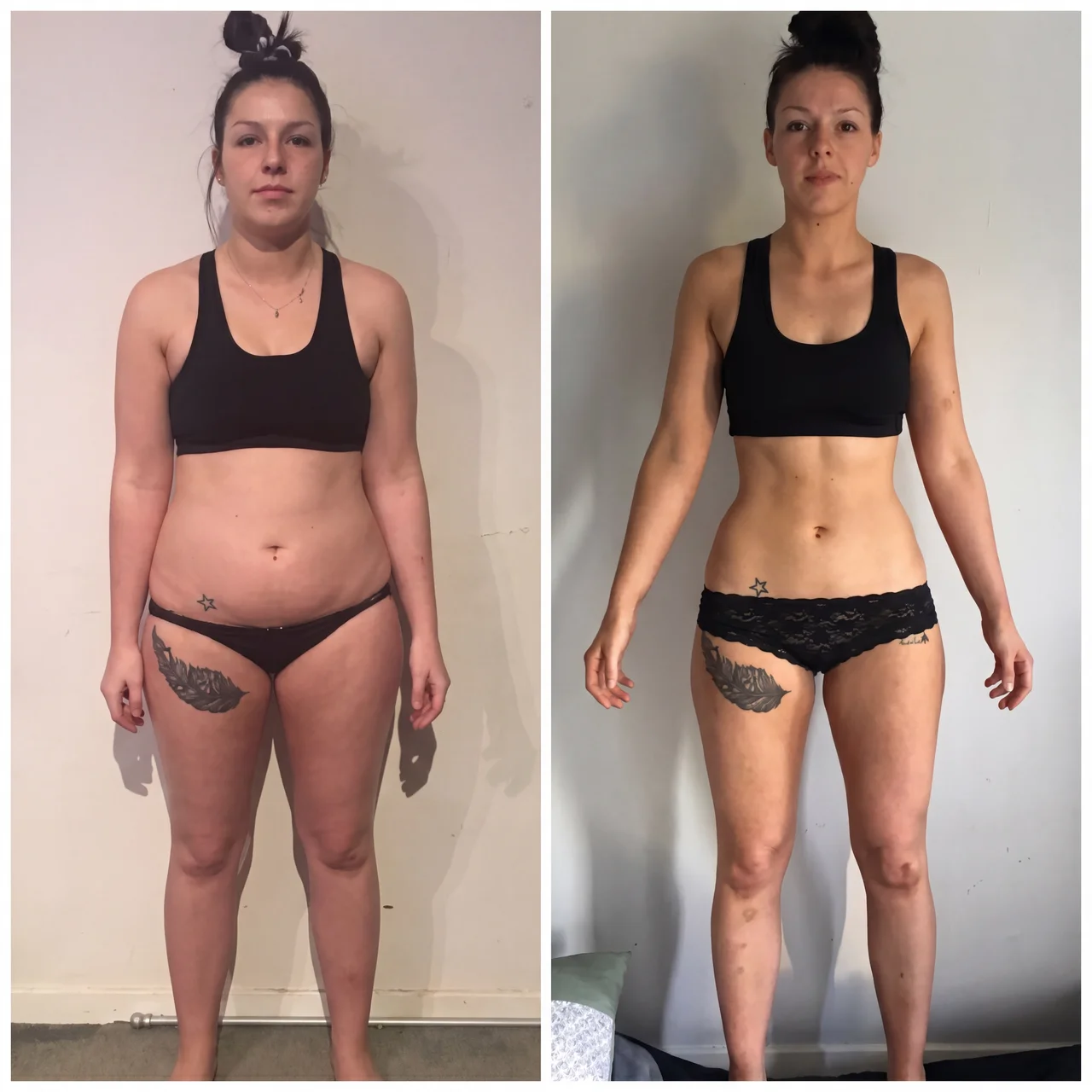
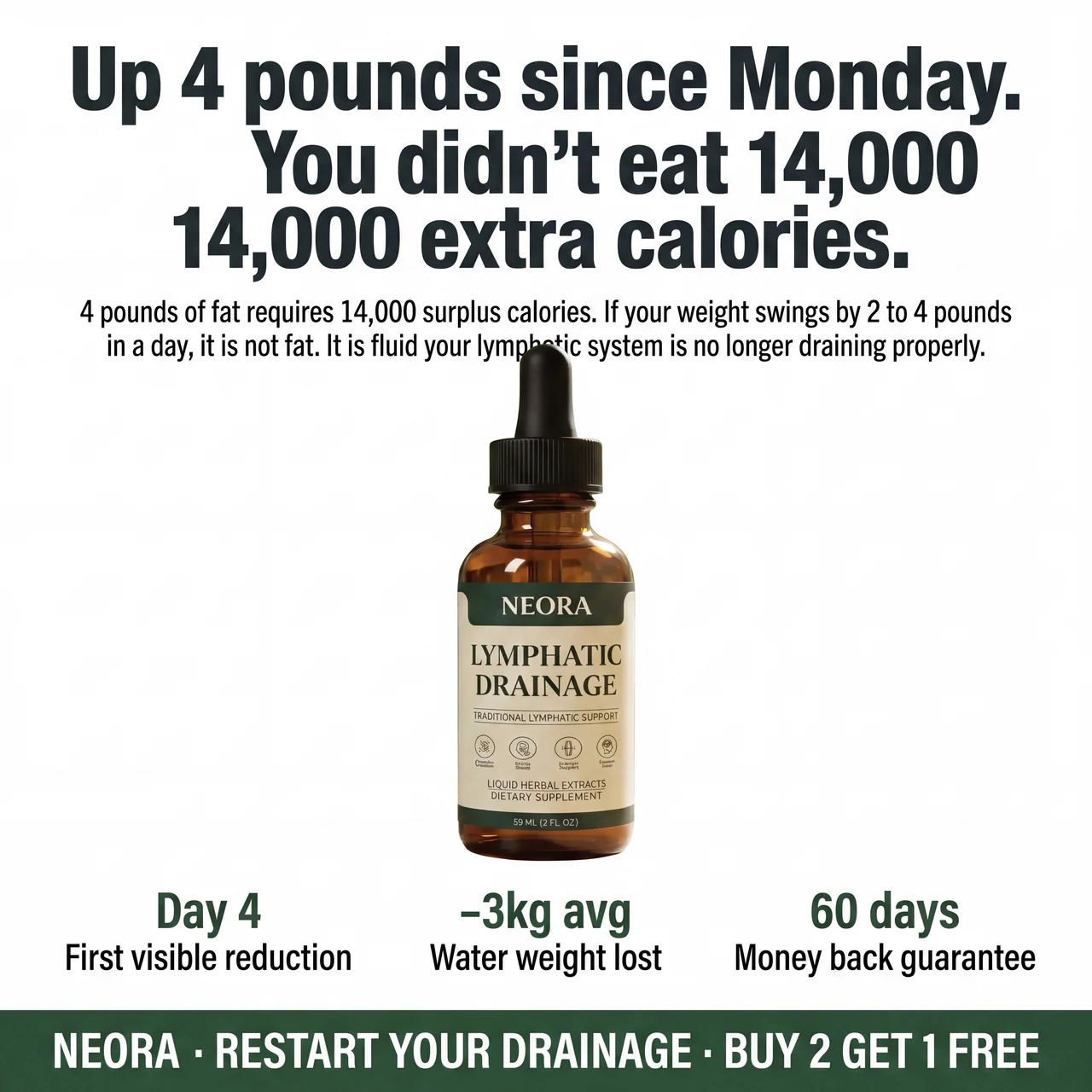
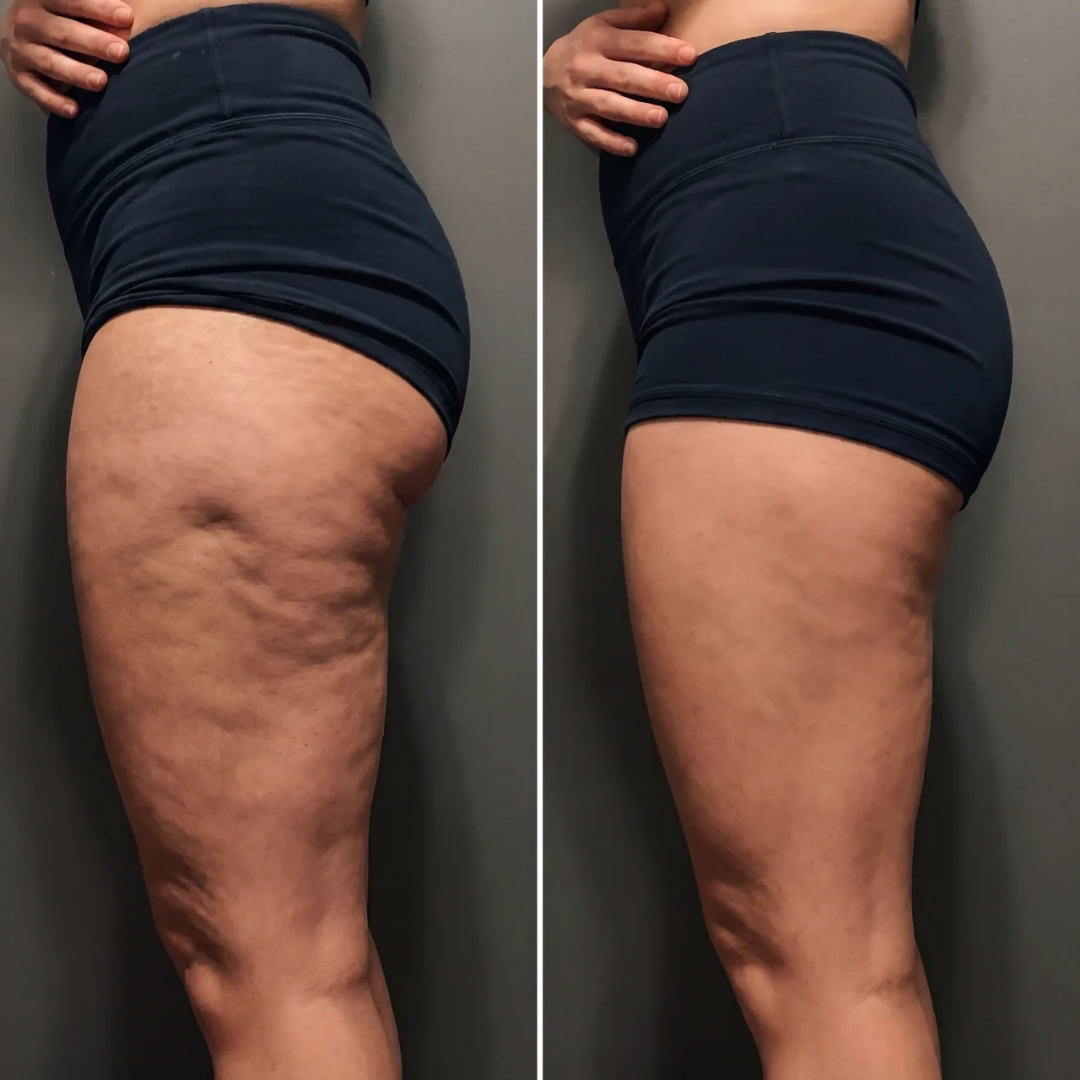
I am a nurse. I have been a nurse for nineteen years. And I am telling you this because I want you to understand that when my own ankles started swelling at fifty-one, I knew exactly what to do. I had the medical knowledge. I had access to the right people. I knew how to navigate the system. And I still spent eighteen months being told the wrong thing. The first thing I noticed was my feet. I was ending my shifts and my shoes were tight in a way they had never been. I assumed it was the long hours standing. I had been standing for nineteen years. I ignored it. Then my face started changing. I would wake up and my face was not quite my face. Slightly puffier under the eyes. Softer along the jaw. By the end of the day it was more pronounced. I had photographs from the year before where I looked different. Not dramatically. But differently. Then my stomach. Flat in the morning, noticeably distended by afternoon. My uniform was comfortable at seven in the morning and pressing into me by three in the afternoon. Every single day. I spoke to colleagues. A consultant I trusted. She ran a panel. Hormones declining, consistent with perimenopause. She suggested HRT and told me fluid retention was common at this stage and would likely self-regulate. It did not self-regulate. I tried the obvious things. I already ate well — nineteen years of working in healthcare had made me diligent about that. I reduced sodium further. I increased water intake. I started walking thirty minutes every morning before shifts. The swelling was unchanged. I went back. A different consultant this time. He mentioned diuretics. I declined — nineteen years of watching what diuretics do to kidneys long term and I was not interested. He suggested compression stockings. I accepted those because at that point I was wearing them professionally anyway. The compression stockings helped my legs during shifts. They did not help my face. Or my stomach. Or the fluid that was clearly accumulating throughout my body regardless of what I ate or drank or did. After eighteen months I was doing what I counsel patients never to do. I was spending hours on the internet at eleven at night after long shifts, reading research papers I had no real reason to be reading. And I found lymphatic physiology research I had somehow never paid enough attention to in nineteen years of clinical practice. The lymphatic system is a drainage network running parallel to the circulatory system. Its entire function is to collect excess fluid from tissue and return it to the bloodstream. In perimenopause and menopause, declining oestrogen directly impairs lymphatic vessel contraction. The system slows. Fluid that should be moved stays in the tissue instead. Everything I had tried was aimed at the wrong system. Diuretics work on the kidneys. Compression stockings work on the mechanical pressure of the fluid already in the legs. Neither addresses the underlying failure of the lymphatic vessels to contract and move the fluid in the first place. I found a clinical overview of four botanical compounds with documented effects on lymphatic vessel activity. Galium aparine. Red Clover. Stillingia. Prickly Ash. Used in European botanical medicine for decades. Not one person in my nineteen years of clinical practice had ever mentioned any of them to me in this context. I ordered Neora. I told nobody at work. I was not ready to discuss a herbal supplement with colleagues who would reasonably ask why a nurse was taking plant extracts instead of conventional treatment. By day eight my ankles at the end of a twelve-hour shift looked the way they used to look at the beginning of a shift. I took a photograph because I did not fully believe what I was seeing. By the end of the second week the morning facial puffiness had reduced to the point that a colleague asked if I had changed my skincare routine. I had not changed anything except seven drops in water before bed. By week four I had lost eight pounds without any dietary change. My stomach was flat at six in the evening. My uniform fitted the same way all day. I told two colleagues. A theatre nurse who had been struggling with the same pattern since forty-eight. A ward sister who had been wearing compression stockings every shift for three years. Both of them saw results within the first two weeks. I am not telling you to distrust your doctor. I am telling you that in nineteen years of clinical practice, the lymphatic system as a primary driver of menopausal fluid retention was never part of any conversation I was trained to have with patients. Not because it is not real. Because it sits outside the standard pathway. Your GP is not wrong that it is hormonal. The hormonal change is what slows the lymph. But the intervention that works is not hormonal. It is lymphatic. The link is below. Neora. £19.90. Free UK shipping. 30-day guarantee. I wish I had found this eighteen months earlier. It would have saved me a significant amount of uncomfortable shifts and one very unflattering passport photo. 👉https://www.neoraskin.com/products/lymphatic-drainage-drops
Where the ad sends people
neoraskin.com
👆 Read this if you feel puffy every evening
Wake up lighter, less puffy and finally yourself from day 7
Shop now: neoraskin.com(opens in a new tab)