
Inactive· since Apr 14, 2026
- 20
- days it ran
- 0
- relaunches
Ad copy
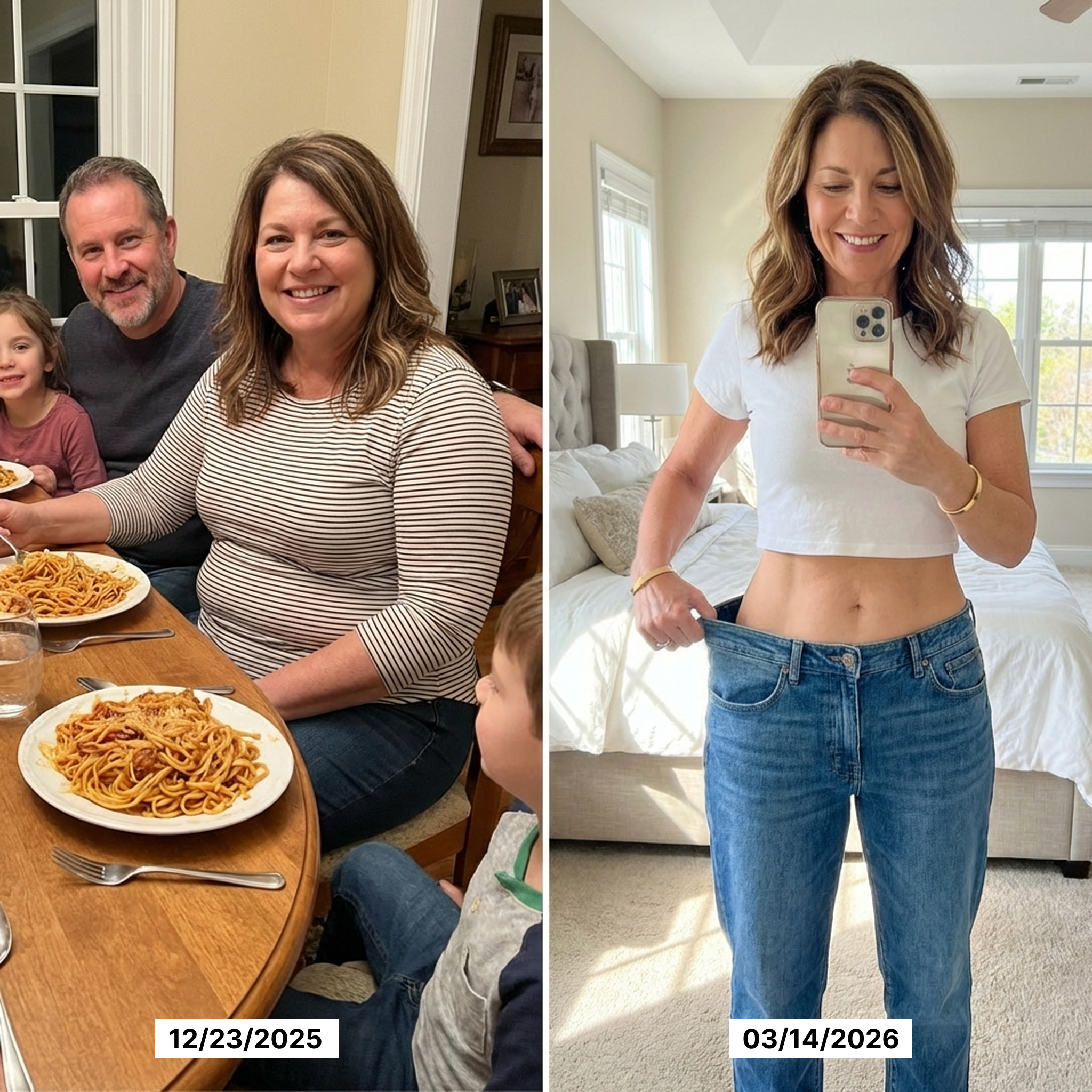
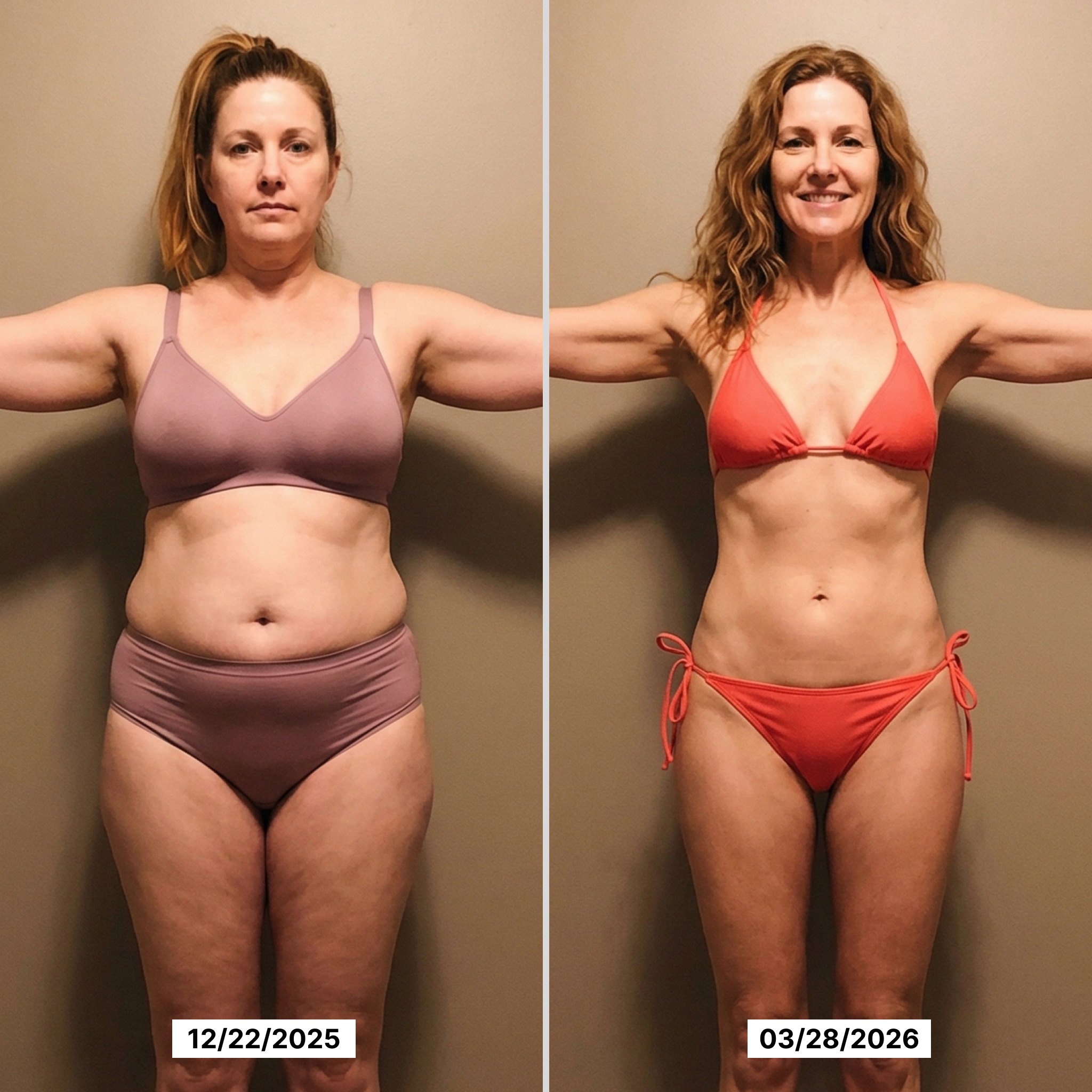
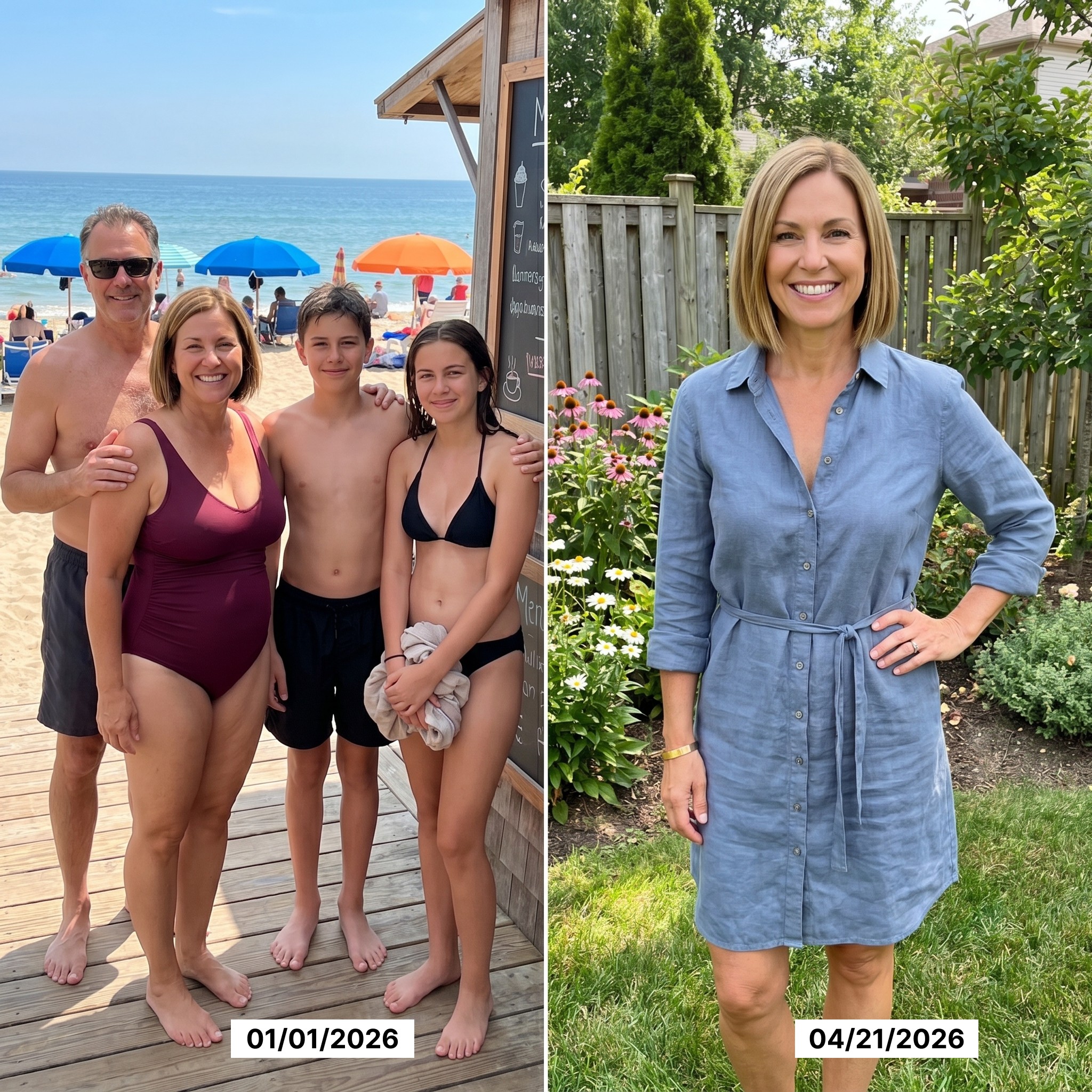
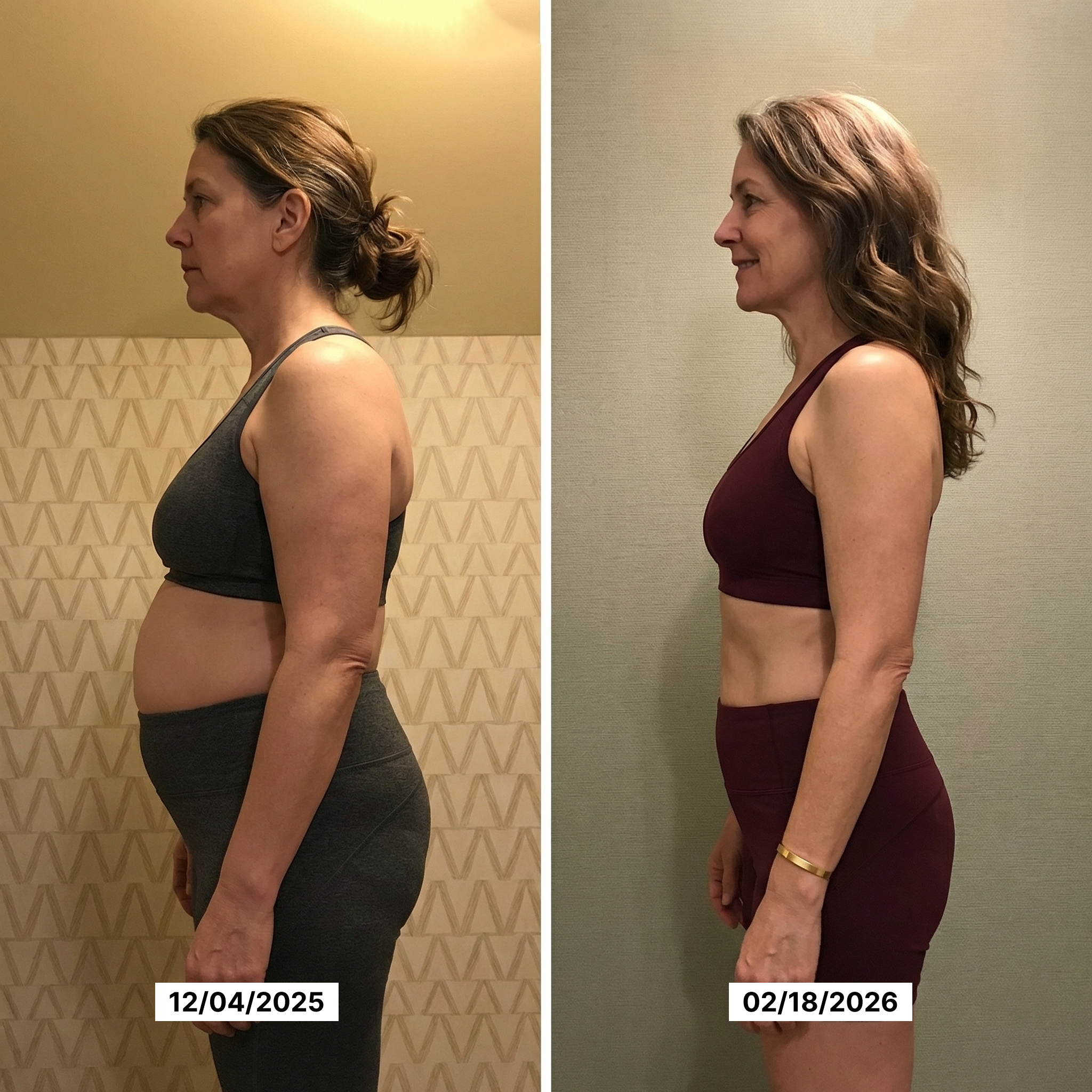
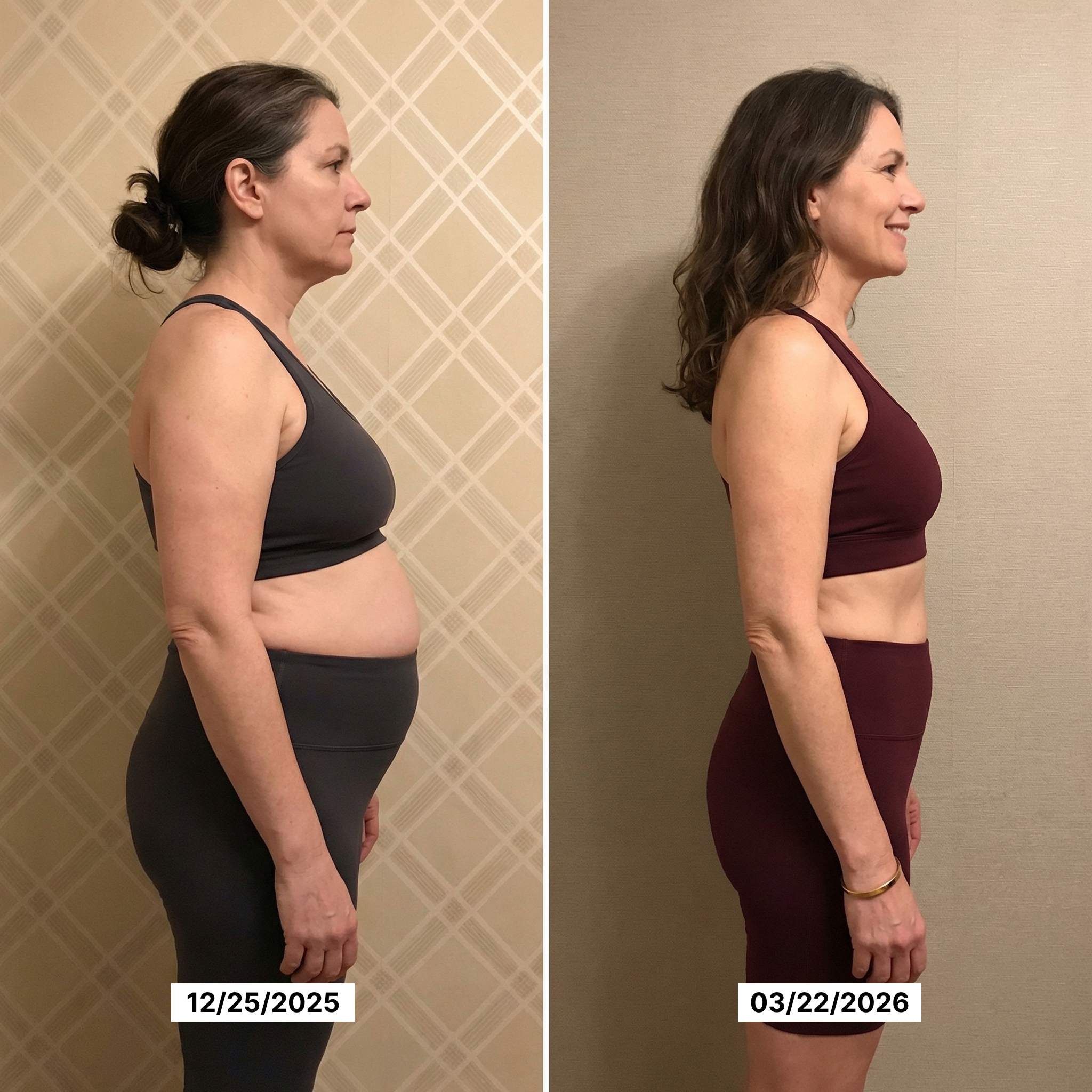
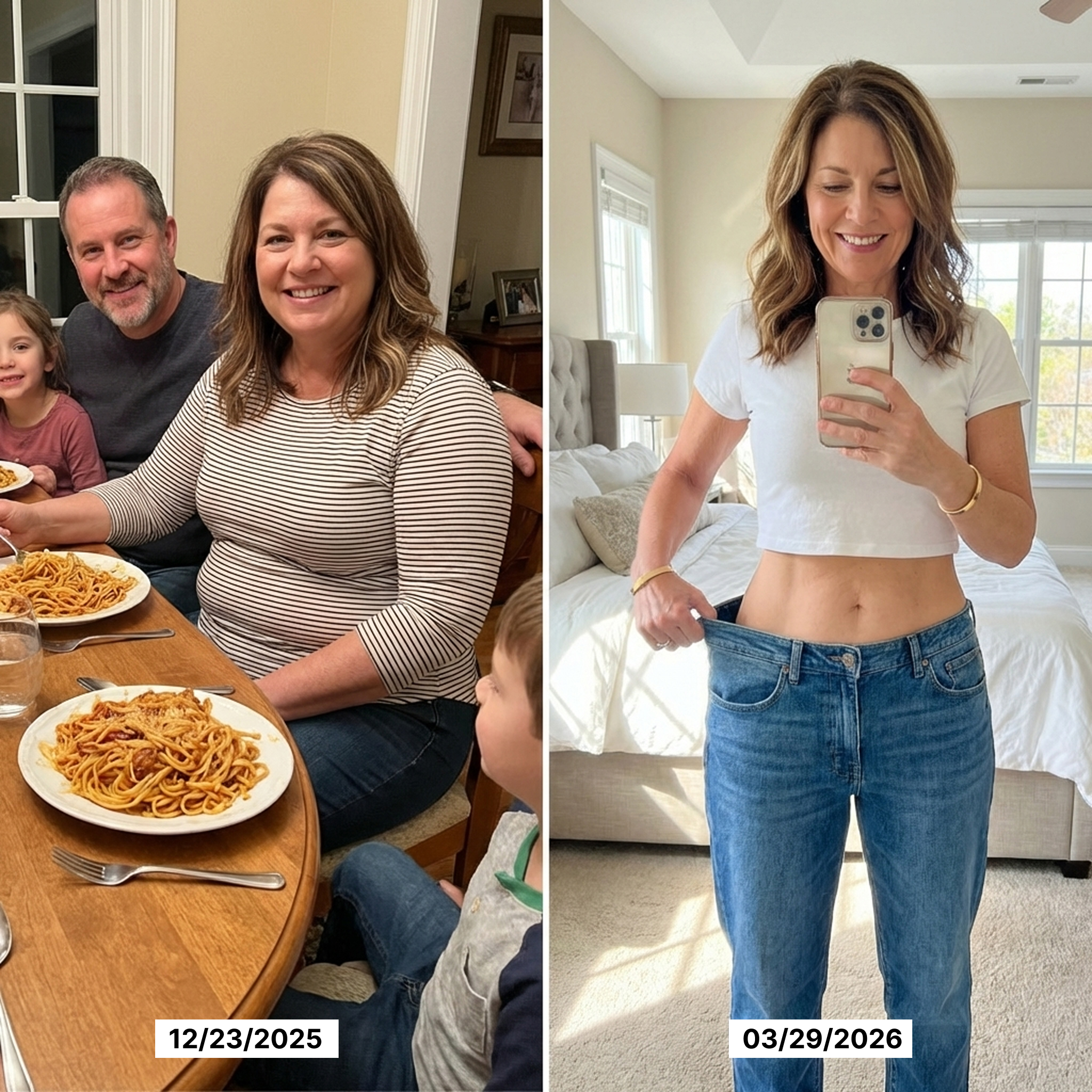
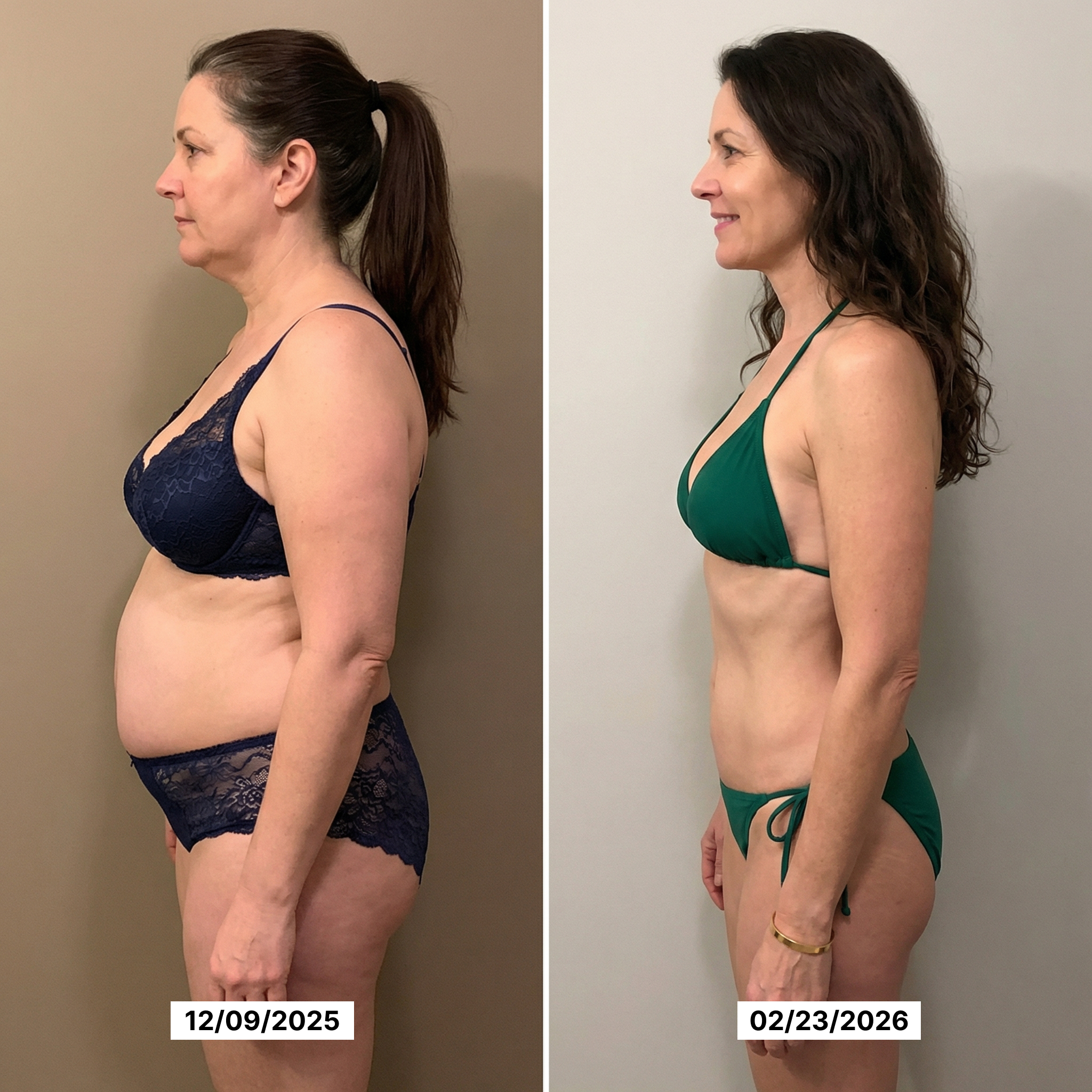
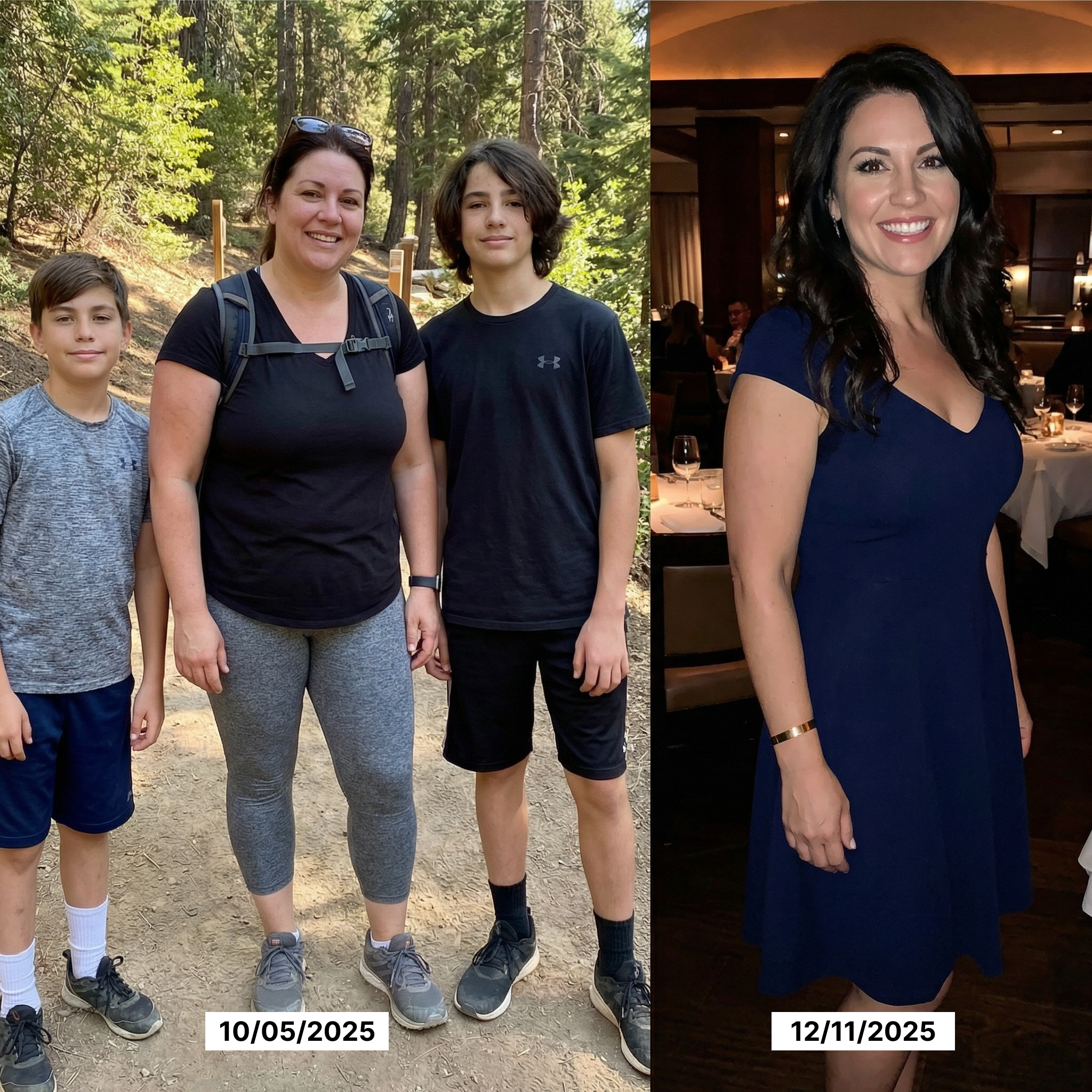
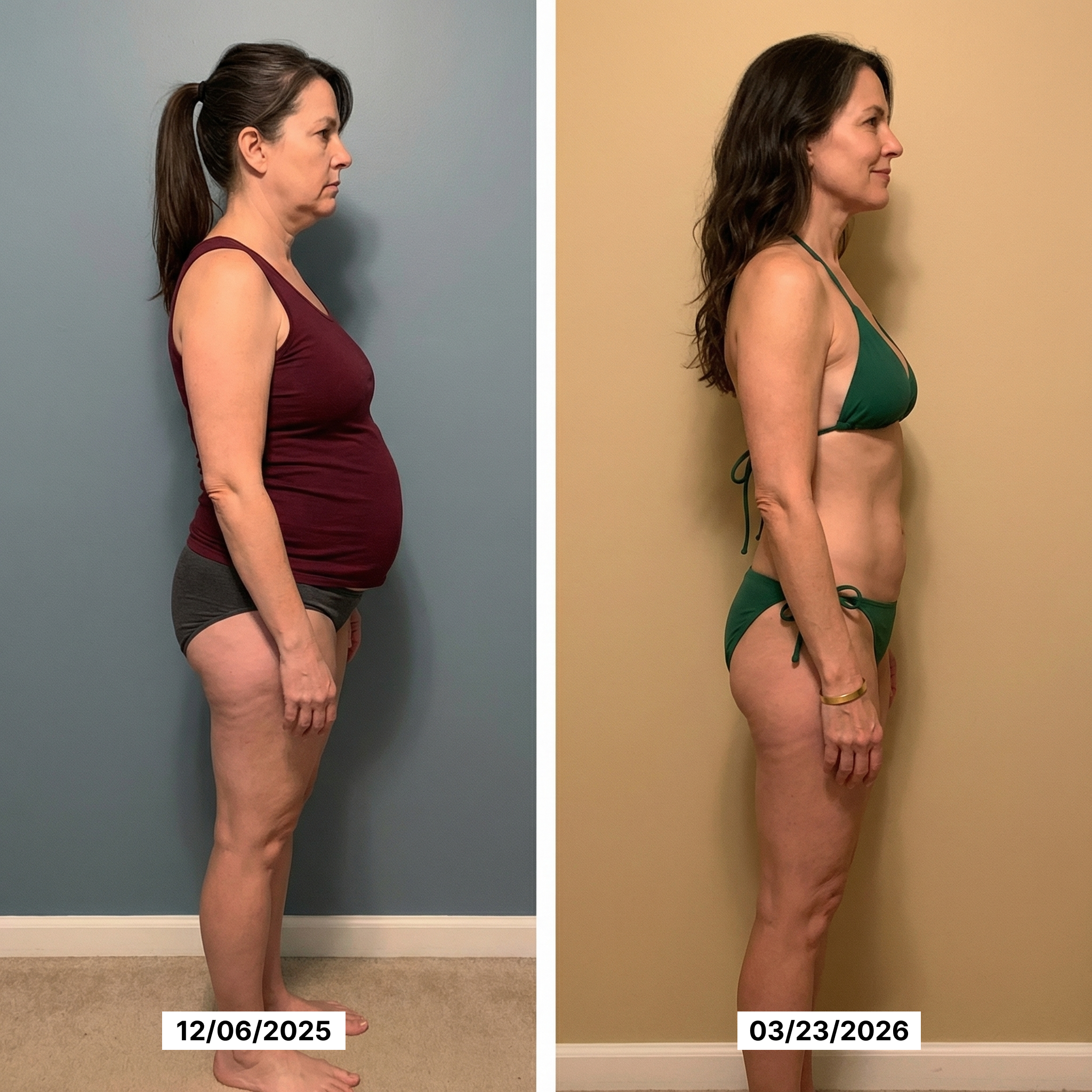
"My endocrinologist discontinued my diabetes medication. I'm 53. She said my condition had reversed. My fasting glucose went from 156 to 87 in 14 weeks." I'm a certified diabetes educator. I've worked in endocrinology for 20 years, teaching patients how to manage their blood sugar and prevent complications. Six months ago, I sat in Dr. Chen's office as she reviewed my labs. My fasting glucose: 87 mg/dL. My A1C: 5.2%. She looked at my medication list. Metformin 1000mg twice daily. Then she looked at me. "Karen, I'm discontinuing your metformin." I thought I'd misheard her. "Excuse me?" "Your fasting glucose is 87. Your A1C is 5.2. These are not diabetic numbers. These aren't even prediabetic numbers. These are optimal numbers." She paused. "Fourteen weeks ago, your fasting glucose was 156 and your A1C was 7.1. What happened?" The Meno Belly That Gave Me Diabetes Here's what they don't tell you about being a diabetes educator during menopause: You spend your days teaching patients about insulin resistance. You explain how visceral fat wraps around organs, releases inflammatory cytokines, and destroys insulin sensitivity. You show them the studies linking waist circumference to diabetes risk. And then you watch your own blood sugar climb as your belly expands. From 49 to 52, I gained 34 pounds. All in my belly. My waist went from 29 inches to 40 inches. My fasting glucose crept up: 105, then 118, then 134. At 52, it hit 156. Dr. Chen diagnosed me with Type 2 diabetes. Me. A certified diabetes educator. Diagnosed with the disease I taught others to prevent. The shame was paralyzing. How could I stand in front of patients and teach diabetes management when I couldn't manage my own? The Professional Hypocrisy In my practice, I see the same story every week: "I don't understand. I'm eating healthy. Why is my blood sugar so high?" "My doctor says it's my belly fat. But I can't lose weight in my stomach no matter what I try." "I'm doing everything right. My glucose keeps climbing." I knew the science. Visceral fat is metabolically active. It releases hormones that interfere with insulin signaling. The more belly fat you have, the more insulin resistant you become. It's a feedback loop that diet and exercise alone often can't break. I taught this to patients every day. And I was living proof it was true. The $4,300 I Spent Trying to Reverse My Diagnosis After my diagnosis, I was desperate: A diabetes reversal program from a metabolic health clinic ($1,800 for 16 weeks) that dropped my A1C slightly but left my belly unchanged. Prescription semaglutide ($1,400 for 4 months before insurance denied continuation) that reduced my appetite but gave me severe nausea. A targeted visceral fat reduction protocol ($720 for 12 weeks) with supplements specifically marketed for belly fat. Continuous glucose monitoring with coaching ($380 for 8 weeks) that showed me exactly how my blood sugar spiked after meals but didn't fix the underlying problem. My A1C went from 7.1 to 6.8. My fasting glucose from 156 to 142. Better. But still diabetic. Still requiring medication. Still watching my belly keep me sick. Dr. Chen increased my metformin. "If we can't get this under control, we'll need to discuss insulin." What a Patient's Labs Taught Me Then Mrs. Washington changed everything. 61 years old, came in for her diabetes education session. I pulled up her labs expecting to review her medication adjustments. Her fasting glucose: 92. Her A1C: 5.4. I checked her chart. Three months ago: fasting glucose 148, A1C 6.9. "Mrs. Washington, your diabetes appears to be in remission. Dr. Chen discontinued your medication?" She nodded and showed me her wrist. "My daughter gave me this. She said chronic stress raises blood sugar. When stress goes down, blood sugar stabilizes." As a diabetes educator, I knew she was right. Cortisol directly elevates blood glucose. Chronic stress creates chronic cortisol elevation. The stress-diabetes connection is well-documented. But I'd never seen someone reverse their diagnosis without medication changes or extreme dietary intervention. "How much?" "$65." I ordered one that night. My 14-Week Diabetes Reversal I tracked my continuous glucose monitor religiously: Week 1-4: Sleep dramatically improved. Stress levels decreased noticeably. Fasting glucose averaging 128 instead of 156. Post-meal spikes less severe. Waist: 38 inches. Week 5-8: Fasting glucose averaging 112. Post-meal spikes reduced by 40%. Lost 13 pounds. Waist: 35 inches. Week 9-11: Fasting glucose averaging 98. Time in range on CGM: 92%. Lost another 12 pounds. Waist: 32 inches. Week 12-14: Fasting glucose averaging 87. A1C measured: 5.2%. Lost another 9 pounds. Waist: 29 inches. Total: 34 pounds lost. 11 inches off waist. Diabetes: reversed. That's when Dr. Chen discontinued my medication. The Labs That Changed My Practice When I showed Dr. Chen the bracelet and explained the cortisol-glucose connection, she nodded slowly. "Karen, I've been treating diabetics for 24 years. I tell every patient that stress management matters. But I've never had a patient demonstrate the connection this clearly." She pulled up my glucose trend on her screen. "Your fasting glucose dropped 69 points in 14 weeks. Your belly fat disappeared. Your diabetes reversed. Without changing medication." She was quiet for a moment. "Maybe I've been treating the downstream effects while the upstream cause kept running." Three Months Later I now include nervous system regulation in every diabetes education program I teach. Fourteen patients have seen fasting glucose reductions of 30-70 points in 12-16 weeks. Six patients have reduced or discontinued diabetes medications under physician supervision. My clinic director asked me to develop a new curriculum: "Stress Response Regulation in Diabetes Management." The Metabolic Truth Here's what 20 years as a diabetes educator taught me: You can't medication-manage your way out of a stress-driven metabolic disorder. Metformin lowers glucose, but if cortisol keeps elevating it, you're fighting a losing battle. Visceral fat and elevated glucose are both downstream effects of chronic stress. Address the stress, and both improve together. For most menopausal women with belly fat and blood sugar problems, the root cause is the same: a dysregulated nervous system pumping out cortisol 24/7. For me, addressing that root cause meant a $65 bracelet that did what metformin alone couldn't: reversed my diabetes by calming the stress driving it. I'm no longer a diabetic educator with diabetes. I'm proof that the condition can reverse. 👉 If you have a meno belly and rising blood sugar, if you want to address the stress driving both... Click below to discover the Kalm Bracelet. Just $64.90 at the official store. Wear it consistently and track your glucose for 14 weeks. https://mykalm.co/original-bracelet
Reduces menopause symptoms naturally
Don't miss out! Get TWO original Kalm Bracelet for the price of ONE. These are our largest discounts of the year. and supplies are running low. Secure yours now while they last!
LEARN MORELike this ad? Make it yours.
Crush rebuilds this exact creative around your product — your brand, your colors, your offer — in about a minute.