
Inactive· since May 2, 2026
- 39
- days it ran
- 0
- relaunches
Ad copy
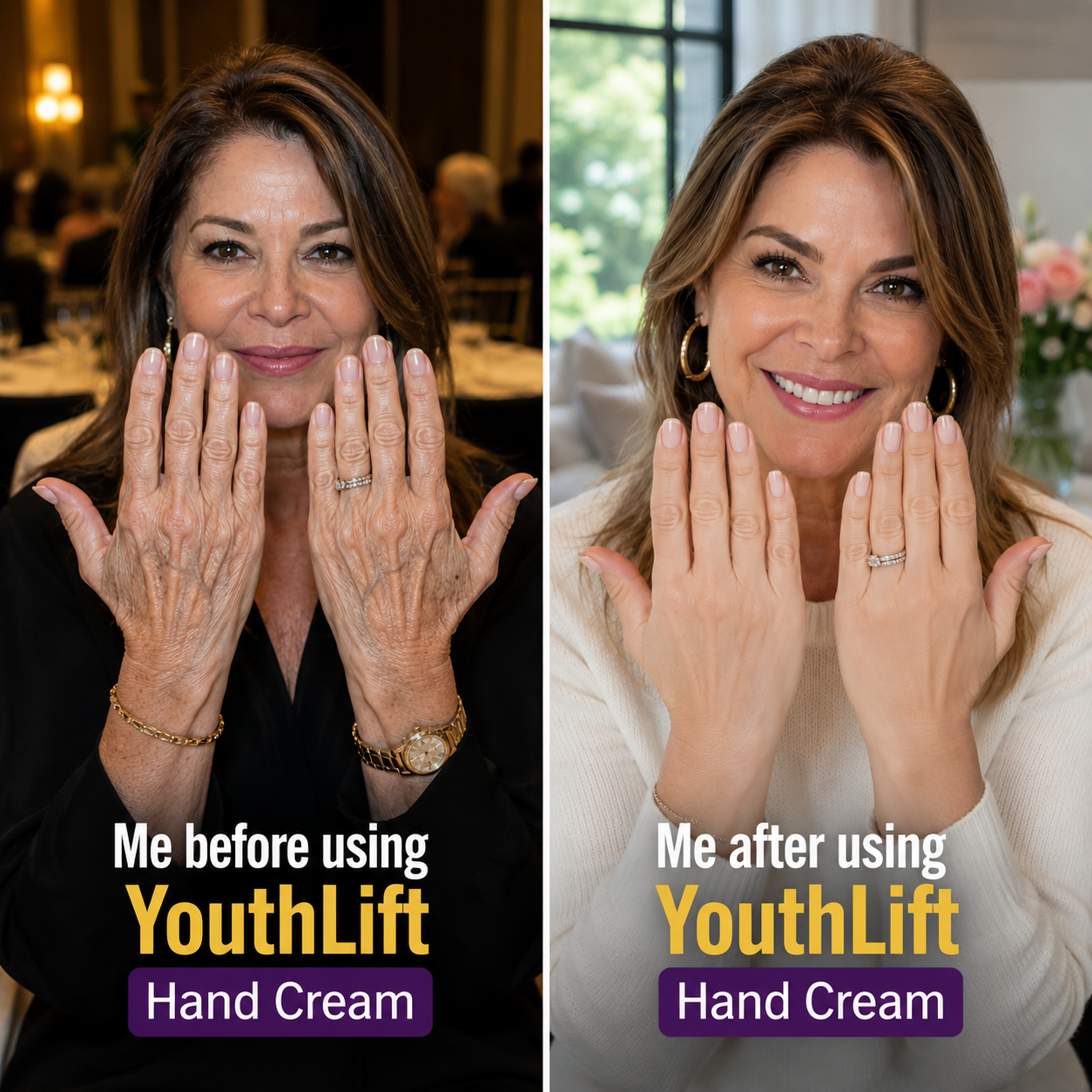
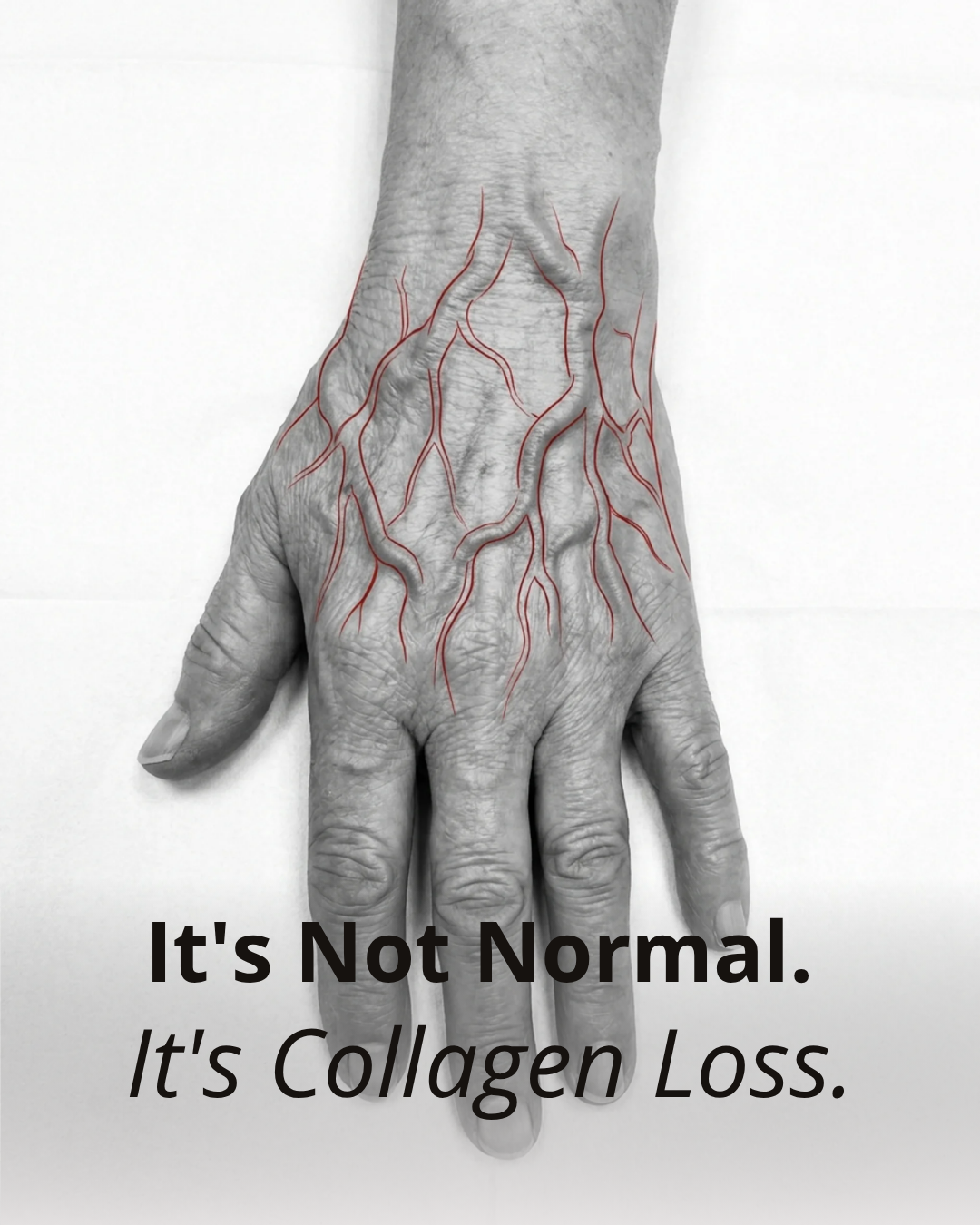
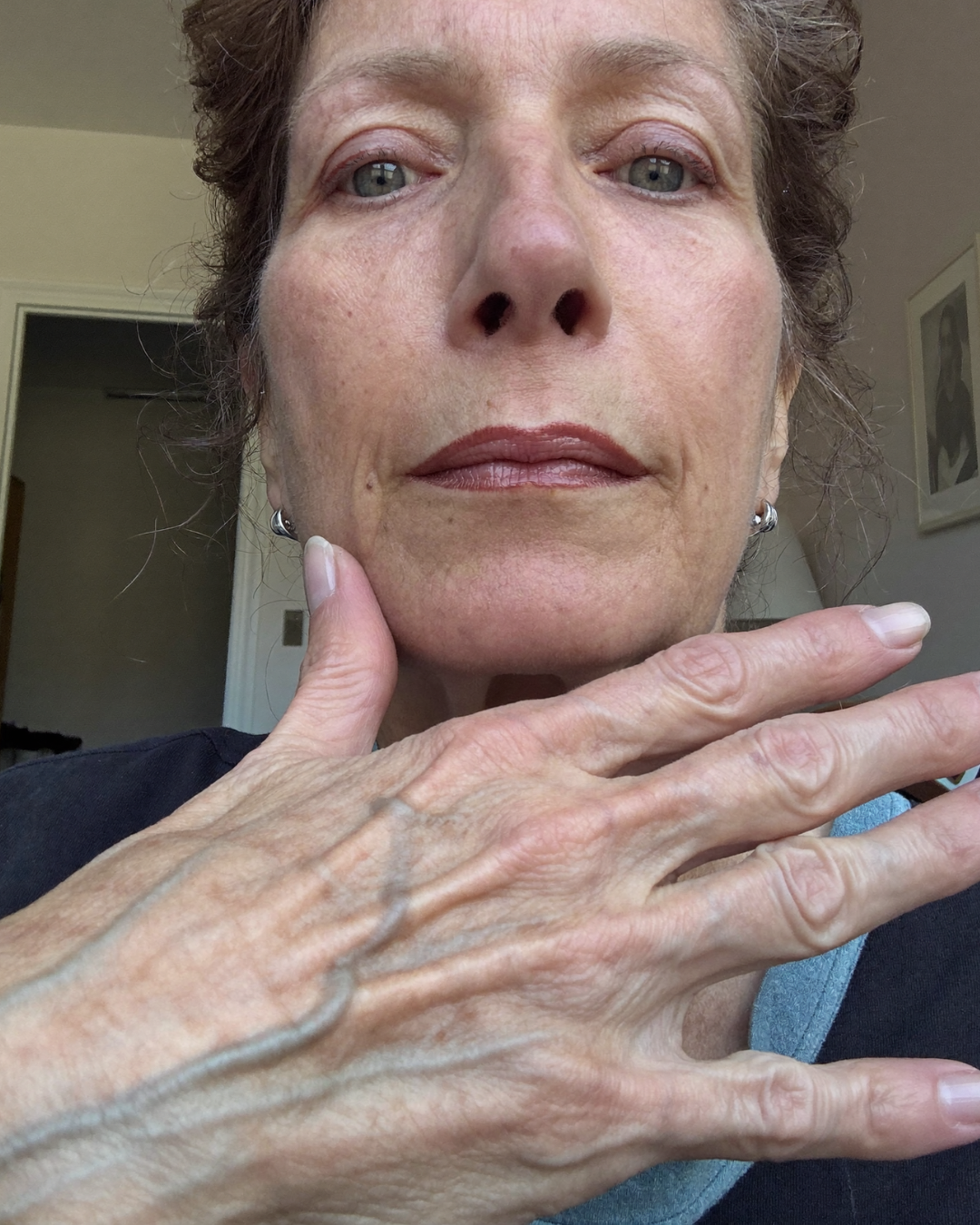
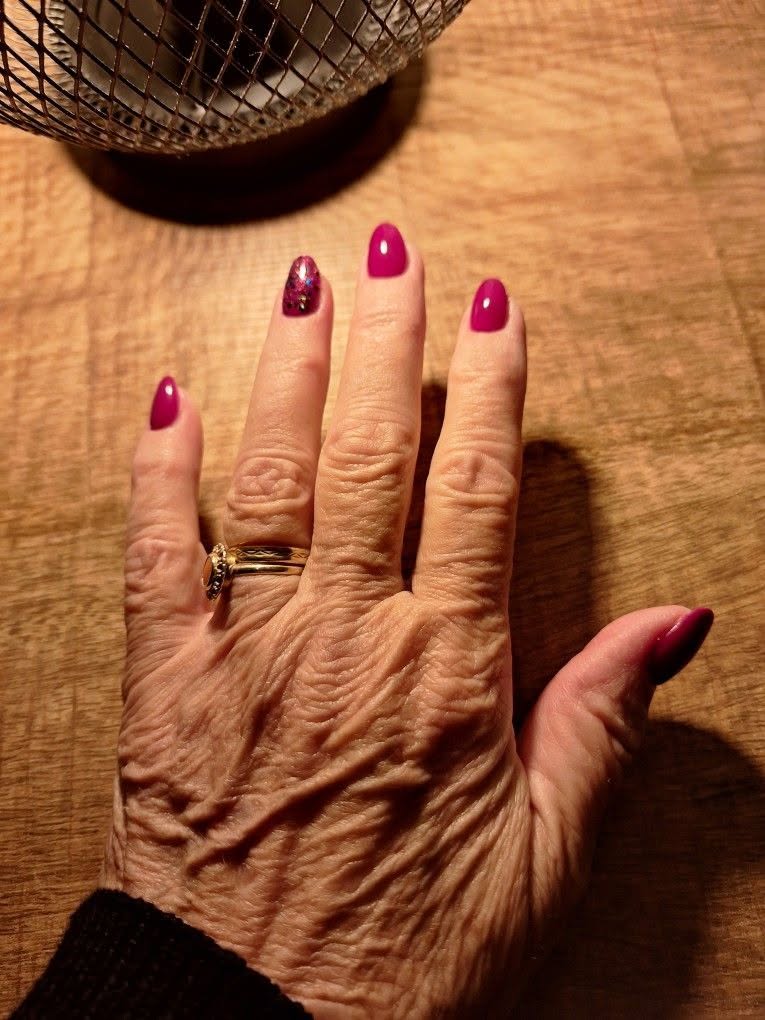
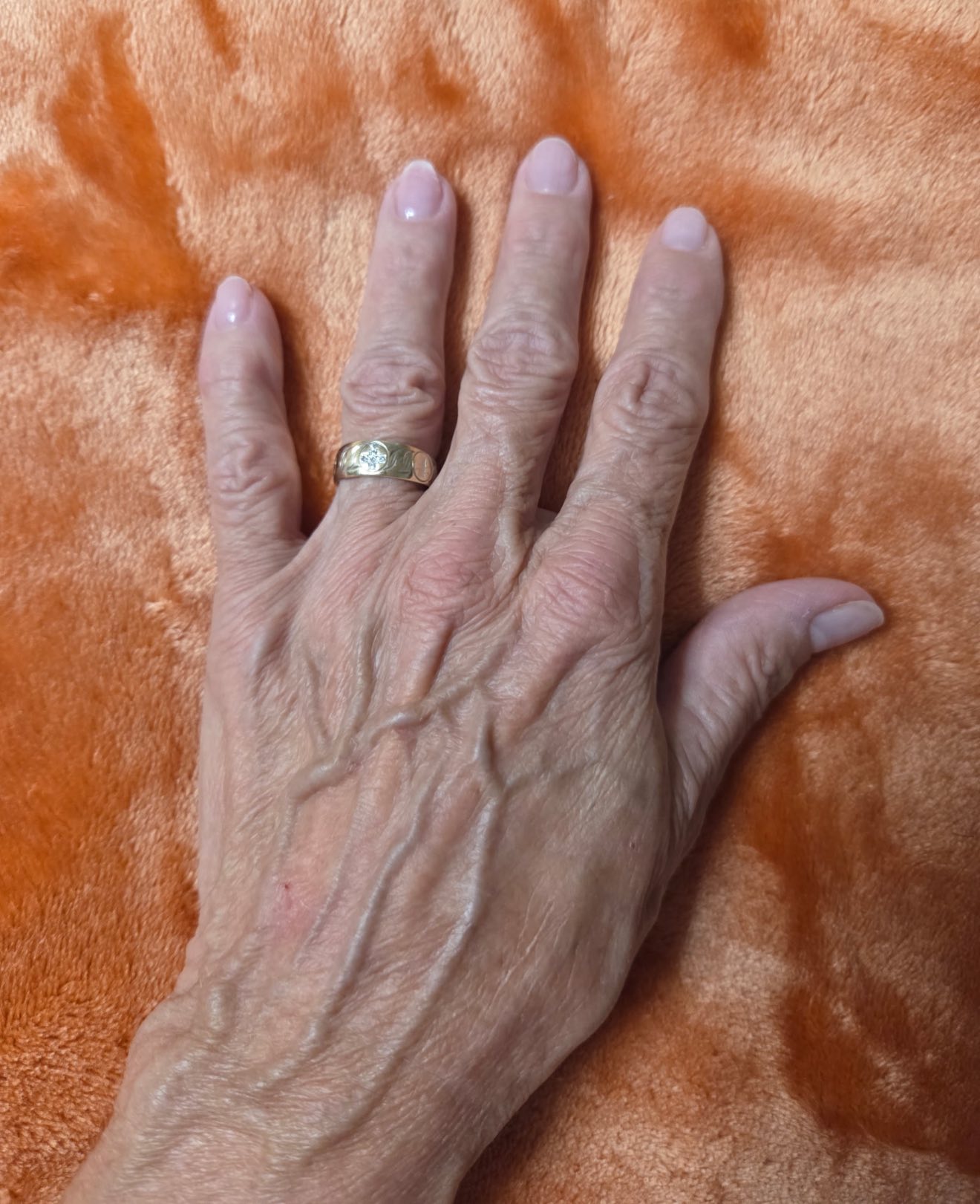
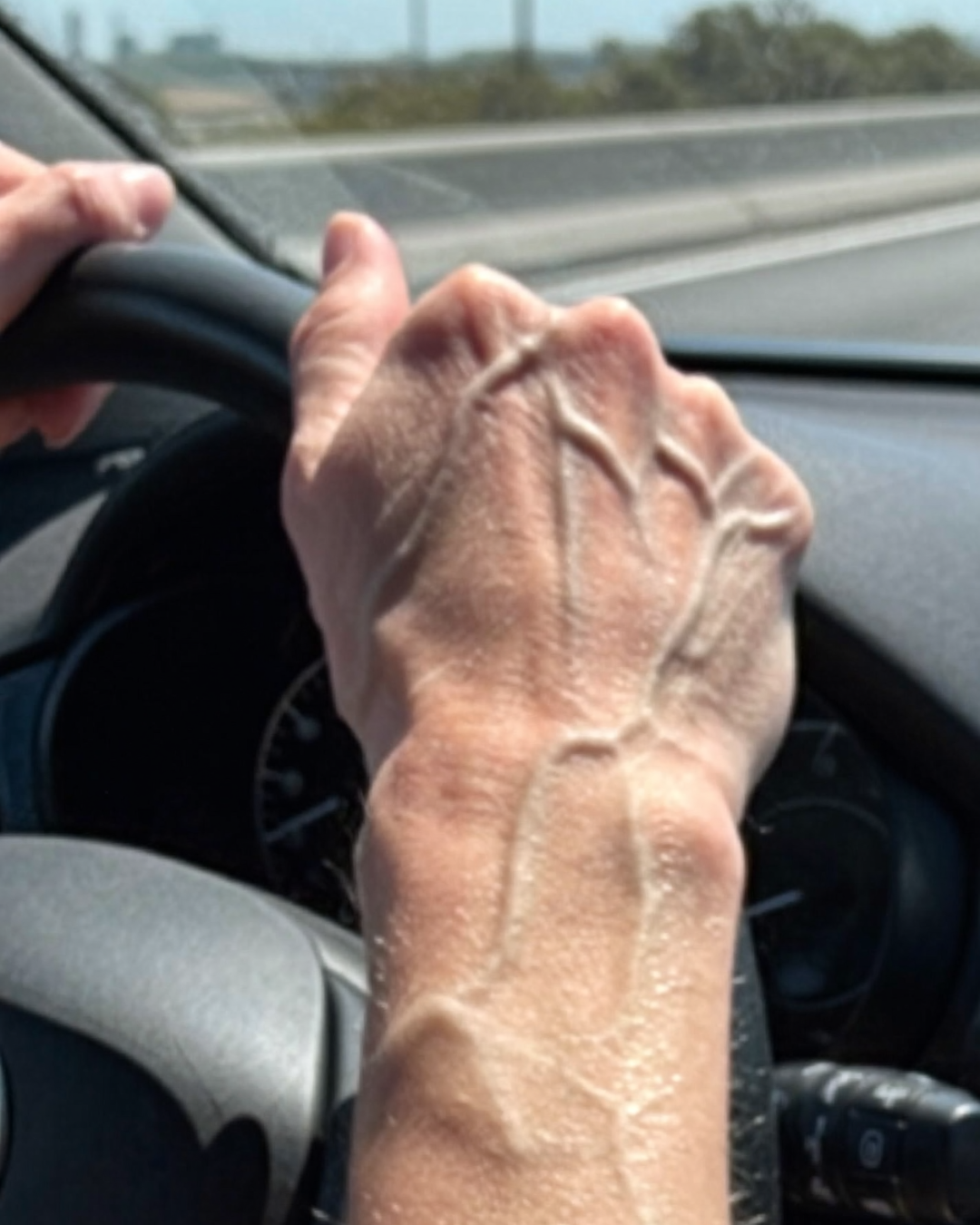
A guy at my office was looking at a photo of an older woman on his phone. He laughed and said: "You can tell she's old — look at how veiny her hands are." I smiled. Said nothing. But the only thing going through my head was: "I wonder if he's ever looked at my hands." Because my hands look exactly like that. Prominent veins running across the back. Thin skin that seems to get thinner every year. The kind of hands that, once you notice them, you can't stop noticing. I went home that night and I couldn't stop thinking about it. Not just about him. About everyone. If a man notices veiny hands on a stranger in a photo — what does he notice in real life? What does my husband see when I reach across the table at dinner? What does the man I talk to at work see when I hand him something? What do people see when I gesture during a conversation, when I pick up a glass, when my hands are just... there? I'm 52. I take care of myself. I work out. I watch what I eat. I get compliments on my skin, my hair, the way I look. But my hands have been telling a different story for years. And now — I knew what people saw when they looked at them. I know what you're thinking. We're not supposed to care about this. We're grown women. What some guy at work thinks about our hands shouldn't matter. The only opinion that counts is our own. And I believe that. I really do. But here's what I realized that night, sitting with my thoughts: it wasn't really about him. It was about me. It was about looking down at my own hands and feeling like they didn't belong to me anymore. Like my face and my body said one thing — I take care of myself, I feel good, I'm still very much here — and my hands said something completely different. That disconnect. That's what bothered me. Not what he thought. What I saw. And once I saw it, I couldn't unsee it. So I did what felt logical. I started moisturizing more. Every morning, every night. I read a few articles online, tried a couple of hand creams that people recommended. My hands felt softer. But I couldn't see any difference. The veins were still there. The thin skin was still there. And slowly I started making peace with it. I'm 52. This is what 52 looks like. It's just aging. There's nothing much you can do about it. That's where I was. Until I understood something that nobody — not one article I'd read, not one cream I'd tried — had ever told me. I had been treating the wrong problem for years. Here's what was actually happening to my hands. Everything I'd read pointed to the same cause: dryness. My hands looked the way they looked because they weren't hydrated enough. So I hydrated. But visible veins, thinning skin, that look where everything underneath seems to push right up to the surface — that is not a dryness problem. That is a collagen problem. Think of collagen as a cushion. A thick, soft layer that sits between the surface of the skin and everything underneath it — the veins, the tendons, the bones. When that cushion is full and healthy, everything stays hidden. Skin looks smooth, plump, and even. When collagen breaks down, the cushion gets thinner. And what was always underneath starts pushing closer to the surface. Veins become visible. Skin looks stretched. Everything that used to stay hidden — doesn't anymore. Moisturizer softens the surface. It cannot touch the cushion. It cannot rebuild collagen. Not even a little. That's why I had been applying hand cream every single day and still seeing the same veins every morning. I was treating the surface of a problem that lived underneath it. It's like painting over a crack in the wall and wondering why the wall keeps crumbling. And here's why my hands were losing collagen so much faster than my face. My hands and my face are not the same skin. Not even close. Hand skin is thinner. It has far fewer oil glands to protect itself. And my hands were getting direct sun exposure every single day — every drive, every errand, every time I stepped outside — with zero protection, because nobody thinks to put SPF on their hands. That daily UV exposure destroys collagen. Quietly. Constantly. Every single day. Meanwhile, most women over 45 are building serious routines around their face. Retinol. Vitamin C. SPF. Carefully protecting facial collagen, every morning. And then using whatever's next to the sink on their hands. The result? The face holds on to its collagen. The hands don't. The gap between how the face looks and how the hands look gets wider every single year. Until one day someone makes a comment about a photo. And you realize — the gap has become impossible to ignore. I discovered there is actually one ingredient proven to rebuild collagen and make hands look drastically younger. Once I understood that the real problem was collagen loss — not dryness — the question became simple. What rebuilds collagen? Dermatologists have known the answer for decades. It's what makes clinical facial anti-aging actually work. It's been studied, prescribed, and proven in peer-reviewed research. Retinol. But not the retinol your doctor prescribes. Not the retinol formulated for your face. And definitely not the retinol you find in generic anti-aging creams at the drugstore. Because here's the thing nobody tells you — and this is exactly why I had tried retinol before and seen nothing happen on my hands. Retinol works by going inside the skin. It signals the cells deep underneath to produce new collagen. To rebuild the cushion. To thicken skin from the inside out — and push what's underneath back where it belongs. Out of sight. But to do that, it has to actually get in. And getting into hand skin is a completely different challenge than getting into facial skin. The outer layer is thicker. The structure is different. Regular retinol — the kind made for faces, the kind in every anti-aging serum on the market — can't penetrate deeply enough into hand skin to do the real work. So women try retinol on their hands. They see nothing. They conclude retinol doesn't work on hands. It does. Just not the way it's currently being sold. So I started looking for exactly that. A retinol formula built specifically for hand skin. Not adapted from a face product. Not a generic hand cream with "retinol" somewhere in the ingredient list. Something actually engineered for hands. I started seeing some ads online. Most of them were just regular hand creams dressed up with fancy packaging. Same ingredients, different label. But then one ad caught my eye. A brand called Nuve, with a hand cream called YouthLift. I clicked through and did what I always do — went straight to the ingredient list. Medical-grade retinol. But the part that stopped me was the delivery system — specifically formulated to penetrate hand skin thickness. Not facial skin. Hand skin. There was also hyaluronic acid to restore volume to skin that had gone thin. Vitamin C to fade the dark spots. Broad-spectrum UV protection — which finally made sense to me now, because without it, collagen keeps getting destroyed every day no matter what else you put on. And it was wash-resistant. Which sounds like a small detail until you realize you wash your hands thirty times a day and every other cream you've ever used was basically gone by mid-morning. I'd been burned before. But they offered a guarantee. So I tried it. First few days: Softer immediately. Light, absorbed completely, no greasy residue. But the veins were still there. I kept going. End of week one: Something felt different. Not just soft — fuller. Like there was more between the surface of my skin and what's underneath it. I took a photo. Weeks two and three: I compared the photos. The vein on the back of my right hand — the one that bothered me most — looked less raised. Less prominent. The skin around it had more volume. Around week four: I looked at my hands and they looked like my hands again. Not the hands in that photo my coworker was looking at. Mine. The ones I recognized. I'm not going to tell you it happened overnight. It didn't. But for the first time in years, I was actually seeing a difference. Not just feeling softer skin for a few hours. A real, visible difference that was still there the next morning. And the morning after that. The veins didn't disappear completely. But they stopped being the first thing I noticed when I looked down at my hands. And that, after years of putting them in my lap and keeping them out of photos, felt like enough to make me cry. So if you've been where I was — applying cream every morning, seeing nothing change, slowly convincing yourself this is just what aging looks like — I want you to know something. The problem was never which cream you were picking. You were treating the surface of a problem that lives underneath it. Once you treat the real problem, everything changes. Same hands. Same five minutes in the morning. Just the right ingredient this time. Nuve is a small family business, not a giant conglomerate. Every ingredient in YouthLift is FDA approved. And they offer a 180-day money-back guarantee — which is honestly what made me feel okay about trying it. Six months. If I saw nothing, I could get my money back and go back to my hand cream graveyard. I didn't ask for my money back. Right now they're running a 67% off promotion on YouthLift. I don't know how long it lasts. But if you've been where I was — putting your hands in your lap, hoping nobody notices, trying things that never work — this is the moment to do something about it. Same hands. Same five minutes in the morning. Just the right ingredient this time.
5 Reasons Your Hands Age Faster Than your Face
Summary: If you're a woman over 40 whose hands look decades older than your face, with age spots, visible veins, and wrinkled knuckles that won't go away—you're not alone. And you're not imagining it. Most common fixes only treat the surface, not the root cause. In this article, we break down the...
LEARN MORELike this ad? Make it yours.
Crush rebuilds this exact creative around your product — your brand, your colors, your offer — in about a minute.