
Inactive· since Mar 17, 2026
- 21
- days it ran
- 0
- relaunches
Ad copy
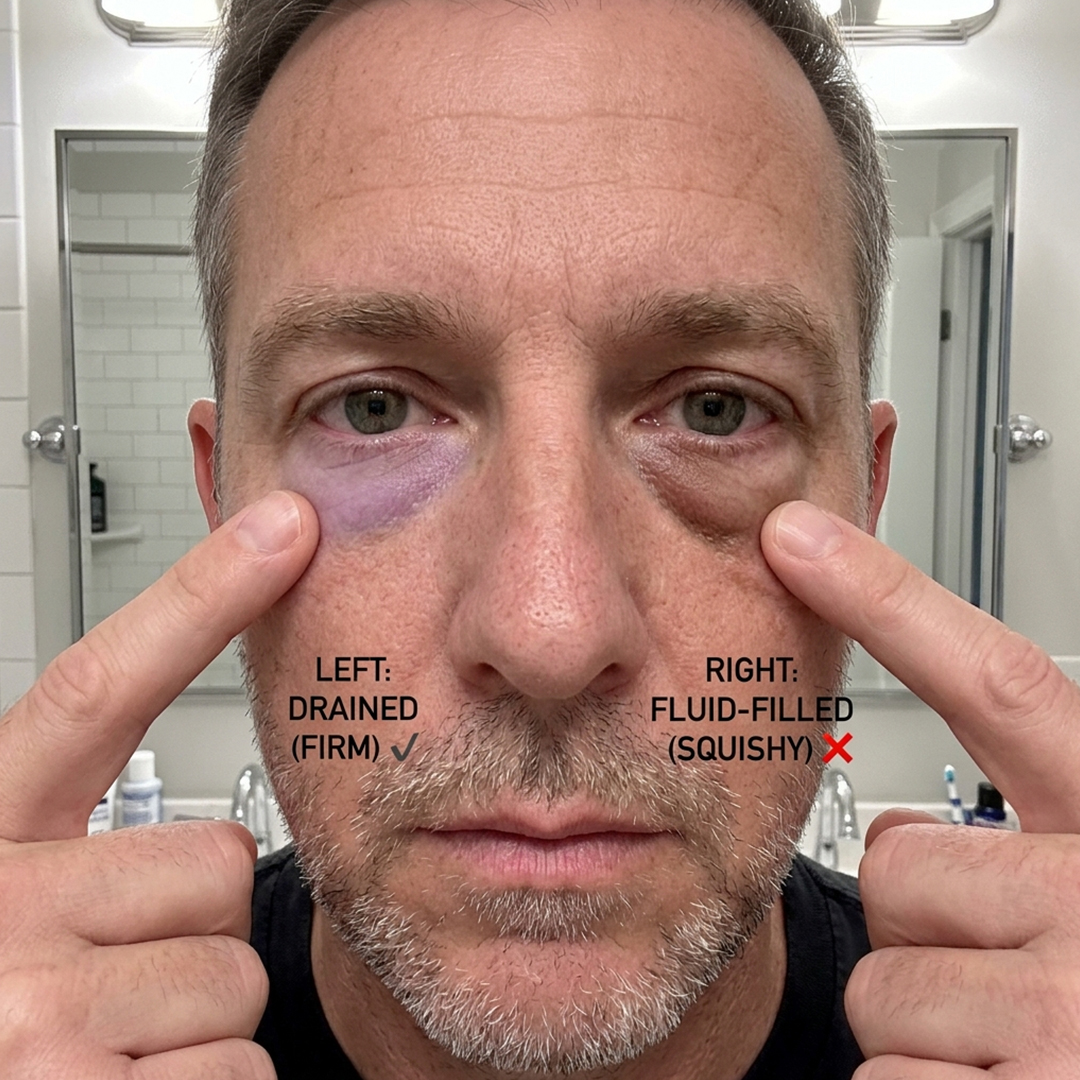
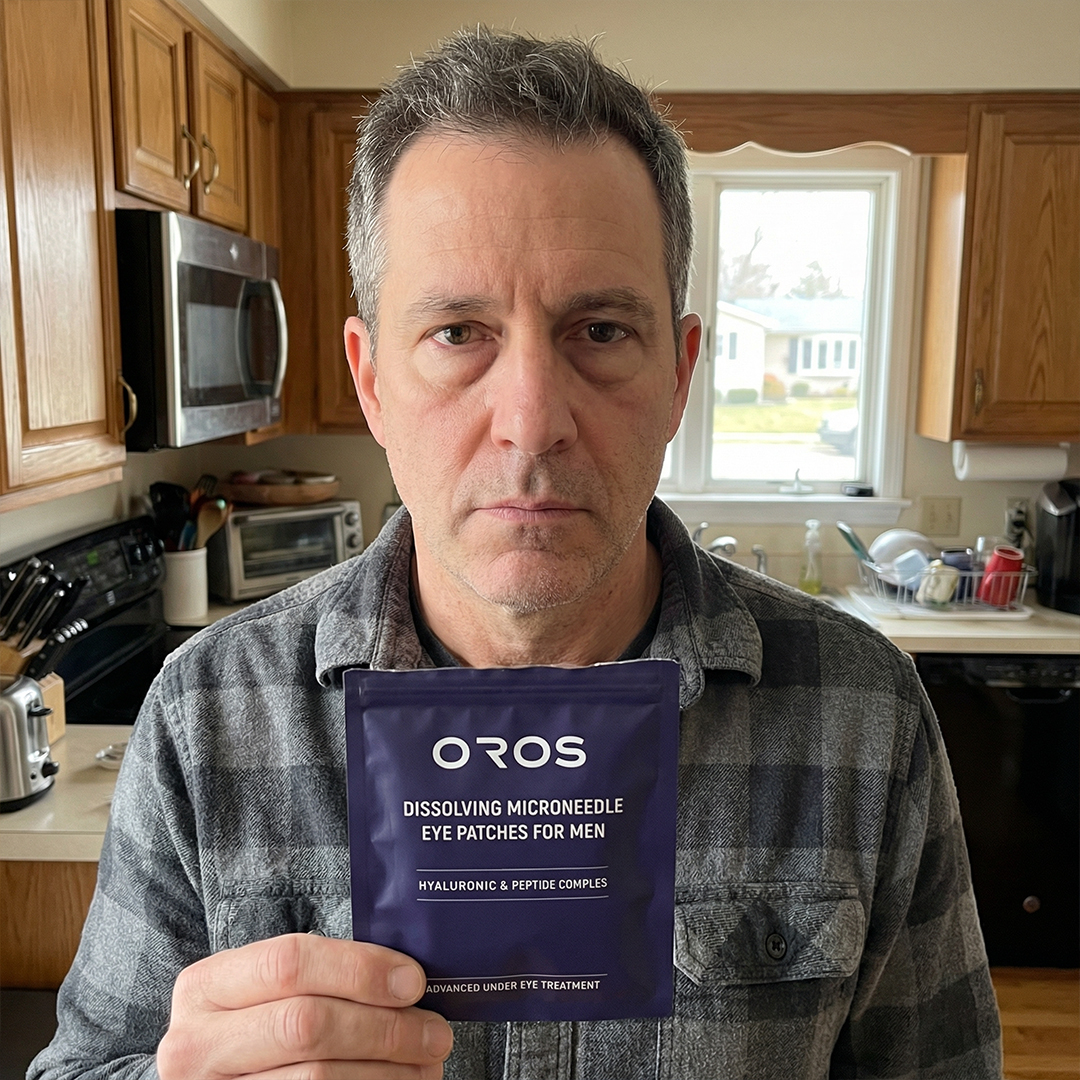
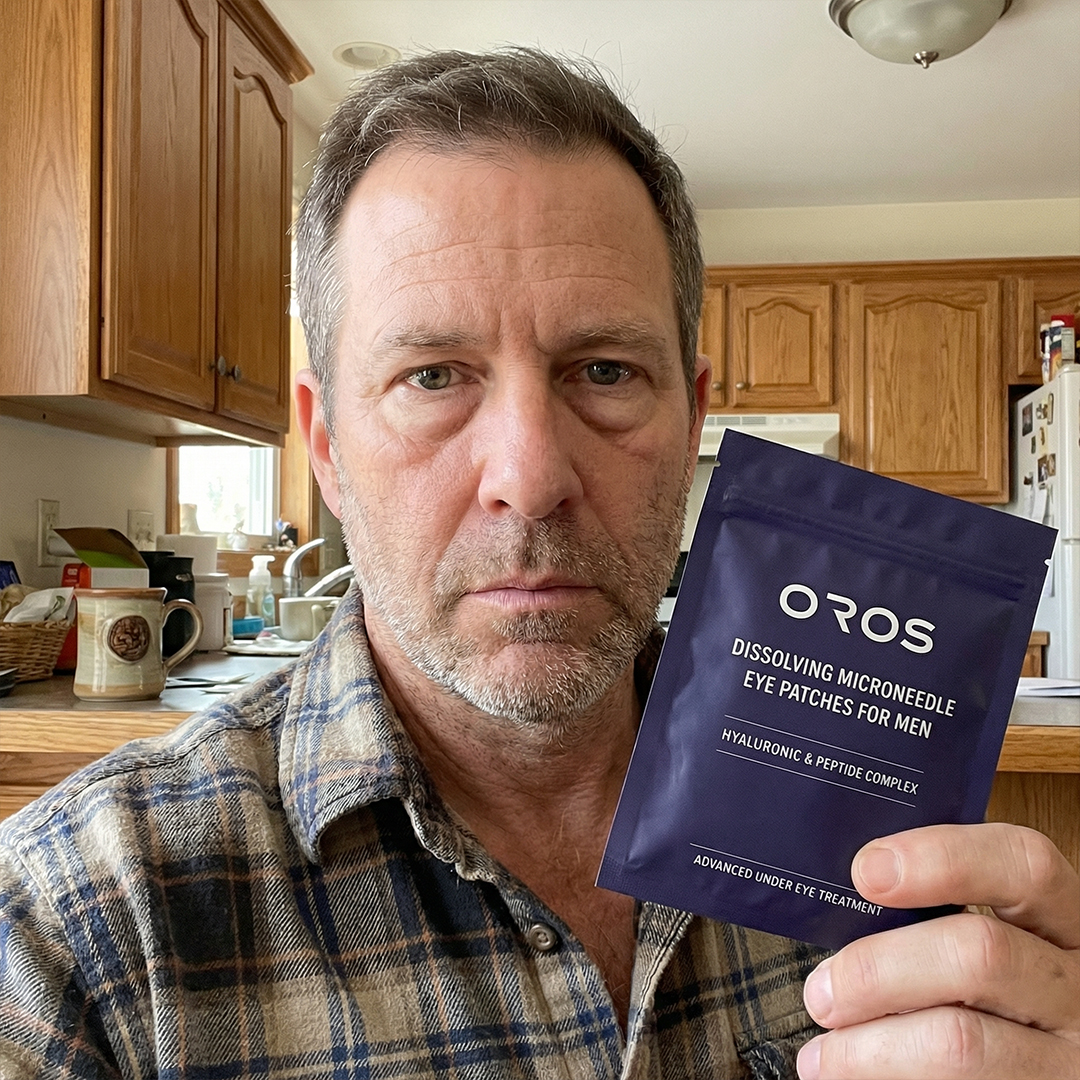
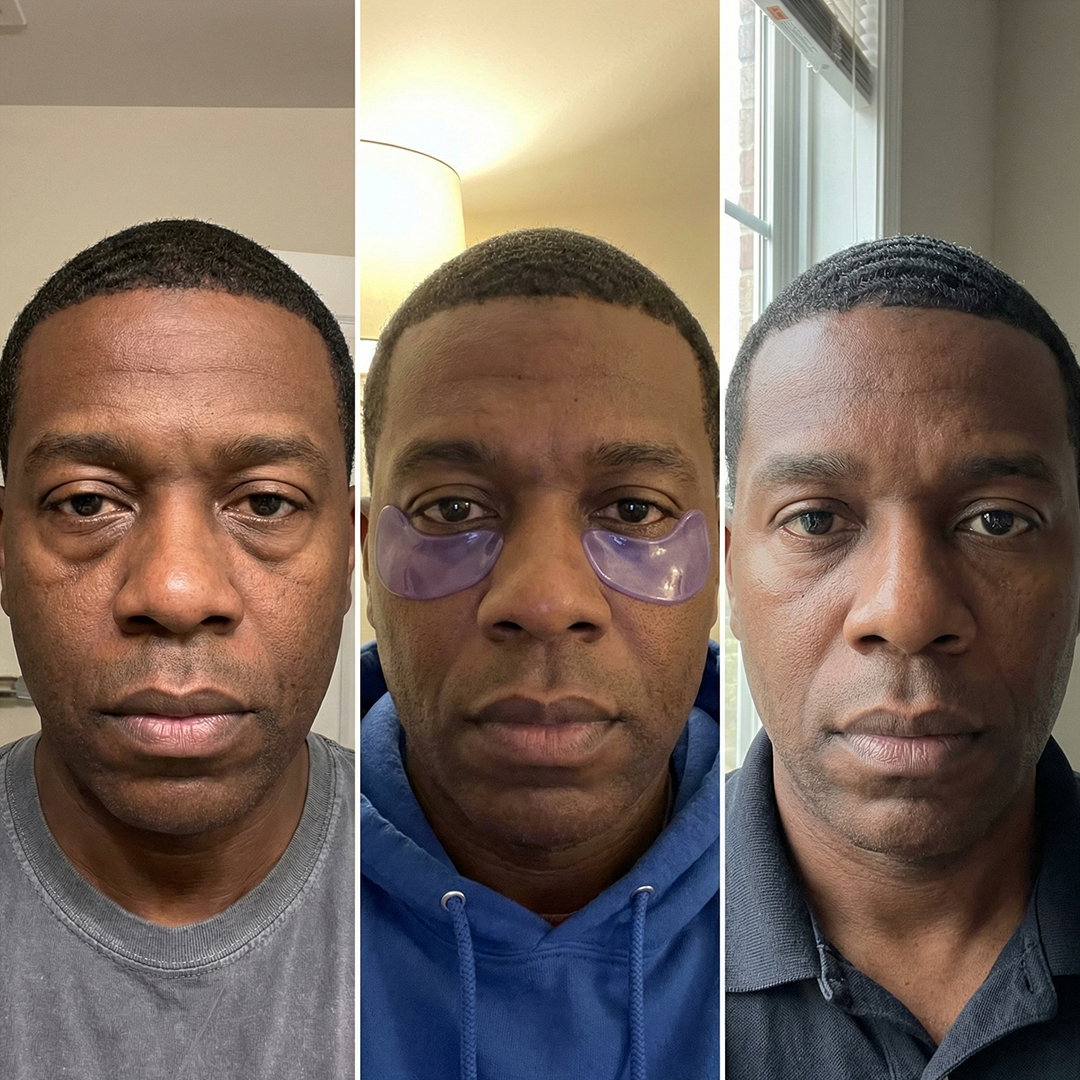
My wife spent $68 on an eye cream last year. High-end brand. Beautiful packaging. She used it for three weeks and her crow’s feet actually softened. The skin under her eyes looked brighter. She was thrilled. So I started using it. Every night for two months. The exact same product, applied to the exact same area of my face, following the exact same instructions on the box. Nothing happened. Not “a little bit.” Nothing. My under-eye bags looked identical. The dark, bruised hollows carved beneath my eyes didn’t lighten by a single shade. The heavy, fluid-filled pouches that make me look permanently exhausted didn’t deflate by a millimeter. I’m 57 years old. I’ve been in the construction business for thirty years. I don’t complain about things easily. But standing in that bathroom at 6 AM, staring at the same wrecked face I’d been staring at for five years, knowing I’d just wasted two months on my wife’s eye cream — that was a low point. I told my buddy Rich about it over beers. He’s a retired pharmacist. He didn’t laugh. He just shook his head like he’d heard this a hundred times. “That cream works on your wife,” he said. “It will never work on you. And it has nothing to do with the ingredients.” He explained something that no skincare company will ever print on their packaging, because printing it would cut their male customer base in half overnight. Male skin is 20-25% thicker than female skin. Testosterone and androgens fortify the outer barrier — the stratum corneum — into a dense, layered wall. It’s the biological equivalent of concrete. Your wife’s skin is closer to drywall. Same building material, radically different density. There’s a law in pharmacology called the 500-Dalton Rule. It determines whether a molecule can cross the skin barrier. Most active ingredients in eye creams — Vitamin C at 176 Daltons, Retinol at 286, Caffeine at 194 — are technically small enough to penetrate. On a woman’s skin. On male skin, these molecules degrade, dissipate, and dilute before they ever reach 0.3mm deep, where the actual damage lives. The pooled blood that darkens the tissue. The stagnant lymphatic fluid that inflates those heavy pouches. The collapsed collagen matrix that lets gravity drag everything south. Every eye cream you’ve ever used was designed for, tested on, and optimized for female skin thickness. When you rubbed it on your face, you were pouring water on a sealed concrete wall. Some moisture touched the surface. None of it reached the foundation where the cracks are. Rich told me this wasn’t a skincare problem. It was an engineering problem. The ingredients work — in a lab, on exposed tissue, they absolutely work. The problem is delivery. How do you get compounds past a barrier that was specifically built by testosterone to keep them out? He’d been reading about a transdermal delivery system that pharmaceutical companies use to push active compounds through skin. Not topically. Transdermally — physically through the barrier. A biotech analyst named Simon Vance published a breakdown of how this technology has been adapted into a patch specifically for the male under-eye area. 1,500 dissolving microneedles that physically puncture the stratum corneum and deposit 600-Dalton peptides and 39% hyaluronic acid directly into the dermal tissue at exactly 0.3mm depth. Where the fluid pools. Where the blood stagnates. Where the collagen has collapsed. Where the bags actually form. Not on the surface. Through the wall. The needles dissolve in minutes. You feel a brief prickle — that’s 1,500 crystallized solid needles breaching the fortress. Then they’re gone. The compounds are already below the barrier, already doing structural work that no cream can do because no cream can get there. Not through male skin. My wife’s cream works on my wife because her skin lets it through. It doesn’t work on me because my skin was built to keep it out. This isn’t a quality issue. It’s a biology issue. And until you address the biology, every product you try will fail exactly the same way. Rich was right. This isn’t a skincare problem. It’s a delivery problem. And the solution isn’t a better cream. It’s a better mechanism. Simon Vance’s full analysis explains the biology, the 500-Dalton barrier, and why this one transdermal system works where everything else you’ve tried hasn’t. If you’ve been using products designed for skin that isn’t yours — read it.
Like this ad? Make it yours.
Crush rebuilds this exact creative around your product — your brand, your colors, your offer — in about a minute.