
Inactive· since Jun 15, 2026
- 30
- days it ran
- 0
- relaunches
Ad copy
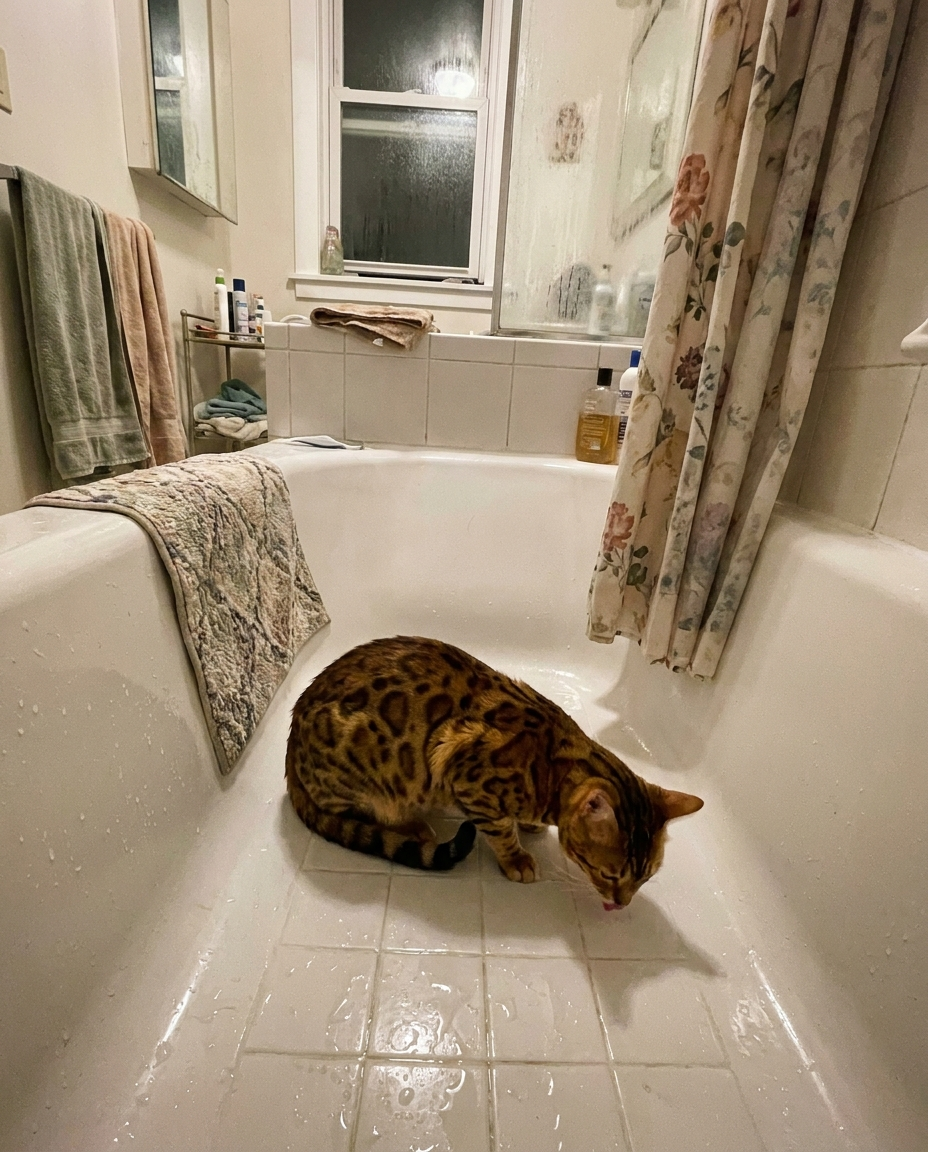
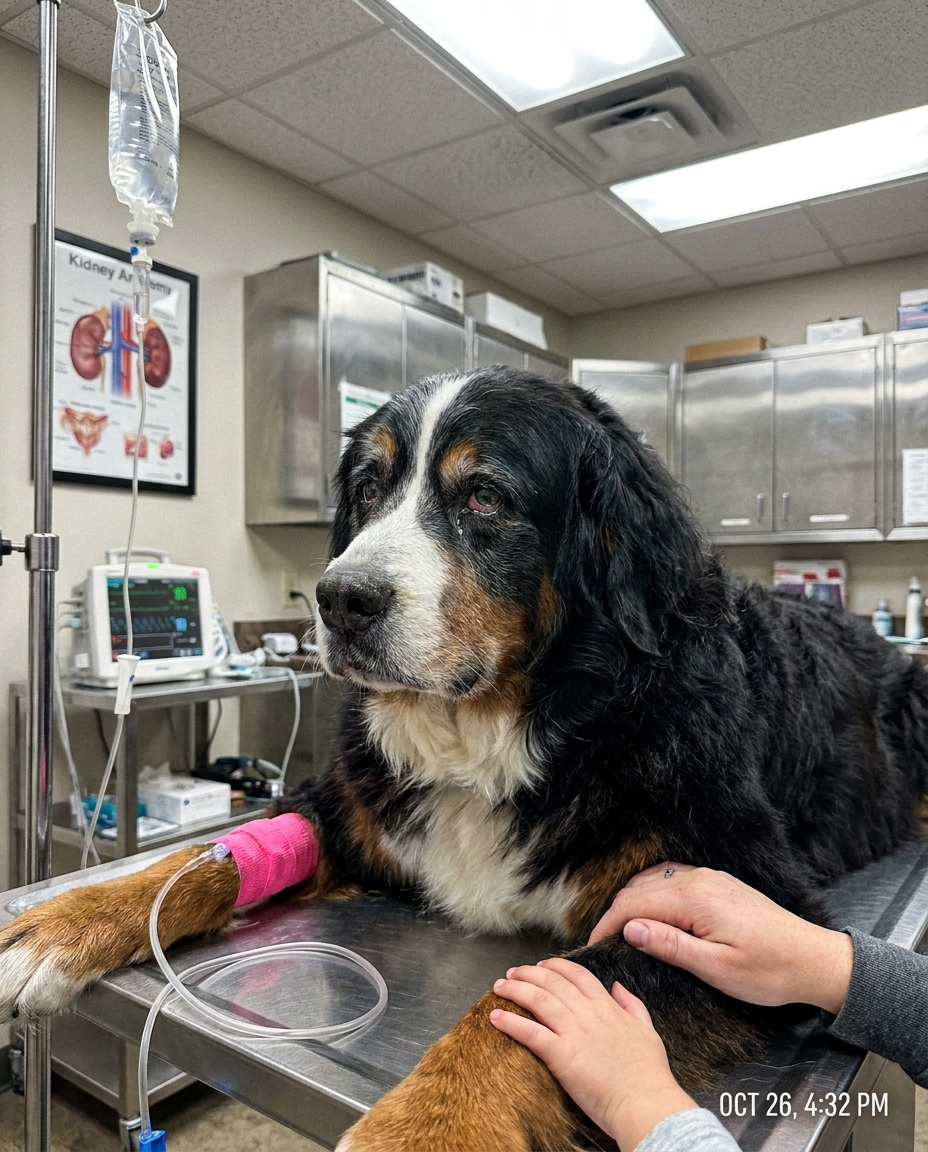
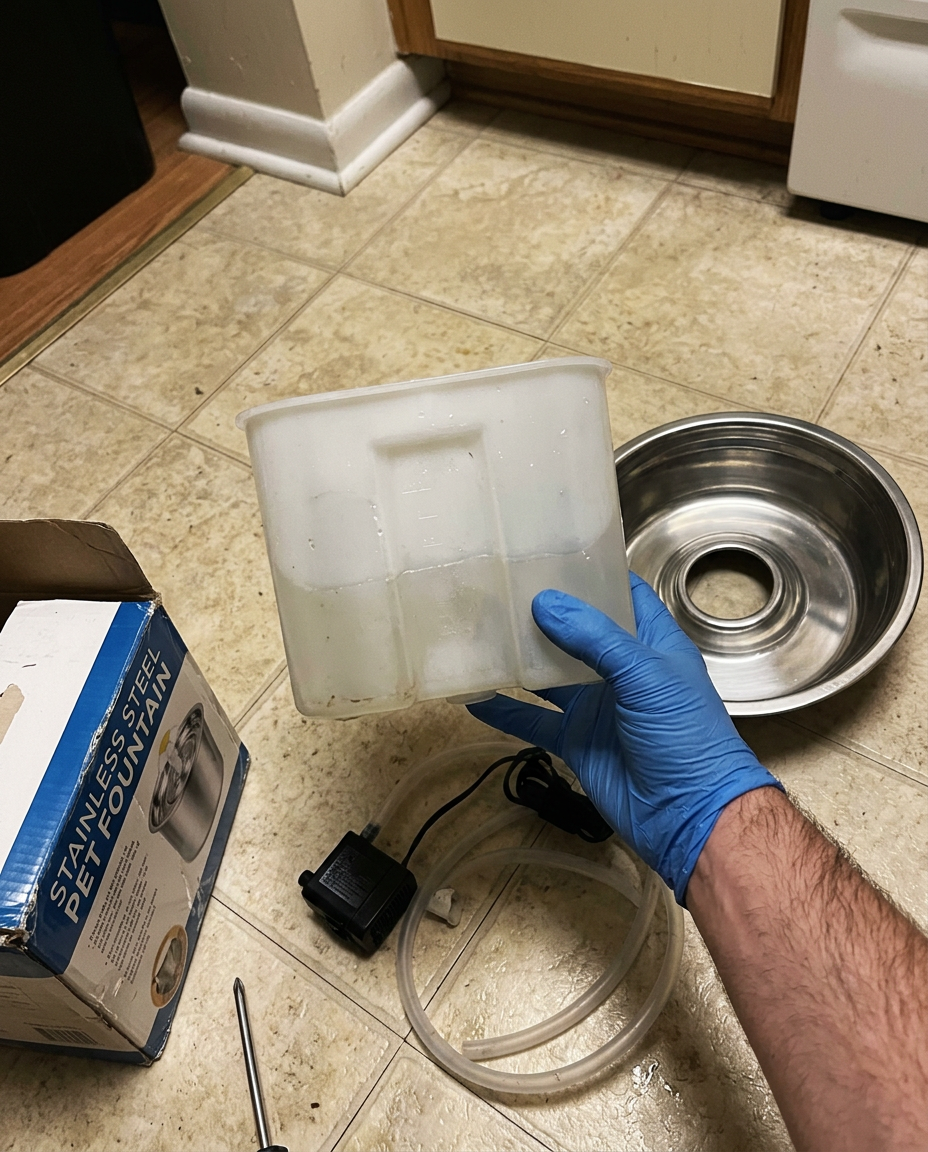
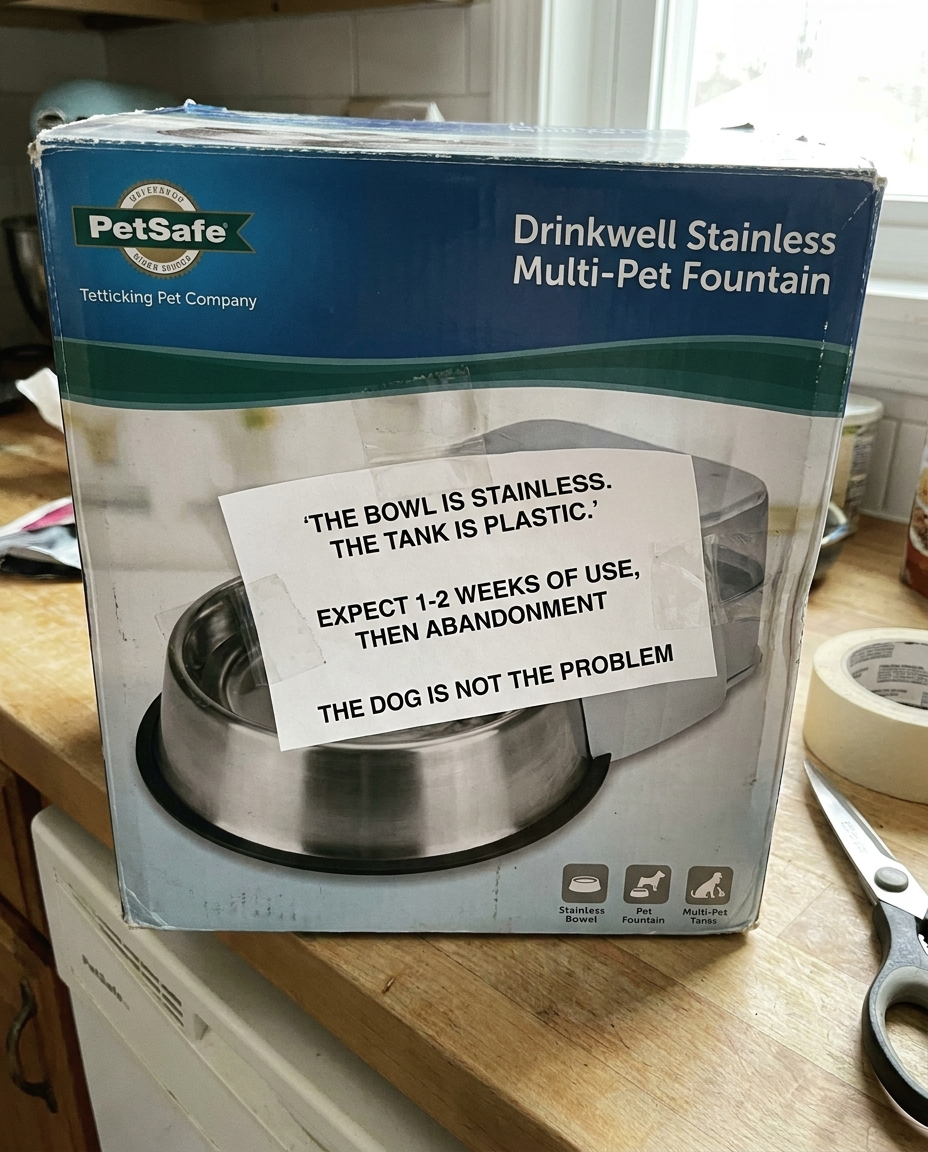
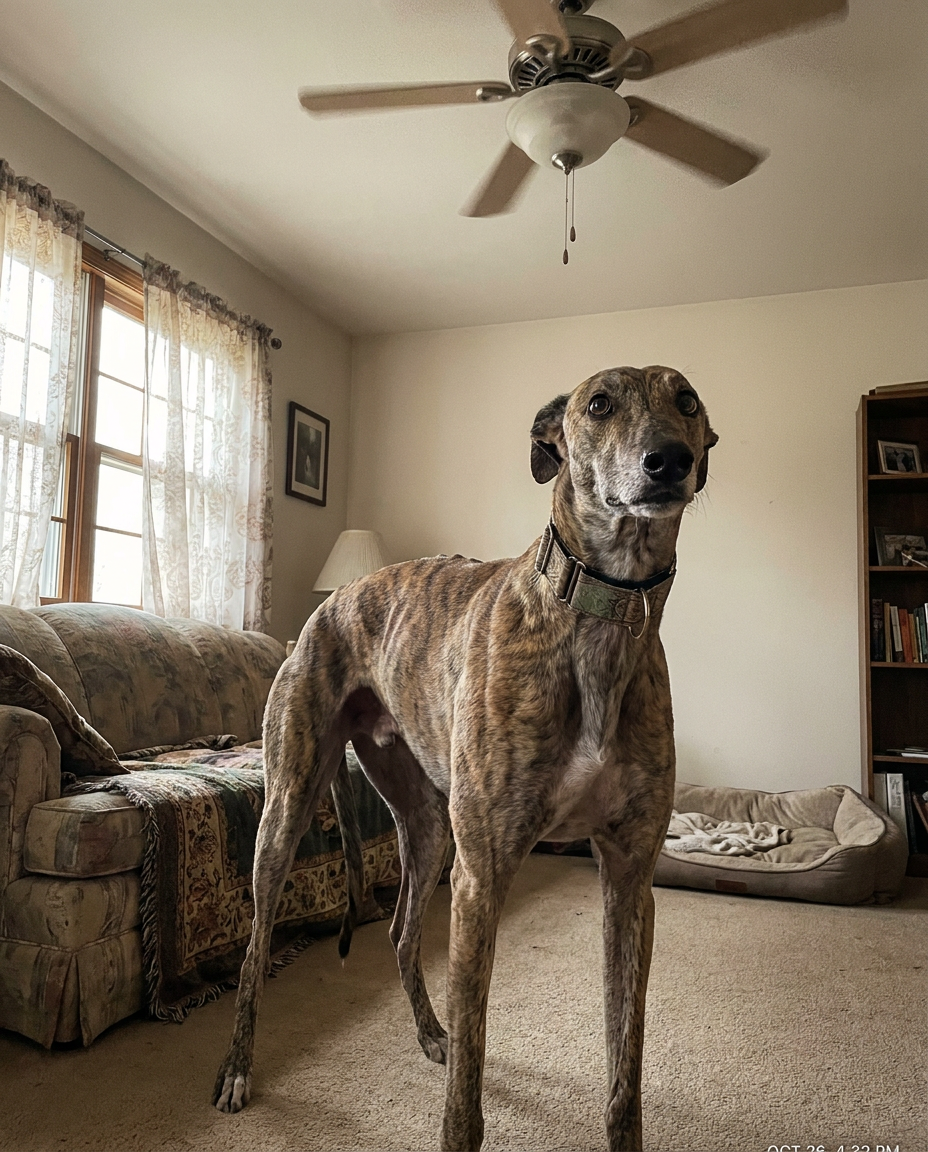
I foster dogs so I never have to love one again. That was the actual plan. Say it out loud and it sounds as broken as it was. But after what happened to Otis, it was the only deal my heart would sign. Dogs pass through. I feed them, fix them, hand them to their forever families, and wave from the porch. Nobody stays. Nobody gets to be mine. Nothing that's mine can die on me again. Then a retired racing greyhound named Banjo started pacing to the water bowl at 2 AM, and the sound broke me open like an egg. My name is Ruth Delgado. I'm 58. I've fostered 31 dogs in four years. Number zero, the one before all of them, was Otis. Pointer mix, liver and white, smart as a whip and twice as fast. He was mine for eleven years. Otis used to get up at night to drink. Nails on the hardwood, the long urgent lapping, the trip back to bed. For the last two years of his life, two and three times a night. I thought it was age. Everyone thinks it's age. My vet, when I mentioned it, thought it was age. It was his kidneys, failing in complete silence, the way they apparently always do. By the time he collapsed, the emergency vet told me around 75 percent of his kidney function was already gone, and that the nighttime drinking had been the earliest warning sign, running for years, the whole time, while I slept through it. He died four days later with my forehead pressed against his. I didn't get another dog. I couldn't. But a house with no dog in it has a specific kind of silence I also couldn't live in. So I found the loophole. Fostering. All of the dog, none of the forever. I told the rescue coordinator I'd take the hard cases, the seniors, the shut-downs, the ones nobody wants, because honestly the harder they were, the safer my heart felt. Thirty dogs came and went. I was good at it. I am good at it. I can medicate anything, socialize anything, fatten up anything. Dog thirty-one was Banjo. Retired racer, four years old, forty miles an hour on the track and scared of a ceiling fan in my living room. Greyhounds off the track have never seen stairs, windows, mirrors. Everything in a house is new. He moved through my home like an apology, this enormous gentle needle-nosed creature trying to take up no space at all. Week two, at 2:13 in the morning, I heard it. Nails on the hardwood. The long, urgent lapping at the kitchen bowl. The soft trip back to his bed. I sat straight up in the dark like I'd heard a gunshot. Because I knew that sound. I had slept through that sound for two years and it had cost me Otis, and my body apparently kept the receipt, because every hair on my arms was standing up. An hour later he did it again. I didn't sleep. I sat in the kitchen at 4 AM watching this skinny, gentle dog and doing math I didn't want to do. He was four. Otis had started at nine. Track dogs live on kibble and stress and whatever water doesn't slosh out of a communal trough. If his kidneys were already compensating at four, what was his timeline? In the morning I did what you do in rescue. I called someone who'd seen more than me. Marianne has fostered greyhounds for nineteen years. Over a hundred of them. She picked up on the second ring, and I said one sentence: "Banjo's getting up at night to drink and I lost my own dog to kidney failure and I need you to tell me what you know." She was quiet for a second. Then she said, "First, breathe. You caught it at four, not at nine. Second, has he been ignoring his water bowl during the day? Sniffing it and walking away?" I looked at his bowl. Full. Barely touched since morning. I'd refilled it twice out of habit and never once asked myself why a forty-pound athlete was leaving it full all day and then drinking desperately at 2 AM. "Yes." "Okay," she said. "I'm sending you an article. Every greyhound I've fostered in the last five years drinks from a fountain, and this article is why. Read the whole thing. Then call me back." The article was by a veterinary nephrologist named Dr. Claire Bennett. Eleven years in kidney clinics. It opened with a golden retriever named Murphy. Owner did everything right. The dog drank from the toilet, the hose, the puddles, ignored his bowl, and his owner thought it was a funny dog thing, and his kidneys were at 22 percent when he reached her clinic, and he didn't make it. I read it standing at my kitchen counter with my coffee going cold, and somewhere in the second paragraph I stopped reading it as a foster coordinator and started reading it as Otis's person. Dr. Bennett explained the two halves of it. A dog's nose carries around 300 million scent receptors against our six million. Within a couple of hours of sitting still, bowl water loses its oxygen and grows a biofilm of bacteria in the microscopic pores of the bowl. Invisible to us. Unmissable to them. The clean bowl I refilled twice a day read to Banjo, and had read to Otis for eleven years, as a stagnant puddle. And the instinct underneath it: 15,000 years ago, the wolves that drank stagnant water died, and the ones that held out for moving streams lived. Still water reads as dangerous. Moving water reads as safe. So the dog drinks the bare minimum, holds out all day, and the body finally forces the issue at 2 AM with urgent, desperate drinking, and the owner sleeps through the only warning she's going to get. The kidneys compensate in silence for years. Then one morning they can't. I had to put the phone down at that part. Because I always believed I'd missed Otis's signs through some failure of love or attention, and the truth was worse and kinder at the same time. I hadn't missed them. I'd watched them every single day and been told by everyone, including professionals, that they were normal. The signal was perfect. The translation was missing. Dr. Bennett also explained why the cheap fountain in my foster supply closet had never impressed a single dog. Stainless bowl on top for the photos, plastic tank underneath where the water actually sits and grows the same biofilm. The dog still smells it. She said the fix needs all three at once: real 304 food-grade stainless steel including the tank, triple-stage filtration, and continuous moving flow that trips the safe-water instinct. She built one that does all three, with a lifetime warranty. FreshFlow. I called Marianne back. She didn't even say hello. She said, "You ordered it already, didn't you." I had. It arrived in three days. I set it up in the kitchen and Banjo, who is afraid of ceiling fans and his own reflection, walked up to this quietly burbling machine, sniffed it for a long, suspicious, greyhound moment, and then folded his giraffe neck down and drank for a full minute. Then he looked up at me with water dripping off his needle nose, and went back for more. Night one with the fountain, he got up once. Night four, he slept through. Night seven, he slept through again, and so, for the first time in a while, did I. Week three, I took him in for a wellness panel, because I needed numbers. Kidney values all in normal range. Caught at four, not at nine. The vet said whatever I was doing, keep doing it. And here is where the plan fell apart. The rescue called. They had a family for Banjo. Lovely people, fenced yard, greyhound-experienced. This is the moment I live for. Thirty times I have packed a dog's bag, handed over the leash, and waved from the porch with my heart safely behind glass. I stood in my kitchen holding the phone, watching Banjo drink from the fountain in the afternoon light. And I heard myself say, "Actually. This one's mine." Foster fail number one, after thirty-one dogs. The coordinator laughed so hard she had to put the phone down. Banjo sleeps in my room now. On a bed, like a person, because greyhounds. The fountain runs in the kitchen, and some nights I still wake at 2 AM out of old habit and listen, and there is nothing to hear, and that nothing is the most beautiful sound in my house. I couldn't save Otis. Nobody translated his signal in time, and I have stopped beating myself for not speaking a language nobody taught me. But I need to teach it to you, right now, because it has one sentence: A dog that ignores its bowl by day and drinks urgently at night is not aging. It is compensating. And it has been compensating for longer than you think. If that is your dog, you are me in year one with Otis, and you still have what I didn't have. Time, and the translation. Dr. Bennett's article is the translation. Why dogs reject still water, why kidneys fail in silence, why most fountains don't fix it, and the one she built that does. Nine minutes. 👉 https://rhykin.com/pages/ff-advertorial-2 P.S. Thirty-one dogs taught me I could care for anything without loving it. One skinny greyhound drinking desperately at 2:13 AM taught me that was never true. If a sound in your kitchen at night has ever made you sit up in the dark, you already know which dog this post is about. Read the article tonight. 👉 https://rhykin.com/pages/ff-advertorial-2 P.P.S. Marianne, nineteen years of greyhounds, switched every foster in her house to a fountain five years ago and has not had a single kidney case since. I asked her why she doesn't shout it from the rooftops. She said, "I do. People only hear it after they've lost one." Be the exception. Hear it now. 👉 https://rhykin.com/pages/ff-advertorial-2
Why dogs hold out for moving water
Home to award-winning pet products. Shop premium, vet-approved items that both you and your pets will love. Quality you can trust, for pets that deserve the best.
LEARN MORELike this ad? Make it yours.
Crush rebuilds this exact creative around your product — your brand, your colors, your offer — in about a minute.