
Inactive· since Jul 7, 2026
- 31
- days it ran
- 0
- relaunches
Ad copy
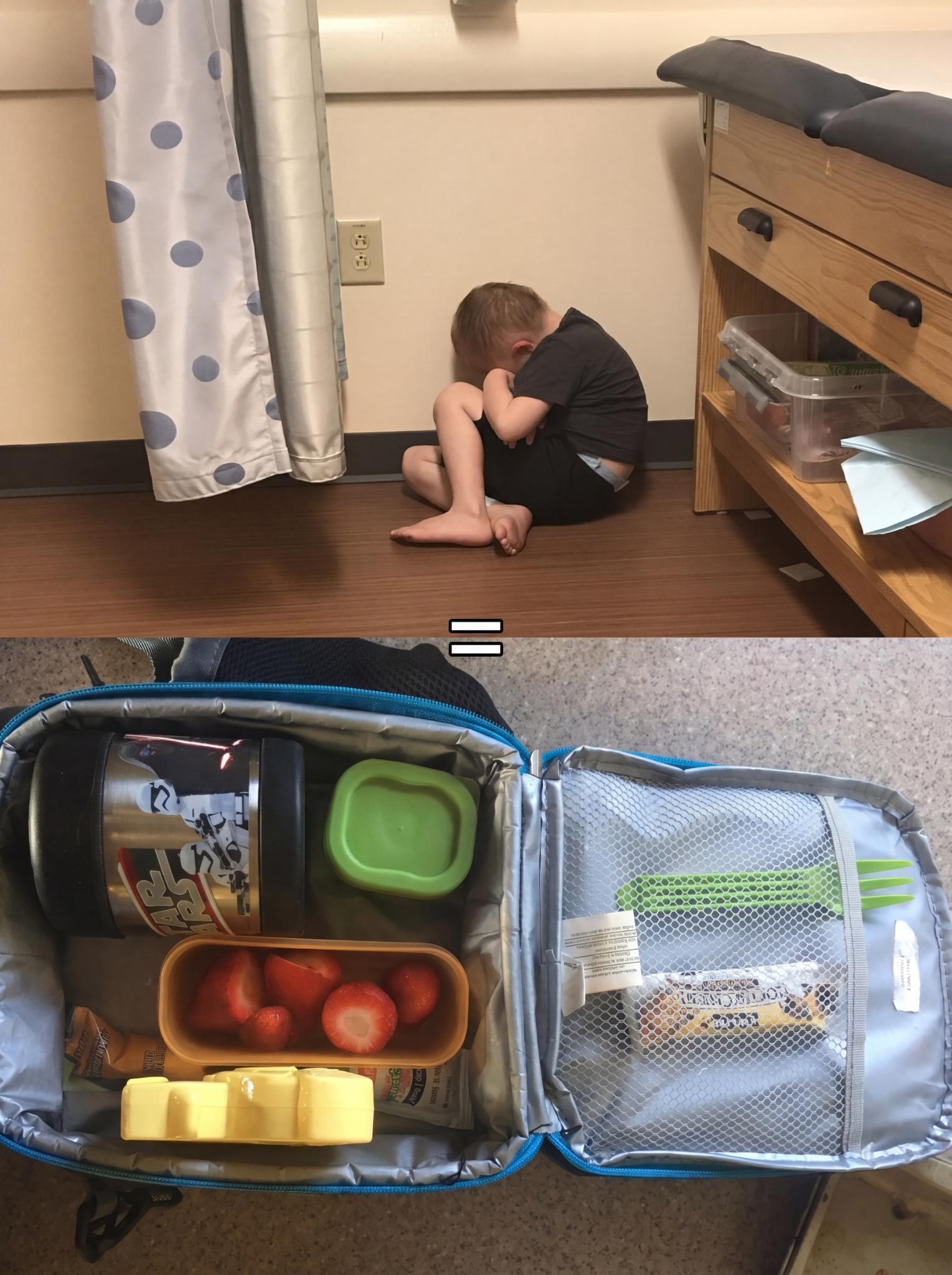
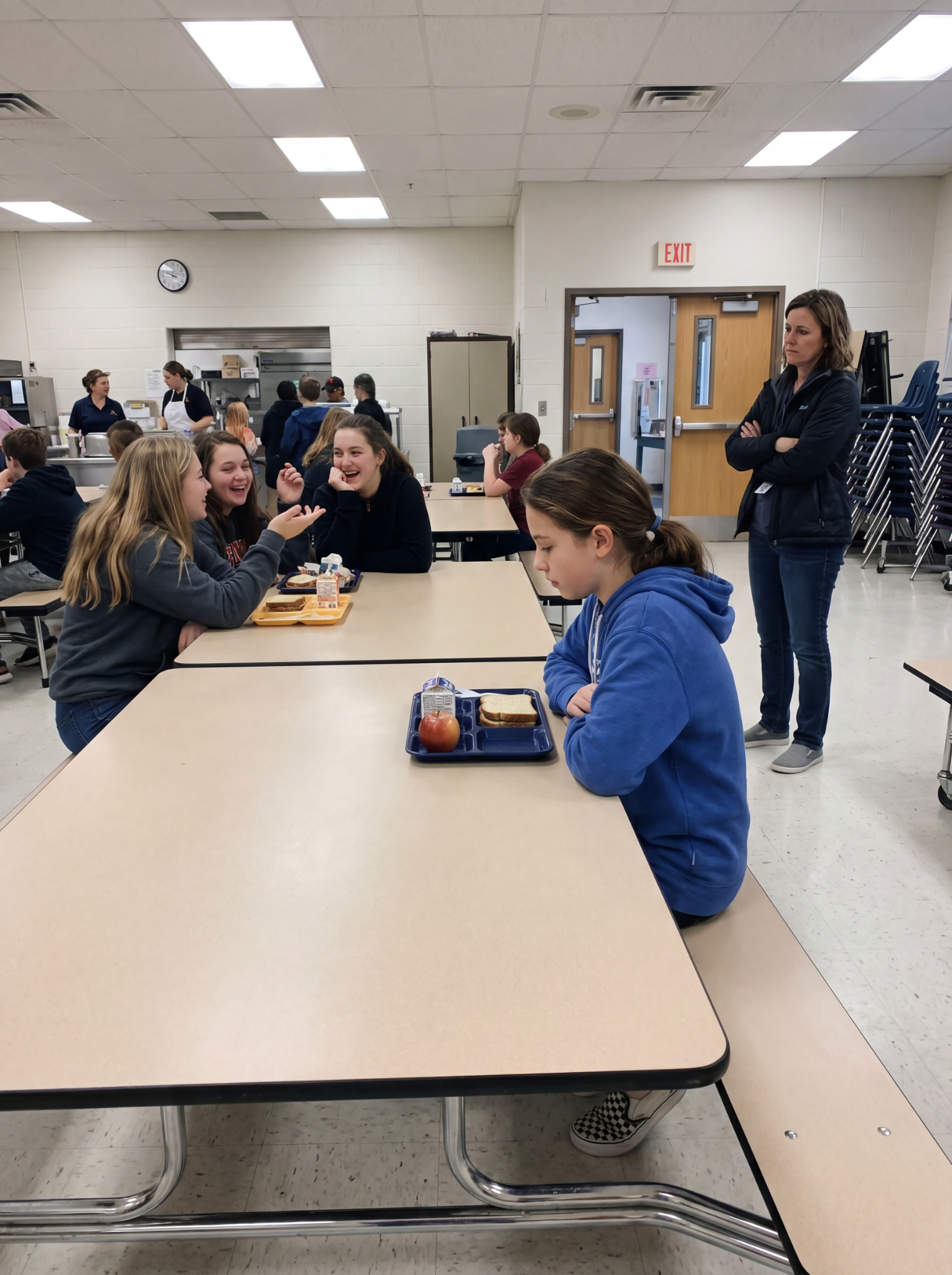
I've spent two years watching my ADHD daughter lose every friend she has ever tried to make. She is the kid every other kid wants to play with on the first day. By the third week she is the kid eating lunch alone again. I have watched it a hundred times. She walks up to a girl on the playground and within five minutes they are a unit. They are linking arms. They are deciding what game they are going to play. They are asking each other if they want to come over. By the third week they decide my daughter is annoying and no longer want to be friends with her. She is funny. She is kind. She is the loudest laugher in any room she walks into. She gives her friends drawings she stayed up making just for them. And it still never seemed to be enough. I need to tell you about last Tuesday because that is the moment I realized I could not keep doing this without an answer. I was at the school for a parent volunteer hour and I walked past the cafeteria during recess. I had not planned to look. But I couldn't help myself. My daughter was walking up to a group of three girls. One of them was the girl she had been calling her best friend for the last three weeks. The girl she had been making drawings for at our kitchen table on Sunday night. The new friend looked at the other two girls and rolled her eyes before she turned around to face my daughter. My daughter saw it. I watched her see it. My daughter pretended she did not see it. She kept walking up like nothing had happened. I watched her try to say something to them. The girls did not respond. My daughter stood there for a second and then turned and walked toward a bench by herself. She sat down. She did not pull out a book. She did not look around for someone else. She just sat there. I stood at the doorway of the cafeteria with my hand over my mouth. My daughter is on Ritalin. Her grades have been getting better. Her teacher likes her. Her therapist has been working on social skills with her for two years and says she has all of them down. She can sit at the kitchen table with me on a Sunday afternoon and walk me through exactly what to do in any social situation a fourth grader runs into. And on a playground at recess none of it shows up. That night I sat on the edge of her bed at 9:47, and I will never forget what she asked me. "Mom how come no one likes me." I want to tell you that I had something good to say. I did not. I told her some kids take a little longer to find their people. I kissed her forehead. I walked out of the room. I made it to the kitchen and broke down completely at the counter. I had no idea what I was supposed to do for her. I had run out of explanations. I had run out of things to try. I had been told for two years that I was overthinking it and that night I started to wonder if maybe everyone had been right. Maybe I am not doing enough. Maybe a better mother would have figured this out by now. I had asked everyone. The teachers. The therapist. The pediatrician. Every mom in our neighborhood. Nobody had been able to tell me what was happening. That question haunted me for months. And I did not find the answer in a parenting book or a therapist's office or a social skills group. I found it at 11 PM on a Tuesday night, on the phone with my friend Megan, both of us exhausted, both of us crying. — Megan has a daughter the same age. Same ADHD kid. Same friendship struggles. Same heartbreak when the friend stops coming over. Same inability to keep a single friend past the third week. She had just gotten back from a developmental pediatrician who works specifically with ADHD girls. And what this woman told her made Megan call me that night because it could not wait until morning. "She said something that I need you to hear. Because it changes everything." I sat at the kitchen counter and put the phone on speaker. "It is not a skills problem," Megan said. "It is a serotonin problem." Her daughter's brain was running out of serotonin under social stress. Serotonin is what keeps a kid calm enough to use the skills she has already learned. When the serotonin runs out, the skills disappear. The kid still knows what to do. She just cannot reach it in the moment. That was the answer to the question I had been asking for two years. I asked Megan what about the medication. "That's the thing," she said. "Medication helps in some ways, but it was not built to reach the part of the brain that helps an ADHD child socially." ADHD medication only adds dopamine. Dopamine is for focus. It does not touch serotonin at all. The medication had been doing exactly what the medication was built to do. It just was not the part of my daughter's brain that was actually breaking down when she is talking with friends. The pediatrician had walked Megan through a clinical trial. They put one group of kids with ADHD on Ritalin and one on saffron extract for six weeks. Same gains in focus, regulation, and behavior. Saffron actually did better on hyperactivity. The only real difference was that the Ritalin kids came home flat and withdrawn, eating half a sandwich at lunch and lying in bed staring at the ceiling. The saffron kids came home themselves. No personality loss. The medication had been working the whole time. It just wasn't working on the part of her brain that was causing the actual problem. I asked Megan what the pediatrician had told her to do about it. "She said the fix was not more behavioral training. Not more medication. It was giving the brain what it needed to make its own serotonin again." There is one natural ingredient clinically proven to do that. Nothing else even comes close. Saffron extract. The pediatrician had been recommending it in her practice for two years. It is the only supplement she has ever recommended. Because it does one thing and it does it extremely well. It improves both the serotonin and dopamine gap in an ADHD child's brain. The kids in her practice who stayed on it didn't just stop struggling to keep friends. Making friends just became natural. Easy. I asked Megan if she had tried it herself. "That's the thing," she said. "I had tried saffron before this two years ago. Nothing happened. I threw the bottle in the back of the cabinet." I asked her what changed. "The pediatrician told me why it had not worked." Saffron only does half the job. It tells the brain to make more serotonin. But the brain cannot actually build serotonin without one specific vitamin to do it. The bottle Megan had tried did not have it in there. The saffron was sending the signal. The brain had nothing to answer it with. I asked which vitamin. "B6. And it has to be the methylated form." Most kids' supplements use a cheaper version the brain cannot absorb. The methylated form is the one the brain reaches for when it is building serotonin from scratch. She told me about the one the pediatrician had recommended. Mood Balance. Clinical-dose saffron, plus B6 in the methylated form, plus magnesium glycinate, lion's mane, L-theanine, and B12 in the same methylated form. The pediatrician had told her each one had a job in the same simple picture. Saffron sends the signal. B6 builds the serotonin. The others keep the system steady through the day. I asked her how long it had taken to see anything. "It took one week for us. Within a month she had a friend group for the first time in her life. Three girls who text her every day. They love her. She loves them. She has not lost one of them since. We are weaning her off her stimulant now and her teacher told me last week she is the most regulated she has ever seen her." It was a gummy. Her daughter took it every morning. Megan sent me the link before we hung up. I sat at the kitchen counter with the link open on my phone for a long time. I had been here before. Bottles in the back of the cabinet. Things I had hoped would work. Things that had not. I had not heard anything tonight that I had not already wanted to believe at some point in the last two years. Then I thought about my daughter in her bed, asking me why no one wanted to be her friend. I ordered it. She chewed the first one on a Wednesday morning before school. She said it tasted like candy. Week one, my daughter slept through the night for the first time I could remember. She fell asleep faster. She woke up easier. I told myself this was the same thing I had gotten from magnesium last year. Better sleep. Nothing else. I wrote in my journal that I was not going to hope. I wrote that I was tired of hoping. Week two, my daughter walked out of school holding hands with a girl I had never seen. They were giggling about something. My daughter waved her off and got in the car still smiling. I asked who that was. She said her name is Sophie and she is funny. I drove home telling myself not to read into it. Week three, my daughter asked if Sophie could come over Saturday. Sophie came over. They were in my daughter's room for three hours. I stood in the kitchen listening to two girls laughing through the ceiling. Real laughing. Not the careful nervous laughing my daughter has been doing on every playdate for two years. When Sophie left, my daughter asked if Sophie could come back next weekend. I waited for the third week. I waited for the cycle of the friend leaving and my daughter not knowing why. The cycle did not come. Week five, I walked into my daughter's room at bedtime. Same room. Same 9:47 at night. Same place where two years of why doesn't anyone like me questions have come from. She was sitting cross-legged on her bed scrolling through photos on her tablet. Her and Sophie. They had a sleepover the night before. She held the tablet up to me with a picture of the two of them in matching pajamas. Mom, this was the best weekend of my whole life. I sat on the edge of her bed and told her I was happy for her. I walked out of her room. I made it to the hallway and put my back against the wall and slid down it and cried. I had almost given up imagining her happy. Almost given up imagining her with real friends. But that smile on her face when she showed me her sleepover pictures was the first time I knew both were possible again. It has been four months. Ever since Christmas break the school year has been completely different for her. Sophie comes over almost every Saturday. They have done two sleepovers and have a third planned at Sophie's house next weekend. My daughter has another friend now too, a girl named Lila who joined her class in January. The three of them spend most weekends together. She is not standing alone at recess. She is no longer wondering why kids don’t like her. Her focus has gotten better too. Her teacher emailed me last month to tell me she has been completing her work without redirection for the first time. Last week we had our first conversation with her pediatrician about lowering her medication dose now that the saffron has been doing what the medication used to do alone. Last week she asked if she could have three girls over for a sleepover for her birthday. I never imagined her being part of such a great friend group. Now she is doing it effortlessly. Middle school starts in two years. I used to lie awake and try to picture how she would survive a cafeteria of three hundred kids. Now I picture her walking in with Sophie and Lila and finding a table. If you are reading this and you have a daughter on ADHD medication and the friendships keep collapsing in the same pattern mine did, I want you to know what nobody told me for two years. I had been told to lower my expectations. To accept that some kids take longer to find their people. To stop hosting playdates that did not get returned. To stop buying birthday gifts that did not get an invitation back. None of it had ever been the answer. The answer was that her brain was running out of serotonin every time the social moment got hard. The medication had been working the whole time. Just not on the part of her brain that was breaking the friendships. You do not have to keep accepting it. You do not have to keep hosting playdates and waiting for one of them to come back. You do not have to keep watching her sit alone at recess. You just have to fill the gap. One gummy. Every morning. Ten seconds. That is what gave her brain enough serotonin to keep her calm when the friendship moment got hard. Enough to use the skills she has been working on for years. Enough to finally feel like she belonged. That is what changed everything for her. EDIT: Everyone keeps PM me asking what we use. It is called Mood Balance. Clinical-dose saffron, plus B6 in the methylated form, magnesium glycinate, lion's mane, L-theanine, and B12. The real concentrations, not the filler stuff. This is what she takes every morning [uselumexa.com/pages/saffron-2]
"My son is finally calm, focused, and happy. I wish I found this sooner." — Kathy N.
Lumexa
LEARN MORELike this ad? Make it yours.
Crush rebuilds this exact creative around your product — your brand, your colors, your offer — in about a minute.