My Sleep Journal
My Sleep Journal Facebook ad: “Read if you use CPAP”
Ran for 2 days, from February 20 to February 22, 2026, the last day Crush saw it.
Run by My Sleep Journal on Facebook. Crush is not the advertiser and does not verify its claims. See this ad in Meta's Ad Library(opens in a new tab)
Want an ad like this for your product?
Crush makes new ad images for your product from this ad: your logo, your product photo, your offer.
Trials from $19.95 USD, then $79.95 USD a month. Cancel anytime.
About this ad
- Meta Ad Library ID
- 4326209270996758
- Platforms
- Facebook, Instagram, Audience Network, Messenger and Threads
- Relaunches
- 4
Ad text
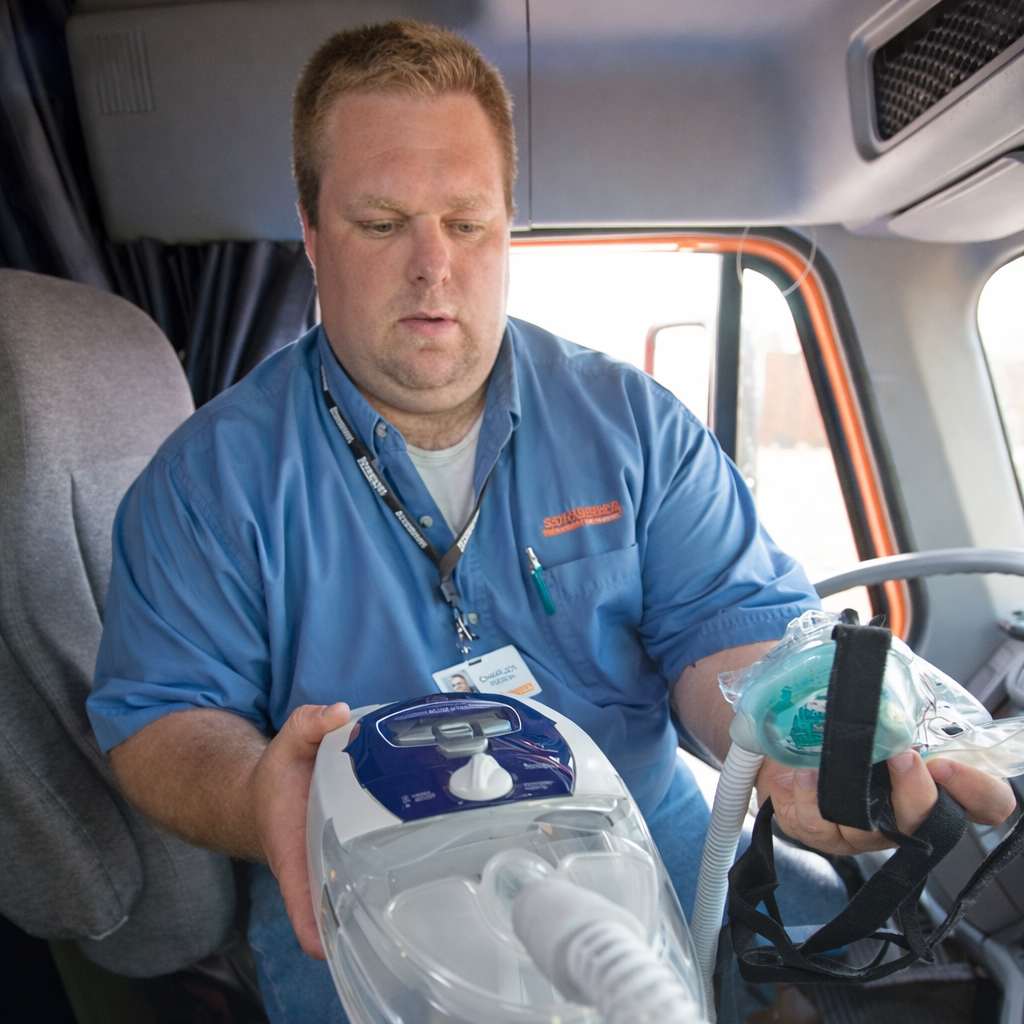
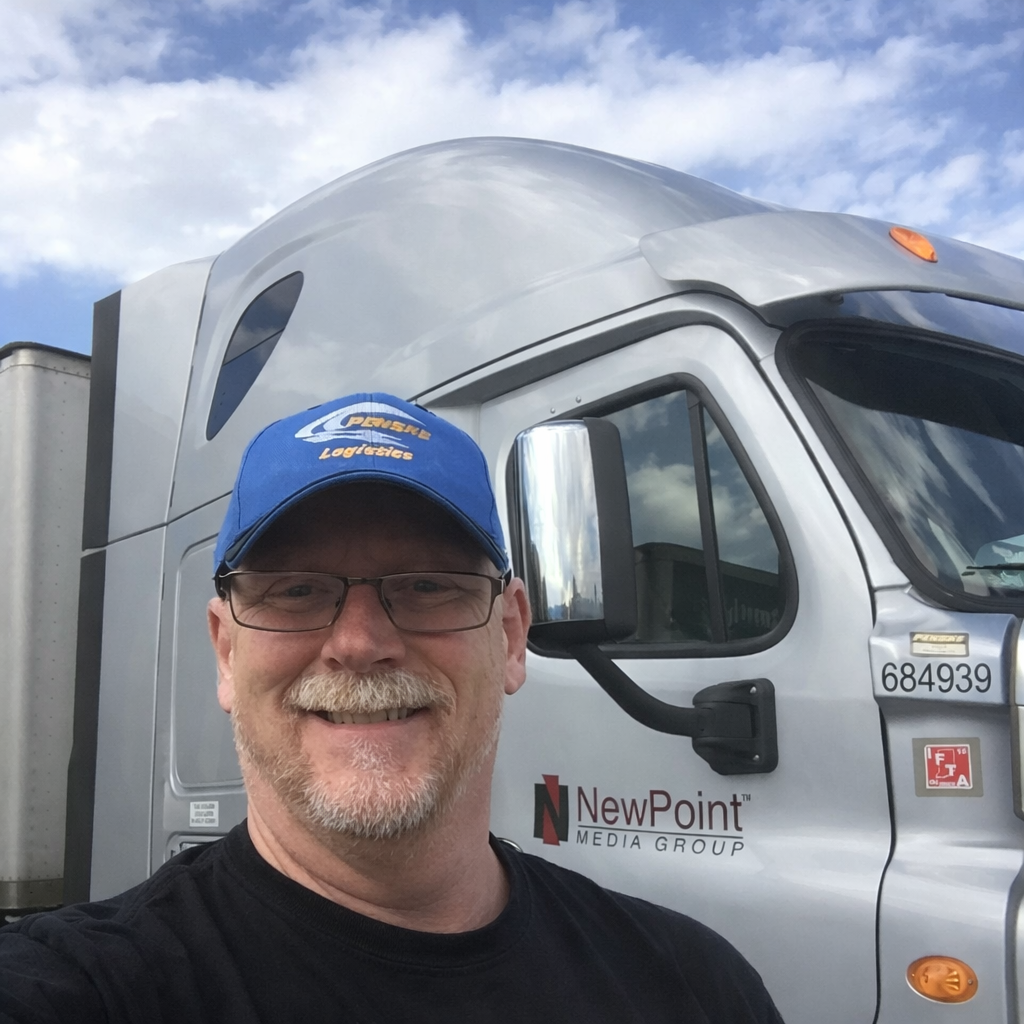
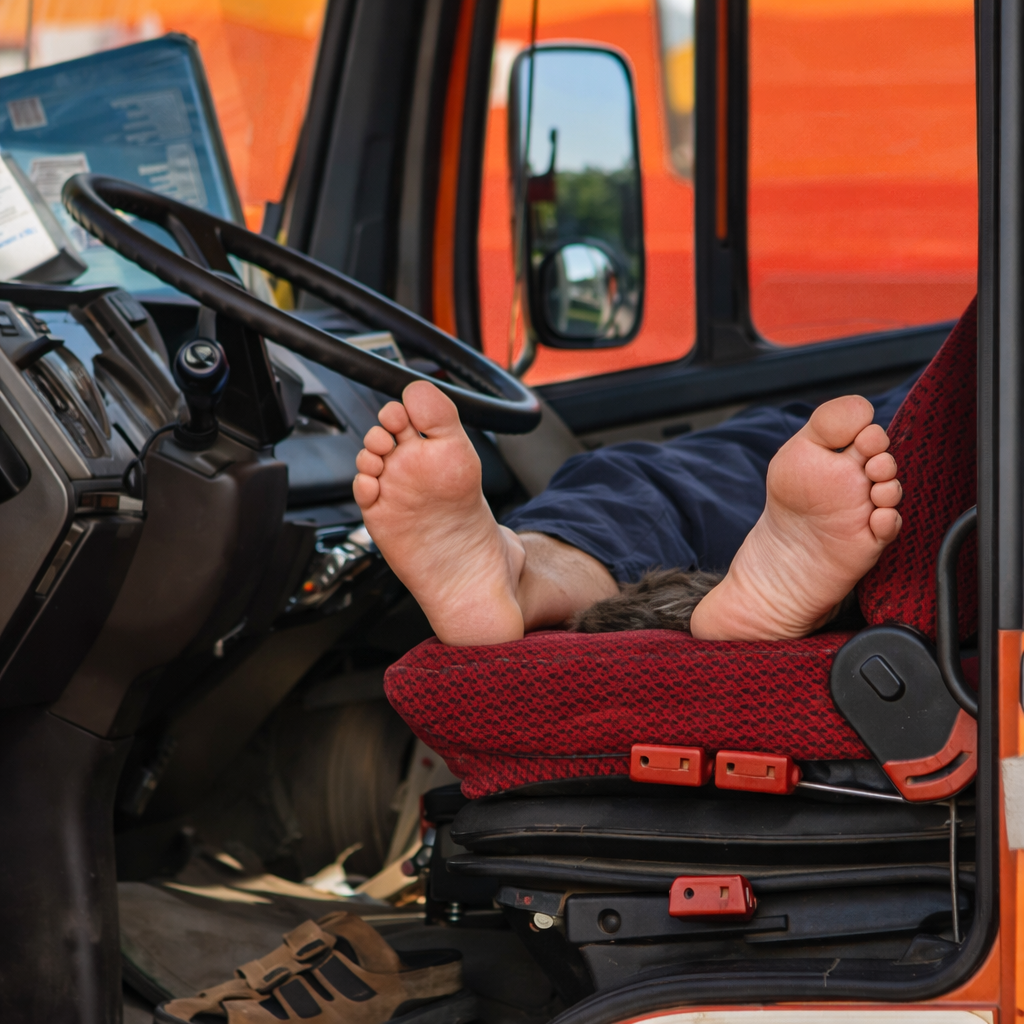
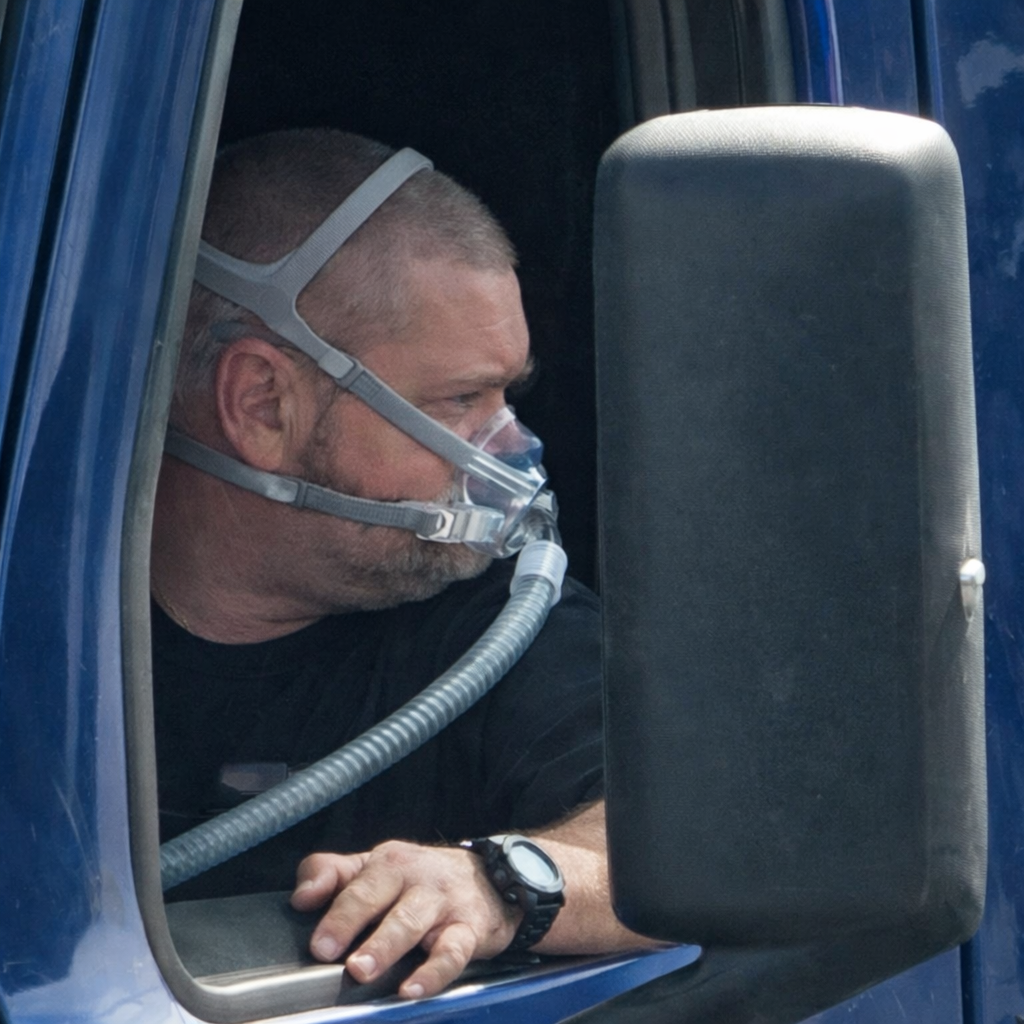
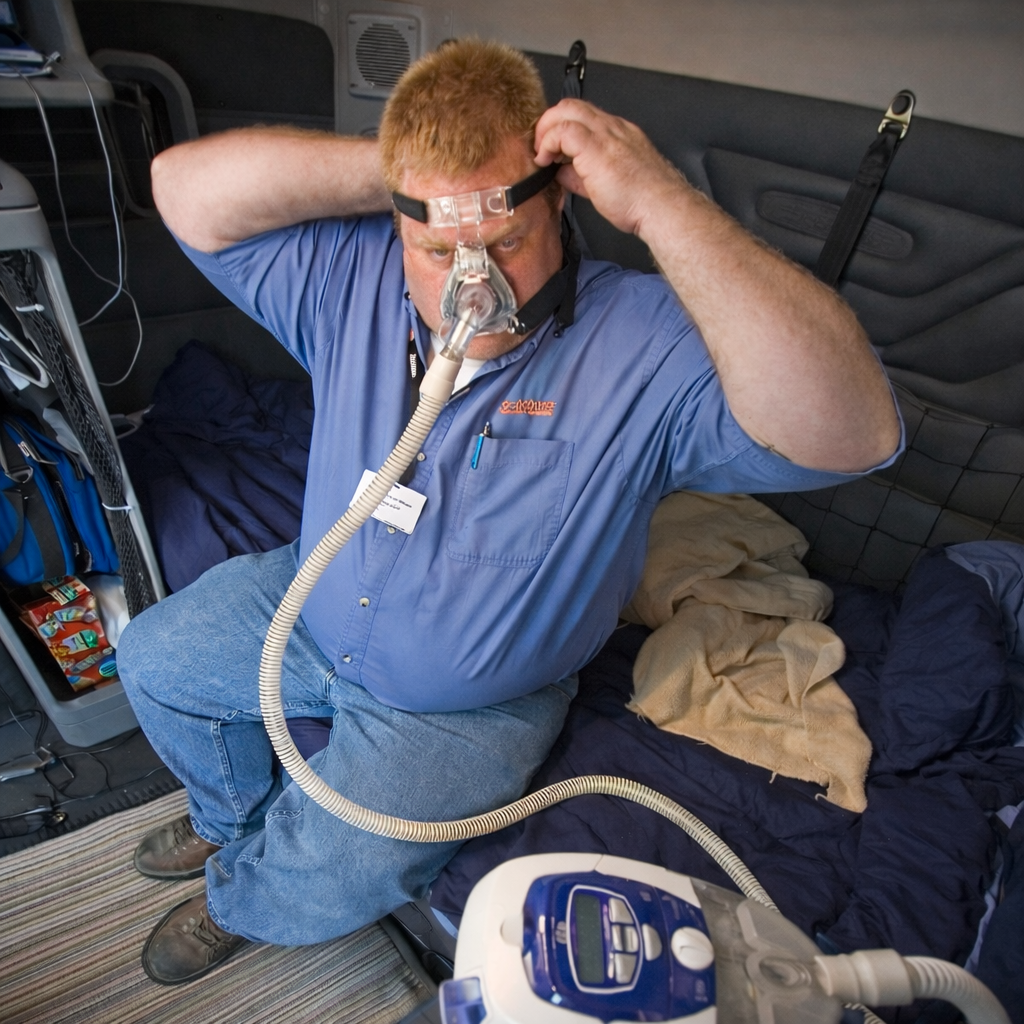
I keep a CPAP machine in the sleeper berth of my Freightliner. It sits in a milk crate zip-tied to the wall next to my bunk. I plug it into the inverter every night at whatever truck stop or shipper lot I'm parked at. I've done this for four years. My name is Dale. I'm 58. Been driving long haul for twenty-two years. Run mostly Ontario to Quebec and back. London to Montreal, London to Quebec City, sometimes out to Winnipeg if the rate's right. Home in London every other weekend. My wife Linda has been doing this with me for twenty-two years. Not in the truck. At home. Raising our kids while I was on the 401 at 2 AM. She earned every mile I ever ran. Got diagnosed at 54. My commercial medical flagged me. BMI over 35, neck over 17 inches. Sleep study at a clinic off Commissioners Road. Moderate to severe. AHI of 31. The doctor was straight with me. "Without treatment, you could lose your medical. MTO is getting stricter on this. You need CPAP and you need compliance data to prove you're using it." So it wasn't optional. This was my AZ licence. This was my living. The province covered most of my first machine through ADP. Paid maybe $140 out of pocket for that one. But ADP doesn't cover a second machine. And I needed a second machine because I'm on the road 22 days a month. I bought a ResMed AirMini for the truck because it runs off 12-volt and fits in a sleeper. $950 out of pocket. My benefits through the carrier didn't cover portable units. So that was all me. Then the masks. The hoses. The filters. Humidifier for the house unit. A pure sine wave inverter for the truck because the cheap one kept shutting the AirMini off at 2 AM. ADP covers the machine once every five years. Everything else comes out of your pocket. Four years, two machines, all the supplies. Probably $3,800 total. I kept every bit of compliance data. Every download. My sleep clinic could see I was using it 96% of nights, average 6.1 hours, AHI on the machine under 5. I was the perfect patient. My medical examiner signed off every year without a second look. Year one was good. I'll give it that. I'd been running on garbage sleep for God knows how long before the diagnosis. Probably years. Snoring so loud Linda couldn't sleep in the same room when I was home. Waking up in the sleeper at 4 AM feeling like I'd been hit by the truck instead of driving it. CPAP changed that. First few months I was sleeping through my alarm. Waking up actually rested. Running my full 13-hour drive window and still feeling sharp at hour 11. I called Linda from a Petro-Can outside Drummondville. "I feel like I got ten years back," I told her. "You sound like you did," she said. "You sound like yourself." Year two still solid. Not the revelation of year one but I was performing. Making my pickups on time. No close calls. No nodding off. Good energy. The machine was doing its job and I was doing mine. Somewhere in year three it started. Nothing I could point to. Nothing I could explain at a medical exam. Just this feeling around hour 5 or 6 of a drive where the road started getting long. I'd been driving these same routes for twenty years. The 401 east through Kingston, pick up the 20 toward Montreal, sometimes straight through on the Trans-Canada to Quebec City. I could drive it in my sleep. That's the problem. I started feeling like I was. Not falling asleep. Just not sharp. This dullness behind my eyes. The white lines going soft. Reaching for my third coffee before Kingston when I used to make Montreal on one cup. I mentioned it to the sleep clinic when I went for my annual download. "Your numbers are excellent, Dale. Compliance is 96%. AHI is 4.2. You're one of our best patients." "I'm tired by hour six." "How many hours are you sleeping?" "Five and a half, six. Same as always." "That might just be the nature of the job. Short sleep windows catch up with you. You're 56 now. Recovery takes longer." Made sense. I'm not 35 anymore. The road's harder at 56. Everybody says that. I started drinking more coffee. Thermos in the morning, large Tims at the fuel stop, another one after lunch. Three, four cups before noon just to feel level. Year three I had my first rumble strip. Highway 7 westbound, about forty minutes east of Peterborough. 3:15 PM. Clear weather. Light traffic. I wasn't asleep. I was just somewhere else. Brain checked out. Eyes open, hands on the wheel, but the truck drifted right and the rumble strip shook me back. Four seconds. Maybe five. At 105 kilometres an hour pulling 42,000 kilos. I pulled into the next rest area and sat there for twenty minutes. Called Linda. "I'm fine. Just got tired earlier than usual." "Dale, you've been 'tired earlier than usual' for six months." "I know." "Your dad drove until he was 67. You're 56 and you sound like you're ready to quit." "I'm not quitting." "I didn't say you were. I said you sound like it." Year four. This year. I'll just tell you what a normal run looked like. Wake up at 4:30 AM in the sleeper. Tired. Pull the CPAP mask off. Stiff. Two cups of coffee before I even pull out of the lot. Drive three hours feeling semi-functional. Stop for fuel, more coffee. Drive another two hours. Start getting fuzzy. Hour six I'm fighting it. Slapping myself. Windows down. AC on full. Counting kilometre markers to stay focused. Get to the receiver. Sit in the dock for two hours waiting to unload. Fall asleep in the cab within five minutes of parking. Drive to the truck stop. Eat. Plug in. CPAP on. Five and a half hours of sleep. Do it again. Every day. Every run. Every week. I was sleeping with a $950 machine strapped to my face in a sleeper berth the size of a coffin, and I was driving a 40-tonne truck on a level of alertness I wouldn't trust in a Honda Civic. The second rumble strip was on the 401 just west of Belleville. Semi in the left lane. I drifted right. Rumble strip caught me. If I'd drifted left it would have been a head-on with a Kenworth at a combined speed of over 200 kilometres an hour. I didn't call Linda that time. I sat in a Flying J parking lot and looked up "local trucking jobs London Ontario." The pay cut would be $30,000 a year. We couldn't afford it. Not with the mortgage, not with our youngest still at Western. But I couldn't afford what was going to happen if I stayed on the road like this. Linda found it. Same as Dennis's wife Karen found it. Same as every wife I've talked to since. She was reading something on her iPad one night when I was home. Some medical forum. A retired ENT who'd been on CPAP for years. She read me what he wrote about CPAP and I'm going to tell it to you the way she told it to me because it changed everything. CPAP keeps your oxygen stable. That's what it does. When your airway collapses during sleep, and it still collapses, every time, 30 or 40 times an hour, the machine forces pressurized air through the collapse. Your oxygen stays up. Your AHI number looks great. But the collapse still happened. Every collapse is a mechanical event. Tissue compression. Blood flow interruption. Your body responding to a physical event even though CPAP pushed enough air through to keep the oxygen number clean. Year one, the oxygen benefit is so massive that the mechanical stress doesn't matter. You went from severe oxygen deprivation to stable oxygen. The gain overwhelms the cost. By year three, four, the mechanical stress is accumulating. Thousands of collapses per night. Your body is spending more and more energy managing these events. The oxygen is stable but the physical toll is adding up underneath. Now here's the part that hit me. The ENT said this fadeout takes most CPAP users 3 to 5 years to notice. Eight hours of sleep gives the body enough margin to absorb the collapse damage for a while before it starts showing. I don't get eight hours. I get five and a half. Same number of collapses per hour. Fewer hours of total recovery. The damage-to-recovery ratio is dramatically worse. The fadeout that takes a guy sleeping eight hours five years to feel took me two and a half. That's why I was declining so fast. That's why the clinic said my numbers were perfect and I was fighting to stay awake outside Kingston by 11 AM. That's why I went from sharp at hour 11 to dangerous at hour 6 in less than three years. My sleep window was too short to absorb what CPAP was doing to it. The machine was keeping my oxygen up. The collapses were eating my recovery alive. And nobody measured the collapses because the oxygen number was all anyone looked at. "That's what's happening to you," Linda said. "I sleep five and a half hours. If a third of that is being chewed up by collapse events that CPAP pushes through but doesn't prevent..." "You're recovering on maybe three and a half real hours." "And driving 600 kilometres the next day." "For two and a half years." She found Trevalisse that night. Different approach entirely. Instead of letting the airway collapse and forcing air through, it holds the jaw forward so the collapse doesn't happen. No collapse means no mechanical stress. Same oxygen, but achieved by keeping the airway open instead of ramming air through a closed one. No machine. No inverter. No hose in the sleeper. No compliance downloads for the medical examiner, though I still track with a pulse oximeter. $56 and you get two. I've spent $3,800 on CPAP equipment over four years. Two machines. Inverter. Masks. Filters. Road supplies. It arrived in two days. Small clear mouthpiece. Fits in my pocket. First night I was nervous. Parked at a Petro-Can outside Napanee. Same berth, same bunk, same route I'd been running. But no machine. No hum. The silence in a sleeper berth without a CPAP running is something. Four years of that hum. You stop hearing it until it's gone. Pulse oximeter on my finger. If anything dipped I'd put the machine right back on. 95 to 97% all night. Flat. Not a single dip. My CPAP data always showed micro-fluctuations. Little dips, recoveries, dips, recoveries. All night. Each one a collapse the machine pushed through. The mouthpiece data was flat. Because there were no collapses. Week one. I made Montreal on one coffee. Hadn't done that in two years. Week two. I ran my full 13-hour window. Not fighting it. Not counting kilometres. Actually driving. Alert. Present. Eyes on the road because I wanted them there, not because I was forcing them open. No rumble strips. Week three. This is when it hit me. I woke up at 4:15 in the sleeper at a Flying J outside Kingston. Five and a half hours of sleep. Same as always. But I felt like I'd slept eight. I stood outside the truck drinking one cup of coffee watching the sun come up over the St. Lawrence and realized I wasn't counting how many hours until I could stop driving. I was just ready to drive. That hadn't happened in two and a half years. I called Linda. "I'm going to run until 67," I told her. "What happened?" "I woke up feeling like a truck driver again. Not a patient who drives." Month two. It was obvious. Running full days. Making pickups early. Fuel economy went up because I was driving smoother. Not the jerky corrections of a guy fighting drowsiness. My dispatcher noticed. "You've been on time six weeks straight. What's going on?" "Sleeping better." "In a sleeper berth?" "Better than I have in three years." Beat my buddy Rick in our Thursday night bowling league for the first time since last spring. Rick said I looked ten years younger. "I stopped taking something," I told him. "That's the point." Month three. Went to my sleep clinic. "I stopped using CPAP." He started to object. I handed him three months of pulse oximeter data. Every night. 95 to 97. Flat. He compared it to my CPAP records. "Your oxygen is actually more consistent without the machine." "Because the machine was pushing through collapses. The mouthpiece prevents them. No collapses, no fluctuations." "And the driving?" "I'm running full windows. No close calls. No extra coffee. I feel like I did year one on CPAP. Maybe better." He paused. "Your CPAP data always looked excellent, Dale. I wasn't dismissing you." "I know. The data just didn't measure the thing that was actually making me worse." "The ongoing collapse events." "Thirty times an hour. Every hour. For five and a half hours. In a sleeper berth. Where I don't have the luxury of eight hours to recover from the damage. And then I'd get behind the wheel of a 40-tonne truck." He didn't argue. "Keep tracking the oximeter. But if this is working, it's working." That was four months ago. The CPAP is in a box in my garage. Both machines. The AirMini that rode 300,000 kilometres in my sleeper, the full-size that sat on my nightstand at home. The inverter. The hoses. The masks. The milk crate. All replaced by something that fits in the coin pocket of my jeans. I drove to Thunder Bay last week. London to Thunder Bay, solo, about 1,300 kilometres over two days. Parked at a truck stop outside Sault Ste. Marie the first night. Mouthpiece in, five and a half hours, drove another 700 kilometres the next morning feeling like I'd slept in a Holiday Inn. No machine. No hose. No inverter draining my batteries. No mask lines on my face at the fuel desk every morning. No lugging equipment into the truck stop washroom to clean it. I'm going to run until 67. That's nine more years. At the rate I was going on CPAP, I would've been in a local gig by next year making $30,000 less, or worse. I wake up in that sleeper now and I feel like I slept. Not like I survived the night attached to a machine that was grinding my recovery down to nothing while telling my doctor everything was perfect. If you drive for a living and you're on CPAP and you can't figure out why you're getting worse when your numbers say you should be getting better... If you used to run your full window and now you're pulling into rest areas at hour six because you can't trust yourself... If your clinic keeps saying your compliance is great and your body keeps saying otherwise... It might not be the miles. It might not be your age. It might be the collapses. Your sleep window is too short to absorb what CPAP is doing to it. And nobody's measuring the damage because the oxygen looks fine. The device I use is called Trevalisse. My wife found it. $56 and you get two. They have a 60-day money-back guarantee. Buy a pulse oximeter from Amazon and wear it the first night. You'll see the numbers yourself. That's what I did. trevalisse.com Dale, 58 London, Ontario
Where the ad sends people
trevalisse.com
Read if you use CPAP👆
Trevalisse
Shop now: trevalisse.com(opens in a new tab)