
Inactive· since Mar 25, 2026
- 8
- days it ran
- 1
- relaunches
Ad copy
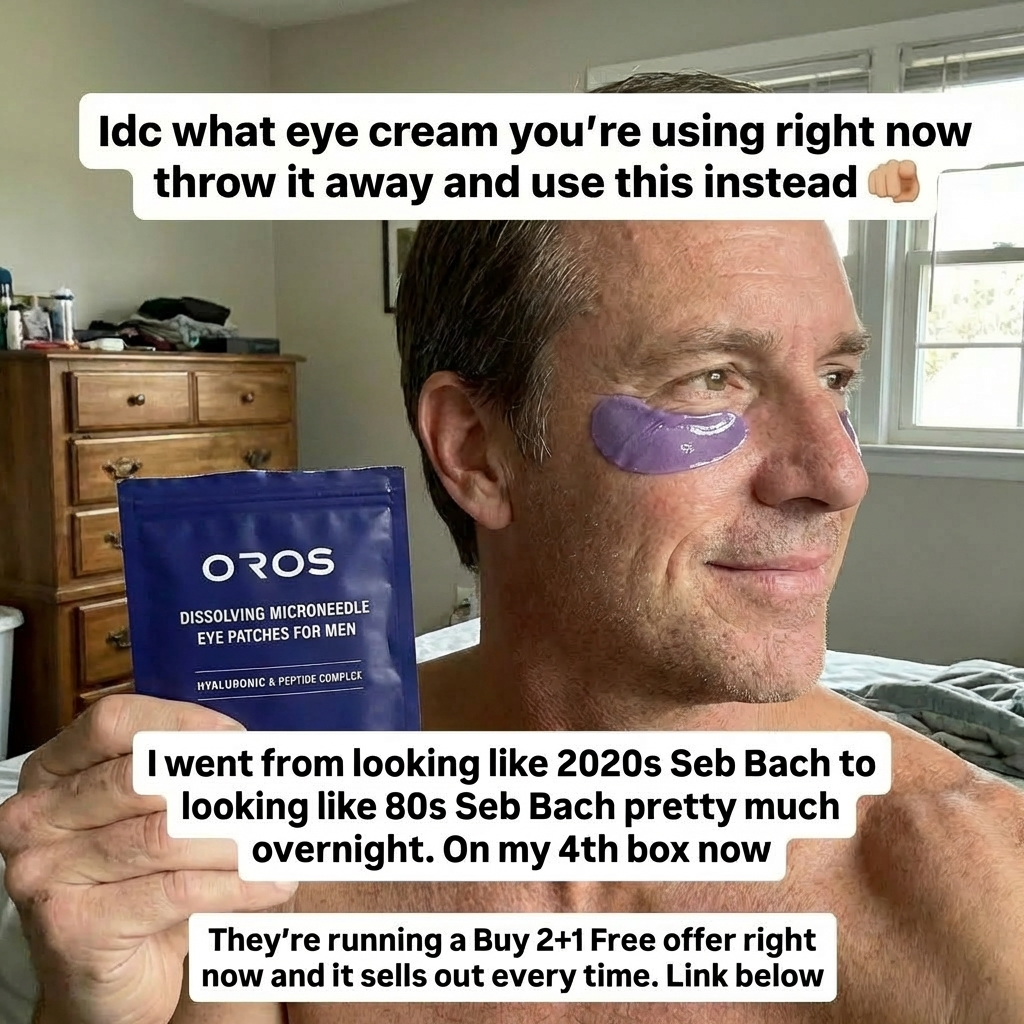
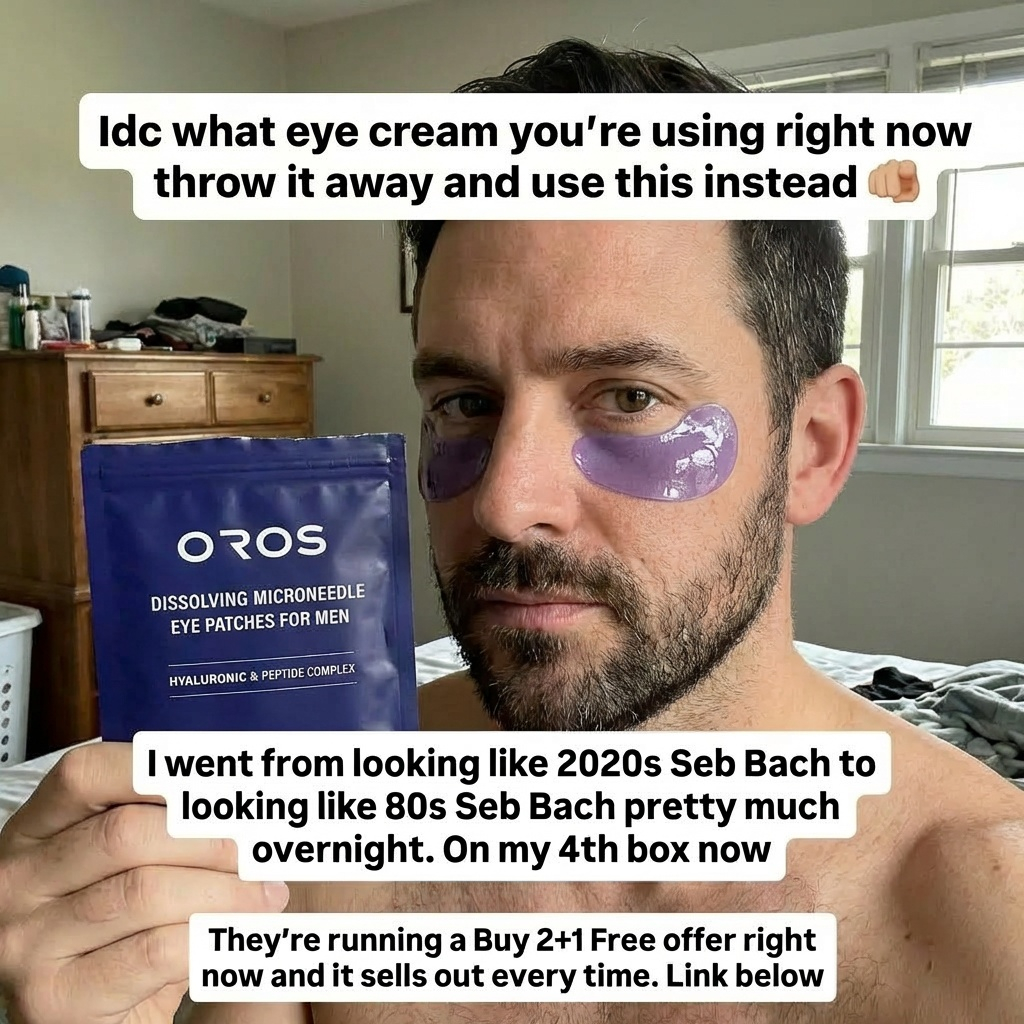
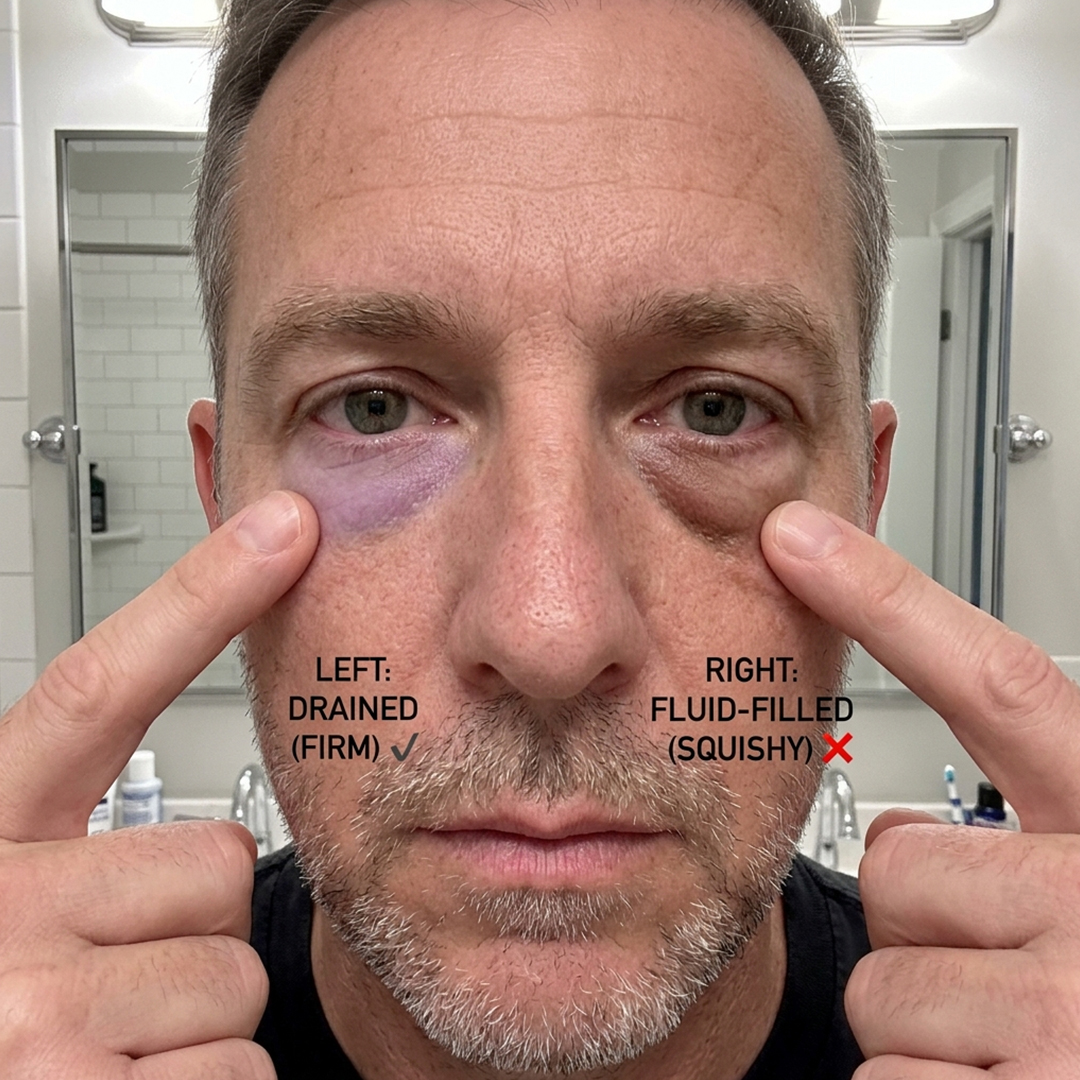
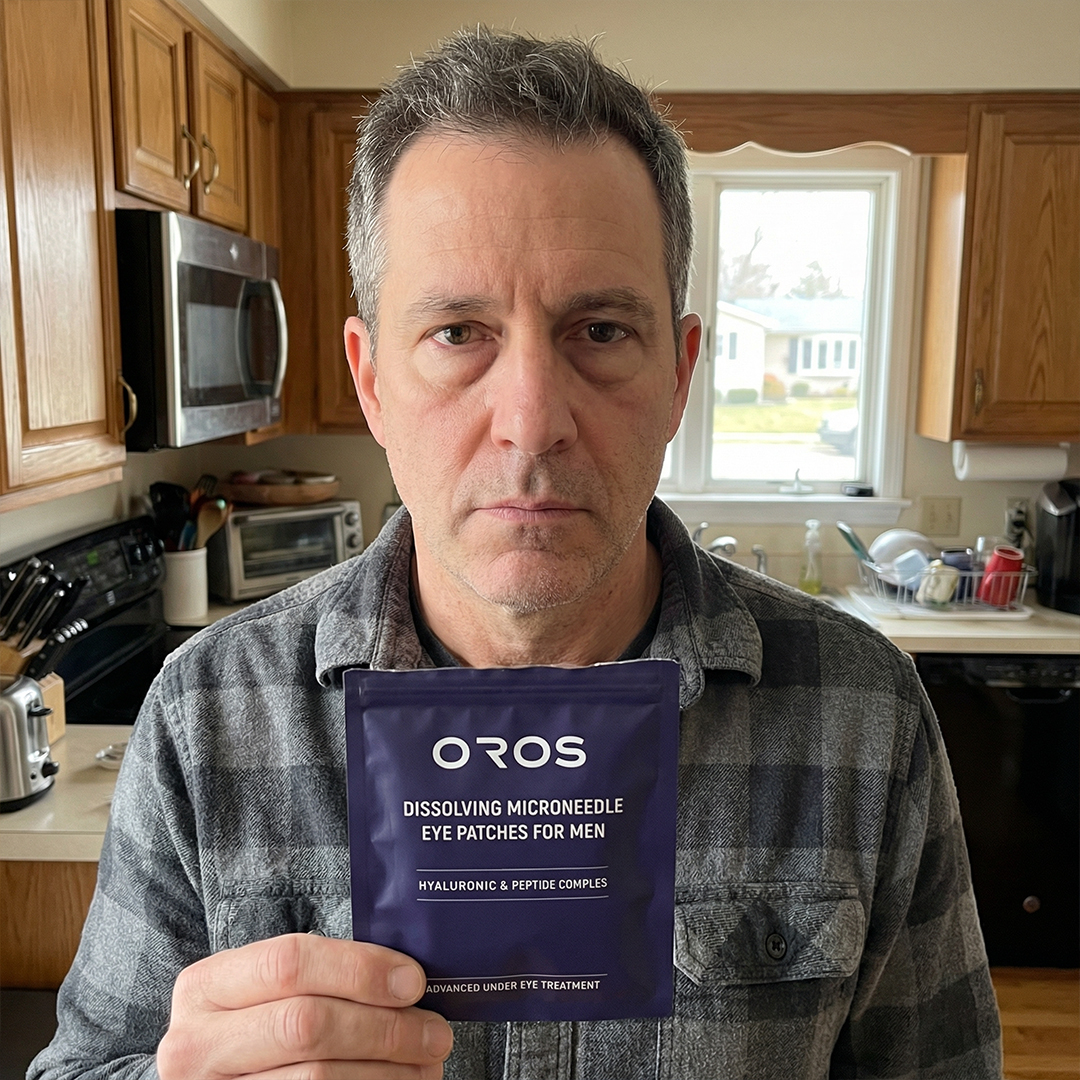
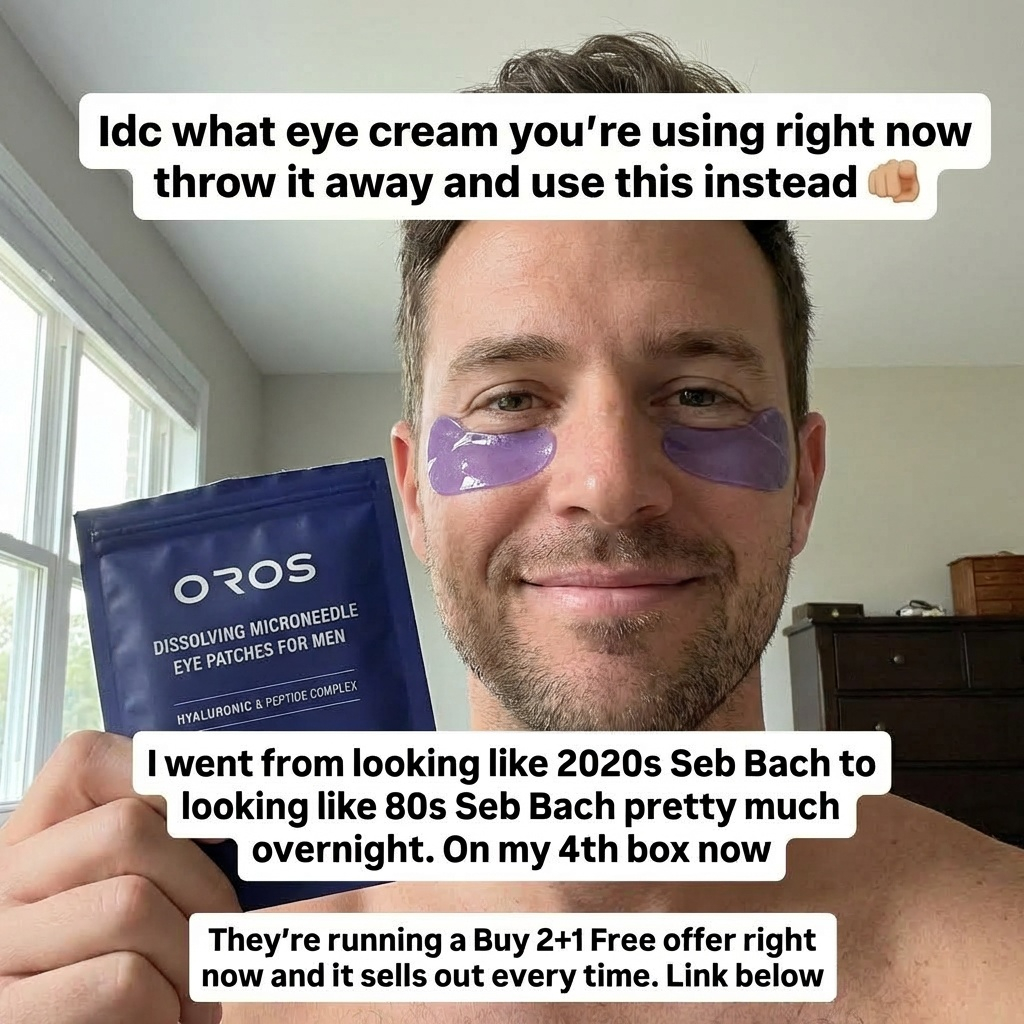
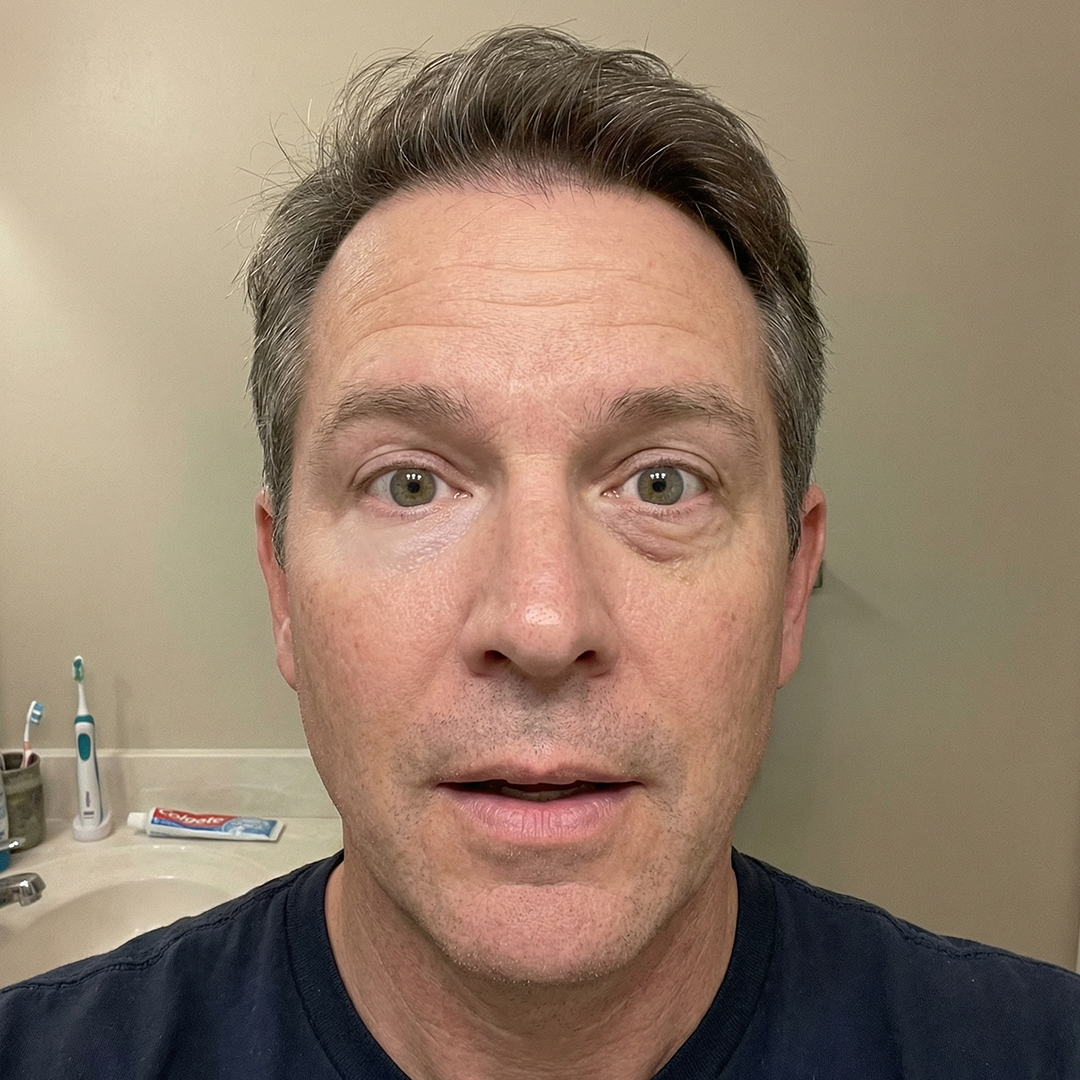
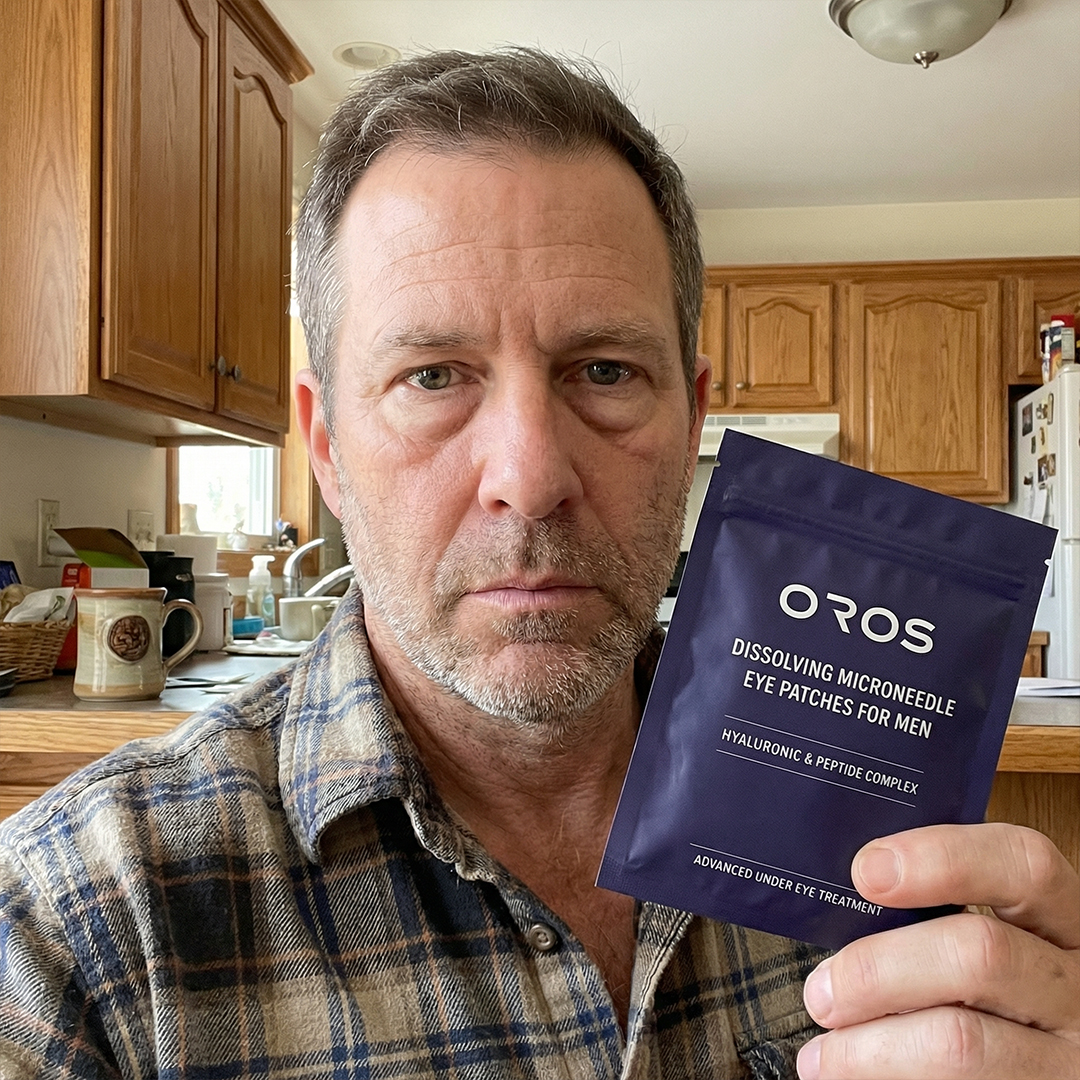
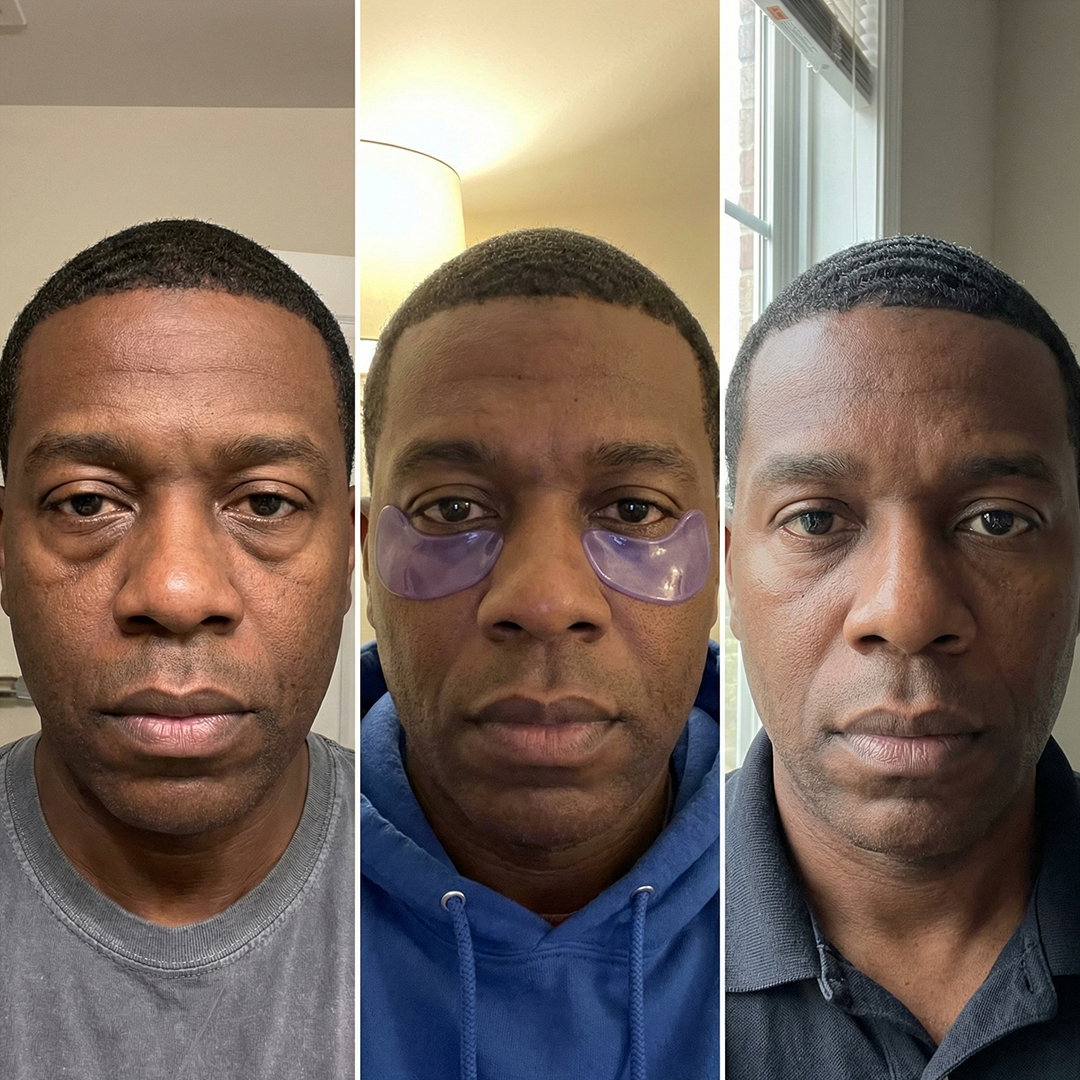
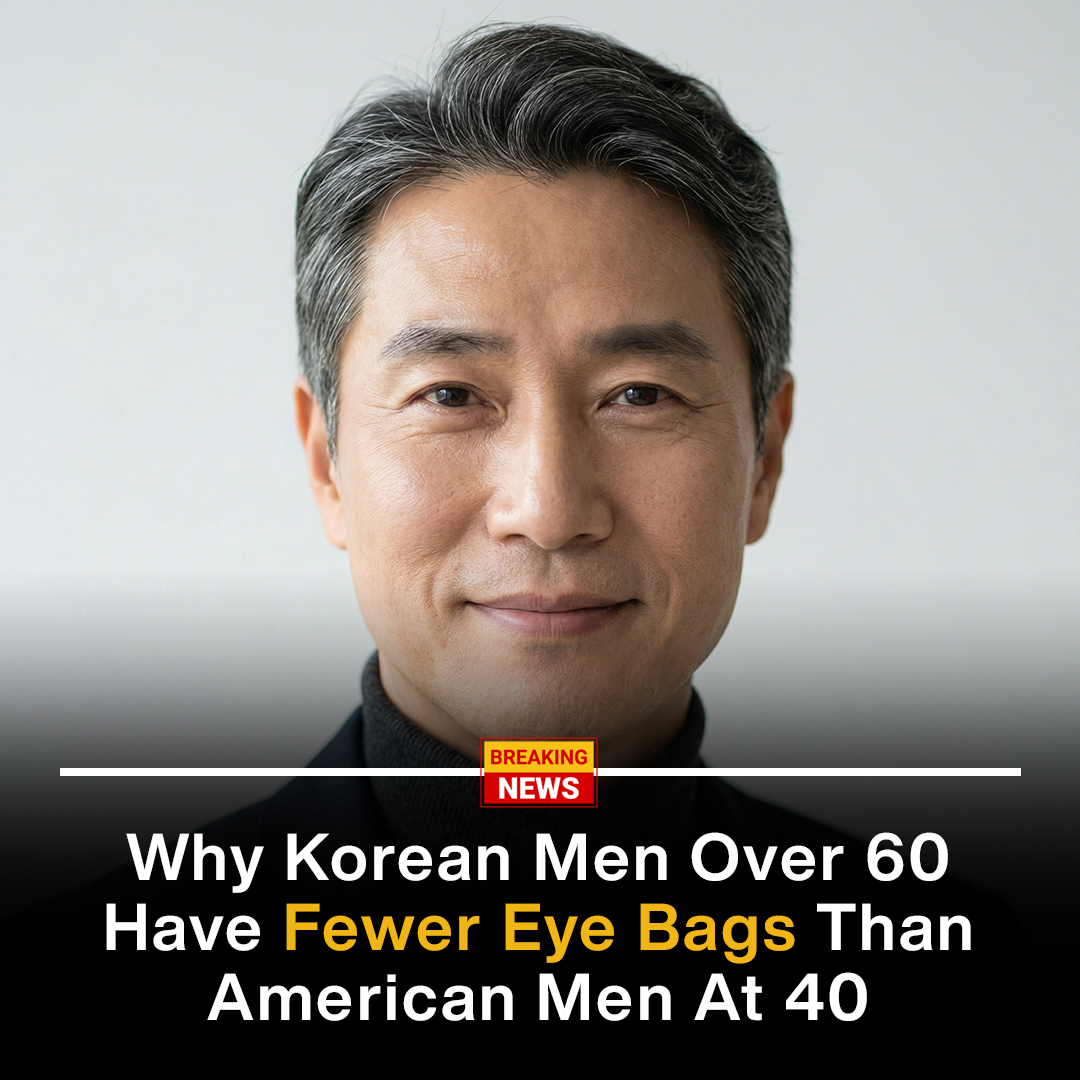
I sat across from a 63-year-old Korean executive at a business dinner in Seoul last fall. He was retired Samsung. Sharp suit. Sharp mind. Not a single bag under his eyes. I'm 57. I looked like his older brother. The heavy, dark, fluid-filled pouches I've been carrying under my eyes for a decade made me look like I'd just lost a week of sleep. This man had thirteen years on me and his under-eye area was flat. Firm. Tight against the bone. I looked around that table. Eight Korean men, all over 55. None of them had eye bags. The three American men — myself included — looked like we'd been hit in the face with the same disease. That image stayed with me for weeks. When I got home, I assumed it was genetics. Or diet. The fermented foods, the green tea, the usual theories Americans tell themselves. It wasn't genetics. Korean men and American men have comparable rates of periorbital fat herniation and collagen loss after 50. The biology is nearly identical. It wasn't diet. Diet affects systemic inflammation. It doesn't reverse structural collapse in the periorbital tissue. It was something else entirely. Something no American dermatologist had ever mentioned to me. South Korea is the skincare capital of the world. More cosmetic patents per year than the U.S. and Europe combined. Gangnam alone has more periorbital specialists than most American states. And Korean skincare science figured out something about male eye bags over a decade ago that American dermatology still refuses to acknowledge. Here's what they figured out: Male skin is 20-25% thicker than female skin. Testosterone fortifies the outer barrier into a dense, layered wall. There's a principle in pharmacology called the 500-Dalton Rule that determines what can cross that barrier. Most active ingredients in eye creams are technically small enough to penetrate. On female skin, some of them partially do. On male skin, they don't. They degrade before reaching 0.3mm deep — where the pooled blood, stagnant fluid, and collapsed collagen that create eye bags actually live. Every cream you've ever used was paint splashed on a concrete wall. The ingredients sat on the surface. They never reached the damage. American dermatology's answer: sell you creams anyway, then fillers when creams fail, then blepharoplasty when you're desperate enough. The creams aren't a treatment. They're a waiting room for the $1,200 filler appointment — or the $7,000 surgery that may not even hold. Korean dermatology's answer: stop fighting the wall. Go through it. Korean biotech companies pioneered transdermal microneedle delivery — the same technology pharmaceutical companies use to push drugs through skin. A patch with 1,500 dissolving microneedles that penetrate to exactly 0.3mm. The blood vessels. The drainage system. The collagen network. The needles dissolve over hours, releasing 600-Dalton peptides and 39% hyaluronic acid directly into the tissue where every component of your eye bags is generated. Not on the barrier. Through it. This is what those Korean executives had access to. This is why a 63-year-old man looked a decade younger than me. Not genetics. Not kimchi. A delivery system that actually reaches the problem. An American board-certified dermatologist named Dr. James Whitfield recently published an article about what he saw when he visited a periorbital clinic in Gangnam. He'd been recommending blepharoplasty to his male patients for 22 years. After what the Korean specialists showed him, he stopped. He tested the patches on himself. One eye only. Left the other untreated. The next morning, the treated eye was visibly deflated. The untreated eye looked exactly the same. His words: "I felt shame. Because I'd spent 22 years telling men their only options were $1,200 fillers or a $7,200 scalpel — when a $38 patch addressed the mechanism that neither fillers nor surgery actually fix." His full article explains the biology, the 500-Dalton barrier, why Korean clinics abandoned topical treatments for men years ago, and why American aesthetic medicine has $18 billion worth of reasons to keep you in the dark. If you've spent years watching your eye bags get worse while men in Seoul walk around looking ten years younger than you — it's not luck. It's not genetics. It's engineering. Read Dr. Whitfield's full article. It's the explanation that was missing from every cream, every filler appointment, and every surgical quote you've ever been given.
Stop Greasing Your Eye Bags. Start Draining Them.
Why I Stopped Recommending Blepharoplasty Surgery to My Male Patients After What I Saw in a Korean Dermatology Clinic
LEARN MORELike this ad? Make it yours.
Crush rebuilds this exact creative around your product — your brand, your colors, your offer — in about a minute.