
Active· since Jun 27, 2026
- 76
- days running
- 0
- relaunches
Ad copy
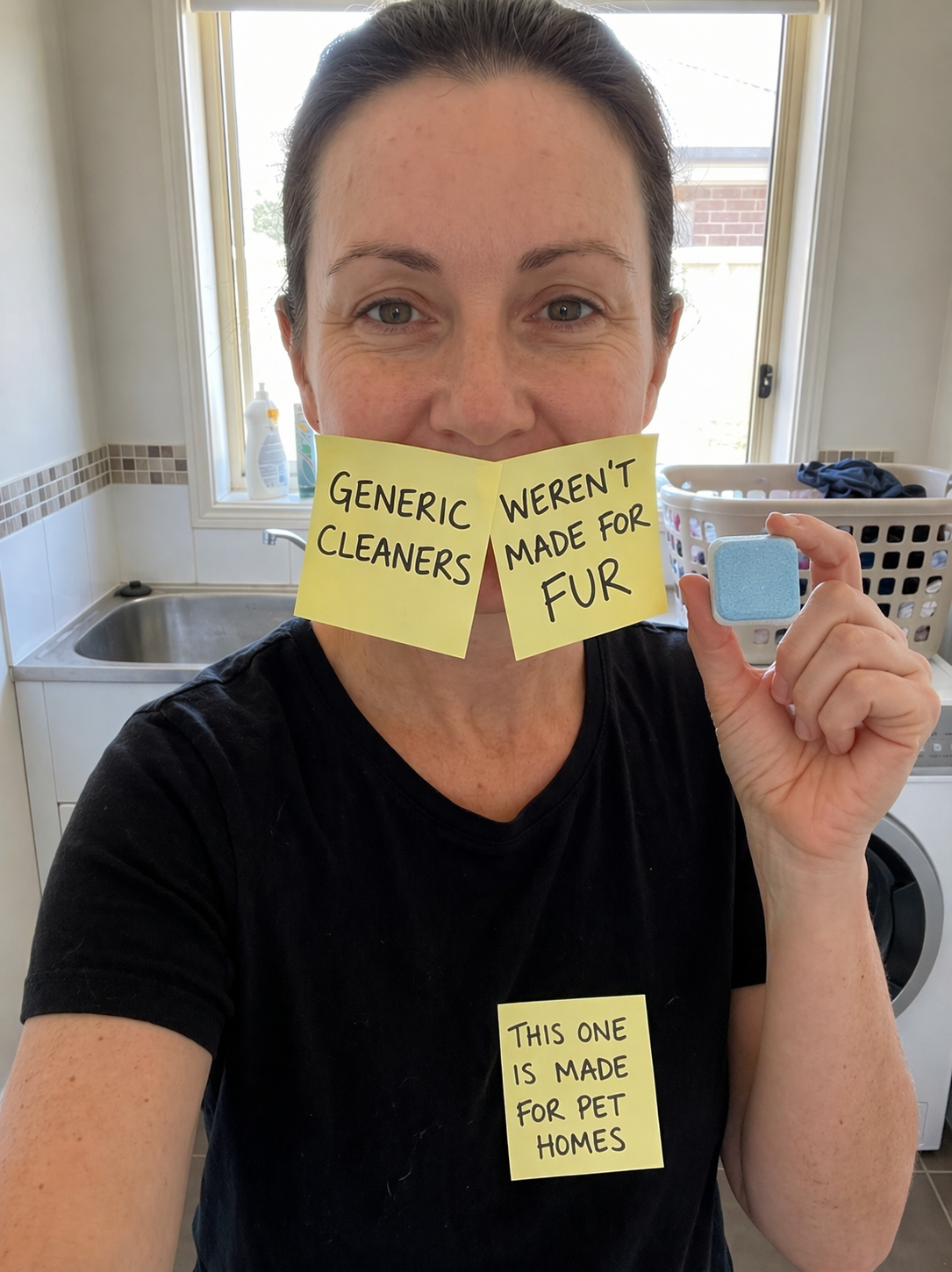
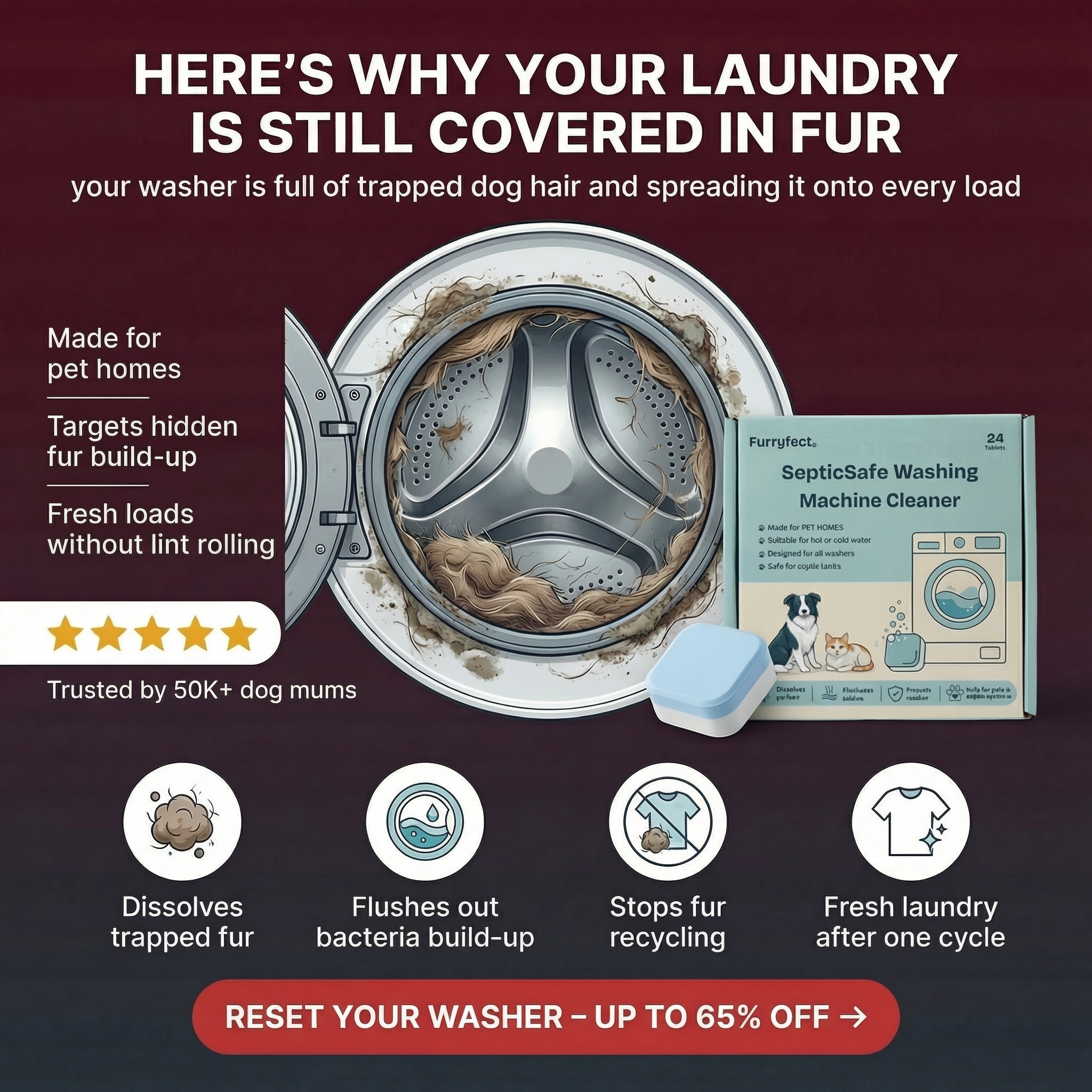
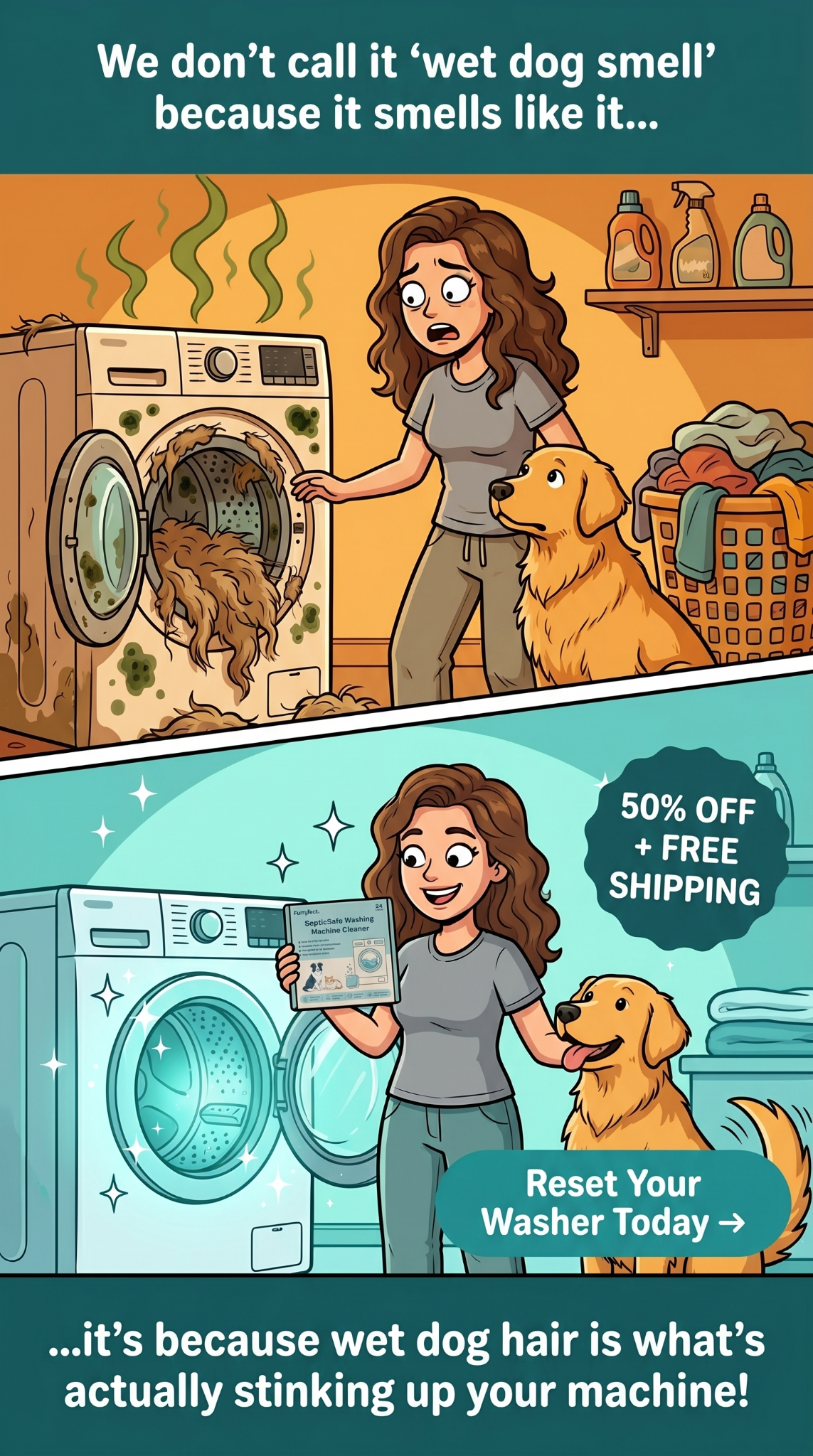
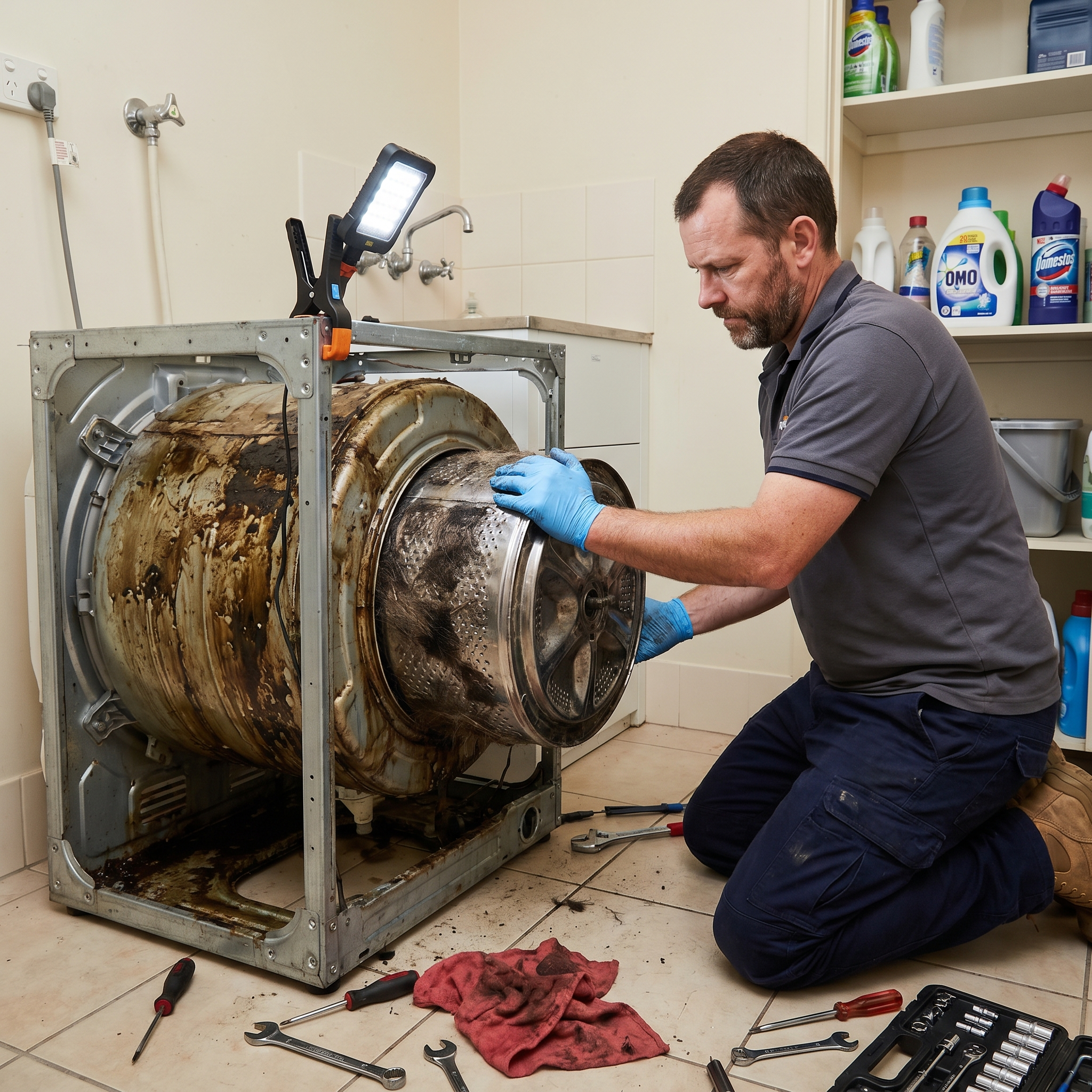
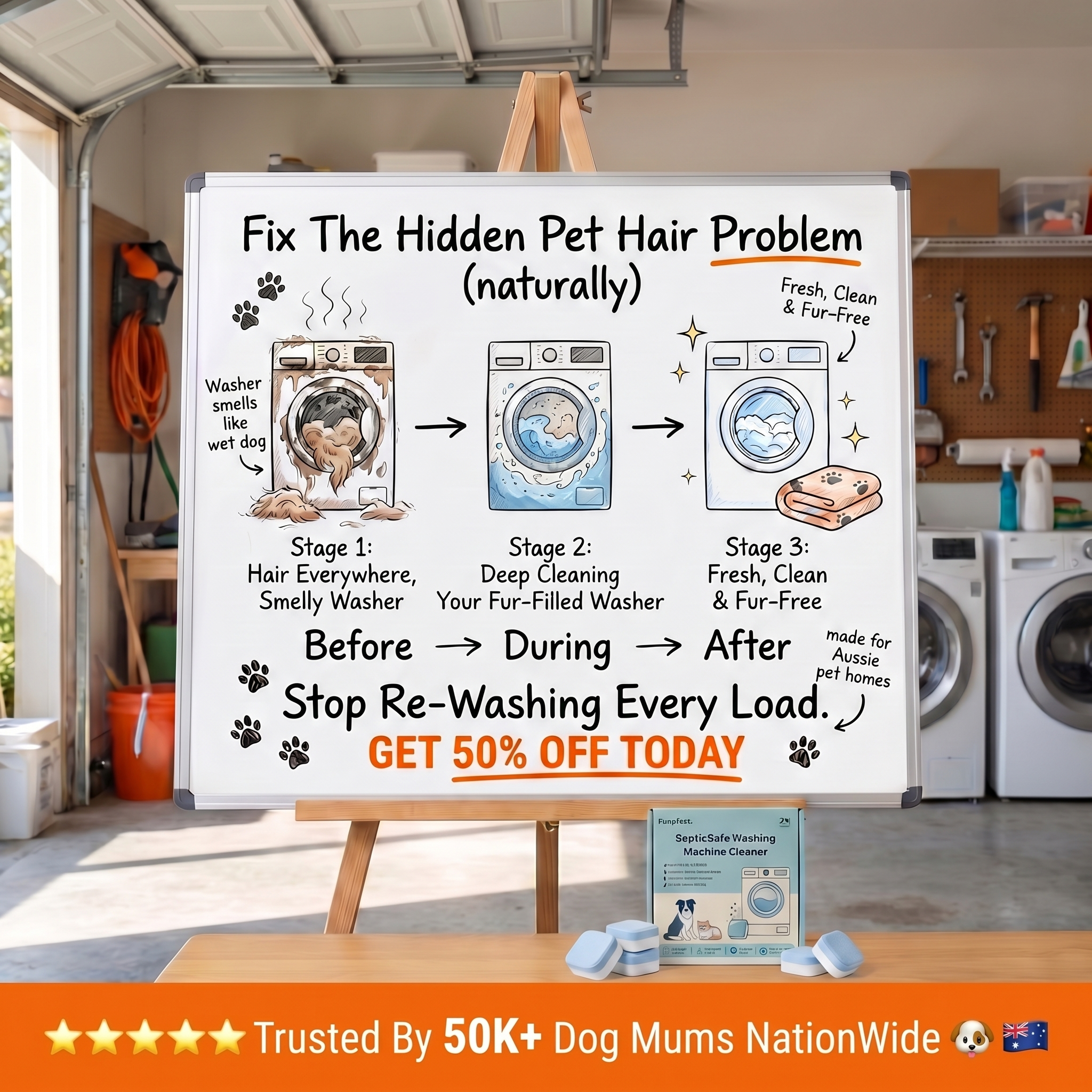
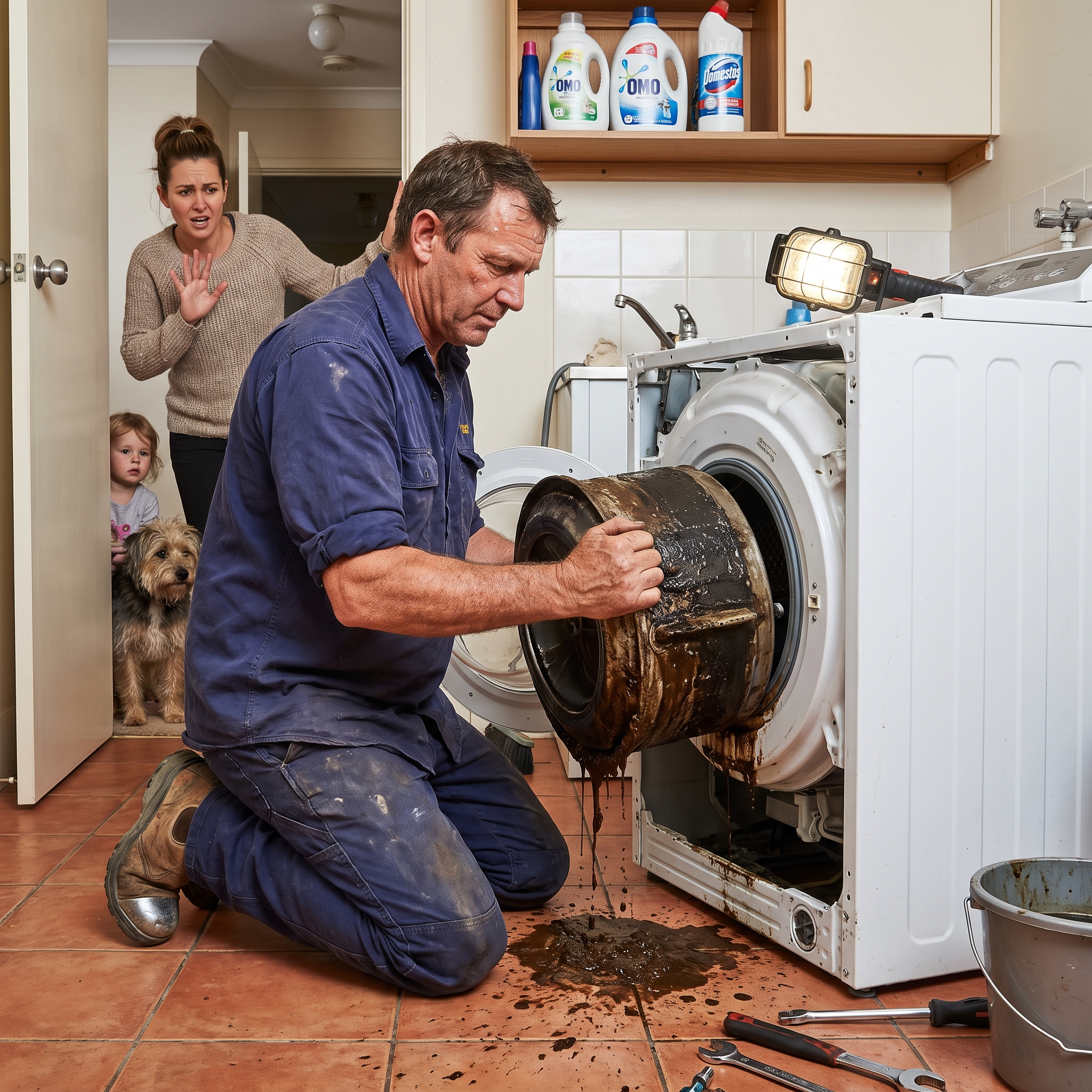
I've serviced thousands of washing machines in South East Queensland for 26 years, and I still can't get a single pet owner to believe me when I tell them the real reason their laundry stinks. I work out of a van in Brisbane. And I tell almost every pet owner who calls me about their musty smelling laundry the same thing: "Your machine isn't broken. It's built up gunk in places you can't see or reach." Most of them don't believe me at first. They tell me they’ve already tried everything — vinegar, self-clean cycles, switching detergents. Some of them have even told me they've scrubbed it by hand with bleach. And every time I say the same thing: "None of that reaches where your problem actually lives." I rock up, pull the back panel off, and show them what's been festering in there. There's a gap between the inner drum and the outer tub that most people don't even know exists. It's a sealed space that water sits in and never fully dries. And over time, a layer of residue builds along the drum walls that no D.I.Y hack, self-clean cycle, or store bought tablet will ever fix. It looks the same in nearly every machine I open. Especially the newer front-loaders from the early 2000s and up. The older top-loaders were simple. Water went in, water drained out. But around the early 2000s there was a drastic change in how machines were designed. These new machines use less water and seal tighter, built to be more energy efficient. Which creates the buildup that leaves most of my clients shocked. I started noticing the pattern about eight years ago. More and more calls about the same complaint. Towels that smelled fine for an hour then turned musty. Pet owners calling because their laundry smelled like wet dog no matter how many times they ran the same load. And every single time, their machine looked perfectly clean on the outside, drum still shining. But never knew what was hiding on the inside. Here's what most people don't understand. When I show up to a service call, nine times out of ten their machine runs fine. No mechanical problems at all. The customer just wants to know why their laundry stinks. And when I pop that outer panel off and they see what's built up along the drum wall — the reaction is always the same. "But my machine isn't even that old." I've opened machines eight months old that already have visible buildup caked along the housing. And every time you run a load, water passes through that gap, picking up whatever's living on those surfaces and carrying it right back onto everything you wash. Your towels. Your sheets. Your kids' clothes. That's where the unmistakable smell is coming from. Not from your detergent. Not from the temperature setting. Not from leaving it to sit for too long. From the machine itself. Just in a place you would've never seen. And I'll be honest — for a long time I never really had an answer for people. I'd tell them to run vinegar. Run bleach. Use the self-clean cycle. The same remedies I knew were never going to reach behind the drum. I started feeling like I was letting people down. Especially the pet owners. They were the worst buildup cases every single time. Dog hair breaks apart in the wash. The skin oils, the dander, the proteins — all of it gets pulled into that sealed gap and feeds the problem. I had one woman in tears because her daughter's school clothes smelled so bad that another kid laughed at her for it. She'd already tried everything I would've suggested and left me without an answer for her. But about a year ago I got a call from a client I'd done a deep clean on a few months earlier. A woman with two Collies and a front-loader that was barely three years old. When I showed up I did the same as always. Pulled the panel off, showed her the buildup in the exact same spot, gave her the same list — vinegar cycles, running it on hot. But she wasn't calling to complain about the smell this time. She said the smell was gone. I asked her what she'd done. She told me she'd found a cleaning tablet online — one that was designed to reach the parts of the machine that nothing else gets to. Said it used some kind of enzyme formula that actually breaks down the residue instead of just running water over it. I was sceptical. I've seen every washing machine cleaner on the shelf at Woolies and Bunnings. Most of them are the exact same thing in a different box. Clean the surface and make it appear cleaner. And I already told you — the surface is not the problem. But she swore by it. Said even her dog blankets came out smelling like nothing. So I looked into it. And what I found actually surprised me. It's designed to break down what's been sitting in the spots I've been pointing at for 26 years — the sealed areas between the drum and the outer housing. The places water sits and never leaves. The spots nothing else touches. Here's what most people don't know, and why everything they've tried fails. Every standard cleaner on the market — the tablets, the powders, the pods — they're all built on the same ingredient. Oxygen bleach. And oxygen bleach does a fine job on detergent residue and mineral deposits. But pet homes have a completely different problem forming inside that sealed gap. Dog hair is made up of keratin protein. And oxygen bleach doesn't dissolve protein. It rinses around it. Cleans the surface. Leaves the source completely untouched. Which is exactly why the smell always comes back. It's not your fault. You're just using something that was never designed for what pet homes actually put through their machine. What I found in this formula was different. Three enzymes. Each one working together. Amylase goes first. It dissolves the detergent and softener film that's been glued against your drum walls, exposing what's hiding underneath. Then protease activates — the one that matters most for pet homes. It breaks down the keratin proteins in pet hair itself. Not flowing over it or around it. Breaking it down at a molecular level, flushing it out of the machine completely and stopping it from spreading back onto everything you wash. Then lipase strips the layer of grease that bacteria are feeding on right now. Once that's gone the bacteria can't survive, and the smell is eliminated at its source. Amylase exposes it. Protease destroys it. Lipase starves what it’s feeding off of. Without all three, the source of the smell remains and the buildup keeps growing. Once I understood how it worked, I started recommending it to every pet home I visited. That was about a year ago. Since then I've recommended it to well over a hundred clients — mostly pet homes, because they're the ones who need it most. I've lost count of how many have texted me back saying the same thing: "It worked. The smell is gone." Not kind of worked. Not worked for a week or two. Just worked. I'm not a salesman. I fix machines for a living. I don't have a commission code. But when something finally solves the problem I've been scratching my head at for nearly two decades — I'm going to rant about it. The product is called SepticSafe. It's made by an Australian company called Furryfect — built specifically for pet homes, not just another oxygen bleach cleaner with a dog on the box. I don't know how long their sale is live for, but every time one of my customers tries it, I stop hearing complaints about the smell returning. If your clothes are smelling funky and you've tried everything else, this is what I'd turn to. I'll leave the link below. Because if you've never seen what's hiding behind that back panel, you'll understand pretty quickly why I've recommended this to almost every pet home I've met. 👉 https://www.furryfect.com/products/septicsafe-washing-machine-cleaner-1
Like this ad? Make it yours.
Crush rebuilds this exact creative around your product — your brand, your colors, your offer — in about a minute.