
Inactive· since Apr 19, 2026
- 72
- days it ran
- 0
- relaunches
Ad copy
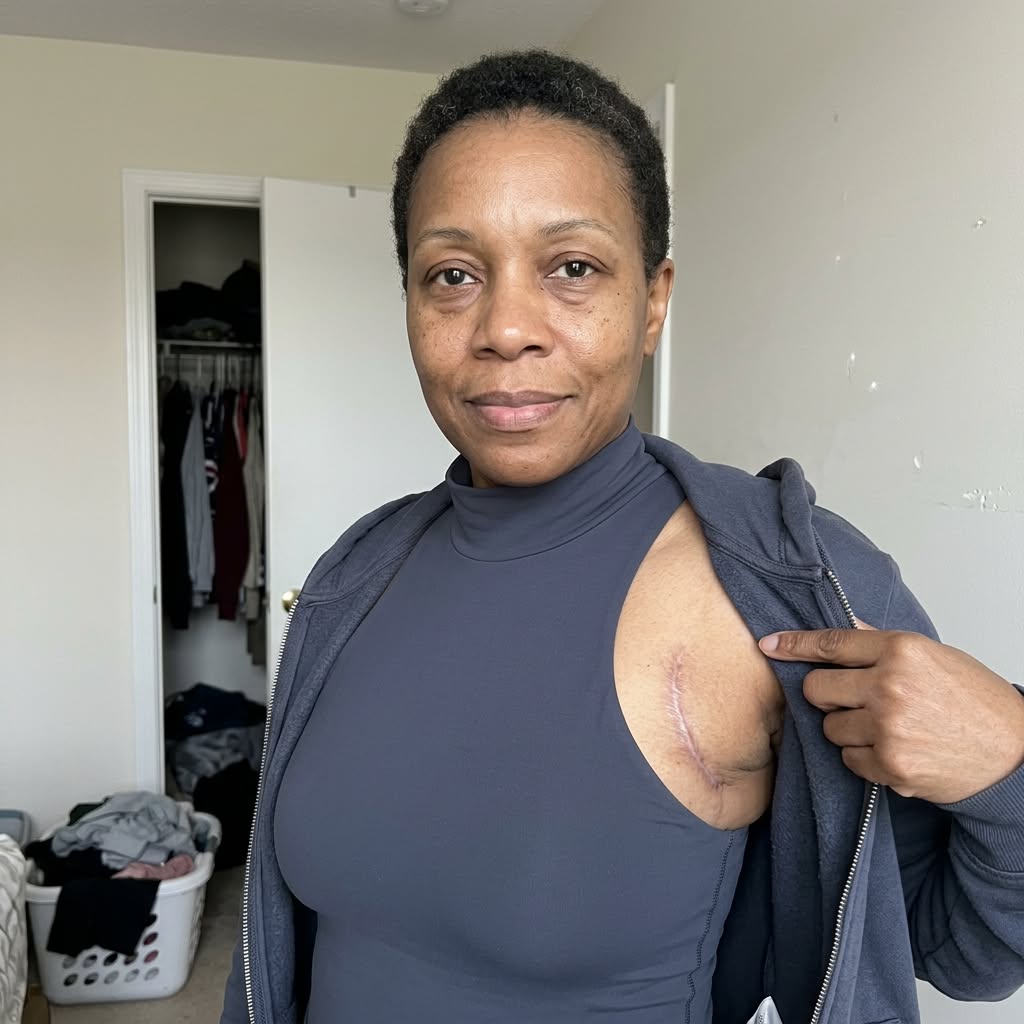
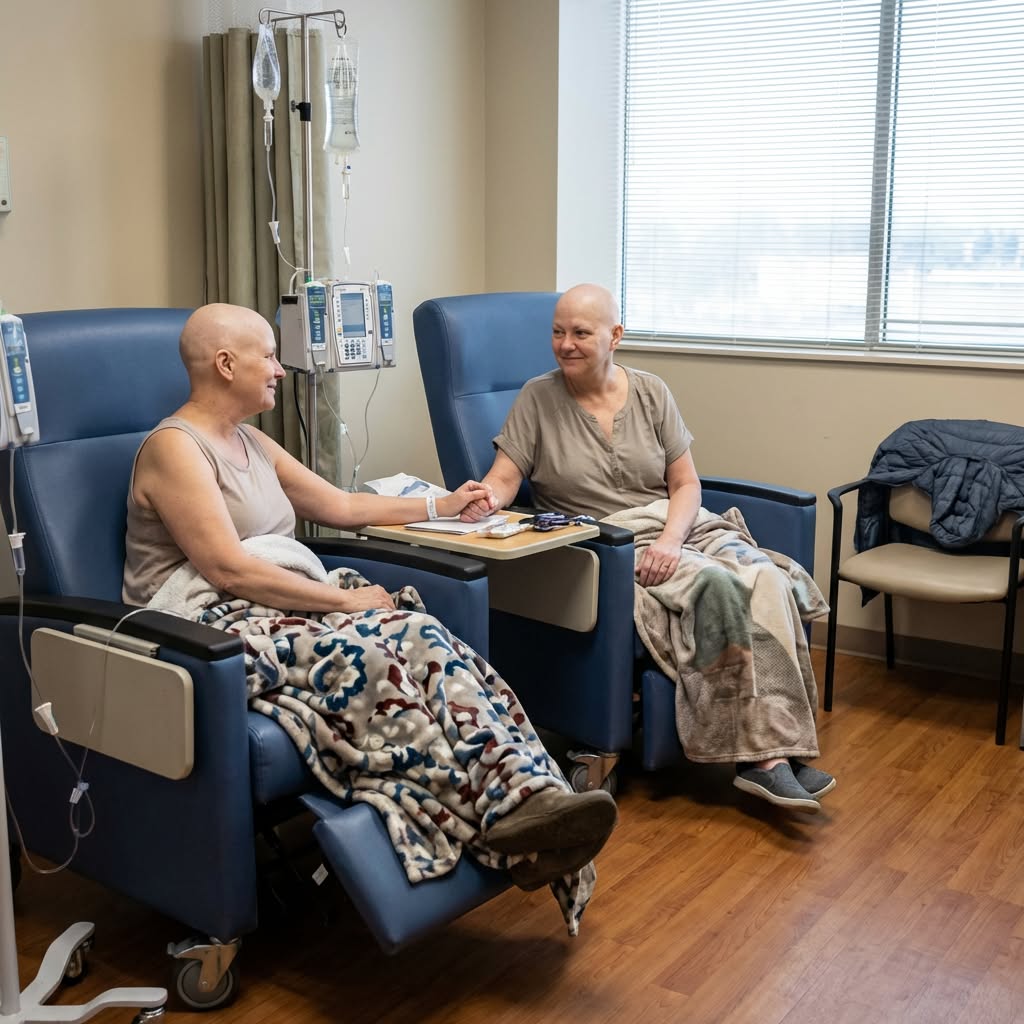
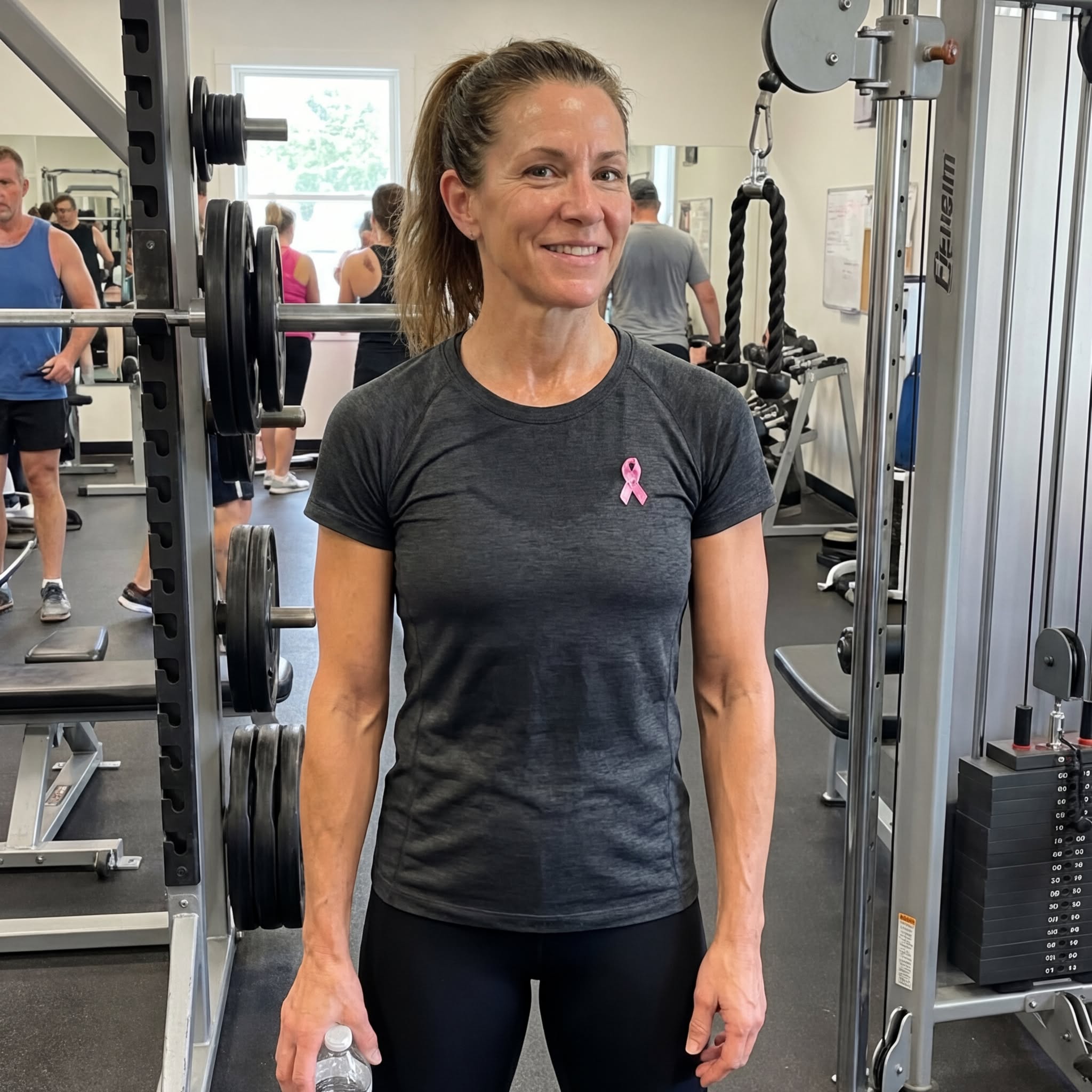
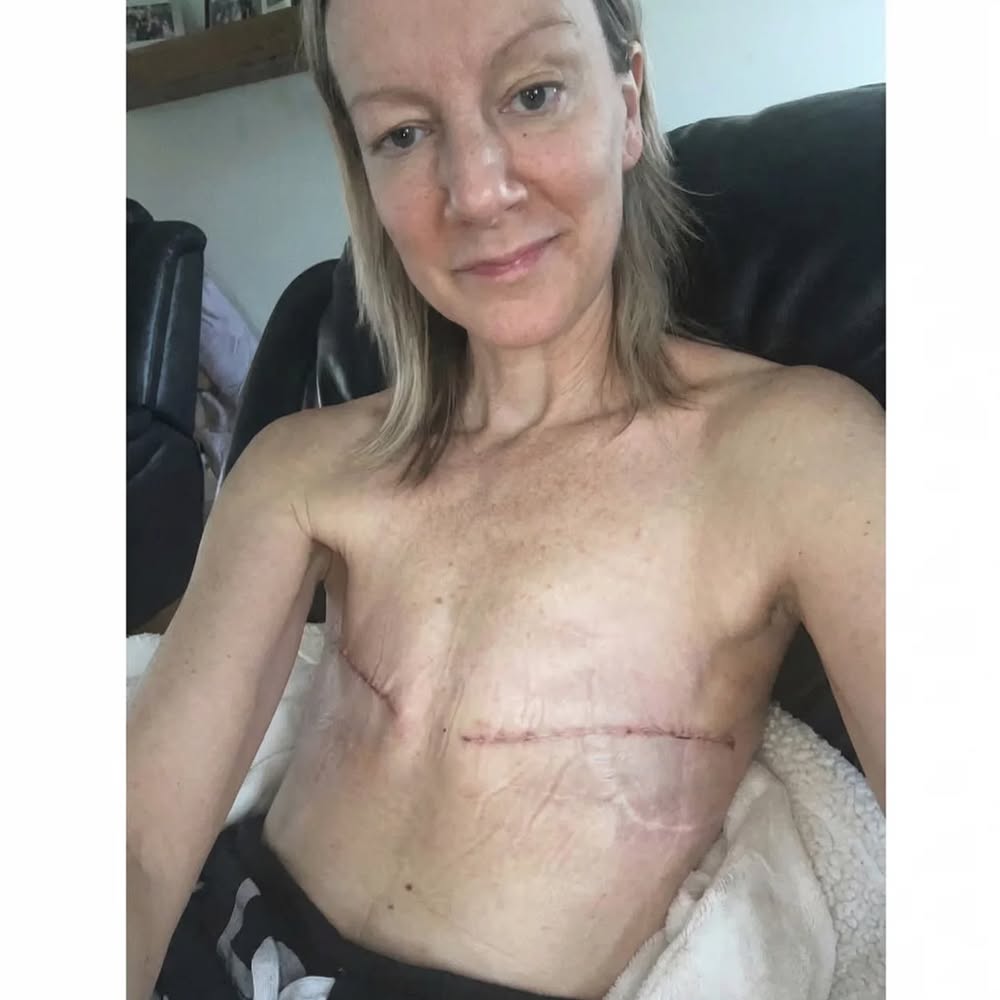
If you just beat cancer and your oncologist told you "No Evidence of Disease," please read every word of this before you make the same mistake I did. My name is Sarah. I'm 37 years old. I beat stage 3 breast cancer in 2022. Then it came back in 2023—more aggressive, harder to treat, and it almost killed me. I'm writing this because I don't want what happened to me to happen to you. And if you're in remission right now, what I'm about to tell you could be the difference between staying cancer-free and hearing those four words that destroyed me: "The cancer is back." Let me start from the beginning. March 2021. I found the lump in the shower. My stomach dropped. Two weeks later: Stage 3 invasive ductal carcinoma. Lymph nodes positive. Aggressive. Fast-growing. I asked if I was going to die. My oncologist said: "We have a treatment plan. Surgery first, then chemo and radiation. We'll take this step by step." April 2021. Mastectomy. They took my entire left breast, 14 lymph nodes, part of my chest muscle. I woke up unable to move my left arm. Pain everywhere. Drains hanging from my chest. My husband had to help me get dressed. Help me use the bathroom. I was 34 years old and I couldn't button my own shirt. Two weeks later, chemo started. If you've been through chemo, you know what I'm about to describe. If you haven't, I hope you never do. Round 1 wasn't terrible. Nauseous. Tired. Manageable. Round 2, my hair started falling out. In clumps. I shaved my head before it could fall out in front of my kids. Round 3, the fatigue hit. I'd sleep 14 hours and wake up exhausted. Round 4, food tasted wrong. I forced myself to eat because I was losing too much weight. Round 5, the neuropathy started. Tingling in my fingers and toes. Then burning. Then numbness. I couldn't hold a pen. Couldn't button my jeans. Dropped my phone constantly. Round 6, my white blood cell count crashed. They delayed Round 7 for two weeks because my immune system couldn't handle it. I got an infection. Eight days in the hospital. Round 8, they reduced my dose by 30%. My oncologist said we needed to adjust so I could complete treatment. I finished Round 12 in January 2022. Barely. Then six weeks of radiation. Every single day. Driving to the hospital, lying on the table, being burned until my skin blistered and peeled. March 2022. Scans came back clear. My oncologist said: "NED. No Evidence of Disease. Great job. Come back in three months for follow-up scans." I walked out of that office in tears. Relief. Disbelief. Exhaustion. I thought I beat cancer. I thought it was over. I was wrong. For the next 18 months, I lived in fear. Every three months, I'd go back for scans. And every three months, the anxiety would build. The week before appointments, I couldn't sleep. Every ache felt like cancer. Every moment of fatigue felt like a warning. I'd sit in the waiting room trying to breathe normally. Lie on the scan table wondering if this was the time they'd find something. Then I'd wait for results. Sometimes two weeks. Absolute terror. When scans came back clear, I'd feel relief for maybe a day. Then the cycle would start again. My oncologist kept saying: "Everything looks great. Just keep living your life." But I didn't have a prevention plan. Nothing I could do except wait and hope. September 2023. Eighteen months after my last treatment. Routine follow-up scan. She sat down instead of standing. That's when I knew. "We found something." Three lesions. Liver. Lungs. Bone. Stage 4. Metastatic. Everywhere. The cancer had become resistant to the chemo I'd done the first time. We'd have to try a different protocol. Harsher. I asked how this happened. Every scan had been clear for 18 months. She said sometimes microscopic cancer cells survive treatment and remain undetected until they grow large enough to show up on scans. I asked: "Is there anything I could have done to prevent this?" She said: "We focus on treating cancer when it appears. There's no standard prevention protocol beyond maintaining a healthy lifestyle." October 2023. Second round of treatment started. New chemo drugs. Worse than the first time. The nausea was unbearable. I lost 28 pounds in two months. The fatigue was crushing. I'd sleep 16 hours and still feel like I hadn't slept. My hair fell out again. My nails turned black. My skin cracked and bled. I was dying. Not from cancer. From the treatment trying to save me. That's when I started researching. Desperately looking for anything that could help. I found supplement ads, survivor blogs, alternative medicine forums. Then I kept seeing people mention something called sulforaphane. I started digging deeper. Research studies. Clinical trials. Scientific papers. What I found was interesting. Sulforaphane is a compound found in broccoli sprouts. There's been research on it for decades—studies looking at how it might affect cancer cells, support cellular health, and help the body's natural defense systems. Some studies suggested it might help maintain energy and immune function during treatment. Others looked at whether it could help prevent recurrence. I asked my oncologist about it during my next appointment. She said: "I've heard of it. Some patients take it. It's generally safe. I can't say it will help, but if you want to try it along with your treatment, I don't see a problem." That wasn't a ringing endorsement, but it wasn't a no either. I started reading reviews from other cancer patients who'd tried sulforaphane supplements. Most said the cheap ones didn't work—either wrong dosage or missing key components. One brand kept coming up: BROC by Nivora. Cancer survivors in forums said it was one of the few that actually seemed to make a difference. I ordered it. I started taking it during my second round of treatment. Two capsules every morning. I don't know if it was the BROC, or the different chemo protocol, or my body just adapting better the second time around. But within a month, something shifted. My energy improved. Not dramatically, but the crushing fatigue started to lift. I could function again. My nausea became more manageable. I could eat small meals. My white blood cell counts started recovering faster between treatment rounds. By the third month, I felt stronger than I had during my entire first treatment. I had energy to get out of bed, to spend time with my family, to feel like a person instead of just a patient barely surviving. My oncologist said: "Your body is handling this round of treatment better than I expected." I kept taking it. I finished all my treatments. Every round. No hospitalizations this time. No dose reductions. April 2024. Scans came back clear. NED again. But this time, I wasn't just going to wait and hope. I've been taking BROC every single day since then. Almost two years now. And I'm still cancer-free. My scans stay clear. My energy is better than it was before cancer. My oncologist says my bloodwork and markers look excellent. I don't know for certain if BROC is why my cancer hasn't come back. There's no way to know that. But I do know this: during my first remission, I did nothing. And cancer came back. During my second remission, I've been taking BROC every day. And so far, it hasn't. Is that proof? No. Could it be coincidence? Maybe. But when you've been through cancer twice, you don't wait around for perfect proof. You do everything you can. And I'm writing this because if you're in remission right now, you should know what I didn't know. "No Evidence of Disease" doesn't mean cured. It means the cancer is too small for scans to detect. Microscopic cancer cells can still be in your body. Hiding. Slowly multiplying. Waiting to grow large enough to show up on your next scan. That's exactly what happened to me. For 18 months after my first treatment, I thought I was safe. I wasn't. Most oncologists focus on treating cancer when it appears, not on prevention strategies beyond general health advice. That's not their fault—that's how oncology is practiced. But there's research out there on things like sulforaphane that might help. It's not a guarantee. It's not a cure. But for me, it was something I could actually do instead of just waiting in fear. I wish I had known about it during my first remission. Maybe my cancer wouldn't have come back. Maybe it still would have. I'll never know. But you don't have to make the same choice I did. BROC isn't going to cure cancer. Your doctors treat cancer. Surgery, chemo, radiation—that's what fights cancer. But research suggests BROC may help your body in two critical ways: If you're in treatment right now, it may help you actively fight while maintaining your energy and immune function. If you're in remission, it may help prevent recurrence by eliminating residual cancer cells and strengthening your cellular defense system. It's less than $2 per day. I take two capsules every morning. I will for the rest of my life. Because I beat cancer twice. I'm not letting it come back a third time. If you're in remission right now, don't wait until your next scan to take action. Don't give residual cancer cells time to multiply. BROC comes with a 90-day money-back guarantee. Take it every day for three months. If you don't feel more confident, send it back for a full refund. You have nothing to lose. The only risk is doing nothing. Read the full story and get BROC here: https://trynivora.com/pages/broc-adv-4 P.S. — I can't promise BROC will prevent your cancer from coming back. I can only tell you what happened to me: first remission with no prevention plan—cancer came back. Second remission taking BROC daily—still cancer-free two years later. Make of that what you will. P.P.S. — I thought I beat cancer in 2022. It came back in 2023. If I had known about sulforaphane during my first remission, would it have made a difference? I'll never know. But you can make a different choice than I did. You're cancer-free right now. What you do next is up to you.
Like this ad? Make it yours.
Crush rebuilds this exact creative around your product — your brand, your colors, your offer — in about a minute.