Nurse Yard
Nurse Yard Facebook ad: “The Quiet Dread Every Nurse Knows But Nobody Talks About”
Ran for 15 days, from February 27 to March 14, 2026, the last day Crush saw it.
Run by Nurse Yard on Facebook. Crush is not the advertiser and does not verify its claims. See this ad in Meta's Ad Library(opens in a new tab)
Want an ad like this for your product?
Crush makes new ad images for your product from this ad: your logo, your product photo, your offer.
Trials from $19.95 USD, then $79.95 USD a month. Cancel anytime.
About this ad
- Meta Ad Library ID
- 4388050991480434
- Platforms
- Facebook, Instagram, Audience Network, Messenger and Threads
- Relaunches
- 0
Ad text
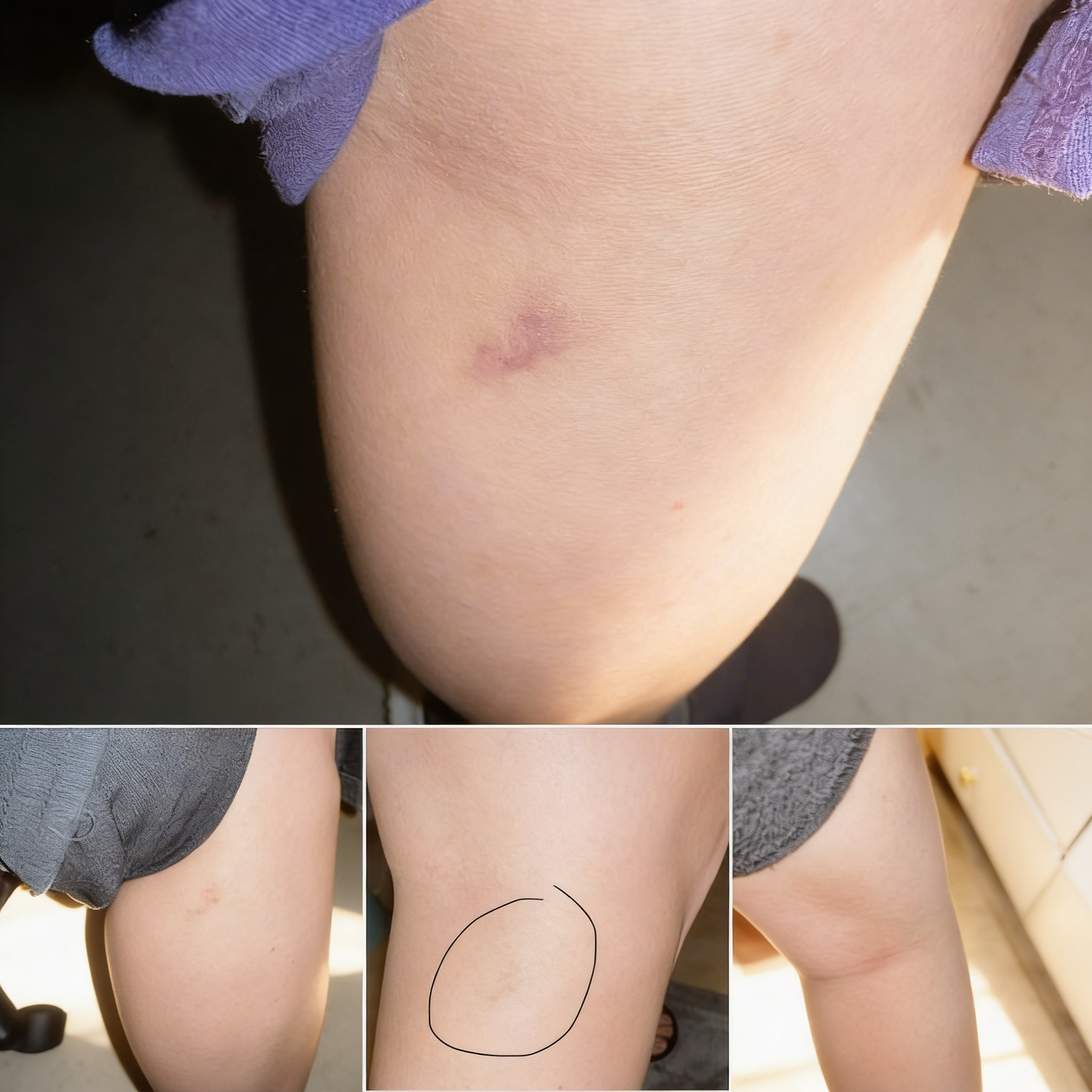
I'd noticed it three weeks earlier. In the bathroom mirror, after a long shift. A faint purple cluster. Just below my knee.Small enough to dismiss. Significant enough that I hadn't stopped thinking about it since. I was 28 years old. Here's the thing nobody tells you in nursing school… They teach you about your patients' varicose veins. The physiology. The risk factors. The treatment protocols. You counsel patients on compression and elevation. You know exactly when to refer to vascular. What they never teach you… is that you — the one in the scrubs — are walking directly into the same trap. Because I knew the science. I knew that standing 12 hours disrupts venous return. I knew blood pools in the lower extremities when you're on your feet all day. I knew that once those vein walls stretch and those valves fail... they don't come back. I knew all of it. And I still wasn't doing anything about it. By week four, the purple cluster was more noticeable. Not dramatically. Not the kind of thing a patient would notice. But I'm a nurse. I look at bodies for a living. I knew exactly what I was looking at. And I knew what it meant if I kept ignoring it. So I started Googling at 1:47 AM after a night shift. The way you Google things when you half-want something reassuring… and half-want someone to confirm your worst fear so you'll finally do something. What I found instead made me feel stupid. Not stupid like I'm an idiot. Stupid like... I knew this. And I still got it completely wrong. Here's what I thought I understood about compression socks. I thought compression was compression. Any sock with a tight band was doing the same basic job. I'd picked up a couple pairs from the hospital supply store — the white TED hose ones — worn them a few times… found them unbearably hot, itchy, and suffocating… and quietly stopped. I told myself I'd start again when things slowed down at work. Things never slow down. What I didn't understand — and this is the part that changed everything… is that what I'd been wearing wasn't actually doing what I needed it to do. Not even close. TED hoses are designed for immobile patients. Post-op. Bed-bound. People who aren't moving. The compression is uniform. Same pressure from ankle to knee. For a nurse who is moving — walking miles of corridor, standing through procedures, climbing stairs —uniform compression is nearly useless. Worse than useless, actually. Because it gives you the psychological comfort of "doing something"... without the physiological benefit. I found this buried in a study I probably should have read three years ago. The mechanism that actually protects your veins when you're on your feet...requires something completely different… Graduated compression. Tightest at the ankle — around 20-30 mmHg — decreasing as it moves toward the knee. This gradient creates a pumping effect that works with your muscle contractions…pushing blood back up toward the heart. It does mechanically what your calf muscles are supposed to do naturally. Except your calf muscles are exhausted. Your shifts are 13 hours. And your body was not designed to stand on concrete for that long. The TED hose I'd been wearing? Around 12 mmHg. Barely therapeutic. Designed for someone lying still in a hospital bed. I had been treating myself like a post-op patient… when what I needed was medical-grade graduated compression. I ordered a proper pair the next morning. 20-30 mmHg. Graduated. The real thing. I won't pretend I noticed a miraculous transformation in the first hour. You're a nurse. You know that's not how physiology works. But by the end of that first shift… the dull heaviness I'd completely normalized in my legs — the thing I'd started calling "just how my feet feel after work" — was different. Not gone. Different. Like someone had turned down the volume on a sound I'd stopped consciously hearing. By week two… the purple cluster looked quieter. Less angry. I know that sounds unscientific. But a vascular surgeon confirmed it's not imaginary — graduated compression can visibly reduce the appearance of early spider veins by improving blood flow and reducing the venous pressure that causes them to dilate in the first place. Here's what I know now that I wish I'd known at 23. Starting my first clinical rotations. Before the damage had already started. The nurses who make it to 40, 50, 60 years of practice with legs that still look like their legs… they weren't genetically gifted. Most of them just started early. And they started with the right tool. The vein damage that shows up at 45… starts accumulating at 28. At 25. On the floors, during your very first years. And the reason most of us ignore it is the same reason I ignored it. We're busy. We're tired. And the cheap compression socks we tried once felt terrible and seemed to do nothing. So we concluded: compression socks don't work. But here's the truth —They don't work when they're not actually providing therapeutic compression. The ones that do? You forget you're wearing them. That's not marketing language. That's the thing I hear from every nurse who's finally made the switch. Your benchmark stops being "I notice the socks"... and starts being "I don't notice my legs anymore." I have years left on my feet. Probably more than I can count. There are nurses who've been on their feet for 38 years. There are retired nurses who spent decades wishing they'd started sooner. If you're reading this and you've noticed something small… A faint cluster of purple. A heaviness at the end of shift that wasn't there two years ago. That specific ache behind your knee you've been ignoring. This is not the moment to wait and see. The vascular surgeon I spoke with was direct about it: Once vein walls stretch and valves become incompetent… you're managing a condition. Not reversing one. The window where you can actually change the trajectory is early. When it still looks small. When it's still dismissible… That window is exactly where you are right now. The pair I switched to are Nurse Yard's 20-30 mmHg Graduated Compression Socks. Breathable through a full 13-hour shift. They come in actual colors and patterns — not the beige-and-sadness aesthetic of the hospital supply store. They fit over real calves. Including plus sized calves. Stay up without cutting behind the knee. And hold their compression wash after wash. More importantly: they're actually doing the medical thing they're supposed to do. I'm not going to tell you they're magic. You're a nurse. You know medicine isn't magic. But I will tell you this. I stopped pressing my fingers into my calf at the nurses' station. Not because I forgot about it. Because I stopped being afraid of what I'd find. That's worth something. Tap "Learn more" — and give your legs what they've been asking for.
Where the ad sends people
shop.nurseyard.com
The Quiet Dread Every Nurse Knows But Nobody Talks About
Shop premium compression socks trusted by 50,000+ nurses and healthcare professionals. Medical-grade support for long shifts. Buy 2 Get 3 Free!
Learn more: shop.nurseyard.com(opens in a new tab)