
Inactive· since Feb 6, 2026
- 8
- days it ran
- 1
- relaunches
Ad copy
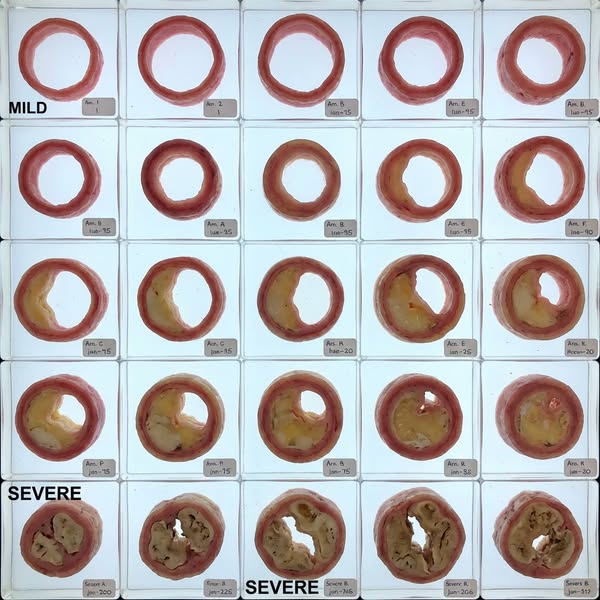
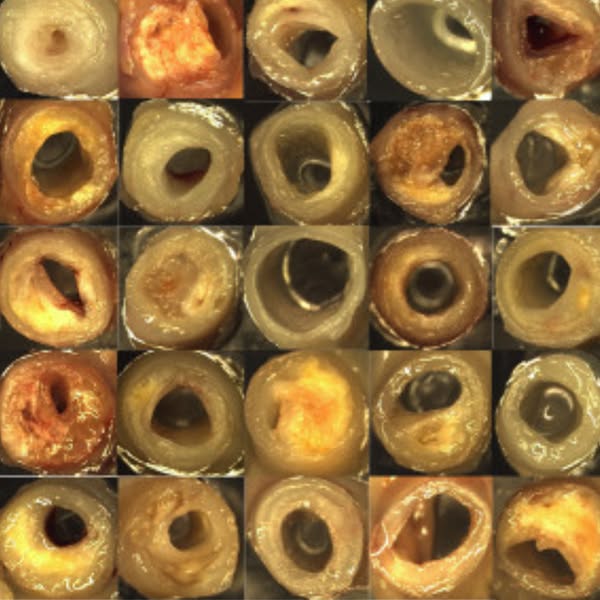
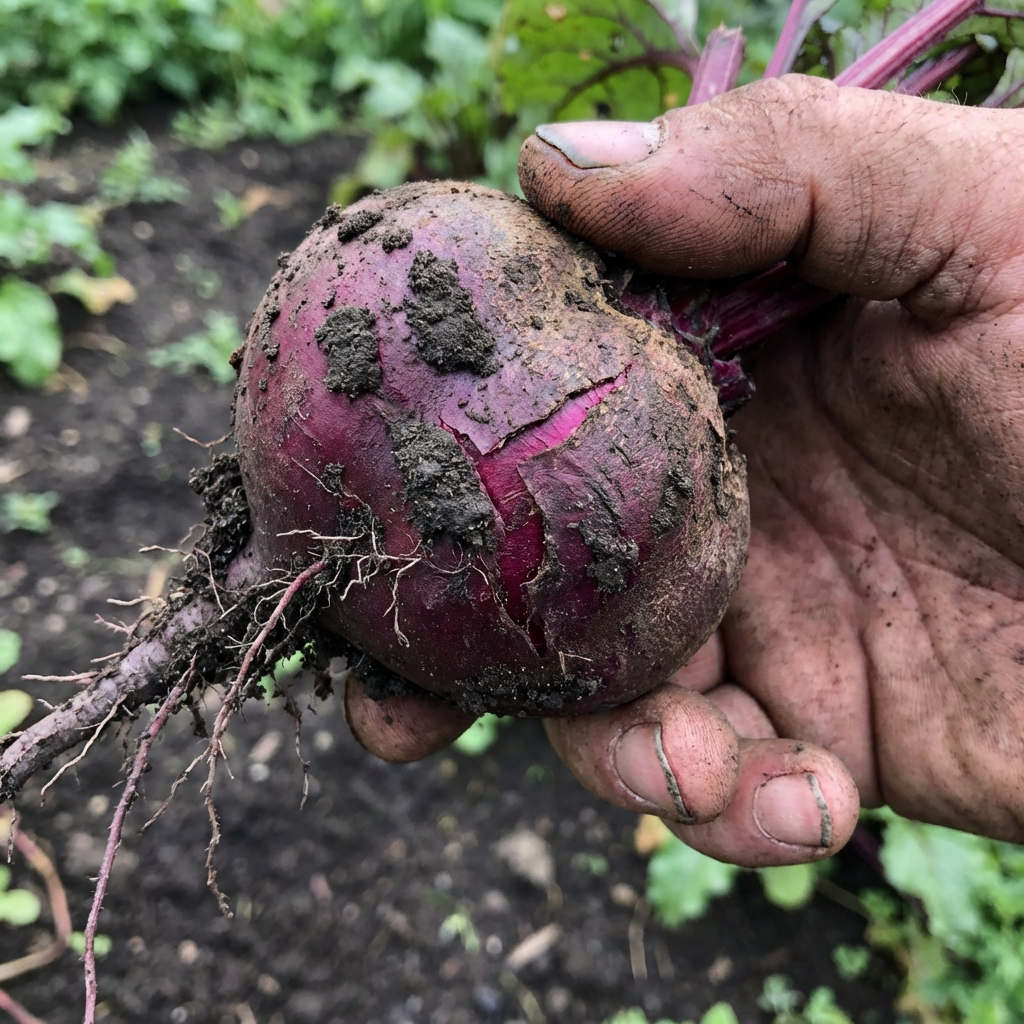
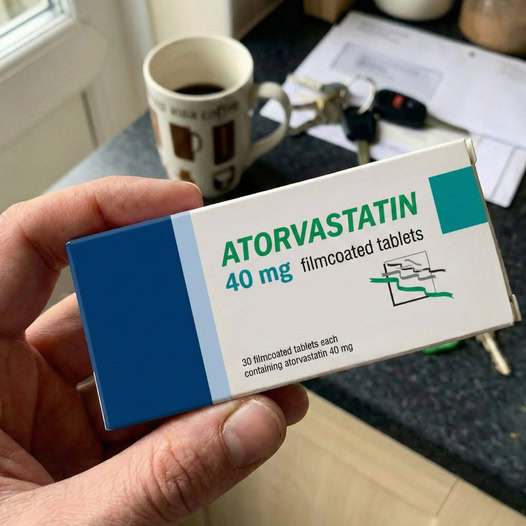
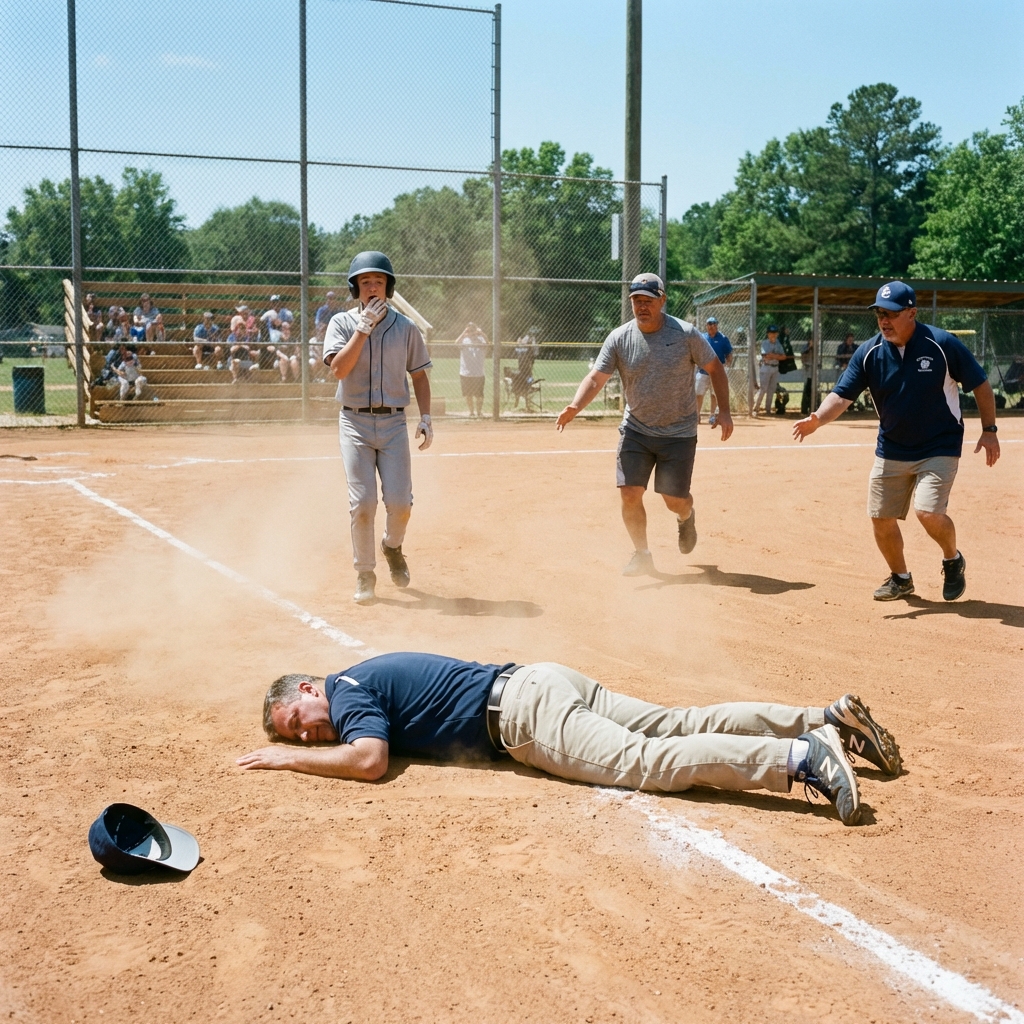
My father dropped dead at 47. Widowmaker. Middle of my Little League game while I was running to first base. Ran five miles that morning. Took his Lisinopril like he had for 14 years. I was 16. Got pulled off the field by paramedics I didn't know. Now, my own son is 15. Already playing shortstop for varsity. D1 scouts already coming to every game. Every weekend is another Perfect Game Showcase. A way better shortstop than I ever was. I remember the exact moment my life changed. Bottom of the third. I was at the plate. The pitcher threw a low outside fastball—my favorite pitch. I drove it opposite field, a clean shot into the gap. Should've been a double easy. I was running out of the box when I heard the scream. My father was on the ground. Face in the dirt. He'd been coaching first base like he always did. I stopped halfway to first. Everyone stopped. The ball rolled to the fence and nobody cared. The next few hours are a blur. Paramedics on the field. My mother arriving at the hospital still wearing her work clothes. The doctor walking out with that look on his face. Widowmaker heart attack. Massive blockage in the left anterior descending artery. Dead before he hit the ground. I never finished running to first base. I never got that double. I never played baseball again. I didn't just lose my father that day. I lost my coach. My biggest fan. The man who taught me how to hit that outside pitch, how to change a tire, how to look someone in the eye when you shake their hand. I lost him in front of 30 people on a sunny Saturday afternoon. While I was running toward a base he'd never see me reach. And the thing that haunted me most? He did everything right. He wasn't overweight. He wasn't a smoker. He wasn't stressed out or sedentary or eating garbage. He ran three miles every morning before I woke up. He watched what he ate. He went to every doctor's appointment. And he took his Lisinopril. Every single day. For 14 years. It was supposed to protect his heart. That's what they told him. That's what he believed. He took his pill that morning. Four hours later he was dead. After the funeral, I made a promise. I would not end up like him. I exercised obsessively. Watched every bite I ate. Got my blood pressure checked constantly. Did everything I could to outrun my genetics. For 28 years, I lived under that shadow. Every time I felt my heart beat a little too hard. Every time I got winded going up stairs. Every time I read about a man my age dropping dead—I thought about my father on that baseball field. I thought about my mother's scream. I thought about being 16 and giving a eulogy because there was nobody else. And I thought: I will not do this to my family. Three months ago, I sat in a doctor's office for a routine physical. I'm 44 now. The same age my father was when he started Lisinopril. The nurse wrapped the cuff around my arm. Pumped it up. Watched the screen. Frowned. Did it again. 147/96. She left to get the doctor. I sat there staring at the wall. My father's face flashed in my mind. On the baseball field. In the dirt. Dr. Martinez walked in. Pulled up my chart. Looked at my numbers. "Your blood pressure is elevated," she said. "Stage 2 hypertension. Given your family history..." She paused. "I'm recommending we start you on Lisinopril. 10 milligrams daily." The room tilted. Lisinopril. The same medication my father took every morning for 14 years. The same medication he swallowed four hours before his heart exploded. I felt my throat close. "No." She looked up from her notepad. "Mr. Mitchell, with your family history, this isn't optional. Uncontrolled hypertension significantly increases your risk of—" "I know what it increases my risk of. I watched my father die in front of me." Silence. "He was on Lisinopril for 14 years. It didn't save him. It didn't even slow it down." She softened her voice. "I understand this is difficult. But the medication—" "The medication didn't work." I could hear my own pulse in my ears. "Give me three months. Let me try something else first." She hesitated. Then nodded slowly. "Three months. But if your numbers don't improve, we're starting the medication. This isn't something you can ignore, Mr. Mitchell. Not with your history." I walked out of that office with my hands shaking. Three months. Three months to find something my father never found. That night, I couldn't sleep. 2 AM. 3 AM. 4 AM. I sat at my kitchen table with my laptop glowing in the dark. Searching for anything. Everything. Why didn't Lisinopril save my father? Why do heart attacks happen despite blood pressure medication? What causes widowmaker heart attacks? The mainstream sites all said the same thing: Take your medication. Reduce sodium. Exercise. Lose weight. My father did all of that. He still died. I kept digging. And then I found something. A research paper from a cardiovascular researcher. He was studying why patients on long-term blood pressure medication still have heart attacks at alarming rates. What I read made my blood run cold. Blood pressure medication like Lisinopril works by forcing your blood vessels to relax through chemical intervention. It blocks an enzyme. Artificially lowers the pressure. On paper, it works. Your numbers look better. But here's what nobody tells you: The medication only addresses the SYMPTOM. The number on the monitor. It does nothing to address WHY your blood vessels are constricted in the first place. And worse—the medication can actually MASK the underlying damage. Your blood pressure looks "controlled." Meanwhile, your arteries are getting stiffer. More rigid. More prone to the exact catastrophic blockage that killed my father. The researchers called it "the controlled hypertension paradox." Patients think they're protected because their numbers look good. But the medication is treating the gauge, not the engine. I stared at that screen until my eyes burned. 14 years of medication. 14 years of "controlled" blood pressure. And his arteries were getting worse the entire time. Nobody tested for it. Nobody told him. Nobody knew. Until his heart stopped on a baseball field. I kept reading. If medication only masks the symptom, what's actually causing the constriction in the first place? The answer came up again and again in the research: Nitric oxide deficiency. I'd never heard of it. Not once in all my father's years of doctor's appointments. Not once in my own. Here's what I learned: Nitric oxide is a molecule your body produces naturally. Its job is to tell your blood vessels to relax and dilate. When your nitric oxide levels are healthy, blood flows smoothly. Vessels stay flexible. Blood pressure stays normal. But as you age, your nitric oxide production drops. Dramatically. By the time you're 40, you're producing a fraction of what you did at 20. When nitric oxide levels crash, your blood vessels can't relax properly. They stay constricted. Stiff. Blood pressure rises. And here's the part that made me furious: No amount of blood pressure medication restores your nitric oxide. Lisinopril doesn't. Amlodipine doesn't. Losartan doesn't. They force the pressure down through chemical intervention. But they don't fix the underlying deficiency that's causing the problem. It's like putting a piece of tape over the check engine light. The warning goes away. The engine is still failing. My father's "controlled" blood pressure was a check engine light covered with tape. For 14 years. I needed to understand why. Why didn't his doctors know about this? Why didn't anyone mention nitric oxide? Why did he take medication for 14 years without anyone addressing the root cause? The answer was simpler and more infuriating than I expected: There's no pharmaceutical drug that restores nitric oxide levels. You can't patent a molecule your body makes naturally. There's no money in telling someone to restore their nitric oxide through diet. No recurring prescription revenue. No lifetime medication sales. But there IS money in Lisinopril. Amlodipine. Losartan. Metoprolol. All the medications that manage the symptom without fixing the problem. Medications that keep you coming back. Month after month. Year after year. Decade after decade. My father was worth more to the pharmaceutical industry sick and medicated than he ever would have been healthy. They didn't tell him because they profit from not telling him. I'm not a conspiracy theorist. I don't think his doctors were evil. They were just following the playbook they were trained on. Prescribe medication. Monitor numbers. Repeat. But the system? The system is designed to keep you managed. Not healed. My father was managed for 14 years. Then he died. If nitric oxide deficiency is the root cause, how do you fix it? I found the answer buried in clinical research that most people will never see: Dietary nitrates. Found most abundantly in one source: beetroot. When you consume dietary nitrates from beetroot, your body converts them into nitric oxide. Your blood vessels relax. Dilate. Blood flows smoothly. Pressure drops—not because a drug is forcing it down, but because your body is actually working the way it's supposed to. Studies from Duke. Stanford. Johns Hopkins. Showing significant, measurable blood pressure reductions from beetroot supplementation. Not a drug masking the symptom. Not a chemical forcing the pressure down. Actual restoration of the molecule your body needs. I almost couldn't believe what I was reading. This wasn't fringe science. This was published, peer-reviewed research from major universities. And nobody told my father. Nobody told me. Nobody told any of us. Because you can't patent beetroot. I ordered beetroot supplements that night. Started with the highest-rated one on Amazon. BeetElite. Thousands of five-star reviews. People swearing it changed their lives. I took it religiously. Every day. Exactly as directed. Six weeks later, I checked my blood pressure. 145/93. Barely moved. I tried another brand. The one from the TV commercials. Another six weeks. Never missed a dose. 143/91. Still Stage 2. Still staring at a Lisinopril prescription. I was ready to give up. Maybe this was my fate. Maybe genetics are destiny. Maybe I was going to end up like my father no matter what I did. Then I found out why it wasn't working. I found a cardiovascular researcher through one of the studies I'd been reading. Dr. Sophie Rochester. She specialized in nitric oxide and vascular health. I booked a consultation. Told her everything. My father. The medications. The beetroot supplements that did nothing. She listened. Then she explained what I was missing. "Most beetroot supplements are essentially worthless," she said. I felt my stomach drop. "The clinical studies use a specific amount of dietary nitrates. Around 400 milligrams. That's the threshold where you see real blood pressure effects." "How much is in the supplements I've been taking?" "Most commercial beetroot products? Somewhere between 10 and 50 milligrams. Some as low as 5." "But the label says—" "The label says 'beetroot powder.' It doesn't tell you the nitrate content. They're not required to disclose it. So you have no idea what you're actually getting." I thought about the six weeks I'd wasted on each product. "But that's not even the biggest problem," she continued. "Most manufacturers use high-heat spray drying to process the beetroot. It's cheap. It's fast. But heat destroys dietary nitrates. You can lose 80 to 90 percent of the active compounds in processing." "So I've been taking—" "You've been taking expensive beetroot-flavored powder. With almost no nitrates left in it." She pulled up a chart on her computer. "This is why your blood pressure hasn't moved. You haven't actually been getting the compound that makes beetroot work." I sat there in silence. All those weeks. All that hope. And I was basically taking a placebo. "Is there anything that actually works?" She nodded. "There's one brand I've found that does it right. Cold-extracted, which preserves the nitrates. Standardized to 400 milligrams per serving—the actual clinical dose. Third-party tested with published results so you know exactly what you're getting." She wrote down the name. Rosabella. "It's the only one I recommend to my patients." I ordered it that night. The bottle arrived three days later. 1300mg of cold-extracted organic beetroot per serving. Standardized to deliver 400mg of dietary nitrates. No fillers. No additives. No heat processing to destroy the compounds that actually matter. I took the first dose that evening. Sat on my back deck. Waited. About 17 minutes later, something happened. A shift. Subtle at first. Like someone had turned up the oxygen in my blood. The fog I didn't even know I was living with started to lift. That background exhaustion I'd accepted as "just getting older" began to fade. I felt... clearer. More alert. More present. I walked inside and grabbed my blood pressure monitor. Wrapped the cuff. Pressed start. Watched the numbers. 143/92. Still high. But four points lower than that morning. It was working. I could feel it working. I tracked my blood pressure obsessively over the next eight weeks. Week 1: 141/90. Slight improvement. Could be noise. Week 2: 137/87. Now I'm paying attention. Two readings that day, both in the same range. Week 3: 132/84. I checked three times because I didn't believe it. Week 4: 128/81. Four readings over two days. All consistent. The brain fog was gone. The afternoon energy crashes I'd lived with for years—gone. I was sleeping better. Thinking clearer. Feeling like myself for the first time in longer than I could remember. Week 6: 124/79. Week 8: Consistently 120-124 over 76-80. Normal. Healthy. No medication. I sat in my kitchen staring at that blood pressure monitor. For the first time in 28 years, I wasn't living under my father's shadow. Three months after my diagnosis, I walked back into Dr. Martinez's office. The same nurse wrapped the cuff around my arm. Pumped it up. Watched the screen. Her eyes widened. She did it again. Left to get the doctor without saying a word. Dr. Martinez walked in. Looked at the chart. Looked at me. Looked back at the chart. "122 over 78." She pulled up my history. My original reading. The 147/96 that almost put me on Lisinopril. "This is... significant improvement." She checked it herself. 121/77. "What did you do?" I told her. The research. The nitric oxide connection. The cold-extracted beetroot. The standardized dosing. She listened. Typed notes. Nodded slowly. "Well," she said finally. "Whatever you're doing, keep doing it. These numbers are excellent." She closed her laptop. "No medication necessary at this time." No medication necessary. Five words I never thought I'd hear. I walked out of that office and sat in my car. My hands weren't shaking this time. I called my wife. "122 over 78." I heard her breath catch. "No Lisinopril. No medication. I did it." Silence. Then a sob. "Thank God. Thank God, Peter." Last Saturday, I coached my son's baseball team. First base. Where my father used to stand. Third inning. Runner on second. My son was up to bat. He hit a line drive into right field. The runner scored. My son made it to second. He looked over at me with the biggest grin on his face. I gave him a thumbs up. Same gesture my father used to give me. After the game, he ran up and hugged me. "Dad, that was awesome! Can you coach every game?" My throat tightened. My eyes burned. "Yeah, buddy. I can." Because I'm not going to collapse on this field. I'm not going to leave my son with that memory. I'm not going to make him give a eulogy when he's 16. I found another way. If you're reading this, you see yourself in my story. Your blood pressure's elevated. 140s. 150s. Maybe higher. Your doctor's mentioned medication. Maybe you're already on it. Maybe you're dreading that conversation. You've tried the lifestyle changes. Cut the salt. Started exercising. Lost some weight. The numbers barely moved. Maybe you've tried other beetroot supplements. Nothing happened. Maybe you've watched a parent or grandparent suffer on blood pressure medication. The cough that never stops. The dizziness. The fatigue. The slow deterioration of everything that made them who they were. Maybe you're terrified of following that path. I was too. Here's what I wish someone had told me—what I wish someone had told my father 14 years before he died: Blood pressure medication treats the symptom. The number on the monitor. It does nothing to address why your blood vessels are constricted in the first place. The root cause is nitric oxide deficiency. Your body isn't producing enough of the molecule that tells your arteries to relax. Dietary nitrates from beetroot can restore what's missing. But only if you're getting the right dose, from a properly processed source. Most supplements are garbage. Heat-processed. Under-dosed. Worthless. Rosabella is different. Cold-extracted to preserve the nitrates. Standardized to the clinical dose of 400mg. Third-party tested with published results. It's what I take. It's what worked when everything else failed. I tried other beetroot supplements before Rosabella. None of them worked. Here's why Rosabella did: Cold-Extracted Processing Most manufacturers use high-heat spray drying because it's cheap and fast. But heat destroys the dietary nitrates—the exact compounds that lower blood pressure. Rosabella uses cold extraction. The nitrates survive. They reach your bloodstream. They work. I felt the difference within 17 minutes of my first dose. Standardized to the Clinical Dose The clinical studies that showed real blood pressure results used 400-500mg of dietary nitrates daily. Most commercial supplements contain less than 50mg. Some as low as 5-10mg. Rosabella delivers 400mg per serving. The dose that actually works. Not a watered-down fraction. Third-Party Tested With Published Results Most supplement companies hide their test results. Or don't test at all. Rosabella publishes everything. Certificate of Analysis. Exact nitrate content. Heavy metal screening. Made in the USA. I could see exactly what I was getting. No guessing. No hoping. Just data. The Dual-Phase Proof Within 15-20 minutes of your first dose, you'll feel an energy lift. Mental clarity. Proof it's hitting your bloodstream. Over 2-4 weeks, your blood pressure drops consistently. You don't have to take it on faith. You can track it. Measure it. Feel it. Try Rosabella for up to 90 days. Track your blood pressure weekly. If you're not satisfied for ANY reason—if you don't see improvement in your readings—if you don't feel the energy boost—if you don't believe this is the breakthrough you've been searching for—contact customer service for a full refund. No questions asked. You risk absolutely nothing. You're at a crossroads right now. Either: Fill the prescription. Start the medication. Hope you're one of the lucky ones who doesn't get the persistent cough, the dizziness, the fatigue, the slow decline. Trust that the medication is actually protecting you—even though it didn't protect my father. Or: Do what I did. Try a beetroot supplement that's actually formulated correctly. Track your numbers. Give it an honest 90-day trial with zero financial risk. I chose the second path. It kept me off medication. It gave me my energy back. It let me coach my son's baseball team from the same spot my father once stood. It broke the pattern. Every day you wait is another day of elevated blood pressure. Another day of arterial stress. Another day of silent damage accumulating where you can't see it. My father didn't know what was happening inside his arteries. The medication told him everything was "controlled." He trusted that number for 14 years. Then his heart stopped on a baseball field. 42% of men don't survive their first heart attack. My father was in that 42%. I almost was too. If your blood pressure is elevated, you're playing a game you can't see. And the stakes are your life. Don't wait until you're sitting in a doctor's office with a prescription in your hand. Don't wait until your son is asking why Daddy looks so tired all the time. Don't wait until it's too late. I put the link below. Even if you're skeptical—especially if you're skeptical—grab one bottle. Take it for 90 days. Track your numbers. If it doesn't work, you get your money back. If it does work, you get your life back. The medical system isn't coming to save you. They profit too much from keeping you on medication for life. You have to save yourself. Go get it. And use the healthy blood pressure you get back to finally stop worrying—and start living again. — Peter Mitchell P.S. P.S. — I felt the energy effects within 17 minutes. Saw measurable blood pressure improvement by week 2. Hit the healthy range by week 4. Avoided Lisinopril entirely. Your timeline might be different. But you won't know unless you try. P.P.S. — Every day you wait is another day of damage. Another day closer to the outcome you're trying to avoid. My father didn't get a second chance. 42% don't. Order now, before this becomes another thing you wish you'd done sooner. Here’s where I got it:
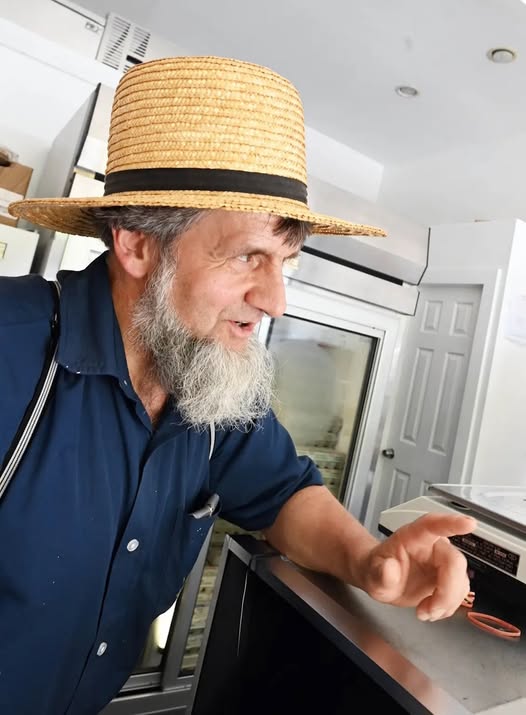
Support stamina and heart health every day
"I've only started useing this product less than a week, honestly it has given me more energy and I feel more alert. Before taking this product I noticed I was feeling tired and not motivated at all, so I have to give it a great rating 5 stars. I reccomend it."
LEARN MORELike this ad? Make it yours.
Crush rebuilds this exact creative around your product — your brand, your colors, your offer — in about a minute.