
Active· since Jun 2, 2026
- 56
- days running
- 2
- relaunches
- 23,593
- EU reach
Ad copy
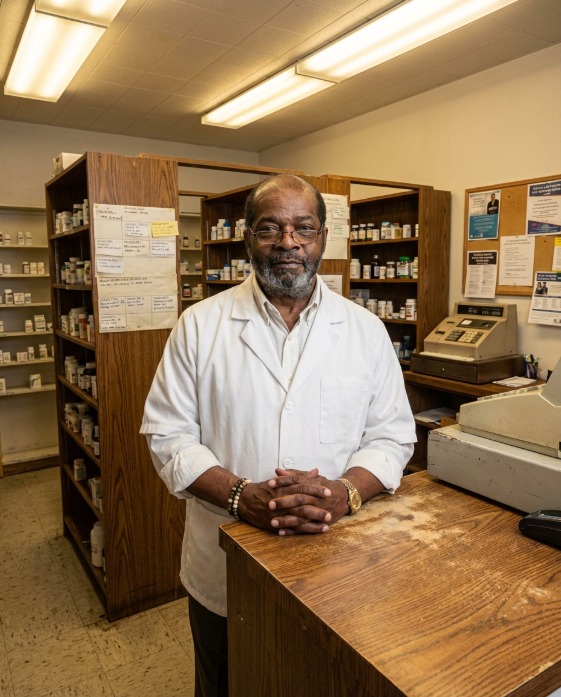
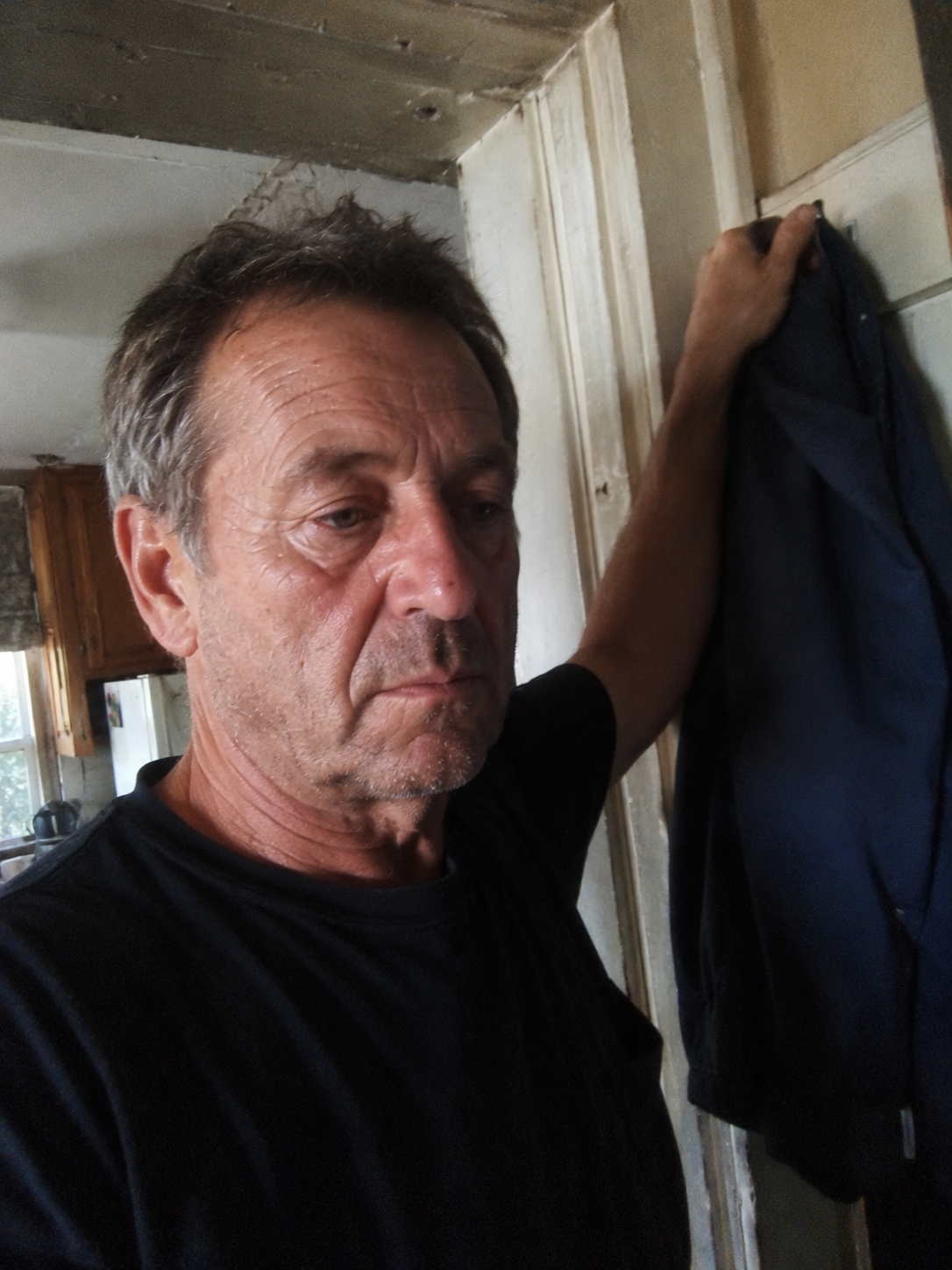
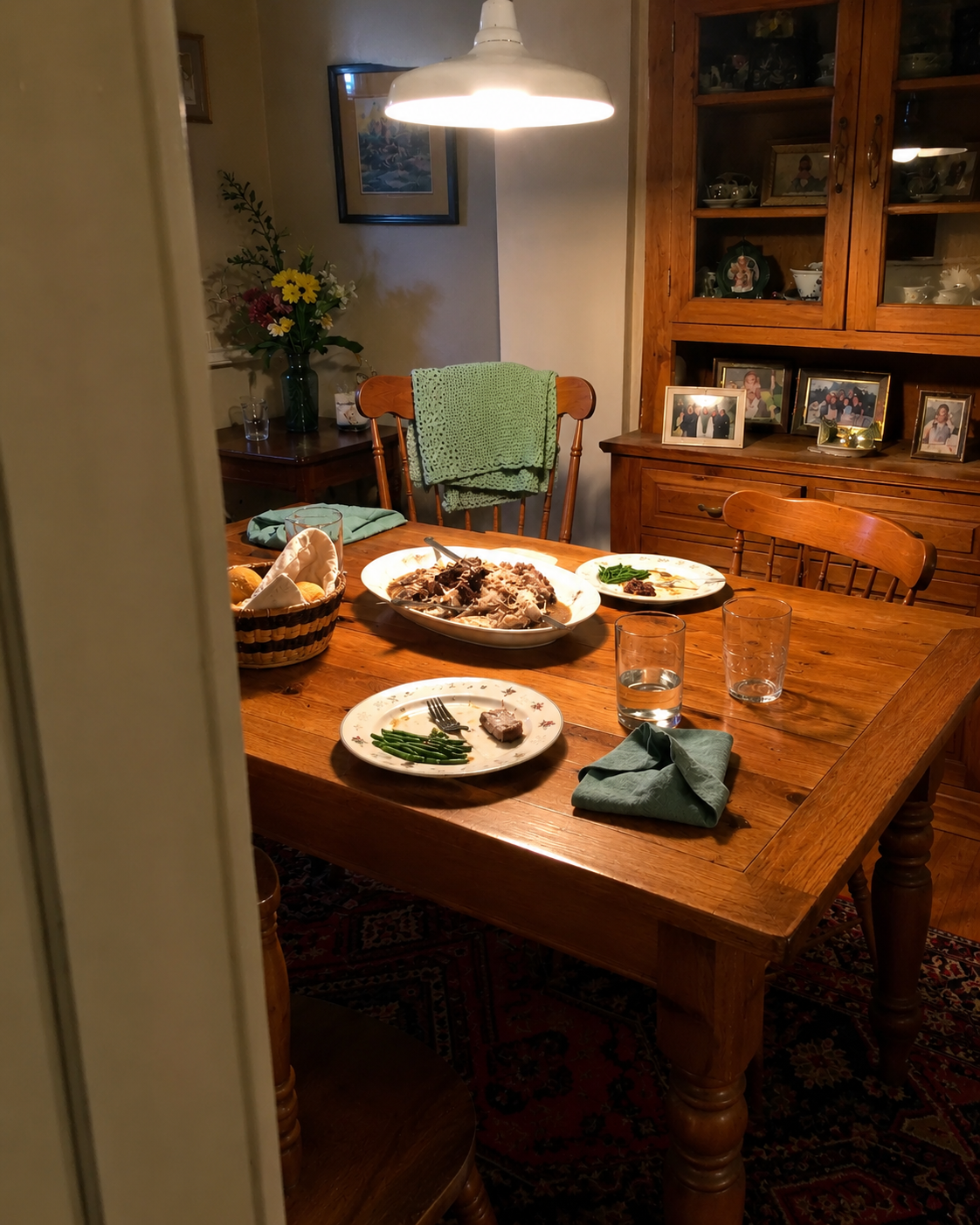
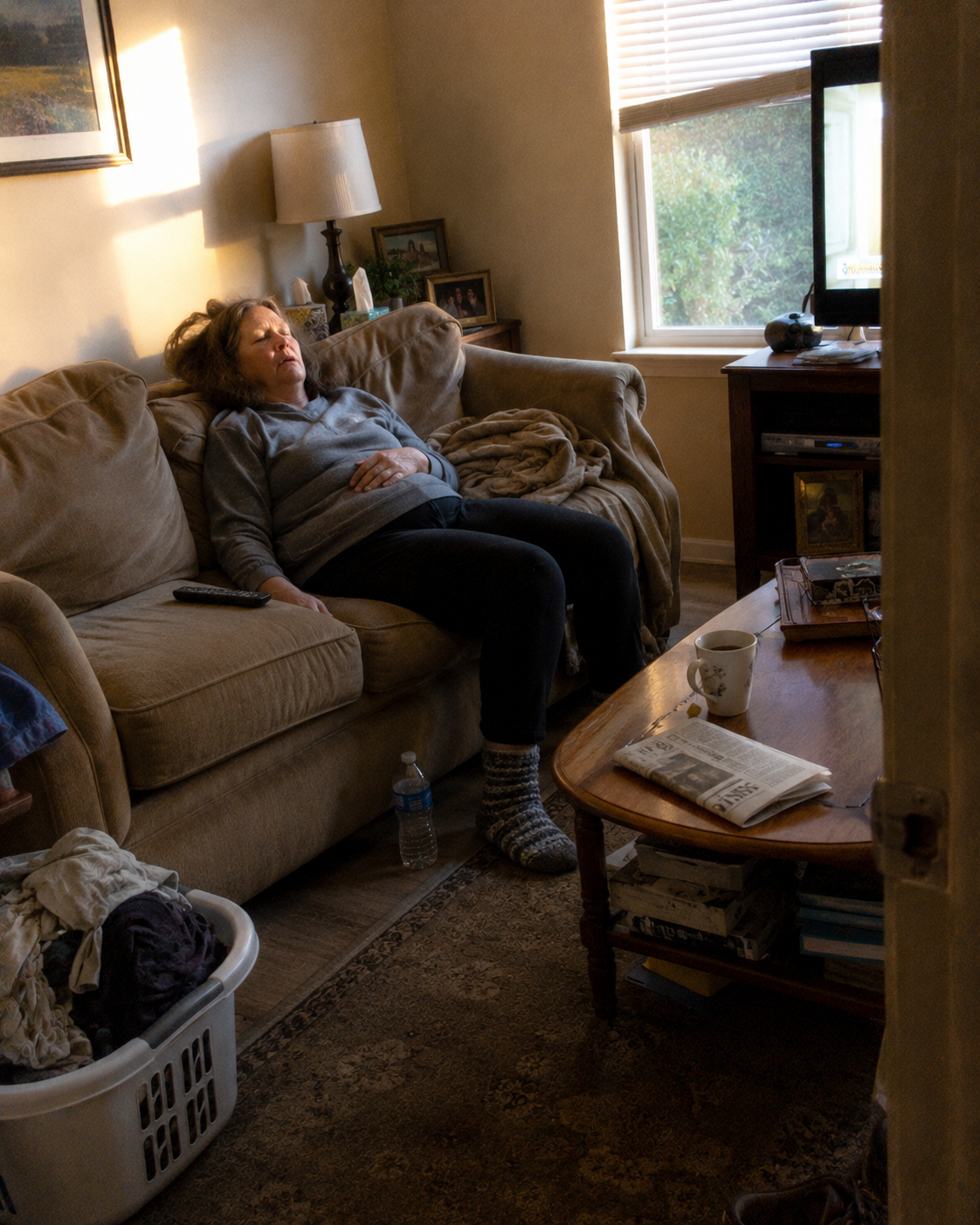
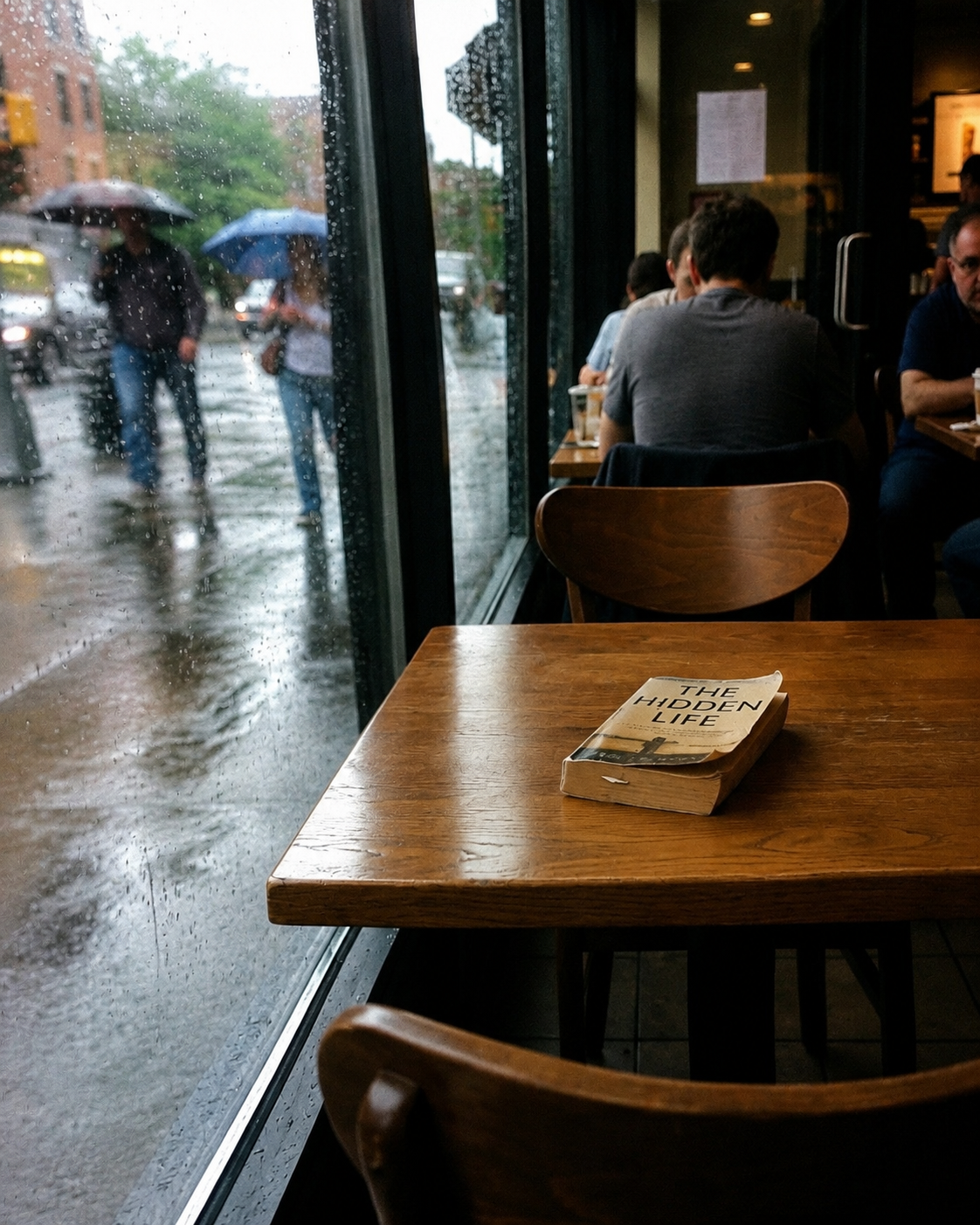
A stranger forgot her book in the café. I chased her down to return it — and an hour later she was telling me about my own husband. It was raining the kind of rain that keeps a small town indoors. I'd ducked into the café on Third Street to wait it out with a pot of tea and my own thoughts, which weren't good company that afternoon. A woman at the next table got up, gathered her coat, and hurried out into the wet. And she left her book behind on the chair. A worn paperback, spine cracked soft the way a book gets when it's been loved. I grabbed it and caught her under the awning out front, and she pressed her hand to her chest and laughed and said she'd have been heartsick to lose it. Then she looked at the rain, and looked at me, and said, "I'm not going anywhere in this. Neither are you. Come have a proper cup — my house is just round the corner, and I've got a kettle and nothing better to do." I am a private woman. I don't go home with strangers. I went home with this one. I think some part of me was just tired of being alone with it. Let me tell you about my husband Russ before I tell you the rest. Russ ran the hardware store on Main for thirty-eight years. And the thing everyone knew about Russ — the thing that made him Russ — was that he remembered. Every customer's name. Their kids' names. Which screw they'd bought for which project in which year. A man would walk in he hadn't seen since a fence repair in 2004, and Russ would say, "How'd that gate end up holding?" He carried the whole town in his head. He told long, winding stories at the dinner table, the kind with a dozen turns, and he never once lost the thread. That was my husband. A sharp, warm, well-stocked mind. And then, somewhere in the last few years, the fog rolled in. It came so slowly I argued myself out of it for a long time. First it was little words that wouldn't come. He'd be mid-sentence and just... stop. Hunting for a word that used to be right there. "You know," he'd say, snapping his fingers. "The thing. The — you know the thing I mean." And I would, and I'd hand him the word, and we'd move on, and neither of us would say what we were both thinking. Then it was names. The man who knew everyone started blanking on people he'd known for forty years. I'd see the panic flicker across his face at church or the grocery store — that scramble behind the eyes — and I'd step in smooth and say the name for him before anyone noticed. I got very good at it. Covering for him became a quiet second job I never applied for. The stories went, too. That was the one that broke my heart. He'd start one at dinner, get three turns in, and lose the road. He'd trail off and look down at his plate and say, "Ah, it doesn't matter." But it did matter. Those stories were him. His books started piling up on the nightstand with the bookmarks barely moved. He'd read the same page three times and give up. This was a man who'd read every night of his life. And the worst part wasn't any single thing. It was watching him get quieter. He stopped jumping into conversations. He'd sit at our own kitchen table, with our own family, and just... listen, with a careful, faraway look, like a man trying to follow a radio station that keeps drifting off the signal. He was still right there beside me. And I missed him terribly. We did the sensible thing. I want that on the record. Russ saw his doctor — a good man, seen him for years. He went through the usual checks, the whole careful workup. And it all came back looking fine. Good, even, for a man his age. Russ asked him, straight out, why his own mind felt like a foggy window he couldn't wipe clear. And the doctor was honest with him. He said some of this comes with the years. The mind gets a half-step slower. Words take a beat longer to surface. Keep active, keep reading, stay social, come back if anything changes. He wasn't dismissive. He just didn't have a next thing to hand us. And he was decent enough not to invent one. So we'd come home with a good report. And I'd watch my husband lose the thread of his own story over supper. There was a whole layer of what was happening to Russ that no checkup was measuring. Nobody had a tool for it. That was the thing I'd lie awake turning over. That was what I was sitting alone with in that café when a stranger forgot her book. Her name was Lorraine. Her kitchen was warm and dry and smelled like the rain coming off our coats and something cinnamon on the stove. She put the kettle on and set out two mismatched cups and sat down across from me at her table. And somewhere between the first cup and the second, she asked me — gently, the way only a stranger can — what was sitting so heavy on me. And I told her. All of it. The words that wouldn't come. The names. The stories that died mid-air. The careful faraway look. When I finished she was quiet for a moment. Then she said, "I'm going to tell you about my Hank. But first I need you to know I'm not a doctor. I'm a retired bookkeeper with strong opinions. So take all of it with that." And as she talked, the hair went up on my arms. Because it was Russ. Hank had been a man of words, she said. Ran the auction house two towns over for decades — a fast-talking, sharp-as-a-tack auctioneer who could hold a whole crowd in his hand. And then the fog came for him, too. The words slowing. The names slipping. The going-quiet. His checkups came back fine, year after year. His doctor said the same kind of thing Russ's did — a good man, no next tool. "I watched him stop being the loudest one in the room," Lorraine said. "And then stop being in the room at all, even when he was sitting right there. You know exactly what I mean. I can see that you do." Right then a side door opened. A tall man came in from the garage, wiping his hands on a rag. Gray, a little stooped, but his eyes were bright. "This is Hank," Lorraine said. He shook my hand, told me a quick, complete story about the birdhouse he was building and the squirrel that kept casing it, made us both laugh, and went back out to his workbench. A whole story. Start to finish. Every turn landed. Lorraine watched him go with a look I recognized, because I used to wear it. Then she turned back to me. "After Hank went quiet," she said, "I got stubborn. I started reading at night. Not the junk — I kept books my whole life, I can smell junk a mile off. The actual research." What she kept coming back to, she said, was a growing body of research on molecular hydrogen and cellular wellness. Quiet research. Not flashy. Just a steady interest in something very small. "Molecular hydrogen is the smallest molecule there is," she told me. "I don't understand the half of it, and I won't pretend to. All I really took from it is that it's about supporting the body's natural antioxidant balance and healthy cellular energy. And the mind's part of the body, isn't it? It runs on the same engine as the rest of us." That landed on me. Cellular energy. The foggy window. The drifting signal. That was the layer nobody had a tool for. "I'm not going to sit here and tell you it's a miracle," Lorraine said. "I won't do that to you. I'll just tell you what we did and what I saw, and you do whatever you think is right." What they did was the sensible thing. And it's the part I'd most want you to copy. Before Hank put one new thing in his body, Lorraine called his doctor. She told him exactly what she was looking at. And she asked the only question that mattered. Is this a sensible thing to add to everything Hank's already doing — not in place of any of it? The doctor looked into it. He told her there was nothing about it that concerned him as an addition to Hank's existing care. And that added on top of what Hank was already doing, not replacing any of it, it was a reasonable thing to try. So that's what they did. They added it. They didn't take away a single thing the doctor already had him on. The one Lorraine used is called PrimeCell H2. It's a rapid-dissolve tablet. You drop it into a tall glass of cool water. It dissolves and releases the hydrogen. And you drink it fresh, right away. She was firm about that part. Cool water, fresh, drunk in the moment. Hydrogen is the smallest molecule there is, she said. It escapes the second it's exposed to heat or left sitting out. So you don't mix it and walk away. You drink it right then. One tablet. One glass. Once a day. Hank drank his next to his morning coffee and got on with things. And Lorraine didn't change anything else he was doing. Same doctor, same appointments, same everything. She just added the glass of water. I drove home through the last of the rain and I did not jump. I'm a careful woman. Thirty-nine years married to a man who reads the instructions twice will do that to you. So I did exactly what Lorraine did. I called our pharmacist first — same fellow for twenty years, who doesn't sugarcoat anything. I told him exactly what I was looking at. And I asked whether there was any reason it'd be a problem alongside what Russ was already doing. He looked into it and told me there was nothing he'd be concerned about as an addition to Russ's routine. Then I had Russ bring it to his own doctor at his next visit. Russ said it plainly — and got every word out, which I noticed: "I'm thinking of adding this. Not instead of anything you've got me doing. On top of all of it. That sensible?" The doctor said it sounded reasonable. And that adding it to whatever else he was already doing — not replacing any of it — was a fine thing to try. Two careful people, both saying the same thing, before we spent a dime. That was the green light I'd been waiting for. Now I have to be honest with you, because honesty is the only thing worth anything in a story like this. Nothing happened the first morning. Or the third. Russ grumbled that he was "drinking fizzy water to find his car keys" and I nearly let him quit twice. I can't tell you which week it turned. I truly can't. But somewhere in there, we were at supper, and Russ started a story. One of the long, winding ones, with the dozen turns. And I caught myself bracing — the way I'd learned to brace — for the place where he'd lose the road and trail off into his plate. He didn't lose it. He took every turn. He landed the ending, the one with the punchline, and our daughter laughed out loud, and Russ sat back pleased with himself the way he used to. I had to get up and pretend I needed something from the kitchen. I didn't want him to see my face. The second thing happened at the grocery store a few weeks on. A man came around the end of the aisle — somebody Russ hadn't seen in a good while — and before I could do my smooth little rescue, the name came out of Russ's own mouth. Easy. Whole. No scramble behind the eyes. "Carl," he said. "How's that boy of yours doing in the service?" And they fell into it, the two of them, like the fog had never been. I stood by the cart with a strange feeling in my chest. For the first time in years, my quiet second job had nothing to do. The third thing is the smallest, and it's the one that undid me. I came up to bed one night and Russ had the lamp on. He was reading. Properly reading — bookmark a good third of the way in and moving, a man inside a story instead of stuck on the same page. He looked up over his glasses and told me a little of what it was about. And then he went back to it, and I lay there listening to the pages turn, a sound I hadn't heard in our bedroom in years. I can't prove to you any of it was the tablet. I won't pretend I can. We were doing a lot of things right, the things his doctor told us. Maybe a hundred of them finally added up. Maybe it was the one we added. But we'd been doing all those other right things for years while the fog only rolled in thicker. And somewhere after the glass of water, quietly, it started to lift. That's the honest version. It's the only one I'll give you. At Russ's next visit, the doctor went through everything. He said Russ looked to be in good shape and to keep doing exactly whatever he was doing. I didn't say a word. I just took Russ's hand in the parking lot. I've thought a lot about why the window cleared for my husband. And the most honest answer I have is that I don't fully know. So I'll just tell you what the product is for, plainly. PrimeCell supports healthy cellular energy. It supports the body's natural antioxidant balance. It supports cellular wellness. That's not a promise about your husband's mind. It's not a promise about anything. It's just what it's for. Some people notice something in the first week or two. Others take a lot longer. Some, I'd imagine, don't notice much at all. Bodies are different. Russ's is just one body, with one story. And this is something you do consistently, over time. The cellular processes it supports build up gradually, not overnight. It isn't a pill you reach for on a foggy morning. It's a glass of water you drink every morning whether you feel anything that day or not. So here's what I'd tell you, if it were you who'd chased me down to return my book. If the man you love — or you yourself — used to be sharp and warm and full of words, and the fog has been quietly rolling in, and the names slip and the stories die mid-air, and the checkups keep coming back fine, and the doctor has run out of next things to hand you: First, talk to your doctor or your pharmacist. Both, if you can. Especially if you're already taking something for your blood pressure, your blood sugar, or your heart. Ask them the same plain question I asked. Is this a sensible thing to add to what we're already doing? And they may well say yes — then it really is just a tablet and a glass of cool water in the morning. Added to everything else you're already doing, not replacing any of it. Then give it a few weeks. Don't watch it like a pot. Just set the glass next to the coffee and let his mind keep its own time. Be patient with him. He's been patient with you for a long while. That's the whole of it. That's what a stranger named Lorraine did for me over two mismatched cups while the rain came down. And I'd be a poor sort of person not to pass it on. P.S. Lorraine and I have standing tea now, every other Thursday, rain or shine. Russ and Hank found out they both grew up two towns apart and have spent hours arguing about a hardware store and an auction house that both closed decades ago. Two men full of words again, wasting them happily on each other. I don't have the language for what that's worth to me — and I'm married to the man who carried the dictionary of this town in his head. P.P.S. I keep a spare box of it in the cupboard now. PrimeCell is a small company and they've sold out before, and I don't care to get down to the last few tablets and have to think about it. I'd rather it just be there in the morning, next to Russ's coffee. P.P.P.S. Here's exactly what I'd do, in order. Call your doctor or pharmacist first and ask if it's a sensible thing to add to what you're already on. If they say yes, drop one tablet into a tall glass of cool water in the morning and drink it right away while it's fresh. Don't change anything else you're doing — just add this on top of it. Then give it a few weeks. Some people notice something in the first week or two. Others take longer. Some bodies take their own sweet time. Be patient. P.P.P.P.S. PrimeCell H2 has a 90-day money-back guarantee. If you're not satisfied for any reason at all, every penny back, no questions asked. I think that's a sensible policy for a supplement. It gives you enough time to actually see whether it does anything, instead of deciding in a week. I'd take the full ninety days before making up my mind. P.P.P.P.P.S. Russ told a story at Thanksgiving this year. Stood up at the head of the table, glass in hand, and told the long one about the blizzard of '78 and the generator and the neighbor's frozen pipes — all twelve turns of it, the way he used to. The whole table went quiet to listen, the good kind of quiet. I watched him from the other end and thought my heart would come right out of my chest. That's not a headline. It's just a small quiet thing. But the small quiet things are the ones worth telling someone about. https://track.getamalahealth.com/5548c06d-d9c3-4785-b466-fec64a6fdb28 The people and events depicted in this ad are illustrative and not based on any specific individual. Individual experiences vary. These statements have not been evaluated by the FDA. This product is not intended to diagnose, treat, cure, or prevent any disease.
Fix Yourself at the Cellular Level
PrimeCell H2 is a next-generation molecular hydrogen tablet formulated to support your body's natural antioxidant defenses — helping you feel sharper, more energized, and more like yourself.
LEARN MORELike this ad? Make it yours.
Crush rebuilds this exact creative around your product — your brand, your colors, your offer — in about a minute.