
Inactive· since Mar 23, 2026
- 21
- days it ran
- 4
- relaunches
Ad copy
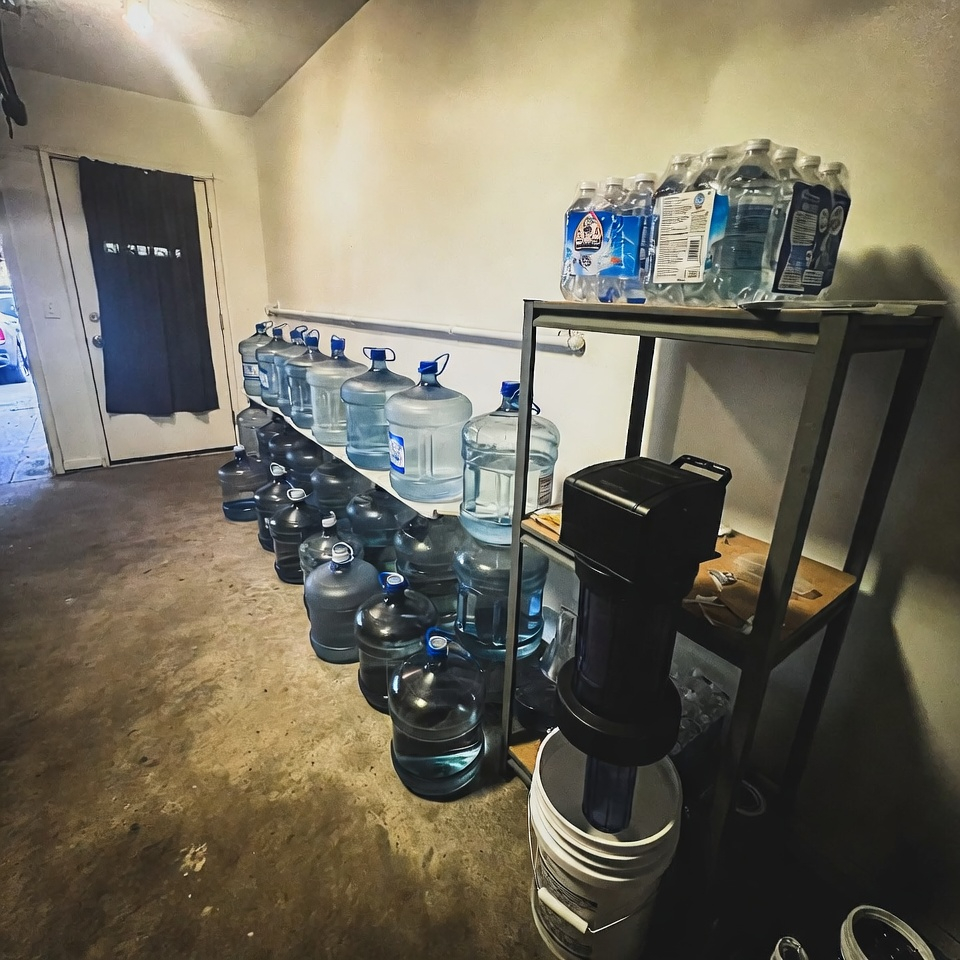
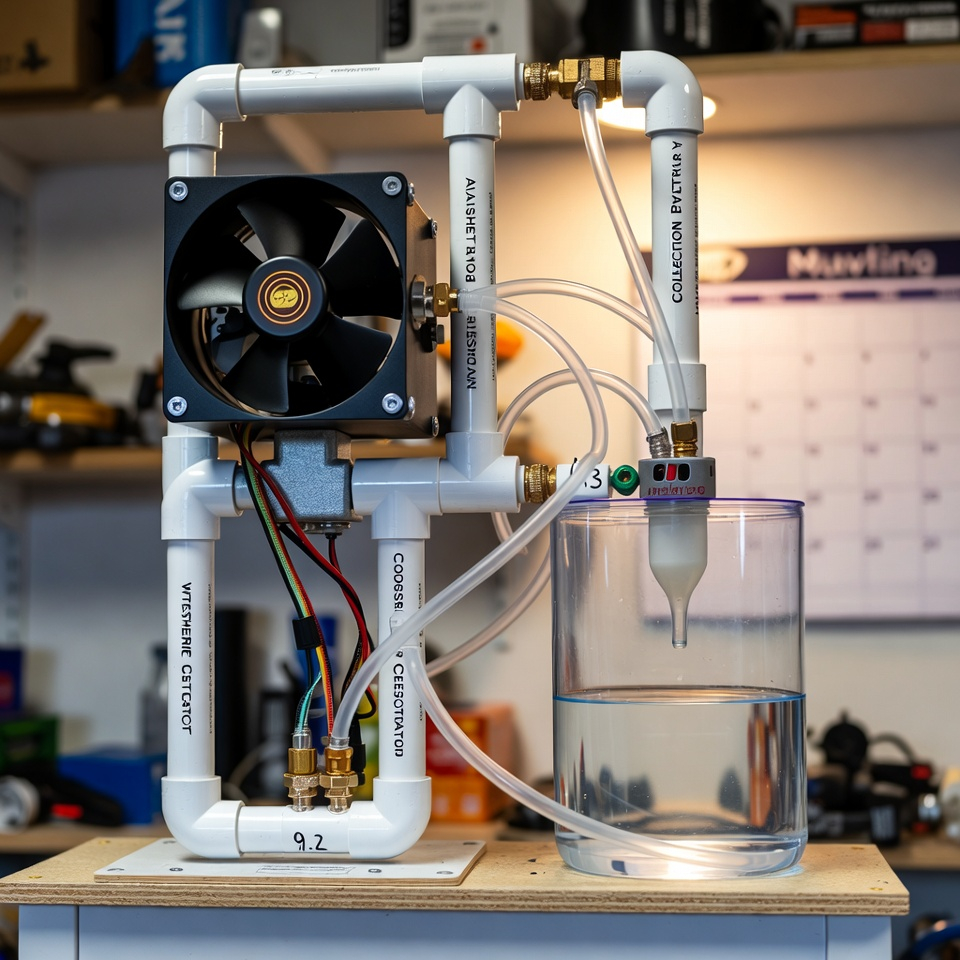
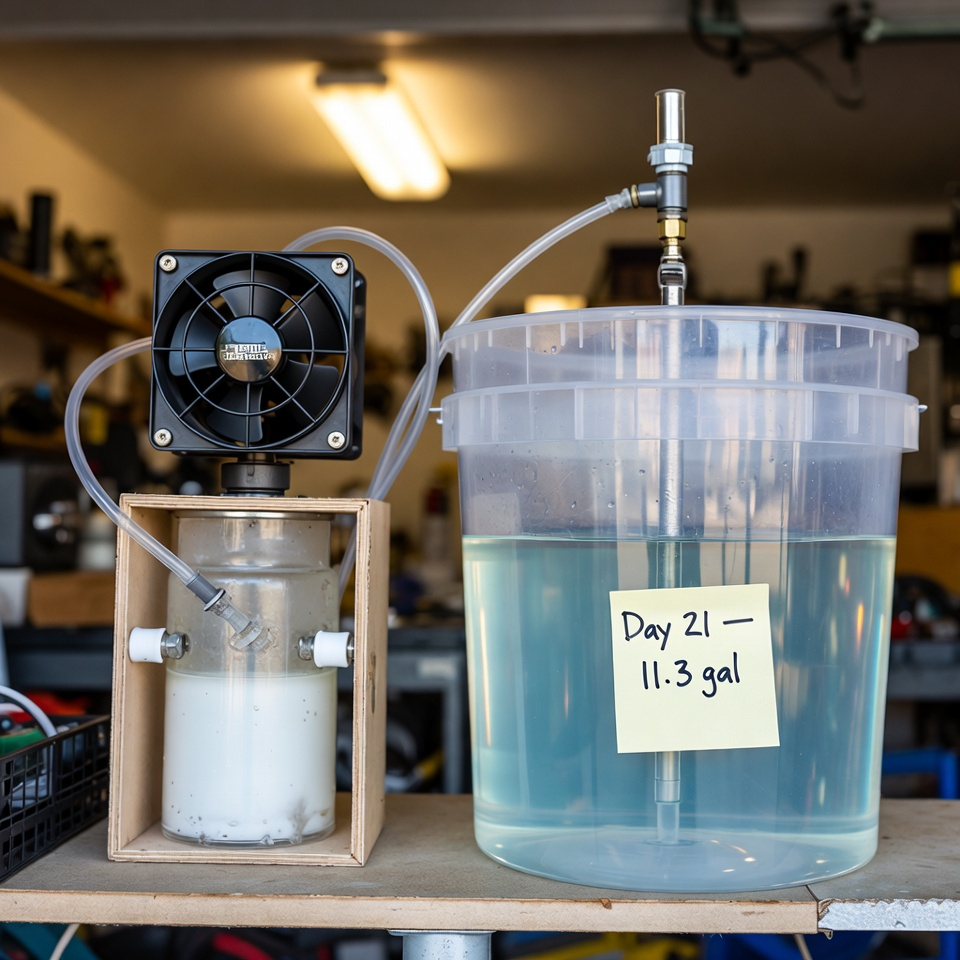
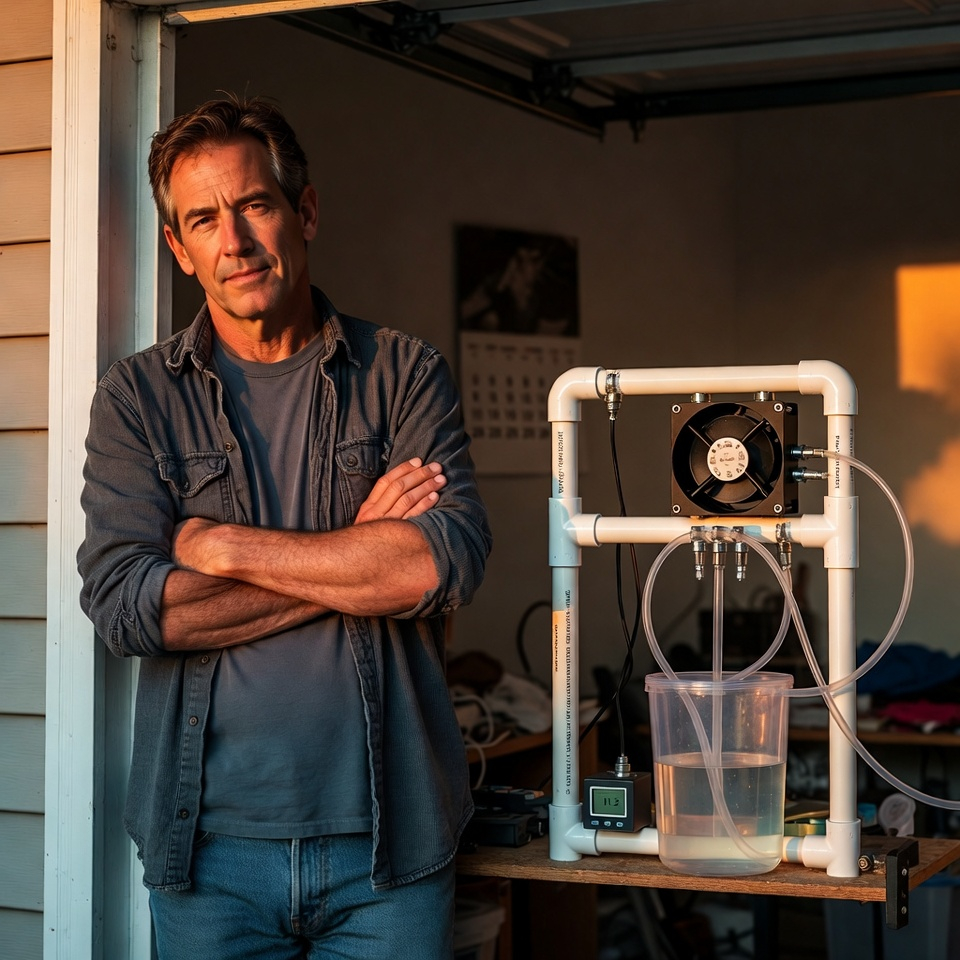
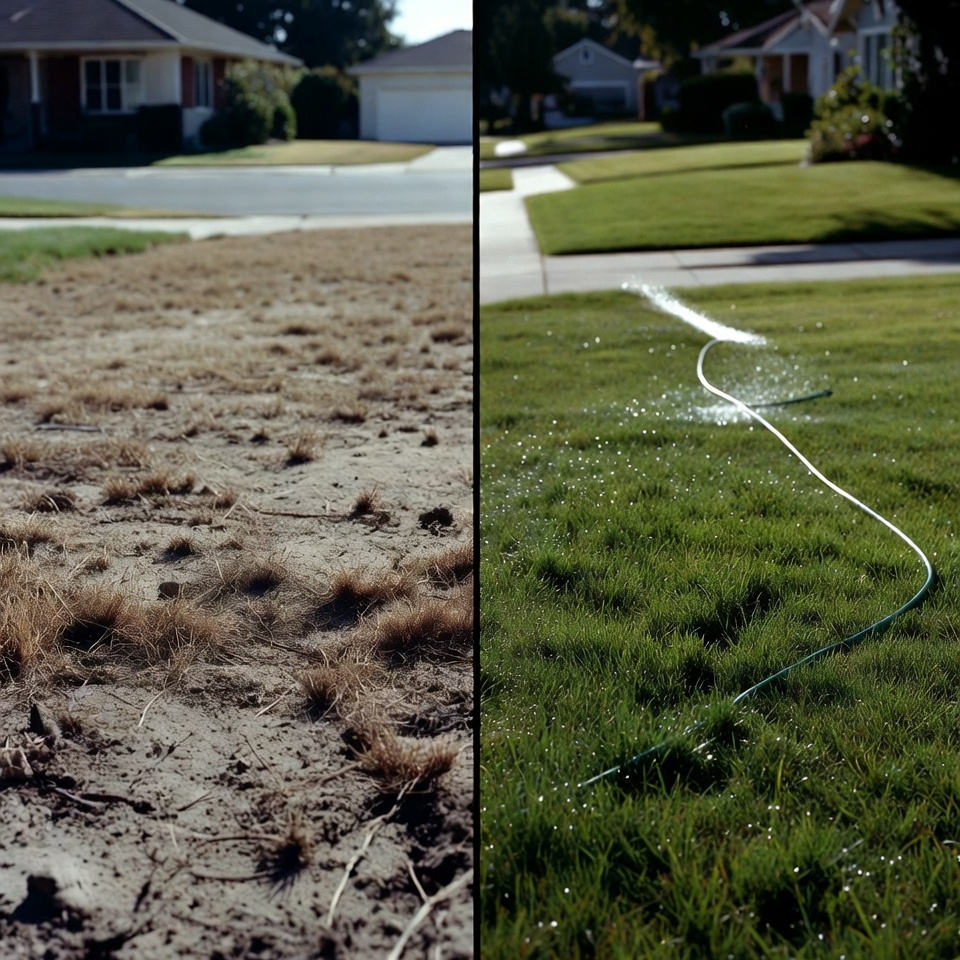
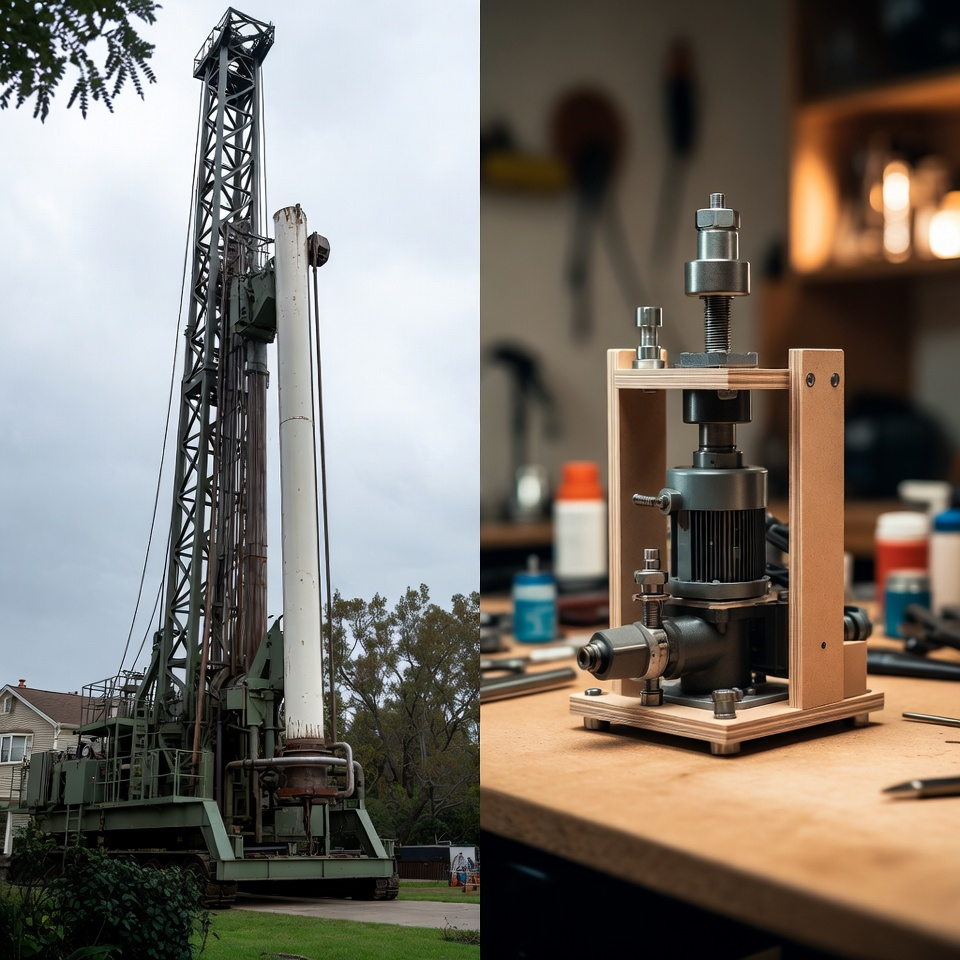
I've been prepping for longer than some people have been alive. Retired law enforcement. Six acres in rural Georgia. I've got food stores, backup power, communications gear, a medical kit that would impress most first responders. I've been warning people about infrastructure fragility since 2008, when most of them were still telling me to take off the tin hat. I had 50-gallon water barrels in the storage shed and a Berkey filter on the counter and I called it a water plan. My son called after the LA fires. He's sharp — former military, does his own research. He asked me to walk him through what we'd actually do if water service was disrupted for more than a week. Not a day. Not a weekend. A real extended disruption. I started listing things. The barrels. The filter. The reserves. He said: "Dad. That's maybe ten days." He was right. I hate that he was right. I've spent twelve years preparing for exactly this kind of scenario, and the most basic element of survival — water — had a ten-day ceiling on it. Everything else I'd built assumed that at some point, normal supply would return. That's not a plan. That's a delay while you wait for rescue. I told myself I'd fix it. Then I did what serious preppers do when a problem resists easy solutions. I went looking for the real answer, not the comfortable one. I want to tell you something first, because context matters. I've watched water become a control mechanism in real time. The Colorado River compact is collapsing. Aquifer levels across the Southwest are at historic lows. Municipalities are already rationing. Private equity firms have been quietly buying water rights in drought-affected states for years — not land, just the water rights. The financialization of water access has been underway since at least 2015, and it barely makes the news. None of this is opinion. It's public record. I've watched it develop and I've been saying for years that the day was coming when water wouldn't just be expensive — it would be a lever. Something they could tighten when they needed compliance, loosen when they needed calm. The LA fires were the first time most people saw what that actually looks like. Hydrants running dry while neighborhoods burned. Helicopters grounded for lack of water. Families watching their homes turn to ash while the richest city in the richest state in the world couldn't find enough water to fight a fire. People called it a failure of infrastructure. I called it a preview. And I still only had ten days of water stored. I looked at every option for expanding that. Rainwater catchment — heavily restricted in Georgia, and what you collect off a roof comes through shingles and biological contamination you need serious filtration to address. Well drilling — I'd priced it years ago, $12,000 minimum, and water rights law in my state means they retain authority over groundwater regardless of who owns the land above it. Commercial water storage systems — expensive, static, and still dependent on a supply that can be interrupted. Every solution I found either cost more than I could justify or kept me inside a system I was trying to get outside of. I was starting to think the honest answer was that there was no complete solution for an average person. That indefinite water independence was something that existed for governments and corporations and not for a retired deputy on six acres in rural Georgia. That was the frame I was carrying when I came across the story of the Marine combat engineer. I wasn't looking for it. I was reading through a forum thread about water infrastructure — the kind of discussion that goes three pages deep before anything useful surfaces — and someone referenced a case I hadn't heard of. A U.S. Marine combat engineer. Multiple deployments. Worked on classified infrastructure projects at locations most people have never heard of. In the last years of his life, after separating from service, he lived off-grid, avoided the internet, used shortwave radio, and told the people close to him that he didn't trust the towers. Before he died — his vehicle went off a clear road on a clear day, no ice, no fog, no witnesses, cremated before an autopsy could be requested, his home cleared out before his family could document what was there — he left a folder in his glove box wrapped in plastic. Military markings on the cover. Inside: schematics, engineering notes, logbooks, and a handwritten message that said he'd dug something back up that had been deliberately buried. What was in those schematics was a design for an atmospheric water generator. A device that extracts water vapor from ambient air using condensation principles developed for use in Navy submarines and later adapted for NASA's ISS water recovery systems. The same technology that lets a submarine crew drink clean water hundreds of feet below the surface with no connection to any external supply. The civilian patent application for a home-scale version of this device was filed in the late 1990s. The lab was funded. The prototypes worked. In 2003, the project was shut down. The patents were absorbed. The research team dispersed. The official reason given was insufficient commercial viability. Free, ungovernable, atmospheric water — requiring no pipes, no utility connection, no government permit, no ground access — was determined to have insufficient commercial viability. I'll leave you to draw your own conclusions about that. What I cared about was whether the underlying technology was real. And it is. Atmospheric water generation is not a theory. It is demonstrable physics. The military has been applying it in field environments for fifty years. The question was only whether someone had decoded the original schematics into something a civilian could build without a machine shop and a six-figure budget. The nephew had done exactly that. Simplified blueprints, parts list under $110, written in plain language. They called it the Atmospheric Condensation Blueprint. I've spent twelve years developing a nose for things that are real versus things that sound real. This one smelled right. The physics was verifiable. The military provenance was documented. The suppression story fit a pattern I'd watched play out in other sectors. I ordered the blueprints the same night. I built it over two days. I'm not a man who gets flustered by mechanical projects, but I'll tell you there was one section of the assembly — the primary condensation configuration — where the instructions assumed a parts tolerance that my locally sourced components didn't quite match. Spent the better part of an afternoon on it. Considered whether I'd been taken. Went back through the documentation carefully. Found the note about alternative configurations for regional parts variation. Rebuilt that section. It ran correctly from that point forward. Day one, nothing significant. The unit was operating. I left it alone and checked it the next morning. Day three, there was water in the reservoir. Not a flood — maybe a liter and a half. But it was there, it was clean, and it had come entirely from air. No pipe. No well. No rain. No meter running anywhere. I didn't tell anyone for the first two weeks. I have a habit of not reporting results until I have enough data to stand behind them. End of week two, my son drove out for a visit. He'd been skeptical when I mentioned I was working on a new water solution — he's seen me chase enough rabbit holes to have earned that skepticism. I showed him the unit. Showed him the reservoir. Showed him the output log I'd been keeping. He looked at it for a while without saying anything. Then he said: "You need to show me how to build one of these." That was all I needed to hear. By week three I was consistently producing ten to fifteen gallons a day. Not the theoretical maximum — that requires higher ambient humidity than I consistently get in my location. But ten to fifteen gallons daily from a device that draws nothing from any system they monitor, tax, or control. That's indefinite supply. That's what I came looking for. I've thought a lot about why this technology stayed buried as long as it did. The answer isn't complicated once you understand how infrastructure revenue works. Municipal water systems represent hundreds of billions in bonded debt, ongoing billing relationships, and regulatory capture built over a century. A device that lets any household produce clean water indefinitely from ambient air — for a one-time parts cost under $110 — is an existential threat to that revenue model. Not a competitive threat. An existential one. The people who benefit from your water dependency didn't need a conspiracy. They just needed to make sure the alternative never reached the market. Absorb the patents. Defund the research. Let the engineer who dug it back up drive home on a clear road. I'm not asking you to believe any of that. The physics works regardless of the politics. Air holds water. Condensation is real. The device produces clean water every day from nothing but humidity. You can verify every part of that yourself within the first week of building it. What I know is this: I spent twelve years warning people that water would become a control mechanism. I had ten days of storage and called it a plan. Now I have a device in my shed that produces water indefinitely from a source that exists outside every regulatory framework ever written for it. No permit. No meter. No record. No one with authority over it. And my son is building his own this weekend. I can't give you the full blueprint here. The specific condensation configuration that maximizes output in lower-humidity environments, the long-term storage and purification process, and the parts substitution notes that saved my build — those are in a short presentation that walks through the Atmospheric Condensation Blueprint from first principles to finished build. It covers exactly how the technology works, why it remains outside every existing water rights framework in this country, and how to build a working system for under $110 in a weekend. It also covers the history of the suppression — the patents, the timeline, the 2003 shutdown — for anyone who wants to understand what they're actually holding when they build this. I don't know how long it stays available. Information that closes this particular gap has a history of disappearing when the wrong people notice it. If you've been watching the same things I've been watching — the aquifer data, the water rights acquisitions, the quiet shift in municipal rationing policies, the gap between what the news covers and what the public record shows — and you've been looking for the one water solution that puts you completely outside their reach, this is the presentation worth watching. Link is below. I'd watch it today.
A Dead Marine Combat Engineer Left Classified Water Blueprints in His Glove Box — His Nephew Found Them. Then the Jeep Went Off the Road on a Clear Day. No Ice. No Fog. No Witnesses.
Your answers point to a specific vulnerability pattern we see consistently: a household that's aware of the problem, has looked for solutions, and hasn't found one that actually removes the dependency.
LEARN MORELike this ad? Make it yours.
Crush rebuilds this exact creative around your product — your brand, your colors, your offer — in about a minute.