Susan Henderson
Susan Henderson Facebook ad: “It Might Not Be Migraines”
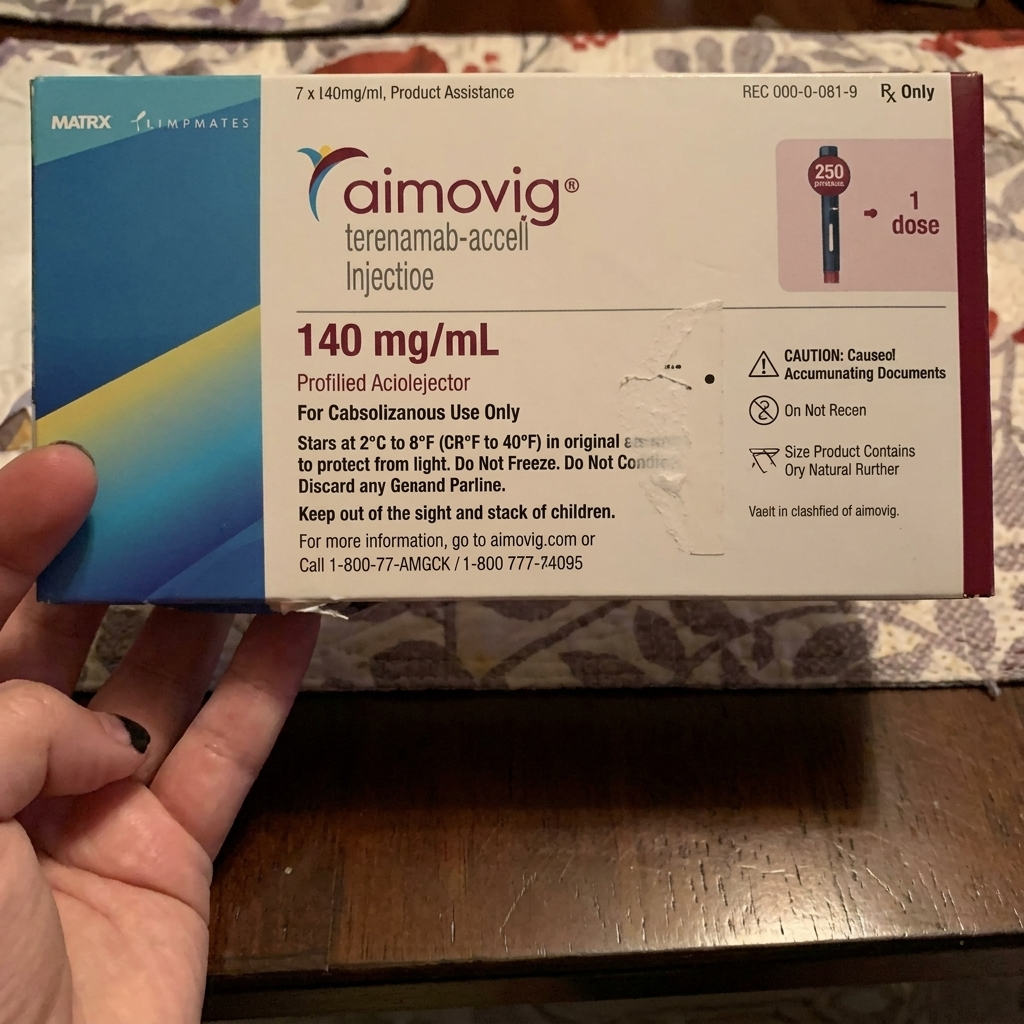
Ran for 14 days, from May 19 to June 1, 2026, the last day Crush saw it.
Run by Susan Henderson on Facebook. Crush is not the advertiser and does not verify its claims. See this ad in Meta's Ad Library(opens in a new tab)
Want an ad like this for your product?
Crush makes new ad images for your product from this ad: your logo, your product photo, your offer.
Trials from $19.95 USD, then $79.95 USD a month. Cancel anytime.
About this ad
- Meta Ad Library ID
- 4436462319969594
- Platforms
- Facebook, Instagram, Audience Network, Messenger and Threads
- Relaunches
- 0
Ad text
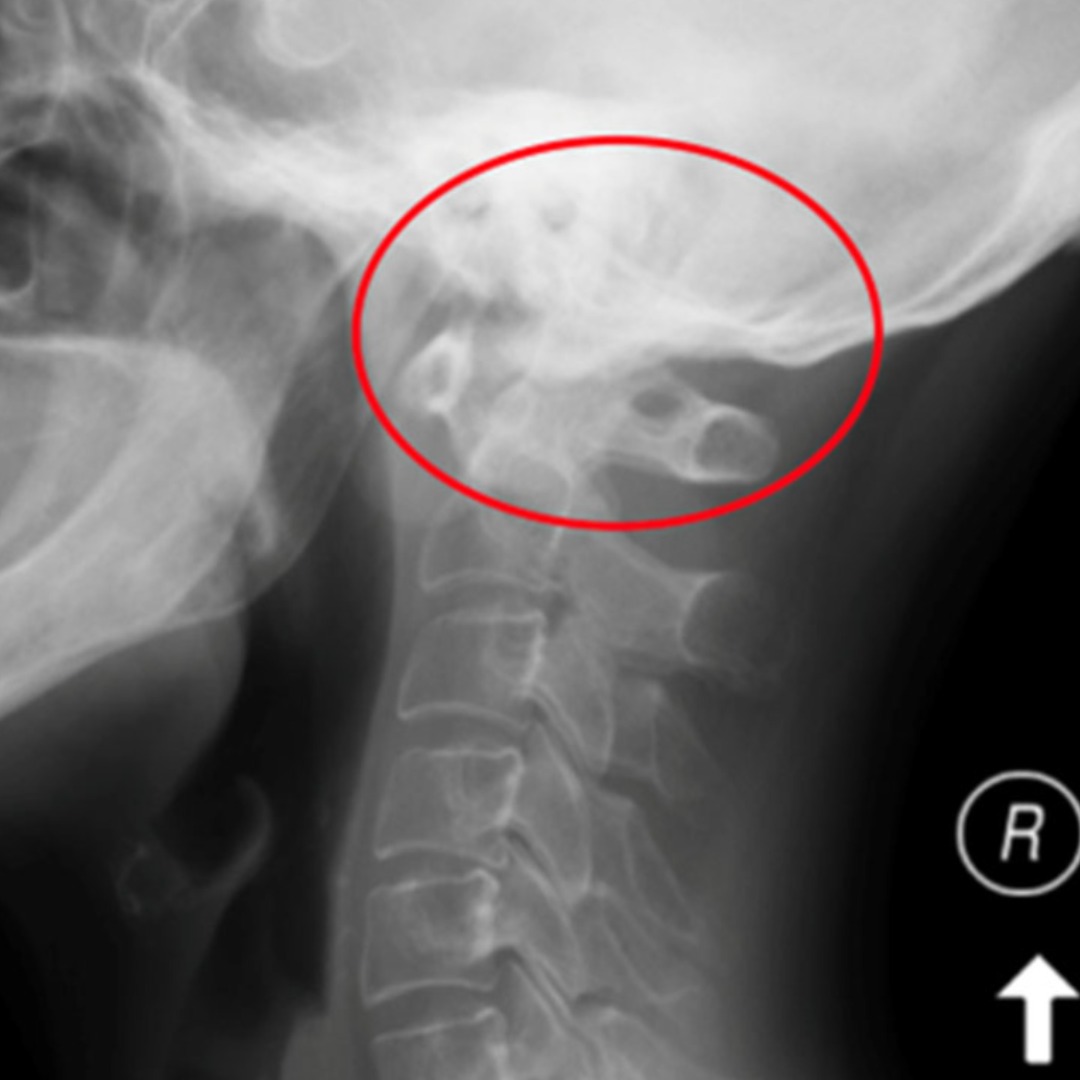
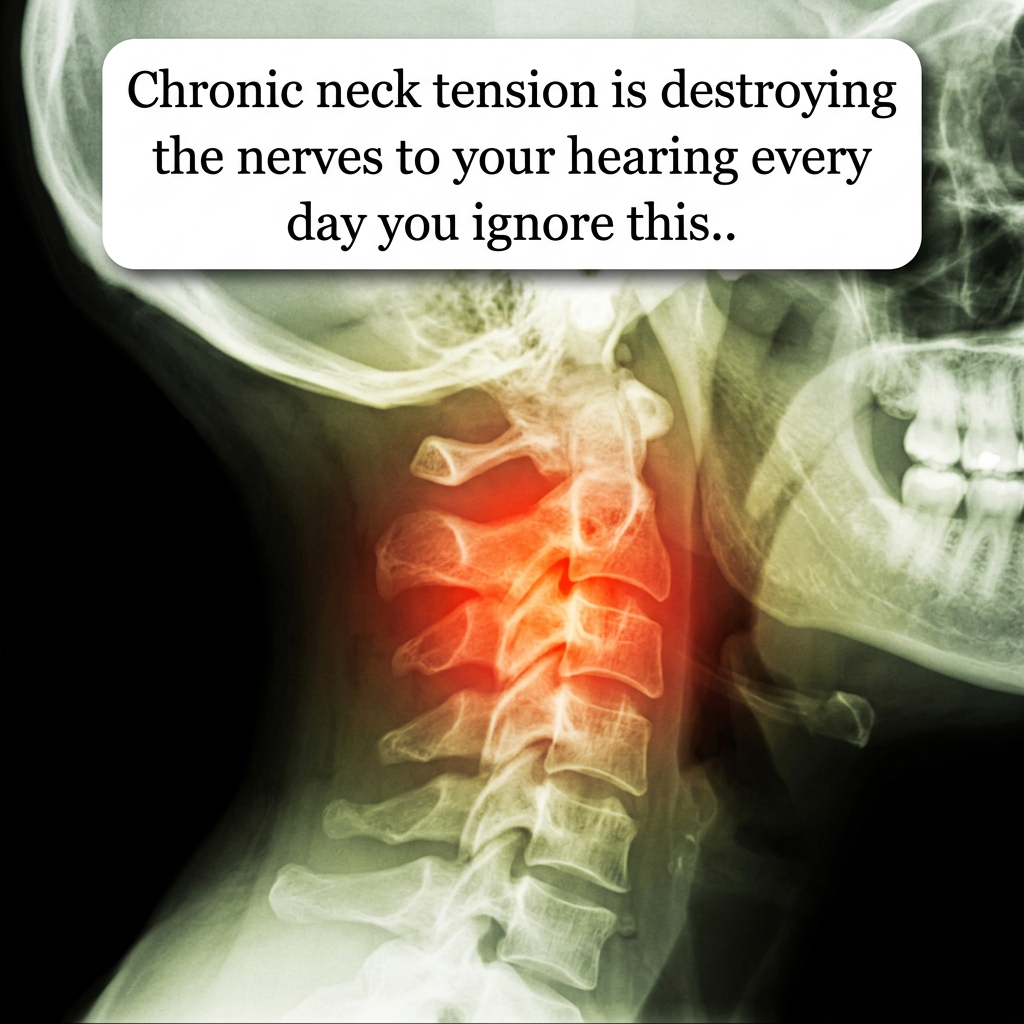
If you've been diagnosed with chronic migraines, tried every medication your neurologist prescribed, and you're still spending 15+ days a month in a dark room waiting for the pain to pass... I'm about to tell you exactly what they're not telling you and why they'll NEVER give you the real answer. And by the end of this, you're gonna be furious. Because there are three things happening right now: One — Your body is screaming at you that something is seriously wrong. And it has NOTHING to do with your brain. Two — The medical system is gaslighting you into thinking it's neurological, genetic, or just something you have to "manage forever." And three — There's a billion-dollar migraine medication industry that profits every single day your real problem stays hidden. So let me tell you what happened to me, because my story is gonna open your eyes to how broken this really is. For SIX YEARS I was watching my life become unrecognizable. I was diagnosed with chronic migraines at 45. Put on Sumatriptan. Doctor told me the medication would handle it. Within the first year? I was having 12 headache days a month. By year two? 18 days a month. By year six? 22 days a month. More than two-thirds of my life spent managing pain. Tracked on a headache diary. Every single episode. My brain MRI was clear. "Textbook chronic migraines," according to my neurologist. But I couldn't attend a single one of my daughter's school events without leaving early. The pressure? I'd feel it building at the base of my skull every morning. Didn't matter if I'd slept well. Stayed hydrated. Avoided triggers. The pressure would start climbing, wrap around to my temples, and by noon I'd be pulling the curtains and lying in the dark. I stopped wearing anything that touched my neck. Loose tops. Hair always down. Anything to avoid pressure on that area. My husband never said anything directly. But I'd catch the look. When I'd cancel dinner plans last minute. When I'd miss another family gathering. When I'd say "maybe next time" to our kids. He didn't have to say it. I could feel what he was thinking. The exhaustion? I'd come home from work and collapse on the couch. My kids would ask me to do things and I'd say "not today, honey." I said that so many times my daughter stopped asking. The brain fog was bad enough that my boss noticed at work. I'd be mid-sentence in a meeting and completely lose my train of thought. Standing there with nothing coming out. My face looked tired all the time. Puffy. Dark circles that no amount of sleep fixed. People asked if I was getting enough rest. I'd wake up with pressure at the base of my skull. Cold all the time at the back of my neck — that specific cold that made me think something was wrong with my circulation. And every single doctor told me the same thing. "Your MRI is clear." "Maybe try keeping a more detailed trigger diary." "Have you considered Botox? Some patients respond well." "Chronic migraines can be difficult to manage." One of them — and this makes me want to put my fist through a wall — actually suggested I might be depressed. "Sometimes psychological factors can lower the pain threshold." PSYCHOLOGICAL FACTORS? I was documenting every headache with timestamps and had tried eight different preventive medications in six years. Another suggested CGRP inhibitors. $700 a month. For a woman whose headaches had nothing to do with migraine pathways. I went through five neurologists in six years. Not one — NOT ONE — ever looked beyond my brain scans and asked WHY the medications weren't working when the source wasn't neurological at all. So here's what they kept telling me to do. And I need you to pay attention because you've probably tried all of this too: Magnesium and riboflavin for "migraine prevention." Eight months. Frequency unchanged. Elimination diet. No caffeine, no chocolate, no aged cheese, no wine. Nine months of restriction. Lost count of my triggers. Headaches kept coming. Botox injections. 31 needles across my forehead and temples every 12 weeks. Three rounds. Some relief for six weeks. Then back to baseline. Sumatriptan. Then Maxalt when that stopped working. Then Ubrelvy. Medications that only worked half the time and made me feel like I was in a fog for hours afterward. Preventives. Topiramate that made me so cognitively impaired I couldn't remember basic words. Propranolol that dropped my blood pressure so low I was dizzy standing up. Amitriptyline that made me gain 15 pounds in four months. Aimovig injections. $700 a month. Six months. Marginal improvement. Between the medications, the Botox, the neurologist visits, and the supplements — I spent over $8,400 in six years. Still having 22 headache days a month. Thousands of dollars poorer. And every doctor telling me "chronic migraines can be stubborn." At this point I'm not frustrated anymore. I'm angry. Because I'm following every instruction, spending thousands, tracking every trigger, dragging myself through days when I can barely function — getting worse every year while my doctors shrug and suggest the next medication in the rotation. Managing. The. Symptoms. Not fixing it. Not reversing it. Not even trying to figure out WHY. Just... managing my decline into a more medicated, more exhausted, more isolated version of myself. And that's when I started asking the questions nobody wants you to ask: Why are doctors so quick to prescribe migraine medications and Botox but never investigate whether the pain is actually coming from my neck instead of my brain? Why do they act like chronic migraines are just... inevitable? Like there's nothing I can do except cycle through medications forever? Why does every treatment protocol focus on blocking migraine pathways when those pathways might not even be the source? And why does NOBODY ever talk about what's actually happening at the base of my skull where the pressure starts? So I went down a rabbit hole. A deep one. I started researching why someone with "chronic migraines" would keep having headaches even when their brain MRI is clear, they've avoided every trigger, and they're taking every preventive medication their neurologist recommended. And every mainstream medical site gave me the same recycled answers. "Take your preventives. Avoid triggers. Manage stress." But then I found a research paper that changed everything. Not a blog. Not a wellness influencer. A peer-reviewed paper. And it mentioned something I had literally never heard anyone connect to chronic headaches in my entire life. Cervicogenic headache caused by C1-C2 compression and occipital nerve referral. Now pause for a second. You know what's insane? Every migraine treatment on the market focuses on "blocking the pain pathway." Every doctor talks about CGRP inhibitors and Botox. Every protocol is about the NEUROLOGICAL SIGNAL IN THE BRAIN. But nobody — and I mean NOBODY — talks about what happens when the pain isn't coming from your brain at all. Specifically, what happens when chronically tight muscles at the very top of your spine compress the nerves that refer pain directly to your head. And that's not an accident. Because once you understand what those compressed nerves do — and what chronic muscle tension at C1-C2 does to those nerves — you realize that everything I tried, and everything YOUR doctor has probably told you, is addressing the wrong part of the problem entirely. Here's what I learned: Your occipital nerves run from the top of your spine through the small muscles at the base of your skull and up into your head. They carry sensation from your neck to your temples, forehead, and behind your eyes. When those muscles work properly? Signals flow normally. No referred pain. Your head feels fine. But when those muscles get chronically tight? That's when everything goes to hell. And here's what's causing the compression that nobody is talking about. Chronic tension from stress, posture, and compensation keeps the suboccipital muscles locked. Not dramatically — just constantly. The low-grade, never-fully-releases kind that every person managing a job and a family and a condition that won't respond to treatment carries in their upper neck every single day. And chronically tight suboccipital muscles compress the occipital nerves at THREE points simultaneously. FIRST — they press on the greater occipital nerve as it exits between C1 and C2. This nerve refers pain directly to your temples and forehead. The same areas where "migraine" pain concentrates. A compressed nerve sends constant pain signals that feel exactly like a migraine. Throbbing. Pulsing. Light-sensitive. Your brain interprets it as a headache. But the source is your neck. That's why brain scans are clear and medications don't work. The measurement is looking at the wrong location. SECOND — they trap the lesser occipital nerve against the base of your skull. This nerve refers pain behind your ear and up the side of your head. Creates that pressure at the base of the skull that builds before the headache fully starts. The warning sign that something is about to get worse. It's not a migraine aura. It's nerve compression reaching threshold. THIRD — they create referred pain patterns that your brain can't distinguish from actual migraine. The throbbing. The nausea. The light sensitivity. All real symptoms. All caused by compressed nerves sending distress signals that your brain interprets as head pain. Like pressing on a nerve in your elbow creates tingling in your fingers. The nerve pathway refers the sensation to a different location. Your neck is pressing on nerves. Your head feels the pain. So I was: Taking migraine medications that tried to block pain pathways that weren't even activated. Getting Botox injections in my forehead while the source of the pain was at the base of my skull. And cycling through preventives that did nothing because the real cause — chronically tight muscles compressing nerves at C1-C2 — had never been addressed. My brain scans looked perfect. My occipital nerves were trapped. No medication on earth can decompress a nerve that's being mechanically squeezed by locked muscles. No Botox can release tension happening three inches below where they're injecting. No CGRP inhibitor can solve a compression problem happening at the top of my spine. THAT'S why I was having 22 headache days a month. The pain wasn't neurological. It was mechanical. The muscles at the base of my skull had been locked for years, pressing on nerves that refer pain directly to my head. Like standing on a garden hose and wondering why no water comes out. The pathway is fine. The compression is blocking the signal. I wasn't imagining the pain. I wasn't medication-resistant. I wasn't a difficult case. I had cervicogenic headaches being misdiagnosed as chronic migraines while the tight muscles causing the compression went completely unexamined. Like treating leg pain with painkillers while something presses on your sciatic nerve. The pain is real. The medication can't fix compression. And here's the part that made my blood boil: The medical system KNOWS about cervicogenic headache. It's in the neurology literature. The relationship between upper cervical muscle tension and referred head pain has been documented in research for decades. The role of C1-C2 compression in creating migraine-like symptoms is published, replicated, and cited. But the clinical protocol for chronic headaches that don't respond to migraine medications doesn't include a cervical muscle assessment. Doesn't check for occipital nerve compression. Doesn't measure muscle tension at C1-C2. Doesn't ask whether the pain is actually mechanical instead of neurological. Because there's no pharmaceutical drug for cervicogenic headache. You can't patent decompressing tight muscles. There's no money in telling someone their headaches are coming from their neck instead of their brain. There IS money in keeping you on preventive medications at $400 a month. CGRP inhibitors at $700 a month. Botox every 12 weeks at $600 per session. Specialist appointments where they adjust the medication and tell you to be patient. And eventually? "Maybe it's time to discuss nerve blocks." See how that works? Manage every stage of the headaches. Suggest increasingly expensive interventions. Never address the muscle compression that would make the headaches stop. So I kept digging. Reading neurology journals. Research on cervicogenic headache and occipital nerve compression. Studies on referred pain patterns from C1-C2 dysfunction. Clinical evidence on suboccipital muscle tension and migraine-like symptoms. And I found one treatment approach that kept appearing — not in pharmaceutical research, in physical medicine studies — as the specific solution to cervicogenic headache. Deep heat. Electrical muscle stimulation. And cervical traction at the exact angle that decompresses C1 and C2. Not marketed for migraines. Not sold as a headache cure. Researched for mechanical decompression — and specifically for what happens to referred head pain when the muscle compression causing it is removed. Deep heat penetrates to the locked muscles that surface-level treatments can't reach. Electrical muscle stimulation forces those muscles to contract and release, breaking the chronic tension pattern they've been stuck in for years. Cervical traction at 26 degrees — the specific angle that targets C1-C2 — pulls those vertebrae apart just enough to give the compressed nerves space. When the compression releases, the nerve stops sending pain signals. The referred pain to your temples stops. The pressure at the base of your skull clears. The headaches stop happening because the mechanical cause has been removed. Not because the medication changed. Because the three compression points creating the pain were finally decompressed. I tried to find a device that actually delivered all three together. First: a heating pad. Used it for six weeks. Temporary surface relief. Compression unchanged. Headaches unchanged. Second: a TENS unit. Eight weeks. Some muscle relaxation. Pressure at the base of my skull unchanged. Headache frequency unchanged. I went back to the research. Read the methodology. The studies showing cervicogenic headache resolution used all three together. Deep heat that penetrates to the suboccipital muscles. EMS that forces chronic tension to release. And traction at 26 degrees — the specific angle that decompresses the C1-C2 joint where the occipital nerves exit. I'd been using devices that addressed one element while the compression stayed locked. There was also the positioning problem. The treatment has to target the exact spot where the muscles attach at the base of the skull. Too high and you're treating the wrong area. Too low and the traction angle doesn't decompress C1-C2. Most devices can't maintain that precision because they're not designed specifically for cervical decompression. I was using the wrong tools at the wrong location with incomplete treatment. Between the medications, the Botox, the specialist visits, and two partial-solution devices — I'd spent over $8,400 in six years. And I'm scrolling through my phone one night — researching because my next neurologist appointment was coming and he was floating the nerve ablation conversation — and I see someone in a chronic migraine forum mention a device called Neckline. So I go to their site. Ready to be disappointed like I had been with every other solution I'd tried. And I almost dropped my phone. Deep heat. EMS. Cervical traction at 26 degrees. All three together. In one device designed specifically for C1-C2 decompression. At the exact positioning where the suboccipital muscles attach and the occipital nerves exit. Not a general neck massager. A cervical decompression system targeting the specific location where cervicogenic headaches originate. FDA-cleared. Not a wellness gadget. An actual medical device with clinical backing. Third-party tested. Made in the USA. Money-back guarantee. Every specification listed. Not a migraine medication that tries to block pain pathways. A mechanical decompression device that removes the muscle tension creating the nerve compression in the first place. I started using Neckline. After two weeks? The brain fog started lifting. I felt "awake" for the first time in months. My thoughts were clear. I could hold conversations without losing the thread mid-sentence. I'd been standing in meetings forgetting what I was saying for two years. That week I ran an entire presentation without once losing my place. After three weeks? The cold. I'd been cold at the back of my neck for six years. That specific chill that no amount of scarves fixed. One morning I woke up and it was gone. I texted my husband at 6am. Just: "The cold is gone." Active nerve function returning as compression cleared. Circulation normalizing. Neck becoming warm. It's not complicated — the nerves were compressed. Now they weren't. After four weeks? The constant pressure at the base of my skull — the pressure that had been there every morning for six years — gone. I woke up without it. I actually cried. The occipital nerve compression that had been triggering that pressure signal — released. The mechanical source removed as the chronic muscle tension finally let go. After six weeks? The light sensitivity that had been making me wear sunglasses inside stores — gone. I walked through Target under fluorescent lights without squinting. First time in two years. After eight weeks? I went seven consecutive days without a single headache. My record that year was three days. After twelve weeks? I attended my daughter's school play. Sat in the auditorium under stage lights for two hours. Full crowd. Noise. Bright lights. No headache. No sunglasses. No leaving early. My daughter found me in the audience during her scene. Waved. I waved back. Because I wasn't broken. After five months? I went back to my neurologist for follow-up. "Your headache diary shows a dramatic reduction in frequency," he said. "From 22 days a month to 3 in the last five months." "They've basically stopped," I said. He looked at my chart. Then at me. "What changed?" I told him about the compression. The cervical muscles. The device. He looked at the Neckline information for a long moment. "Whatever you're doing, keep doing it," he said. For the first time in six years, I left his office without a new prescription. My brain wasn't broken. My migraine pathways weren't overactive. Chronically tight muscles at the very top of my neck — muscles nobody ever examined — were pressing on nerves that refer pain directly to my head. The Sumatriptan tried to block the pain signal. The Botox tried to numb the surface. The preventives tried to quiet my nervous system. But none of it addressed the actual problem. I use Neckline for fifteen minutes every morning. That's it. So if you're dealing with ANY of this — headaches your doctor can't explain despite perfect brain scans, that pressure at the base of your skull that builds before every headache, light sensitivity that won't go away, exhaustion that no amount of rest fixes, brain fog, the cold at the back of your neck that never leaves, medications that stopped working, days spent in dark rooms waiting for the pain to pass — this is the time. Not next month when you've had 5 more headache days. Not six months from now when your doctor suggests nerve ablation. Not when you're sitting in a pain management clinic wondering how it got this far. Right now. Neckline. Deep heat. EMS. Cervical traction at 26 degrees. All three together. FDA-cleared. Third-party tested. Made in the USA. Every specification listed. 30-day money-back guarantee. Use it every day. If the pressure at the base of your skull doesn't release, if the headaches don't decrease, if you don't feel the difference — full refund. No questions asked. They have nothing to hide. Because your neurologist isn't coming to fix your compression. They profit too much from managing your migraines while the mechanical source runs undisturbed. You have to fix this yourself. 👉 https://neckline-us.com/l-ch-h1
Where the ad sends people
neckline-us.com
It Might Not Be Migraines
Over 60% of patients diagnosed with chronic migraines have cervicogenic headaches originating from their neck that were never properly examined.
Learn more: neckline-us.com(opens in a new tab)