
Active· since Mar 29, 2026
- 169
- days running
- 0
- relaunches
Ad copy
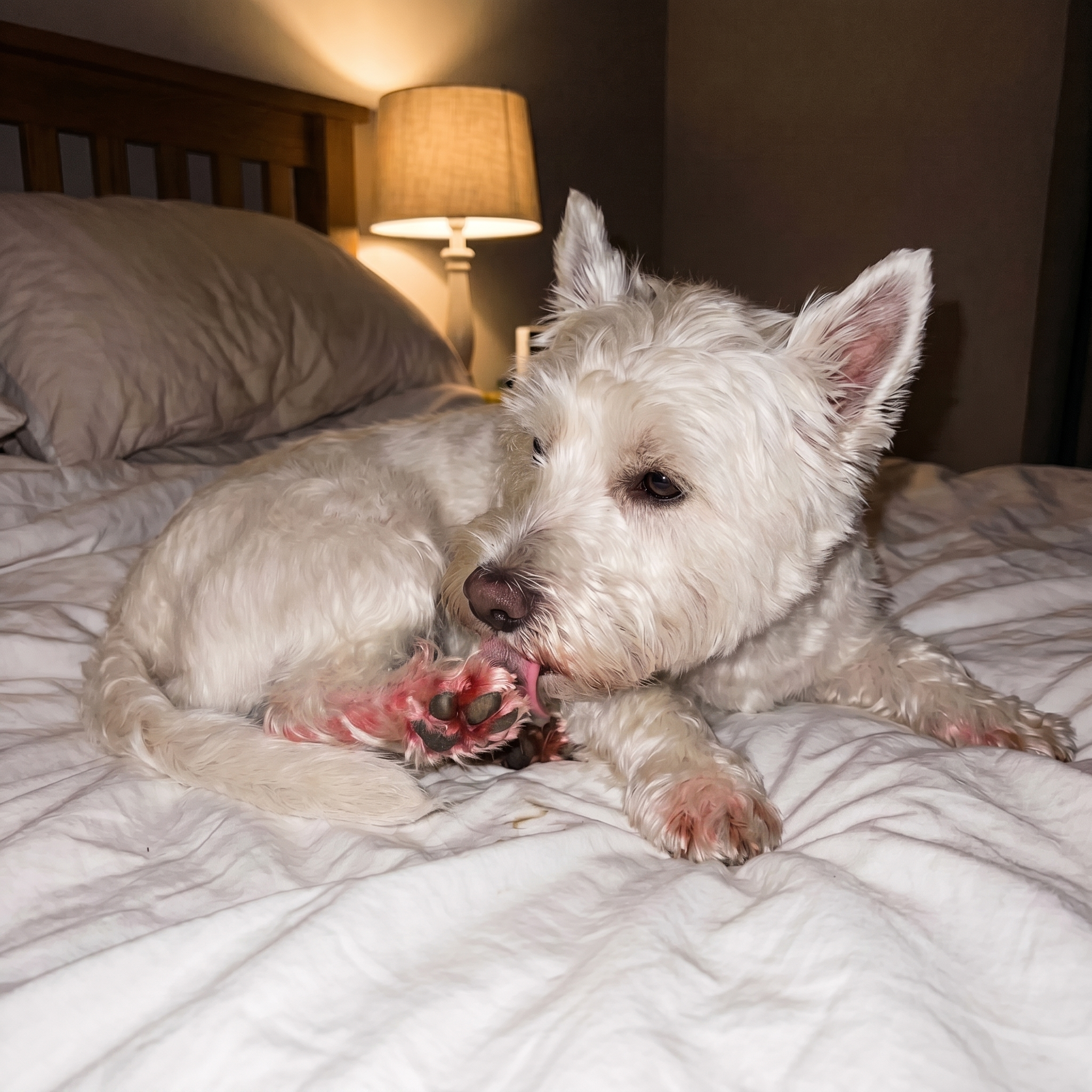
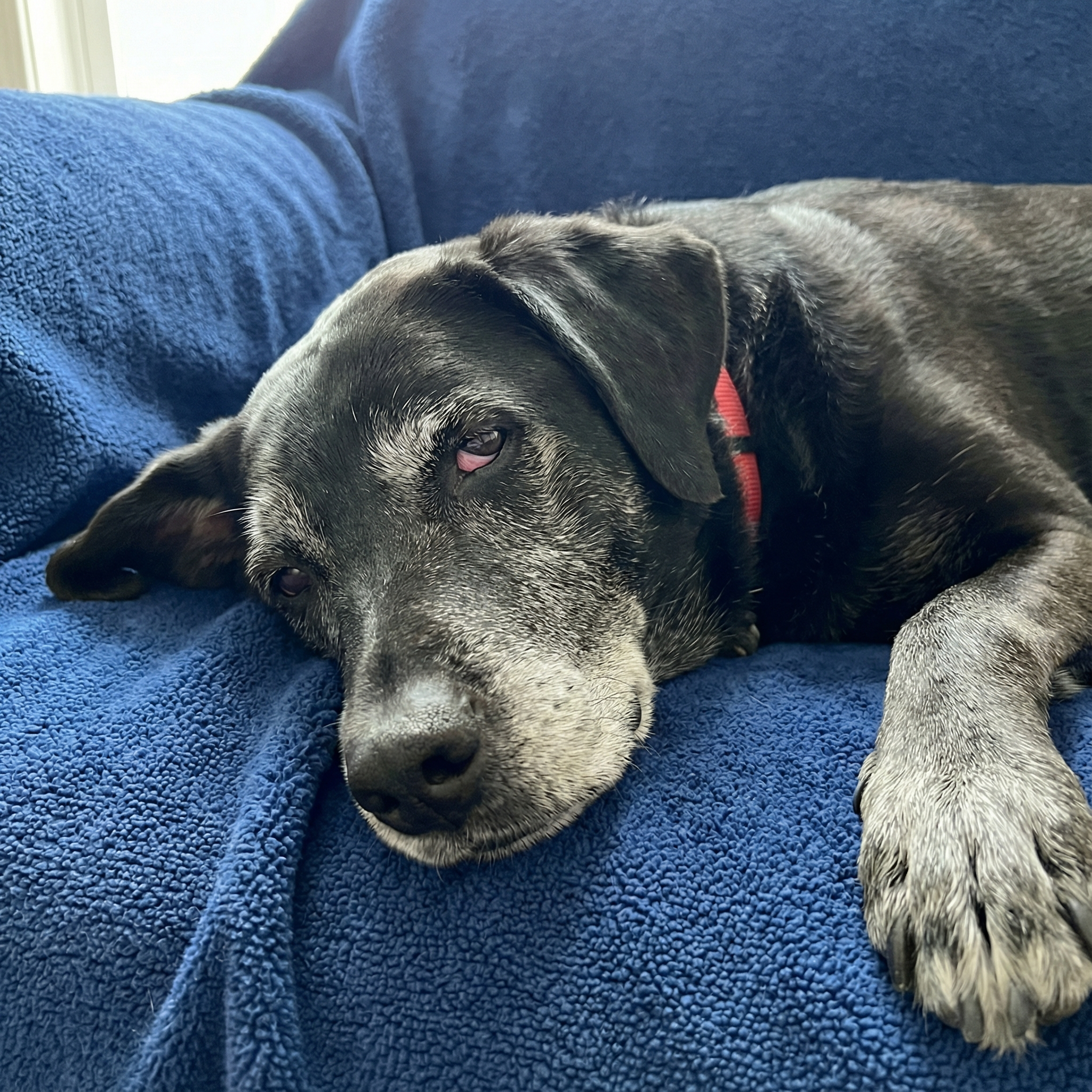
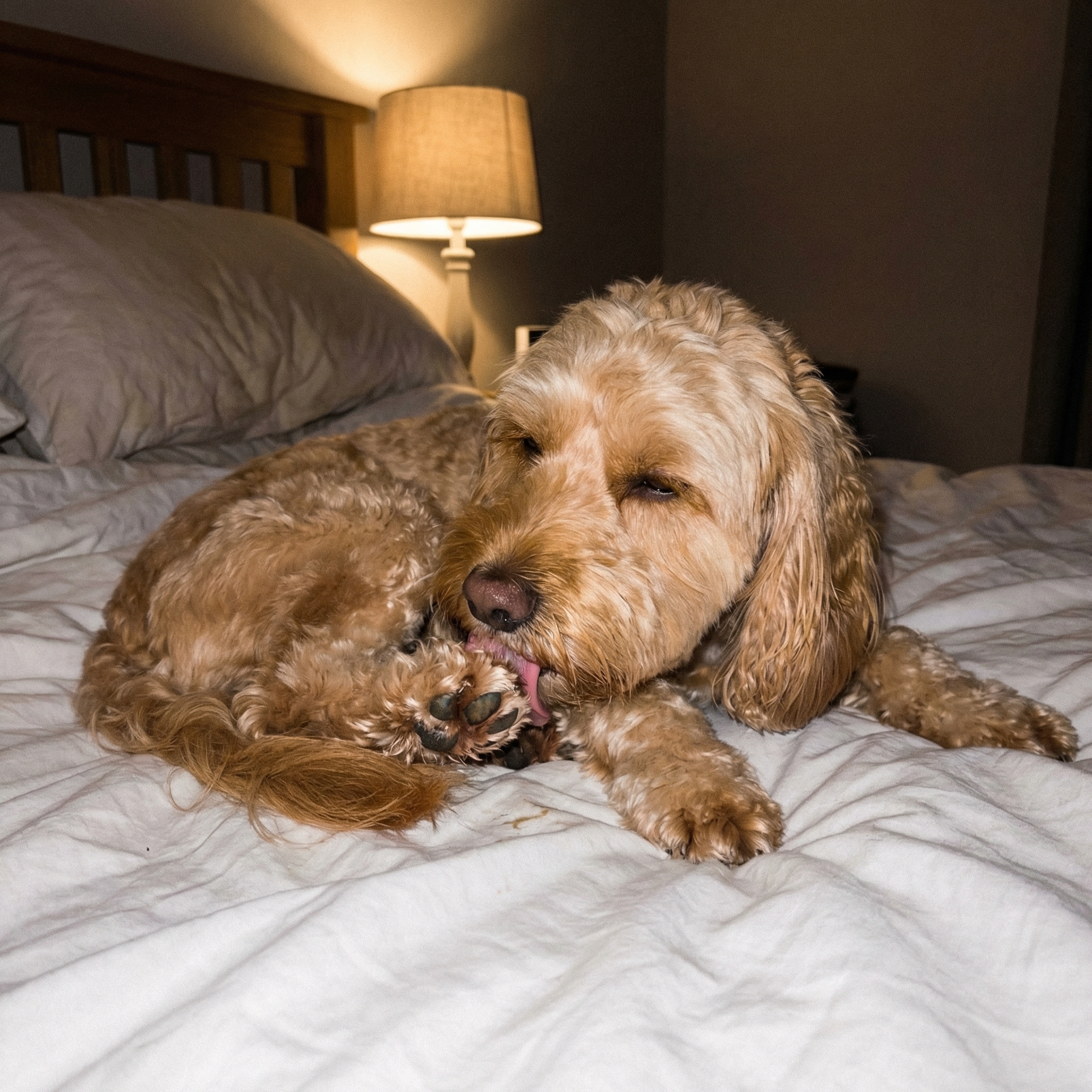
I want to tell you something about your vet that you probably don’t know. In 2013, 90% of UK vet practices were independently owned. Your local vet was a local business, run by a local vet. Today, six corporations own 60% of every veterinary practice in the country. And four of those six kept the original names on the doors so you would never find out. I found out because I got angry enough to start looking. My cockapoo Nell had been scratching herself raw for two years. Paws, belly, flanks, behind her ears. She would wake me at 2 AM chewing her own feet. The sound of it in a quiet house is something you do not forget. She scooted across the living room carpet so often there was a visible track in the pile. She had a bald patch behind her left ear that had not grown back in over a year, no matter what cream or spray I put on it. Her coat was dull, greasy, and flat. Her paws were rust-stained from constant licking. Over those two years, Dr. Patel prescribed the following, in this order: Antihistamines A medicated shampoo Apoquel at seventy pounds a month Cytopoint injections at eighty-five pounds every four to six weeks. Each one worked for a bit. The Apoquel was brilliant for about six weeks, then the scratching crept back. The Cytopoint started at five weeks of relief, dropped to three, then barely made a difference at all. Every time I went back, Dr. Patel adjusted something. Different antihistamine. Higher dose. New shampoo. Add the salmon oil. Try the prescription diet at fifty-five pounds a bag. Not once, in five visits across eight months, did Dr. Patel or anyone else in that practice suggest that the scratching might not be a skin problem. Every single thing they prescribed was aimed at the skin. And every single prescription generated a recurring cost. I spent over two thousand pounds in eighteen months. Nell kept scratching. Then one evening, Graham was reading the news on his tablet and called me over. The Competition and Markets Authority, the UK government body that investigates markets to protect consumers, had launched a formal investigation into the veterinary sector. What they found should concern every dog owner in the country. Six corporate groups now control around 60% of all vet practices in the UK, up from just 10% in 2013. These are not small companies. One is owned by Nestle. Another by Mars, the chocolate company that makes Whiskas. Another is backed by a Swiss private equity vehicle owned by the Liechtenstein royal family. These are multinationals buying up your local vet and keeping the old name above the door so nothing looks different. The CMA found that corporate groups charge more on average than independent practices. They found evidence that some practices steer pet owners toward higher-cost treatment options even when simpler alternatives exist. They identified over a thousand postcode areas across the UK where consumers may be affected by a lack of genuine local competition. They found that referrals for testing and diagnostics are often kept within the same corporate group, sometimes without the vet in the room even knowing they are sending you to a sister company owned by the same parent. And they found that average vet prices have risen significantly since 2016, with corporate practices leading the increases. I looked up our practice that night. The one I had been going to since Nell was twelve weeks old. The nice waiting room. The photos on the wall. The receptionist who knows Nell by name and always keeps a biscuit behind the desk for her. It had been acquired by one of the big six eighteen months before my first appointment about the scratching. Nobody told me. The name did not change. The decor did not change. Dr. Patel was still there. But the pricing structure had changed. I sat there and thought about every appointment. Every prescription. Every four-weekly rebooking. Apoquel at seventy a month. Cytopoint at eighty-five per injection. The prescription diet at fifty-five a bag. The referral to a dermatologist, also owned by the same group. Every single recommendation was the highest-cost option available. Not once did Dr. Patel or anyone else step back and ask: why does this keep coming back? What is actually driving it? Because the answer to that question does not generate recurring revenue. Here is what nobody in that practice told me, despite it being established in veterinary science. In dogs with chronic skin symptoms, the inflammation often does not start in the skin. There is a connection between the gut and the immune response called the gut-skin axis. When the gut microbiome is out of balance, it produces inflammatory compounds that leak through a damaged intestinal wall into the bloodstream. Those compounds reach the mast cells in the skin, the immune cells responsible for releasing histamine, and make them hypersensitive. Normal environmental triggers that a healthy dog shrugs off, grass, dust, a change in weather, suddenly provoke a full-scale immune response. Scratching. Redness. Bald patches. Scooting. All of it downstream from a gut that is not functioning properly. Apoquel works by blocking the signal that carries the itch sensation from the skin to the brain. It is effective at stopping the symptom. But it does not address the mast cells that are overproducing histamine. It does not touch the gut. It does not repair the intestinal wall. When you stop the drug, everything that was building underneath floods back. The itch returns. Often worse. And you book another appointment. This is not fringe science. The gut-skin axis is studied in human dermatology and increasingly in veterinary research. But a conversation about gut health does not generate a seventy-pound monthly prescription. It does not generate a four-weekly injection cycle. It does not keep you coming back. I learned all of this from a woman called Clare Ashworth, a veterinary nutritionist I was put in touch with through Sarah Beckett, who has been grooming Nell since she was a puppy. Clare works independently. No corporate affiliation. No pharmaceutical partnerships. She has been in veterinary nutrition for over fifteen years. She told me that the gap in most allergy treatment plans is that they only target one part of the chain. Either the skin, or the gut, or the immune response. But the chain involves all three. Unless you support all three simultaneously, you are chasing the symptom forever. Clare pointed me toward a supplement with twelve active ingredients designed to work across the entire gut-skin-immune chain at the same time. Probiotics and prebiotics to restore the gut microbiome and repair the intestinal lining. Fibre from psyllium husk, flaxseed, and pumpkin seed to support proper digestion and stool quality. Quercetin to stabilise mast cells so they stop overreacting to normal triggers. Salmon oil and grapeseed for the skin barrier. Turmeric and liquorice root for the inflammatory cascade. Twelve ingredients, each with a specific function, targeting the same problem from the gut up rather than the skin down. I was sceptical. Two years of failed treatments and two thousand pounds will do that to you. But the first month on subscription was twenty pounds. Half the usual price. I had been spending seventy a month on Apoquel. And the 90-day money-back guarantee meant that if nothing changed, I paid nothing. I gave Nell the chew every morning and waited. First two weeks, nothing. She scratched, she scooted, the bald patch was still there. Week three, she slept through the night. The first unbroken night in over a year. Then two in a row. Then a full week. Week five. I came home from the shops and realised I could not remember the last time Nell had scooted. Graham confirmed it. Over a week since the last one. The track in the carpet was still there, but she was not adding to it. Week eight. I was drying her after a bath and I felt something behind her left ear. New fur. Short, dense, growing in where there had been bare skin for fourteen months. I called Graham into the bathroom. He touched it and said nothing for a few seconds. Then he said it was the first good money we had spent in two years. Five months now. Nell does not scratch. She does not scoot. She does not chew her paws. The rust staining is gone. The bald patch is fully covered. Her coat is the softest it has ever been. Her belly is smooth and pale. She sleeps through every night, usually on her back with her legs in the air, showing off a belly that used to be too raw to touch. I cancelled the Apoquel. I cancelled the Cytopoint. I left Dr. Patel's practice. I found an independent vet, verified as genuinely independent on the RCVS register, and Nell's new vet told me she sees this exact story all the time. Owners who have been cycling through expensive prescriptions for years, never once told that the issue might start in the gut and that addressing it there could change everything. I do not think Dr. Patel is a bad person. I think he is a good vet working inside a system that is no longer designed around the animal. When the practice was independent, he had the freedom to try different approaches. Now there are revenue targets and preferred prescribers and a parent company that makes more money when your dog stays on medication than when your dog gets better. A dog that does not need Apoquel any more is seventy pounds a month in lost recurring revenue. A dog that needs it indefinitely is a customer for life. If your dog has been scratching, scooting, losing fur, and nothing your vet has given you has lasted more than a few weeks, consider the possibility that you have been treating the wrong thing. Not because you got it wrong. Because the system you trusted was not designed to fix it. I have linked what I use below. 50% off first order, 90-day money-back guarantee. No recurring prescription. No four-weekly injection. No revenue target on the other end of your dog's discomfort. petgently.com/pages/skin-coat-itch-support-01 The CMA investigation is ongoing. Their findings are public. But Nell could not wait for regulatory reform. And neither can your dog. petgently.com/pages/skin-coat-itch-support-01
£30 Fixed What £2,000 Couldn't
12 ingredients. Targets the gut, not just the skin. 90-day money-back guarantee.
LEARN MORELike this ad? Make it yours.
Crush rebuilds this exact creative around your product — your brand, your colors, your offer — in about a minute.