Primal Men
Primal Men Facebook ad: “What I put next to his coffee”
Ran for 1 day, from June 14 to June 15, 2026, the last day Crush saw it.
Run by Primal Men on Facebook. Crush is not the advertiser and does not verify its claims. See this ad in Meta's Ad Library(opens in a new tab)
Want an ad like this for your product?
Crush makes new ad images for your product from this ad: your logo, your product photo, your offer.
Trials from $19.95 USD, then $79.95 USD a month. Cancel anytime.
About this ad
- Meta Ad Library ID
- 4455742101418959
- Platforms
- Facebook, Instagram, Audience Network, Messenger and Threads
- Relaunches
- 0
Ad text
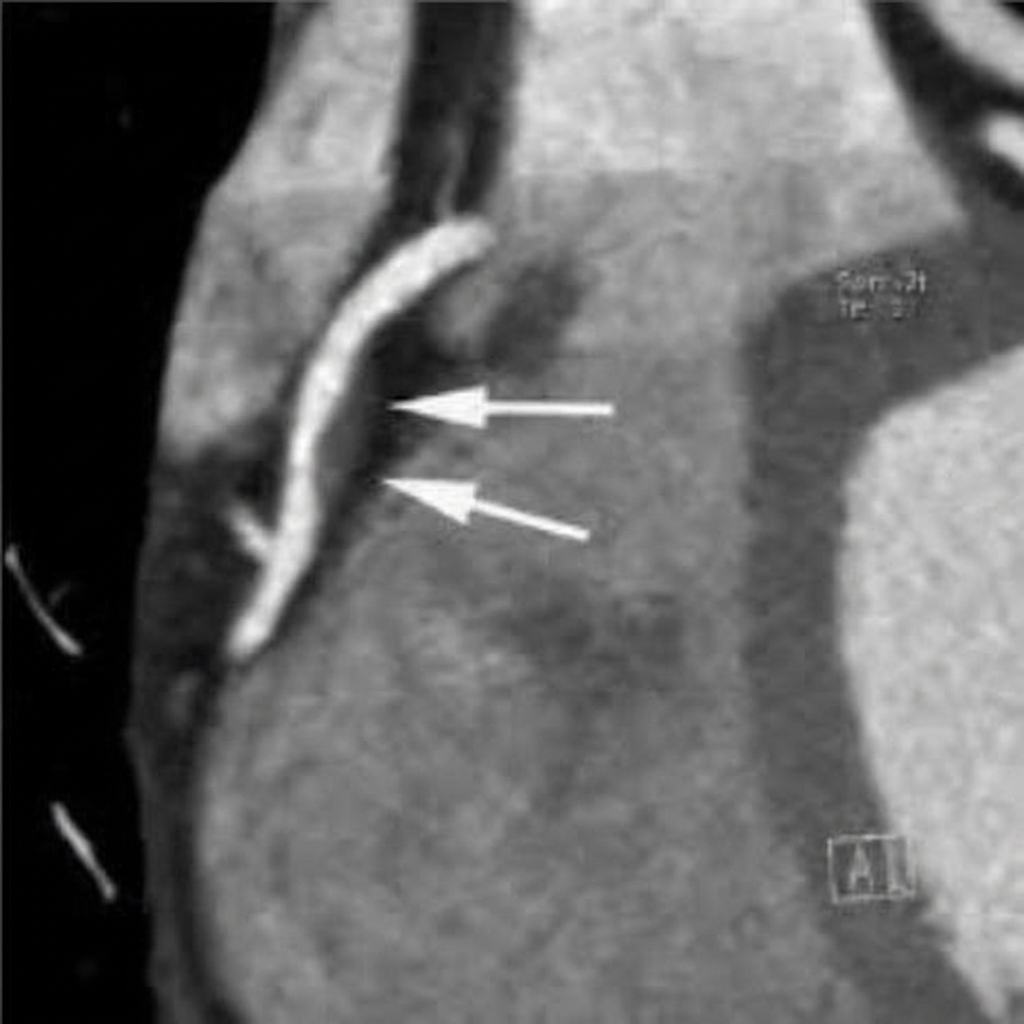
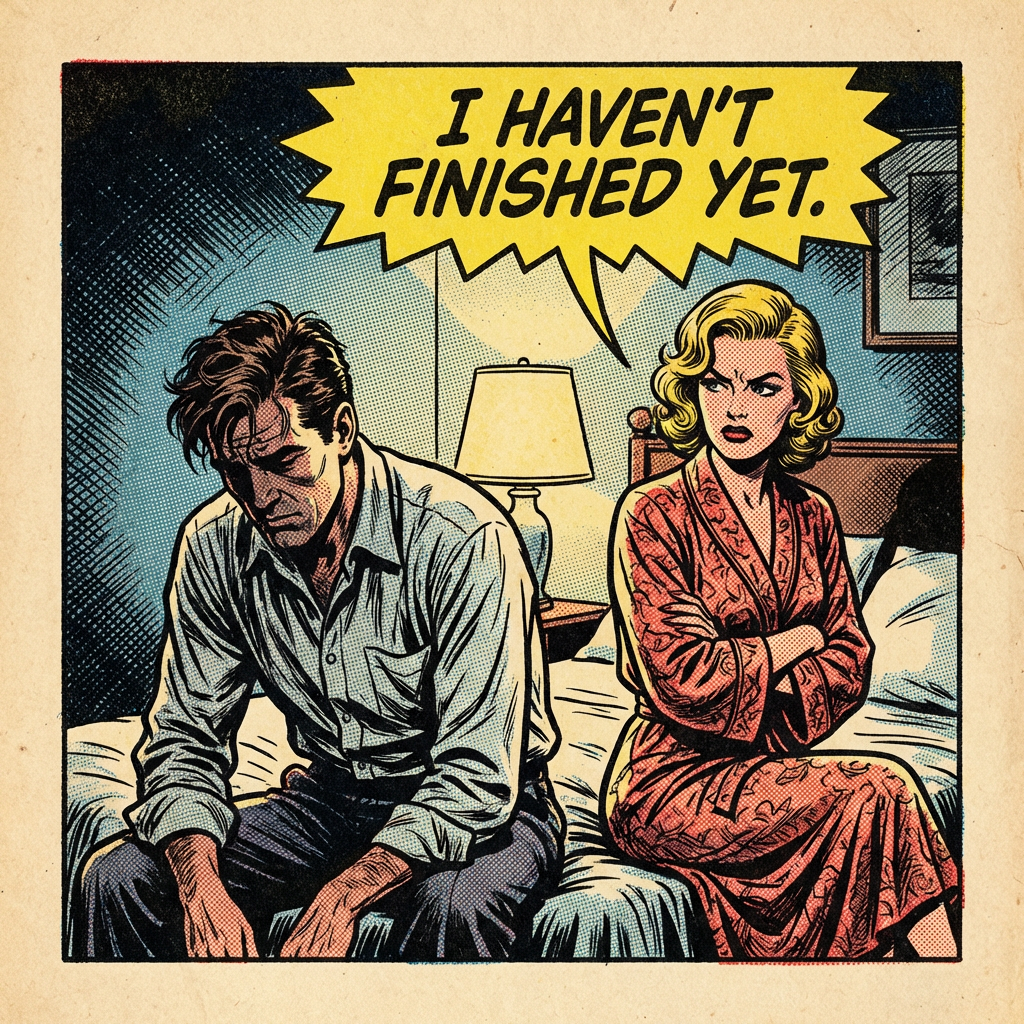
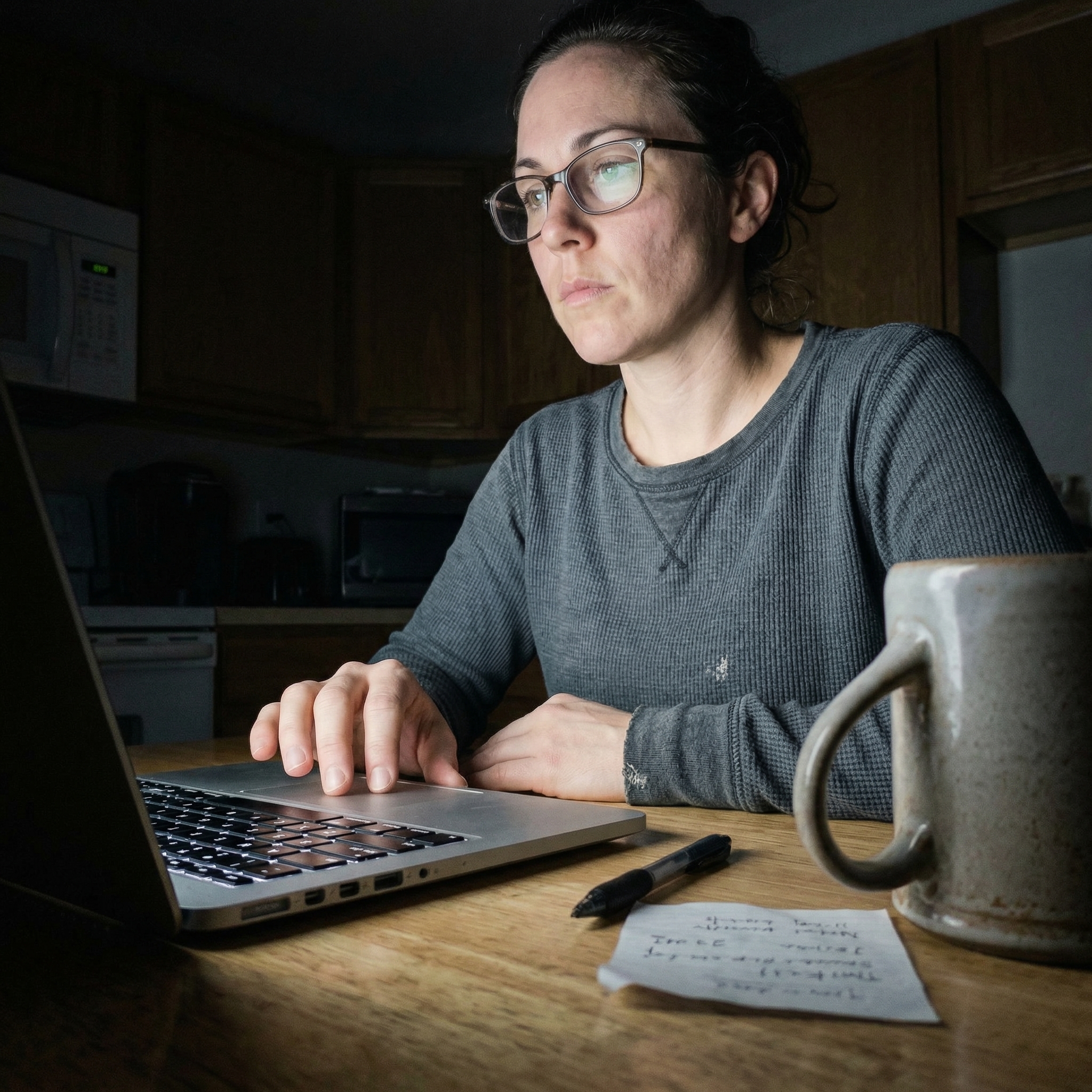
My husband and I sleep in the same bed every night. But we haven't touched each other in fourteen months. And I'm the reason. Not because I don't want him. Because I stopped reaching for him. Because the last three times I reached for him, his body didn't respond. And the look on his face — the shame, the frustration, the way he couldn't look at me afterward — was worse than not being touched at all. So I stopped. I told myself I was being kind. Taking the pressure off. Giving him space. But that's not what I was doing. I was protecting myself. Because reaching for your husband and feeling him pull away — not because he doesn't want you, but because he's terrified his body will fail — is a kind of rejection that doesn't have a name. It's not real rejection. I know that. He's not choosing to pull away. But my body doesn't know the difference. My body just knows: I reached. He pulled back. And now I don't reach anymore. I'm writing this because he never would. He doesn't know I'm doing this. He'd be mortified if he did. But someone needs to say what's happening in our house. Because I know — I know — we're not the only couple living like this. My husband is 56. He's a good man. A great father. Still makes me laugh after 24 years. He's the kind of man who opens every door. Who carries every bag. Who checks the locks twice before bed. He's capable. Competent. Steady. Except in this one area. And this one area is slowly, quietly dismantling everything else. It started about five years ago. He came home from a doctor's appointment with a prescription. Didn't tell me what it was for. I found the little blue pills in his nightstand drawer three weeks later. I didn't say anything. I figured — he's handling it. He went to the doctor. He got help. It's fine. And it was fine. For a while. Then I started noticing the timing. He'd take a pill about an hour before bed. I could tell because he'd go to the bathroom, come back, and then suddenly be more attentive. More present. Like a switch flipped. At first I thought: okay, so this is how we do it now. Not ideal. But we're together. It's working. Then the side effects. After, he'd be miserable. Headache. Stuffed up. Flushed. He'd lie there staring at the ceiling, breathing through his mouth, and I'd think: is this really worth it? For either of us? He never complained. He just endured it. Because he wanted to be able to show up for me. That's the part that breaks my heart. He was suffering through side effects — every single time — because he didn't want to let me down. Then the pills started failing. Not all at once. Gradually. Some nights they worked. Some nights, nothing. And some nights — the worst nights — they'd work just enough to get started, and then stop. Mid-act. I could feel it happening. The change. The softening. The panic in his body. He'd try to keep going. Shift positions. Force it. And I'd lie there thinking: please, not for me. Don't do this for me. I'd rather stop than watch you suffer through this. But I couldn't say that. Because saying "we can stop" felt like saying "I've given up on you." And I hadn't. So we'd both push through. Or we'd stop and he'd apologize and I'd say "it's fine, really" and we'd lie there in the dark, each carrying our own version of the same sadness. The apologies were the worst part. "I'm sorry." "I don't know what happened." "I'll call the doctor." He'd say it like he'd failed at something fundamental. Like he'd broken a promise. And I wanted to scream: you didn't fail me. Your body did something you can't control. This doesn't change how I see you. This doesn't change what you are to me. But I couldn't find the words that would actually land. Because anything I said sounded like what you say to make someone feel better. Not what you say to fix it. And he didn't want comfort. He wanted to work. Over the next two years, I watched him try everything. Higher dose. Different pill. The weekend one. He never told me he switched — I just noticed the different packaging. He ordered supplements online. Three different times. I'd see the Amazon boxes. He'd put them in the cabinet next to his vitamins. They'd sit there for a month, maybe two. Then quietly disappear. They didn't work. None of it worked. And with each thing that failed, he pulled away a little more. He started going to bed later. "I'm gonna watch the end of this." "Go ahead, I'll be up soon." The excuses were so casual that at first I didn't notice the pattern. But then I did. He was timing it. Going to bed after me. Making sure I was asleep before he came upstairs. Not because he didn't want to be near me. Because being near me meant the possibility of trying. And trying meant the possibility of failing. And failing — in front of me, the person whose opinion matters most — was unbearable. So he chose distance. And I let him. Because I didn't know what else to do. There was one night — about eight months ago — that I almost said something terrible. We were in bed. It was a Saturday. Kids were at sleepovers. Empty house. Perfect conditions. And we both knew it. He was lying on his back. I was lying on my side. A foot of space between us. I could feel him thinking. Calculating. Working up to it or talking himself out of it. I don't know which. I wanted to reach for him. I wanted to close that gap and touch him and let whatever happened, happen. But there was this voice in my head. What if you reach for him and he can't? What if he sees the disappointment on your face even though you're trying not to show it? What if this is the time that breaks him? The time he stops trying completely? So I didn't reach. And he didn't reach. And we lay there. In an empty house. On a Saturday night. A foot apart. And the thing I almost said — the terrible thing — wasn't about another man. It wasn't about leaving. It was: "I miss you." Two words. And I couldn't say them. Because "I miss you" when you're lying right next to someone is the loneliest sentence in the English language. It means: you're here but you're not. We share this bed but not each other. I can hear you breathing and I've never felt more alone. I turned over and pretended to fall asleep. He lay there for another hour. I know because I was counting his breaths. After that night, something shifted in me. Not toward leaving. Not toward anyone else. Toward research. I couldn't fix his body. I couldn't take the shame away. I couldn't make the pills work. But I could search. I could read. I could try to understand what was actually going wrong. He'd stopped looking for answers. I could feel it. The quiet resignation. This is just who I am now. I wasn't ready to accept that. Not for me. For him. Because the man avoiding me at bedtime — that isn't him. That's a man trapped by something he doesn't understand. And if nobody else was going to figure it out, I would. I started reading late at night. After he fell asleep. Not "how to fix your husband's ED." I tried that first and it was all garbage. Empty advice from people who've never lived with this. I started reading about why the pills stop working. Because that was the question nobody answered. Not his doctor. Not the internet. Not any of the Amazon products. The pills worked for two years. Then they didn't. Why? And that's when I found it. Arterial calcification. Calcium deposits that build up inside blood vessel walls over time. Happens in every man, starting around 40. Gets worse with age. The blood vessels that are supposed to be smooth and flexible get stiff. Narrowed from the inside. Like plaque building up in a pipe. The pills work by boosting nitric oxide — the signal that tells blood vessels to relax and open up. But if the vessels are clogged with calcium? They can't fully open. The signal is there but the pipe is blocked. That's why it's inconsistent. Some nights enough blood gets through. Some nights the blockage wins. And the pills can't clear calcium. Not at any dose. They just try to force the vessels open around it. And eventually, the buildup gets bad enough that forcing doesn't work anymore. I sat at my kitchen table at 1 in the morning reading this and I cried. Not because it was scary. Because it was fixable. Because there was an actual, physical, specific reason. Not "age-related decline." Not "it happens to a lot of men." Not the vague, dismissive non-answers his doctors had given him. Calcium. In his blood vessels. Building up for years. And nobody told him. The next question was obvious: what clears it? NAD+. A molecule the body produces that supports cellular repair — including breaking down calcium deposits in arteries. Levels drop sharply after 40. By 55, roughly half gone. His body didn't have enough to maintain its own blood vessels. L-Citrulline. Supports the body's natural production of nitric oxide. Same pathway the pills target but supporting the body's own ability instead of forcing a temporary spike. CoQ10. Cellular energy. Powers the mitochondria — the energy source inside every cell. Including the ones that line his blood vessels. Ashwagandha. Reduces cortisol. I read that anxiety physically constricts blood vessels — meaning every time he panicked about performing, his own stress hormones were making the problem worse. A vicious cycle. And the reason the Amazon supplements failed: they get destroyed in stomach acid before they reach the bloodstream. You need liposomal delivery — nutrients wrapped in a fat layer that bypasses digestion. Otherwise you're swallowing expensive powder that mostly passes right through. I found a supplement called Boostiva. Had everything on the list. Liposomal. Right forms. Right combination. I ordered it that night. Didn't tell him what it was for. When it arrived, I put it next to his coffee maker. "I read about this. It's supposed to help with energy and focus. The reviews were good." He picked up the bottle. Read the back. Shrugged. "Sure." He started taking two capsules every morning. Didn't ask questions. I didn't expect anything to happen fast. The research said 30 to 90 days for meaningful changes. So I waited. And I watched. Week one. Small things. He was more awake after dinner. Normally by 8pm he's half-asleep on the couch. But he was up. Talking. Playing with the dog. Present. I didn't say anything. Week two. He touched me. Not sexually. He came up behind me while I was cooking and put his arms around me. Put his chin on my shoulder. Just stood there. He hadn't done that in — I actually can't remember the last time. I froze. Not because it was unwelcome. Because I'd forgotten how it felt. I leaned back into him. Neither of us said a word. Week three. I woke up early one morning and looked over at him. He was asleep. And his body was... responding. I hadn't seen that in the morning in a very long time. I didn't wake him. I just lay there and felt something I'd been protecting myself from for over a year: Hope. And I was terrified of it. Because hope, in this situation, is dangerous. Hope is what makes the next failure devastating instead of just disappointing. But I couldn't help it. Something was different. Week four. He came to bed when I came to bed. Not after me. Not an hour later. At the same time. He got under the covers and turned toward me. And I could see in his face — this mixture of determination and fear. Like he wanted to try but was terrified of what would happen. I put my hand on his chest. "We don't have to," I said. "We can just be here." But he shook his head. And he reached for me. It worked. I don't want to describe it in detail because this isn't about the act. It's about what happened after. He held me. Not the way he'd been holding me — careful, distant, one arm loosely draped. He actually held me. Like he used to. Like he'd been drowning and finally found something solid. And he said: "I'm sorry it took so long." Not "I'm sorry I couldn't perform." "I'm sorry it took so long." Like he was apologizing for all of it. The distance. The excuses. The couch. The year and a half of lying in the same bed a foot apart. I said the thing I'd been holding back for eight months: "I missed you." And he said: "I missed me too." That was about two months ago. It's different now. Not perfect. We're not 25. We have jobs and kids and the regular life of a couple who's been together 24 years. But the gap is gone. That foot of space in the bed — the one that grew wider every month — it closed. He comes to bed when I come to bed. He reaches for me without calculating. Sometimes it leads somewhere. Sometimes we just lie there, close. Both options feel good. He has more energy. Not just at night. During the day. He's more alive. More present. More like the man I married — not the ghost that was walking through our house pretending everything was fine. I noticed the drive came back too. The way he looks at me sometimes. The way he touches me when he walks past. Not with purpose. Just because he wants to. I didn't know how much I'd missed being wanted until he started wanting me again. There's one more thing. Last week I told a friend. We were having coffee. She'd been going through something similar with her husband. She hadn't said it in so many words but I could hear it in the things she wasn't saying. So I told her. Not about the supplement. About the calcification. The blood vessels. Why the pills stop working. And I watched her face change. The same thing I felt at my kitchen table at 1am. Not fear. Relief. Because there was a reason. And the reason was fixable. She ordered Boostiva that night. I gave her the link. Her husband doesn't know yet. Same way mine didn't. She told me yesterday — he's been taking it for two weeks. She's watching the same small changes I watched. The energy. The presence. The way he's starting to look at her again. She said: "How did you find this?" And I said: "Because he stopped looking and I couldn't." I'm writing this for the wives. The ones lying awake next to a man who's turned away. The ones who stopped reaching because watching him fail is worse than not trying. The ones who say "it's fine" so often they've almost started believing it. The ones who miss their husbands. Not the sex. Their husbands. The man who used to reach for them without thinking. The man who came to bed because he wanted to be near them. The man who's still in there, somewhere underneath the shame and the pills and the excuses. He's not gone. He's clogged. Calcium deposits in his blood vessels, building up for years, blocking the blood flow that the pills were trying to force through. The pills can't clear it. No dose can. No injection can. But there are nutrients that can support the body in breaking it down. NAD+. L-Citrulline. CoQ10. Ashwagandha. In the right forms. At the right doses. With liposomal delivery so his body actually absorbs them. The supplement is called Boostiva. I left it next to his coffee maker and told him it was for energy. He didn't need to know what it was really for. He just needed to take it. If you're reading this and it sounds like your house — order it. Don't ask him. Don't make it a conversation about "the problem." Just put it next to his coffee and say "I read about this, it's supposed to help with energy." He'll take it. He doesn't need to know why. Not yet. He just needs his blood vessels cleared and his body working again. And one night — maybe week three, maybe week five — he'll come to bed when you come to bed. And he'll reach for you. And you'll feel it instantly — this isn't forced. This isn't a pill kicking in. This isn't the calculated, anxious version. This is him. The real him. The one you've been missing. 60-day money-back guarantee. Nothing to lose. Except that gap in the middle of the bed. https://tryboostiva.shop/pages/she-wants-it-and-you-want-it-but-your-d-won-t-cooperate P.S. He still doesn't know I ordered it. He thinks he found it himself because I left the shipping confirmation "accidentally" open on my laptop. That's fine with me. He doesn't need to know it was me. He just needs to keep reaching.
Where the ad sends people
boostiva.com
What I put next to his coffee
BOOSTIVA
Learn more: tryboostiva.shop(opens in a new tab)