
Inactive· since Mar 11, 2026
- 17
- days it ran
- 1
- relaunches
Ad copy
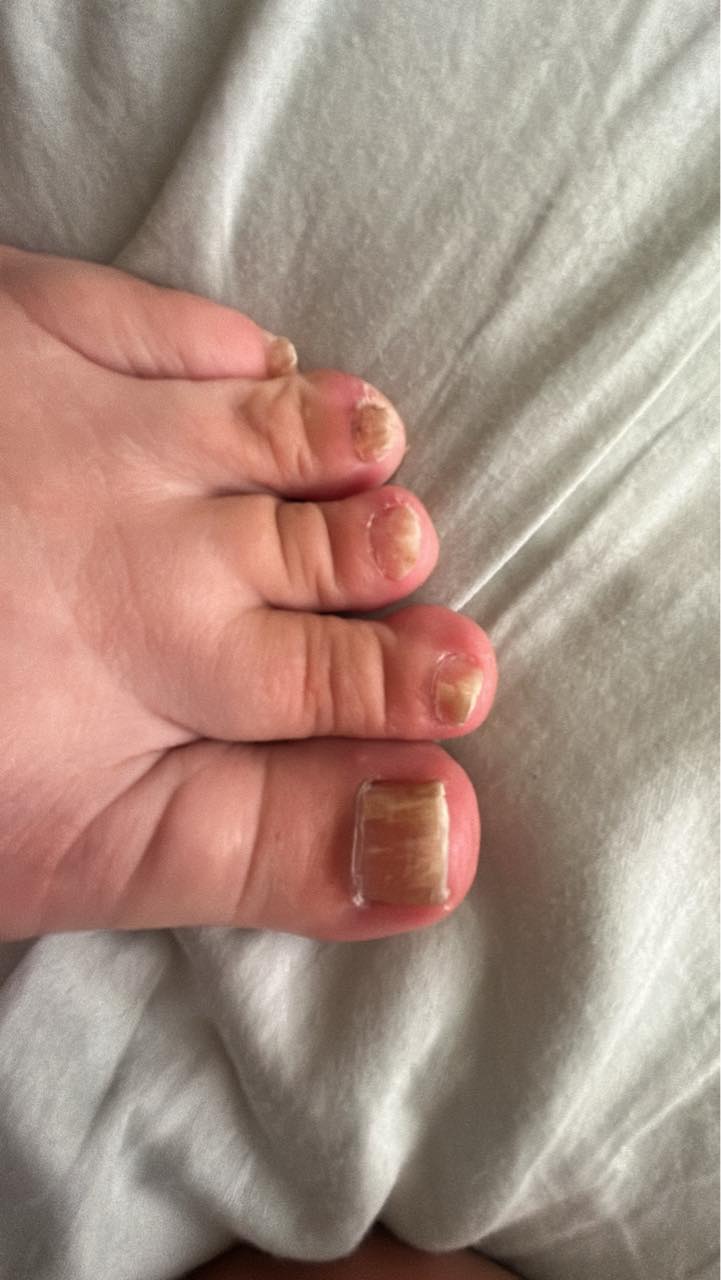
Got prescribed Terbinafine today. The same pill that destroyed my husband's liver enzymes for eight months before the fungus came right back anyway. Podiatrist looked at my toenails, said "chronic onychomycosis with subungual involvement," and wrote the prescription before I could ask a single question. 250 milligrams daily. For 12 weeks. With monthly blood tests to monitor liver function. I took the prescription. Walked to my car. Sat there. Couldn't drive. Couldn't move. Just sat there holding this piece of paper. Terbinafine 250mg — daily x 12 weeks. Monthly hepatic panel. My husband did this four years ago. I don't know what to do. March 15th Didn't fill it yet. Daughter asked why. I couldn't answer. Just keep thinking about David. He went through the entire protocol. Never missed a dose. Took it with food like the doctor said. Went to every blood test. Would show me the lab results every month — "See? Liver enzymes are still in range. The treatment is working." He'd show me his nails too. After the first month. "Look, the base looks a little different. Less yellow right at the cuticle. The dermatologist said it takes time." But it wasn't working. Month 2, the nausea started. Subtle at first. He figured it was just a sensitive stomach. Month 3, he lost his appetite. Couldn't eat dinner without feeling sick. Food tasted metallic. He'd push his plate away after a few bites and say "I'm just not hungry." That wasn't David. That man ate everything. Second helpings every night for thirty years. Month 4, the fatigue hit. He'd come home from work and collapse on the couch. No energy to walk the dog. No energy to help with dinner. In bed by 8:30 PM. "It's just the medication," he'd say. "Three more months and I'm done." Month 5, his liver enzymes spiked. The dermatologist paused the treatment for two weeks. "Let's let your liver recover." Then restarted at the same dose. Month 6, he was a different person. Exhausted. Nauseous. Brain foggy. Yellow-gray skin. He looked sick. I found him one morning in the bathroom. 6 AM. Sitting on the edge of the tub. Staring at his feet. "They're the same, Karen," he whispered. "Six months of this poison and my nails look exactly the same. The yellow is still there. The thickness is still there. I can't even tell it's doing anything." His liver enzymes were "technically in range." But barely. His doctor called it "acceptable." I called it watching my husband deteriorate. Month 7, he stopped taking it. Couldn't do it anymore. The nausea stopped within a week. His appetite came back. Color returned to his face. But his nails. His nails were exactly where they started. Month 9 — three months after stopping — the fungus spread to two more toes. "Recurrence after discontinuation of oral antifungal therapy," his dermatologist noted. "Expected in 25-50% of cases." Expected. They KNEW it would come back. And they prescribed it anyway. Now he has eight toes infected instead of six. And eight months of liver damage for nothing. I keep coming back to that. If the treatment was supposed to work — if the dermatologist called it "the gold standard" — why did the fungus come back the moment he stopped? Why were his nails the same after six months? Why did his body have to pay the price for a treatment that didn't hold? That doesn't make sense. March 18th Podiatrist's office called. "You haven't filled your Terbinafine prescription." I said I needed more time. The receptionist sounded concerned. "Your infection is spreading. Your big toenails have significant thickening and discoloration. Dr. Patel recommends starting treatment as soon as possible." As soon as possible. David's fungus still came back after eight months of "as soon as possible" treatment. What's urgent is I don't want to end up like him. Eight toes infected instead of six. And a liver that took a year to recover. March 22nd Can't stop thinking about the recurrence. Month 9 after David stopped treatment. I found him sitting on our bed. Shoes off. Staring at his feet. "It's back, Karen. The two toes that were almost clear — they're yellow again. And now my pinky toes are starting." I drove to the pharmacy that afternoon. Hands shaking. Not to fill a prescription. To buy every topical treatment on the shelf. If the pills were too dangerous, maybe the creams would work. Ciclopirox lacquer. Tolnaftate cream. Tea tree oil. Undecylenic acid. "Apply twice daily," every label said. "Results in 6-12 months." He painted. Filed. Soaked. Applied. Every single day. The podiatrist's response? "Topical antifungals have limited penetration in cases of chronic onychomycosis. But they can help manage the infection." Manage. Not cure. Manage. While the fungus sat under the nail. Protected. Fed. Growing. I remember finding him one night. 11 PM. Bathroom floor. Filing his big toenail with a metal file. Yellow debris everywhere. The nail so thick the clipper couldn't cut it anymore. "It doesn't matter what I put on them," he said. "Nothing gets through. I file them down, paint on the lacquer, and by the next morning the nail looks exactly the same. Four months of this and I can't see any difference." The topicals were sitting on the surface by then. The lacquer would dry into a thin film on top of the nail. But the infection was UNDER the nail. Behind something the topicals couldn't reach. I'm already noticing my own nails changing. That slight yellow tinge on my big toenail that wasn't there last summer. The way the edge feels rougher when I rub my finger across it. The thickness that makes my shoe feel tighter on the right foot. What if it gets worse on the same treatments that failed David? What if the Terbinafine destroys my liver and the fungus comes right back? What if I end up painting lacquer on my nails every night for years while they slowly turn into what David's look like now? March 25th The side effects. God, the side effects. Month 5 of David's treatment. David stopped being David. I called my sister one morning. Voice shaking. "Something's wrong with David. He can barely get through the day. He's nauseous by noon. He says food tastes like metal. He hasn't had energy to do anything in weeks. His skin looks yellow." The Terbinafine had turned a healthy, active man into someone who looked ten years older. Within five months. I found notes on his phone. He'd been tracking his symptoms because the doctor kept saying they were "within normal range." He wrote: "Day 147: Nauseous all morning. Metallic taste won't go away. Exhausted by 2 PM. Joints ache. Can't concentrate. When does this end?" Day 147. He was counting the days. Terbinafine doesn't care about your quality of life. It doesn't care that you can't enjoy a meal or stay awake past 8 PM or think clearly at work. It carpet-bombs your liver to kill a fungus that's hiding behind a shield the drug can barely reach. Twelve weeks of poisoning your body for a 25-50% chance it comes back anyway. I'm 56. I want to enjoy dinners with my husband. I want to have energy to play with my grandkids. I want to keep my liver healthy. I don't want to spend twelve weeks feeling like I'm slowly being poisoned for a treatment that might not even last. March 28th Husband found me up at 2 AM last night. Sitting at the kitchen table with my laptop. Research articles everywhere. "Karen. What are you doing?" "Research." He sat down. Looked at the screen. I'd typed: "why doesn't nail fungus treatment work long term" First result: Medical journal. "Chronic onychomycosis is characterized by a mature fungal biofilm — a hardened, waterproof biological shield composed of extracellular polymeric substance (EPS) — that protects the fungal colony from both topical and systemic antifungal agents. This biofilm matrix can increase fungal resistance to treatment by a factor of 1,000." One thousand times. Not a little resistant. One thousand times more resistant. He didn't say anything. Just sat there reading with me. Clicked another link. Patient forum. "I painted Jublia on my toenails every night for 48 weeks. FORTY-EIGHT WEEKS. $580 per bottle. My nails look exactly the same. My podiatrist said 'topical penetration in mature infections is very low.' Then why did you prescribe it for a year? Why did I spend $2,300 on something you knew probably wouldn't work?" That could be David writing that. Another post: "Took Lamisil for 3 months. Nausea, brain fog, couldn't taste food. Nails looked slightly better by month 4. Then by month 8, the yellow was creeping back from the cuticle. Did the whole thing again. Same side effects. Same results. Same recurrence. $3,400 in doctor visits and medication. My nails look worse now than before I started treatment." Another: "My dermatologist keeps saying 'we can try another round of Terbinafine.' I've done two rounds. Each time it comes back. At what point do we admit this isn't working?" Another: "The lacquer doesn't penetrate the nail. The pills don't kill the biofilm. The laser is $4,800 and temporary. So what exactly IS the treatment plan here? Because from where I'm sitting, the plan is 'keep paying us while your nails get worse.'" My husband looked at me. "These people... they sound exactly like me." "I know." "But their doctors keep prescribing the same thing." "I know." "So what's going on?" "I don't know. But I'm not filling that prescription until I figure it out." April 2nd Found something. Was searching "why does nail fungus resist treatment" and found a study. "Chronic onychomycosis is primarily sustained by a mature fungal biofilm — a waterproof biological shield that topical antifungal agents physically cannot penetrate through the nail plate. Oral antifungals achieve partial biofilm disruption but fail to fully dissolve the extracellular matrix, resulting in high recurrence rates upon treatment discontinuation." Read it three times. Topicals can't get through the nail. Pills can't fully dissolve the shield. That's why it comes back. Your nail is supposed to grow out healthy once the fungus is cleared. That's what clear nails do. New keratin pushes forward from the cuticle. Pink. Smooth. Normal. If the biofilm is blocking that process — if the fungal fortress keeps regenerating under the nail — no amount of surface lacquer or temporary pill courses will clear it permanently. You could paint lacquer every night for ten years. If the biofilm fortress under your nail keeps rebuilding, the fungus keeps surviving. Oh my god. What if that's what happened to David? April 3rd Couldn't sleep. Back at the laptop. Searched: "fungal biofilm nail penetration" Article after article. "Dermatophyte biofilms in chronic onychomycosis are encased in a hydrophobic extracellular polymeric substance (EPS) matrix that physically repels water-based topical agents. The nail plate itself acts as an additional barrier, limiting topical drug penetration to 1-3% of applied concentration in mature infections." There it is. That's the fortress. That's the mechanism. A waterproof shield UNDER a waterproof nail. Double barrier. No topical can reach it. Found a study: "Recurrence rates following oral Terbinafine therapy range from 25-50% within 12 months of treatment completion, with biofilm persistence identified as the primary driver of treatment failure." Twenty-five to fifty percent. Within one year. And the standard treatment? More pills. More lacquer. More filing. They never dissolved David's biofilm. April 4th Went down a rabbit hole. If topicals can't penetrate and pills can't hold... what happens over time? Searched: "long term chronic nail fungus complications" "Untreated or undertreated chronic onychomycosis results in progressive nail plate destruction, secondary bacterial infections, spread to additional digits, cellulitis risk in immunocompromised patients, and permanent nail matrix damage resulting in irreversible nail deformity." I sat back from the laptop. Stared at the screen. David's problems didn't appear all at once. They appeared in sequence. Year 1: Yellow tinge on big toenail. Podiatrist prescribed ciclopirox lacquer. Year 2: Lacquer showed no improvement. Added filing routine. Started Jublia. $580 per bottle. Year 3: Spread to second toe despite Jublia. Switched to Terbinafine pills. Twelve weeks. Year 4: Nausea, fatigue, metallic taste, liver enzyme spike. Treatment paused. Restarted. Completed the course. Year 5: Three months clear. Then recurrence. Yellow creeping back. Two more toes infected. Year 6: Tried laser treatment. $1,200 per session. Four sessions. $4,800. Slight improvement that lasted three months. Year 7: Back to topicals. Tea tree oil. Vicks VapoRub. Vinegar soaks. Filing. Every night. A ritual of futility. Year 8: Eight toes infected. Thick, crumbling, yellow-brown nails. Can't wear sandals. Hasn't been barefoot outside in six years. Trims them with heavy-duty clippers that look like wire cutters. One treatment led to another led to another led to another. What if it wasn't eight separate failures? What if it was one problem — a biofilm fortress under the nail that none of those treatments could dissolve? While the treatments themselves created new problems? Lacquer sits on the surface. Can't penetrate. The biofilm under the nail rebuilds untouched. Terbinafine partially disrupts the biofilm through the bloodstream. But can't fully dissolve the EPS matrix. So the biofilm reforms when you stop. And your liver pays the price. Laser heats the nail. Temporary disruption. Biofilm regenerates within months. And nobody ever dissolves the fortress. Eight years. Three dermatologists. Two podiatrists. Not one dissolved his biofilm. Not once. April 5th Why didn't anything ever work long-term for David? Every time he'd start a new treatment, hope would return. "Look, the base of my nail might be slightly less yellow." Every time, a few months later, the yellow would be back. The thickness unchanged. The crumbling continuing. He'd hold his foot up to the lamp. Examine the nail. Compare it to photos from his phone. "I think it's a little better right after I started the new treatment," he'd say. "But then it goes right back." That's not better. That's temporary. The lacquer was sitting on the surface of a waterproof nail. The pills were partially disrupting a biofilm that rebuilt when the course ended. The laser was heating tissue that cooled back to normal within days. Because nobody was permanently dissolving the waterproof shield protecting the colony underneath. Eight years of "it's a little better when I start a new treatment." Eight years of yellow, thick, crumbling nails between treatments. Eight years of thinking treatment was "working" because one window looked slightly better while the fungus spread to toe after toe after toe. Of course nothing got better. You can't kill an enemy in a bunker by throwing water balloons at the roof. April 8th I'm showing symptoms now. Not just the yellow tinge. The thickening. My right big toenail is noticeably thicker than it was six months ago. When I run my finger across it, there's a ridge where the surface used to be smooth. The texture. The edge is rough. Crumbly. Tiny pieces of debris fall off when I file it. That didn't happen last year. The color. Not just at the tip anymore. The yellow is creeping back toward the cuticle. Slowly. But I can see it moving. The dread. That sinking feeling when you take off your socks at night and look down. Checking. Comparing to last week. Wondering if it's worse. This is how it started with David. Year 1. Just a yellow tinge on one nail. "Probably nothing. I'll try some cream." By Year 5, he'd done two rounds of Terbinafine and had six toes infected. By Year 8, he owned a rotary tool to file down nails too thick for clippers. I have that same dread now. Sitting in my stomach. Every evening when the socks come off. I'm on the same path. April 10th Okay so it's a biofilm fortress behind a waterproof nail. But what am I supposed to do about that? Can't "just apply more lacquer." The nail blocks 97% of topical agents. The 3% that gets through meets the biofilm and bounces off. Can't "just take the pills." Terbinafine partially disrupts the biofilm but can't fully dissolve it. 25-50% recurrence within a year. And the liver damage. "File down the nail so the lacquer penetrates better." Everyone says that. My podiatrist said that. "You need to thin the nail first, then apply the topical so it can reach the infection." As if I'm not trying. As if I'm choosing to watch my nails turn yellow. I filed. Every week. Thinned the nail as much as I could without causing pain. Then applied ciclopirox. Every night. The lacquer dried on top of a thinned nail — and the biofilm underneath was untouched. Like thinning the roof of the bunker from twelve inches to ten inches. The bunker is still there. Tried tea tree oil. The "natural antifungal" every blog and forum recommends. Applied it twice daily for six weeks. With a cotton swab. Pushed it under the nail edge as much as I could. Zero change. The oil sat on the surface. Evaporated. The infection underneath didn't care. I need something that actually reaches the infection. Not on the surface. UNDER the nail. At the nail bed. Through the biofilm. April 12th Searched "how to dissolve nail fungus biofilm" Lacquers came up. Don't want more surface treatments. Terbinafine came up. Don't want more liver damage. Then I found something else. "Lipid-soluble antifungal compounds — specifically carvacrol (from oregano oil) — demonstrate direct biofilm matrix degradation activity, chemically dissolving the extracellular polymeric substance shield protecting dermatophyte colonies. When delivered systemically through the bloodstream, these compounds bypass the nail plate entirely and reach the nail bed from the inside." Read it again. Through the bloodstream. Bypass the nail. Reach the infection from underneath. Not through the nail. Not on top of the biofilm. Through the blood, into the nail bed, dissolving the shield from within. Like getting inside the bunker instead of throwing things at the roof. Found a study: "A 2019 meta-analysis reviewed 31 clinical studies and concluded that carvacrol demonstrates potent antifungal activity against dermatophyte species, with direct biofilm matrix degradation at concentrations achievable through oral supplementation." Published research. Peer-reviewed. Not a blog post. That's... that's what I need. Ordered a generic oregano oil supplement from Amazon. $14. Two-day shipping. Started taking it Wednesday. May 24th Six weeks on the generic oregano supplement. Nothing has changed. Still yellow. Still thickening. Still crumbling at the edges. Looked up the label. "Oregano oil extract — 150mg." No standardization. No carvacrol percentage listed. No mention of bioavailability. Herbal blend. Marketing fluff. That's not what the studies used. I needed pharmaceutical-grade concentration. Standardized carvacrol. The actual biofilm-dissolving compound at clinical levels — not a watered-down capsule from a warehouse. Wasted six weeks. Bought a different brand. More expensive. "Premium wild oregano oil — extra strength." Still just a generic herbal supplement. No standardized thymoquinone. No black seed oil for circulation support. No published concentration data. July 19th Eight more weeks. Still nothing. I don't know what else to do. Every evening the dread builds. That sinking feeling when you take off your socks and look down. Every time I check. See the yellow. Feel the thickness. Watch the rough edge catch on the blanket when I get into bed. Every time my husband looks at my feet and I know — I KNOW — he's seeing his own nails reflected back. Eight toes infected. A decade of failed treatment. I see David. Year 1: Yellow tinge. Lacquer. Year 3: Terbinafine. Liver damage. Year 5: Recurrence. More toes. Year 6: Laser. $4,800. Temporary. Year 8: Filing with a rotary tool. Eight toes. No hope. I'm on Year 1. What comes next? July 27th Something happened today. I was at my daughter's house. She's a registered nurse at a dermatology clinic. Telling her about the generic oregano supplements. How they didn't work. How nothing works. She got quiet. Then she walked over to her laptop. Pulled up a clinical database. "Mom. Generic oregano supplements aren't the same as pharmaceutical-grade lipid-soluble formulations." She opened a research article on fungal biofilm penetration. "A generic herbal blend from Amazon has maybe 20-30% carvacrol. Unstandardized. Mixed with fillers that reduce absorption. That's it. The studies showing biofilm degradation used minimum 70% carvacrol, pharmaceutical-grade, combined with standardized thymoquinone from black seed oil. Completely different potency." She showed me the research. "Your toenail is covered by a waterproof keratin plate. The fungus underneath has built a biofilm — a hardened biological shield. Your topical lacquers hit the nail surface and can't penetrate. 97% wasted. The 3% that gets through meets the biofilm and bounces off. Your Terbinafine partially disrupts the biofilm through the bloodstream — but it can't fully dissolve the EPS matrix. So when you stop the pills, the biofilm rebuilds and the fungus comes right back." Exactly what I found. "You need two things. First: a lipid-soluble compound at pharmaceutical concentration that can chemically degrade the biofilm matrix. Carvacrol from oregano oil — at 70% or higher standardization. Second: a circulation restorer. Thymoquinone from black seed oil reduces vein inflammation and restores blood flow to your extremities. Your toes are the furthest point from your heart. After years of infection, the micro- circulation is compromised. You need to get the antifungal compounds TO the nail bed, and that requires healthy blood flow." "So why didn't my Amazon supplements work?" "Because they were diluted herbal blends with no standardization. The carvacrol wasn't at clinical concentration. No thymoquinone for delivery. No bioavailability support. You were basically taking a flavored oil capsule while the biofilm fortress got thicker." I felt my chest tighten. "I've been wasting months." "Not wasting. Learning. Now you know what to look for." She wrote down what to search. "Pharmaceutical-grade oregano oil. Minimum 70% carvacrol. Standardized thymoquinone from cold-pressed black seed oil. Systemic capsule delivery." July 29th Found one. Company called Orgatics. Their Oregano & Black Seed Oil softgels. Not a generic herbal supplement. Specifically formulated with high-potency standardized carvacrol and thymoquinone. Systemic delivery through the bloodstream. Designed to reach the nail bed from the inside — bypassing the waterproof nail plate entirely. The label listed everything my daughter described. Pharmaceutical-grade Wild Oregano Oil, high carvacrol concentration. Cold-Pressed Black Seed Oil with standardized thymoquinone. Two softgels daily with breakfast. Checked the reviews. "I'm a retired nurse and after twelve years of topicals my nails only got worse. Three weeks on this and I could see a thin line of clear nail at the cuticle. My podiatrist measured the new growth and said she'd never seen that rate of clear regrowth without Terbinafine." "I tried Jublia for 48 weeks and nothing changed. Five weeks on these softgels and the yellow at the base of my nail is fading. Actual change. After years of nothing." "My podiatrist told me to 'accept that this is your life now.' Ordered these because I refused to accept it. Week six — clear crescent at the cuticle on three toes. First new growth in four years." "I stopped Terbinafine after two rounds because my liver couldn't take it. These capsules gave me clear nail growth without a single side effect. My husband noticed before I did." These aren't people talking about herbal supplements. They're talking about their biofilm dissolving. About clear nail actually growing in. About seeing pink for the first time in years. I ordered it that night. August 1st The softgels arrived this morning. Took one out. Read the label. Simple. Clinical. Not a gimmick. Took two softgels. With breakfast. With coffee. That was it. No filing down the nail first. No painting on lacquer and waiting for it to dry. No soaking in vinegar for 30 minutes. No latex gloves. No cotton balls. No fumes. Two capsules. Sixty seconds. Done. Twelve years of David's nightly treatment ritual — filing, painting, soaking, wrapping — replaced by sixty seconds at the breakfast table. The next evening, I took off my socks and looked. Still yellow. Obviously. One day changes nothing. But I noticed something around my cuticle. The skin looked slightly less red. Less inflamed. Might be nothing. Might be my imagination. August 5th One week. Took off my socks this evening. Held my foot up. Looked closely. The inflammation around every cuticle was noticeably reduced. The redness that had been there for months — that angry, puffy ring where the infection meets healthy skin — was calmer. Not gone. But calmer. I checked three toes. Same thing on all of them. The cuticle area looked healthier than it had in... I don't even know. Sat there processing it. Seven days. The cuticle inflammation is already decreasing. Something is reaching the nail bed. Something is reducing the infection at the source. Husband noticed me looking at my feet. "Checking again?" "The redness is going down. Around the cuticles." He leaned over. Looked. His eyes widened slightly. "Huh. They do look... less angry." Less angry. That's exactly right. August 12th Two weeks. Came out of the shower tonight. Sat on the bed. Looked at my big toenail. At the very base. Right where the nail emerges from under the cuticle. A thin line of nail that was a different color than the rest. Not yellow-brown. Not thick. Slightly pink. Slightly translucent. Smooth. New nail. I grabbed my phone. Flashlight on. Zoomed in. Took a photo. Compared it to the photo I'd taken on Day 1. The difference was undeniable. The very base of the nail — the newest growth — was a different color. Lighter. Clearer. The old yellow-brown was still there. But new growth was pushing it forward. I came out of the bathroom. Husband was in bed reading. "David. Look at my toenail." He put his book down. I held up my foot. "Look at the base. Right at the cuticle." He leaned in. Then his eyes went wide. "Is that... is that PINK?" "Two weeks." He stared at my toenail. Then looked at his own feet. Eight toes. Yellow. Thick. Crumbling. His voice cracked. "Karen... if that's real..." "It's real." His eyes got wet. He put his arm around me. We sat like that for a while. Not saying anything. Just looking at one thin line of pink nail. August 19th Three weeks. Went to my granddaughter Emma's pool party. I wore sandals. Open-toed sandals. In August. At a pool party. I haven't done that in over a year. Since the yellow became visible enough that I couldn't hide it with polish anymore. Nobody looked at my feet. Nobody commented. Nobody noticed. But I noticed. I noticed that I wasn't calculating angles — "if I sit with my feet tucked under the chair, nobody can see my toes." I wasn't wearing those ridiculous closed-toe water shoes that scream "I'm hiding something." I wasn't leaving early because the anxiety of exposed feet was making me sick. I was just... at a pool party. Watching Emma jump off the diving board. Laughing with the other grandparents. Present. Someone I hadn't seen in months said, "You seem so relaxed, Karen. More like yourself." I was. August 26th Four weeks. Took off my socks. Examined every toenail carefully. Right big toe: Clear crescent at the cuticle approximately 2mm wide. New growth is smooth, slightly pink, normal thickness. The old yellow-brown infection is being pushed forward by new keratin. Right second toe: Same pattern. Narrower clear band but visible. Left big toe: Clear growth emerging. Less advanced than the right. The three toes that started changing first are showing the most progress. The newer infections — the ones that started this year — are responding faster. I ran my finger across the new growth on my big toe. Smooth. Not ridged. Not crumbly. Not thick. Normal nail. I haven't felt normal nail on that toe in... over a year. I thought healthy nail was gone forever. I thought that's just what happens when fungus takes hold. It was there. Hidden behind a fortress my topical treatments couldn't dissolve. Now the fortress was dissolving. I took a photo. Sent it to my daughter. "MOM!!! I CAN SEE THE PINK!!!" September 1st Called my sister tonight. "The clear nail is growing in," I told her. "The yellow is being pushed forward. I can see pink at the cuticle on five toes. No pills. No lacquer. No side effects." Silence on the other end. "Karen... how?" I explained everything. The waterproof biofilm fortress. Why lacquers can't penetrate the nail. Why Terbinafine doesn't hold. Why David's nails got worse despite eight years of perfect treatment compliance. The difference between generic herbal supplements and pharmaceutical-grade lipid-soluble compounds. The systemic delivery that reaches the nail bed from inside the bloodstream. "I saw the cuticle inflammation decrease the first week," I said. "Then the clear growth started appearing at the base. Week by week — more pink. More normal nail. The yellow is literally growing out." Her voice cracked. "If this works — if you don't end up like David—" "It's working. I can see it. My daughter can see it. David can see it." "I'm ordering it," she said. "Right now." September 8th Podiatrist appointment today. Nurse looked at my chart. Looked at me. "You still haven't filled your Terbinafine prescription." "No." She frowned. Started to say something. Dr. Patel came in. Examined my toes. She stopped mid-examination. "Karen. The nail growth at the proximal cuticle — this is significantly improved." She examined every nail. Used magnification. Measured the clear growth band on my big toe. "Approximately 3 millimeters of clear, healthy nail plate growing from the cuticle. No signs of fungal involvement in the new growth. The color, thickness, and texture are within normal range." She asked about my routine. What changed. What I was doing differently. I told her. Systemic lipid-soluble antifungal capsule. Pharmaceutical-grade oregano oil and black seed oil. Carvacrol dissolves the biofilm from within through the bloodstream. Thymoquinone restores circulation to the nail bed. She typed notes. Asked questions. What brand. What concentration. How often. "This is consistent with what we know about systemic biofilm disruption," she said finally. "Topical agents can't penetrate the nail plate effectively in chronic cases. If the biofilm was reforming after every treatment, the infection would persist indefinitely. A lipid-soluble compound delivered through the bloodstream would bypass the nail barrier entirely." She closed the chart. "Continue what you're doing. The new growth looks healthy. I'd like to see you again in three months to monitor progress. But based on what I'm seeing... we can defer the Terbinafine." Defer the Terbinafine. No twelve weeks of nausea and liver monitoring. No metallic taste. No fatigue. No brain fog. No yellow-gray skin. No following David's path. I walked to my car. Got in. Sat there. Then I called my husband. "She said we can defer the Terbinafine. My nails are growing in clear. She wants to monitor but she could see the healthy growth." I heard him exhale. Then his voice broke. "Karen... I need to try it too." "I already ordered you a pouch." Today It's been ten weeks since I started the Orgatics Oregano & Black Seed Oil softgels. David started three weeks ago. His cuticle inflammation is already decreasing. He checks every morning. Went to my granddaughter's birthday party yesterday. First one in two years I didn't stress about my feet. Wore sandals. Not the strategic ones with the thick straps positioned to cover toenails. Just sandals. Simple, open sandals. Then we went to the beach. Took my shoes off. Walked in the sand. No socks stuffed in my beach bag in case someone looked too closely. No towel draped "casually" over my feet while I sat in the chair. No closed-toe shoes in 90-degree heat. Just feet. In sand. With pink nail growing in at the cuticle. Emma grabbed my hand and pulled me toward the water. "Come on, Grandma!" I went. Barefoot. What I Know Now: Topical treatments don't fix chronic nail fungus. They sit on the surface of a waterproof nail while the fungal biofilm underneath rebuilds untouched. You can paint lacquer every night for ten years. If the waterproof biofilm fortress under your nail keeps rebuilding, the fungus keeps surviving. And spreading. Terbinafine partially disrupts the biofilm through your bloodstream — but it can't fully dissolve the shield. So when you stop taking it, the biofilm reforms. The fungus returns. And your liver paid the price for nothing. The real problem isn't "stubborn fungus." It's a waterproof biological shield that surface treatments physically cannot penetrate — and that oral medications cannot fully dissolve before your liver forces you to stop. Standard podiatry protocols don't dissolve the biofilm. Not because it doesn't matter. Because it's not in the protocol. Most "nail fungus" supplements are just generic herbal blends. They contain trace amounts of active compounds. They don't deliver at pharmaceutical concentration. They can't reach the nail bed. The version that works — pharmaceutical-grade carvacrol from oregano oil and standardized thymoquinone from black seed oil — dissolves the biofilm from within. Delivered systemically through your bloodstream to the nail bed. Bypassing the waterproof nail entirely. You notice it working within the first two weeks. The cuticle inflammation decreases. The redness calms. Then over weeks: clear nail appears at the cuticle. Pink. Smooth. Normal thickness. Pushing the yellow forward. Growing out the infection millimeter by millimeter. Because you dissolved the fortress. I'm writing this down because I want to remember. Six months ago I was terrified. Holding a prescription for the treatment that turned my husband into someone I barely recognized for eight months before the fungus came right back. Watching my body start the same decline. Yellow nails. Thickening nails. Spreading infection. Thought I was trapped. But I wasn't. The trap was believing: Lacquer treats nail fungus (it doesn't — it sits on a surface it can't penetrate while the biofilm underneath is untouched) Terbinafine is the gold standard (it isn't — 25-50% recurrence within a year, plus liver damage) Nails looking "slightly better" after starting treatment means it's working (it doesn't — temporary cosmetic change while the biofilm persists) Your podiatrist is testing for the underlying cause (they're not — they're following the Lacquer-and-Pill Playbook) Generic oregano supplements are the same as pharmaceutical-grade (they're not — concentration and standardization matter) Chronic nail fungus means living with ugly nails forever (it doesn't) All nail health products are the same (they're not) Once I stopped believing those things — once I saw the contradictions — the path became clear. A waterproof biofilm fortress needs to be dissolved from the inside. Not painted over. Not scraped. Not temporarily disrupted by a pill that poisons your liver. Dissolved. Through the bloodstream. With compounds that can actually reach it. Simple. Not easy. But simple. I don't know who will read this. Maybe no one. Maybe just me in ten years, looking back at my clear, healthy nails. But if you're reading this and you see yourself in my story— If your nails keep getting thicker and yellower despite everything you apply. If you've been painting lacquer on your toenails for months or years and nothing changes. If your podiatrist prescribed Terbinafine and you're terrified of the liver damage. If you already took Terbinafine and the fungus came right back. If you've tried tea tree oil, Vicks, vinegar soaks, filing, laser consultations — and your nails look the same or worse. If the fungus has spread from one toe to two toes to five toes while you "treated" it with everything available. If you've stopped wearing sandals. Stopped going to pedicures. Stopped letting anyone see your feet. If your husband, your sister, your daughter has the same infection — and you've watched them try everything too. If you're terrified of watching your nails become what your father's look like. Or your mother's. Or your partner's. What I want you to know: If I hadn't talked to my daughter about pharmaceutical-grade formulations, I'd be on Terbinafine right now. My nails might look "slightly less yellow" at week six. And by month nine the fungus would have come back. And I'd be starting round two. Same side effects. Same liver monitoring. Same temporary results. And in three years, I'd be staring at eight infected toenails like David. And in five years, I'd be filing my nails with a rotary tool because the clippers can't cut through the thickness anymore. Just like David. Because the Terbinafine would "work" — it would partially disrupt the biofilm temporarily. But it wouldn't dissolve the fortress. So the fungus would keep rebuilding. And the treatments would keep poisoning my liver, wasting my money, and giving me false hope. Over and over and over. But I had a choice I didn't know existed. I dissolved the fortress instead. Not instead of caring for my nails. Not against doctors. Just fixed the underlying barrier. So my body could actually grow healthy nail. That choice changed everything. The capsule is Orgatics Oregano & Black Seed Oil. I found it at tryorgatics.com I verified it was pharmaceutical-grade before I bought it. Not generic. Not diluted. High-potency carvacrol. Standardized thymoquinone. Systemic capsule delivery. I saw cuticle inflammation decrease the first week. Clear nail growth by week two. Measurable pink crescent by week four. Podiatrist-confirmed healthy new nail plate at week ten. There's a 90-day guarantee. Try it. Take weekly photos of your cuticle line. Track the clear growth. If it doesn't work, get your money back. I risked nothing. And got my feet back. I'm writing this because I needed to process what happened. How close I came to following David's path. How one conversation with my daughter changed everything. How finding the right solution — not another lacquer, not another liver-toxic pill — actually dissolved the biofilm and let my nails grow back clear. If you read this and something clicks — if you see the contradictions I saw — if you realize your topicals aren't penetrating and your pills aren't holding— Then maybe this diary entry finds you at the right time. Maybe you're standing where I was six months ago. Holding a prescription. Terrified. Trapped. You're not trapped. There's an exit. I found it. You can too.
I spent $800 on creams, lacquers, and soaks that did nothing.
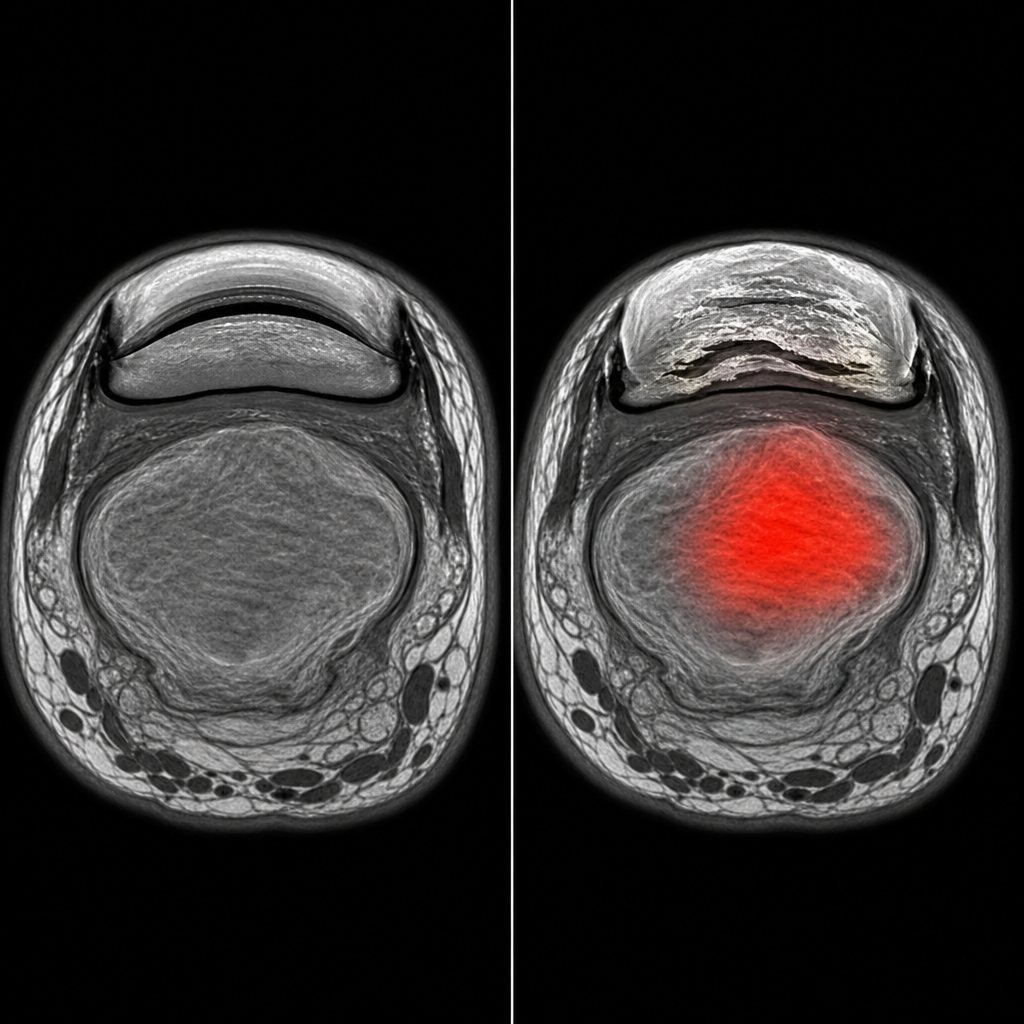
The secret to clear, pink nails. Deep systemic absorption that dissolves the 'Biofilm Shield'.
LEARN MORELike this ad? Make it yours.
Crush rebuilds this exact creative around your product — your brand, your colors, your offer — in about a minute.