Dr. Michael Carter
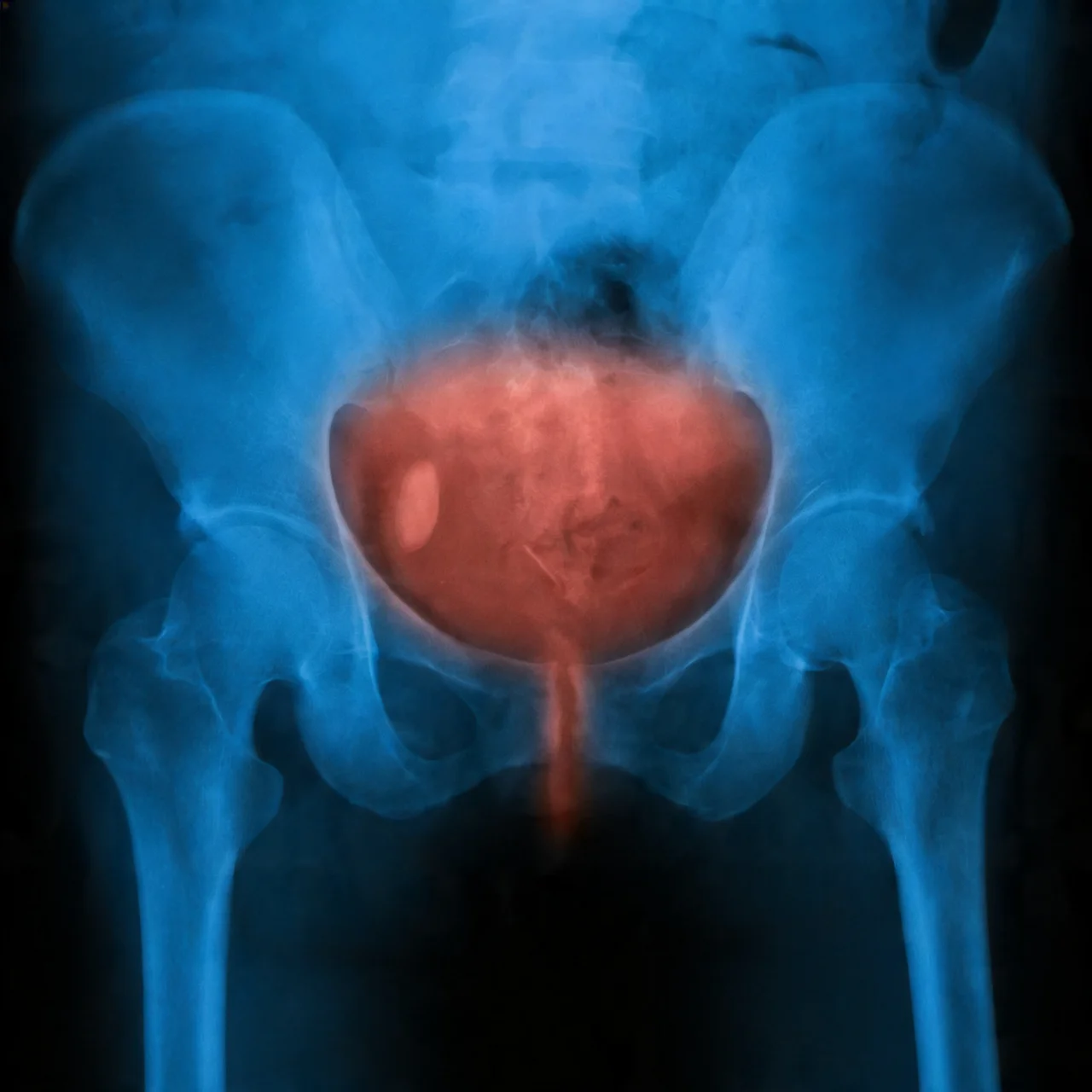
Dr. Michael Carter Facebook ad: “Read if you have Interstitial Cystitis.”
Ran for 11 days, from April 19 to April 30, 2026, the last day Crush saw it.
Run by Dr. Michael Carter on Facebook. Crush is not the advertiser and does not verify its claims. See this ad in Meta's Ad Library(opens in a new tab)
Want an ad like this for your product?
Crush makes new ad images for your product from this ad: your logo, your product photo, your offer.
Trials from $19.95 USD, then $79.95 USD a month. Cancel anytime.
About this ad
- Meta Ad Library ID
- 4528389907377289
- Platforms
- Facebook, Instagram, Audience Network, Messenger and Threads
- Relaunches
- 0
Ad text
I'm a urogynecologist. The hardest thing to tell my interstitial cystitis patients is "your tests look normal." She'd heard it from four doctors before she got to me. "Your urinalysis looks normal." "Your culture came back negative." "Your imaging is unremarkable." "Have you considered speaking with someone about stress management?" She was voiding 28 times a day when I first saw her. The burning after urination lasted so long she'd timed it — sometimes 25 minutes of continuous burning from a single void. She was waking up four times a night. She'd stopped drinking anything after 5pm to try to control the nighttime frequency. She was dehydrated, sleep-deprived, and she'd lost eleven pounds because eating anything produced symptoms and she'd started avoiding food entirely. I looked at her chart. Four previous providers. Four sets of normal labs. One referral to a therapist. One prescription for antidepressants she'd declined. One doctor who'd noted "probable anxiety component" and circled it. She sat in my office and said: "I know what anxiety feels like. This isn't anxiety. Something is wrong with my bladder and I need someone to take that seriously." I took it seriously. Her cystoscopy showed classic IC findings. Diffuse redness. Glomerulations — the tiny hemorrhages that appear when IC bladder tissue is stretched under examination. She flinched visibly throughout the procedure. Diagnosis: interstitial cystitis. Confirmed. But here's what I want to explain — because it matters for understanding why the standard treatment only gets you so far. The tests that came back normal — urinalysis, culture, imaging — were looking for bacteria, blood, structural abnormality. Things that are visible on standard diagnostics. NF-κB activation doesn't show up on a urinalysis. Mast cell density in bladder tissue doesn't show up on imaging. The inflammatory mediators flooding her bladder wall — histamine, TNF-α, IL-6, IL-1β — don't appear on any standard urology workup. Normal tests and devastating disease were both true simultaneously. Because the mechanism generating her symptoms operates at a molecular level that standard IC diagnostics weren't designed to detect. Four doctors looked in the right organ and the wrong places within it. I started her on the standard protocol. IC diet. Prelief. Desert Harvest. Pelvic floor evaluation. We discussed instillations. She improved. Her void count came down to 19 per day. The burning duration shortened. She started sleeping in four-hour windows instead of ninety-minute ones. But the flares continued. Unpredictable, severe, lasting two to four days. And she said something at a follow-up that landed hard. "My labs are still normal. My symptoms are still real. The diagnosis tells me what I have but not why my body keeps doing this. And nothing I'm taking seems to stop it from happening — it just makes the aftermath a little less bad." The aftermath. That's exactly the right word. Everything in the standard IC protocol addresses the aftermath of the inflammatory cascade. Prelief reduces irritants. Desert Harvest supports the lining. Instillations medicate the surface. All downstream of NF-κB — the switch generating the cascade in the first place. Her tests were normal because standard diagnostics don't measure NF-κB activity. Her symptoms were real because NF-κB was chronically overactivated in her bladder tissue regardless of what any test showed. We were still looking in the wrong place — just a different wrong place than the previous four doctors. The 2025 Frontiers in Pharmacology review on phytochemical compounds for IC kept returning to thymoquinone — the primary active constituent of Nigella sativa — as a documented upstream NF-κB suppressor with direct relevance to IC's inflammatory mechanism. This was not another downstream manager. This was something that operates at the switch level — before the cascade generates the symptoms that the diet, the supplements, and the instillations were all designed to address after the fact. I discussed it with her. She was exhausted by supplements that hadn't been enough. I explained the mechanism difference carefully — this isn't competing with what you're taking. It operates one layer earlier than anything you've taken. She tried Loomi Nutrition — 2% standardized, USDA Organic. $30 a month alongside her existing protocol. At her ten-week follow-up she brought her tracking notebook. "Void count: averaging 12. Down from 28 when we started. The burning is now under five minutes after voiding instead of 25." She paused. "I had one flare in the past six weeks. One. It lasted less than a day." She looked at me with something I can only describe as careful, guarded hope. "My tests are still going to come back normal, aren't they." Yes. Standard labs don't measure NF-κB activity. "But something changed. Something is actually different." Something is. Because for the first time in her treatment history, the molecular switch driving her symptoms was being addressed directly — not managed downstream of it. Normal labs. Real disease. Real mechanism. Real intervention. If you've heard "your tests look normal" while living inside a body that is clearly not normal — your pain was always real. The tests were just looking in the wrong place. Loomi addresses the mechanism standard diagnostics don't detect. Alongside your diet and your current protocol. Not a replacement — the upstream layer that's been missing. 90-day guarantee. Full refund if your flare burden doesn't change. The tests looked normal. The switch was always on. Now there's something that reaches it.
Where the ad sends people
loominutrition.com
Read if you have Interstitial Cystitis.
Your interstitial cystitis isn't just a Bladder problem — it's the inflammation creating one. High-TQ black seed oil, clinically researched. 2% thymoquinone. Third Party Tested.
Learn more: loominutrition.com(opens in a new tab)