
Active· since Jun 29, 2026
- 76
- days running
- 0
- relaunches
Ad copy
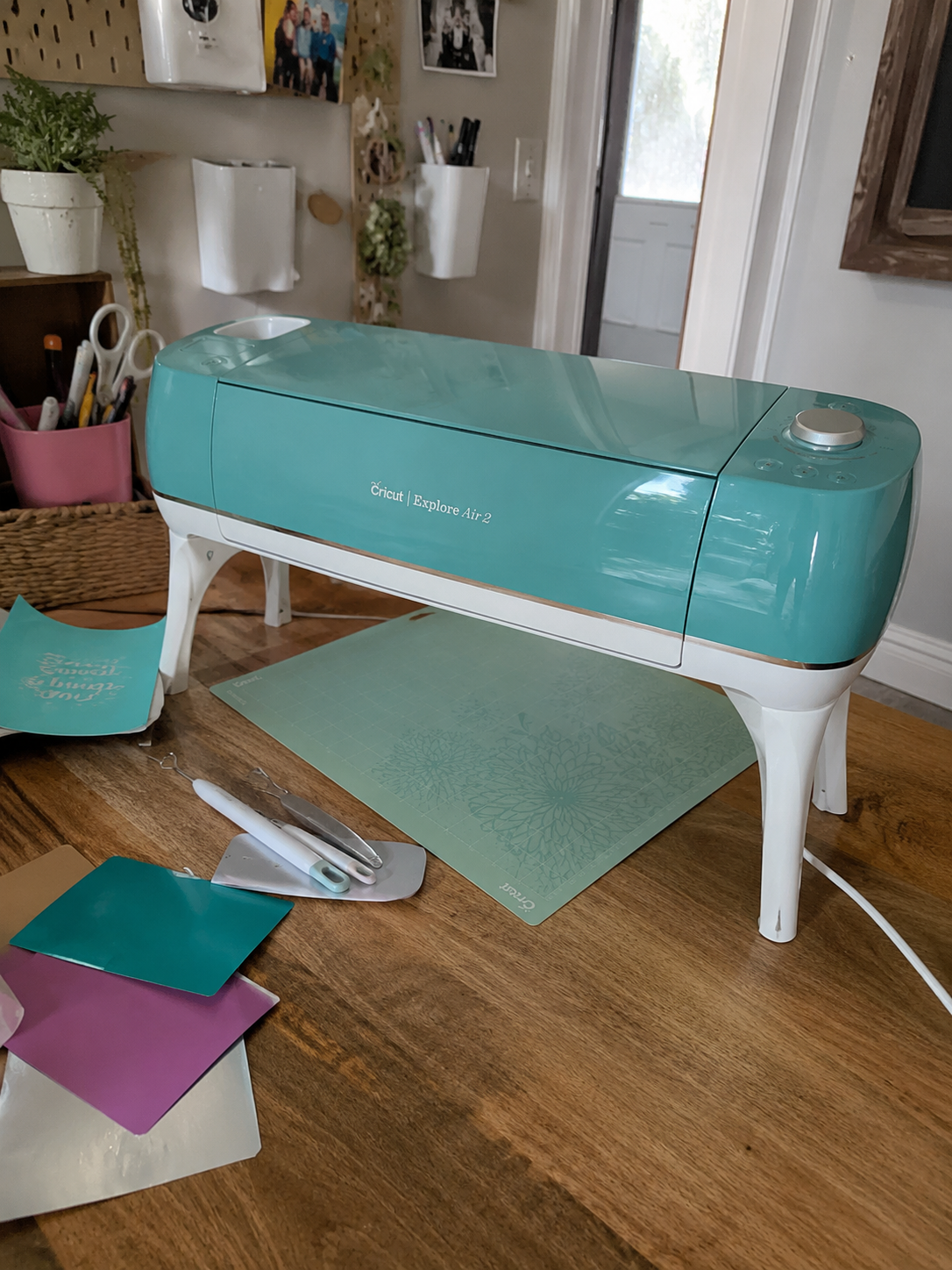
We were set up next to each other at the craft fair. She sold out by noon. I went home with almost everything I brought. Same craft fair. Same community centre. Same row of vendor tables. Right next to each other. My name is Rachel. Part-time bookkeeper. Divorced three years ago. I’d been selling at local craft fairs for eight months, trying to build a side income. The November craft fair was my sixth event. I set up my table at 7 AM on Saturday morning. Custom signs for kitchens and hallways. Personalised picture frames. Decorative wooden pieces. All made with my Cricut Maker. Prices: £14 to £35. I brought about £360 worth of inventory. Paid £40 for the table space. The woman setting up next to me had similar items. Also Cricut-made. Similar price range. Similar style category: farmhouse, rustic, personalised gifts. We chatted while arranging our displays. Both of us used Cricut Maker machines. Both doing this part-time, hoping to grow it. Both nervous about whether we’d even cover the table fee. Doors opened at 9 AM. By 9:30, people were stopping at her table. Picking things up. Looking closely. Asking questions about customisation. Buying. My table had browsers too. People who picked things up. Looked at them. Set them down gently. Moved on to the next stall. By 10 AM, she’d sold six items. £150. I’d sold one small frame. £15. By 11 AM, she’d sold fourteen items. I’d sold three. I started watching her interactions. Trying to figure out what she was doing differently. Her pitch wasn’t better than mine. Her table setup wasn’t more elaborate. Her prices weren’t lower. But people were buying from her. And mostly browsing with me. By noon, she’d completely sold out of her three most popular designs. Then she started taking custom orders from people. Writing down names and contact information. Booking orders for collection the following week. I’d sold five items total. Made £70. Minus the £40 table fee. Minus the £95 I’d spent on materials for that inventory. Net loss: £65. And that didn’t even count the 40 hours I’d spent making everything. She started packing up at 1 PM. Sold out. Leaving early to go home and make stock for the custom orders. I stayed until the 4 PM close. Sold three more items by the end. Total for the day: £115 revenue. After expenses: £20 loss. After labour: crushing failure. We walked to our cars together at the end. She was energised. Talking about which designs had been most popular. Planning her production schedule for next week’s orders. Already thinking about the December fair. I was trying to understand what I’d done wrong. “Did you have a good day?” she asked. I tried to sound positive. “Sold a few things.” She could tell I was being polite. “Can I ask you something without being rude?” “Sure.” “Do you mind if I look at one of your leftover signs?” I pulled out a “Welcome to Our Home” sign I hadn’t sold. She examined it carefully. Turned it over. Checked the edges. Studied how the vinyl was applied. “Your technique is really clean. You do good work.” “Thanks.” “Can I be completely honest with you?” “Please.” “The design file quality is what’s holding you back.” “What do you mean?” “This looks handmade. Like obviously handmade. My stuff looks shop-bought, even though my technique isn’t any better than yours. The difference is the design files I use.” She pulled one of her pieces from her car. A “Gather” sign she’d kept as a display sample. Set it next to mine. Side by side, the difference was obvious. Hers looked like something from Dunelm, The Range, or a little boutique shop. Mine looked like something from a church hall craft table. Same type of product. Same materials. Completely different perceived value. “I used to have your exact problem,” she said. “I’d set up at fairs and watch other sellers sell out while I went home with full boxes. I thought maybe I was bad at selling. Or my prices were wrong. Or my table setup wasn’t good enough. Then someone told me most crafters are using low-quality design files without realising it. Free downloads from random websites. Cheap Etsy files that are just auto-traced from images. They’re poorly built at a technical level. So even when you cut them perfectly and apply them carefully, they still look DIY. I switched to professional design files and my next fair was completely different. Same technique. Same materials. Same table setup. Same pricing. But people treated my items like retail products instead of craft projects.” “What files do you use?” “Cutify Studio. Actual professional-looking designs. Not random traced images uploaded to Etsy. The vector quality is so much better. Everything looks more polished, more cohesive, more boutique.” She texted me the link while we stood in the car park. I looked at their website that evening. The aesthetic was immediately different from the files I’d been using. More sophisticated. More cohesive. More retail-looking. Nothing looked messy or obviously “crafty.” £29 during their sale. I’d just lost money at the fair. £29 felt like a worthwhile test. I bought it that night. December craft fair. Same community centre. Different weekend. I brought fifteen new items made with the professional files. Same Cricut Maker. Same materials. Wood blanks. Premium vinyl. Same suppliers. Same table setup strategy. Different source designs. By 10:30 AM, I’d sold eight items. £215. By noon, I’d sold thirteen items. £365. By 2 PM, I was completely sold out of my top three designs. I started taking custom orders like I’d watched the other seller do in November. Booking orders for the following week. Total for the day: £390 revenue. After the £40 table fee: £350 profit. After materials: £230 net. In four hours less time than November. The woman from November was at this fair too. Different table location, different section. We ran into each other while packing up. “Your table looked different this time,” she said. “I took your advice. Switched to better files.” “I could tell from across the room. Your items had that retail look.” “Same person. Same machine. Same materials.” “Different files. Different perceived value. Different results.” If you’ve done craft fairs and watched other sellers sell out while you go home with inventory… If customers pick up your items, look at them, and set them back down… If your work looks DIY next to someone else’s retail-quality pieces… The problem might not be your technique. It might not be your pricing. It might not be your sales skills. It might be your design files. Amateur-looking files make good crafters look amateur. Professional-looking files make handmade products feel polished, giftable, and worth paying for. What changed my craft fair results: Cutify Studio. 150,000 SVG files with full commercial licensing. Still £29 during their sale. Same table space. Same machine. Same materials. Different file quality. Different outcome. 👉 https://cutifystudio.com/premiumsvgs-uk
Read if you own a Cricut (this helps) ☝️
Our graphics are versatile and work seamlessly with the most popular software: Microsoft Office, Canva, Photoshop, Illustrator, Cricut Design Space, Silhouette Studio, Procreate and so many more programs.You will be able to customize to your liking, all designs quickly and easily from the platform o...
SEE DETAILSLike this ad? Make it yours.
Crush rebuilds this exact creative around your product — your brand, your colors, your offer — in about a minute.