Cholesterol Relief Community
 Facebook ad: “Natural Relief in Weeks”
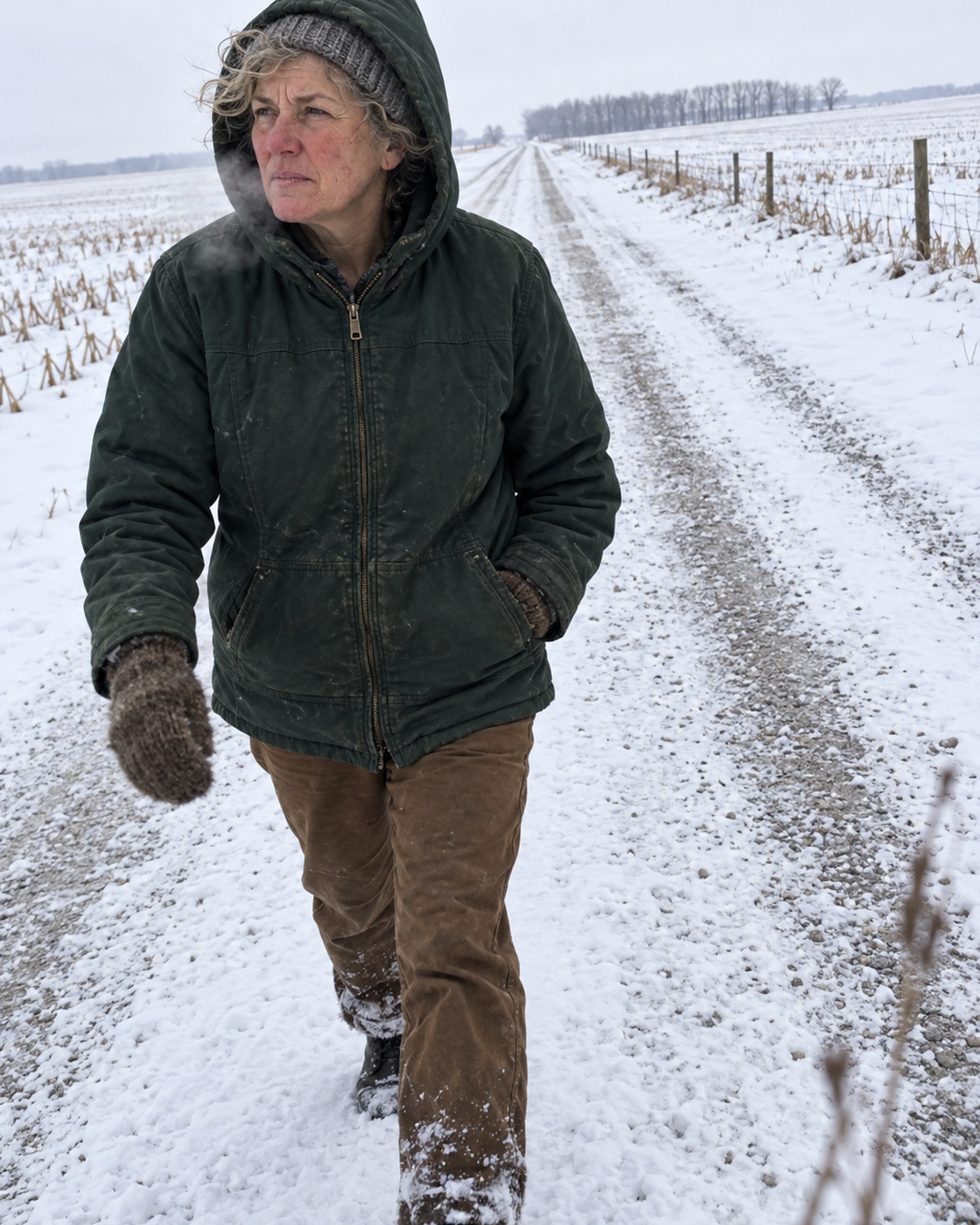
Running for 10 days since October 21, 2026. Crush last saw it on October 31, 2026.
Run by Cholesterol Relief Community on Facebook. Crush is not the advertiser and does not verify its claims. See this ad in Meta's Ad Library(opens in a new tab)
Make your own version of this ad
Crush makes it, launches it in your own Meta ad account, scales the winners and pauses the losers.
About this ad
- Meta Ad Library ID
- 4560217987555595
- Platforms
- Facebook, Instagram, Audience Network, WhatsApp and Threads
- Relaunches
- 0
- Niche
- Food & Beverage
Ad text
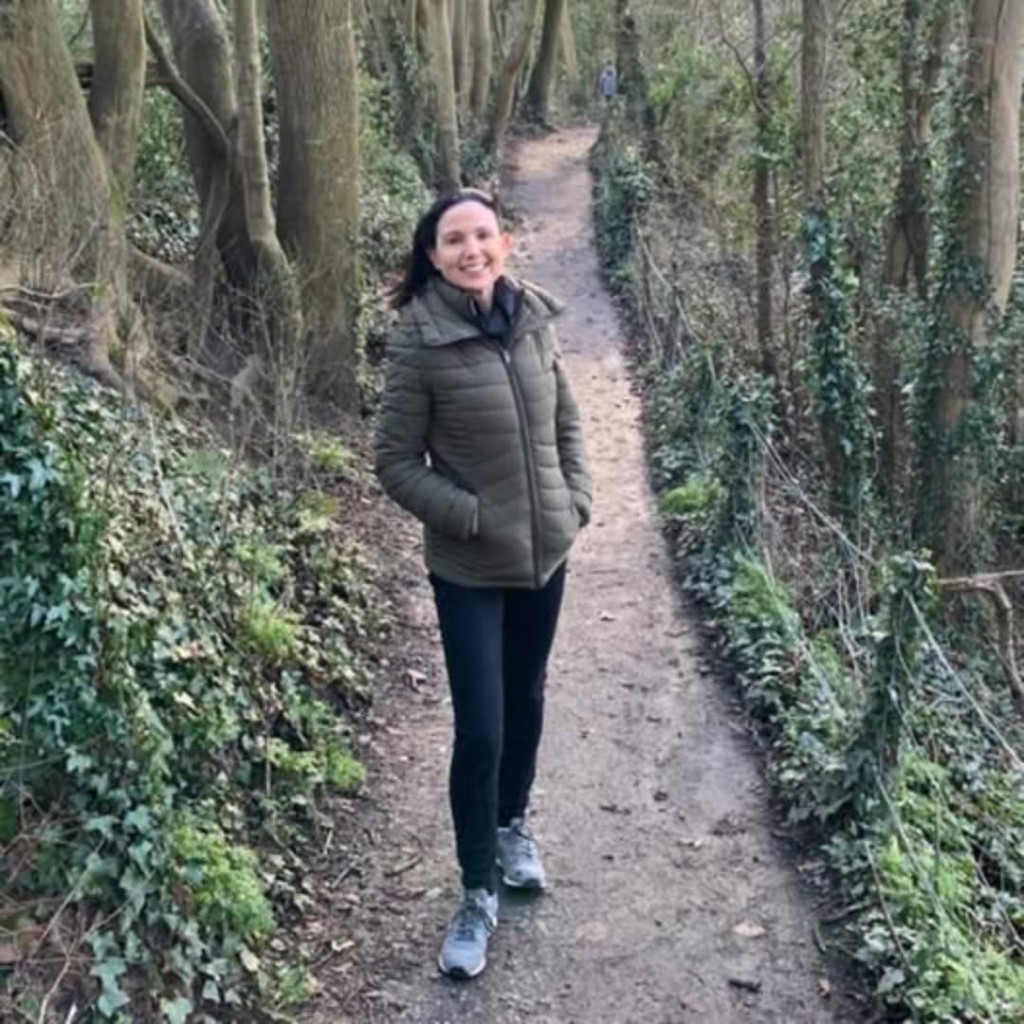
I'm an Iowa large-animal vet. The hog heart I cut open on a Tuesday looked exactly like the scan of my own. My doctor's answer was a statin. Here's what I did instead. My name is Dr. Gretchen Hoekstra. I'm 59 years old. I've been a large-animal veterinarian in Sioux Center, Iowa, for 31 years. Dairy cows and hogs, mostly. I've done hundreds of necropsies. That's what we call an autopsy on an animal. I learned the trade from my father. He ran this practice for 34 years before it was mine. He taught me one rule above every other. When a herd gets sick, you don't reach for the needle in the first 15 minutes. You walk the feed bunk. You smell the silage. You test the water. You find out what changed, and you fix that first. You don't medicate 300 cows to cover up whatever is making them sick. Four years ago, my partner, Dr. Jerry Haverkamp, retired. That made me the only large-animal vet within 70 miles. I'm not complaining. These are good farm families. There are good doctors in town, too, people I still respect. But that job wrote itself into my arteries, and that's the reason for this letter. I practically live in my truck now. My father's old stethoscope hangs from the rearview mirror. I've never taken it down. Nobody in my family thought of me as the one to worry about. Neither did I. I sling 80-pound mineral sacks off a tailgate. I can outlast men half my age in a calving barn. My LDL had sat at 116 for years. My mother is 88 and still puts in a garden every May. But somewhere along the way, I stopped eating like a farm kid. Breakfast pizza from Casey's at 5 AM, because it was the only thing open. Gas-station cappuccino to stay awake between calls. Beef sticks on the dashboard. Supper eaten one-handed at 10 at night while I typed up records. There was sugar in all of it. The creamer. The jerky marinade. The "healthy" granola bars I kept in the glovebox. Even the ketchup packets. I put on 19 pounds that first year and barely noticed. My coveralls just got snug. My checkup the second year showed my LDL had gone from 116 to 153. Triglycerides from 94 to 181. Fasting glucose from 89 to 103. I swore I'd straighten it out. I packed a cooler. I walked the section road at dusk when I could. The next year's labs were worse. LDL 168. Total cholesterol 244. Triglycerides 203. Dr. Kamstra had me in and out in 11 minutes. Dad never reached for the needle in the first 15. He wrote Lipitor, 40 milligrams. Recheck in 12 weeks, and we'd go higher if the number didn't come down. He never asked what I ate. He never asked what had changed. I asked him about oxidized fat. He smiled at me. "You're a vet, Gretchen. Leave the people medicine to me." I'd never treat a sick cow the way he'd just treated me. I folded the prescription into my coverall pocket and said I'd look into it. I already knew I would never fill it. I'm not against medicine. I give animals drugs every day. But I've also watched what happens when you medicate an animal to hit a number instead of fixing what's wrong. The chart looks good. The animal keeps getting sicker underneath. And some of those animals, I've had to put down. I also knew what Lipitor's muscle aches would mean for me. I pull calves with these arms. I hold 1,400-pound heifers still. A vet with sore, weak hands is a vet out of work. And I knew something else, from 31 years of reading feed tags. Every feed mill in this country mixes antioxidants into the ration. Not for flavor. They do it so the fat in the feed doesn't go rancid, and so the fat in the animal doesn't either. Rancid fat makes an animal sick, no matter how little of it there is. A farmer doesn't fix rancid feed by feeding less of it. He stops it from going rancid. The pill Dr. Kamstra handed me would lower how much cholesterol my liver made. It would do nothing to keep what was left from going bad. Six weeks later, I was at the Brouwer place at 3 AM. First-calf heifer, calf turned wrong. I was down in the straw with my arm in to the shoulder when my chest went tight. Like a strap cinched around my ribs. I couldn't get a full breath. I knelt there with my head against her flank and waited for it to pass. Their son Jesse is 16. He drove me to the hospital in Sioux Center in his dad's pickup, my boots still covered in manure. They kept me overnight. In the morning they ran bloodwork and a CT scan of my heart. LDL 179. Total cholesterol 263. My highest ever. Calcium score 412. That number means plaque. A lot of it. Hard deposits built right into the walls of the arteries that feed my heart. Dr. Kamstra's office called the next morning. Start the Lipitor today. He was doubling it to 80 milligrams. The next Tuesday, I did a necropsy on an 8-year-old boar that had dropped dead in his pen. Old pigs carry plaque the way old men do. Researchers use pigs to study human heart disease, because their arteries clog the way ours do. Surgeons sew pig valves into human hearts. I opened his heart and held it in my gloved hand. Then I pulled up my own scan on my phone. They looked the same. I sat in my truck afterward with the scan printout on the seat beside me. I wasn't thinking like a vet anymore. I was scared. I've seen inside hundreds of animals. I know exactly what that looks like once it goes further. And I know exactly how my father went. He called it heartburn for a year. Chest tightness on the haymow ladder. Short of breath carrying buckets. Then one morning in March, my mother found him on the barn floor. He was 62. His stethoscope was swinging right there in front of me on the mirror. My daughter Lena is in her third year of vet school at Iowa State. She's coming home to practice with me. That was always the plan. I wasn't going to hand her this practice the way my father handed it to me. Dr. Kamstra's office called twice more that winter. I let it ring. I ran my own body like a feed trial instead. No gas-station food. Oatmeal every morning. Fish oil. Red yeast rice. A pound of walnuts a week. I walked four miles a day, even in February. I dropped 13 pounds in four months. My LDL went from 179 to 164. Total cholesterol from 263 to 247. Better. Nowhere near good enough. Then I remembered something from a feed-science conference at Iowa State years back. Researchers had been testing tea leaf in animal rations. The compounds in tea, called polyphenols. They were being studied for one reason. To keep fat from going rancid. I bought oolong tea bags at Walmart. Two cups a day for eight weeks. My numbers didn't budge. I tried a different brand online. Six more weeks. Same thing. I figured my arteries were too far gone for a cup of tea to matter. That turned out to be the wrong diagnosis. About ten months ago, I was at Henk Vander Ploeg's dairy for a herd check. Henk is 82. I've treated his cows since 1995. He's been on Lipitor for 11 years. His cardiologist in Sioux City had started talking about adding Repatha, the shot. He waited until we were done in the milking parlor. Then he pulled a folded lab sheet out of his bib overalls. "Doc. Look at this." Total cholesterol 251 down to 197. LDL 172 down to 119. Triglycerides down 76 points. Same lab. Same Lipitor. His cardiologist had dropped the Repatha talk. I asked him what he'd changed. He reached into the other pocket of his overalls and set a pouch on the rail. Oolong tea. "Didn't figure you'd think much of it, Doc. But my daughter-in-law Marijke kept reading about it." "The grocery-store kind did nothing. Then she got to asking about Oma's tea." Henk's grandmother came over from Friesland in 1911 with a pouch of whole tea leaves sewn into the lining of her coat. He said the leaves were whole and curled tight, and it brewed so dark it stained every dishrag in the house. The family kept ordering that same leaf and drank it on that farm for 40 years. Then in the 1950s, his father started buying tea bags from the co-op like everybody else. Cheaper, quicker, easier to keep. Nobody bought the old leaf again. "Marijke went looking for anything still made like Oma's. Took her three pouches to find it." I told him to keep doing whatever he was doing. That night I sat in my truck outside a farrowing barn at 1 AM, waiting on a sow, and read on my phone the way I should have months earlier. What I read that night changed how I saw every necropsy I'd ever done. High cholesterol is not really a cholesterol problem. The high LDL number is the symptom. It only tells you how much cholesterol is in your blood. The real problem is what happens to that cholesterol once it's there. Processed food, sugar, cheap oils and constant inflammation flood your body with free radicals. Those are unstable molecules that attack whatever they touch. After years of that chronic inflammation and constant exposure to free radicals, some LDL enters your artery walls and is retained there. Then it gets oxidized. It turns sticky. And once it is sticky, it starts forming plaque. It's the same thing that happens to fat in a feed bin when it goes rancid. It's the same reaction that rusts a gate hinge. Normal cholesterol travels through your blood, and your liver clears it. Oxidized cholesterol stays stuck in the lining of your artery walls. Your arteries start filling with oxidized cholesterol that was never supposed to be there. And once that LDL embeds itself in the wall and becomes oxidized, your immune system responds to it as damage. Immune cells rush in to clean it up. They swallow the oxidized cholesterol, swell up, and die right there inside the wall. That pile is plaque. More plaque forms. With every heartbeat, more oxidized cholesterol lodges in it. The artery stiffens. It keeps closing. And one day the plaque ruptures, a clot forms, and that's the heart attack that kills you. That's what I see in those hog hearts. That's what was on my scan. Oxidized LDL is what causes every cardiovascular complication. Not the total number. The oxidized cholesterol your body cannot clear. Lipitor lowers how much cholesterol your liver makes. It does nothing to stop the remaining cholesterol from oxidizing. Lowering the supply does not stop the oxidation. The number on your chart drops. The cholesterol you still have keeps turning dangerous underneath. Oatmeal, fish oil and walking lower how much fat is in your blood, too. None of it stops the rust either. That's why my numbers barely moved. An Iowa hog farmer protects his hogs' fat from rusting better than your doctor protects yours. Nobody puts a hog on Lipitor. They stop the fat from rusting. If your numbers kept climbing while you did everything right, that's not your failure. You were handed tools that were never aimed at the rust. Then I went back to the polyphenols. Polyphenols are a class of compounds in oolong. They are powerful antioxidants found in tea. They neutralize the free radicals that oxidize LDL cholesterol, before those free radicals ever reach it. Researchers in Japan added oolong to human LDL. It held out almost twice as long before it oxidized. And the oolong neutralized the free radicals themselves. No free radicals, no rust. Once the oxidation stops, the cholesterol in your bloodstream stays in its normal, harmless form. Your body processes it through the liver the way it was designed to. That's why the number comes down on its own. The liver isn't being forced to stop. It's finally able to clear what's there. But polyphenols leave your blood within a day. So it has to be a cup every morning. The cholesterol is not the enemy. The oxidation is. That's when the Walmart tea bags finally made sense. I've fed mill screenings to cows for 30 years. Screenings are the broken bits and chaff the mill sweeps out of the good grain. Most tea sold in this country is harvested by machine for volume, speed and shelf life. Nobody harvests it for polyphenols. That goes for the oolong in the grocery aisle, too. It was made to be cheaper, quicker and last longer on the shelf, the same way Henk's father traded Oma's leaf for the co-op's bags. Most of what goes into a cheap bag is tea screenings. The polyphenols got cut down to a fraction of what the old whole leaf carried. And "oolong" is only a category name. That category name does not tell you how much whole leaf is in a serving. Neither the Walmart box nor the bag of loose leaf I bought online said one word about the polyphenols in the brewed cup. A typical supermarket oolong cup has about 12 milligrams of EGCG, the strongest of the oolong polyphenols. Most bagged oolong gets cut by machine and ground down to powder, because it's fast and cheap. Most of what was in the leaf is gone before the bag is ever sealed. That's what goes into most cheap oolong bags. You get brown powder that says oolong on the label, with the part that fights the rust gone. And the loose oolong I bought online was a pinch in a strainer at 4 AM, never the same amount twice, skipped whenever I got called out early. If the polyphenols are gone within a day, a cup you can't repeat is a cup that doesn't work. The two brands I tried failed on one count or all three. So I needed three things. Whole leaf in a defined portion, the same amount in every bag. The polyphenols measured and reported in the brewed cup. And a simple preparation I could repeat every morning. At 1:30 AM, I texted Marijke. She answered in the morning. PiPiTea. Under it she'd typed out what she found. PiPiTea's cup is the strong one for three reasons. The plants are grown above 4,500 feet in Pu'er, Yunnan. High altitude, strong sun and slow growth push the young leaf to make more of these polyphenols than lowland leaf grown for a factory. They only take the tip. The bud and the first leaves hold most of the EGCG. The older leaves hold less. The stem holds the least. A picker taking the tip by hand leaves the weak parts on the bush. A machine taking the same top growth can't do that. It cuts the tip, the stem and the lower leaves in one pass, and all of it goes into the same batch because it's cheaper. Then it's ground up into dust. That's why when you open a supermarket bag, it's dust. And when you open a PiPiTea bag, it's whole leaf. Then she sent a photo of one bag torn open on a plate, whole leaves curled up tight, so dark they were almost black. The last line of her text said Henk took one look at that photo and said, "That's Oma's tea." I called the company before I ordered anything. I read feed tags and lab analyses for a living. I don't put anything into an animal without seeing the paperwork. I wasn't going to put anything into myself without it either. I asked for the Certificate of Analysis. I asked where the leaves were grown and how they were picked. I asked how they were processed. I asked how much whole leaf was in a bag, and what was in the brewed cup. I asked who did the testing. They sent all of it the same day. Organically farmed whole-leaf oolong. 4 grams of whole leaf in every bag, so every cup gets the same amount. One bag, steeped 3 to 5 minutes at 185 to 200 degrees. 340 milligrams of total polyphenols in the brewed cup, including 187 milligrams of EGCG. More than fifteen times the EGCG of a typical supermarket cup. Third-party tested by Light Labs, with published results. No fillers. I read it like a feed analysis. It passed every line. I ordered five pouches that afternoon. I started on a Monday. One cup every morning, brewed while the truck warmed up. Nothing else changed. Week 1, I was clear-headed on 3 AM calls in a way I hadn't been in years. Within four days, the afternoon slump in the truck was gone. Week 2, I was sleeping straight through the nights I wasn't on call. Week 4, I climbed the haymow ladder at a dairy north of town without the tightness. I stood at the top and waited for it. It never came. Week 6, the cappuccino cravings were gone. And I was down another 4 pounds without changing anything else. Week 12, Dr. Kamstra ran my labs. Total cholesterol 179. LDL 108. Down from 263 and 179 at my worst. Triglycerides 92, down from 203. Fasting glucose 88. My blood pressure at that visit was 122/78. He read the sheet twice. Then he looked up at me. "Gretchen, what are you on?" I slid the pouch across his desk and told him about Henk. He took a pen out of his coat and copied the name off the pouch. I never filled the Lipitor. My father would have started exactly here. You fix what they're eating before you ever reach for the needle. I'm telling you this because I've spent years watching the families I serve. Farmers who've been on Lipitor for a decade, doing everything they were told, watching the number creep anyway. They think their bodies are letting them down. Their bodies aren't failing. They were handed a tool aimed at the wrong thing. Most doctors were trained to lower the number. Stopping the rust was never part of that training. They do what they were trained to do. The research is out there. You don't need your doctor's permission to read it. I've told 23 farm families about PiPiTea since then. Every family that ordered has shown me a better lab sheet since. Arlan Dykstra, 61, raises hogs west of town. He'd been on Lipitor for nine years. His LDL went from 157 to 106. Total cholesterol from 236 to 174. He told me, "Doc, I got my wind back." Last month I got called to the Brouwer place again. 3 AM. Another heifer, another calf turned wrong. Lena was home on break. She held the light. I went down in the straw with my arm in to the shoulder and pulled that calf out alive. No strap around my ribs. No kneeling and waiting for it to pass. When I climbed back in the truck, my father's stethoscope was swinging on the mirror. I think he would have liked to see that. If I could go back and tell myself one thing in that truck, it would be this. The oolong research is real. But most of what's on the shelf is the wrong leaf, cut the wrong way, in no set amount. That's why so many people say they tried oolong and nothing happened. PiPiTea is whole leaf, picked and made the old way, the way Oma's was, never ground down with the stem and the old leaf. 340 milligrams of total polyphenols in the brewed cup, including 187 milligrams of EGCG. Third-party tested with published results. No fillers. That's what Henk's pouch had that mine didn't. If he hadn't pulled it out of his overalls that day, I'd still be chasing a number while the rust kept building in my arteries. If you've been on a statin for years, Lipitor, Crestor, Zocor, any of them, and your LDL keeps creeping up. If you've been told your cholesterol is well-controlled, but your chest tightens on the stairs and your energy keeps slipping. A higher dose won't fix this. Stopping the rust will. Nobody pays me to say this. I get nothing from PiPiTea. I tell people because the mechanism makes sense, the research backs it, the polyphenols are measured in the cup, and I've seen it work in my own labs and in the lab sheets of the families I serve. PiPiTea's 90-day money-back guarantee: if you don't notice a difference, they'll refund you within 90 days of delivery, no questions asked. One cup every morning. No prescription. Every farmer in this county knows you fix the feed before you lose the herd. Nobody ever told you to fix yours. Stop the oxidation. ~ Dr. Gretchen Hoekstra, DVM, 31 years P.S. My most recent panel showed LDL 94. Total cholesterol 166. Triglycerides 69, down 134 points from my third-year labs. That Lipitor prescription is still folded in my coverall pocket. P.P.S. Don't make my Walmart mistake. Most cheap oolong is stem and old leaf machine-cut into the same batch as the tip, then ground down until there's nothing left to fight the rust. A whole bin of that wouldn't equal one cup of PiPiTea, with 340 milligrams of total polyphenols, including 187 milligrams of EGCG. PiPiTea's 90-day money-back guarantee: if you don't notice a difference, they'll refund you within 90 days of delivery, no questions asked. https://shop.pipitea.com/oo/ppch/sp-nm
Where the ad sends people
shop.pipitea.com
Natural Relief in Weeks
Learn more: shop.pipitea.com(opens in a new tab)