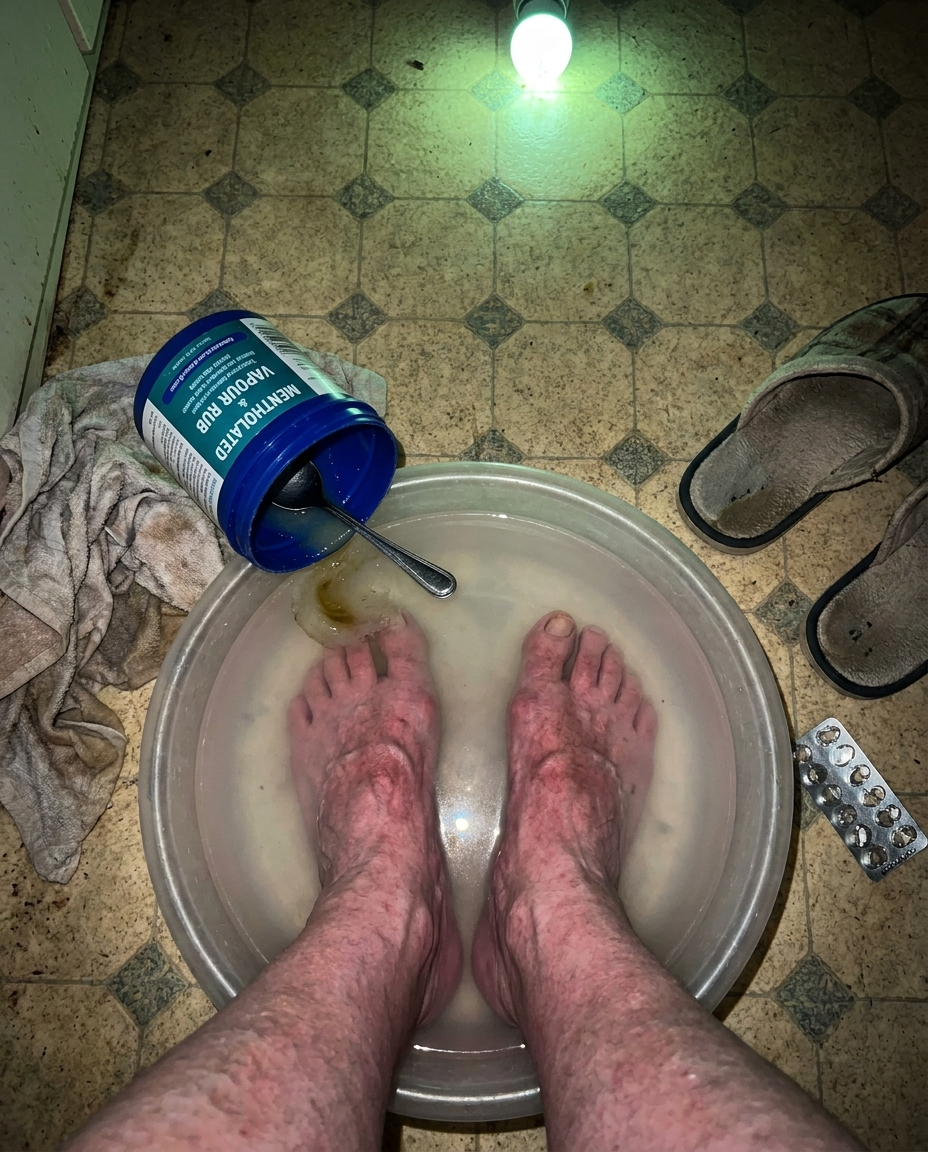
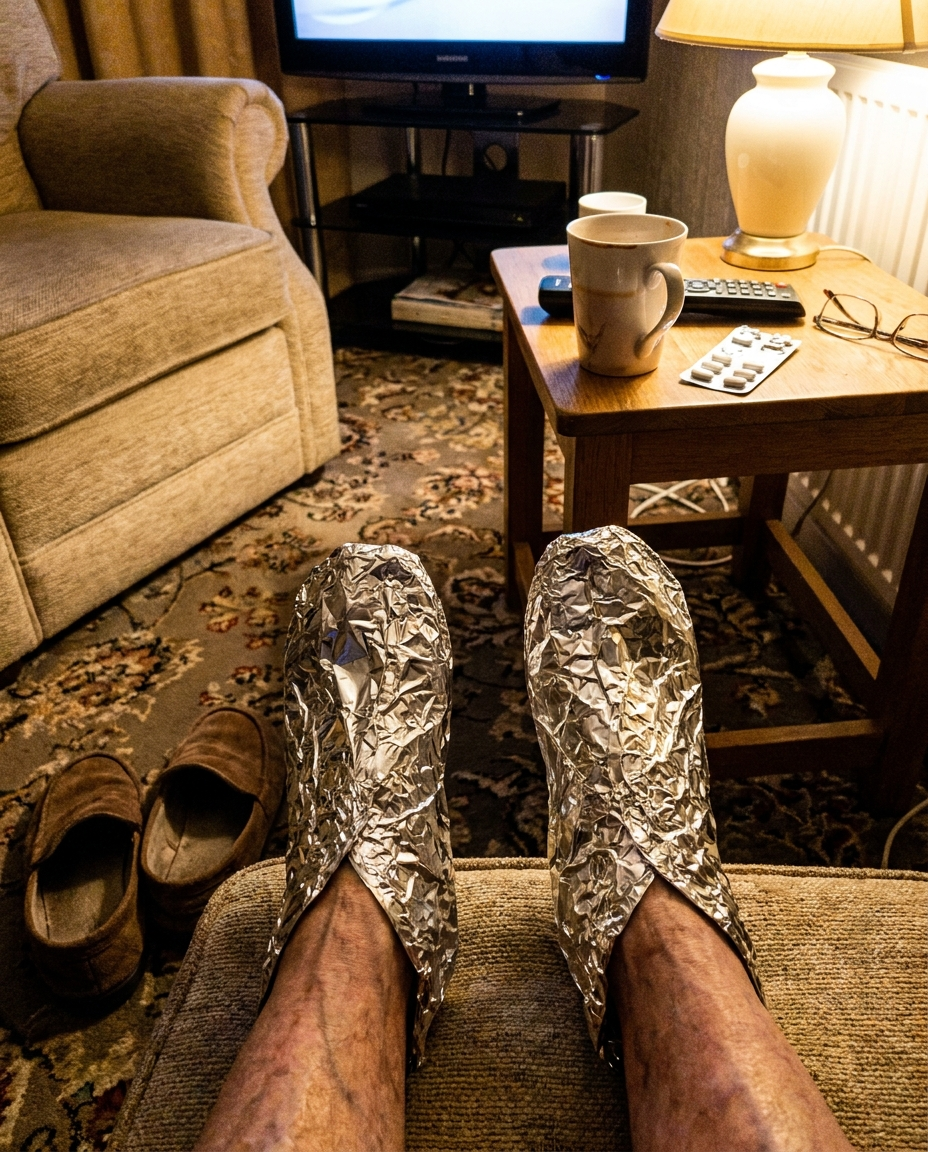
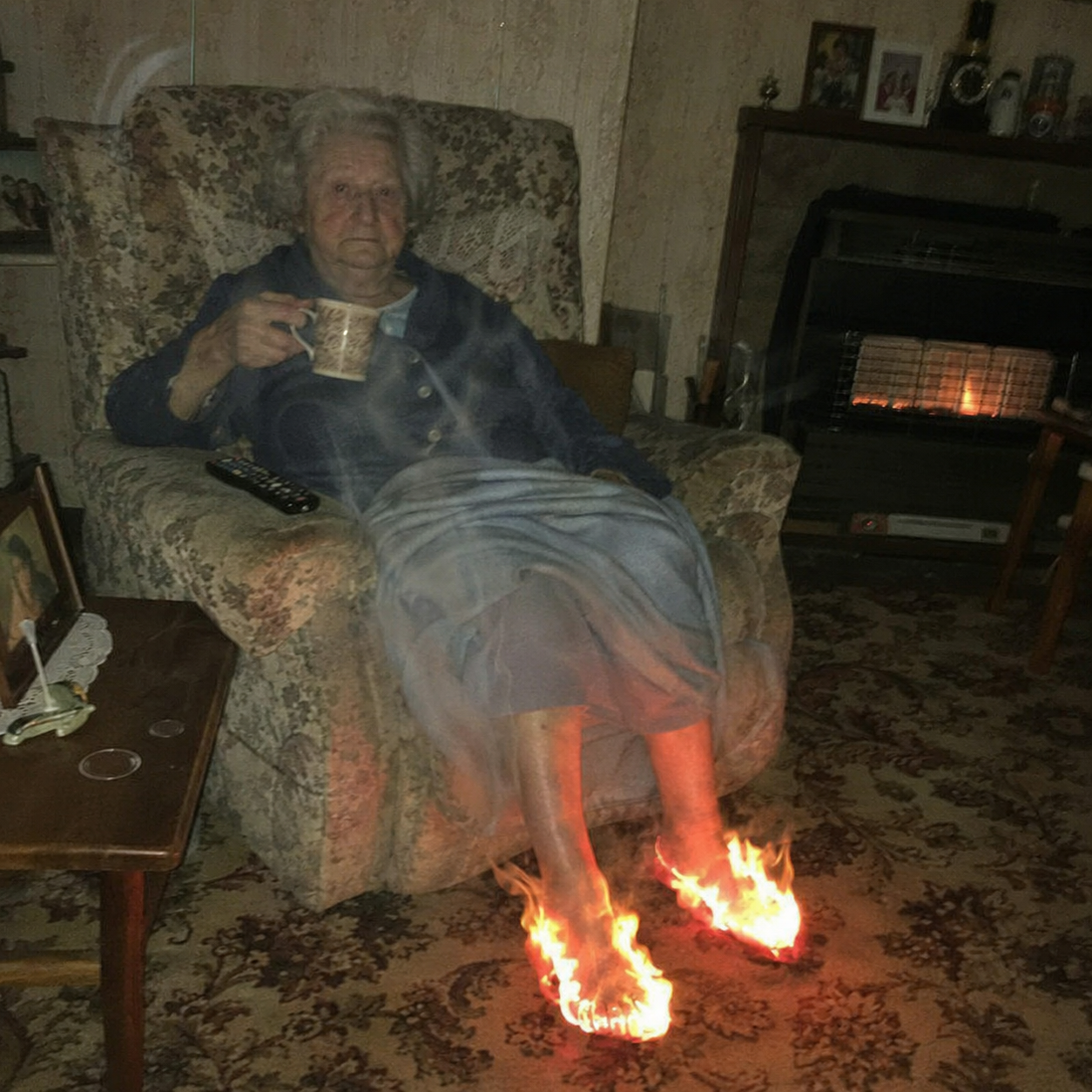
Harriet Whitcombe Wellness Tips
Harriet Whitcombe Wellness Tips Facebook ad: “12 Years of Neuropathy gone in weeks”
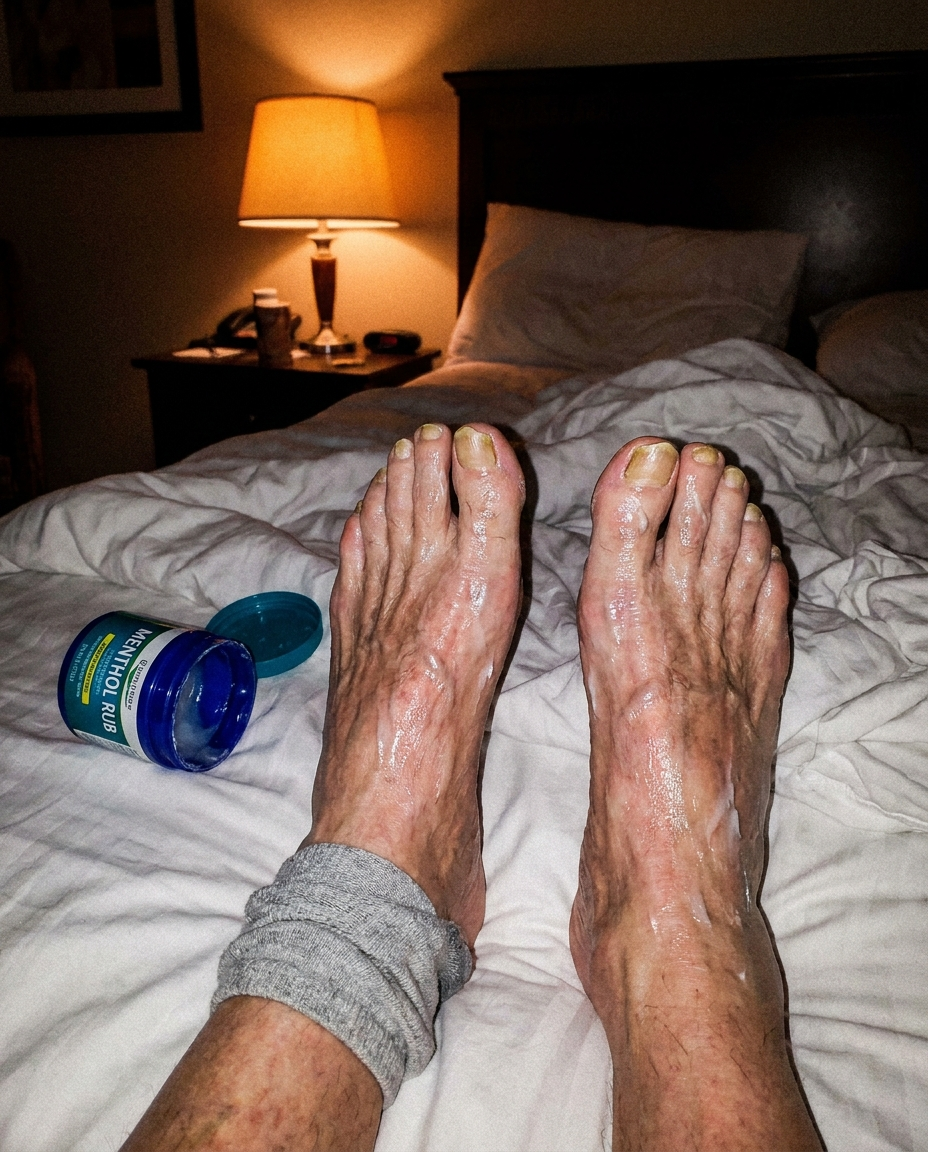
Ran for 2 days, from August 1 to August 3, 2026, the last day Crush saw it.
Run by Harriet Whitcombe Wellness Tips on Facebook. Crush is not the advertiser and does not verify its claims. See this ad in Meta's Ad Library(opens in a new tab)
Want an ad like this for your product?
Crush makes new ad images for your product from this ad: your logo, your product photo, your offer.
Trials from $19.95 USD, then $79.95 USD a month. Cancel anytime.
About this ad
- Meta Ad Library ID
- 4591251137756935
- Platforms
- Facebook, Instagram, Audience Network, Messenger and Threads
- Relaunches
- 0
Ad text
I don't give a f*ck if this upsets you. I am going to say something out loud that nobody with diabetes and burning feet wants to hear. On the 14th of November 2024, I signed the referral that sent the 431st diabetic foot of my career across to the vascular surgeons for amputation. Nine days later, at 3:11 in the morning, I stood in my own bathroom in North Yorkshire and found a blister the size of a two-pence piece on my own right heel that I had not felt open. I was 60 years old. I am a Consultant Physician in Diabetes and Endocrinology. Twenty-two years on the specialist register. For most of them I ran the multidisciplinary diabetic foot team at St Aldric's. I am the woman who stands at the front of the room and teaches newly diagnosed patients to check the soles of their feet every single night with a hand mirror. I had not checked my own in a fortnight. A consultant on the diabetic foot team — and the burning was so bad I could not bear to look at the very things that were torturing me. The dressing clinic. The eight-week wait for nerve conduction studies. The £9.90 a prescription I no longer paid because at 60 I was exempt. And the one thing no invoice ever listed: I had not slept a full night since the spring. They will let me back into clinic. My name is still on the door. But I will never press a 10-gram monofilament into another patient's foot without remembering that I was standing on a cold bathroom floor at three in the morning, a consultant diabetologist, holding a mirror to my own heel, because everything I had been trained to do for this had not switched off the fire in my feet. I am writing this because I know exactly what my colleagues will say when they read it. I do not care. If you are over 50 and your feet burn at night — or someone you love lies awake with theirs — please read the whole thing. I know it is long. I know you are scrolling. I know you have the kettle on and a hundred things to do. Two years ago I would have given anything for someone with my letters after their name to sit me down and tell me what I am about to tell you. Nobody did. I was diagnosed with Type 2 diabetes eight years ago, at 52. Fasting glucose on a wet Tuesday in the practice down the road. HbA1c 52 mmol/mol. The diagnosis surprised me and it did not. My father was a Type 2 diabetic, managed on Metformin and a blood pressure tablet for eleven years. He lost two toes, then the forefoot, then died in A&E at 64. My mother's HbA1c sat borderline for a decade before she passed. I had watched the pattern in my own family and I had built my entire clinic on catching it in other people's fathers. So I did what any diabetologist would do. I started Metformin at diagnosis. My own GP added Ramipril the following year when my pressure crept to 138 over 84. And when the burning in my feet began, eighteen months ago, I did exactly what NICE told me to do. Duloxetine first. Then amitriptyline, 10 milligrams at night. Then gabapentin, titrated up. Three of those four I had recommended, by name, at the front of a clinic room, to hundreds of patients whose feet burned like mine. I walked the dog across the fields every morning. I gave up the wine. I lost a stone in the first year and kept it off. I ate the way I tell every patient to eat. I kept my sugars where the guidelines said they should be. I never once went barefoot. I checked my feet — until the burning got so bad that checking them meant looking at the thing that was torturing me. I ticked every box on my own protocol. By last autumn my HbA1c was a respectable 58 mmol/mol. My blood pressure was 128 over 80. On paper I was a model patient. By the standard of the very guidelines I had helped write for our Trust, I was managed. Managed. That word again. My feet were on fire every single night and I was managed. The gabapentin was the thing that finally broke it open for me. Because a hunch would not leave me alone. I sat in my office one evening and I actually wrote it down. On the gabapentin my pain score dropped from an 8 to about a 6. And I could not remember my registrar's surname. For context: I have sat across a desk from patients on that exact drug and watched them search for the word "kettle." I had signed the prescriptions. Now I was the one searching. I asked a colleague to run nerve conduction studies on me, to be thorough. She did. Measurable painful diabetic peripheral neuropathy, both feet, right worse than left. She recommended I let the pain team titrate the gabapentin higher. I booked the appointment. And then I did not go. I want to tell you why. Because sitting in my office at six in the evening, staring at my own nerve study on my own screen, I recognised something. I was doing exactly what my father had done. He had been managed for eleven years. His tablets had been correct. His numbers had read fine. And he had lost his foot and then his life in A&E at the hospital where I trained. I did not go to the pain clinic because I already knew what they would offer. A higher dose of the thing that was already turning me into someone I did not recognise. I told myself I would cope. I told myself everyone's feet play up in a cold, damp Yorkshire winter. Twenty-four nights later I woke my husband Malcolm at three in the morning. The burning had started around one. I remember looking at the bedside clock because I thought, I am not getting back to sleep tonight. It felt as though the sheet itself was made of sandpaper and someone had run a current up through both soles. I had my feet out from under the duvet, as I had every night since August, and it was not enough. It was the exact sensation I had described, calmly, in a thousand clinic letters. Burning. Electric. Worse at night. Malcolm — he was a district nurse for thirty years, he has heard me describe it at our own kitchen table for two decades — sat up before I finished the sentence. He ran me a bath. Not a warm one. A cold one. Because warmth makes it worse and a cold tap was the only thing that touched it. I sat on the edge of my own bath at three in the morning with both feet in cold water, crying, and I was glad none of the registrars I had trained could see me. And when I lifted my right foot out to dry it, I found the blister on the heel. Open. Weeping slightly. I had not felt it happen. I, who had built a foot clinic on the words "if you cannot feel it, you cannot protect it," had walked around for who knows how long on a wound I could not feel. I said it out loud to the empty bathroom, in the voice I use on ward round. — Neuropathic ulcer, right heel. Refer to the foot team. Then I sat back down and put both feet in the cold water again, because even that could not distract me from the burning. I dressed the heel myself at the kitchen table under the big light, with Malcolm holding the tape, the way I had shown a hundred district nurses to do it. I counted the tiles on our splashback because I did not want to look at my own foot. That was the night I understood what my patients had been trying to tell me for twenty-two years. It is not the wound you cannot feel that ruins your life first. It is the fire you cannot switch off. The numbness will take your foot one day. The burning takes every single night between now and then. I had spent a career terrified of the numbness. Not one of my letters, not one of my clinics, not one of the four drugs on the guideline had ever once been aimed at the burning itself. I healed the heel. I went back to work. I came home each evening to a cupboard full of the exact prescriptions I had recommended to hundreds of patients over twenty-two years, and every night the fire came back at one in the morning, and I sat on the edge of the bath. I did not want the higher dose my colleagues were suggesting. But I did go looking. I ran a full review on myself — not to manage the numbers, for once, but to understand the fire. Because I knew that if I did not, in eighteen months I would be the diabetic foot on somebody else's operating list, and one of my own trainees would be reading the notes. The review was not kind. A colleague pulled my last four creatinines up on her screen. Climbing quietly for three years. eGFR 71, down from 89. Early stage 2 diabetic nephropathy. Nobody had flagged it, because my HbA1c read managed and a creatinine of 97 does not trip the referral algorithm I myself had signed off for the Trust. The retinal screening photographs showed small haemorrhages in both eyes. Early background retinopathy. I had been squinting at echo reports for months and blaming my reading glasses. The liver ultrasound came back grade 2 fatty change. My ALT had sat at 47 for two years. My own GP had said "we'll keep an eye on it." Nobody kept an eye on it. And the feet — the nerve studies I already knew about. Painful diabetic peripheral neuropathy, both feet, right worse than left, and a heel that had ulcerated without my feeling it. Every complication I had spent a career catching late in other people was quietly running in me. All of it. At once. Same disease. Same years of sugar grinding through small vessels. Damage in my kidneys. Damage in my eyes. Damage in my liver. And in my feet, the nerve laid bare — burning by night, numb by day. I sat in my office with all of it in front of me and I let myself understand something I had spent twenty-two years stepping around. Every drug in my cascade was aimed at a number. Not one of them was aimed at the nerve that was firing. Metformin quieted my glucose. Ramipril quieted my pressure. And the gabapentin, the duloxetine, the amitriptyline — they did not touch the nerve at all. They fogged the brain that was reading the nerve's signal. They dulled me. They never once went to the foot and calmed the thing that was doing the screaming. I am a diabetologist. I am meant to be the person who knows how to stop this. I had handed the exact standard-of-care pathway I was on to hundreds of patients whose feet burned like mine. Every prescription had passed audit. Every one had followed NICE. Every one had been correct. And every one of us was still lying awake at three in the morning with our feet out from under the covers. So one night, at eleven, after Malcolm had gone up, I did something I had not done properly since I sat my membership exams. I stopped reading the management guidelines and I went and read the mechanism. Not how to prescribe. Not how to titrate. Why the nerve fires. I read for hours. And it was not hidden. Two things go wrong in the diabetic foot at once. First, years of high sugar and poor micro-circulation fray the protective sheath around the nerve — the insulation on a wire. Strip a wire and it sparks. That spark is the burning, and it is worse at night, when the last of the day's distraction is gone and a bedsheet is enough to set it off. Second — and this is the part my training skated over — diabetes strips magnesium out of the body. Diabetics are famously low in it. And magnesium is the body's own off-switch for an over-firing nerve. A bare wire, and no off-switch left. Of course it screams. None of this is fringe. The research on magnesium and nerve excitability has sat in the literature for years. It is not a secret. It is simply not on the pathway, because the pathway was built to manage the sugar and hand out a gabapentinoid and tell you to check your feet. I had read my journals every month for twenty-two years. I read them for the trials. I had never once read them for the nerve, because my training told me the nerve was "managed" and the job was to dull the patient until they stopped complaining. My training was wrong about the burning. I closed the laptop at two in the morning. I sat at the kitchen table. My feet were burning and I could not sleep, and now on top of it I could not stop thinking. Because I understood, sitting there, that I had prescribed the exact pathway that was failing me to hundreds of other people. Every one of them was somewhere out there right now with a bare, starved nerve firing in the dark, their feet out from under the duvet, being told they were managed. Two weeks later I saw a patient in follow-up who was sleeping better than I was, and I could not work out why. Her name was Elena. Type 2 diabetic. Twelve years in. Painful neuropathy in both feet, worse than mine on paper. She had been on gabapentin and had asked, at her last visit, to come down off it. I opened her notes expecting to have that difficult conversation about pain scores. Instead she told me she was sleeping through, feet under the covers, and that she and her own GP, together, had agreed to bring her gabapentin down. Her ulcer risk was unchanged — the numbness was still the numbness — but the fire was gone. I looked at her across the room and asked her what on earth she was doing. She went quiet for a moment. Then she said, — Doctor, it's my yiayia. My grandmother. She's in Palmers Green. She's been on at the whole family for years. I never mentioned it because I didn't think you'd take it seriously. I asked her what her grandmother did. She wrote a name and a street in north London on the back of my prescription pad. Androula. Eighty this year. A terraced house off Green Lanes with a back garden full of herbs she had carried, as cuttings, from a mountain village in the Troodos in Cyprus fifty years ago. I drove down the following Saturday. I did not tell Malcolm where I was going. I did not tell my colleagues. I did not tell a single person at the Trust that a consultant diabetologist was driving four hours to sit in a Greek-Cypriot grandmother's kitchen in north London, because twenty-two years of training had not switched off the fire in her own feet. I pulled up outside a neat terraced house just before midday. The garden was extraordinary. Wild sage. Something that smelled of aniseed. Pots of things I half-recognised from the pharmacognosy I had not thought about since medical school. And along the back wall, a row of little dark bottles of oil, catching the light. She was on a kitchen chair by the back door, rubbing oil into her own bare feet in the cold. A small woman. Late seventies. Steady hands, no shake, ankles you would not think twice about. She was not wincing. She was just doing it, the way you do a thing you have done ten thousand times. I introduced myself. Not as a consultant. As Harriet. She looked up with sharp, clear eyes and asked me why I had come all this way. So I told her. That I was a diabetes doctor. Twenty-two years of it. That I was a diabetic myself. That my feet burned every night until I sat in a cold bath at three in the morning. That I had ulcerated my own heel and not felt it. That one of my own patients had sent me to her. She listened. She did not interrupt me once. When I finished she set the little bottle down and said, — Come in out of the cold, doctor. Her kitchen smelled of coffee and something green and sharp. She put the kettle on without asking. She sat across from me and said, — Your tablets are fighting the wrong fight. You already know this. That is why you are at my table and not at your clinic. I did know it. She said, — Every tablet you took. Every tablet you gave your patients for the burning. They go up here — she tapped her temple — and they make you slow and stupid so you notice the foot less. Not one of them goes down there — she pointed at my feet — and quiets what is actually screaming. I said, — I understand the mechanism. I read the papers a fortnight ago. The nerve, the magnesium. She smiled. — Then you understand it in a journal. You do not yet understand it in your own foot. She reached over and picked up five things off the dresser. A pill packet. A blood-pressure cuff off the side. A pair of reading glasses. A photograph of her late husband. And one of the little bottles of oil. She set the first four in a row. — Your sugar. Your pressure. Your eyes. Your kidneys. She tapped each one. — This oil does not fix any of these. I am not a liar and I am not a fool. That damage is done, and you are still a diabetic, and you will check your feet with your mirror every night of your life. Then she put the bottle in my hand and closed my fingers round it. — But this one — the fire — this one I can help you with tonight. She said, — Your doctors gave you a different tablet for every number. Sugar tablet. Pressure tablet. Sleeping tablet. And for the burning, a tablet that just switches your head off. Nobody ever went to the foot itself. Nobody ever fed the nerve. I nodded. I could not say anything for a moment. She said, — The Metformin is for the number. The pressure tablet is for the number. The gabapentin is for your head, so you do not hear the foot. Meanwhile the little wire in your foot is bare, and it is starving, and every night when the house goes quiet, it shouts. A tablet in your stomach cannot answer it. She leaned in. — Listen to me. This will not save your kidneys. This will not give you back what is gone. But if you spend the next ten years of your life awake in a cold bath at three in the morning, you will be too worn down to look after the rest of you at all. A woman who cannot sleep cannot check her own feet. I have buried friends who went that way. I said, — I know. God help me, I know. She said, — Now here is the thing they never taught you. In my village, up the mountain, the old ones with the sugar — every night, someone rubbed an oil into their feet. Never drunk. Always rubbed. My grandmother did it. Her mother before her. I am eighty. My feet do not burn. My daughters' feet do not burn. And not one of us has ever swallowed a tablet for it. She got up and took a bottle down off the shelf, older and darker than the rest, and unscrewed it. It smelled sharp and mineral and cold, with something like mint underneath. — This is magnesium, she said. The mineral your body has lost. Now — she wagged a finger — not the sprays they sell in the chemist. Those sit on top of the skin, they dry to a white crust, they sting, they are gone by midnight and your legs are sticky. And not the magnesium tablets either. A tablet goes to your stomach. In a diabetic, the gut is sluggish and the blood does not run to the feet the way it should. The tablet never arrives where it is needed. The form is everything. Wrong form, wrong place, and you have wasted your money. She rubbed a little into the back of my hand. — The magnesium is the off-switch. It is what a calm nerve uses to stay calm. Put it where the wire is bare and the shouting quiets. Not in your head — in the foot itself. That is the first thing. Then she pointed to the oil it was carried in. — But magnesium on its own will not go through the skin. The skin is a wall. So you need the second thing — the carrier — that breaks the magnesium into pieces small enough to pass the wall and reach the nerve. My grandmother had her own oil for that. The mineral, and the thing that carries it in. One is no good without the other. She held up three fingers. — Think. There are only three roads to the wire in your foot. You swallow the mineral — but in a diabetic the gut is too sluggish to take it up. You send it through the blood — but the small vessels to your feet are the first thing the sugar closed; that road is already gone. Or you put it through the skin. In a diabetic, the first two roads are shut. The skin is the only door left open. That — she tapped my hand where the oil was — is why my village used the oil, and not a cup and not a pill. Everyone else is knocking on the two doors your diabetes already locked. She looked at me. — One mineral. One carrier. The mineral quiets the wire, the carrier takes it through the one door still open. That is the whole secret. That is why the old women in my village slept, and I sleep, and you have not slept since the spring. I asked her, doctor that I am, whether the form really mattered that much. She almost laughed. — It is the only thing that matters. The right mineral, in enough of it, carried in something that gets it through the skin, and something cool to take the edge off while it works — never something hot. Never a warming cream. A diabetic foot cannot bear heat, it makes the fire worse. The sprays are the mineral with no carrier — surface only, dry by midnight. The tablets are the mineral sent down a road that is shut. My grandmother did not know the chemistry. She knew you rub it in, at night, and you do it every night. That is why we sleep. She paused. — My niece nursed for years. She told me there is finally a company doing it properly in a jar. The right magnesium — magnesium chloride — at a real dose. Carried in MSM, an organic sulphur, which is what breaks it small enough to cross the skin, the way the oil did on the mountain. Arnica in it for the inflamed tissue. A little B6 — the vitamin a starving nerve actually runs on — so the wire can hold what insulation it has left. And menthol — cool, never hot — so the relief is there the moment you rub it in, while the rest gets to work. Made here, in the UK. Tested by an outside lab. No tablet at all. She wrote a name on the back of an envelope and slid it across the table. NuraCalm. I ordered three jars from her kitchen table before I left Palmers Green. I drove four hours home. I did not tell Malcolm where I had been. The first jar arrived that Wednesday. That night I sat on the edge of the bed and massaged it into both feet before I got in. Week one. The first thing back was not my feet. It was the mornings. For the first time since the spring I woke without that grey, wrung-out feeling of a night spent half-awake. On the fourth night I got under the duvet and stayed under it and did not sit up at one in the morning. I lay there almost suspicious of it. Week two. I started scoring the burning, the way I make my patients do it. It had lived at an 8 for the best part of a year. That week it was sitting around a 3, sometimes a 2 by the time I fell asleep. I had been sleeping with my feet outside the covers since August. That week I pulled the duvet down over them and left it there. Week three. I tracked my sleep on the pad by the bed. I had been getting perhaps four broken hours. That week it was six, then closer to seven, in one piece. I had not changed a single tablet. The only new thing in my life was a jar on the bedside table. Week four. The doubting-doctor in me ran a check. I stopped using it for two nights to see whether I was fooling myself. Both nights the fire came back by one in the morning and I was back on the edge of the bath. I have never restarted anything so fast in my life. That, for me, was the proof. It was not the placebo I had half-assumed I was giving myself. Week six. My colleague did the diabetic foot check on me in clinic — the 10-gram monofilament, the same one I have pressed into a thousand soles. I want to be truthful with you: I still could not feel it at two of the points on the right foot. The numbness is the numbness; the oil does not bring that back. But I did not flinch and grit my teeth the way I had at the last check, when even the light touch of the filament felt like a spark. I just sat there, calm, while she worked. She looked up at me oddly and asked what had changed. Week eight. I was massaging it in each night without thinking about it, the way you clean your teeth. My pain diary had a long run of 1s and 2s in it. I had gone from dreading my own bed to being able to get into it. Week twelve. Here is where I must be honest with you, because a lesser advert would lie. My kidneys were unchanged — still early nephropathy, still being watched. My eyes were unchanged. My liver was unchanged. I am still, and will always be, a diabetic, and I still check my feet with a mirror every single night. But the burning — the thing that had emptied every night of my life for over a year — was quiet. I was sleeping seven hours. My feet were under the covers. And I had, with a conversation with my own GP, come down to half my gabapentin, and got a little of my own head back. I asked the colleague who had done my nerve studies to look at my pain diary. She read the run of numbers, then read them again. I sat in my office at six in the evening looking at three months of a burning score that had finally lain down, and I understood I was looking at something I had never once managed to give a patient in twenty-two years of clinic. Their nights back. So I took it to my practice partner. Another diabetes consultant. Fifteen years in. Someone I had helped train through her registrar years. I put my pain diary on her desk and said nothing. She read it. She looked at me. — Harriet. What have you been doing. So I told her. The grandmother in Palmers Green. The kitchen table. The magnesium. The carrier through the skin. The bare, starved wire. All of it. She listened for the best part of an hour without interrupting. When I finished she was quiet for a long time. Then she said, — I've never been taught any of this. But I have a dozen patients whose feet burn and whose GPs and I have nothing left to offer them but a higher dose. Tell me the name of it. I gave it to her. She has been suggesting it to her painful-neuropathy patients for three months now. She rang me last week. Most are sleeping through for the first time in years. Two, with their own GPs' agreement, have come down off their gabapentin. Not one has had a number reversed, and she is careful to tell them so. But their nights have come back. I am still diabetic. I am still on my Ramipril. My kidneys, my eyes, my liver are exactly as they were — watched, unchanged, part of me now. My gabapentin is at half, and only because my own GP and I agreed it, watching my pain diary week by week. I would never tell you a cream took me off a drug. It came down because a doctor and I decided it together, with the diary in front of us. Last Sunday I walked the dog the full length of the fields, in my wellies, in the cold, and then I came home and slept the whole night with the duvet pulled right down over my feet. Small things. They are the whole of a life. My pain score last night was a 1. I sat on the edge of my own bath at three in the morning, a consultant in diabetes, crying, with my feet in cold water. I am writing this because I still have my clinic. I still have Malcolm. And I have got my nights back — not my kidneys, not my eyes, I will not lie to you about those, but my nights. I have watched a colleague I trained read my pain diary and say the word I had been chasing for two years. Quiet. Not managed. Quiet. I am also writing this because I know exactly what my profession is doing about the burning foot. I did not drive four hours to a stranger's kitchen because I wanted to. I drove there because everything my medical school and my membership and my twenty-two years on the specialist register had taught me about this had left me in a cold bath at three in the morning. I sent 431 feet across to the surgeons before I found a blister on my own. And long before any of those feet ever needed a surgeon, every one of those patients had spent years lying awake with them burning. Every one had left my clinic with a gabapentinoid and the same three words. You are managed. I do not know how many of them are still awake tonight. I do not know how many stopped telling anyone because they had been made to feel they were making a fuss. I know that the standard of care my Trust taught me is built on one assumption: keep the sugar down, hand out a gabapentinoid, tell them to check their feet — and call that enough. It is not enough. I have a heel scar and a two-year pain diary of my own that prove it is not. And my father, who lost his foot and then his life while being perfectly managed, proved it was not enough for him either. If your mother, your father, your husband, your wife, or you lie awake with feet that burn, that spark, that will not bear the weight of a bedsheet, and you have been told you are managed while you have not slept a full night in months — please listen to what I am telling you. It is the fire that is stealing your life right now. Not the number on the chart. The gabapentin does not answer the nerve. It fogs the head that hears it. It does not feed the bare, starving wire in your foot. It does not put the one mineral your body has lost back where the wire is bare. And no tablet in your stomach ever will, because the road from your gut to your feet is exactly the road diabetes has closed. Cutting the bread will not switch it off tonight. I ate perfectly for eight years and my feet still burned every night of the last two. The magnesium spray in the chemist will not switch it off. Same mineral, no carrier — it sits on the surface and it is gone by midnight. The magnesium tablet will not switch it off. Right mineral, wrong road. Neither one reaches the nerve. There is one thing I have found that does reach it. The right magnesium, at a real dose, carried through the skin by MSM to the nerve itself, cooled by menthol so the relief is there the moment you rub it in. It does not cure your diabetes. It does not undo the damage. It quiets the fire, and it gives you your nights back — which is the one thing not one of my prescriptions ever did. NuraCalm. Magnesium chloride at a proper dose, carried in MSM so it actually crosses the skin. Arnica for the inflamed tissue. B6, the vitamin a starved nerve runs on. Cooling menthol — never a warming cream, never heat on a diabetic foot. Made in the UK. Independently tested. Massage it into both feet at night, before bed. That is the whole of it. No tablet. try.nuracalm.com 50% off today, and a 90-day money-back guarantee. Rub it in every night for three months. If your feet do not quiet, you send it back and you have paid nothing. The system that trained me never once offered me this when I was sitting on the edge of that bath. It is reaching you now. P.S. My father was a Type 2 diabetic, managed on Metformin and a blood pressure tablet for eleven years. He lost two toes, then his forefoot, then his life in A&E at 64. For years before any of that, he sat up in the night with his feet burning and told no one, because he did not want to be a bother. I built my whole career on catching for my patients what I could not catch for him. Instead I walked the same road in my own feet. The difference is I got a warning he never let himself say out loud. Please do not let the people you love suffer their nights in silence the way my father did. P.P.S. I do not work for NuraCalm. I do not make a penny from this. I am writing it at half past eleven on a Sunday night, alone in my office, because a patient came in on Friday who was sleeping through for the first time in years, feet under the covers, and I recognised my own pain diary in her notes. She had found NuraCalm herself, after reading something a woman named Carolyn had written about her husband Robert's feet. She told me it had been going round the women at her WI. I read it that night. It was the second time in six months I had recognised one of my own patients in a story written by a stranger. Please share this with anyone you love whose feet burn at night. Even a little. Even if they have been told they are managed. I promise you, at three in the morning, they are not. try.nuracalm.com ~ Dr Harriet Whitcombe, MBBS, MRCP(UK), FRCP, age 60, Consultant Physician in Diabetes & Endocrinology
Where the ad sends people
try.nuracalm.com
12 Years of Neuropathy gone in weeks
Learn more: try.nuracalm.com(opens in a new tab)