
Active· since Jul 16, 2026
- 60
- days running
- 0
- relaunches
- 2,636
- EU reach
Ad copy
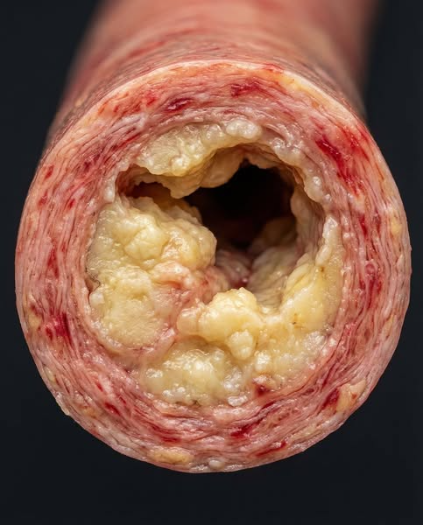
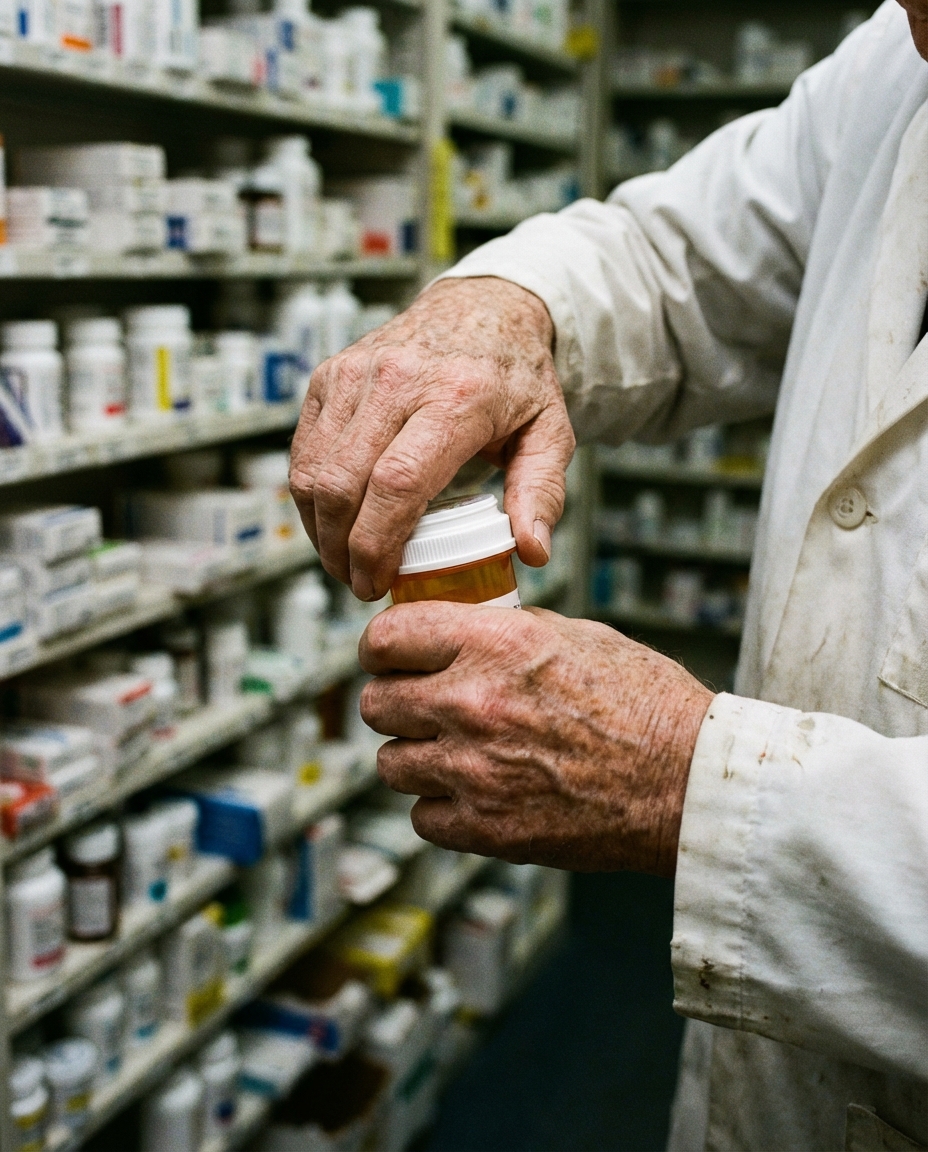
The delivery driver left it on my porch by mistake. A brown-paper package, hand-addressed in careful blue pen, the corners taped down the way people used to wrap things before everything came in a plastic bag with a barcode. The name on it wasn't mine. The street wasn't mine either. Three roads over from ours, one of those little lanes that dead-ends at the creek. I could have set it back out for the driver to sort out the next day. But it was going to rain that afternoon, the kind that comes in sideways off the fields and doesn't let up till dark. And the handwriting on it was the careful kind, the kind somebody sat down and took their time over. So I walked it over before the weather turned. A woman about my age answered the door with a dish towel over her shoulder, and her whole face changed the second she saw the writing. "That's from our daughter in Oregon," she said. "She still wraps them the way her grandmother used to. Nobody wraps a thing anymore." She held it against her chest for a moment like it was the girl herself standing on the porch. Then she wouldn't hear of me leaving without a cup of coffee. That's how it works out here, or how it used to, before everybody quit answering their doors. Her kitchen smelled like coffee and something baking, and there were grandkids' drawings taped to the refrigerator, going yellow and curling at the corners. Her husband was at the table with the newspaper folded to the crossword, and he started to get up to shake my hand, and I watched his grip give out. Just for a second. His fingers closed around my hand and then let go before he wanted them to, and he set his coffee down harder than he meant to, some of it going over the rim onto the saucer. He laughed it off. "Getting old," he said. "Can't hold onto anything anymore. Used to be able to crack a walnut in this hand." His name was Walter. He'd been a machinist for thirty-nine years, he told me, proud of it, made parts you could measure to the width of a hair. Half the porch rails and mailbox posts on that street he'd set himself, and he could still tell you which ones and what year. He told me about the parts he used to turn on the lathe, pieces that went into engines and machines all over the county, cut to a tolerance you measured with a gauge that cost more than his first car. He was proud of it, and he had every right to be. His wife stood at the counter refilling my cup and watching him the way you watch someone when you're frightened for them and working hard not to let it show. He reached for the sugar and knocked the spoon clean off the saucer, and he laughed, and she laughed with him, and neither laugh got anywhere near their eyes. I didn't understand yet what I was looking at. I only knew the kitchen was warm and the coffee was good and something underneath all of it was badly wrong. Hands like a vise his whole life. And now he couldn't keep hold of a coffee mug. His wife walked me back out to the porch when I left, and she stood there a minute in the doorway the way people do when they've been carrying something alone and a stranger feels safer to hand it to than family. She told me she was worried about him. His legs ached at night so badly he couldn't lie still. She'd hear him get up and move to the recliner, and still not settle, and be back up an hour later. He was tired, and no amount of sleep seemed to touch it. He fell asleep in his chair before the evening news was half over now, a man who used to be up before the birds and out in the shop by six. One morning she'd found him sitting at the bottom of the porch steps, just resting, because his legs wouldn't carry him back up and he didn't want to call out for her and worry her. He'd stopped going out to the shop entirely, she said, the shop that had been the center of his whole life. He'd quit driving to the diner for his Saturday breakfast because his hands shook too much for him to trust himself with the wheel. The dog walks had gotten shorter and shorter until some days he only made the end of the driveway and turned back. She kept finding him sitting down in the middle of things. On the edge of the bed. On the bottom porch step. On the bench out in the garden, just gathering himself to stand back up. He was 64. Her own father had still been splitting firewood at 80. The doctor had looked him over and said it was his age. Said it was probably the blood pressure, or all the walking, or just the years arriving all at once the way they do. The only thing the doctor had ever changed, she said, was to start him on a pill for his cholesterol that spring. I stood on that porch with the first drops of rain starting on the roof, and I felt something cold go straight through me. Because my own husband is 63. And six weeks earlier his doctor had put him on the exact same pill Walter was taking. A statin. I hadn't thought a single thing of it. The doctor said his cholesterol had crept up, wrote out the prescription, told him to go easy on the red meat, and honestly we'd both been relieved there was a pill that handled it. One less thing to worry about, we'd said. And here was Walter, a stranger at a kitchen table three roads from mine, the most careful man his wife could describe. She'd shown me his organizer sitting on their windowsill above the sink, filled out for the whole week in her handwriting. He hadn't touched red meat in a year. He walked their old dog twice a day, up to the creek and back, rain or shine. He'd given up the eggs, the bacon, the Saturday breakfasts at the diner he'd been going to since he was a boy. He did every last thing the doctor asked of him. And he was coming apart at his own kitchen table while everyone around him, his doctor included, called it age. I drove the three roads home and I couldn't get any of it out of my head. I walked in and there was my husband, asleep in his chair before the news was over, and there on our own windowsill above the sink was the same brown bottle. And for the first time in my life I was afraid of the thing that was supposed to be keeping him safe. I stood in my own kitchen that night and watched my husband sleep in his chair, and I did the arithmetic I didn't want to do. Walter, as careful a man as ever lived, on the pill half a year longer than my husband. Walter's grip, going. Walter's legs, going. And a doctor with a clipboard calling every bit of it his age. I picked the brown bottle up off our windowsill and read the label like it might have changed since the pharmacy handed it over. It hadn't. I set it back down exactly where it had been so my husband wouldn't know I'd touched it. I told myself I was making far too much of it. A coincidence. An old man with bad legs and a bad heart, and those things happen, and it had nothing to do with a pill half the men our age are on. That's all it was. I almost convinced myself. Two weeks later I saw Walter's wife at the pharmacy counter, and I nearly walked right past her because I didn't know her. She'd gone gray in the face, hollowed out, ten years older than the woman who'd handed me coffee. Walter had collapsed in the driveway on a Tuesday morning, on his way down to get the paper. A heart attack. He was gone before the ambulance reached the end of their lane. His numbers, she told me, had looked fine. His doctor had called his cholesterol "well managed" at his last visit and told him to keep doing exactly what he was doing. He had taken that pill every single morning without fail. He had given up everything they told him to give up. And his heart stopped anyway, on an ordinary Tuesday, reaching down for a newspaper, and no one in a white coat could tell her why. She'd found him already gone when she came out with his coffee, the newspaper still in its plastic sleeve a few feet from where his hand had come to rest. The paramedics were kind about it. It didn't matter, because there was nothing left for them to do by the time they turned into the lane. She'd buried him on a Saturday, and the whole street had come. And the thing she could not get past, the thing she kept turning over and over at that counter, was that he had done every single thing they told him to do. She kept saying it, right there at the counter, like she was still trying to make it fit. "They told us his numbers were fine. They told us he was doing everything right." I drove home and I sat in my own car in the driveway for a long time and couldn't make myself go inside. Because my husband was in there, in his chair, on the very same drug, being told the very same thing. His numbers look fine. Keep taking it. And all I could see was Walter's grip giving out on that coffee mug. His legs on the porch steps he couldn't climb. Every single person in his life calling it aging, right up until the Tuesday morning it turned out to be the thing that killed him. I thought about my husband's own next appointment, a few weeks out, and the pat on the shoulder he'd get, and the keep-it-up he'd hear on his way out the door. I thought about how easy it would be to say nothing. To trust the white coat the way we had always trusted it. To find out the way Walter's wife had found out, on a Tuesday, in a driveway. And I knew I couldn't do that. I couldn't just sit there and wait for it to be my husband in the driveway. So I started reading. Not because I understood any of it at first. Because I was scared out of my mind, and I had to know whether the bottle on our windowsill was protecting my husband or doing to him the exact thing it had done to Walter. And the same thing kept coming up, over and over, that no doctor ever tells you. Everybody watches one number. Your LDL. The doctor watches it, you watch it, the whole plan is built around driving it down. Get it low enough and they tell you you're protected. But that number was never the thing that hurts you. Cholesterol isn't poison. Your body makes it on purpose. You'd die without it. It only turns dangerous when it gets damaged. Oxidized. You ever cut an apple and leave it on the counter? Comes back brown. That's the air getting at it. That's oxidation. The same thing happens to the cholesterol in your blood. It goes rancid. And the rancid kind turns sticky. It works its way into the wall of the artery and packs in, year after year, into hard little deposits they call plaque. Then one day a piece of it tears open and the artery jams shut. That's the heart attack. Not the amount floating around in your blood. The oxidized kind, embedding in the wall. The damage. I read it three times. I sat at the kitchen table with the laptop open at 2 in the morning and read it three times. Here's the part that made me sit up straight. The pill he took every morning lowered the number on the chart. It did exactly what it was built to do. What it did not do, what nothing the doctor handed him could do, was stop the oxidation. The damage was going the whole time, right where nobody was looking. His heart wasn't killed by his LDL. His LDL was sitting in the range his doctor called fine the very day his heart stopped. The number was never the threat. The damage was. Read that again. His heart attack wasn't caused by the cholesterol floating in his blood. It was caused by the rancid, sticky, oxidized version of it that had been packing into the artery wall for years. The statin never touched that. It couldn't. And then I read the part that broke me. The way the statin drives that number down is it shuts off a switch in your body. That switch doesn't only make cholesterol. It also makes something called CoQ10. CoQ10 is the spark. It's what every muscle in your body uses to turn fuel into motion. The hands. The legs. The heart, most of all. You can have a full tank of fuel, and if there's no spark, nothing fires. Like a mower with a dead plug. It just sits there. The aching legs at night. The tiredness that sleep never fixed. The fingers that stopped gripping the way they used to. Everyone calls that aging. Everyone says it's probably from the walking. That was the pill draining the spark out of every muscle it touched. The heart most of all. They call it a side effect. That word is far too soft for what it is. That is the pill doing exactly what it was built to do. Here's why none of it saved him. The statin lowered the number it was built to lower. It did nothing about the oxidation that was actually doing the damage. And it drained the one thing his heart needed to fight back. He gave up everything he loved to chase a number that was never the threat, while the medicine that was supposed to protect him burned through what was left of his heart. I sat with that for three days. I didn't know what to do with what I'd read. So I did the only thing I could think of. I bought a bottle of the fish oil everyone swears by, because I was scared, and I'm not young, and after everything I'd seen I finally went and had my own blood drawn. It came back borderline too. I took it for three weeks. My friend Ellen, a cardiologist I'd known since college, the one person I trusted to tell me the truth, laughed when I told her. "Fish oil thins your blood a little," she said. "That's about it. It does nothing about the oxidation. Nothing about the plaque. It sits on the surface. It never reaches the wall of the artery where the real damage is." Then she said the thing I'll never forget. "If he'd been on something that actually stopped the oxidation without draining what was left of his heart, this could have gone a very different way." I stopped breathing for a second. "Then why didn't his doctor give him that?" She was quiet for a long time. "Because we don't prescribe supplements. We're trained to manage the number, not what's underneath it. Lower the LDL, check the box, see them again in six months. The thing that actually works isn't a prescription. And nobody in my profession is going to be the one to tell you." I went looking the next day. I stood in the tea and supplement aisle for forty minutes. Red yeast rice. Plant sterols. Fish oil. CoQ10. Niacin. "Cholesterol support" 30-day kits. And down on the bottom shelf, the boxes of cheap green tea and "heart health" tea, $12 for a hundred bags. I'd read somewhere that green tea and oolong had something in them for cholesterol, so I bought the cheap boxes and drank it for two weeks. Nothing moved. That night I went down a hole reading about what's actually in a grocery-store tea bag. What I found made me throw the box in the trash. The tea in those bags is the dust. The fannings, the broken bits and stems swept up after the good whole leaves are sorted out and sold to somebody else. It's grown fast and low and cheap, bred for volume the way a tomato gets bred for shipping instead of taste. And the polyphenols, the compounds that do the actual work in your blood, are mostly cooked out by the high-heat processing before the bag is ever sealed. A cup of that supermarket dust carries around 12 milligrams of polyphenols. The studies that show anything for cholesterol used a real dose, hundreds of milligrams, from whole leaf. I had been doing the right thing in the wrong form. Worse than the wrong form. The wrong everything. I was furious. I'm still furious. About a week later I was in an online group for people whose husbands are on statins, or who are on them themselves. The "just got the bad labs" people. The "doctor wants to put me on Lipitor" people. The "has anyone brought it down without the drug" people. A woman posted something that stopped me cold. Her husband had been on Lipitor for two years. His LDL came down on the chart, but the leg pain got so bad he couldn't sleep, his energy was gone, and his cardiologist still wanted to double the dose. Sound familiar. Then she got him onto a real whole-leaf oolong. Not the grocery bag. A high-altitude, semi-oxidized leaf that still had both families of polyphenols in it, the catechins and the theaflavins, at the dose the research actually used. She had him keep drinking it, two cups a day. Ten weeks later his cardiologist ran the oxidized-LDL test. His oxidized fraction had dropped from 71 down to 34. His total LDL had barely moved, still sitting right where his doctor had always called it fine. But the rancid half of it, the part that was actually tearing up his arteries, had been cut in half. His leg pain was gone inside three weeks. His energy came back. His cardiologist told him he could come off the Lipitor and just stay on the leaf. I read that post six times. I started looking into what she was drinking, and I learned there are five things a real cholesterol tea has to do at the same time, or you're wasting your money. It has to stop the oxidation. The catechins in real oolong keep the LDL from going rancid in the first place, so it never turns into the sticky kind that packs into the wall. It has to work on the cause, not just the number. Real oolong helps block cholesterol from being absorbed in the gut and helps the liver pull more of it out of your blood, so you're going after what's actually there instead of just the reading on a chart. It has to leave the CoQ10 alone. This is the one the statin can never do. Oolong doesn't touch the switch the statin shuts off, so it stops the oxidation and leaves the spark exactly where it is. It has to be the real leaf, not the dust. Whole leaf, grown high, over 4,500 feet, where the plant makes more of the compounds to protect itself from the cold and the sun. Semi-oxidized, so it keeps both families of polyphenols instead of just one. And it has to be processed to keep those compounds alive. Not the high-heat blast that turns the good leaf into cheap dust and cooks the polyphenols out before it's ever bagged. Five things. All five. At the same time. I went through every product I'd looked at. The green tea did part of one. The cheap oolong was dust. Not a single grocery box was whole-leaf, or high-altitude, or semi-oxidized, or anywhere near the real dose. Every one of them was the same commodity dust in a different color box. So I went back to the woman in the group and asked her what she'd found. She sent me the name. That's when I found PiPi. It was the only one I could find that did all five. Whole-leaf oolong, grown over 4,500 feet, semi-oxidized so it carries both the catechins and the theaflavins. Third-party lab tested, with the certificate right there to read. A cup carries 187 milligrams of the polyphenols, more than 15 times what's in the supermarket dust. Two cups a day, morning and night. And a 90-day money-back guarantee tied to your actual bloodwork, so if your numbers don't move you send it back and get every penny back, no questions and no fine print. I almost didn't order it. After the tea aisle. After the fish oil. After everything. But here's what took the last of my doubt away. There was a man in that same group, stubborn as they come, who tried it and refused to change one other thing. Kept eating his steak. Kept his eggs. Didn't start walking, didn't touch a diet, didn't go near a statin. The only thing he changed was the two cups of oolong a day. Ten weeks later his oxidized LDL had gone from 68 down to 31. He hadn't quit red meat. He hadn't changed a single other thing. He posted his labs in the group and said he almost cried in the parking lot of the lab. That's the one that isolated it for me. Because he removed every other explanation. There was a younger guy in the group too, forties, borderline at his physical, who started it and said the afternoon crash he'd been fighting for years was just gone, and the breath he'd lost climbing the stairs at work had come back. And a widow who'd lost her husband the same way, who wrote that starting it was the first thing since the funeral that made her feel like she wasn't just waiting for the phone to ring. I'm not a doctor. I'm not a scientist. I don't work for PiPi and I don't get a penny from any of this. I'm just someone who watched the whole system chase a number while the real thing went untouched, and I can't keep quiet about it. Here's what I know because I lived it. The statin lowered the number on the chart and never touched the oxidation that was actually doing the damage, and it burned through the spark the heart needed to fight back. Cutting out the food slowed things down a little going forward. It didn't undo the years of rust already sitting inside him. Fish oil thins the blood a touch and sits on the surface, nowhere near the wall of the artery. And most tea on the shelf is the wrong tea, cheap dust with the good part cooked out before it's sealed. The real whole leaf does the thing none of them could. It goes after the oxidation, it works on the cause, and it leaves the spark alone. Here's what I want you to do, and it costs you nothing to be sure. Ask your doctor for the oxidized-LDL test. Not the standard panel. The oxidized-LDL test, the one they don't run unless you ask for it, the one that shows how much of your cholesterol has already gone rancid. That's the number that actually tells you whether you're protected. On a total LDL around 130, you want that oxidized number well under 60. Most people who've been eating like the rest of us and doing nothing about it are sitting up around 70 or 80 without ever knowing it. Drink the real whole leaf, two cups a day, for one round of labs. Then have them run that same test again and check it yourself. Your next bloodwork is already on the calendar. Three months is one round of labs. You can know, in one round, whether this is real for you the way it was real for that man in the group. That's all I'm asking. One round. Here's where I got it. 👉 https://shop.pipitea.com/ppch/sp-nm Not the number. The damage. That's the line that finally made it click for me. I never did learn what was in that package. I think about Walter every time the delivery truck comes down our road. His grip giving out on that coffee mug. His wife's handwriting filling out the organizer on the windowsill. A careful man who did everything right. Gone in a driveway three streets from mine. Everyone calling it age, right up until the morning it wasn't. My husband is still in his chair. Still on the same drug. But now we know what to ask for. Ask your doctor for the oxidized test. Drink the real leaf. Check it in one round of labs. Do it before it's your driveway. Nora, 61, Chillicothe, Ohio P.S. I walked a package three streets over on a rainy afternoon, and it changed everything I thought I knew about the bottle on our own windowsill. Walter did everything his doctor asked. His numbers looked fine the whole time. If the person you love is on this drug and being told the same thing, please don't wait for the driveway. Ask for the one test they don't run. You can know in one round of labs. P.P.S. I don't work for PiPi and I don't get a penny from this. I'm writing this because I know what it is to watch someone chase a number while the real thing goes untouched. Share it with anyone you love whose cholesterol is up. Even a little. Even if the doctor says "borderline." Even if they're already on a statin. Please. P.P.P.S. If the person you're worried about is already on a statin and the numbers look fine, don't close this page. A total LDL can read perfectly fine on the medication while almost all of it has already gone rancid. His doctor would call that number "well managed." The number was never the threat. The damage was. The whole leaf works on the damage. It works alongside the statin, and it works after it. The first thing people tend to notice is the leg heaviness easing within a couple of weeks, even years into the drug. You haven't missed the window. The window opens the day you start. P.P.P.P.S. If you're reading this thinking "they'd never go for it," hear me. You don't have to win the argument. It's tea. You put it in the house and you pour a cup. Nobody has to believe a word of it on day one. They'll believe it ten weeks later when the oxidized number comes back cut in half. P.P.P.P.P.S. There's a 90-day money-back guarantee tied to actual bloodwork. If the oxidized number hasn't moved in three months, you send it back and get every penny back, no questions, no fight, no fine print. Three months is one round of labs. You can know in one round whether it's real for you. Don't let three months go by without it in the house. 👉 https://shop.pipitea.com/ppch/sp-nm P.P.P.P.P.P.S. One more thing. Get the real whole leaf, not the supermarket dust that started this whole mess for me. There are already cheap knockoffs trading on the name. If it's grown low and cheap and ground into fannings, it's the red-dust aisle all over again, and it won't do a thing for the oxidation.
Natural Relief in Weeks
LEARN MORELike this ad? Make it yours.
Crush rebuilds this exact creative around your product — your brand, your colors, your offer — in about a minute.