Emily Caldwell - Health After 50
Emily Caldwell - Health After 50 Facebook ad: “After Assisting in 200 Spine Surgeries, I Finally…”
Ran for 2 days, from August 7 to August 9, 2026, the last day Crush saw it.
Run by Emily Caldwell - Health After 50 on Facebook. Crush is not the advertiser and does not verify its claims. See this ad in Meta's Ad Library(opens in a new tab)
Want an ad like this for your product?
Crush makes new ad images for your product from this ad: your logo, your product photo, your offer.
Trials from $19.95 USD, then $79.95 USD a month. Cancel anytime.
About this ad
- Meta Ad Library ID
- 4656580554667565
- Platforms
- Facebook, Instagram and Messenger
- Relaunches
- 0
Ad text
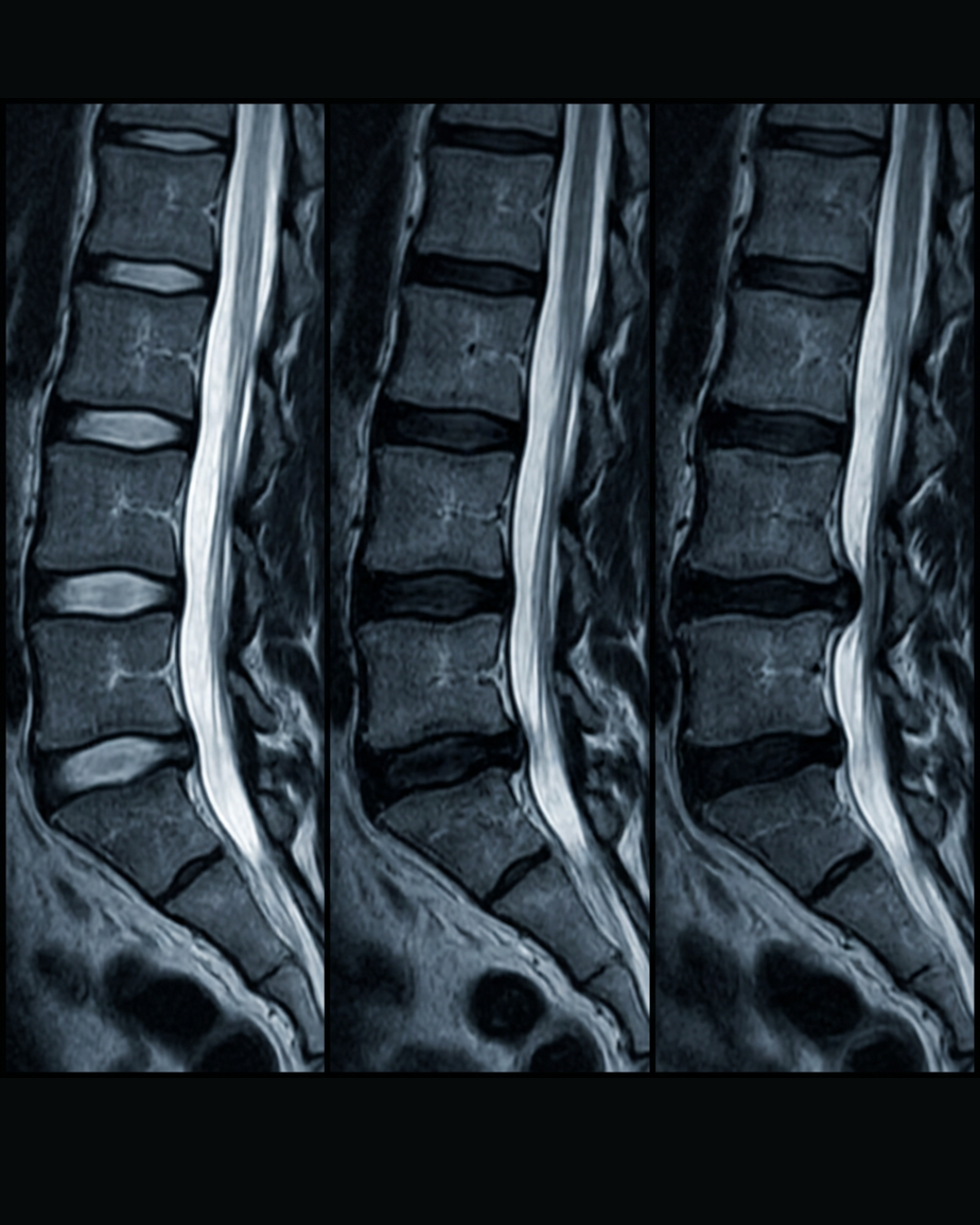
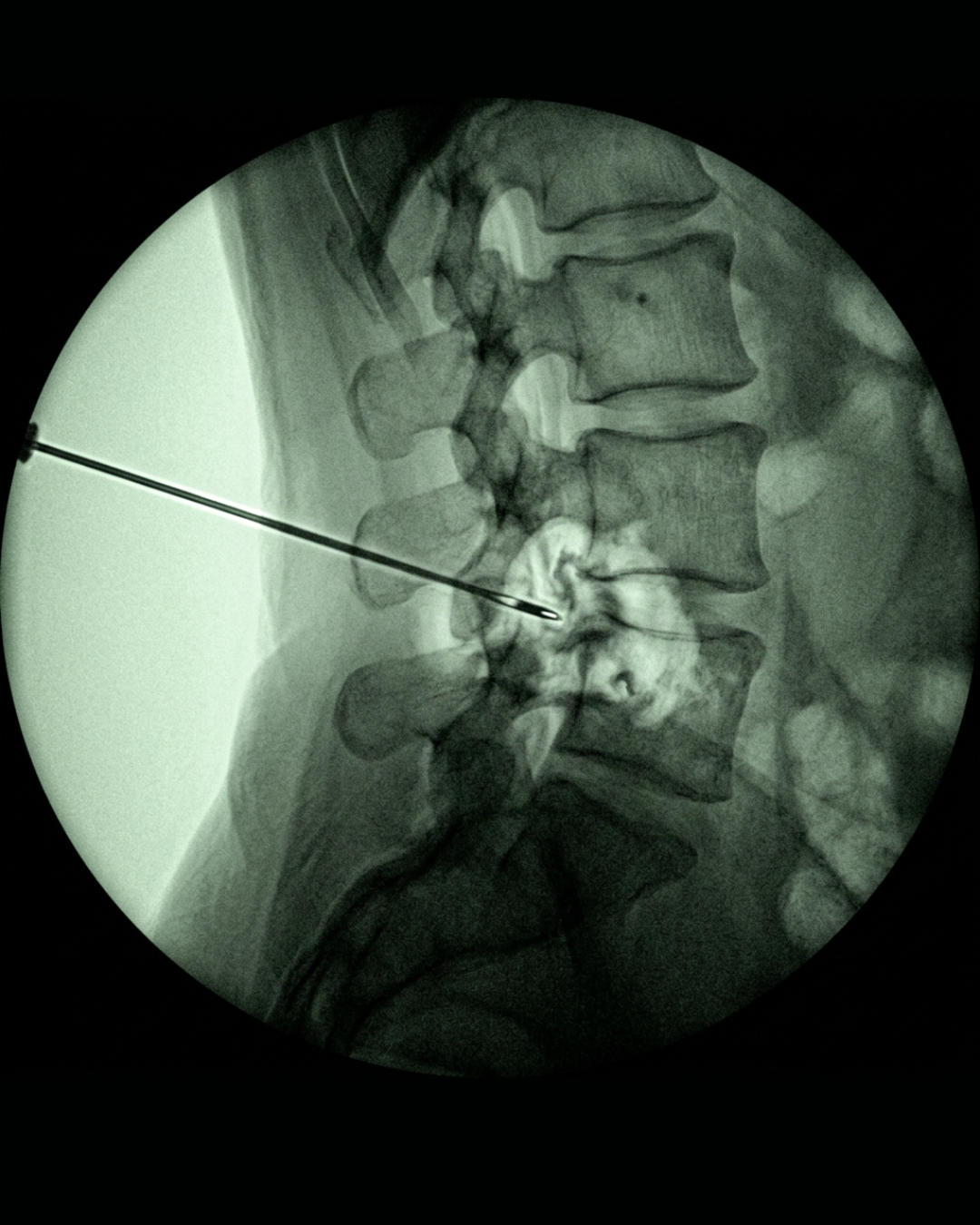
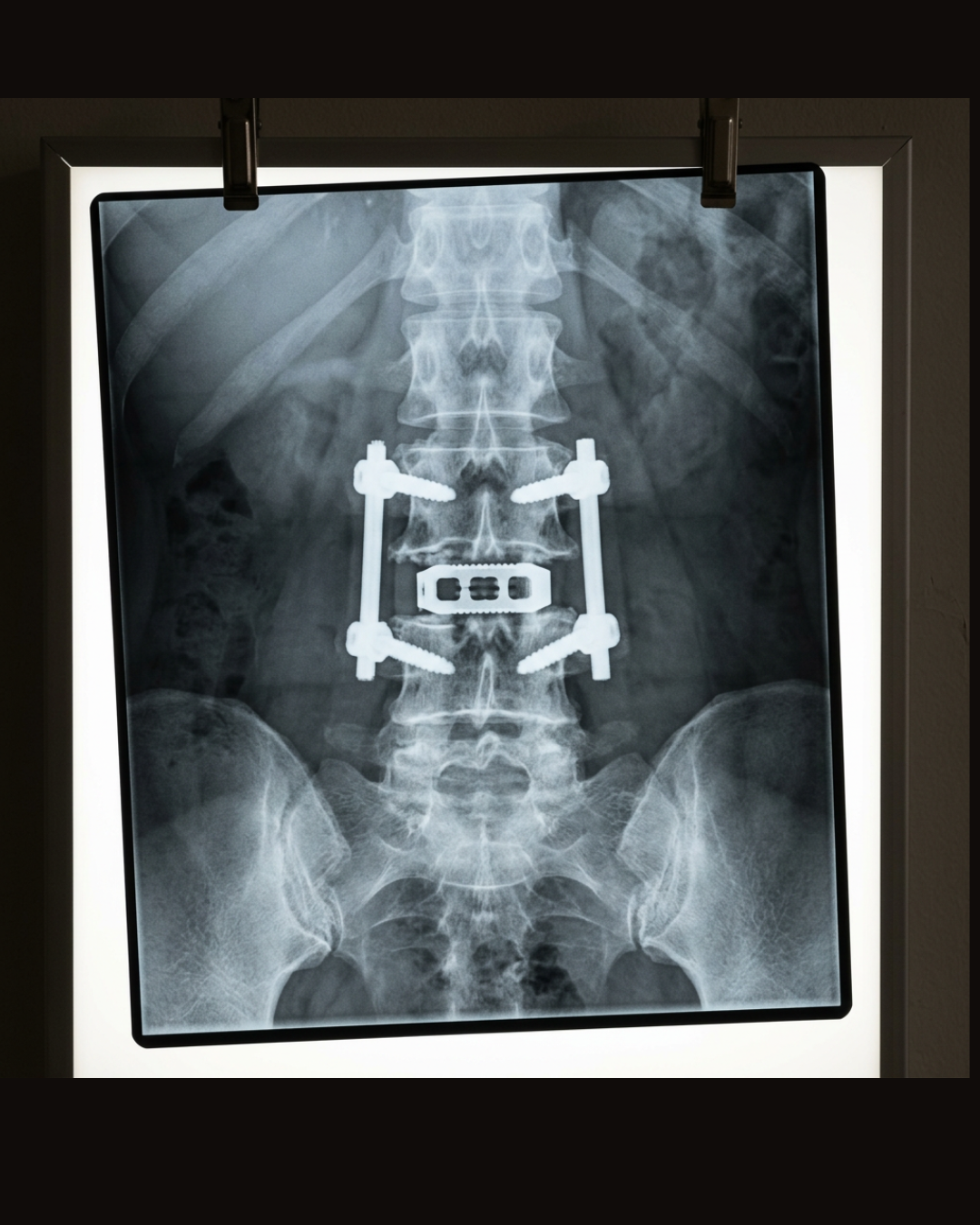
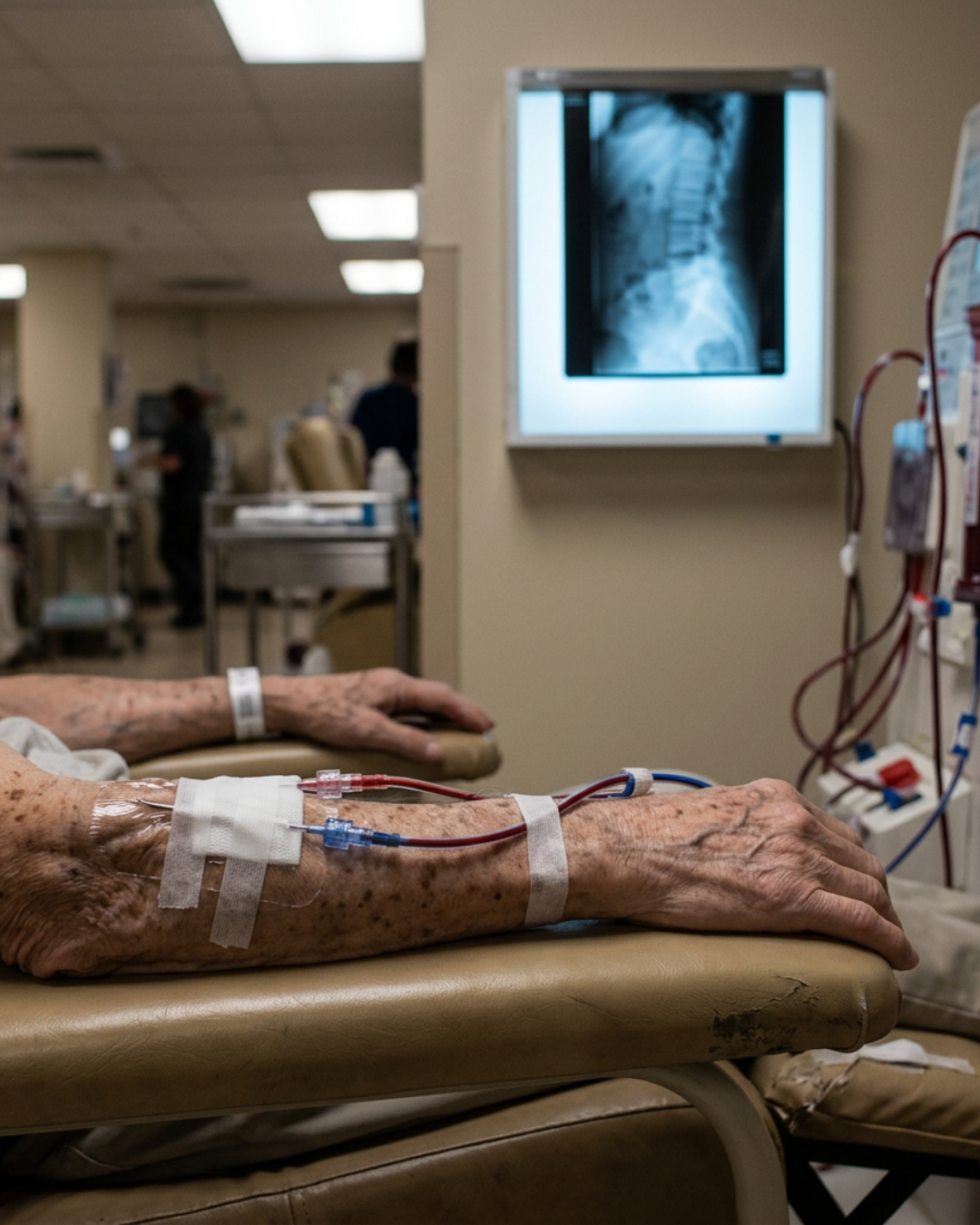
I've assisted in over 200 back surgeries as a surgical nurse. For 18 years, I stood beside surgeons, handed them instruments, monitored patients as they went under with total confidence in what we were about to do. For years, I believed in it completely. But after enough follow-up calls, enough patients who came back months later still struggling to tie their shoes or get out of bed, something started to bother me. The scars healed. Many patients didn't. I remember one patient clearly. Barbara, 67, a retired nurse herself. 32 years on her feet, lifting patients, working double shifts. She couldn't stand more than ten minutes without her leg going numb. Couldn't pick up her granddaughter. She'd tried chiropractors, injections, pills that left her foggy and still in pain. I prepped her for surgery myself. Told her she'd feel so much better afterward. Six weeks later, she was back on the follow-up schedule. Still in pain. Still couldn't stand. "I don't understand," she said. "I did everything right." I didn't have an answer. So that night, I started researching – every study I could find on why back surgeries don't always hold. What I learned surprised me: a meaningful share of back surgeries don't provide lasting relief, according to the research I found. The nerve gets decompressed, but the discs themselves are still thinned out and dehydrated. A research paper out of a Swedish spinal rehabilitation institute put it plainly: Disc dehydration plays a bigger role in sciatica than people realize, sometimes more than the herniation itself. Surgically removing herniated material doesn't rehydrate a disc that's been drying out for years. We were treating a symptom while the underlying cause kept advancing. A physical therapist I knew from the VA told me about three therapies working together: Spinal traction to create space for the discs to reabsorb fluid, Therapeutic heat to increase blood flow and deliver nutrients, And deep tissue massage to release the muscles locking the spine in compression. Each alone falls short. Traction without addressing the muscle tension gets pulled right back; heat alone has nowhere to send the fluid it brings in. Together, they actually could make a difference. I found a method that combines all three at home, for a fraction of what a clinical traction unit alone costs. I tried it myself first – 18 years of 12-hour shifts and bending over operating tables had done a number on my own back. Within two weeks, the morning stiffness I'd accepted as "part of the job" was gone. So I called Barbara. She was skeptical. She'd already spent thousands on things that hadn't worked. But it came with a guarantee, so she agreed to try. Three weeks later she called me, crying: "You saved me, doc. I have 6 straight days that I’ve slept until 7 am without waking up once - first time in years. I can drive again and I get out of the car without groaning. Also my limping stopped and I have no need to hunch over to brace for the pain. This terrible hot poker is gone.” I still work in healthcare. But I don't assist in back surgeries anymore – not because surgery is never necessary, but because I've seen too many people go under the knife without hearing this explanation first. If you've been told surgery is your only option and you’re looking to end sciatica once and for all, please, take a step back before you sign. And check this home fix. https://try.smoothspine.com/coc-tfbm-adv-nu2 Don’t worry. It doesn’t require any exercises or weird stretches.
Where the ad sends people
try.smoothspine.com
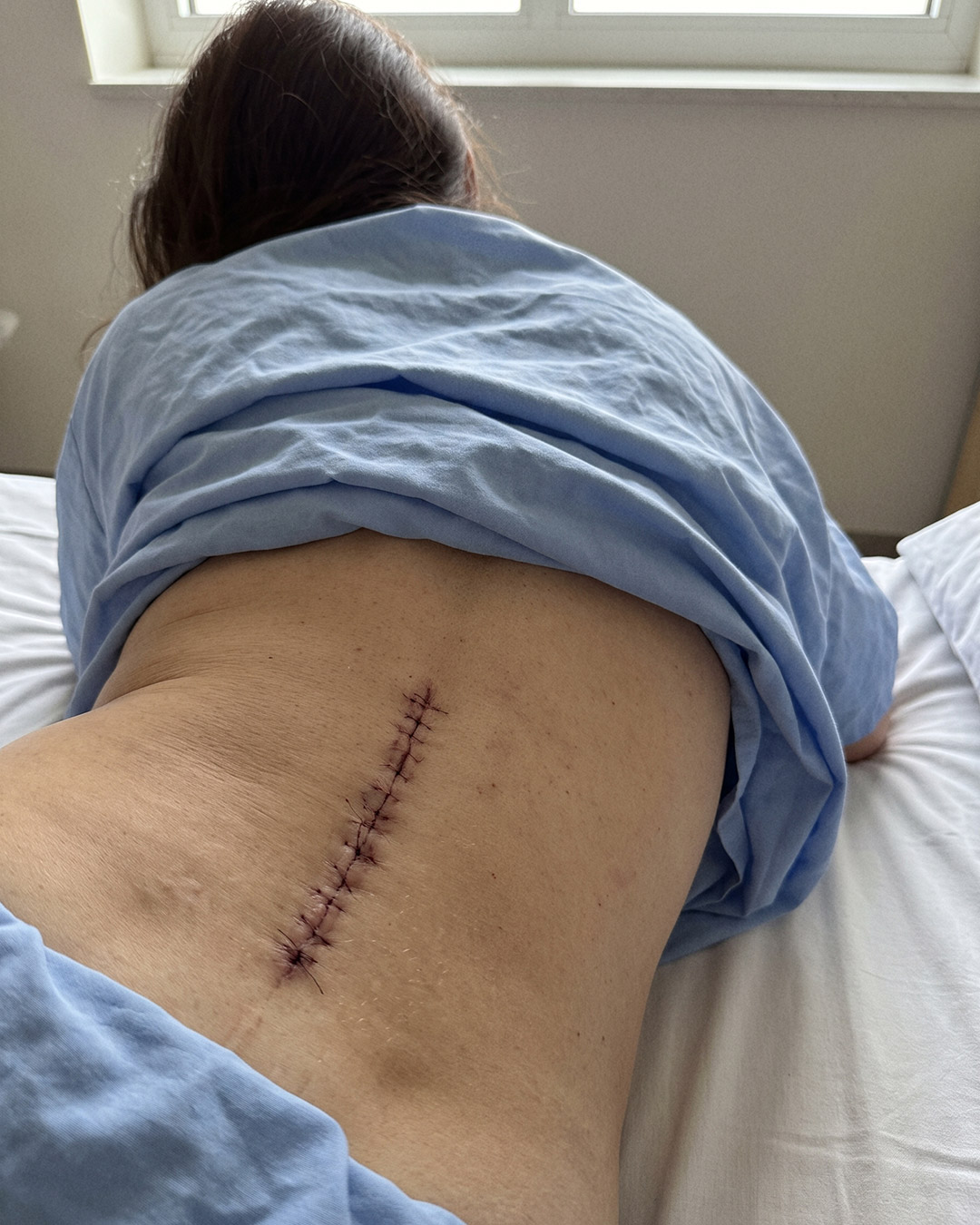
After Assisting in 200 Spine Surgeries, I Finally Understood Why So Many of My Patients Never Actually Got Better
A white-hot bolt of electricity that shot from my L4 vertebra, ripped through my hip, and exploded into my foot like someone had shoved a cattle prod into my spine.
Learn more: try.smoothspine.com(opens in a new tab)