Josie Fitzpatrick
Josie Fitzpatrick Facebook ad: “How I saved my smile”
Ran for 34 days, from January 18 to February 21, 2026, the last day Crush saw it.
Run by Josie Fitzpatrick on Facebook. Crush is not the advertiser and does not verify its claims. See this ad in Meta's Ad Library(opens in a new tab)
Want an ad like this for your product?
Crush makes new ad images for your product from this ad: your logo, your product photo, your offer.
Trials from $19.95 USD, then $79.95 USD a month. Cancel anytime.
About this ad
- Meta Ad Library ID
- 666958229837422
- Platforms
- Facebook, Instagram, Audience Network, Messenger and Threads
- Relaunches
- 1
- Niche
- Food & Beverage
Ad text
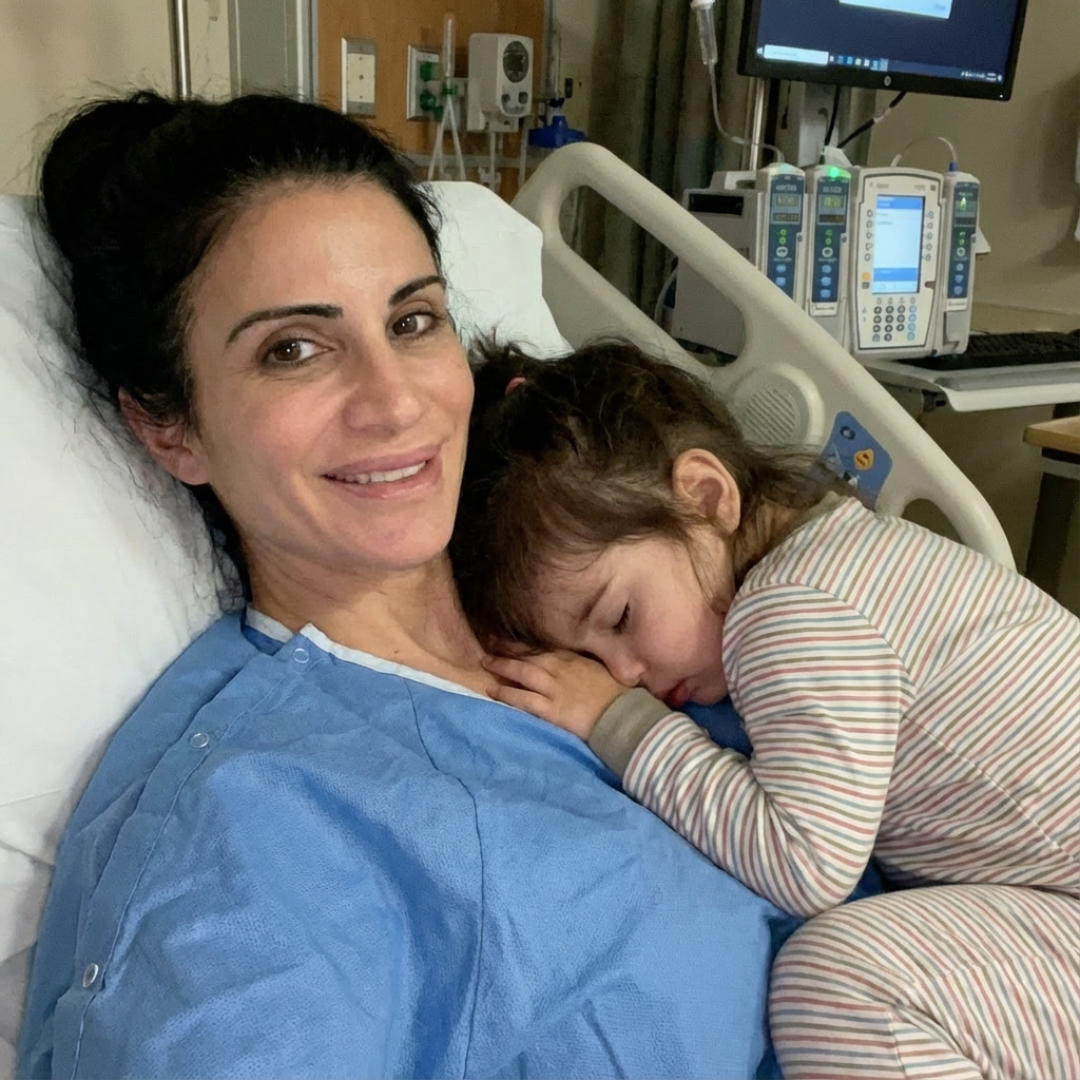
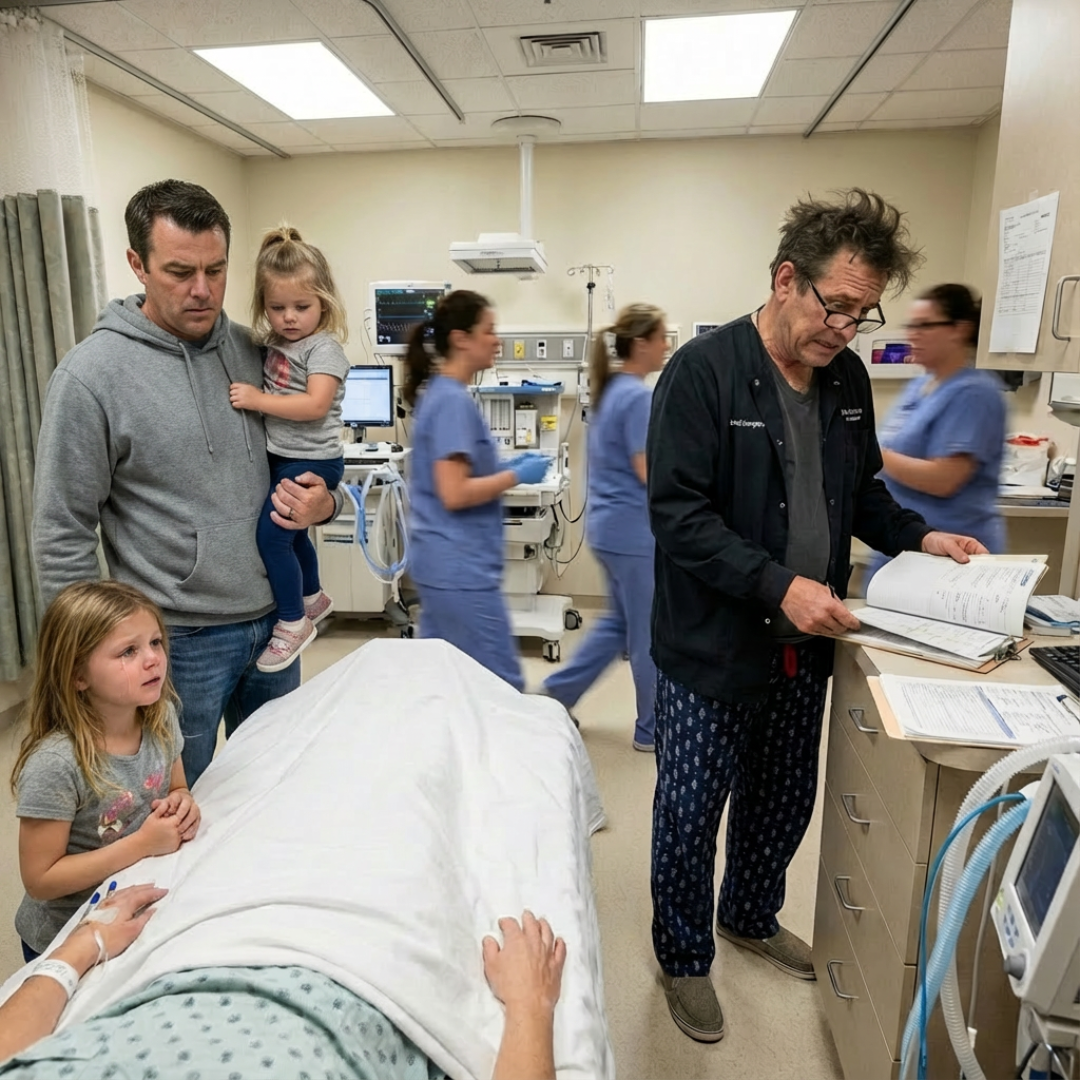
The oral surgeon arrived at 3:17 AM in pajama pants. He'd been called in for an emergency. My emergency. I was in a hospital—shaking in the bed while my husband and daughters watched. All three looked terrified. The surgeon pulled up my X-rays and his face changed. Not pity. Not concern. Anger. "How long have you been whitening?" I froze. How did he know? "Once a week," I whispered. "Sometimes twice." He looked at the nurse. Rolled his eyes. Then he zoomed in on the X-ray so my husband could see. "Your enamel is almost gone. What you're experiencing isn't sensitivity. It's nerve exposure. Your teeth have been chemically destroyed." My husband's voice shook: "Is this permanent?" Silence. Then Dr. Booth, the surgeon, looked at me. "If you keep doing what you're doing—whitening, ignoring the pain—you'll be back here in six months." He paused. "And next time, we won't be able to save your teeth." My stomach dropped. I'm 53. Same dentist for 12 years. Never missed a cleaning. I brush twice a day. Floss. Use "premium" toothpaste. And I've spent thousands on whitening. Because my teeth started yellowing in my early 40s. I thought I was doing something wrong. So I whitened. It worked—for a few weeks. Then the yellowing came back. Worse. So I whitened again. Weekly. Sometimes twice a week. That's when the sensitivity started. Ice water hurt. Cold air hurt. I switched to Sensodyne. It helped. For a while. Then it stopped. I told my dentist. He said it was normal. "Part of getting older." He told me to keep whitening. Upgrade to stronger treatments. So I did. I trusted him. But the sensitivity got worse. The yellowing came back faster. Until I began experiencing pain so severe I wanted to rip my teeth out. **You Know Exactly What I'm Talking About** You whiten. Your teeth look great for two weeks. Then the yellowing comes back. Faster than last time. So you whiten again. Except it doesn't work as well. Results fade quicker. Then the pain comes back. Worse. You tell your dentist: "My teeth are so sensitive. I can barely drink water." He says: "That's normal. It'll pass." But it doesn't. Meanwhile, your teeth keep getting MORE yellow. You're trapped. Stop whitening? They look worse. Keep whitening? The pain gets unbearable. You pay $600 for professional bleaching. "This is the most advanced whitening technology. It'll last longer." It lasts three weeks. Then you're back to yellow. Back to sensitivity. Back to smiling with your mouth closed. You've spent thousands. And every single time: it works temporarily, stops working, gets worse. The Night It Finally Broke: 2 hours before the hospital, I woke to pain I'd never felt. Not in one tooth. In EVERY tooth. Like my mouth was wired to an electrical outlet. I couldn't breathe through my mouth. The air felt like knives. I couldn't swallow. My saliva burned. I stumbled to the bathroom mirror. My gums were swollen. Angry red. My teeth looked glassy. Translucent at the edges. Almost skeletal. I tried to rinse with water. The pain was so severe I collapsed against the sink. That's when my husband and kids found me. "We're going to the hospital. Now." In the car, I couldn't talk. Every movement sent shockwaves through my skull. I'd been fine when I went to bed. I'd done my usual routine: brushed, used whitening strips, rinsed. The same routine for eight years. But something had finally broken. What Dr. Booth Told Me at 3 AM: At the ER, they sent me straight to oral emergency. They called in Dr. Booth at 3 AM. He showed up in pajamas, half-asleep. But the second he saw my chart, he was wide awake. He pulled up X-rays. Then that look. Anger. "Where were you getting whitening done?" "At my dentist's office." Dr. Booth sighed like he's heard this too many times before. "They recommended you whiten regularly? Sold you a package?" I nodded. He pulled the X-ray up bigger. "Your enamel is almost gone. This isn't sensitivity. It's nerve exposure. Your enamel has been chemically eroded. That's why you're in this much pain." "Is this permanent?" my husband asked. "We need to stabilize the pain. But if you keep doing what you've been doing—whitening, ignoring symptoms—you'll be back in six months. And next time, we won't be able to save your teeth." I felt sick. "But," he continued, "there IS something you can do. It's called remineralization. It's the only thing I've seen that actually rebuilds enamel." Remineralization? I'd never heard that word. He pulled his chair closer. "The pain you're feeling? The yellowing? That's because your enamel is weak. It's lost minerals—the building blocks that make enamel strong." He paused. "Remineralization means replacing those lost minerals. Giving your enamel back what's been stripped away. When you do that, enamel gets stronger. Sensitivity stops. Yellowing fades naturally—not from bleaching, but because healthy enamel looks brighter." That made sense. "So it's... rebuilding the structure?" "Exactly. Now let me show you what's been happening." The 3:30 AM Anatomy Lesson: As the pain medication kicked in, the absurdity hit me. It's 3:30 AM. A surgeon in pajamas is giving me an anatomy lesson while my family watches. My husband smirked—trying not to laugh. But Dr. Booth wasn't smiling. "You think whitening just removes stains, right?" I nodded. "That's what everyone thinks. But here's what's actually happening." He pulled up a diagram. "Your enamel is made of hydroxyapatite. It's 97% of your enamel's structure. It's what makes teeth hard, protective, and naturally bright." He pointed to my X-rays. "When you use whitening strips, hydrogen peroxide doesn't just bleach stains. It chemically breaks down enamel. It strips away the minerals." He continued. "Even without whitening, this same process is already happening naturally as you age. It's probably the reason your grandparents had dentures." I stared. "You've been exponentially speeding up the natural decay of your teeth." "Every time you whiten, you remove mineral density. Your enamel gets thinner. More porous. Like turning a brick wall into a sponge." He zoomed in. "And here's the cruel part: porous enamel traps MORE stains. Coffee, wine, tea—they embed in those pores. So yellowing comes back faster. You whiten more. Strip more minerals. Get more porous." I felt sick. "That's why results faded faster every time?" "Exactly. You were caught in a cycle that accelerates enamel loss. And your dentist saw this. The sensitivity. The yellowing. The translucence." "Then why didn't they stop me?" He looked at me. "Because whitening is a $400-$600 service. When results fade in three weeks, you come back. Recurring revenue." The room went silent. "That's why Sensodyne didn't work. It numbs nerves. Doesn't rebuild enamel. Pain goes away temporarily, but the structure keeps breaking down." "That's why stopping whitening didn't help. The damage was done. The enamel was porous. It kept trapping stains." He closed the X-ray. "You weren't doing anything wrong. You were doing what you were told. The system failed you." **What He Told Me to Do** I sat there, processing. "So what do I do? If enamel can't regenerate... is this permanent?" Dr. Booth leaned forward. "Enamel can't regenerate on its own. But it CAN remineralize. That's the difference between losing your teeth in five years and keeping them for life." He pulled out his phone. "Enamel is 97% hydroxyapatite. A mineral. Your body can't grow new enamel like hair or nails. But it CAN absorb minerals externally—which will reinforce and rebuild the enamel you've damaged." "Like a supplement?" "Exactly. But not toothpaste. Not gels. Those rinse away instantly." He showed me his screen. SmileGuard Oral Defense Chews. "This is what I recommend. It's a daily chewable. You take one after brushing—chew for 30 seconds, let it dissolve. It coats every tooth with pharmaceutical-grade hydroxyapatite—the exact mineral your enamel is made of." He scrolled. "Here's what makes it different: contact time. The minerals stay on your teeth for 12-24 hours. Long enough to absorb. Fill pores. Rebuild density." He continued. "It contains three ingredients that work together." **Pharmaceutical-grade hydroxyapatite (500mg)—**the exact mineral enamel is made of. Day after day, it integrates into porous areas. Fills cracks. Reinforces thin spots. This stops sensitivity. Makes teeth feel solid. Reinforced enamel also appears brighter, smoother, and naturally whiter—without bleaching. **Xylitol (325mg)—**disrupts bacterial film that traps stains. Less film means pigments can't stick. Enamel stays cleaner, brighter naturally. It also creates an alkaline environment that protects enamel and helps hydroxyapatite bond. **3-strain oral probiotics (4 Billion CFU)—**because remineralization doesn't work if harmful bacteria dominate. They produce acids that strip minerals faster than you replace them. Probiotics rebalance your oral environment. Reduce acid. Create conditions where remineralization takes hold. He looked up from the phone. "Together, these don't mask symptoms. They fix the broken structure." "The broken structure that's the reason you're here today." I glanced at my husband. He was leaning in. "Why didn't her dentist tell her this?" he asked. Dr. Booth's expression hardened. "Because there's no recurring revenue in prevention. Whitening every six months? $600 a visit. Veneers when enamel gives out? $15,000 to $40,000. Remineralization? You do it at home. One bottle lasts a month. They don't profit." He put his phone away. "You caught this early. If you start now—today—you can rebuild enough density to avoid crowns, veneers, implants. Wait six months, a year? We'll be having a very different conversation." The room was quiet. "These nerve blockers I'm about to give you will temporarily diminish your pain for a few days. But the real fix? That starts with remineralization." He handed me a note. SmileGuard Oral Defense Chews. One daily. "This isn't optional. This is how you keep your teeth." That was four months ago. I started SmileGuard the day it arrived. One tablet after brushing. 30 seconds of chewing, then let it dissolve. First week, nothing dramatic. But by day 8: I drank a full glass of ice water. Didn't wince. Not once. Two weeks in, my husband asked if I'd whitened again. I hadn't. "They just look... better. Less yellow?" I didn't tell him I'd bought SmileGuard yet. I needed to know it was real. But I'd noticed too. My teeth didn't look dull. Translucent edges weren't as pronounced. They looked like MY teeth again. Six weeks later, at lunch with friends, I laughed—really laughed—without covering my mouth. "Wait, when did you get your teeth fixed? They look amazing." "I didn't. I've just been taking a supplement." "A supplement made them whiter?" "Not whiter. Stronger." That's when it hit me: I wasn't embarrassed anymore. Not avoiding photos. Not smiling with lips pressed tight. For the first time in three years, I felt like myself. Last month, Dr. Booth took new X-rays. "Your enamel density has improved. Measurably. You're not in crisis anymore." "So I'm not going to lose my teeth?" "Not if you keep doing what you're doing. You caught it in time." I sat in my car afterward and cried. Not because I was scared. Because I wasn't scared anymore. What I've Learned: I'm not back to where I was at 20. But I'm not on a path to dentures at 60. My teeth feel solid. Look healthy. I can drink coffee without worrying. The constant panic that sat in my chest for years? Gone. Maybe you're thinking: **"What if I just stop whitening?"** I tried that. Stopped for three months. My teeth got MORE yellow. Because damage was done. My enamel was porous. It kept trapping stains. Stopping whitening doesn't reverse mineral loss. **"What about gentler whitening?"** "Gentler" whitening still strips minerals. Just slower. You're still in the cycle. **"What about remineralizing toothpastes?"** Toothpaste rinses away in 30 seconds. No time for minerals to absorb. You need extended contact time. That's why a chewable works. **"What about veneers?"** Veneers cost $15,000-$25,000. Crowns? $20,000-$40,000. They require shaving down your natural teeth. Replacements every 10-15 years. It's not a fix. It's a permanent dependency. The Truth: There's only one way to rebuild enamel density: supply hydroxyapatite in a form that stays in contact long enough to absorb. Everything else masks symptoms or waits until you need surgery. Your teeth are yellowing. Getting more sensitive. Looking duller. You've tried whitening. It worked temporarily. Then made it worse. You've tried sensitivity toothpaste. It numbed the pain. Didn't fix the problem. And you're wondering: "Is this just what happens?" No. But if you wait, enamel keeps thinning. Sensitivity gets worse. Yellowing accelerates. By 60, you're looking at $20,000-$40,000 in dental work. Or dentures. I was six months from that. This is fixable. Right now. Here's What You Do: SmileGuard Oral Defense Chews work with whatever toothpaste you're already using. You don't need to change your routine. One tablet daily. 30 seconds of chewing. Let it dissolve. That's it. Most people notice reduced sensitivity within 2-3 weeks. Yellowing starts to fade by week 6-8. Teeth feel noticeably stronger by week 10-12. And if it doesn't work? **90-day money-back guarantee.** Full refund. No questions asked. You'll know it's working in two weeks. Sensitivity fades. Teeth feel smoother. By week six, others begin people notice. **Don't Wait** You've spent years worrying. Years avoiding mirrors. Years smiling with your mouth closed. You deserve to stop being afraid. Your teeth deserve more than temporary fixes that make it worse. This is the answer. Don't wait until you're in a hospital at 3 AM being told it's too late. → https://smileguard.store/products/dental-oral-health-chewables --- **P.S.** If your teeth are yellowing, if cold drinks hurt, if your smile doesn't look right—that's not cosmetic. That's structural failure. Your enamel is losing minerals faster than your body can replace them. Most see improvement within 6-8 weeks. Every day you wait, damage compounds. **P.P.S.** I don't work for SmileGuard. I'm not paid to write this. Four months ago, I was in a hospital at 3 AM being told I was about to lose my teeth. If Dr. Booth hadn't told me about remineralization, I'd be on a payment plan for veneers. Your teeth are worth more than that. You're worth more than that.
Where the ad sends people
smileguard.store
How I saved my smile 👉
Dental + Oral Health Chewables combine carefully selected ingredients to support oral wellness and overall health. Xylitol, a naturally occurring sweetener, is valued for helping maintain a healthy mouth environment. Guava fruit powder adds plant-based nutrients, while microcrystalline hydroxyapatit...
Learn more: smileguard.store(opens in a new tab)