

Healthy Dog Insiders
Active· since Jan 29, 2026
- 234
- days running
- 0
- relaunches
Ad copy
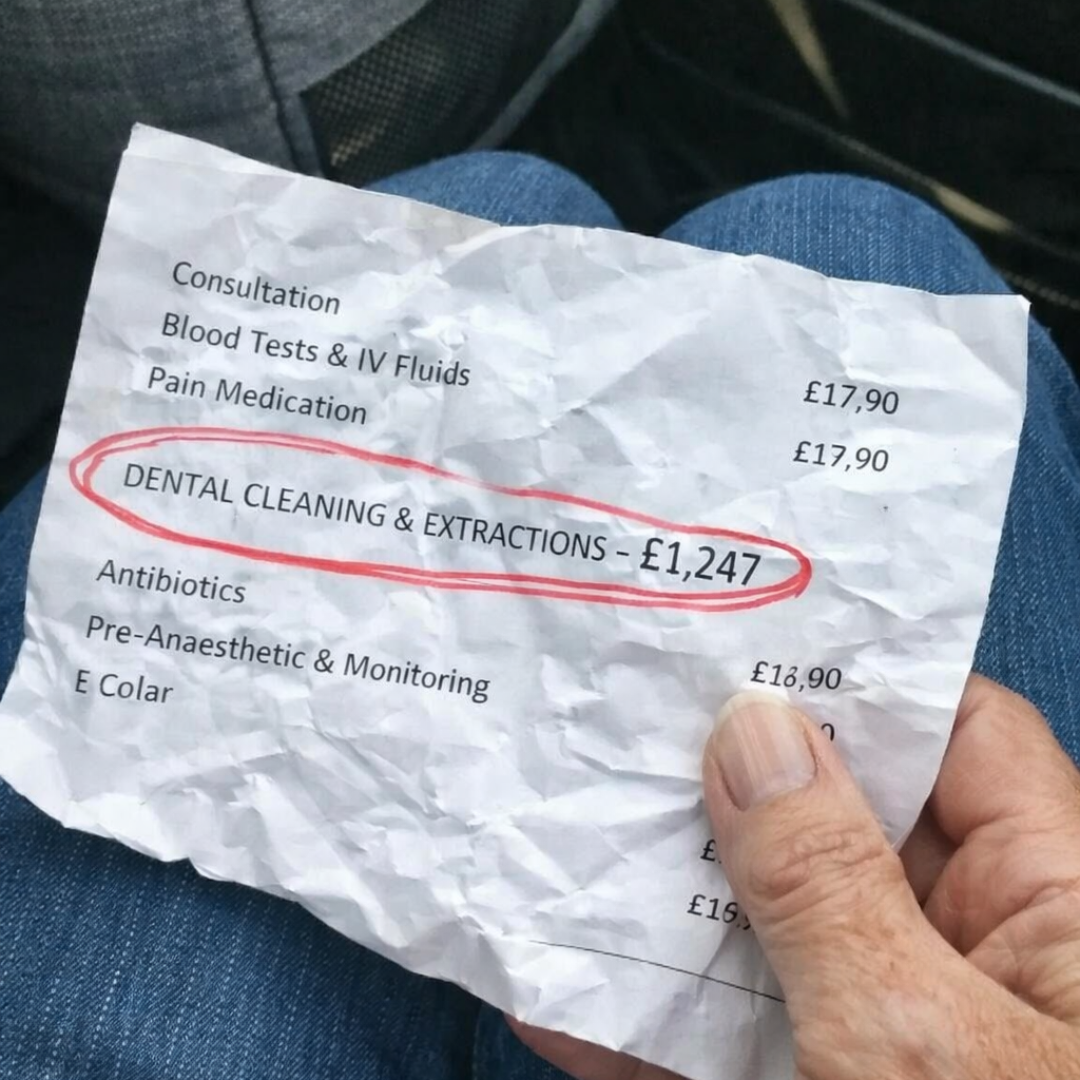
I was 48 hours away from putting my senior dog under anesthesia for a £600 dental procedure when a veterinary nurse pulled me aside and whispered something that changed everything. My hands were actually shaking as I held the consent form. The part about "risk of death during anesthesia" kept blurring in front of my eyes. Milo is 11. A Cavapoo. My constant companion since I moved to this tiny flat in Manchester. The vet had shown me the photos from inside his mouth during the exam. Brown tartar crusted along his gum line. Red, angry tissue. She'd used words like "stage 3 periodontal disease" and "bacteria entering the bloodstream." "If we don't do this," she said, tapping her pen on the x-ray, "the infection will spread to his heart. His kidneys." So I booked it. What choice did I have? But that night, I couldn't sleep. I kept thinking about my colleague's Cockapoo who never woke up from a routine dental cleaning last year. "Just one of those things," their vet had said. The dog was 9. Milo is 11. I lay there at 2:47 AM, listening to him snore in his bed beside me, and felt sick with fear. The next morning, I went back to the clinic to pay the deposit. That's when Sarah, one of the veterinary nurses, caught me in the hallway. She glanced toward the exam rooms, then back at me. "Can I show you something?" she said quietly. "In my car. Just... trust me." I followed her out to the car park, confused. She opened her boot and pulled out what looked like a small tub of wipes. The kind you'd use for cleaning surfaces. "My dog is 13," she said. "Cavalier King Charles. Three years ago, she was in the exact same position as Milo. Stage 3 disease. £580 quote for the full dental under anesthesia." "And?" "And I couldn't do it. She has a heart murmur. The anesthesia risk was too high." Sarah looked around again, like she was sharing something she shouldn't. "So I started using these. Every single night. Just wrapped around my finger, 30 seconds per side of her mouth." "Wipes?" I stared at her. "How is that—" "Her last check-up was two weeks ago. The vet said her teeth look better than dogs half her age. No surgery needed. And she's never been under anesthesia." She pressed the tub into my hands. "I'm not supposed to tell clients this. But I can't watch another senior dog go under when there's... look, just try it. You've got 48 hours." I drove home in a daze. That night, I sat on the floor with Milo and opened the tub. The wipes were thick, textured on one side. They smelled faintly of mint and something else I couldn't place. I was so skeptical. How could wiping his teeth possibly work when I'd already been told he needed surgery? But I wrapped one around my finger and gently lifted his lip. He didn't fight me. If anything, he seemed curious. I ran the textured side along his gum line, and when I pulled the wipe away, I actually gasped. It was covered in brown film. Plaque I could physically see. I did the other side. Same thing. The wipe was disgusting. But his teeth looked... cleaner. Noticeably cleaner. After 60 seconds. I did it again the next morning. And that night. And the next morning. By day two, I could see pink gum tissue starting to show through where it had been angry red. The tartar along his front teeth was visibly reduced. I cancelled the surgery. My vet was not pleased. She warned me I was "playing with his health." That only a proper scale and polish under anesthesia could truly clean beneath the gum line. But I kept going. Every morning. Every night. 30 seconds. Within two weeks, his breath didn't smell like rotting fish anymore. Within a month, I could see the difference when I lifted his lips. The brown crust was almost gone. I took him back for a check-up at eight weeks. Different vet this time. Younger. She examined his mouth with that tiny light, probing gently along the gum line. "Well," she said slowly, "I'm looking at the notes from his last visit and... this doesn't match what I'm seeing." "What do you mean?" "His notes say stage 3 disease. Recommendation for full surgical intervention. But what I'm seeing is stage 1, maybe stage 2 at worst. Mild inflammation. Minimal tartar." She looked up at me. "What have you been doing?" I told her about the wipes. She sat back. "Honestly? I wish more owners did this. The mechanical action—actually physically scrubbing the teeth—that's what removes plaque before it hardens into tartar. But most people can't manage a toothbrush. Their dogs won't tolerate it." "So this actually works?" "If you're doing it daily, yes. You're removing the bacterial film before it calcifies. That's the whole game." She paused. "Keep doing exactly what you're doing. We'll monitor him, but right now? He doesn't need surgery." I cried in the car park. That was eleven months ago. Milo is still here. Still healthy. Still has never been under anesthesia. I think about what Sarah told me sometimes. About how she wasn't "supposed" to tell clients. About how the industry defaults to surgery because that's what they've always done. And I think about what that young vet said: "Most people can't manage a toothbrush." She was right. I'd tried brushing Milo's teeth for years. He hated it. Fought me. Turned it into a wrestling match that left both of us stressed. But the wipes? He thinks I'm just petting his face. Sometimes he licks my hand while I'm doing it. And that textured side—the slightly rough surface—does what brushing never could. It actually scrubs. I can feel it catching on the plaque, lifting it away. I started thinking about what happens in our mouths when we don't brush for even a day. That fuzzy feeling on our teeth. That's bacterial film. Plaque. If we left it for weeks, it would harden into tartar—the brown crust that can only be removed by a dentist's scraper. The same thing happens in dogs' mouths. Except they can't brush their own teeth. So the plaque sits there. Hardens. The bacteria multiply, inflaming the gums, eventually eating away at the bone that holds the teeth in place. And because dogs can't tell us they're in pain, we don't notice until it's severe. Until they need anesthesia. Surgery. Extractions, sometimes. But here's what I learned: it doesn't have to get to that point. If you remove the plaque every day—before it hardens—you stop the cycle. No plaque buildup means no tartar. No tartar means no gum disease. No gum disease means no bacteria entering the bloodstream. No surgery needed. It's so simple it almost sounds stupid. But it works. I joined a few online groups for Cavapoo owners after all this. I started sharing what I'd learned. The responses shocked me. Dozens of people saying their vets had quoted them £400, £600, even £900 for dental procedures. People terrified of the anesthesia risk. People who'd lost dogs on the table. And almost none of them knew this was an option. One woman messaged me privately. Her 14-year-old Bichon had such bad teeth the vet said he needed 8 extractions. But he had a heart condition. The anesthesia would likely kill him. She started using the wipes. Three months later, she sent me a photo of her dog's teeth. Then a message: "Check-up today. Vet said only 2 extractions needed now, and we can wait. He might never need the surgery." I've lost count of how many similar stories I've heard now. And I keep thinking: why isn't this the first thing vets tell us? Why does it take a whispered conversation in a car park? A nurse risking her job? Desperate googling at 2 AM? I don't have those answers. But I know this: Milo is 12 now. He's lying at my feet as I write this. His teeth are clean. His breath is fine. His gums are healthy pink. And he has never, ever been put under anesthesia. If you're facing the same decision I was—staring at a surgery consent form, terrified of losing your senior dog on the table—I want you to know there might be another way. It won't work for every dog. Some have disease so advanced that surgery truly is the only option. But for so many dogs, especially if you catch it early enough, daily mechanical cleaning can stop the progression. Can even reverse it. Thirty seconds, twice a day. That's all it takes. I wish someone had told me sooner. I'm telling you now.
Like this ad? Make it yours.
Crush rebuilds this exact creative around your product — your brand, your colors, your offer — in about a minute.