Isa's Kombucha
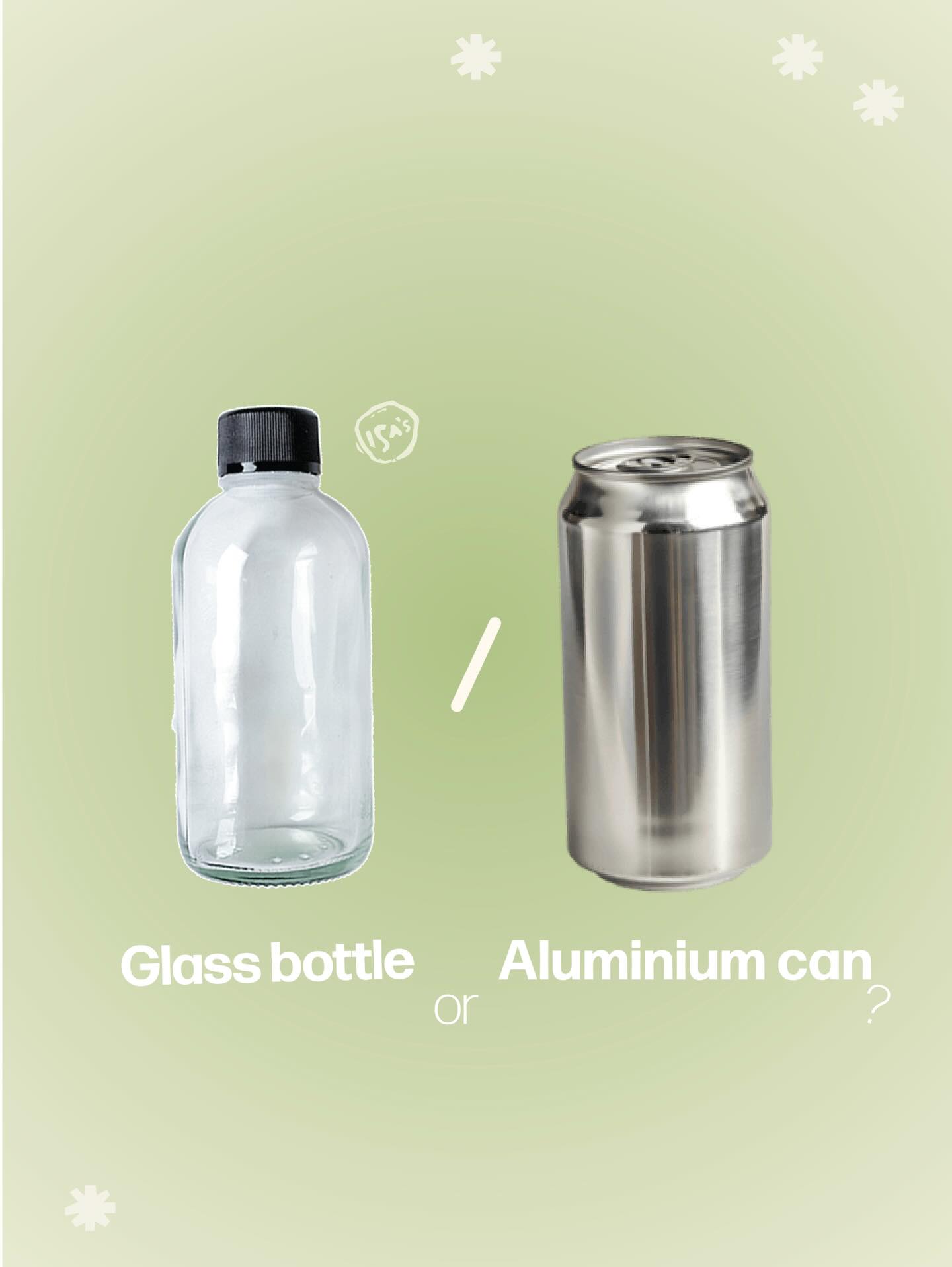
Isa's Kombucha Facebook ad: “glass > cans ◎”
Ran for 68 days, from January 26 to April 4, 2026, the last day Crush saw it.
Run by Isa's Kombucha on Facebook. Crush is not the advertiser and does not verify its claims. See this ad in Meta's Ad Library(opens in a new tab)
Want an ad like this for your product?
Crush makes new ad images for your product from this ad: your logo, your product photo, your offer.
Trials from $19.95 USD, then $79.95 USD a month. Cancel anytime.
About this ad
- Meta Ad Library ID
- 695142086895886
- Platforms
- Facebook, Instagram, Audience Network and Threads
- Relaunches
- 0
- EU reach
- 430,026
Ad text
glass > cans ◎ you might ask: “Isa, aren’t cans more green? ☘️” they’re often marketed that way. but when you look closer, aluminum production is energy-intensive, and cans rely on mining + internal linings to function. glass takes more energy upfront, yes but recycled glass can be reused again and again without loss of quality. and our bottles are recycled. while we can’t reuse ♻️ them ourselves yet, due to limited resources like energy and man power, we hope to move in that direction asap. so the choice isn’t about trends. or aesthetics. it’s about materials. glass is inert. (meaning) it doesn’t react with the drink, it doesn’t leach. it doesn’t need a plastic lining to protect the drink. Aluminum cans do.🔩 Most are lined with polymers to stop the metal from touching the liquid. even when they’re “BPA-free,” they still rely on coatings and trace migration can happen, especially with acidic drinks like kombucha. Glass? What you put in is what you drink. No interaction. No metal taste. No extra chemistry. Is aluminum unsafe? No. Is glass the cleanest, most honest option if you care about what ends up in your body? In my opinion, yes🦋 we choose glass because it protects the drink, the culture, and your gut. Full of life. Alive with intention. 💫 -Isa🫧 for the curious & people who want to dig a bit deeper🤓: 🫙Glass is widely recognized as chemically inert in food packaging ⭐️studies have show higher aluminum content in beverages stored in cans vs glass ⭐️Aluminum cans require polymer linings, which can contribute trace chemical migration ⭐️Research focuses on exposure potential, not fear, glass simply removes a variable. sources include food-packaging & materials studies published in Food Chemistry, Journal of Food Engineering, and EFSA reviews.