
Stopped· since Oct 13, 2025
- 128
- days it ran
- 0
- relaunches
Ad copy
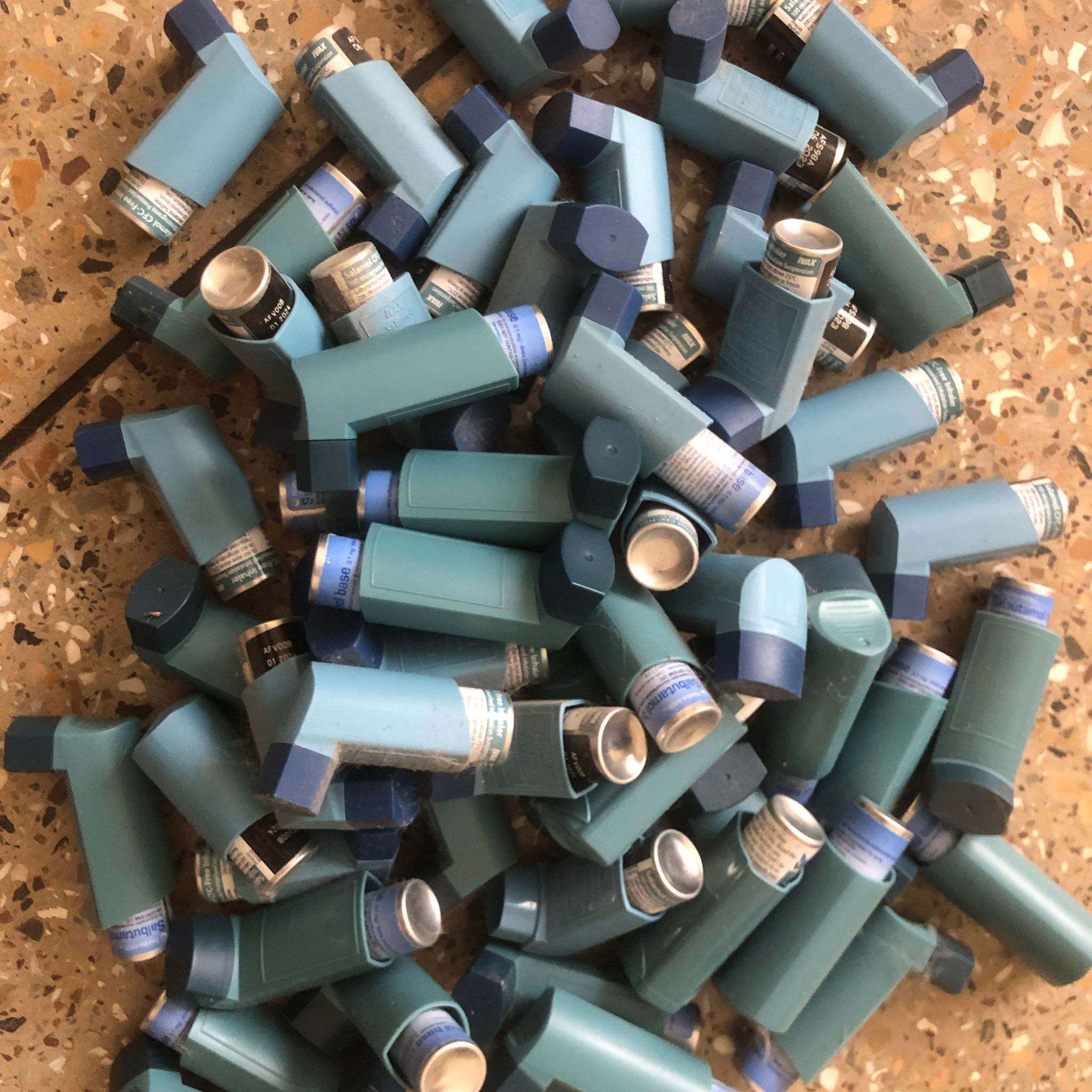
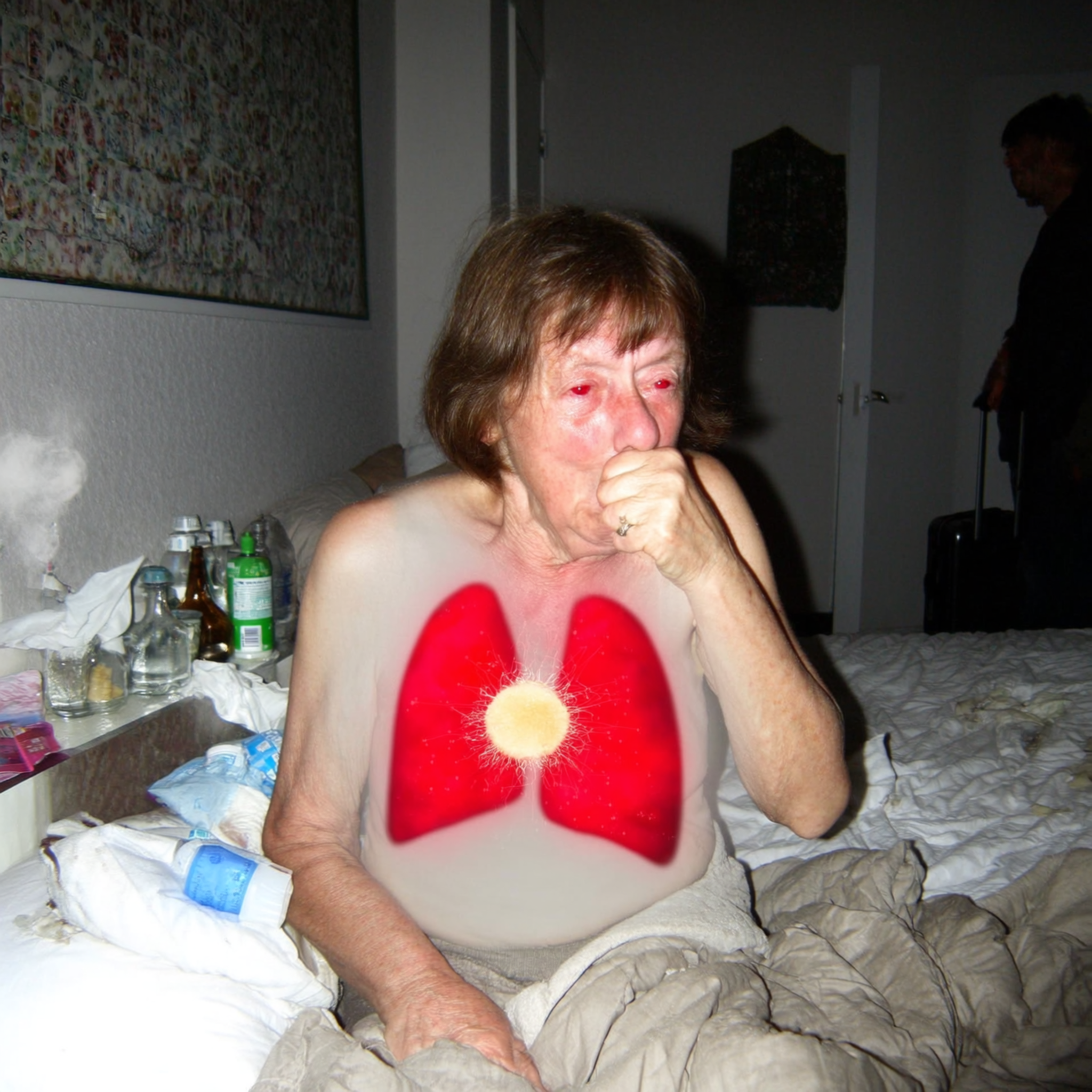
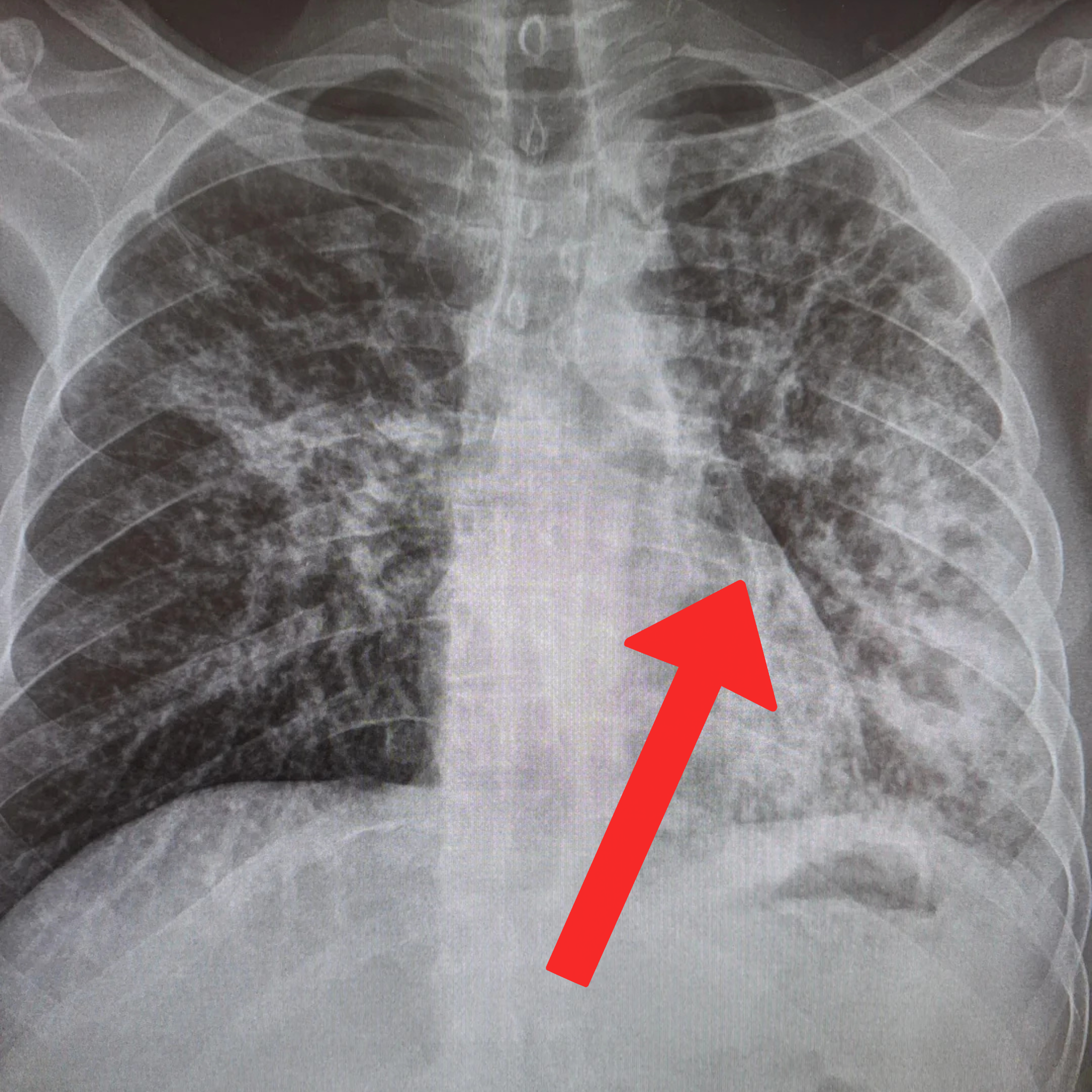
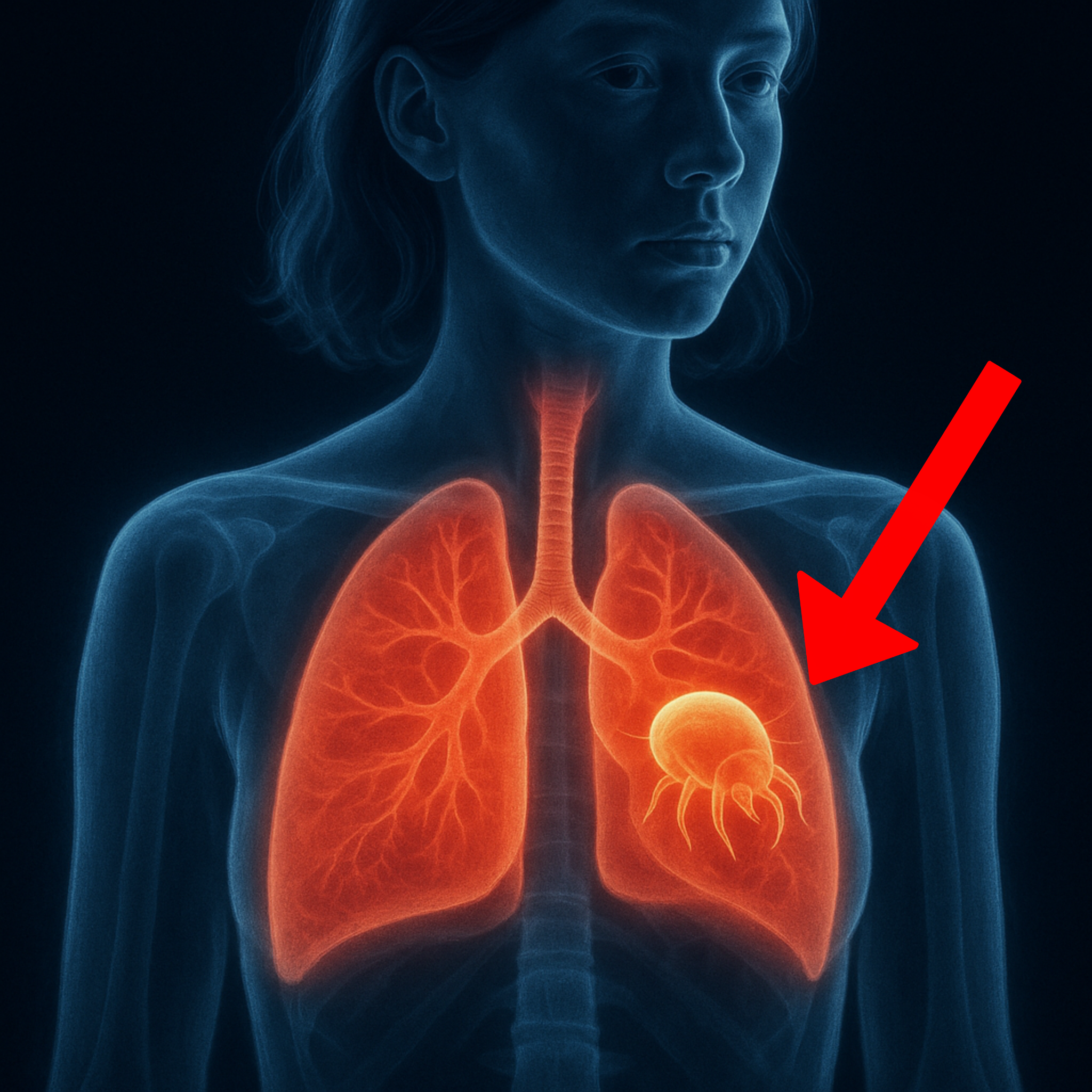
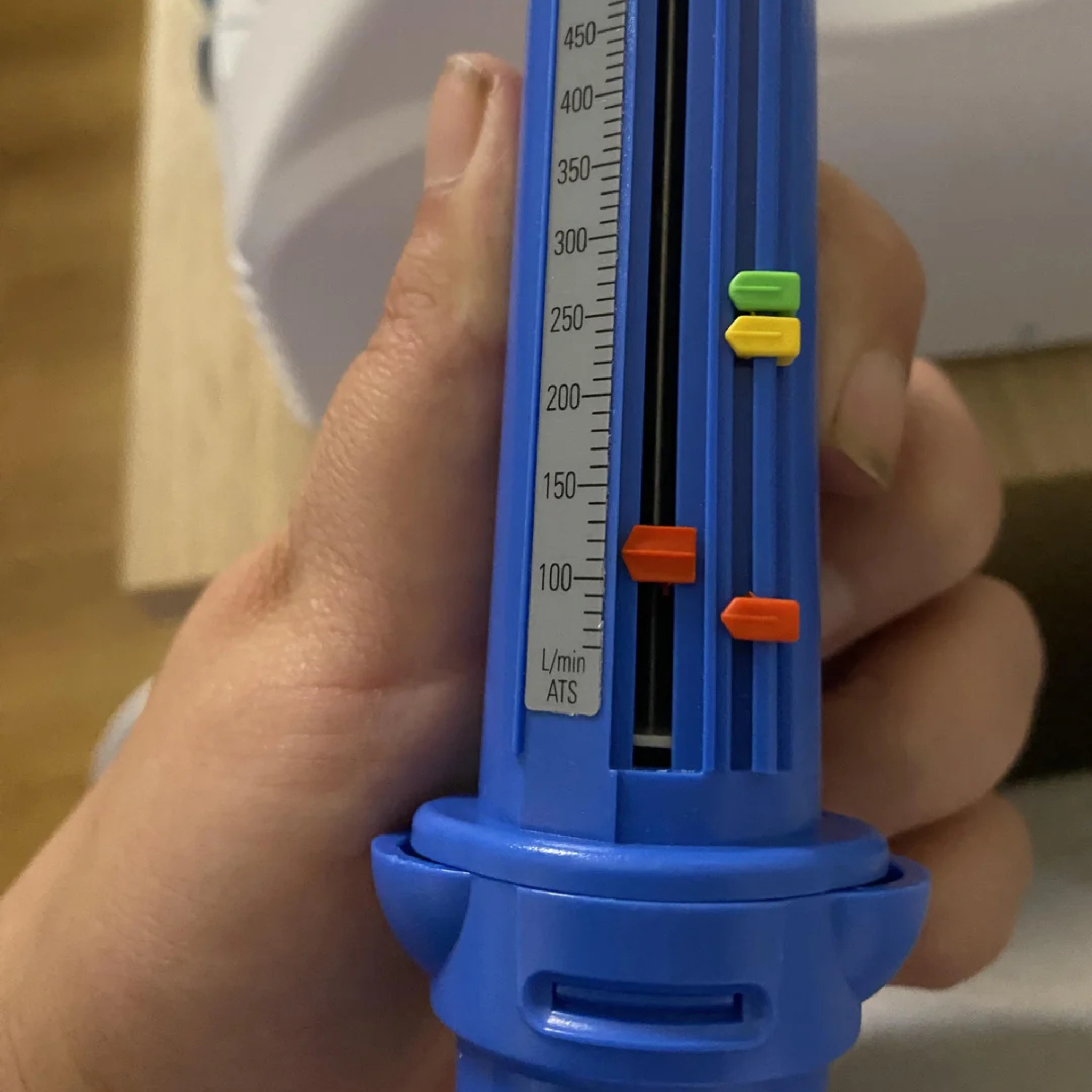
I reached for my inhaler at 2:34 AM, hands shaking in the dark. Third time this week. My chest felt like someone was sitting on it. That tight, whistling sound when I tried to breathe - the sound that terrified me every time. I took two puffs and sat up in bed, waiting for my airways to open. Waiting to feel like I could get a full breath again. My husband Mark was awake too. He always woke up when I had these episodes. "Maybe you should call Dr. Williams in the morning," he said quietly. But I'd already seen Dr. Williams twice this month. My asthma had been managed fine for fifteen years. I knew my triggers - exercise, cold air, spring pollen. I avoided them. This was different. For the past three months, I'd been waking up almost every night struggling to breathe. Not during the day. Not when I was active. Only at night, in bed. My rescue inhaler sat on my nightstand now. I'd go through one every two weeks instead of one lasting months like before. The daytime was manageable. I'd use my maintenance inhaler morning and evening, just like always. My peak flow readings were decent. I could walk, work, live my life normally. But the nights were destroying me. I'd finally fall back asleep around 3 AM, exhausted from the breathing struggle. Then drag myself through the next day feeling like I'd run a marathon in my sleep. Mark was worried. "You're barely sleeping. You look exhausted all the time." He was right. I'd started calling in sick to work because I was too tired to function. My boss was understanding, but I could see the concern in her eyes. This couldn't continue. Dr. Williams increased my maintenance medication dose. Prescribed a different rescue inhaler. Suggested I might need to start oral steroids if things didn't improve. None of it helped. The nighttime attacks continued. I was terrified. What if my asthma was getting worse? What if the medications were stopping working? I started googling at 1 AM after another attack. "Asthma worse at night." "Nocturnal asthma causes." "Why can't I breathe lying down." Most articles said the same things: acid reflux, postnasal drip, lying horizontal affects airways. None of it quite fit what I was experiencing. Then one night after a particularly bad episode, I noticed something. I'd gotten up to use the bathroom, taken my inhaler, and sat in the living room recliner to catch my breath. Within twenty minutes, I felt completely normal. Breathing easy, no wheeze, no tightness. I went back to bed. Within an hour, the symptoms returned. The next night, I tested something. When I felt the tightness starting, I got up and slept the rest of the night in the recliner. I slept fine. No attack. Something about my bedroom - specifically my bed - was triggering my asthma. I stripped the bed the next day. Washed everything in hot water. Vacuumed the mattress. Even moved the bed to check for mold behind the headboard. That night, the attack came back at 2 AM anyway. Mark found me sitting on the edge of the bed, inhaler in hand, crying from frustration. "What if we can't figure this out?" I said. "What if I can't sleep in our bed anymore?" The next morning, I called Dr. Williams again and explained the pattern. "It only happens in my bedroom. When I sleep anywhere else in the house, I'm fine." There was a pause. "Have you considered that you might be reacting to something environmental in the room? Dust mites, for example?" "But I've had asthma for fifteen years. Why would dust mites suddenly be a problem now?" "Asthma sensitivity can change over time," she explained. "And dust mites are particularly problematic for asthmatics because you're lying with your face near them for 8 hours straight. The position triggers both the allergen exposure and the mechanical compression of your airways." She referred me to an allergist, Dr. Chen. Dr. Chen ran a full panel. My dust mite reaction came back extremely high - a level 5 out of 5. "Your asthma is being triggered by prolonged exposure while you sleep," he said. "Every time you move in bed, microscopic allergen particles become airborne. You're essentially breathing in asthma triggers all night long." "But why only at night? Why not during the day?" "During the day, you're not in sustained close contact with concentrated allergen sources. At night, you're lying horizontal for hours with your face inches from your pillow and mattress where mites live. Your airways are already more sensitive in a horizontal position, and the allergen exposure compounds it." Finally, it made sense. Dr. Chen recommended allergen-proof mattress and pillow covers. I bought them immediately. The first night, I thought maybe it helped a little. I only woke up once instead of three times. But by the fourth night, I was back to multiple attacks per night. I was devastated. The covers cost £180, and they weren't solving the problem. "The covers help keep new mites from colonizing," Dr. Chen explained at my follow-up. "But they don't address the particles that are already airborne around your bed while you sleep." He suggested something I'd never heard of - an ionic air purifier designed specifically for bedrooms. "It's different from regular air purifiers," he said. "It releases negative ions that attach to allergen particles and prevent them from staying airborne in your breathing space. For asthmatics, this is critical because even small amounts of airborne allergens can trigger inflammation." The device was called the Clairu Ionic Air Purifier. I was skeptical. I'd already spent so much money on covers, new pillows, medications. What if this didn't work either? But I was desperate. I couldn't keep living like this. I ordered it on a Wednesday. It arrived Friday. That night, I plugged it into the outlet near our bed. It was surprisingly quiet - just a soft light I barely noticed. I went to sleep bracing for the inevitable 2 AM wake-up. I woke up at 6:45 AM to my alarm. I hadn't woken up once during the night. No tightness. No wheeze. No inhaler needed. I actually felt rested for the first time in months. Mark noticed immediately. "You slept through the whole night." I was afraid to hope. Maybe it was just one good night. The second night, same thing. Slept straight through. By the end of the first week, I realized I hadn't used my rescue inhaler at night even once. Dr. Chen was impressed at my next appointment. "Your peak flow numbers are back to normal. Whatever you're doing, keep doing it." It's been four months now. I sleep peacefully every night. My rescue inhaler sits on my nightstand, but I rarely need it anymore. The Clairu just plugs into the wall in our bedroom, working quietly to keep allergen particles from triggering my asthma while I sleep. I have my life back. I wake up rested. I'm not calling in sick. Mark doesn't wake up terrified in the middle of the night anymore. If you have asthma that's suddenly worse at night, if you're going through rescue inhalers faster than ever before, if you can manage during the day but struggle to breathe lying down - it might not be that your asthma is getting worse. It might be that your bedroom is full of invisible triggers that become concentrated around your face for 8 hours every night. Your maintenance medications can't overcome continuous exposure to airborne allergens in your breathing space. You don't have to choose between sleeping in your bed and breathing clearly. Your nights deserve to be as manageable as your days.
Like this ad? Make it yours.
Crush rebuilds this exact creative around your product — your brand, your colors, your offer — in about a minute.