Nutritionist - Carolyn Hurst
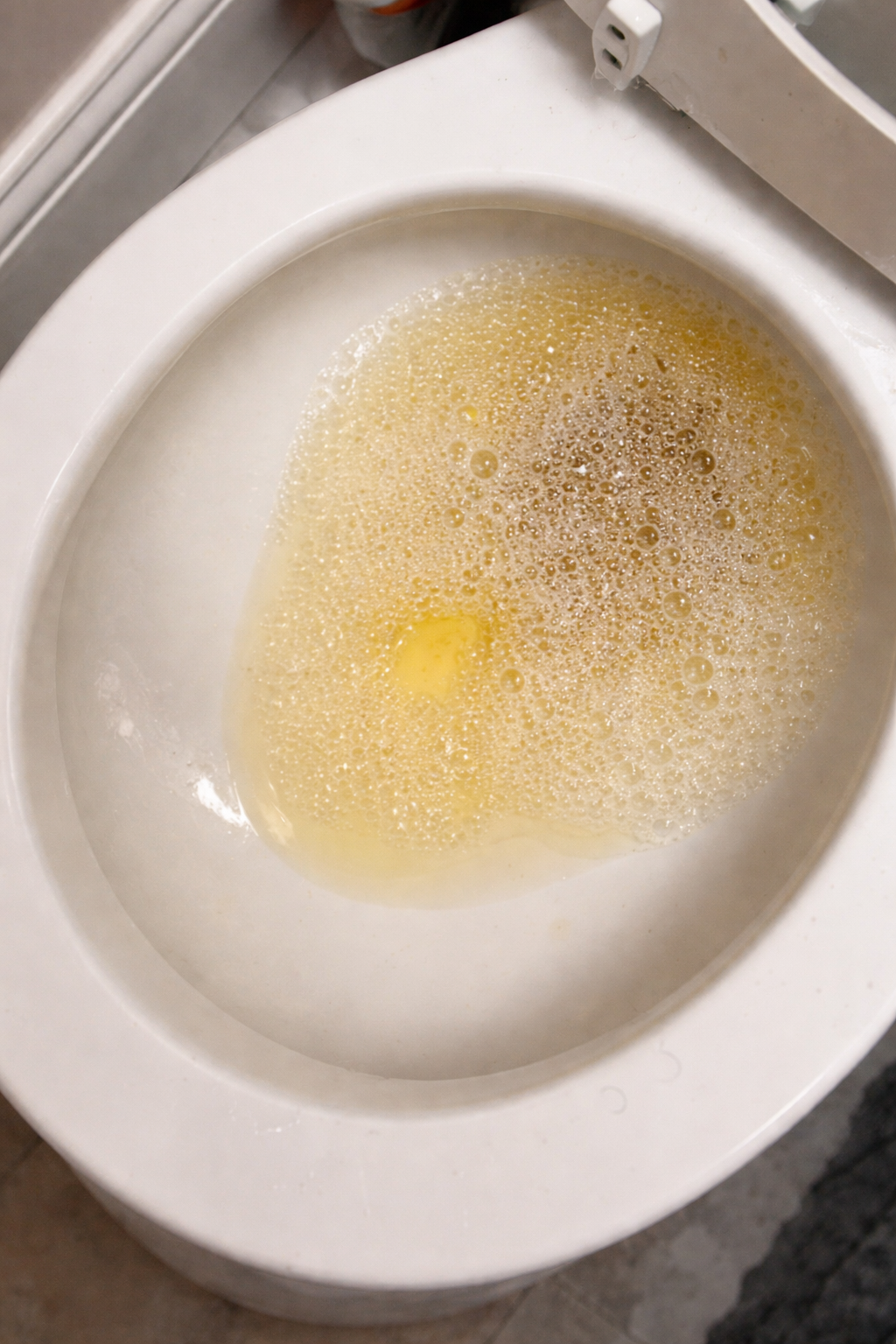
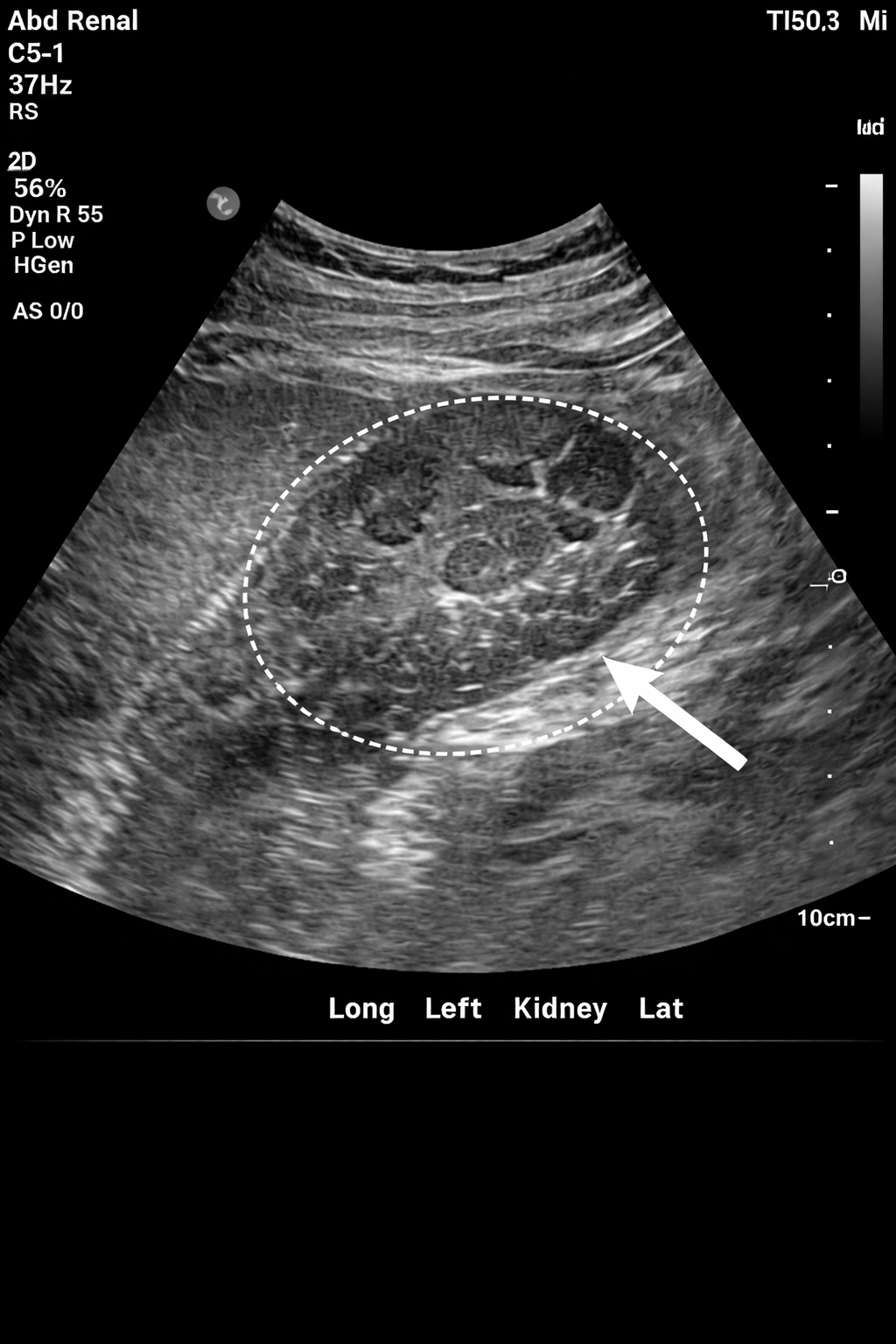
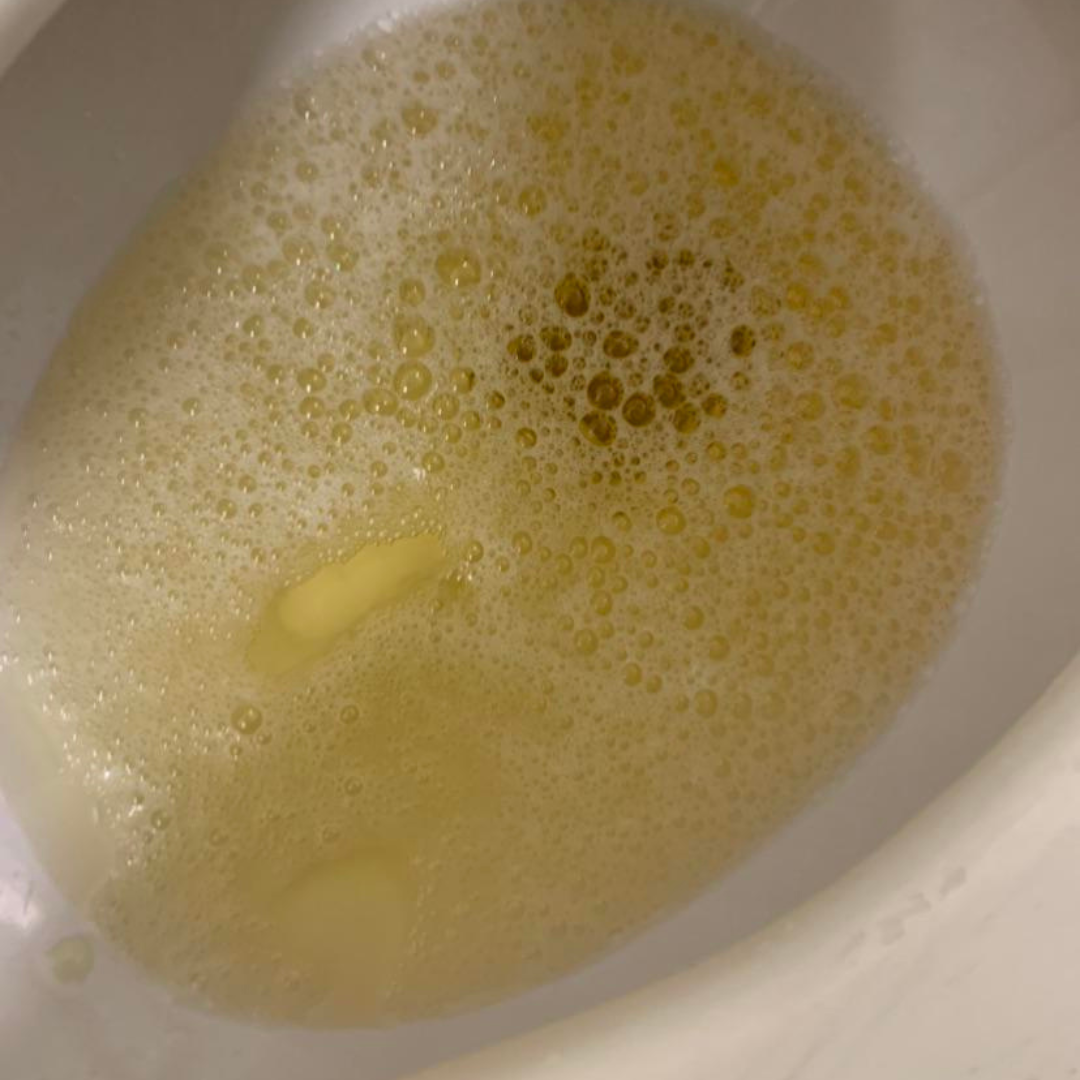
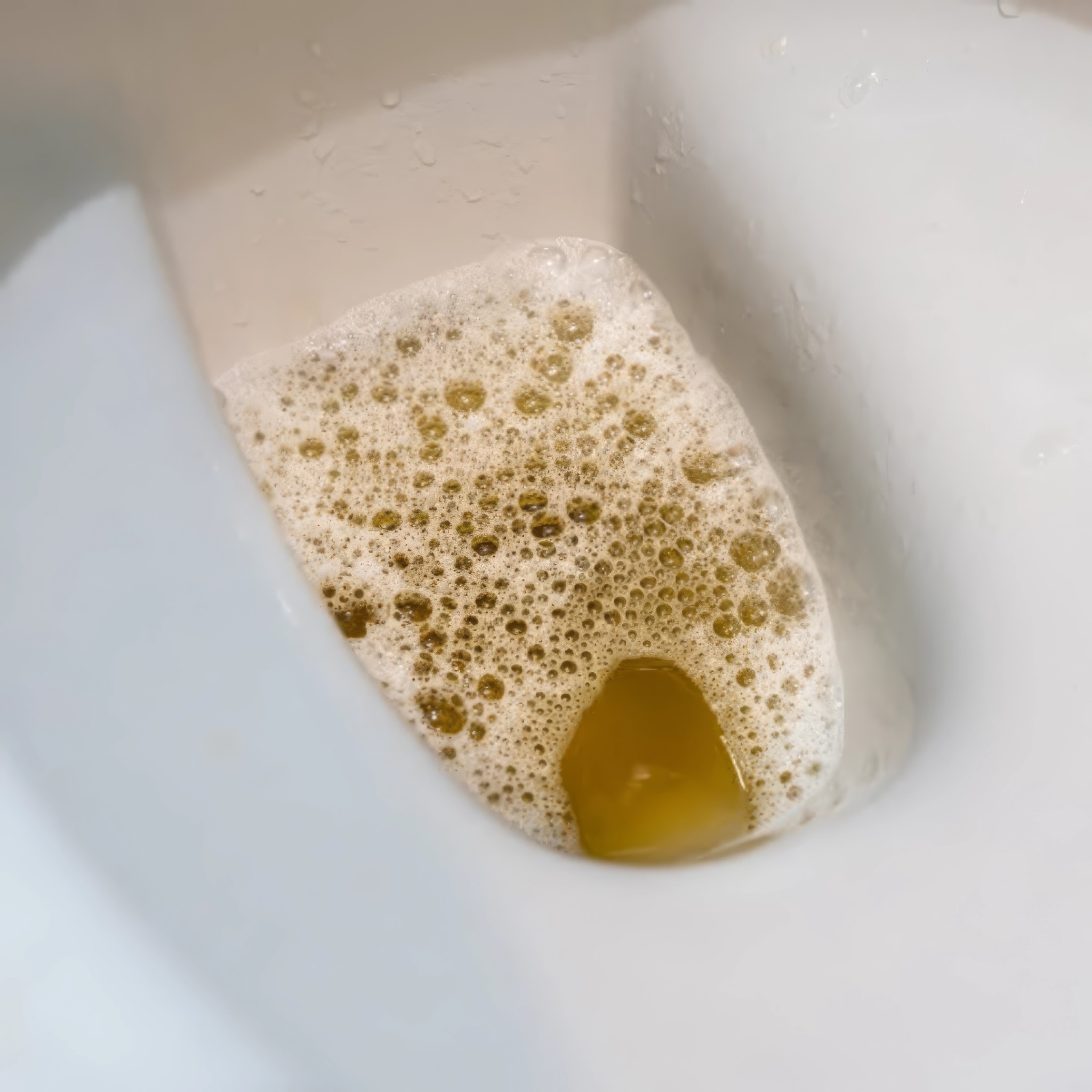
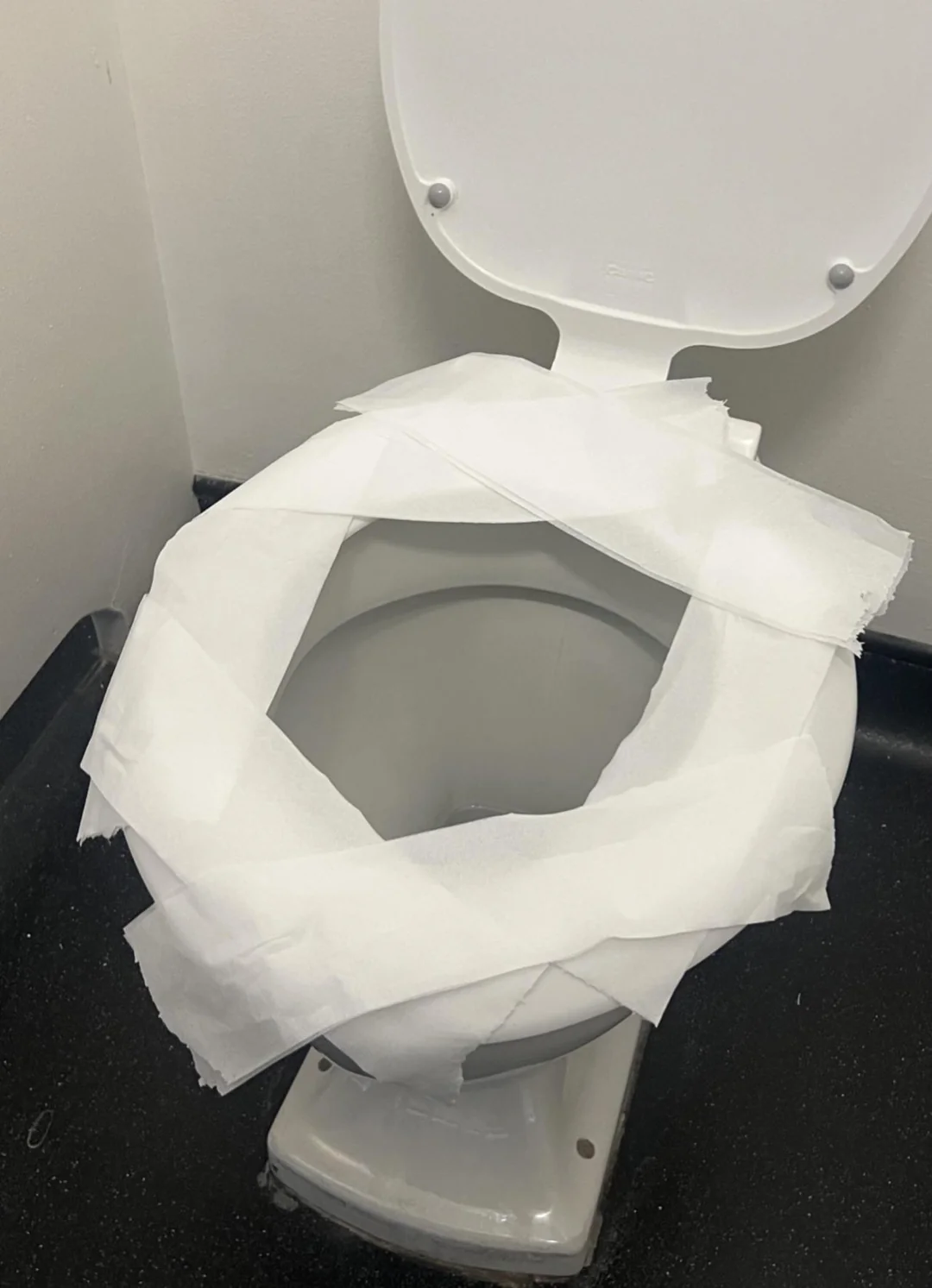
Nutritionist - Carolyn Hurst Facebook ad: “Never trust it's just a fart when you have IBS”
Ran for 4 days, from March 20 to March 24, 2026, the last day Crush saw it.
Run by Nutritionist - Carolyn Hurst on Facebook. Crush is not the advertiser and does not verify its claims. See this ad in Meta's Ad Library(opens in a new tab)
Want an ad like this for your product?
Crush makes new ad images for your product from this ad: your logo, your product photo, your offer.
Trials from $19.95 USD, then $79.95 USD a month. Cancel anytime.
About this ad
- Meta Ad Library ID
- 719461857823893
- Platforms
- Facebook, Instagram, Audience Network, Messenger and Threads
- Relaunches
- 0
Ad text
I was out on the street walking my dog when I felt "it". The sudden urge to go. Not gas. Not a warning. Just urgency. I clenched and speed-walked toward home, praying I'd make it. I didn't. Halfway up my driveway, my body gave out. I felt the warm rush fill my underwear — and keep going. I stood frozen on my own front lawn. A 52-year-old woman. Broad daylight. Neighbors across the street watering their flowers. I waddled inside, stripped in the laundry room, threw everything in the trash, and stood in the shower crying for fifteen minutes. This wasn't the first time. I'd been dealing with IBS for over a decade. The cramping. The bloating. The unpredictable diarrhea that could strike without warning — at work, at dinner, on a walk. I'd done everything my doctor told me to do. Low FODMAP diet. Fiber supplements. Probiotics. Stress management. Peppermint oil capsules. I meal prepped every Sunday. I kept a food diary. I knew my trigger foods by heart and avoided them religiously. And for a while it helped. A little. But then new foods started triggering me. Foods that used to be safe suddenly weren't. My safe list kept shrinking. Until I was down to maybe six or seven things I could eat without worrying about a flare-up. And even those weren't guaranteed. I started turning down dinner invitations. Skipping my daughter's soccer games. Planning my entire life around bathroom access. I thought if I just stuck with the diet long enough, it would eventually get better. That was until I found myself standing in my laundry room, naked, hosing diarrhea off my legs. I couldn't live like this anymore. So I did something I should've done years ago. I made an appointment with a new gastroenterologist — not the clinic that diagnosed me a decade ago, but a specialist at a research hospital downtown. Her name was Dr. Reyes. When I walked into her office, she reviewed my file and asked the usual questions. I gave her the whole story. The diet. The supplements. The accidents. She listened carefully. Then she asked me something no doctor had ever asked before. "What do you think is actually causing your IBS?" I sat there for a second. After twelve years of living with this condition, I realized I didn't actually know. "Bad digestion? Stress? Sensitive gut?" She nodded slowly. "That's what most people say. But I want to show you something." She turned her computer screen toward me. Two images of intestinal tissue side by side. One looked smooth and tight. Sealed. The other looked ragged. Gaps between the cells. Frayed edges. "This," she said, pointing to the damaged one, "is what we're seeing more and more in IBS patients. And we're starting to understand why." She told me the problem wasn't my diet. It wasn't stress. It wasn't even my gut bacteria — at least not directly. The problem was what I'd been swallowing every single day without knowing it. Microplastics. "Plastic? Like plastic plastic?" She nodded. She explained that microplastics are tiny plastic fragments — some smaller than a speck of dust — that have contaminated virtually everything we eat and drink. Bottled water. Tap water. Seafood. Salt. Rice. Vegetables. Tea bags. Food wrapped in plastic. Food stored in plastic. Food heated in plastic. Even the air we breathe. The average person swallows tens of thousands of microplastic particles every single year. And these particles don't just pass through. They accumulate. In our gut. In our tissues. In our organs. "So what does plastic have to do with my IBS?" I asked. She explained that our gut lining is held together by tiny protein structures that act like a seal — keeping the gut wall intact, letting nutrients through while blocking bacteria, toxins, and undigested particles. When microplastics reach the gut, they physically damage that seal. Gaps open between the cells. Things that should never leave the gut — bacteria, toxins, partially digested food — start leaking into the bloodstream. Your immune system panics. It doesn't know what it's dealing with, so it attacks. It releases inflammatory chemicals that don't just fight the leaked particles — they inflame the gut lining itself. That inflammation does two things. It makes your gut nerves hypersensitive — so normal digestive signals now register as pain and cramping. And it throws off the contractions your intestines use to move food through — causing urgent diarrhea, constipation, or both, swinging back and forth unpredictably. I sat there stunned. This explained everything. The shrinking safe-food list. The random flare-ups. The feeling that my gut had a mind of its own. It wasn't that more foods were becoming triggers. It was that my gut lining was getting more damaged over time. "But here's the part no one tells you," Dr. Reyes said. "You can't diet your way out of this. You can't stress-manage your way out of this. Because every single day, you're swallowing more microplastics. The assault never stops." "It's like trying to mop up a flood while the pipe is still broken." "Until you address the microplastics, your gut can never fully heal." I felt my stomach sink. "So what do I do?" I asked. She told me there were three natural compounds — each targeting a different stage of the microplastic problem — that research suggested could help. She explained what each one does. 💊 Three ingredients that need to work together. First — Chitosan. It acts like a magnet in the gut — binding to microplastic particles before they can reach the gut wall and damage the seal. The plastic gets trapped and carried out through stool instead of getting absorbed. A human clinical trial showed 45% more plastic leaving the body with this one ingredient alone. Second — Two specific probiotic strains. Selected from a screening of 784 strains specifically because they physically latch onto plastic particles that get past the first line and carry them out. These same strains also repair the tight junction proteins that microplastics destroy — helping seal the gut wall back up so the inflammatory flood starts slowing down. Third — Black rice extract. It calms the inflammatory response that microplastic damage triggers — the same inflammation making your gut nerves hypersensitive and your motility unpredictable. And it helps the gut lining recover from the damage that's already been done. Catch the plastic before it damages the wall. Repair the wall that's already broken. Calm the inflammation driving the symptoms. "Is there something that combines all three?" I asked. She said she didn't know of anything off the top of her head. "Try to find something that has all three at proper doses — or buy them separately if you have to. Let me know what you find." I went home that night and started searching. It took a while. Most products had one ingredient. Generic probiotics without the right strains. Nothing with all three together at doses that matched the research. I almost gave up and started pricing out buying them separately. Then I found Daily Defense by Resilia. Every ingredient published. Chitosan at 800mg — the exact dose from the human trial. The two specific probiotic strains named on the label. Black rice extract at a real dose. Third-party tested. Made in the USA. Glass bottle. Bamboo cap. It looked like the first product actually built around this problem from the ground up. I ordered a three-month supply. Week one I started taking one capsule with dinner. No weird taste. No stomach upset. Week two the bloating was noticeably less. Still some cramping but it felt muted. Like the volume had been turned down. Week three I went five days without a single bathroom emergency. Five days. I texted my sister about it because I couldn't believe it. Week four I went back to Dr. Reyes for a follow-up. She ran some tests. My inflammatory markers had dropped significantly. She said my gut was showing clear signs of healing. I told her what I'd found. She asked me to send her the product details. A few weeks later she messaged me back. She'd looked into the research behind each ingredient. She was going to start recommending it to her IBS patients. It's been three months now. I've reintroduced foods I haven't touched in years. Last week I ate cheese. Actual cheese. On pasta. In a restaurant. No cramping. No emergency. No accident. I almost cried at the table. I'm not saying my gut is perfect. Twelve years of damage doesn't reverse overnight. But for the first time in over a decade, I feel like my body is actually healing — not just managing. If you have IBS and you've been blaming your diet, your stress levels, your gut sensitivity — please hear this. You can't heal a gut that's under constant assault. When you catch the microplastics coming in, repair the damage they've done, and calm the inflammation they triggered — everything can change. Daily Defense is still a relatively new product and not many people know about it yet. But as the research on microplastics and gut damage keeps going mainstream — and it is going mainstream fast — this won't stay quiet for long. The demand is going to climb and a new brand like this won't be able to keep up with it. If you want to try it before that happens, now is the time. They're running a limited sale right now and stock does run low. There's a 30-day money-back guarantee — if nothing shifts, you pay nothing. Don't wait until you're standing in your driveway praying your neighbors aren't watching. Your gut can heal. But only if you stop the assault. https://resilia.shop/products/resilia-daily-defense
Where the ad sends people
resilia.shop
Never trust it's just a fart when you have IBS
Resilia® offers powerful immune support supplements designed to strengthen your body naturally. Explore our immune system boosters, premium oregano oil capsules
Learn more: resilia.shop(opens in a new tab)